The best road cycling routes around Kingwater
4.8
(32)
1,078
riders
87
rides
Road cycling routes around Kingwater traverse a landscape rich in historical landmarks and natural features. The region is characterized by undulating terrain, often following ancient Roman routes and waterways like King Water. Cyclists can expect to encounter historical sites such as Hadrian's Wall and Lanercost Priory, offering varied scenery. The area provides a mix of road cycling experiences, from gentler paths to more challenging ascents.
Best road cycling routes around Kingwater
- The most popular road cycling route is Lanercost Priory…
Last updated: July 9, 2026
5.0
(1)
24
riders
37.8km
01:44
380m
380m
Moderate road ride. Good fitness required. Mostly well-paved surfaces and easy to ride.
5.0
(1)
20
riders
46.2km
02:09
500m
500m
Moderate road ride. Good fitness required. Mostly well-paved surfaces and easy to ride.

Sign up for free
6
riders
43.2km
02:28
610m
610m
Moderate road ride. Good fitness required. Mostly well-paved surfaces and easy to ride.
8
riders
36.5km
01:49
380m
380m
Moderate road ride. Good fitness required. Mostly well-paved surfaces and easy to ride.
2
riders
35.5km
01:40
340m
340m
Moderate road ride. Good fitness required. Mostly well-paved surfaces and easy to ride.
Get access to more routes and recommendations from other explorers.
Sign up for free
Already have an account?
Our route recommendations are based on thousands of hikes, rides, and runs completed by other people on komoot.
Start today with a free account
Your next adventure awaits.
Login or Signup
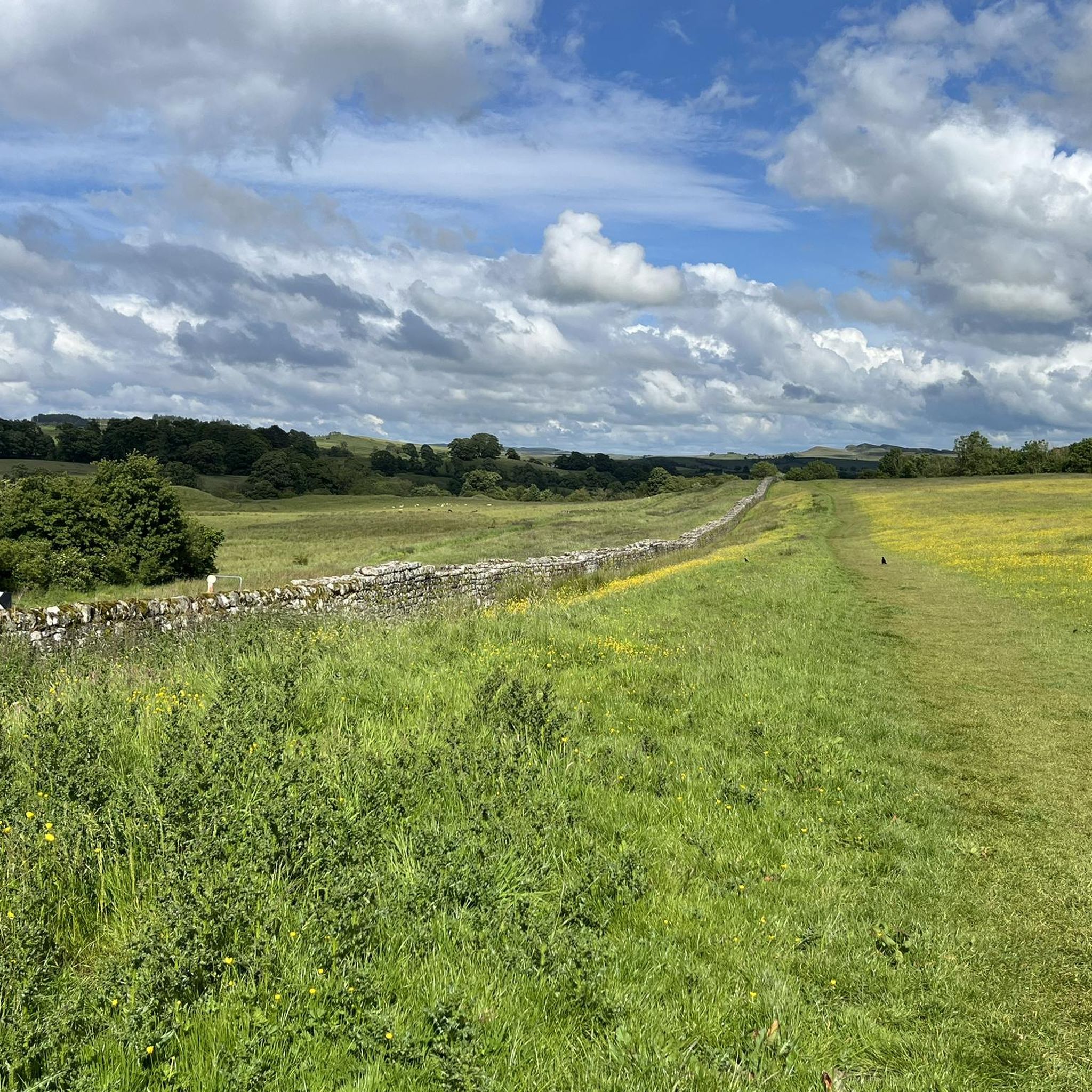
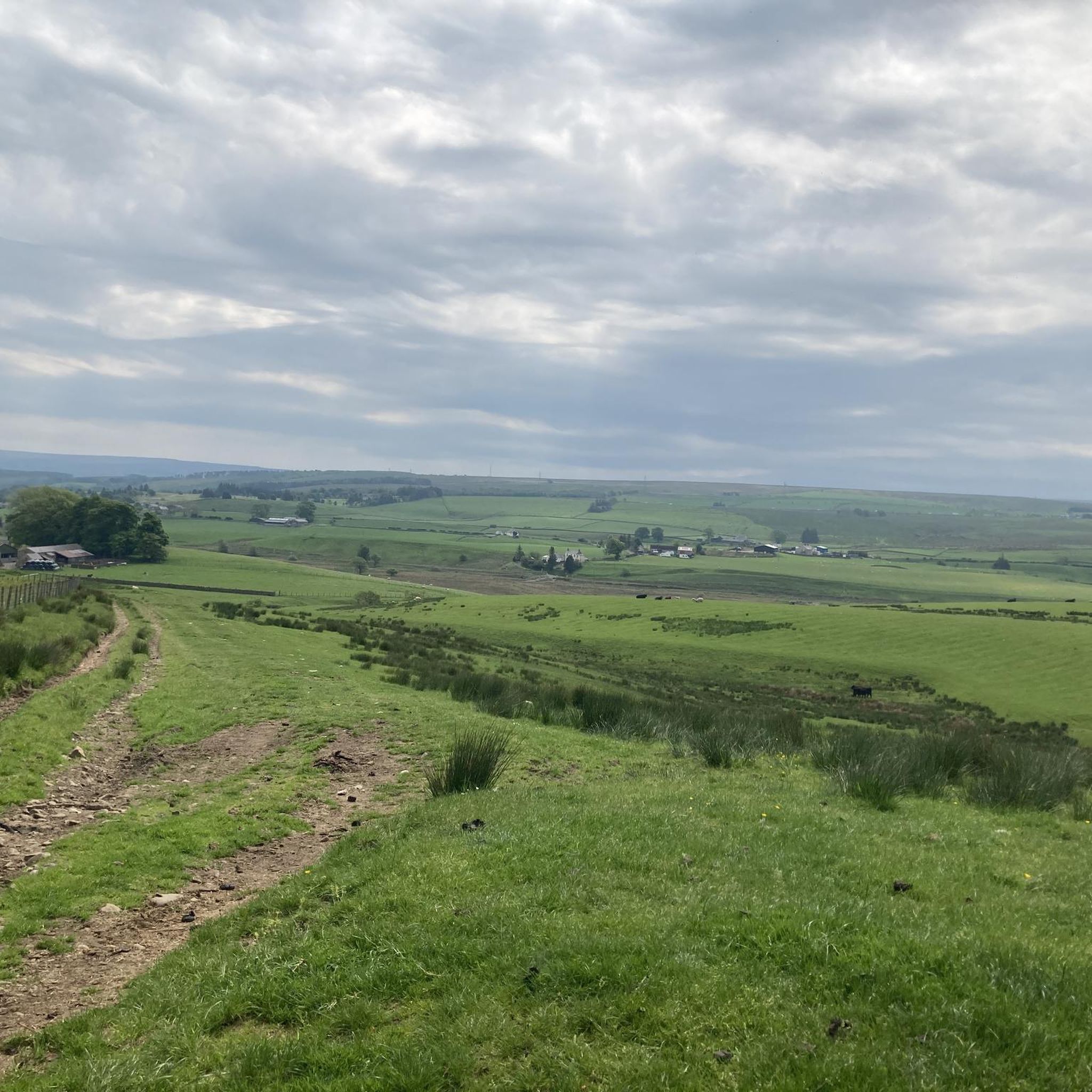
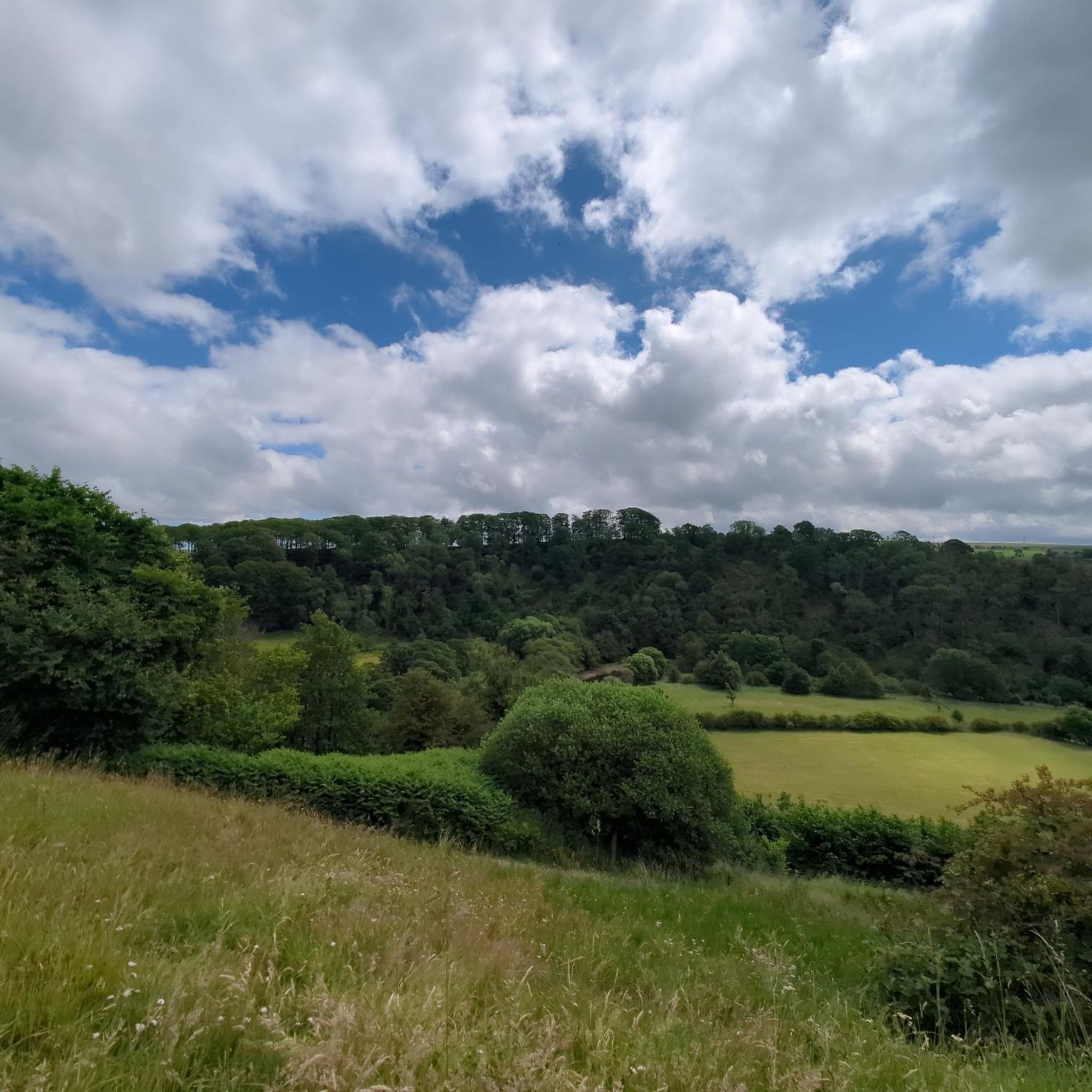
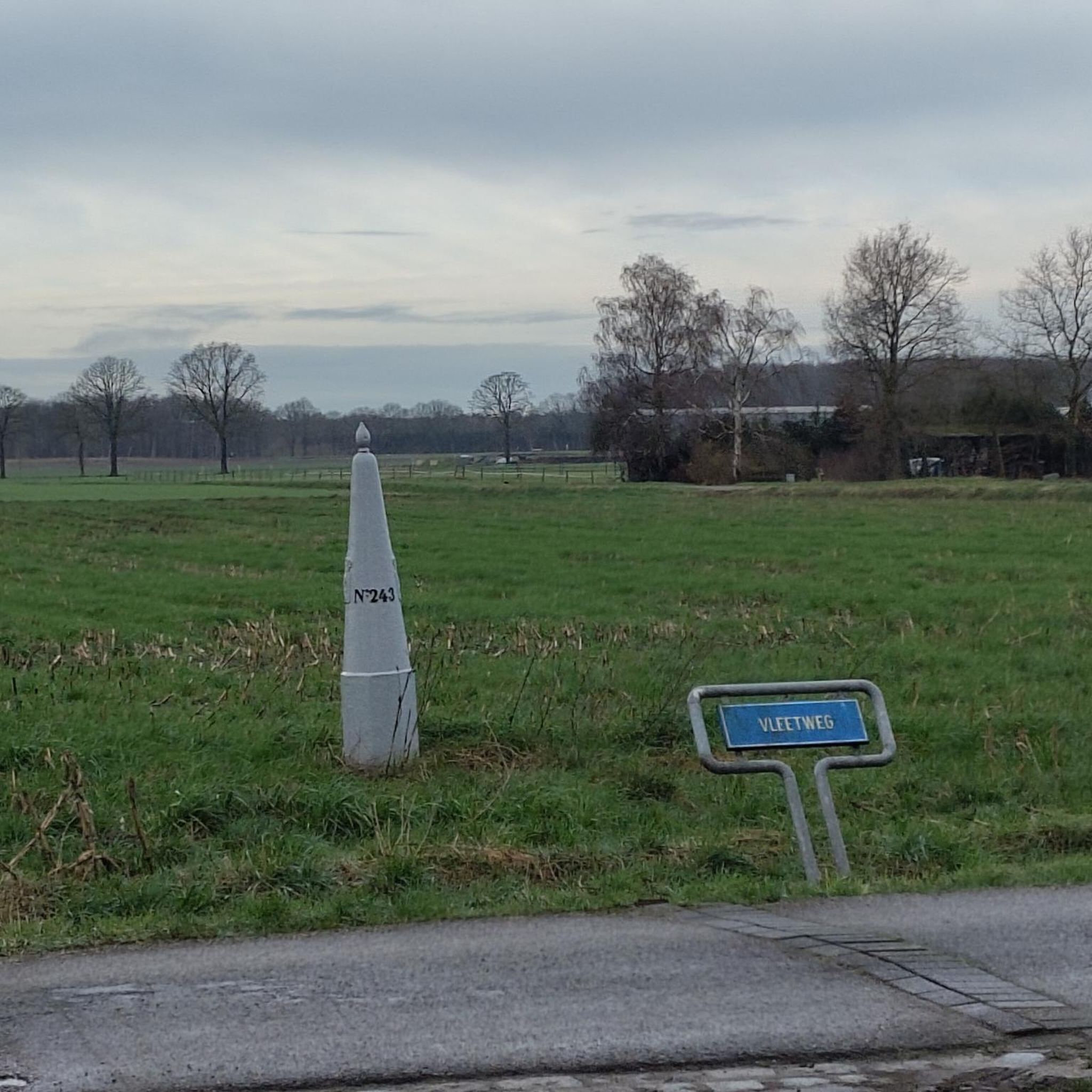
Tips from the Community

At this small sacred monument, there are several reasons why cyclists should not pass by carelessly, but should linger for a moment: Firstly, the church, together with the surrounding cemetery and the 'Bewcastle Cross' standing on the grounds, form a very harmonious unit. Secondly, when contemplating this cross, one looks far back into history, as its creation is dated to the 7th or 8th century. Thirdly, however – and mainly (!) – the artistic design of the obelisk, which rises to about the lower eaves of the church roof, tapering slightly upwards, is extremely noteworthy ('Amy' and 'Joe' have already described this in their contributions). My personal conclusion: Although the actual cross, which once crowned the obelisk, has long been missing, it is still a noteworthy small sacred monument!
0
0

Along Lanercost Road near Banks in Cumbria, you'll find the well-preserved remains of Leahill Turret (51B), a Roman watchtower built around 122 AD as part of Hadrian's Wall. The tower was fully excavated and consolidated in 1958 and is still visible today to a height of approximately one meter. Leahill Turret served as a staging post between Milecastles 51 and 52, providing Roman soldiers with a strategic vantage point over the northern border region. Inside, traces of a raised platform against the north wall and a later shelter structure against the south wall are visible, suggesting reuse in the 4th century.
11
0
Banks East Turret, also known as Turret 52A, is one of the best-preserved watchtowers along the western section of Hadrian's Wall. Built around 122 AD on the orders of Emperor Hadrian, this tower was part of an ingenious network: two turrets stood between each milecastle, manned by a handful of soldiers who guarded the boundary. The tower is built of stone, even though the wall here was originally turf—a rare example of early Roman engineering. You'll find an impressive section of wall reaching 1.75 meters high at the tower itself. The site offers panoramic views of the southern landscape, while the northern terrain is higher—a strategic yet surprising choice.
11
0
Askerton Castle is a rare example of a fortified medieval manor house, situated in remote north Cumbria, about three miles north of Hadrian's Wall. The original building was constructed around 1290 as an unfortified hall, but in the late 15th century, two battlemented towers—the Dacre Tower and the Dovecot Tower—were added by Thomas, Lord Dacre, as part of a border defense against the notorious Border Reivers. In the 16th century, the complex was expanded with a stable block and additional wings for troop accommodation. A third tower on the northwest corner is believed to have been lost, possibly to fire, but traces of its stonework and staircases are still visible in the walls. The structure contains impressive oak beams, dated between 1494 and 1510, and shows clear stages of architectural evolution—from a simple hall to a military stronghold. Although the castle is not open to the public, it is now part of the Askerton Castle Estate, an organic farm that produces beef, lamb, pork, and poultry. The building is a Grade I listed building, indicating its exceptional historical value.
7
0
St Cuthbert Bewcastle Church stands on the foundations of a Roman fort and has roots dating back to the 13th century. Although the current building largely dates from the 18th and 19th centuries, parts of the east chancel are still medieval. The church exudes simplicity and tranquility, with a rectangular plan and a wooden gallery on the west side. Within the church, traces of the Border Reivers' turbulent history can be found, including gravestones bearing names like Armstrong and Routledge.
8
0
Bewcastle Fort (Latin: Fanum Cocidi) was a Roman fort in the English town of Bewcastle. The fort lay north of Hadrian's Wall and was connected by a road (Maiden Way) to the Banna (Birdoswald) fort on the wall. The fort's Latin name (The Shrine of Cocidius) indicates that it enclosed an existing local shrine. The Romans equated the deity Cocidius with Mars, and the fort was possibly built there to control tribal gatherings. In the second century, the Cohors I Dacorum mil. eq. (a mixed cohort with infantry and cavalry in dual garrisons, with auxiliaries from Dacia) was stationed there. A dual garrison cohort was also likely stationed there in the third century. By 400, before Hadrian's Wall was abandoned, Bewcastle Fort had already been abandoned. Around 1092, Bewcastle Castle was built in a corner of the former fortress, using Roman stone. The church of St. Cuthbert is also located within the old fortress walls.
7
0
Cattle grid, a bypass and an intersection
7
0
Hadrian's Wall was a 117 km long defensive wall built from 122 AD under Emperor Hadrian as the northwestern border of the Roman Empire. The wall ran from the Tyne to the Solway Firth, its central section following the natural ridge of the Whin Sill, a hard dolerite geological formation. This location offered Roman troops a tactical advantage: high ground with wide visibility and natural defenses. The wall served to control movement, delay incursions, and demonstrate Roman power. Here, next to Birdoswald Fort, you'll find the longest remaining section of the historic wall.
11
0
Frequently Asked Questions
How many road cycling routes are available around Kingwater?
There are over 90 road cycling routes around Kingwater documented on komoot, offering a wide variety of experiences for different skill levels.
Are there easy road cycling routes suitable for beginners in Kingwater?
Yes, Kingwater offers a good selection of routes for beginners. Approximately 24 routes are rated as easy. A great option is the View of Bewcastle Castle – Bewcastle Church and Cross loop from King Water, which is 16.1 miles (25.9 km) and takes about 1 hour 16 minutes.
What kind of terrain can I expect on road cycling routes in Kingwater?
The Kingwater region is characterized by undulating terrain, often following ancient Roman routes and river valleys. You'll encounter a mix of rolling hills and flatter sections, providing varied cycling experiences.
Are there challenging road cycling routes for experienced cyclists?
Absolutely. For experienced cyclists seeking a challenge, Kingwater has about 17 routes rated as difficult. These routes often feature more significant ascents and longer distances. The Hadrian's Wall – Lanercost Priory loop from Mile Castle 53, for example, covers 28.8 miles (46.4 km) with over 500 meters of elevation gain.
What historical sites can I see along the road cycling routes in Kingwater?
Many routes in Kingwater pass by significant historical landmarks. You can explore sites like Hadrian's Wall, Lanercost Priory, and Bewcastle Castle. For instance, the Lanercost Priory – Hadrian's Wall loop from Mile Castle 54 offers direct views of these ancient structures.
Are there any circular road cycling routes in Kingwater?
Yes, many of the road cycling routes in Kingwater are designed as loops, allowing you to start and finish at the same point. Examples include the popular Hadrian's Wall – Lanercost Priory loop from Kingwater and the Lanercost Priory – Old Roman Road loop from King Water.
What are some notable viewpoints or natural attractions along Kingwater's road cycling routes?
Beyond historical sites, you can find natural beauty and viewpoints. Nearby attractions include Sycamore Gap (Robin Hood Tree), Steel Rigg and Hadrian's Wall, and various lakes like Crag Lough. Some routes also offer views of Kielder Water.
What is the best time of year for road cycling in Kingwater?
The best time for road cycling in Kingwater is generally from late spring through early autumn (May to September) when the weather is milder and daylight hours are longer. This period offers the most pleasant conditions for exploring the region's historical and natural landscapes.
What do other road cyclists enjoy most about cycling in Kingwater?
The komoot community highly rates the road cycling experience in Kingwater, with an average score of 4.8 stars from over 30 reviews. Cyclists often praise the region's rich historical context, the varied scenery that includes Roman routes and river valleys, and the mix of routes suitable for different abilities.
Are there family-friendly road cycling options in Kingwater?
While specific 'family-friendly' designations aren't always explicit for road cycling, the easier rated routes with less traffic and gentler gradients would be most suitable for families. Look for routes marked as 'easy' in the komoot app, which typically have shorter distances and less elevation.
Are there facilities like cafes or restrooms along the road cycling routes?
While specific cafes are not listed for every route, the routes often pass through or near villages and towns where you can find amenities. Planning your route with komoot allows you to check for points of interest, including potential stops for refreshments or facilities, along your chosen path.
Most popular attractions around Kingwater

Get inspired with the komoot mobile app


Explore more
Browse the best Road cycling routes in other regions.
