The best road cycling routes around Carlatton
4.7
(64)
1,855
riders
177
rides
Road cycling around Carlatton features a landscape characterized by rural roads and varied terrain, including sections through the Eden Valley. The area offers routes that traverse rolling hills and open countryside. Cyclists can expect a mix of gradients, from gentle inclines to more challenging ascents, providing diverse experiences for different fitness levels.
Best road cycling routes around Carlatton
- The most popular road cycling route is Rural road near Heads Nook – Eden Valley loop from Hayton, a 20.3 miles…
Last updated: October 12, 2026
50
riders
32.6km
01:49
340m
340m
Moderate road ride. Good fitness required. Mostly well-paved surfaces and easy to ride.
3.0
(1)
27
riders
40.6km
01:57
240m
240m
Easy road ride. Great for any fitness level. Mostly well-paved surfaces and easy to ride.

13
riders
20.5km
01:05
150m
150m
Easy road ride. Great for any fitness level. Mostly well-paved surfaces and easy to ride.
5.0
(1)
16
riders
79.3km
03:49
870m
870m
Moderate road ride. Good fitness required. Mostly well-paved surfaces and easy to ride.
9
riders
63.2km
03:20
920m
920m
Hard road ride. Very good fitness required. Mostly well-paved surfaces and easy to ride.
Get access to more routes and recommendations from other explorers.
Already have an account?
Our route recommendations are based on thousands of hikes, rides, and runs completed by other people on komoot.
Start today with a free account
Your next adventure awaits.
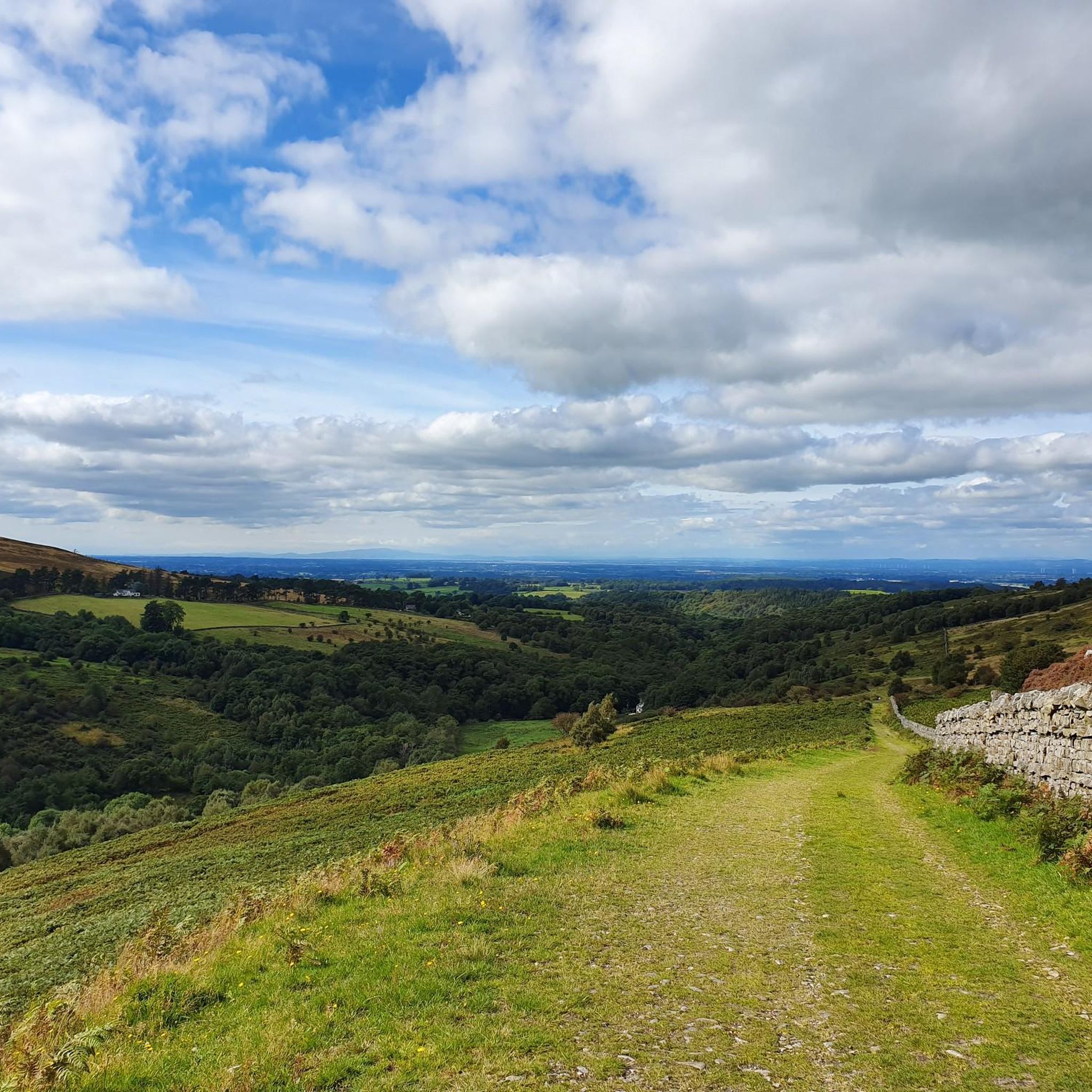
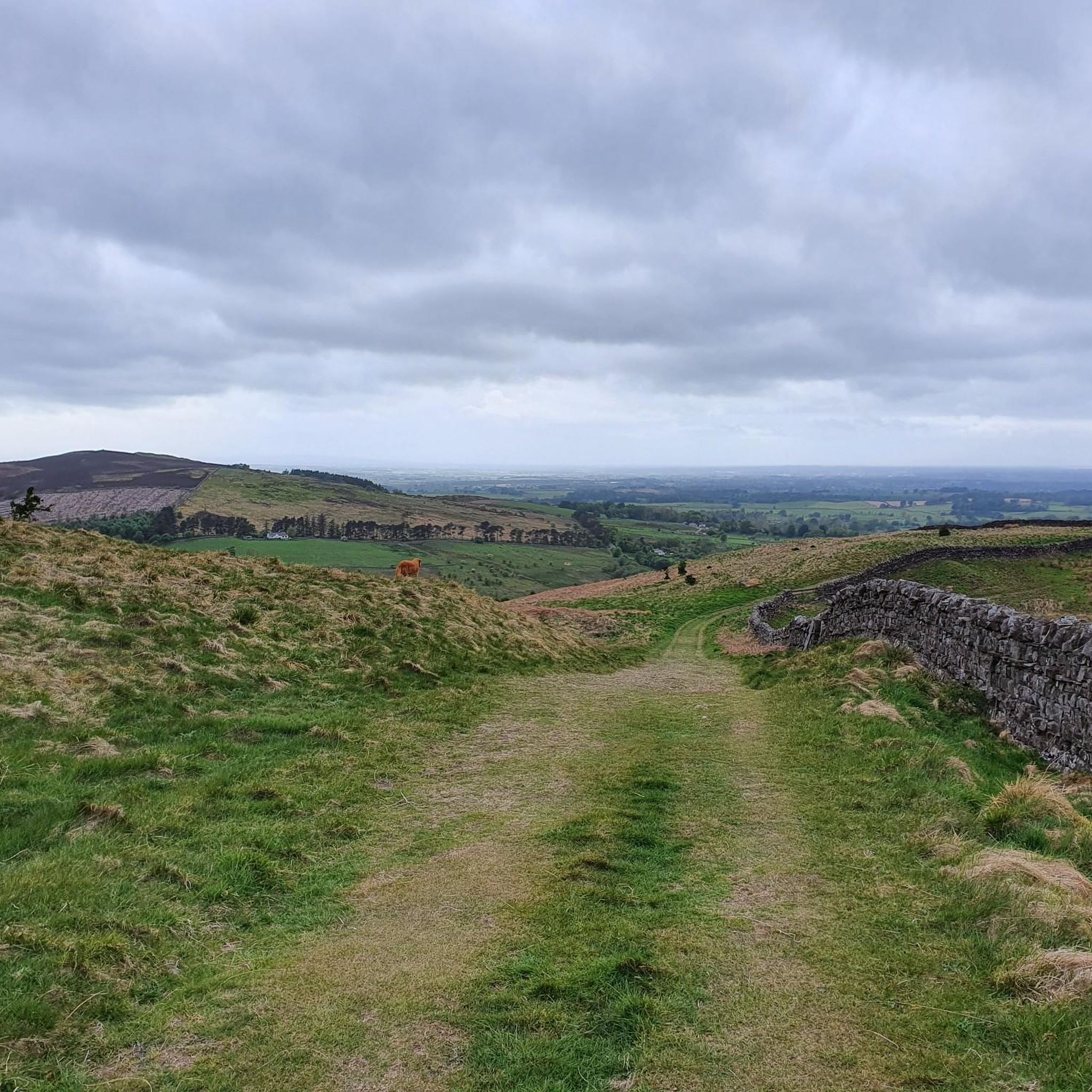
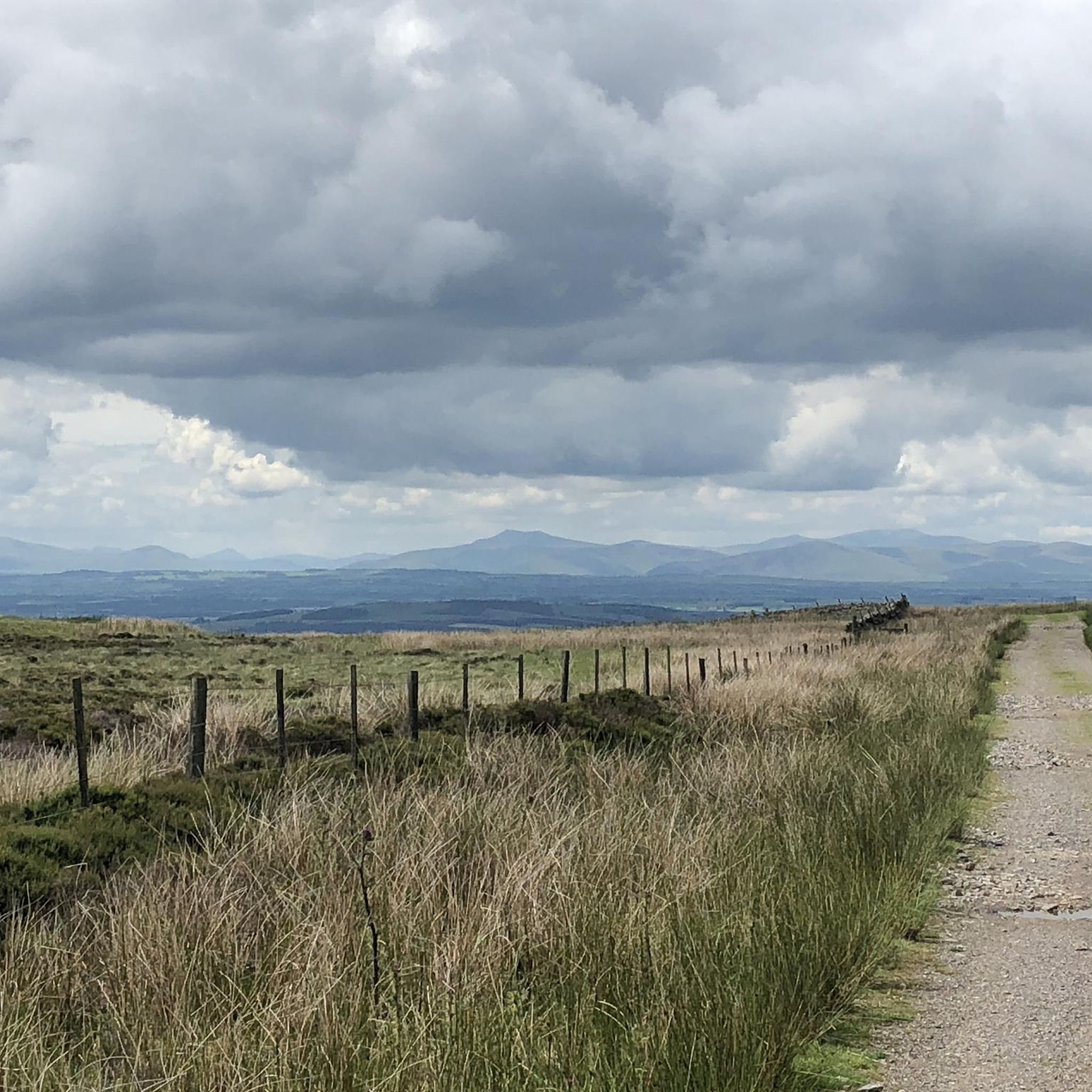
Tips from the Community

At this small sacred monument, there are several reasons why cyclists should not pass by carelessly, but should linger for a moment: Firstly, the church, together with the surrounding cemetery and the 'Bewcastle Cross' standing on the grounds, form a very harmonious unit. Secondly, when contemplating this cross, one looks far back into history, as its creation is dated to the 7th or 8th century. Thirdly, however – and mainly (!) – the artistic design of the obelisk, which rises to about the lower eaves of the church roof, tapering slightly upwards, is extremely noteworthy ('Amy' and 'Joe' have already described this in their contributions). My personal conclusion: Although the actual cross, which once crowned the obelisk, has long been missing, it is still a noteworthy small sacred monument!
0
0

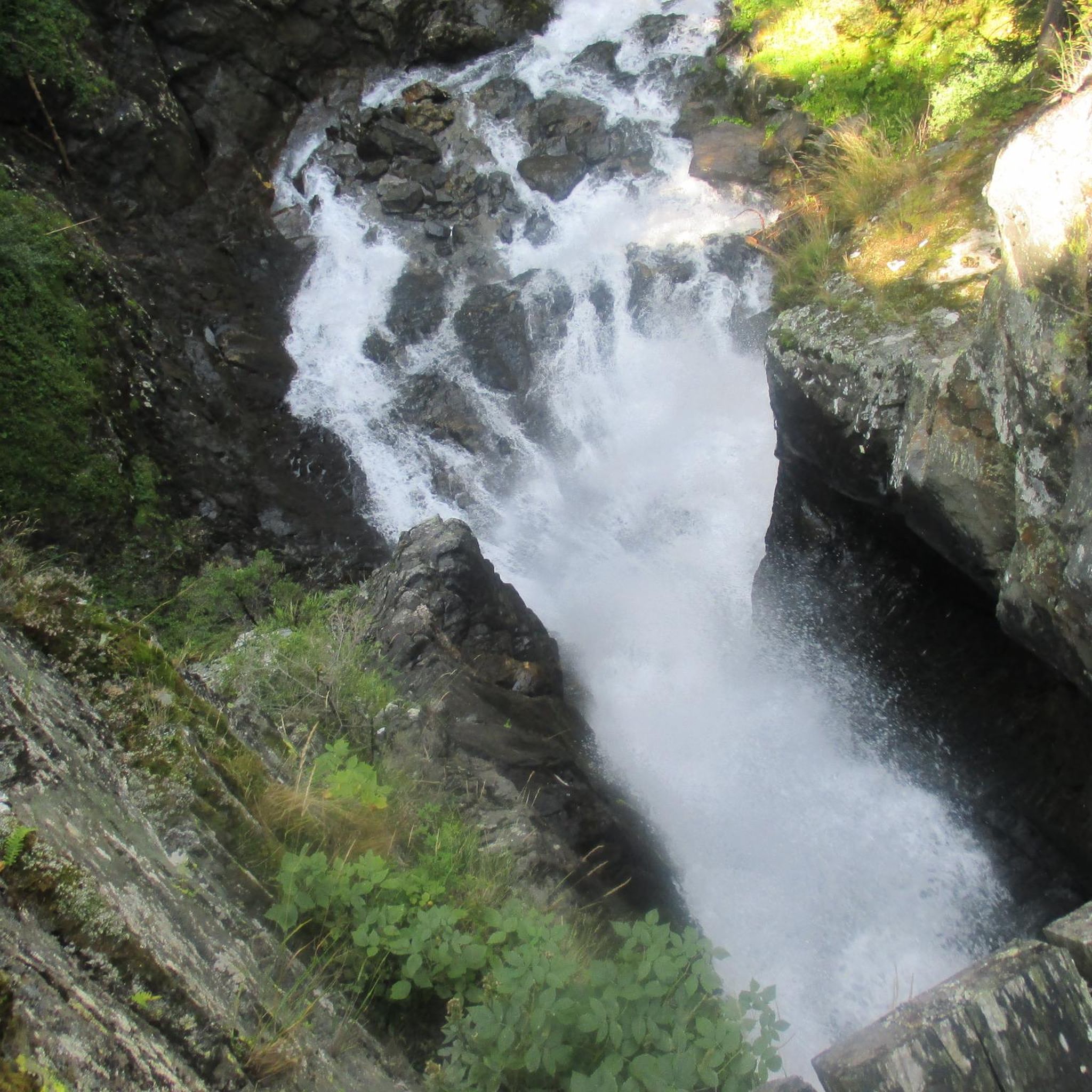
It is rare that the creek is high enough to flow over the road.
7
0
Askerton Castle is a rare example of a fortified medieval manor house, situated in remote north Cumbria, about three miles north of Hadrian's Wall. The original building was constructed around 1290 as an unfortified hall, but in the late 15th century, two battlemented towers—the Dacre Tower and the Dovecot Tower—were added by Thomas, Lord Dacre, as part of a border defense against the notorious Border Reivers. In the 16th century, the complex was expanded with a stable block and additional wings for troop accommodation. A third tower on the northwest corner is believed to have been lost, possibly to fire, but traces of its stonework and staircases are still visible in the walls. The structure contains impressive oak beams, dated between 1494 and 1510, and shows clear stages of architectural evolution—from a simple hall to a military stronghold. Although the castle is not open to the public, it is now part of the Askerton Castle Estate, an organic farm that produces beef, lamb, pork, and poultry. The building is a Grade I listed building, indicating its exceptional historical value.
7
0
St Cuthbert Bewcastle Church stands on the foundations of a Roman fort and has roots dating back to the 13th century. Although the current building largely dates from the 18th and 19th centuries, parts of the east chancel are still medieval. The church exudes simplicity and tranquility, with a rectangular plan and a wooden gallery on the west side. Within the church, traces of the Border Reivers' turbulent history can be found, including gravestones bearing names like Armstrong and Routledge.
8
0
Hadrian's Wall was a 117 km long defensive wall built from 122 AD under Emperor Hadrian as the northwestern border of the Roman Empire. The wall ran from the Tyne to the Solway Firth, its central section following the natural ridge of the Whin Sill, a hard dolerite geological formation. This location offered Roman troops a tactical advantage: high ground with wide visibility and natural defenses. The wall served to control movement, delay incursions, and demonstrate Roman power. Here, next to Birdoswald Fort, you'll find the longest remaining section of the historic wall.
11
0
This impressive Augustinian priory, founded around 1169, is just a stone's throw from Hadrian's Wall. Its ruins tell stories of kings, wars, and pilgrims. King Edward I stayed here in 1306 during his final campaign against the Scots, and Robert the Bruce later attacked the monastery. The church ruins still stand tall, with a dramatic triple-arched structure. Built partly with stones from Hadrian's Wall, they include Roman inscriptions. Inside, you'll find the Lanercost Cross (1214) and the Lanercost Dossal, a work of art designed by William Morris.
11
0
The ruins of Bewcastle Castle lie mysteriously tucked away in the northeastern corner of an old Roman fort in Cumbria. The original castle was built around 1092 on the foundations of the Fanum Cocidii fort and served as a border defense against Scottish incursions. Destroyed in 1173, it was rebuilt in the 14th century by John de Strivelyn, a general of King Edward III. The castle had a square plan of 27 meters, surrounded by a dry moat that partially utilized Roman ditches. Within the walls were buildings surrounding a small courtyard, with a gatehouse added later. The walls are up to 9 meters high, with visible windows and fireplaces on the second floor. Bewcastle Castle was strategically located on the Maiden Way, a Roman road leading to Hadrian's Wall, and played a role in conflicts with the notorious Border Reivers. Today the ruins are unstable and partly inaccessible, but they remain a powerful symbol of border defense and medieval architecture.
9
0

How Mill is a small village, it seems the only prominent feature is the railway crossing. I was surprised at how quick the barriers went up and down, hardly any waiting
0
0
Frequently Asked Questions
How many road cycling routes are available around Carlatton?
Carlatton offers a wide selection of road cycling routes, with over 200 different tours available on komoot. These routes cater to various skill levels, from easy to difficult.
What kind of terrain can I expect when road cycling in Carlatton?
Road cycling around Carlatton is characterized by rural roads, rolling hills, and open countryside. You'll encounter a mix of gradients, from gentle inclines to more challenging ascents, particularly through sections of the Eden Valley.
Are there any easy road cycling routes suitable for beginners or a relaxed ride?
Yes, Carlatton has many easy road cycling options. For a pleasant ride through the countryside with manageable gradients, consider the Castle Carrock – Right Turn loop from Hayton, which is an easy 25.2 miles (40.6 km) path.
What are some challenging road cycling routes for experienced riders?
For those seeking a more demanding ride, the Carlatton area offers routes with significant elevation gain. A difficult option is the Langwathby Bridge – Hartside Summit Descent loop from Cumwhitton, covering 63.5 km with over 900 meters of climbing.
Are there any circular road cycling routes around Carlatton?
Many of the road cycling routes in Carlatton are designed as loops, allowing you to start and finish in the same location. Examples include the popular Rural road near Heads Nook – Eden Valley loop from Hayton and the Rural road near Heads Nook – Right Turn loop from Hayton.
What interesting landmarks or attractions can I see along the road cycling routes?
Several routes pass by notable attractions. You could cycle near the historic Lanercost Priory, or enjoy views from the Cold Fell Summit and Trig Point. The Hadrian's Wall – Lanercost Priory loop from Cumwhitton specifically incorporates historical elements.
Are there places to stop for refreshments or a break during a ride?
Yes, you can find places to refuel. For example, the Lanercost Tea Room is a good spot for a break, and the Wellbeck Snack Shed offers convenient refreshments along some routes.
What do other road cyclists say about the routes in Carlatton?
The road cycling routes in Carlatton are highly regarded by the komoot community, with an average rating of 4.7 stars from over 60 reviews. Cyclists often praise the varied terrain, quiet rural roads, and the scenic beauty of the open countryside.
Can I find routes that offer scenic viewpoints?
Absolutely. The region features several viewpoints that can be incorporated into your rides. The Cold Fell Summit and Trig Point and Talkin Fell Summit Cairns and Trig Point offer panoramic vistas, providing rewarding stops during your cycling adventure.
Are there any routes that pass by natural water features?
Yes, you can find routes that include natural water features. For instance, you might encounter the serene Talkin Tarn Lake or the picturesque Hynam Bridge over the River Gelt on some of the local rides.
What is the best way to explore the Carlatton area by road bike?
The best way to explore Carlatton is by utilizing the diverse network of rural roads. Komoot offers over 200 routes, allowing you to choose based on distance, elevation, and points of interest. Many routes are loops, making it easy to plan your ride from a central starting point.
Most popular routes around Carlatton
Most popular attractions around Carlatton

Get inspired with the komoot mobile app


Explore more
Browse the best Road cycling routes in other regions.
