The best mountain hikes around Embleton
5.0
(7)
43
hikers
11
hikes
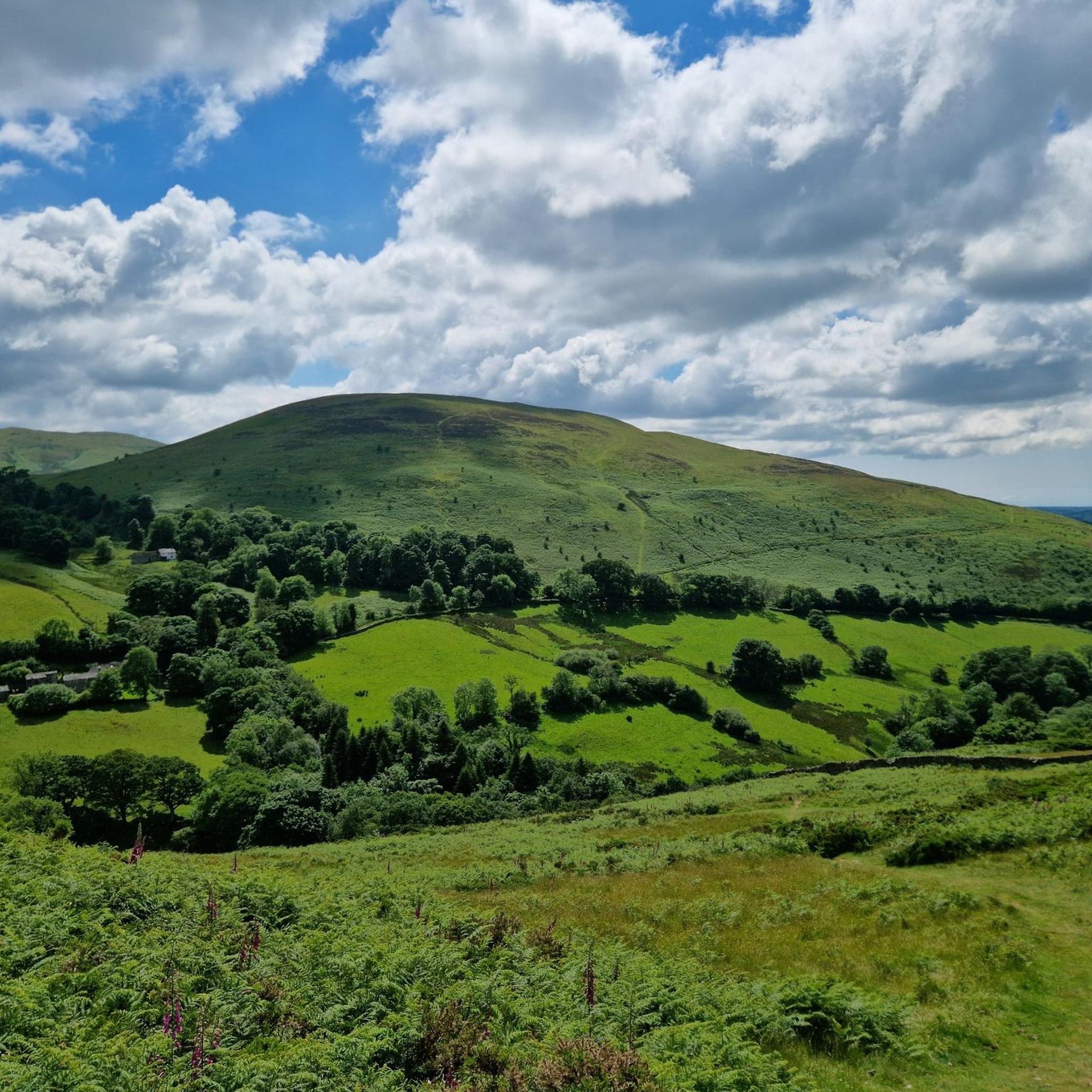
Mountaineering routes around Embleton offer a diverse range of challenges across varied terrain. The region features prominent fells and peaks, characterized by significant elevation gains and open mountain landscapes. These routes often traverse rocky paths, grassy slopes, and high ridges, providing extensive views. The area provides opportunities for both moderate and difficult mountaineering experiences.
Best mountaineering routes around Embleton
- The most popular mountaineering route is Grisedale Pike – Hopegill Head loop from Braithwaite, a 10.0 miles (16.1 km) trail…
Last updated: June 26, 2026
7
hikers
16.6km
06:47
970m
980m
Hard mountaineering route. Very good fitness required. Sure-footedness, sturdy shoes and alpine experience required.
5.0
(2)
5
hikers
11.4km
04:14
710m
710m
Moderate mountaineering route. Good fitness required. Easily-accessible paths. Suitable for all skill levels.

Sign up for free
5.0
(1)
4
hikers
12.3km
04:59
880m
880m
Moderate mountaineering route. Good fitness required. Mostly accessible paths. Sure-footedness required.
5
hikers
12.7km
04:53
750m
750m
Moderate mountaineering route. Good fitness required. Mostly accessible paths. Sure-footedness required.
5.0
(2)
4
hikers
9.08km
03:33
640m
640m
Moderate mountaineering route. Good fitness required. Easily-accessible paths. Suitable for all skill levels.
Get access to more routes and recommendations from other explorers.
Sign up for free
Already have an account?
Our route recommendations are based on thousands of hikes, rides, and runs completed by other people on komoot.
Start today with a free account
Your next adventure awaits.
Login or Signup

Tips from the Community

It looks quite bad as you approach from a distance, but it's not so bad when you go up slowly and steadily. It won't take long.
0
0


A great ridge to climb from Lanthwaite. Rising to Whiteside and then Hopegill Head. A return journey can be made via any of the North western routes to return into the Buttermere/Crummock valley
0
0

Stunning views overlooking Crummock Water and Buttermere. From here you can descend down the back and have many options to continue your route.
1
0

Grasmoor is the highest mountain in the North Western Lakes standing at 852m (2795ft). It has a distinctive outline with a steep scree and crags on its western slopes and a broad grassy summit marked by a large cairn
0
0
Whiteside offers a stunning view of both Crummock Water and the ridge line looking up to Hopegill Head
0
0

Both decent options between Skiddaw South Top and Skiddaw, south west heading towards Carl Side, require sure footedness and appear rather treacherous as you head off the top down the scree.
1
0
Frequently Asked Questions
What kind of mountaineering routes can I expect around Embleton?
The Embleton area, particularly the fells and peaks referenced in this guide, offers a mix of moderate and difficult mountaineering experiences. You'll find routes characterized by significant elevation gains, rocky paths, grassy slopes, and high ridges, providing extensive views of the surrounding landscapes. There are 10 moderate and 5 difficult routes available in this guide.
Are there any beginner-friendly mountaineering routes in the Embleton area?
While many routes in this guide are challenging, there are moderate options suitable for those with some experience looking to progress. For example, the Carl Side – Osprey Watch loop from Dodd is a moderate 11.4 km trail with significant ascent, offering a good introduction to the fells without the extreme demands of the most difficult routes.
What are some challenging mountaineering routes for experienced hikers?
For those seeking a significant challenge, the Embleton area provides several difficult routes. The Grisedale Pike – Hopegill Head loop from Braithwaite is a demanding 16.1 km trail with over 1,000 meters of ascent across rugged fells. Another excellent option is the Whiteless Pike – Rannerdale Knotts loop from Crummock Water, which offers challenging climbs and panoramic views over 15.9 km.
Are there any circular mountaineering routes available?
Yes, many of the mountaineering routes in this guide are designed as circular loops, allowing you to start and finish at the same point. Examples include the Carl Side – Osprey Watch loop from Dodd and the Stone Sculpture on Skiddaw loop from Mirehouse (S bound), both offering rewarding circular journeys through the fells.
What is the best season for mountaineering around Embleton?
The best season for mountaineering in the Embleton area is typically late spring through early autumn (May to October). During these months, you can expect more stable weather, longer daylight hours, and generally clearer paths. However, conditions in the mountains can change rapidly, so always be prepared for all weather types regardless of the season.
What are the winter mountaineering conditions like?
Winter mountaineering in the Embleton area can be challenging and requires specific skills and equipment. Snow and ice are common on higher fells, and daylight hours are significantly shorter. Conditions can be severe, with strong winds, whiteouts, and freezing temperatures. It is recommended only for experienced mountaineers with appropriate winter gear and knowledge of avalanche safety.
What interesting landmarks or natural features can I see along these routes?
The routes often pass by stunning natural features and viewpoints. You might encounter highlights such as the Skiddaw Summit, offering expansive views, or the View of Buttermere and Crummock Water from Rannerdale Knotts. The area is also rich in lakes, including Derwent Water, and various mountain peaks like Grisedale Pike.
Are there any less crowded mountaineering trails in the area?
While popular routes can see more foot traffic, exploring some of the moderate trails or visiting during off-peak times (weekdays, early mornings) can offer a more tranquil experience. Routes like the Stone Sculpture on Skiddaw loop from Applethwaite might offer a quieter alternative compared to the most well-known peaks, especially if you start early.
What do other mountaineers enjoy most about the routes around Embleton?
The mountaineering routes in this area are highly rated by the komoot community, with an average score of 5.0 stars from over 6 reviews. Reviewers often praise the challenging fells, significant elevation changes, and the expansive mountain vistas that define the region. The diverse terrain and rewarding views are frequently highlighted as key attractions.
Are there opportunities for wildlife spotting on these mountaineering routes?
Yes, the open fells and valleys around Embleton offer good opportunities for wildlife spotting. Keep an eye out for native bird species, including various raptors soaring above the peaks. You might also spot fell ponies or Herdwick sheep grazing on the slopes. Early mornings or late afternoons are often the best times for wildlife encounters.
Where can I find parking for these mountaineering routes?
Parking availability varies by trailhead. Many popular starting points for routes in the Lake District, such as Braithwaite or near Crummock Water, have designated car parks, often paid. It's advisable to check specific route descriptions or local signage for parking information and any potential fees before you set out.
Are permits required for mountaineering in this region?
Generally, permits are not required for general mountaineering or hiking on public rights of way in the Lake District National Park, where these routes are located. However, always respect private land, follow the Countryside Code, and be aware of any specific local regulations or restrictions that might apply to certain areas or activities.
Most popular routes around Embleton
Most popular attractions around Embleton

Get inspired with the komoot mobile app


Explore more
Browse the best Mountain Hikes & Routes in other regions.
