Top 20 Castles around Gudensberg
Best castles around Gudensberg are often found amidst a landscape shaped by volcanic activity, featuring prominent basalt cones like the Schlossberg. This region in Hesse, Germany, holds significant historical importance, with its castles serving as ancient seats of power. The area offers a blend of historical exploration and natural beauty, providing panoramic views across the Hessengau. Visitors can explore remnants of medieval architecture set within a scenic natural environment.
Best castles around Gudensberg
- The most popular castles is Wilhelmshöhe Palace…
Last updated: July 6, 2026
Wilhelmshöhe Palace
Highlight • Castle
Translated by Google •
Tip by

Löwenburg (Wilhelmshöhe Mountain Park)
Highlight • Castle
It represents an …
Translated by Google •
Tip by

Sign up now to discover places like this
Get recommendations on the best single tracks, peaks, & plenty of other exciting outdoor places.
Sign up for free
Falkenstein Castle Ruins, Bad Emstal
Highlight • Castle
Translated by Google •
Tip by

Löwenburg, Kassel
Highlight • Castle
Translated by Google •
Tip by

Lac (Wilhelmshöhe Palace Park)
Highlight • Lake
Translated by Google •
Tip by

Sign up for free to discover even more castles around Gudensberg.
Sign up for free
Already have an account?
Start today with a free account
Your next adventure awaits.
Login or Signup

Tips from the Community

The current palace, designed in the classicist style, was built between 1786 and 1794 for Landgrave Wilhelm IX of Hesse-Kassel (from 1803 Elector Wilhelm I) based on designs by the architects Simon Louis du Ry (Weißenstein wing and church wing) and Heinrich Christoph Jussow (central wing). The electors and landgraves of Hesse-Kassel spent their "summer holidays" in Wilhelmshöhe Palace, which is over 200 years old. Today it is a museum for important art and cultural collections. Landgrave Wilhelm IX had Wilhelmshöhe Palace built as the center of his mountain park. Originally it consisted of three individual buildings. Later, Elector Wilhelm II had these buildings connected. This is how the palace acquired its current closed and massive appearance. The imperial family used Wilhelmshöhe Palace as a summer residence until 1918. It was badly damaged in the Second World War and gradually rebuilt from 1945 onwards. Today the left wing serves as an administration building. The central building houses unique collections such as the Old Masters Picture Gallery. The museum in the right part of the building (Weißenstein wing) is currently being renovated and normally displays the historically furnished rooms of the Landgraves. Source: https://www.heritage-kassel.de/standorte/schloss-wilhelmshoehe
3
1
The Lac is the largest of the ponds, it is located below Wilhelmshöhe Palace and is surrounded by a walking path and old trees. It was created between 1785 and 1791 by Heinrich Christoph Jussow. There are several benches right on the dam where visitors can sit down and enjoy a beautiful view of the small lake. On the south-west bank facing the mountain is the rose garden, which was created in 1790 and is particularly notable for its diverse collection of different roses.
2
0

Several museums and collections are housed in Wilhelmshöhe Palace: in the middle section is the famous picture gallery of the old masters, the collection of antiquities and the graphic collection. The castle museum can be found in the Weißenstein wing. And the chapel in the church wing is popular for weddings.
13
0

Woooow, like a movie set. The sight knocks every ambitious hiker's socks off 😍
16
1

Only online viewing, that's really annoying if you had a long journey. Well, you could have informed yourself in advance on the website. But all the beauties around it make it a nice experience anyway.
17
1

Impressive building, which can also be visited. There is a locality next to the main building. If you step out of the main entrance you have a sensational view over the park area up to the Hercules.
10
1
At the eastern tip you have a beautiful view over the water to the castle.
5
1

Very nice view of the castle 🏰
11
1
Frequently Asked Questions
What is the main historical castle in Gudensberg?
The primary historical castle in Gudensberg is the Obernburg, a medieval ruin perched on the Schlossberg hill. It was first documented in 1121 and served as an important seat of power, even featuring in Gudensberg's town crest.
What can I see and do at Obernburg castle ruins?
At Obernburg, you can explore remaining parts of the stone walls, gate structures, and foundations of the former keep. There's a well-preserved castle gate and a climbable short tower. The site also offers stunning panoramic views across the historic Hessengau. Since May 2006, it has also been used as an exhibition space for art.
Are the castles around Gudensberg suitable for families?
Yes, the Obernburg ruins are generally family-friendly, offering an accessible historical site with open spaces and views. For other family-friendly options around the region, highlights like Wilhelmshöhe Palace and Löwenburg (Wilhelmshöhe Mountain Park) are also popular choices, often featuring extensive grounds to explore.
What kind of views can I expect from the castles in the Gudensberg area?
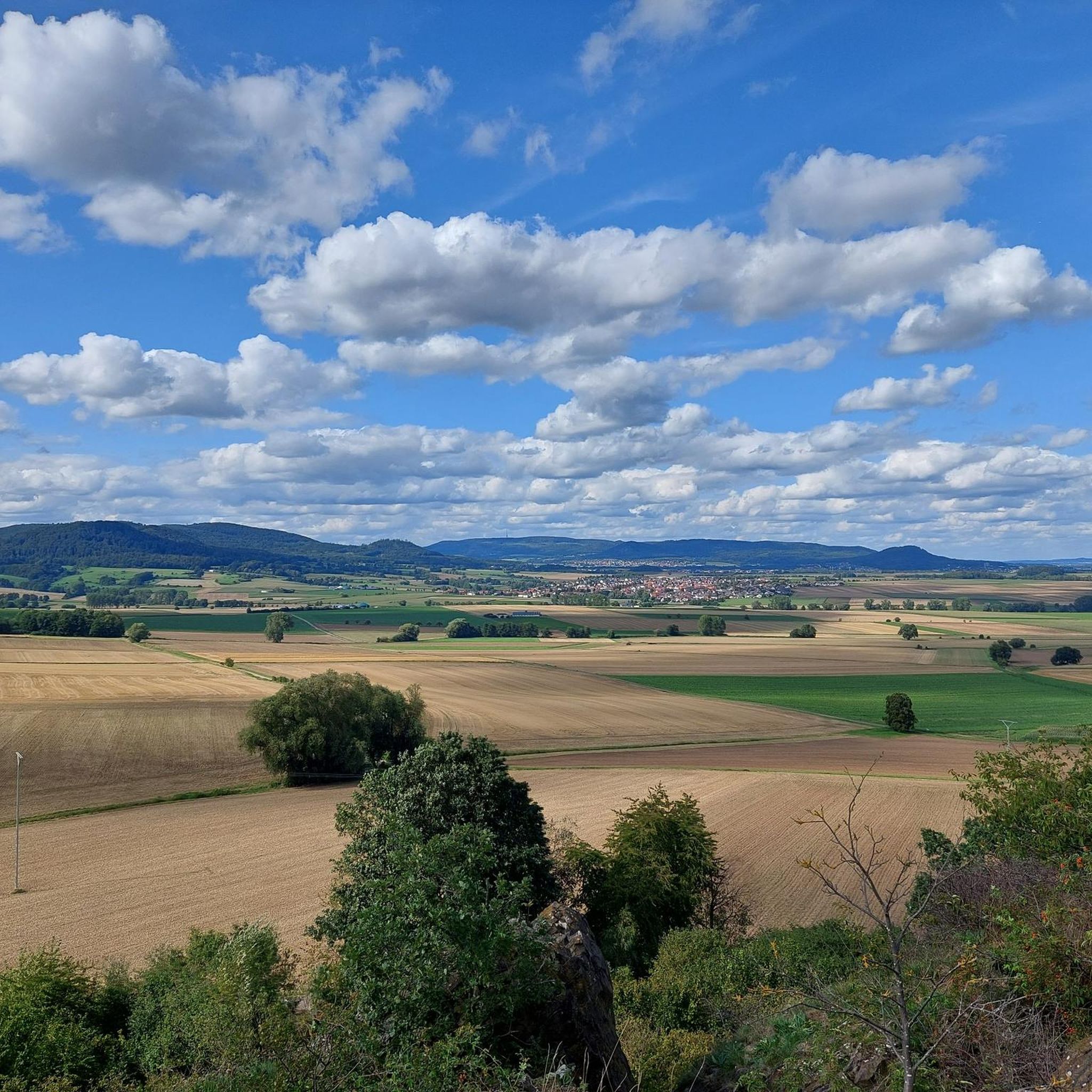
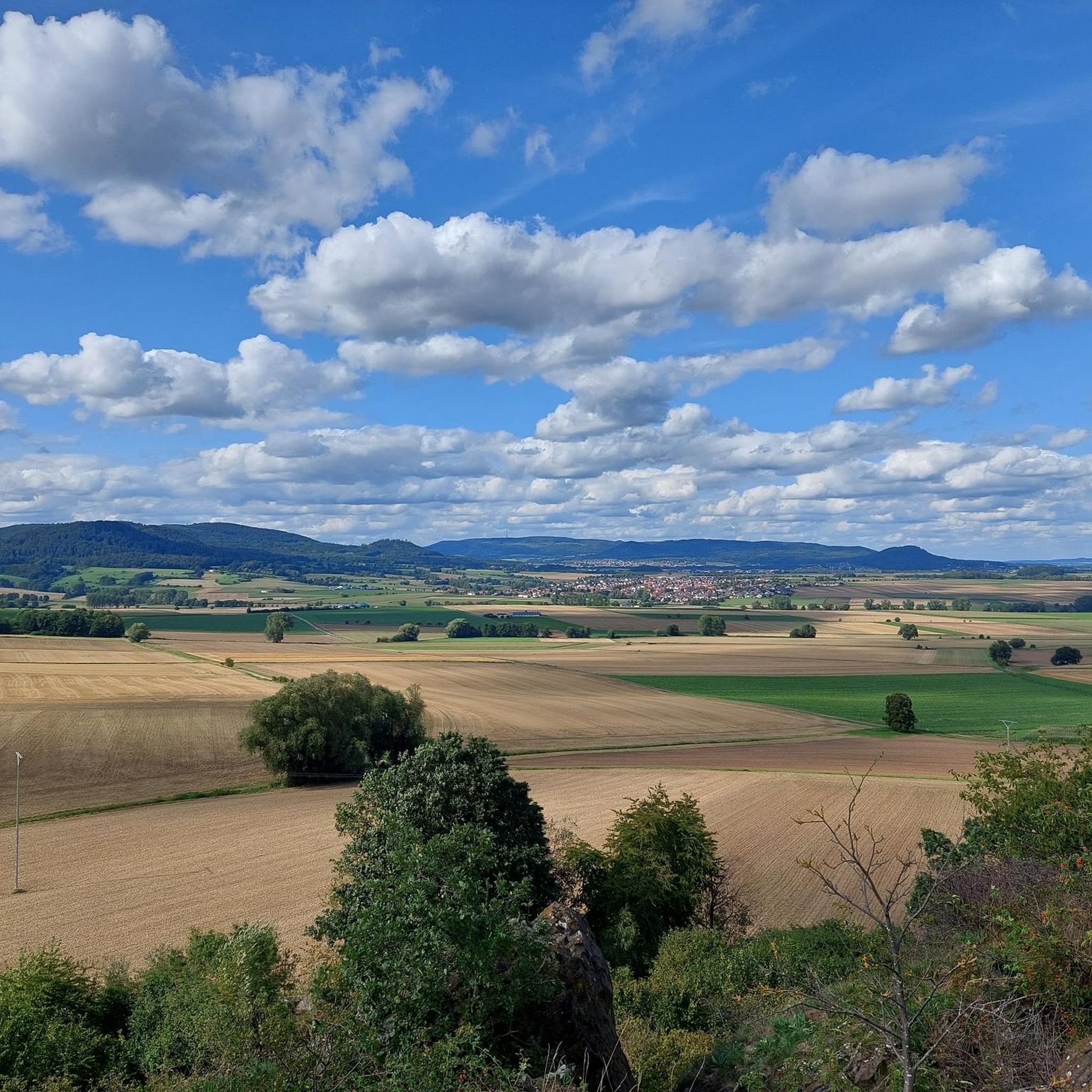
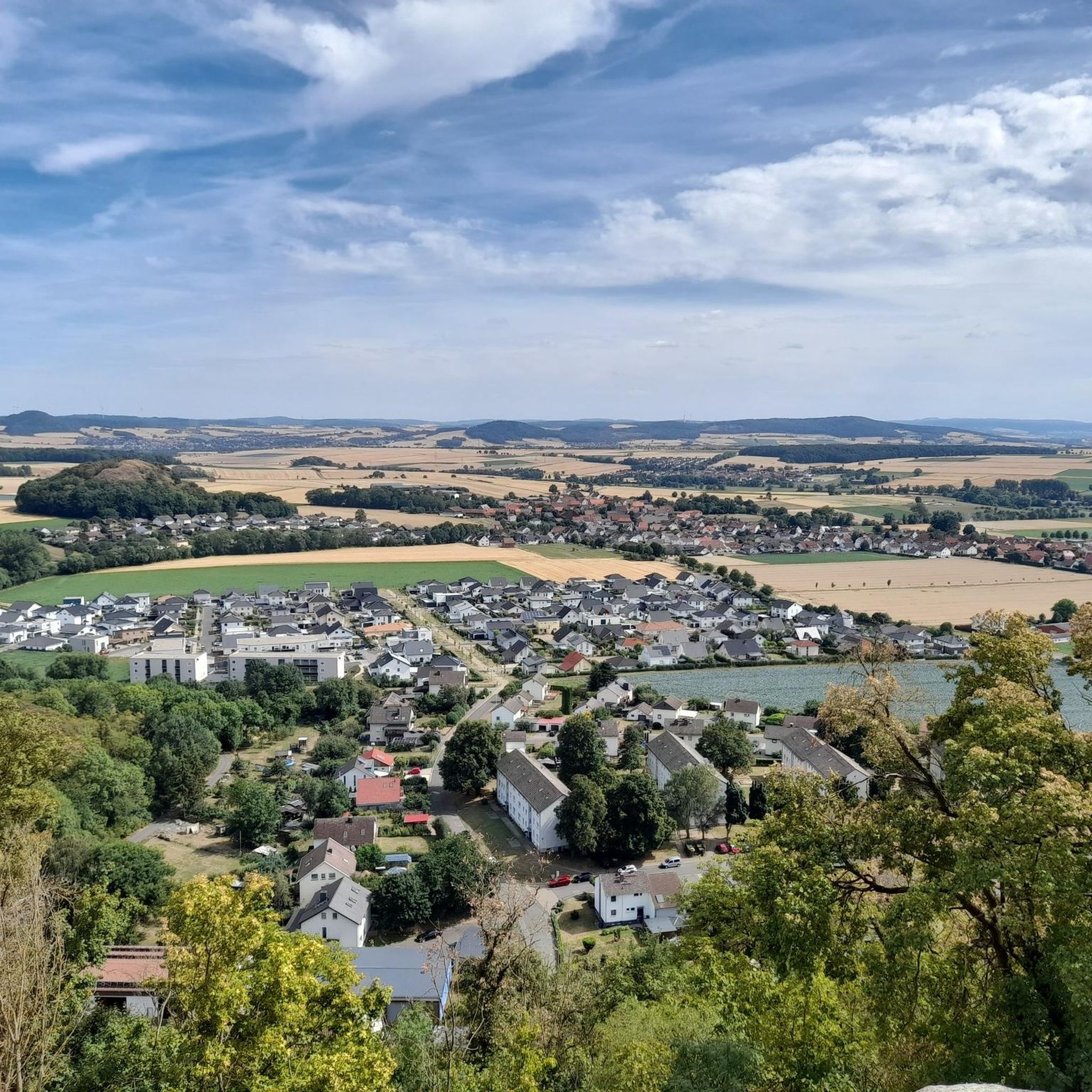
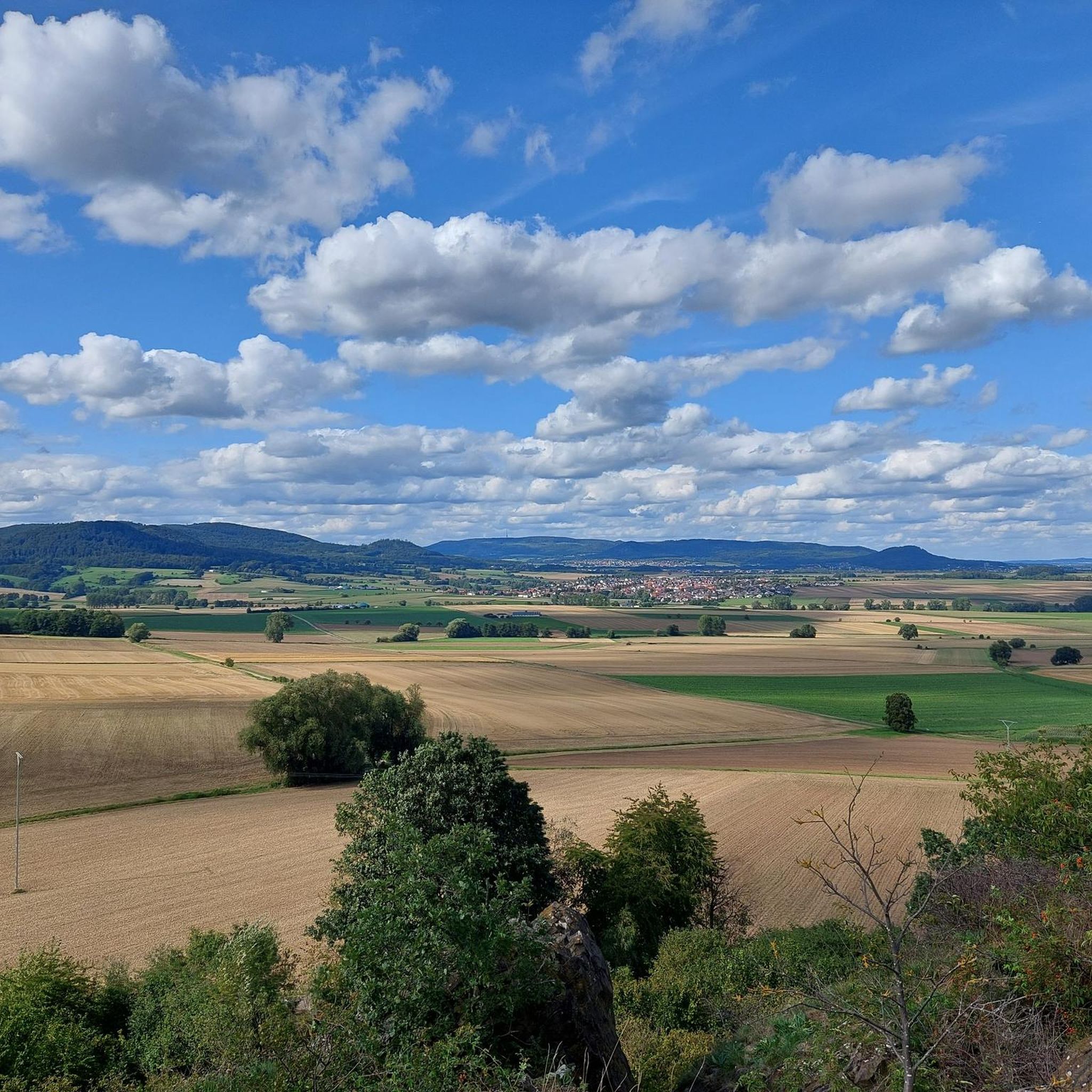
From the Obernburg ruins on the Schlossberg, you can enjoy fantastic and far-reaching panoramic views across the historic Hessengau, including landscapes towards the Odenberg, Kaufunger Wald, Felsberg, Heiligenberg, Homberg, Fritzlar, and the Eder Valley. Other highlights like Falkenstein Castle Ruins, Bad Emstal also offer wonderful foresight from their elevated positions.
What outdoor activities can I do near the castles around Gudensberg?
The Schlossberg, where Obernburg is located, is a local recreation area offering natural experiences. You can also find various outdoor activities in the wider region. For example, there are numerous MTB Trails, Running Trails, and Road Cycling Routes around Gudensberg, many of which pass by historical sites or offer views of the castles.
How accessible are the Obernburg ruins in Gudensberg?
The Obernburg ruins are freely accessible to visitors year-round via marked trails. However, sturdy footwear is recommended due to uneven ground and steeper sections on the Schlossberg hill. A local group actively maintains the ruins and occasionally provides guided tours.
When is the best time of year to visit the castles around Gudensberg?
The castles, especially ruins like Obernburg and Falkenstein, can be visited year-round. Spring and autumn offer pleasant temperatures for exploring the outdoor sites and enjoying the scenic views. Winter visits can also be picturesque, though trails might be more challenging.
Are there other historical castle sites in Gudensberg besides Obernburg?
Historically, Gudensberg also had the Wenigenburg, a Romanesque hilltop castle that served as a fore-castle to the Obernburg. However, it was completely destroyed in 1387 and never rebuilt. Today, the site consists of newer buildings and is in private ownership, making it not open to the public.
Can I bring my dog to the castle areas?
The outdoor areas and trails around the Obernburg ruins are generally dog-friendly, making it a good spot for walks with your pet. Always ensure dogs are kept on a leash and that you clean up after them.
Are there any cafes or amenities near the Obernburg ruins?
The Schlossberg, where Obernburg is located, functions as a local recreation area for Gudensberg residents. While there might not be a cafe directly at the ruins, the town of Gudensberg itself offers various amenities, including cafes and restaurants, a short distance away.
What makes the castles around Gudensberg unique?
The castles around Gudensberg are unique due to their location amidst a landscape shaped by volcanic activity, often perched on prominent basalt cones like the Schlossberg. This blend of significant historical importance, medieval architecture, and breathtaking panoramic views across the Hessengau offers a distinct experience of both history and natural beauty.
Most popular routes around Gudensberg
Most popular attractions around Gudensberg

Get inspired with the komoot mobile app


Explore more
Looking for the best castles somewhere else? Discover other guides around Gudensberg:
