Top 6 Castles around Swinton And Ladykirk
Castles around Swinton And Ladykirk are located in the Scottish Borders, an area rich in history near the Anglo-Scottish border. This region is characterized by its strategic importance in medieval times, leading to the construction of numerous fortifications. The landscape features rolling hills and river valleys, providing natural settings for these historic sites. The area offers a blend of historical exploration and outdoor activities.
Best castles around Swinton And Ladykirk
- The most popular castles is Norham Castle Ruins, a…
Last updated: July 3, 2026
Norham Castle Ruins
Highlight • Historical Site
Tip by

Ford Castle
Highlight • Other
Tip by
Sign up now to discover places like this
Get recommendations on the best single tracks, peaks, & plenty of other exciting outdoor places.
Sign up for free
Etal Castle
Highlight • Historical Site
Tip by

Berwick-upon-Tweed Castle and Ramparts
Highlight • Historical Site
Tip by

Duns Castle
Highlight • Historical Site
Tip by
Sign up for free to discover even more castles around Swinton And Ladykirk.
Sign up for free
Already have an account?
Start today with a free account
Your next adventure awaits.
Login or Signup
Tips from the Community

Ford Castle in Northumberland is a historic Grade I listed building with a stormy past. Built around 1278, it served as a border stronghold for centuries, witnessing battles and even hosting the Scottish King James IV before his final fight. The castle changed hands throughout history, from the Heron family to the Joiceys. Today, it's no longer a private residence. Instead, it functions as an outdoor activity center for schools and youth groups, offering a unique blend of history and adventure.
0
0

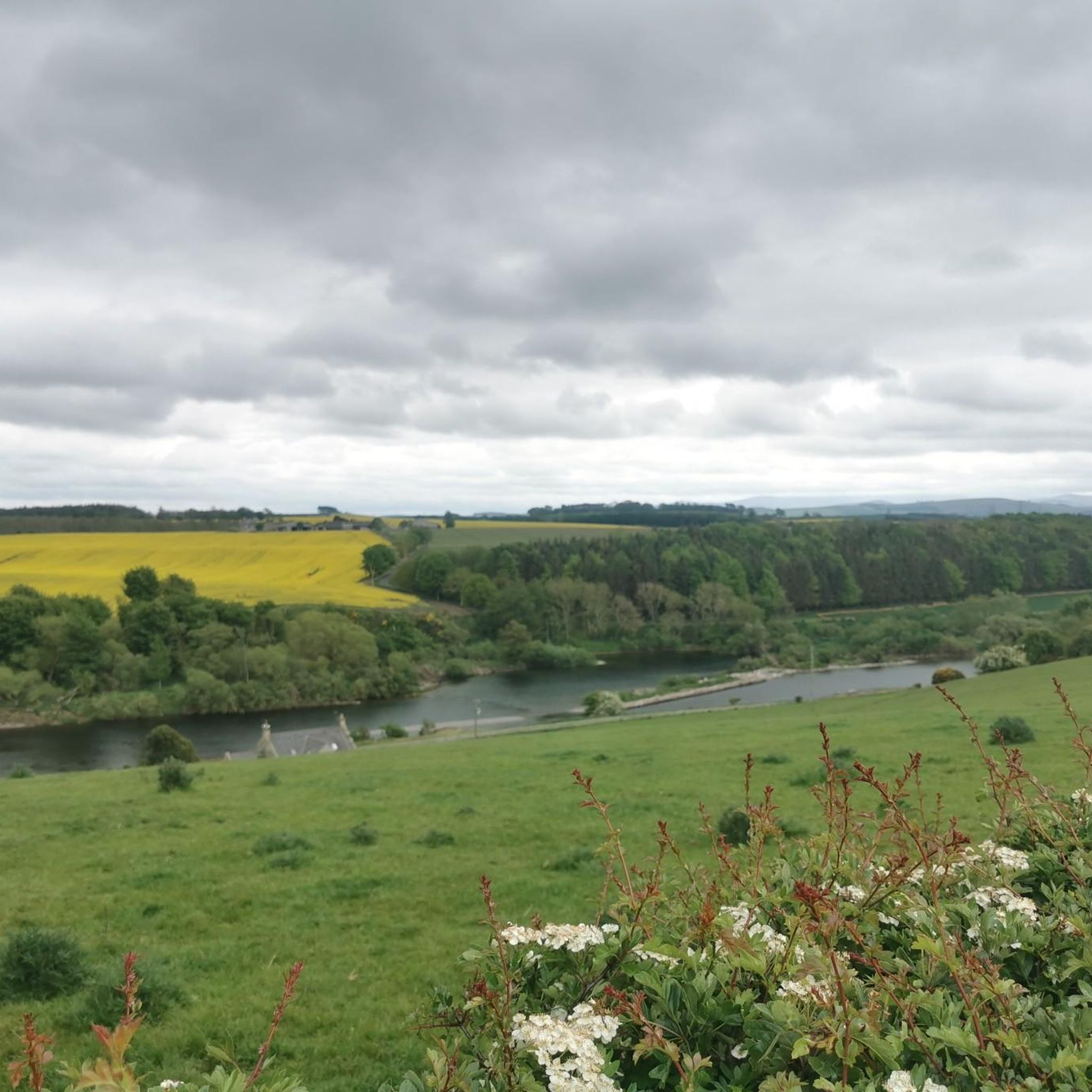
Norham stands as one of the most captivating sights in the border region. Perched atop a lush hillock, it commands a crucial ford over the River Tweed, having held immense significance as a formidable stronghold in this historically turbulent area. It endured frequent assaults from the Scots, facing no less than 13 sieges, including a nearly year-long encirclement led by Robert Bruce. Despite the strength of its robust 12th-century keep and imposing towered bailey walls, it ultimately succumbed to the might of James IV's formidable cannons in 1513, just prior to his fateful defeat at Flodden Field. The extensive reconstruction during the 16th century, tailored to accommodate artillery, still bears evident marks, showcasing the fortress's adaptation to changing times.
0
0

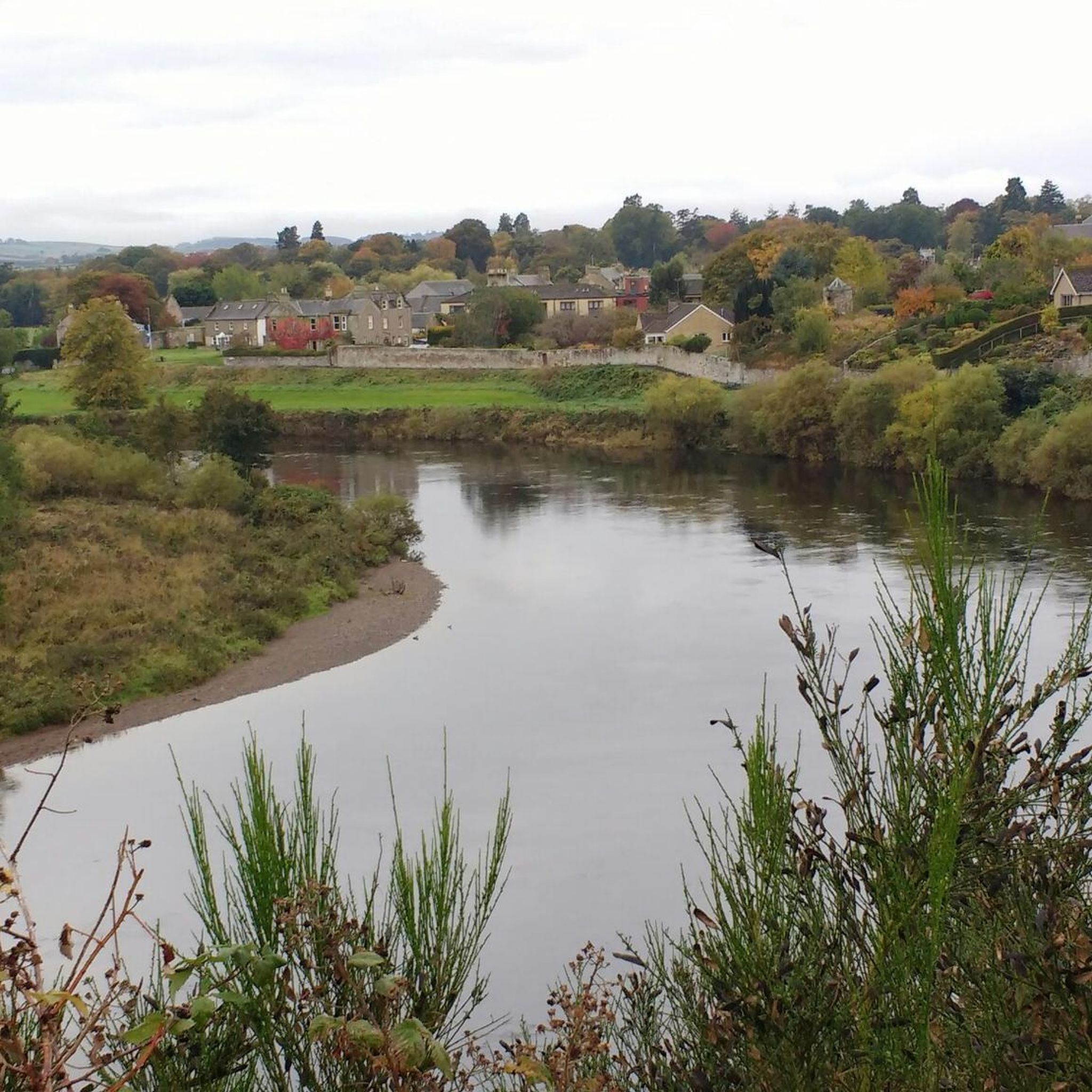
A 14th century castle which isn't open to the public but is open for private events, weddings and as accommodation. The castle has been the home of the Hay family since 1696, the current generation still live here and welcome guests. You can run past the castle and enjoy loops around the wider nature reserve and Hen Poo lake. Add Duns Law for some ascent.
1
0
A 14th century castle which isn't open to the public but is open for private events, weddings and as accommodation. The castle has been the home of the Hay family since 1696, the current generation still live here and welcome guests. You can walk past the castle and enjoy walking around the wider nature reserve and Hen Poo lake.
0
0

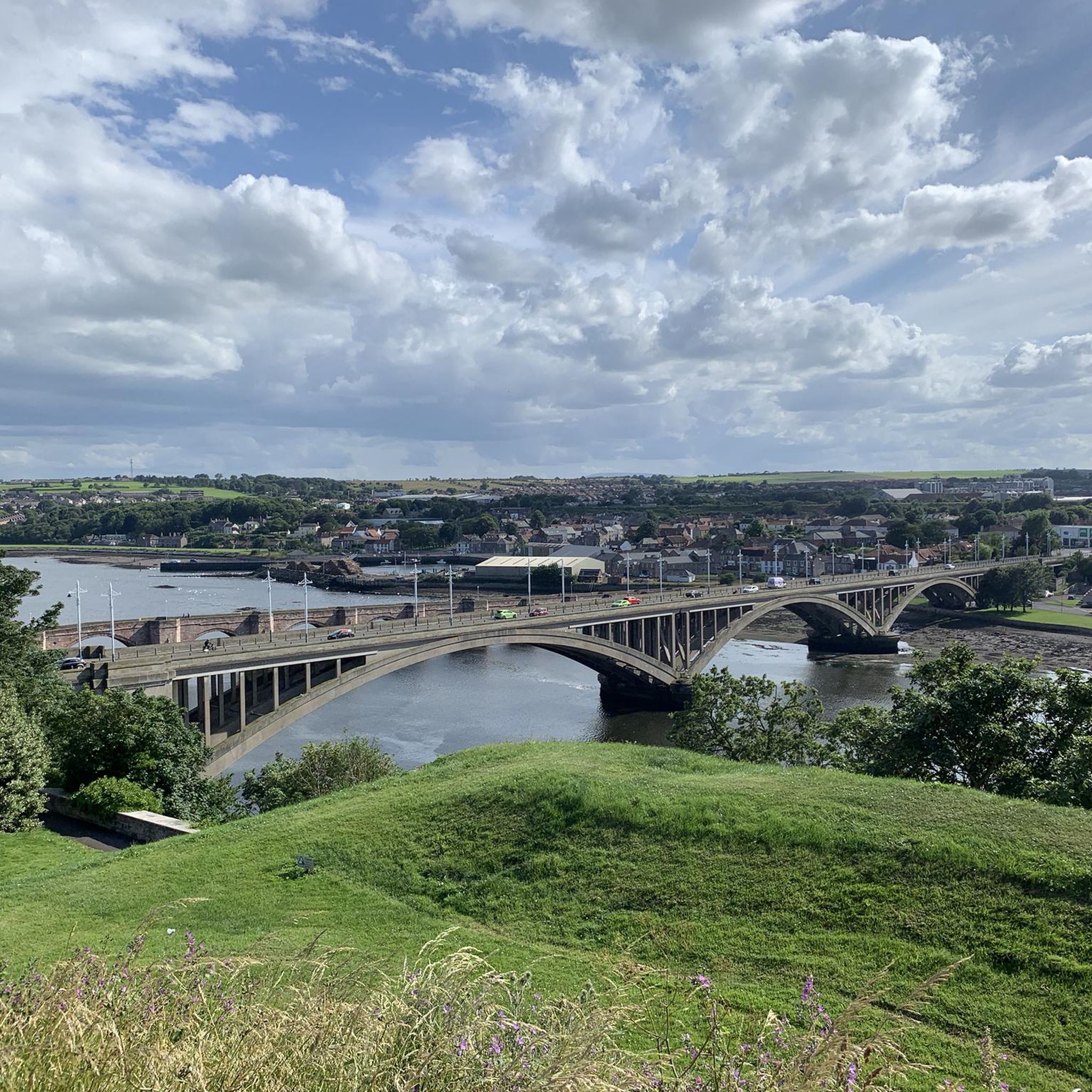
Part of Berwick castle's defence wall
0
0
Etal Castle was built as a defence against the raiding Scots in the mid-14th century. It fell to James IV's invading Scot army in 1513 just before the defeat at Flodden. It fell into disrepair after the joining of England and Scotland when castles here where no longer needed. Now it's owned and managed by English Heritage. Admission is free and you can wonder around the ruins. Open at weekends.
0
0
Norham Castle was built in the 12th century and had a rough time in the first few hundred years surviving at least 12 sieges before falling to the heavy cannon of James 4th. It was rebuilt with artillery in the 16th century but with stabilisation between England and Scotland Elisabeth 1st decided not to spend any more money on the castle and it slowly fell into ruin. English Heritage took over the manegment in 1923. The castle is free to explore, open daily in the summer and weekends over the winter.
0
0
Frequently Asked Questions
What is the historical significance of castles in the Swinton and Ladykirk area?
The castles in the Swinton and Ladykirk area, located near the Anglo-Scottish border, were crucial strategic strongholds. They played a significant role in medieval border warfare, enduring numerous invasions and sieges. Sites like Norham Castle and Etal Castle were built as defenses against Scottish raids, reflecting the turbulent history of the region.
Are there family-friendly castles to visit in the region?
Yes, several castles in the area are suitable for families. Norham Castle Ruins and Etal Castle are both listed as family-friendly historical sites where visitors can explore ruins. Ford Castle, while a historic Grade I listed building, now functions as an outdoor activity center for schools and youth groups, blending history with adventure.
What kind of outdoor activities can I do near these castles?
The area offers various outdoor activities. Near Duns Castle, you can enjoy walks around the wider nature reserve and Hen Poo lake. For more structured routes, you can find running trails, easy hikes, and road cycling routes. For example, there are easy hikes like the 'Norham Cross – Jubilee Field, Norham loop from Norham' and running trails such as the 'Duns Castle Estate & Duns Law loop from Duns'. You can explore more options on the Running Trails around Swinton And Ladykirk, Easy hikes around Swinton And Ladykirk, and Road Cycling Routes around Swinton And Ladykirk guide pages.
What are the visiting hours and admission fees for Norham Castle?
Norham Castle Ruins are open daily from April to October, and admission is free. You can find more information on the English Heritage website.
Can I visit Duns Castle?
Duns Castle is a private 14th-century castle and is not generally open to the public for tours. However, it is available for private events, weddings, and as accommodation. You can walk past the castle and enjoy the surrounding nature reserve and Hen Poo lake.
Are there any lesser-known or 'hidden gem' castles in the vicinity?
While not a full castle, Parsons Tower is a medieval pele tower ruin that offers a glimpse into the region's past. Etal Castle, managed by English Heritage with free admission, is also a compelling ruin that provides historical insight into border defenses without the crowds of larger attractions.
What natural features can I expect to see around these castles?
The castles are set amidst diverse natural landscapes. Norham Castle is situated on the south bank of the River Tweed, surrounded by green meadows. Near Duns Castle, you can explore a nature reserve and Hen Poo lake. The wider region features rolling hills and river valleys, providing scenic backdrops for these historic sites.
Is there parking available at the castles?
Specific parking details vary by castle. For Norham Castle and Etal Castle, as English Heritage sites, visitor parking is typically available nearby. Ford Castle operates as an activity center, so parking is usually provided for its guests. For Duns Castle, parking would be available for those attending private events or staying overnight, with public access to the surrounding estate for walks.
What is the best time of year to visit the castles around Swinton and Ladykirk?
The best time to visit is generally from spring to autumn (April to October) when the weather is milder and sites like Norham Castle and Etal Castle are fully open. This period also allows for more comfortable exploration of the surrounding natural areas and walking trails.
Are there any dog-friendly walking options near the castles?
Many of the outdoor areas around the castles are dog-friendly, particularly the nature reserves and walking trails. For instance, the estate around Duns Castle and the walks along the River Tweed near Norham Castle are suitable for dog walking, provided dogs are kept under control.
What is Ladykirk known for, besides its proximity to castles?
Ladykirk is particularly notable for its historic church, built by James IV. This church served as an important meeting place and site for peace treaty signings between Scotland and England, highlighting its historical significance beyond just castles. You can learn more about its history on Wikipedia.
Are there any pubs or cafes near the castles for refreshments?
Yes, you can find amenities in the nearby villages and towns. Norham village, Etal village, Ford village, and Duns town all offer options for cafes and pubs where you can get refreshments after visiting the castles.
Most popular attractions around Swinton And Ladykirk

Get inspired with the komoot mobile app


Explore more
Looking for the best castles somewhere else? Discover other guides around Swinton And Ladykirk:
