Attractions and Places To See around Johnstone - Top 20
Best attractions and places to see around Johnstone include historical landmarks, natural features, and cultural sites. Located in Renfrewshire, Scotland, the area offers a mix of ancient ruins, significant civic features, and expansive outdoor spaces. Visitors can explore various points of interest, from lochs and nature reserves to historical churches and castles. The region provides opportunities for outdoor activities and insights into local history.
Best attractions and places to see around Johnstone
- The most popular attractions is Castle Semple Loch…
Last updated: August 27, 2026
Castle Semple Collegiate Church
Highlight • Historical Site
Tip by

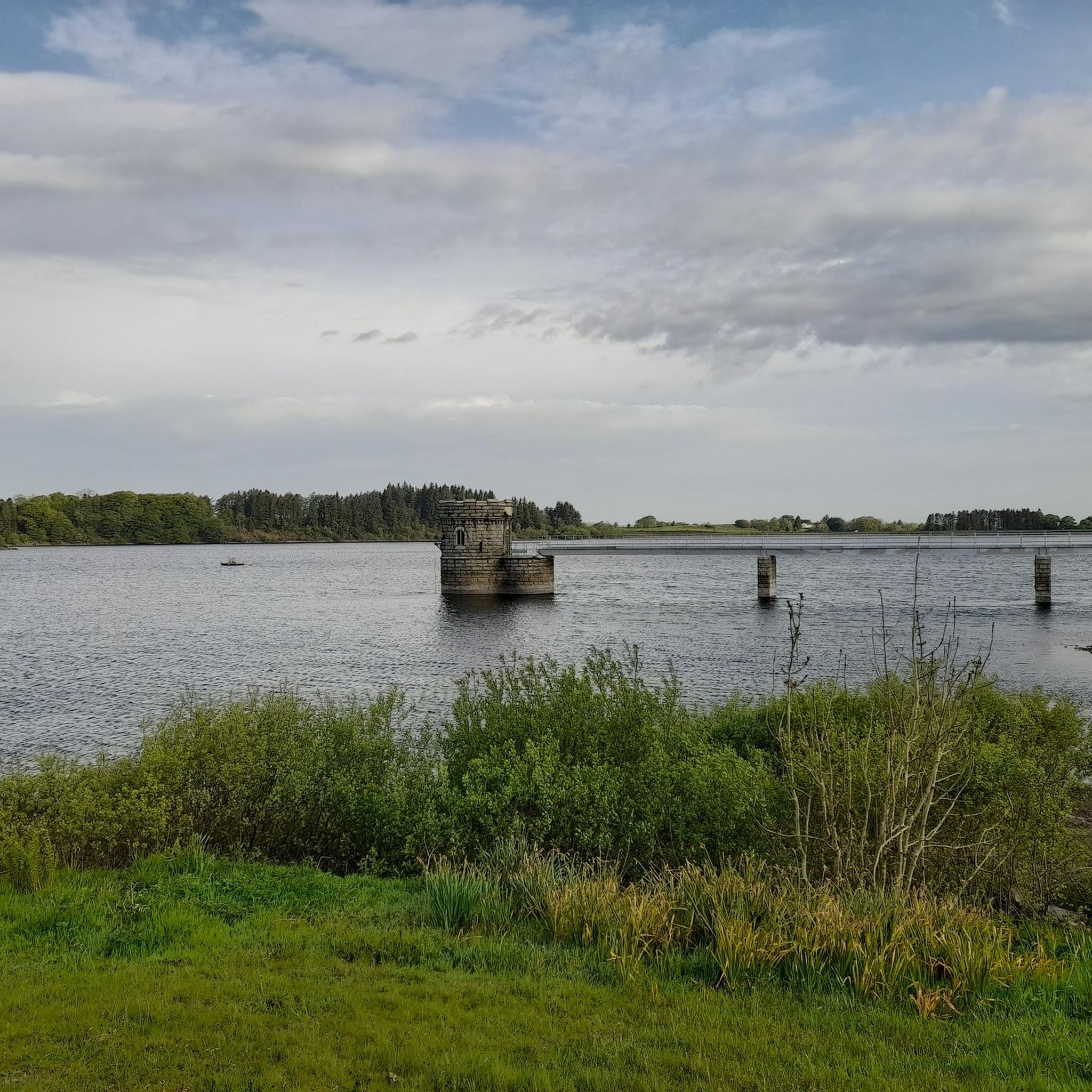
Darnley Reservoir Pavilion
Highlight (Segment) • Lake
Tip by

Sign up now to discover places like this
Get recommendations on the best single tracks, peaks, & plenty of other exciting outdoor places.
Sign up for free
Erskine Bridge
Highlight • Viewpoint
Tip by

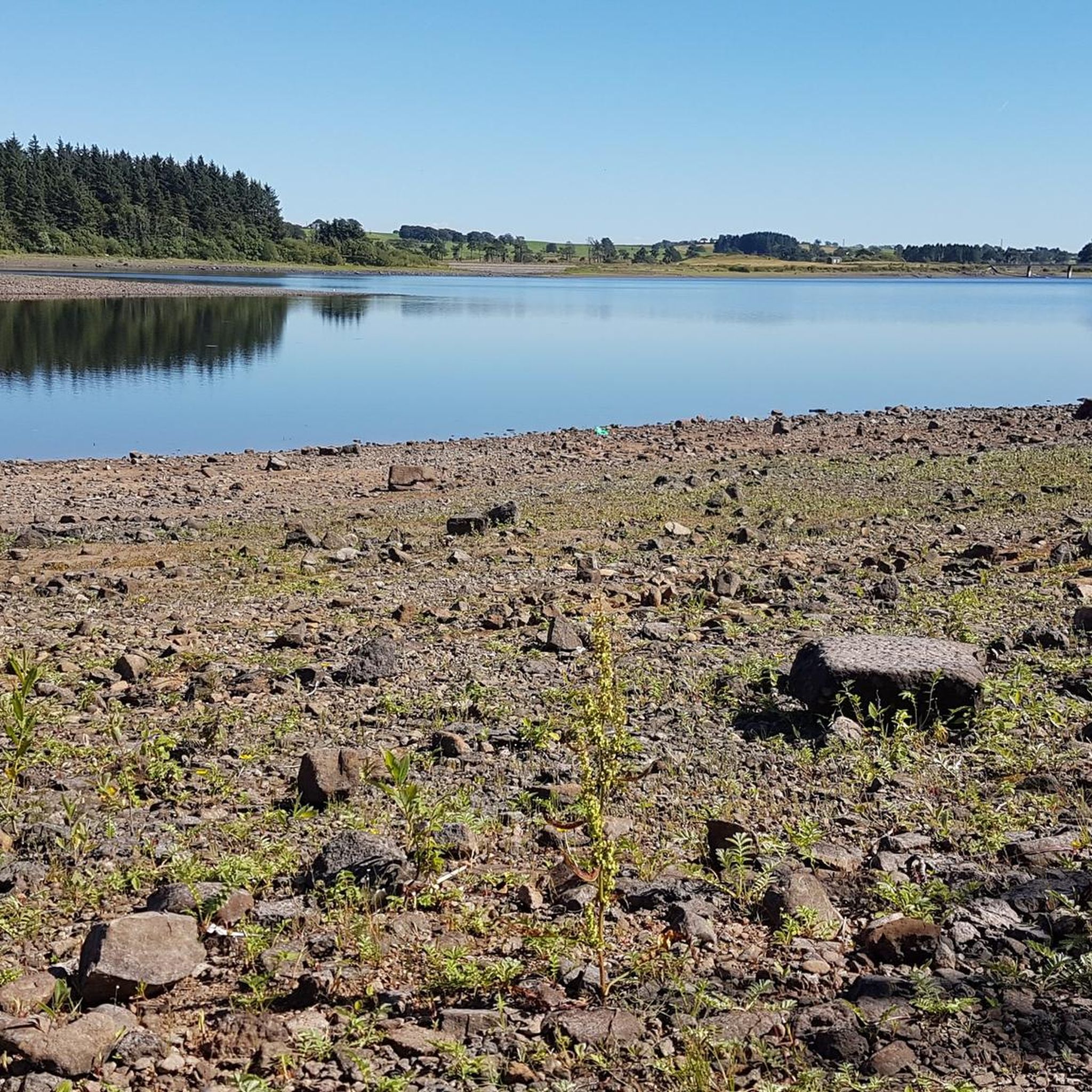
Castle Semple Loch
Highlight • Lake
Tip by
Barr Castle
Highlight • Historical Site
Tip by

Sign up for free to discover even more attractions around Johnstone.
Sign up for free
Already have an account?
Start today with a free account
Your next adventure awaits.
Login or Signup
Tips from the Community

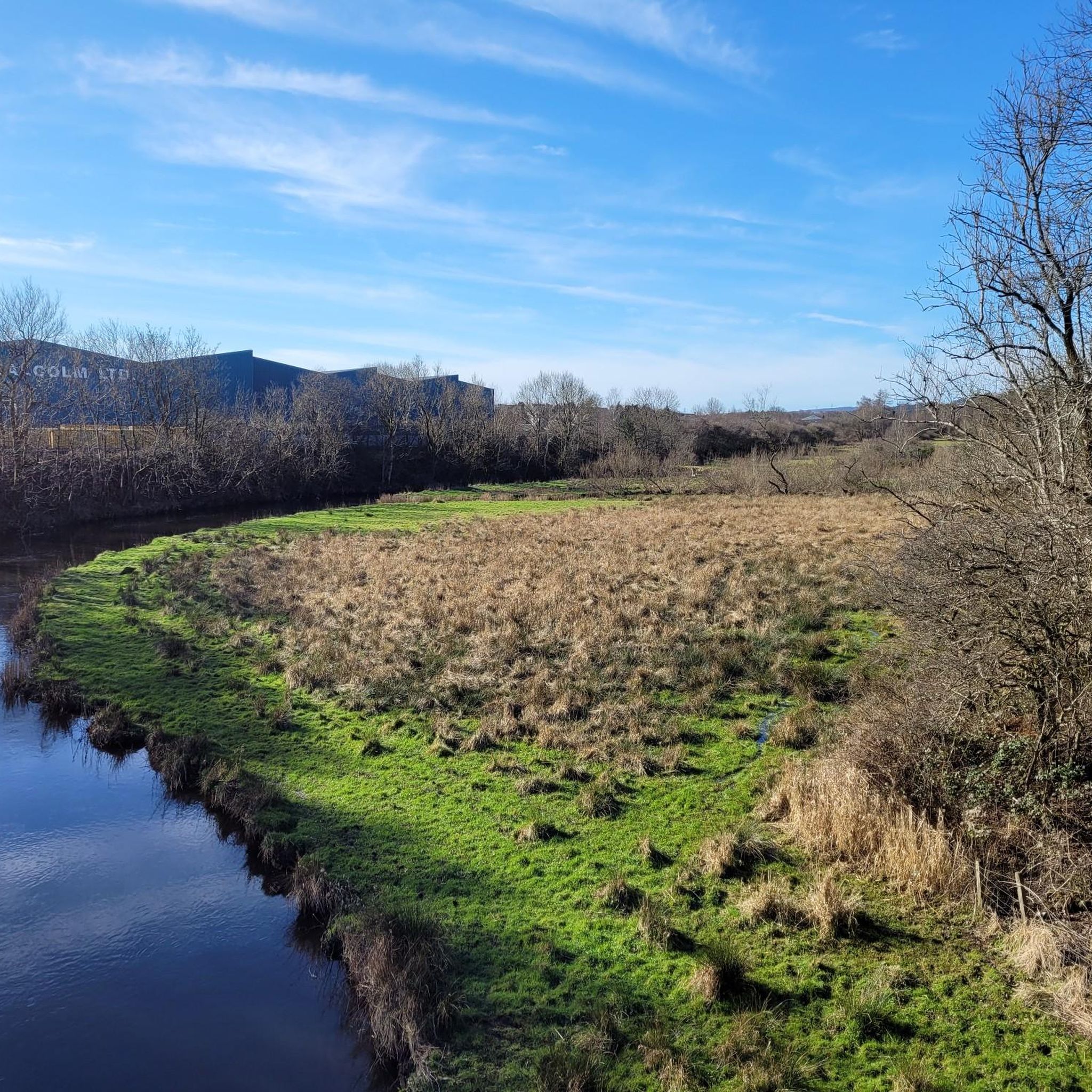
I visited The Dykes in Darnley Park and was struck by the beauty of its banks. The waters of the rivers flowed calmly, creating an atmosphere of peace and serenity. Walking in nature gives a sense of freedom, relaxation and energy, while time spent online https://kasyna-neteller.com/ often makes one tired and dissatisfied.
0
0

This location is a breathtaking testament to nature's beauty, where lush greenery blankets rolling hills and vibrant flowers dot the landscape like splashes https://casinoromana.ro/ of paint on a canvas. The serene waters mirror the sky, creating a peaceful harmony that captivates all who visit. Towering trees stand as ancient guardians of the land, their leaves whispering secrets of the wild in the gentle breeze. Here, every sunrise and sunset paints a unique masterpiece, reminding us of the ever-changing yet enduring splendor of the natural world.
0
0

Barr Castle is a 15th-century keep which was altered in the 16th century (and probably later, too). The gables of the castle have collapsed, apart from the chimney stack which juts up into the sky. Not much survives of the former courtyard of the castle. The main hall was on the first floor, reached by a turnpike stair, which continued to the rooms on the upper floors. It is clearly visible from the A760 road going south from the village to Kilbirnie. It was built by the Glen family but passed in the late 16th century to the Hamiltons of Ferguslie. A door lintel has a date of 1680 and the initials L.H./I.C. The family abandoned it in the 18th century in favour of a new house. The family, variously known as Sempill, Sempil, Sempel and Semple, had probably owned estates in the area from as early as the 13th century. Robert Semple, Steward of the barony of Renfrew during the reign of Alexander II, was recorded as living in Elliston Castle, whose ruins lie near Howwood. The Semples of Elliston fought for Robert the Bruce, and steadily grew in power to become the Steward's hereditary Baillies of Renfrewshire. They were appointed Hereditary Sheriffs of Renfrewshire and Hereditary Baillies of Paisley. They were later designated as Lords Semple. Their extensive land holdings, Castle Semple, constituted some areas of Lochwinnoch and its hinterland. At some point, probably in the 15th century, the family built a tower keep at the east end of the north shore of the Loch.
0
0

Castle Semple Collegiate Church was founded in 1504 to serve his castle and estate. John, Lord Sempill built the church which was then extended by his son to include the tomb of his father who was killed in the battle of Flodden. Today the church is partially ruined with no roof. The tomb is still visible and remains a good example of a medieval burial tomb.
0
0
Castle Semple Loch was part of the historic Lochwinnoch estate. It was a fishing loch and part of the wider drainage scheme that the estate owners created to improve the local land for farming. Today the loch is still used for fishing and water sports. There is a RSPB bird sanctuary along the southern shore and a network of paths and trails that are popular with families, cyclists and dog walkers in the wider Castle Semple Country Park to the north.
1
0

Barr Castle is a late medieval tower house. It can be seen today as a ruin on a low ridge to the south of the village of Lochwinnoch, Renfrewshire, Scotland. Barr Castle was constructed in the 15th or early 16th century. It passed into the hands of the Hamiltons of Ferguslie at the end of the 16th century. They retained the castle until the late 18th century, when they sold and abandoned it for a new mansion. The castle is protected as a scheduled monument. Text taken from: https://en.wikipedia.org/wiki/Barr_Castle
0
0
Open 24/7 History A late Gothic place of worship Castle Semple Collegiate Church was founded in 1504. The building itself was probably a remodelled existing building, possibly a proprietary chapel. It had lands and income to support: a provost six chaplains two choir boys a sacristan The remains of the buildings accommodating the priests and officials are likely buried in the area around the church, along with a cemetery. The church’s founder, John, Lord Sempill, intended the church to accommodate a spectacular tomb for himself and his wife. Sempill was killed fighting the English at the Battle of Flodden in 1513. The church was extended to accommodate his tomb in a three-sided apse on the east side. Although it’s now without its effigy, Sempill’s tomb remains one of the finest examples of a medieval burial monument in Scotland. Passage to heaven The sole purpose of Castle Semple Collegiate Church was providing a place for priests to perform mass, for the benefit of the founding family. It illustrates the important attached in the medieval period to ensuring the speedy passage of souls through purgatory and into heaven. Text taken from: https://www.historicenvironment.scot/visit-a-place/places/castle-semple-collegiate-church/history/
0
0

Closed road that's doable on a road bike, but with a couple of slightly rough sections.
0
1
Frequently Asked Questions
What natural features can I explore around Johnstone?
Johnstone is surrounded by beautiful natural landscapes. You can visit Castle Semple Loch, a historic loch popular for fishing and water sports, with an RSPB bird sanctuary and extensive paths. Another serene spot is Darnley Reservoir Pavilion, known for its lush greenery and vibrant flowers. The wider area includes the expansive Clyde Muirshiel Regional Park, the RSPB Lochwinnoch Nature Reserve, and Gleniffer Braes Country Park, all offering opportunities for wildlife spotting and walks.
Are there historical sites or landmarks to visit in Johnstone?
Yes, Johnstone has several historical points of interest. Explore the partially ruined Castle Semple Collegiate Church, founded in 1504, which features a medieval burial tomb. Further afield, you can see Barr Castle, a late medieval tower house ruin south of Lochwinnoch. Within Johnstone itself, the War Memorial and Houstoun Square with its bandstand and fountain are significant civic features. The ancient Clochoderick Stone, historically associated with Druids, is also located nearby.
What outdoor activities are popular around Johnstone?
The area around Johnstone offers a variety of outdoor activities. Castle Semple Loch is excellent for water sports and walking. The Clyde Muirshiel Regional Park, accessible via the Castle Semple Visitor Centre, provides extensive opportunities for walks, cycling, and wildlife observation. For those interested in cycling, there are numerous routes, including road cycling options like the 'Temple Folly – Big Bike Sculpture loop' or 'Castle Semple Loch loop' which you can find more about in the Road Cycling Routes around Johnstone guide.
Are there family-friendly attractions in the Johnstone area?
Absolutely! Many attractions cater to families. The Castle Semple Loch and its surrounding Country Park are ideal for family walks, cycling, and water activities. The RSPB Lochwinnoch Nature Reserve, located on the southern shore of Castle Semple Loch, offers visitor trails and opportunities for wildlife discovery that are fun for all ages. Gleniffer Braes Country Park also provides woodland walks suitable for families.
Where can I find scenic viewpoints near Johnstone?
For stunning panoramic views, head to the Erskine Bridge. From here, you can enjoy vistas across Renfrewshire, Clydebank, and Glasgow to the east, and towards Dumbarton and Inverclyde to the west. The Darnley Reservoir Pavilion also offers beautiful natural scenery with rolling hills and serene waters, perfect for peaceful contemplation.
Are there hiking or walking trails available near Johnstone?
Yes, there are many walking and hiking trails. The area around Castle Semple Loch offers a network of paths popular with walkers and dog walkers. Gleniffer Braes Country Park provides peaceful woodland walks. For easy hikes, consider routes like the 'Closed Bridge – Gleniffer Braes Country Park loop' or the 'Saucel Hill Trig Point – Paisley Abbey loop'. You can explore more options in the Easy hikes around Johnstone guide.
What is the Johnstone History Museum?
The Johnstone History Museum offers a unique insight into the town's past. Unusually located inside a Morrison's supermarket, it traces Johnstone's industrial development, particularly its textile and engineering industries, and showcases social artifacts from the area's rich history.
Can I find mountain biking trails near Johnstone?
Yes, the region provides opportunities for mountain biking. Trails like the 'Gleniffer Braes Country Park loop' or the 'View from Fereneze Summit – Gleniffer Braes Country Park loop' are popular. For more detailed information and routes, refer to the MTB Trails around Johnstone guide.
What is the significance of the Black Cart Water in Johnstone?
The Black Cart Water played a crucial role in Johnstone's industrial history. This river historically powered the town's cotton and flax spinning industry, with over 20 mills once operating along its banks, contributing significantly to the town's development.
Are there any unique or mysterious historical sites in the area?
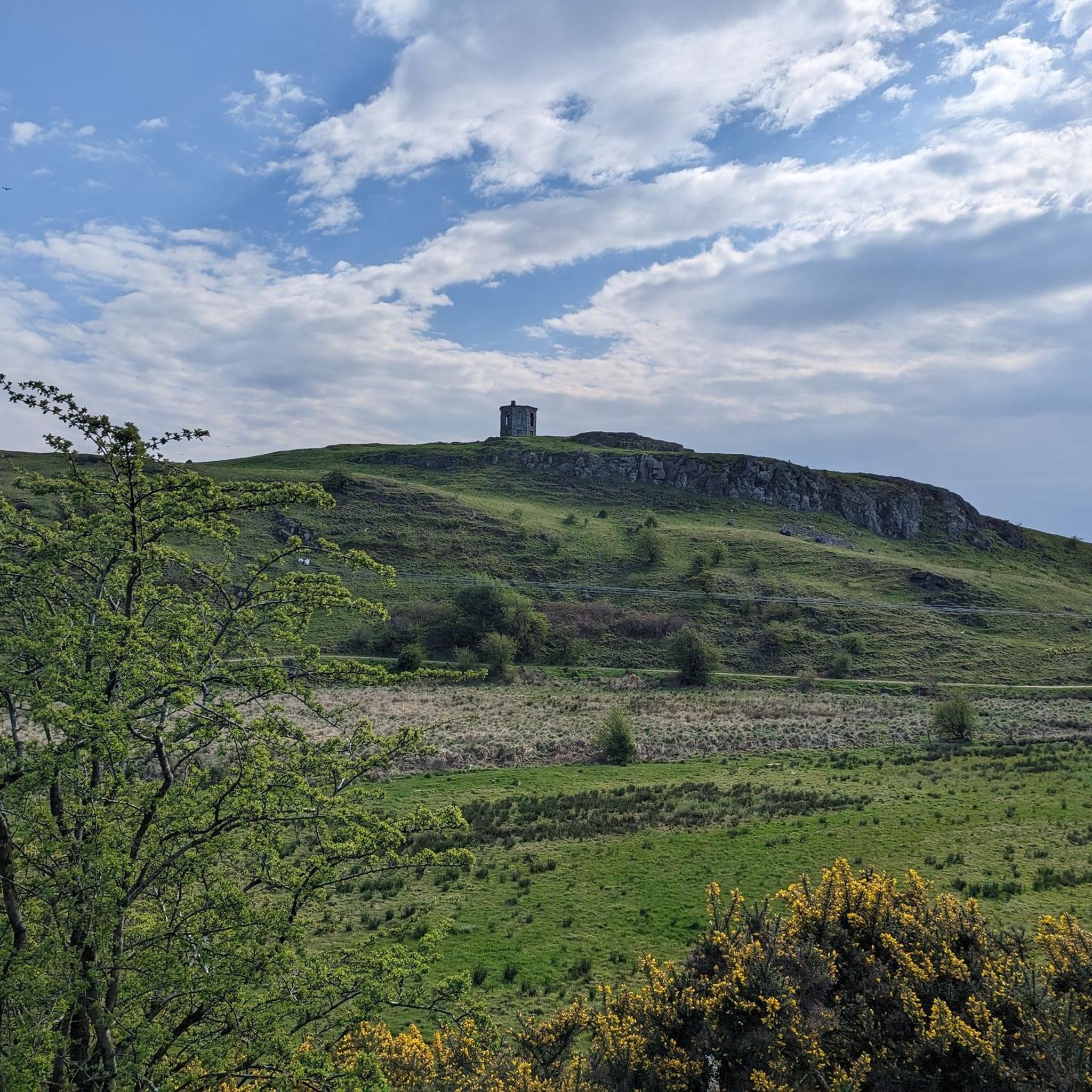
Beyond the well-known landmarks, Johnstone is home to the mysterious Kenmure Hill Temple, described as a ruin with intriguing folklore surrounding it. Additionally, the ancient Clochoderick Stone, located about 3 miles from Johnstone, has historical associations with Druids, adding to the area's enigmatic past.
What do visitors enjoy most about the attractions around Johnstone?
Visitors particularly appreciate the blend of natural beauty and historical depth. The serene waters and lush landscapes of places like Darnley Reservoir Pavilion and Castle Semple Loch are highly rated for their peaceful atmosphere and scenic views. The historical significance of sites like Castle Semple Collegiate Church also captivates those interested in Scotland's heritage.
Are there any cultural points of interest related to Johnstone's heritage?
Beyond historical sites, Johnstone has a strong cultural identity. The Johnstone Pipe Band, a Grade 1 band founded in 1943, is a significant part of the town's cultural fabric, competing at the highest level. The Johnstone History Museum also provides cultural context by showcasing the town's industrial and social heritage.
Most popular routes around Johnstone
Most popular attractions around Johnstone

Get inspired with the komoot mobile app


Explore more
Still not found the Highlight you’re looking for? See guides of the top attractions in other regions:
