Attractions and Places To See around Ayton - Top 20
Best attractions and places to see around Ayton, a village in the Scottish Borders, offer a blend of historical significance and coastal landscapes. Situated near the England-Scotland border, the area features notable landmarks and natural beauty. Visitors can explore sites that reflect the region's turbulent past and enjoy scenic views. The diverse attractions provide opportunities for historical exploration and outdoor activities.
Best attractions and places to see around Ayton
- The most popular attractions is Berwick Town Walls, a historical…
Last updated: August 13, 2026
Berwick Town Walls
Highlight • Historical Site
Tip by

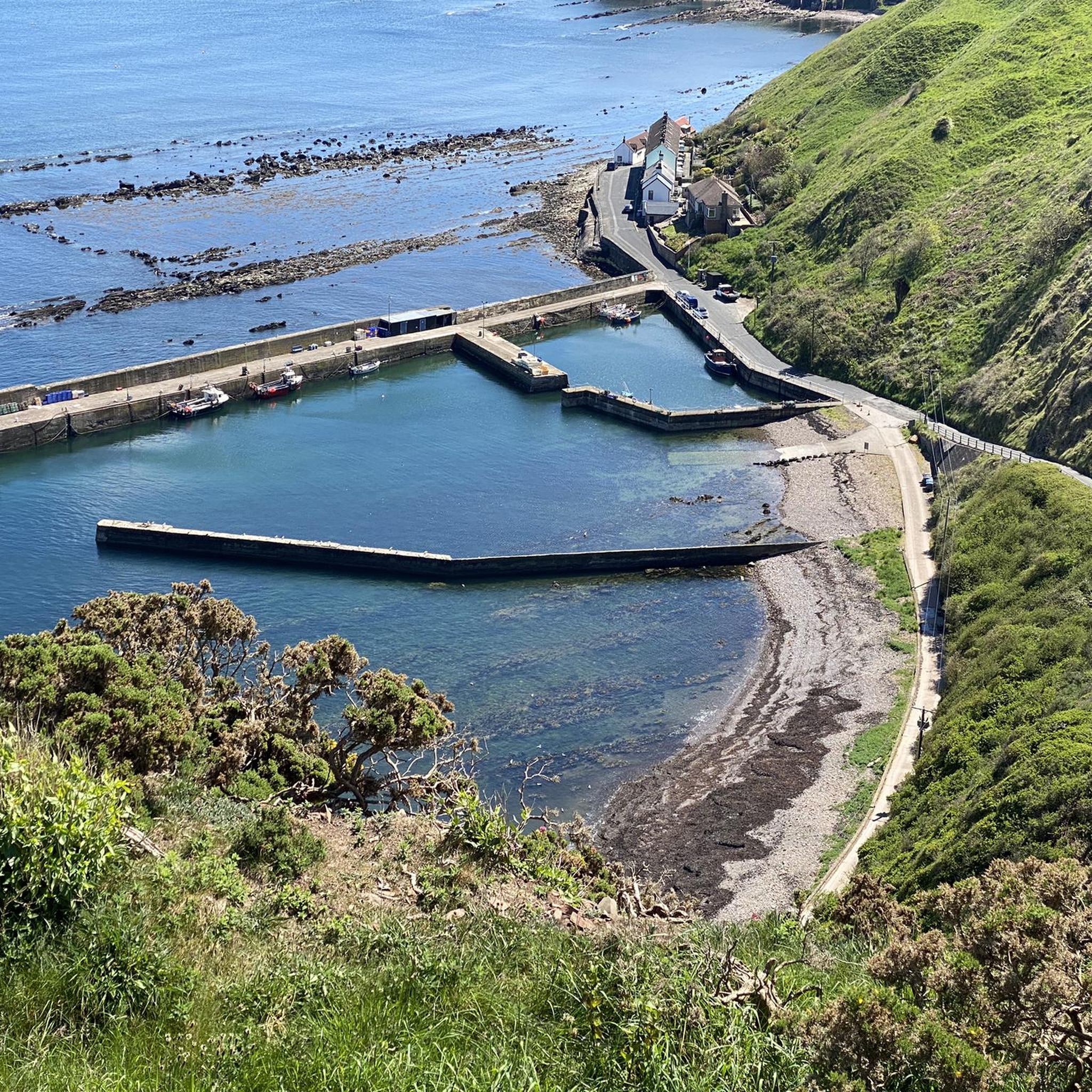
Eyemouth Harbour
Highlight • Settlement
Tip by
Sign up now to discover places like this
Get recommendations on the best single tracks, peaks, & plenty of other exciting outdoor places.
Sign up for free
Union Bridge (Tweed)
Highlight • Monument
The bridge was opened …
Tip by

Berwick Bridge
Highlight • Historical Site
Tip by
Coldingham Sands Beach
Highlight • Beach
Translated by Google •
Tip by

Sign up for free to discover even more attractions around Ayton.
Sign up for free
Already have an account?
Start today with a free account
Your next adventure awaits.
Login or Signup
Tips from the Community

The Berwick walls are absolutely fantastic to walk – one of the best-preserved examples of Elizabethan defences in the country. You can do a full circuit in under an hour, and it gives you brilliant views over the town, the River Tweed and out to the North Sea. Along the way there are bastions, gun emplacements and plaques explaining the history, so you really get a feel for why Berwick was so strategically important. It’s all free to access and very easy walking on well-kept paths. A must-do if you’re visiting the town, whether you’re into history or just want a pleasant stroll with great views.
0
0

Great sheltered bay for paddling, snorkelling and other water sports
0
0

A beautiful sandy beach with colourful beach huts in the background. There is a free car park, public toilets and in summer there are also lifeguards on the beach.
3
0

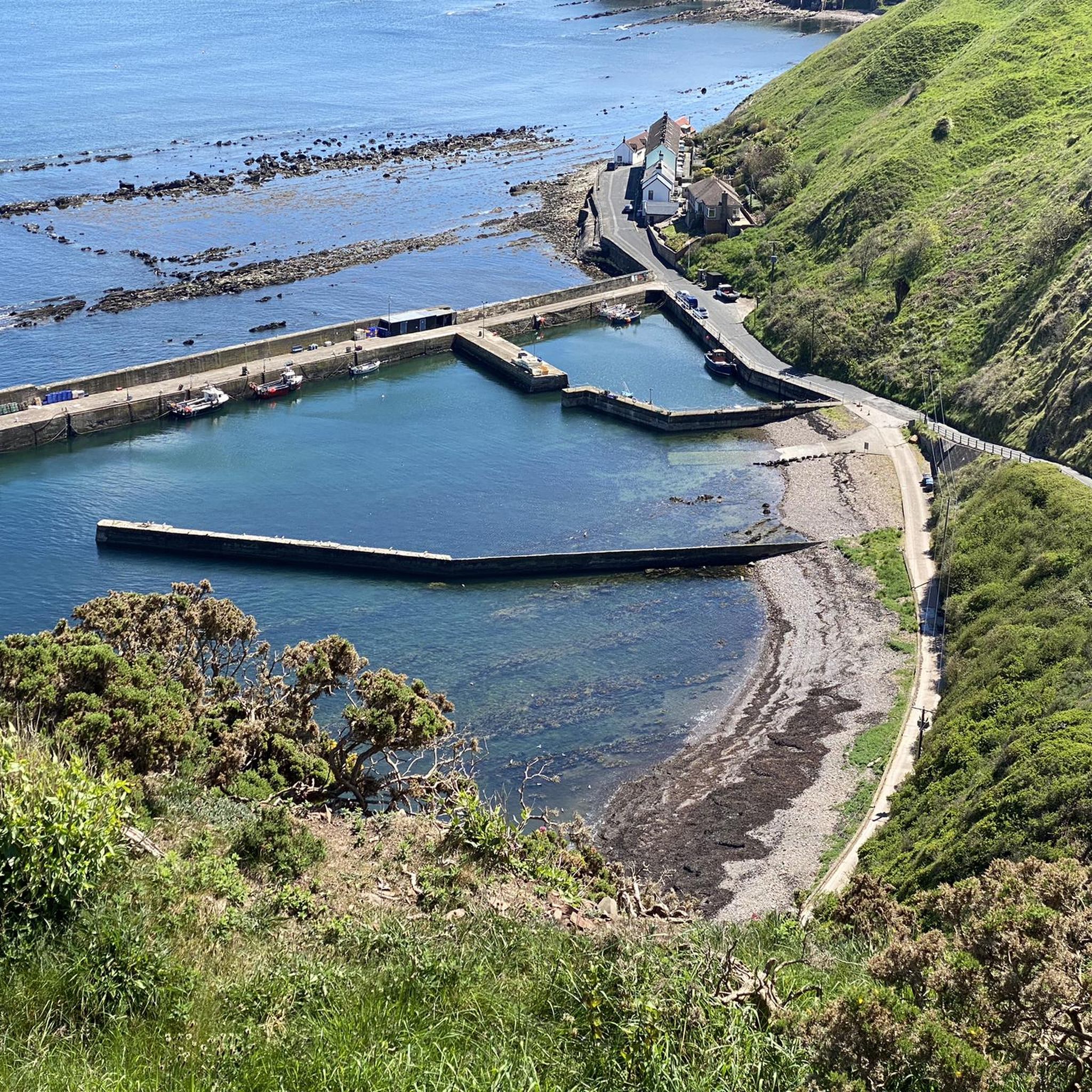
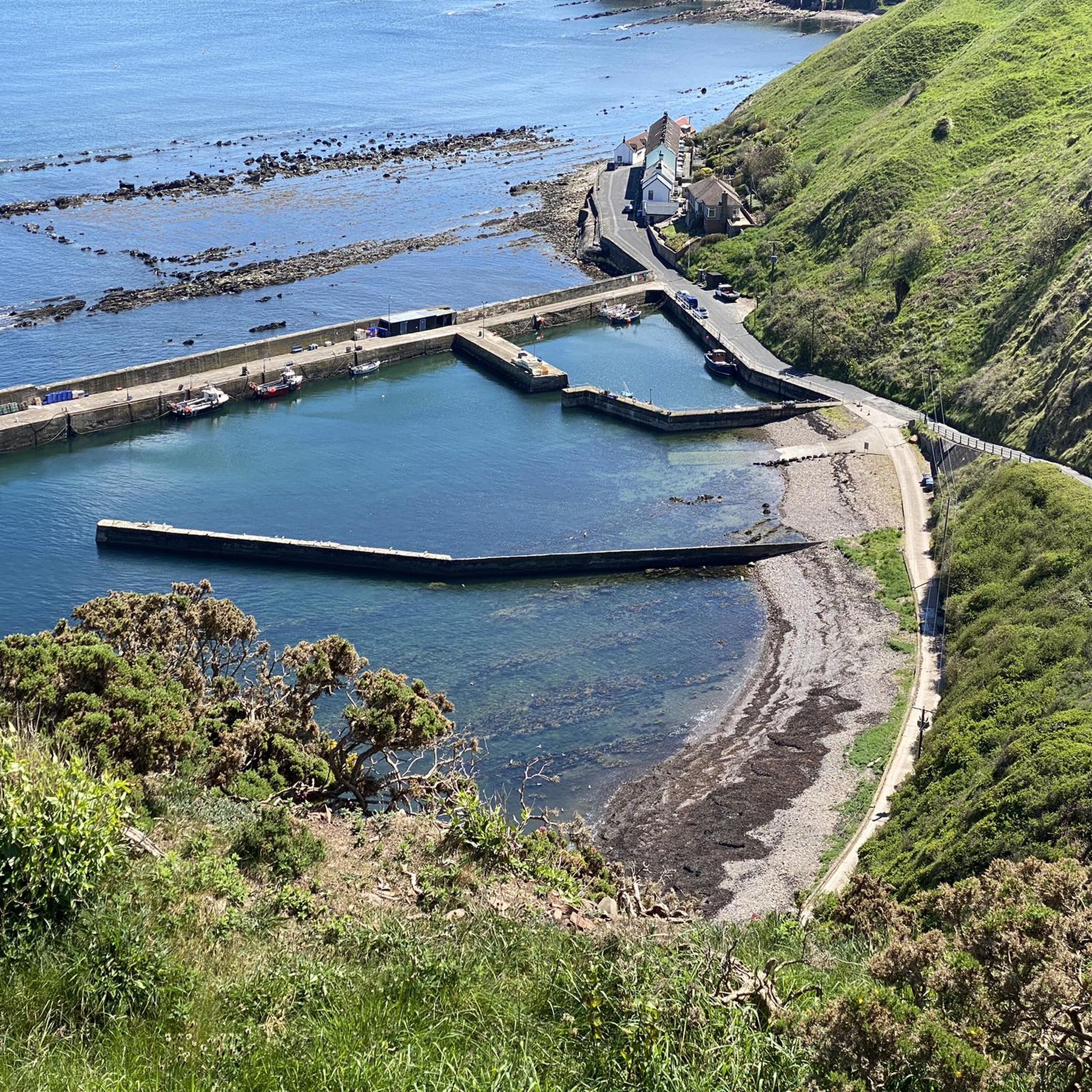
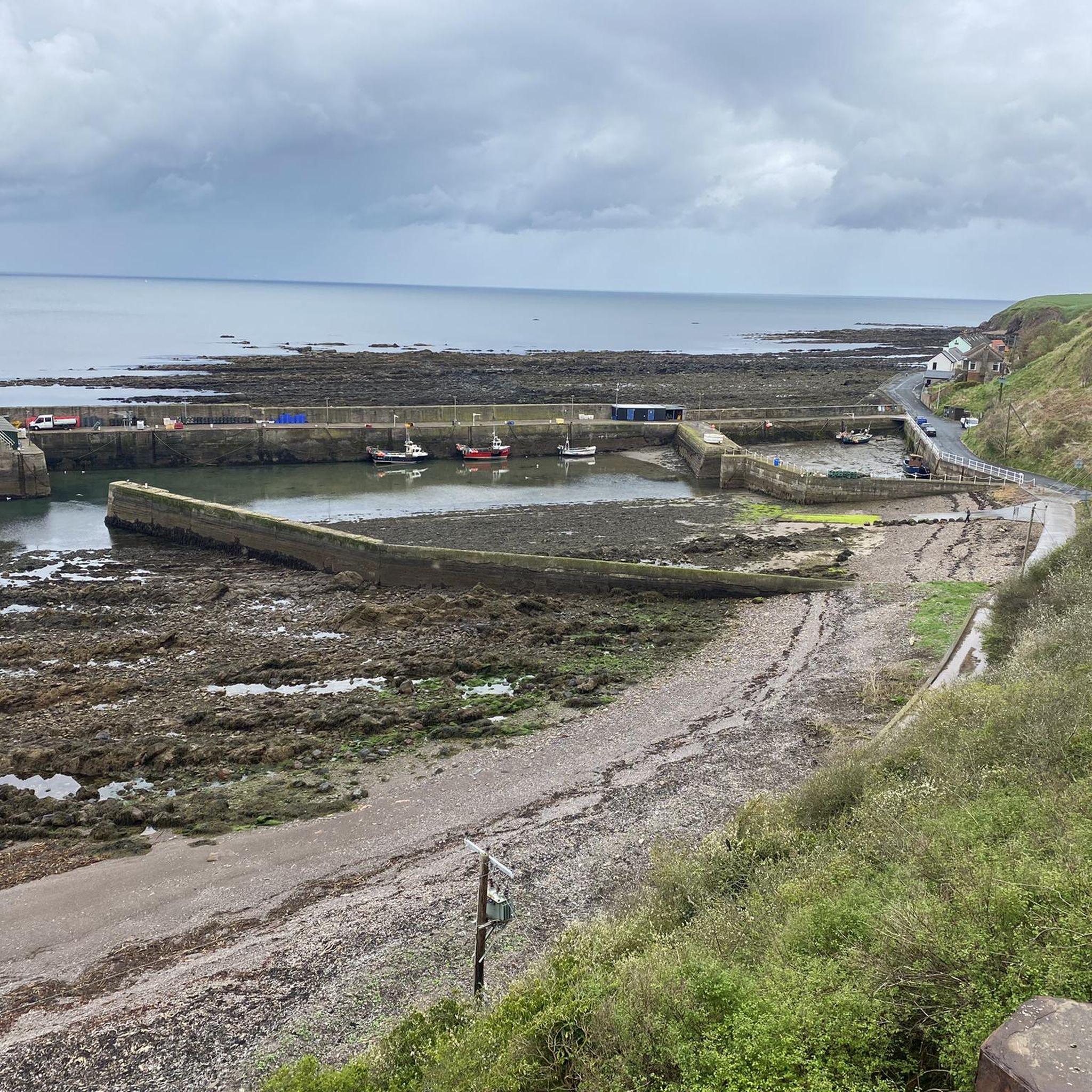
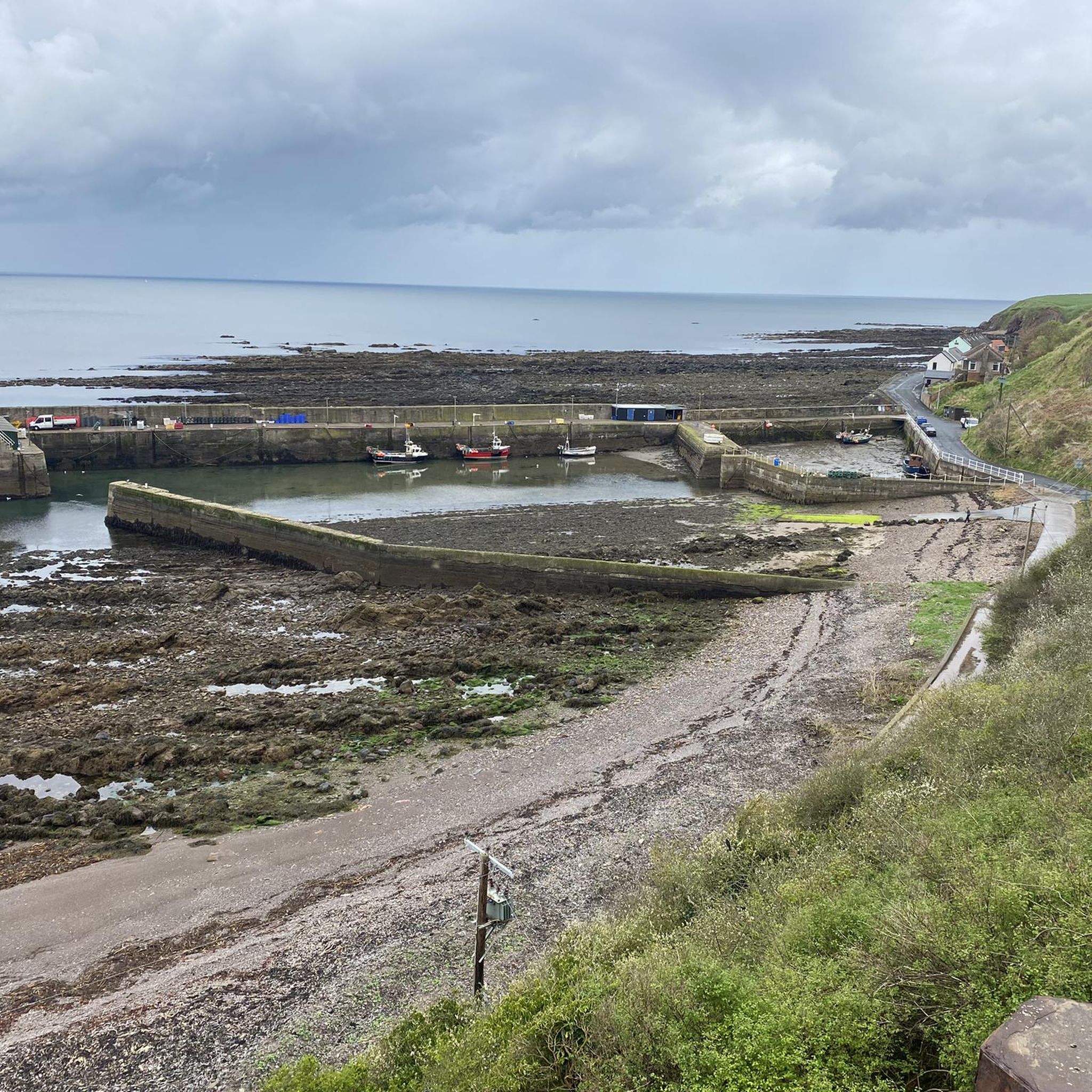
The tourist walk through the city is called the "Smuggler's Trail" and leads to the most important places in the city. Everyone can make up their own mind about it. Eyemouth - All smugglers? Eyemouth became important, at least for Scotland, when Berwick-upon-Tweed fell to the English in the 15th century. There was a lot of fighting in this border region, then at some point the borders were as they are and Eyemouth became Scotland's southernmost port, market place and church district. In 1695, 304 people lived here, not including the poor, it is noted in the local museum, they were not counted. Witches were also burned here, of both sexes, two dozen men, women and unfortunately also children. Fishing wasn't really popular here at the beginning. The harbor was inadequately protected from northern storms and was not safe. In the first half of the 19th century the port was expanded and formed the basis for the subsequent rapid development of the fishing industry. At the 14th. In October 1881, a catastrophe occurred that is encountered here again and again. Eyemouth's fleet had sailed to the fishing grounds in bright sunshine, but without warning - there were no good forecasts in those days - a violent storm broke out and few made it back to safety. 129 Eyemouth fishermen died. Many died within sight of their families, a sculpture on the beach clearly shows this. About 30 years earlier, more than 100 people died of cholera here in six weeks. What did people here have to go through back then? But what about the smugglers? Eyemouth was popular as a focal point for them. Roughly close to Norway and mainland Europe, a coast with many hideouts and narrow streets in the city that you could duck into.
1
0

Clean and quiet beach. Good swimming spot. Lifeguards on duty in the summer.
0
0
Berwick's Elizabethan Walls are the only example of bastioned town walls in Britain and one of the best preserved examples in Europe. When built in 1558 - designed to keep out the marauding Scots who regularly laid claim to the town - it was the most expensive undertaking of England's Golden Age.
1
0

Frequently Asked Questions
What historical sites can I explore around Ayton?
The area around Ayton is rich in history. You can walk along the Berwick Town Walls, built in 1558 to defend against invading Scots, offering excellent views. Another significant historical landmark is the Union Bridge (Tweed), an iconic suspension bridge opened in 1820 that marks part of the border between England and Scotland. Additionally, the village of Ayton itself has historical significance, including evidence of ancient human activity and the site where a seven-year truce was signed between Scotland and England in 1497.
Are there any notable bridges to see near Ayton?
Yes, the area features several historically significant bridges. The Union Bridge (Tweed) is particularly notable as the oldest suspension bridge still carrying road traffic, spanning the River Tweed and forming part of the border. You can also see the historic Berwick Bridge, one of three bridges visible from the Berwick Town Walls.
Where can I find beautiful beaches near Ayton?
For a beautiful sandy beach experience, visit Coldingham Sands Beach. It's known for its colourful beach huts, and is popular for surfing, sunbathing, and building sandcastles. It also offers facilities like a free car park and public toilets, with lifeguards present in summer.
Are there family-friendly attractions around Ayton?
Many attractions in the area are suitable for families. Walking the Berwick Town Walls offers an engaging historical experience with great views. Coldingham Sands Beach is perfect for a family day out with its sandy shores and opportunities for swimming and play. Exploring Eyemouth Harbour also provides a glimpse into a historic fishing town with plenty of places for food and drink.
What kind of outdoor activities can I do near these attractions?
The region around Ayton offers various outdoor activities. You can enjoy cycling on routes like the 'East Lothian views loop' or the 'Eyemouth to Berwick upon Tweed loop'. For runners, there are trails such as the 'Eyemouth Harbour loop' or longer routes to 'St Abb's Head Lighthouse'. You can find more details on these and other routes in the Road Cycling Routes around Ayton, Cycling around Ayton, and Running Trails around Ayton guides.
Are there good viewpoints to enjoy the scenery?
Absolutely. The Berwick Town Walls provide fabulous views over the town's three bridges and the River Tweed estuary. From Coldingham Sands Beach, you can enjoy scenic coastal views. The historic fishing town of Eyemouth Harbour also offers picturesque views of the working harbour and coastline.
What is there to see in Eyemouth?
Eyemouth Harbour is a historic fishing town just north of the border. It's known for its active harbour, which has been a fishing hub since the 13th century. You can explore the town's past as a smuggling hotspot, enjoy local food and drink, and visit shops. A sculpture on the beach commemorates the 1881 fishing disaster, adding to the town's rich history.
What do visitors enjoy most about the attractions around Ayton?
Visitors particularly appreciate the blend of historical significance and natural beauty. The well-preserved Berwick Town Walls are loved for their historical context and the 'brilliant views over the town, the River Tweed and out to the North Sea'. Coldingham Sands Beach is highly rated for its 'superb sand' and suitability for 'surfing, sunning and sand castle building'.
Is there a good time of year to visit Ayton and its attractions?
The summer months are ideal for enjoying Coldingham Sands Beach, especially on a hot day when it can be very busy. However, surfers visit all year round. The walks along the Berwick Town Walls are pleasant in most seasons, offering clear views. The area's coastal location means it can be enjoyed throughout the year, though some outdoor activities might be more comfortable in milder weather.
Are there any unique or lesser-known attractions in the area?
While not a hidden gem in the traditional sense, the Union Bridge (Tweed) is a unique piece of engineering history, being the oldest suspension bridge carrying road traffic. The village of Ayton itself, with its 19th-century Ayton Castle (privately owned but occasionally open) and Ayton Parish Church, offers a glimpse into Scottish Baronial architecture and local history beyond the more prominent coastal and border attractions.
Can I find places for food and drink near the attractions?
Yes, both Berwick-upon-Tweed and Eyemouth offer plenty of options for food and drink. In Berwick, after exploring the Town Walls and Berwick Bridge, you'll find many establishments. Similarly, Eyemouth Harbour has numerous places to eat and drink, perfect after a stroll around the fishing town.
Most popular attractions around Ayton

Get inspired with the komoot mobile app


Explore more
Still not found the Highlight you’re looking for? See guides of the top attractions in other regions:
