Attractions and Places To See around Dunning - Top 20
Best attractions and places to see around Dunning, a historic village in Perth and Kinross, Scotland, highlight its rich past and natural beauty. The area features ancient landmarks, significant cultural sites, and is nestled amidst scenic farms, woodlands, and rolling fields. Dunning is situated on the south side of Strathearn, where the river valley ascends towards the Ochil Hills. Evidence of Neolithic, Bronze, and Iron Age settlements, alongside a Roman marching camp, underscore its long history.
Best attractions and places to see around Dunning
- The most popular attractions is Castle Campbell, a castle that served as the lowland seat of the earls and dukes of Argyll. It was visited by Mary, Queen of Scots, in the 16th century.
- Another must-see spot is Banks of the River Almond, a river that is a tributary of the River Tay, flowing eastwards through Glenalmond. A shared-use asphalt path runs alongside the river as it enters Perth.
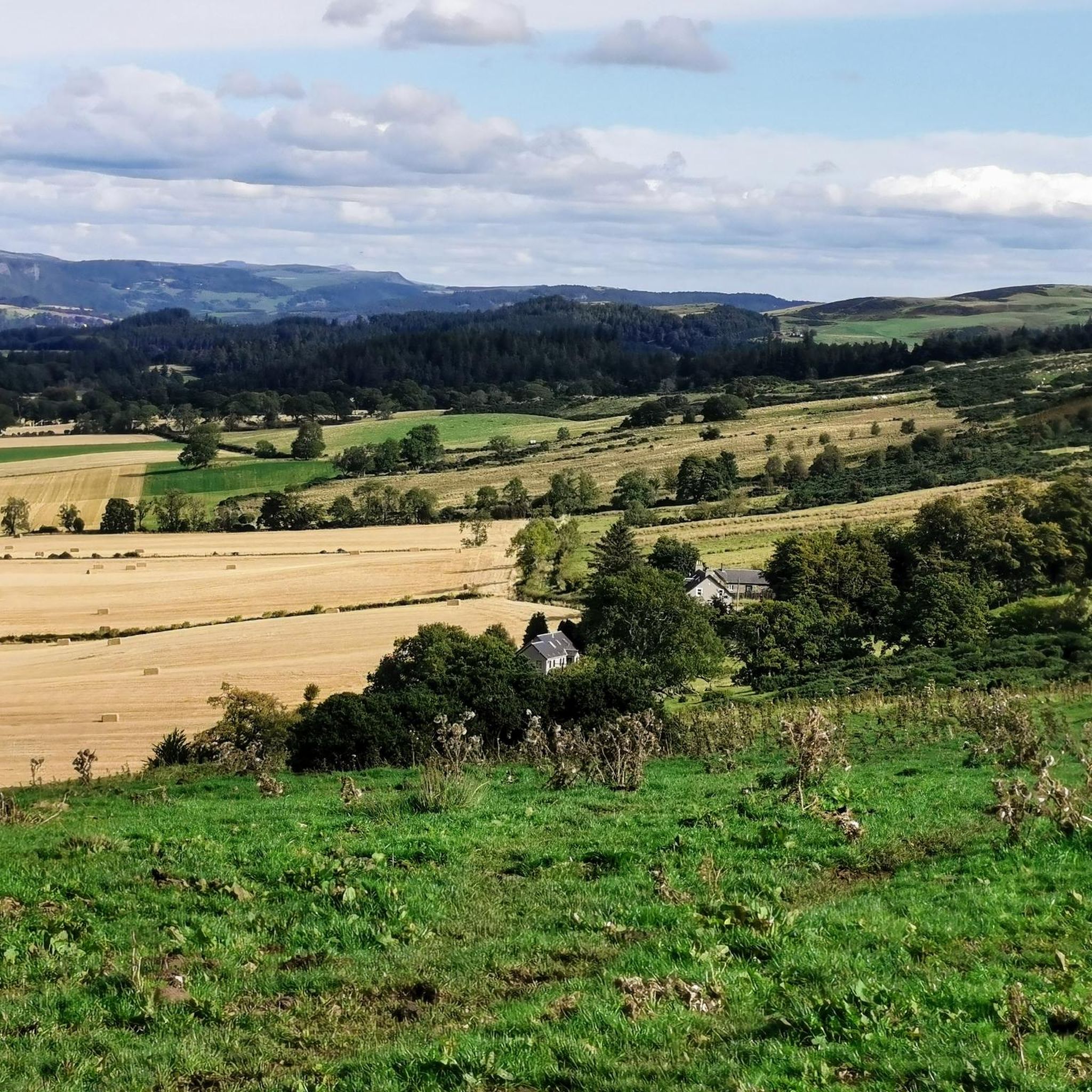
- Visitors also love Glen Devon (A823), a picturesque glen in Perthshire, offering views north to Gleneagles Hotel and south into the glen with rolling hills. The main road through the glen provides scenic views and is suitable for cycling.
- Dunning is known for its historical sites, natural features, and cultural landmarks. These include ancient Roman camps, Pictish artifacts, and scenic glens.
- The attractions around Dunning are appreciated by the komoot community, with more than 10 upvotes and over 30 photos shared.
Last updated: October 6, 2026
Moredun Top Hillfort
Highlight • Historical Site
Many hill forts were built in Scotland about 2,700 to 1,500 years ago. Typically, they are on hills or headlands with panoramic views, where natural features helped to provide some of the defences. Moncreiffe’s cliffs and terraces made this place ideal for the needs of its fort builders.
In 728 AD, a battle was fought here during a struggle between two warlords of the ancient Picts, Angus and Alpin, for control of the Pictish throne. Both that battle and aspects of the structure of Moredun fort suggest that Moncreiffe Hill could have had special significance as a Pictish royal centre.
Tip by

Glen Devon (A823)
Highlight • Gorge
Tip by

Sign up now to discover places like this
Get recommendations on the best single tracks, peaks, & plenty of other exciting outdoor places.
Kinkell Bridge
Highlight • Bridge
Tip by

Castle Campbell
Highlight • Castle
Tip by
St Leonard's-in-the-Fields Church
Highlight • Historical Site
Inside, the semi-octagonal apse was inspired by the 15th-century apse of the Church of the Holy Rude in Stirling.
The organ is by Perth native Henry Bryceson's company of London and dates to 1881. It was built for the former Morningside United Presbyterian Church and moved here in 1985, installed in a modern ash case
en.wikipedia.org/wiki/St_Leonard%27s-in-the-Fields_Church
Tip by

Sign up for free to discover even more attractions around Dunning.
Already have an account?
Start today with a free account
Your next adventure awaits.
Tips from the Community

Nice scenic climb or fast decent. A great section of road.
0
0

Coming from Crieff you can stay this side of the bridge (i.e. without crossing the bridge) and take a left turn to head towards Trinity Gask for a shorter circuit of 19m or so. The Trinity Gask Road may be closed due to water board works but passable by bike (not car). If you cross the Earn at Kinkell bridge you’re in for a longer cycle if you turn left or a shorter one (via Muthill) if you turn right. The Muthill road’s more of a main road so busier.
0
0


In addition to the nearby information boards, there's lots of online information about the hill forts around here. Moredun Top hillfort has been subject to archaeological digs in recent years - reports available online.
0
0

Built in around 1793 with four stone arches Kinkell Bridge carries the B8062 across the river Earn. It's a designated listed structure.
0
0

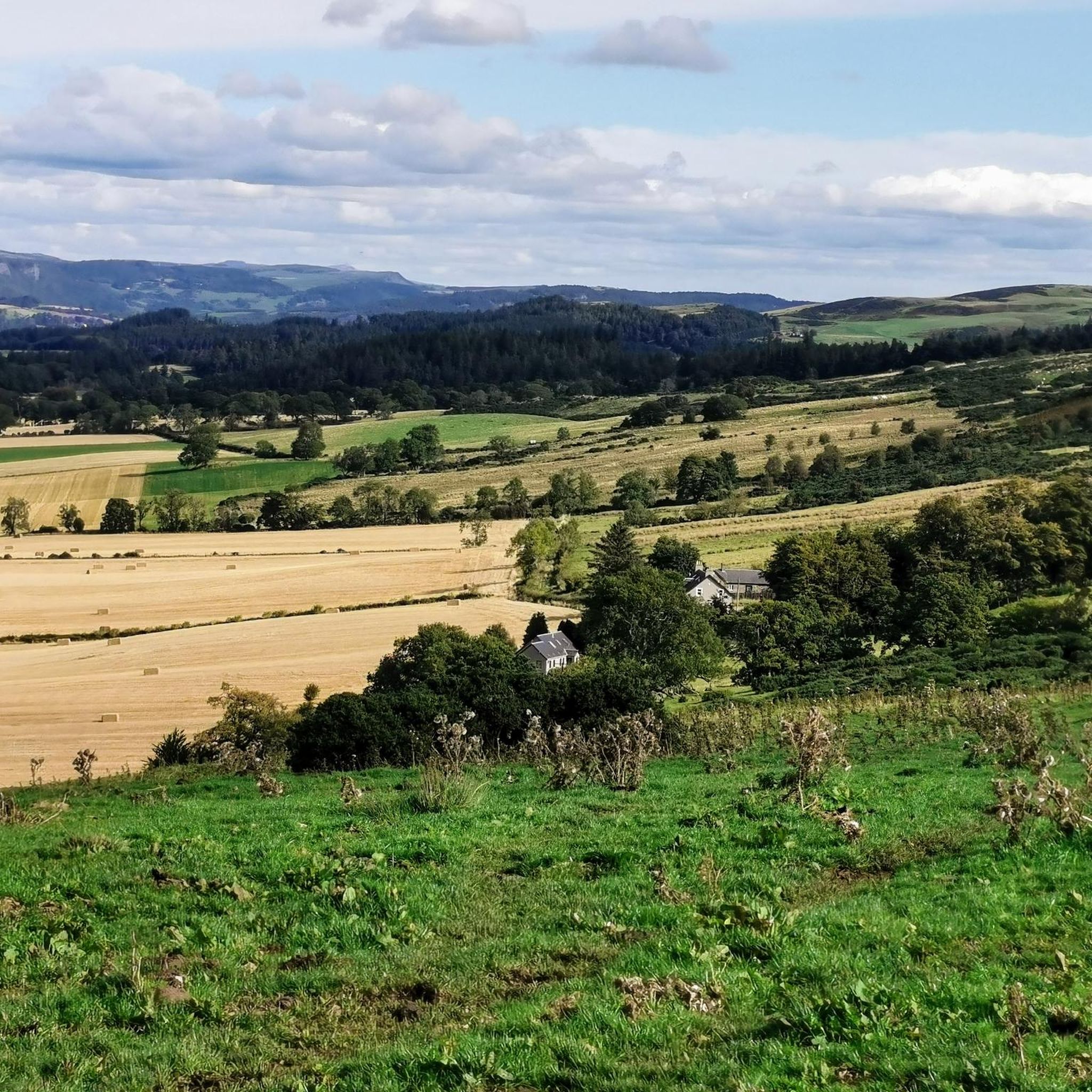
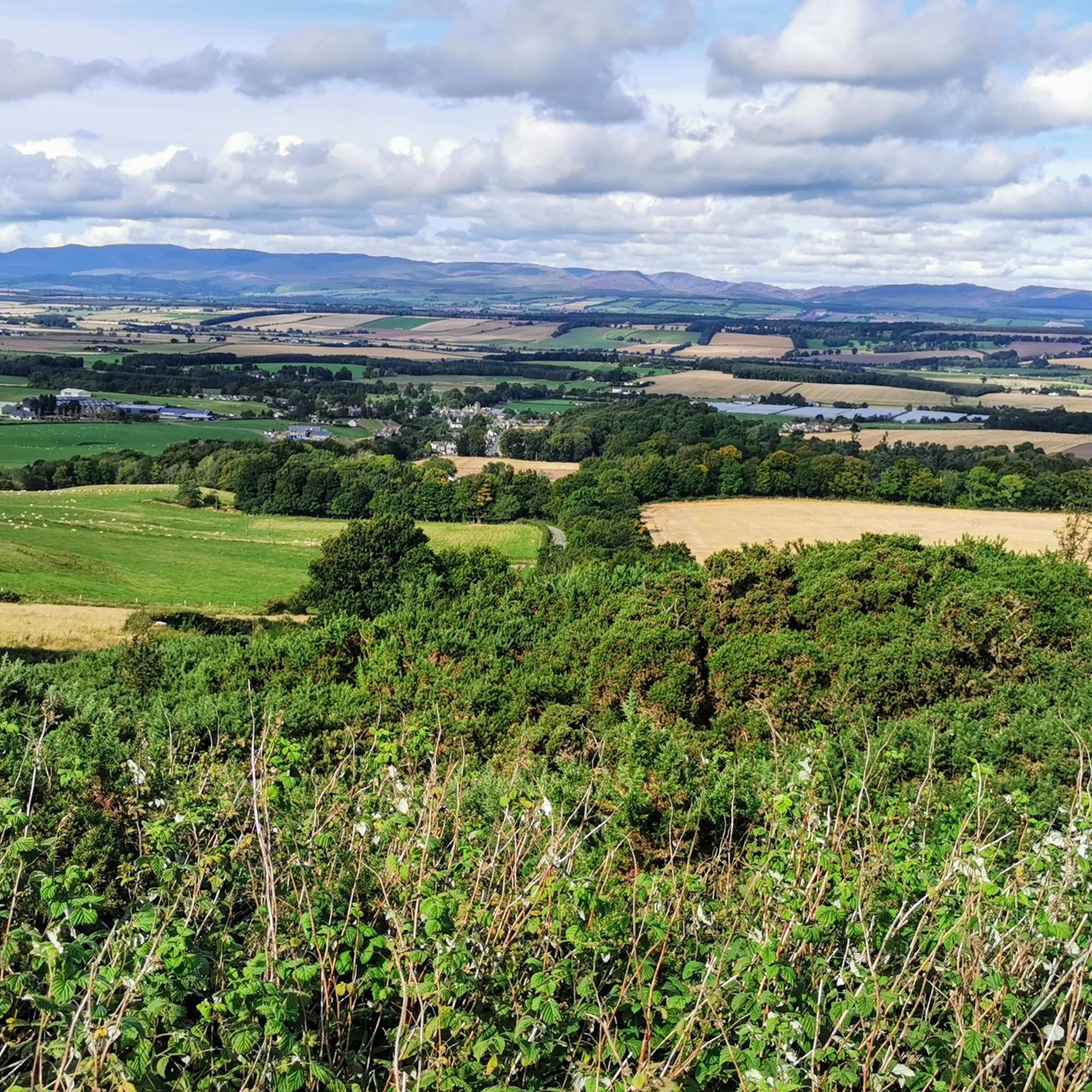
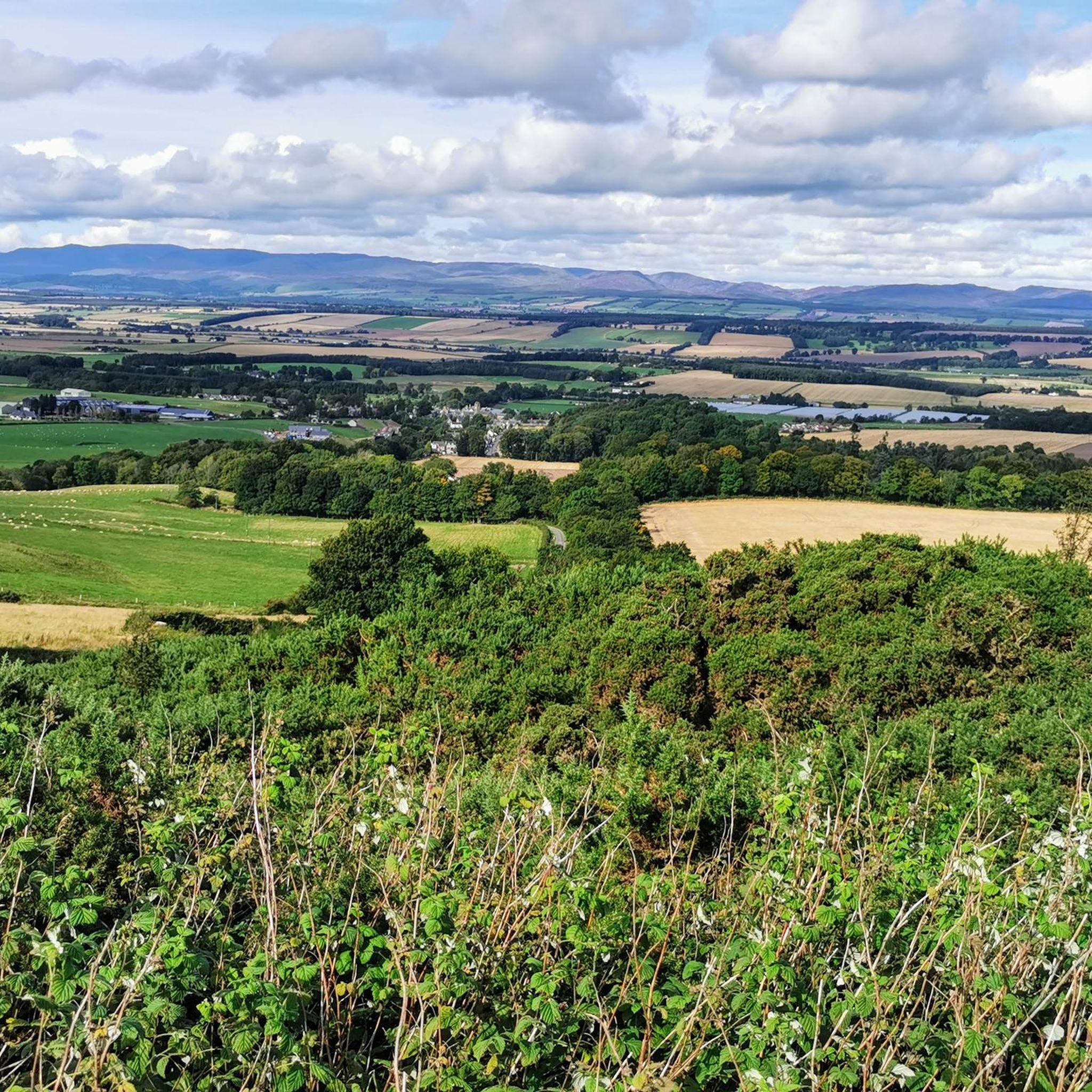
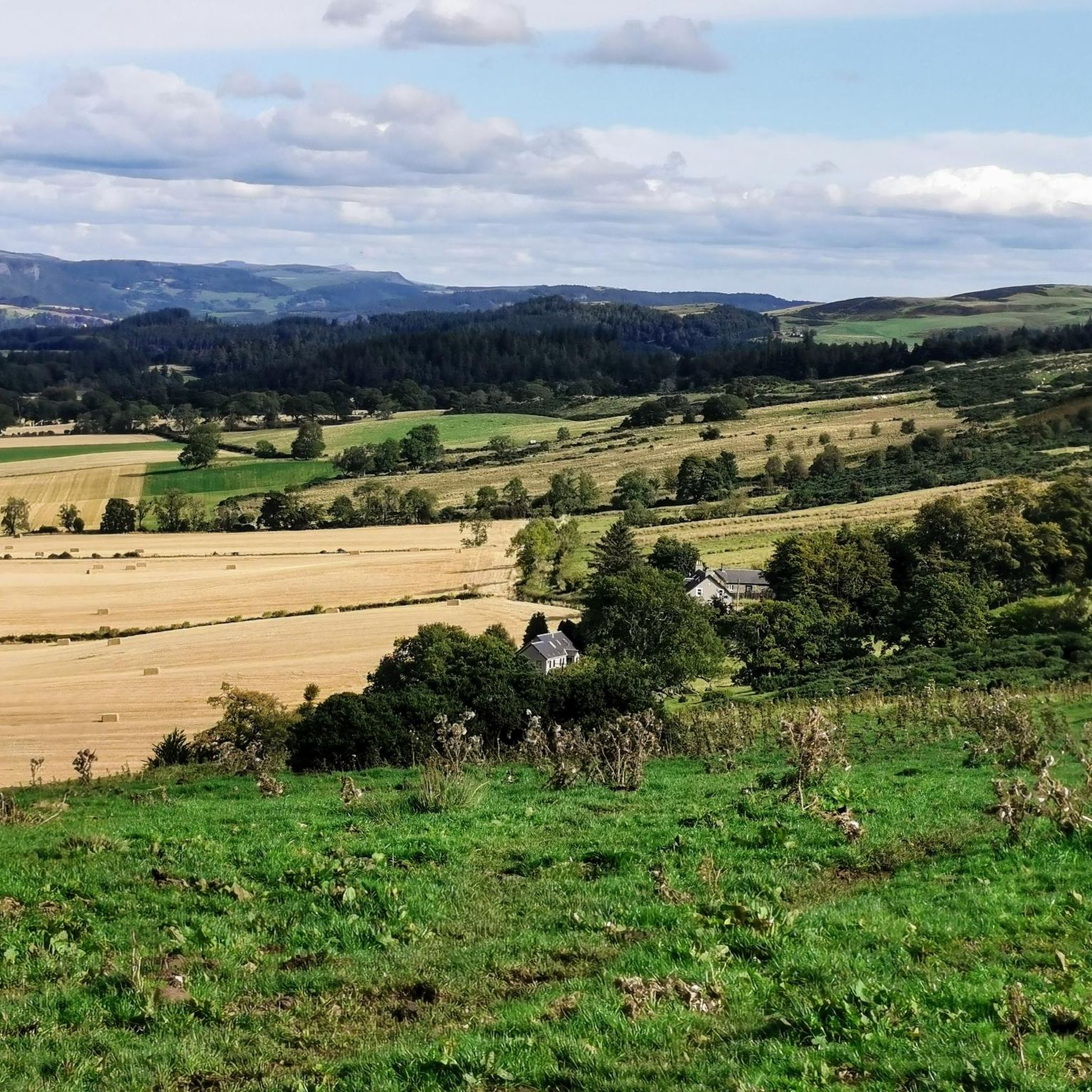
Glen Devon is a picturesque glen in Perthshire, located near the small town of Auchterarder. The glen stretches south eastwards from the source of the River Devon to Yetts o' Muckhart. The main road through the glen offers breathtaking views north to the famous Gleneagles Hotel and the mountains around Loch Earn, south into the heart of the glen with soft rolling hills rising on either side and the gentle River Devon on the valley floor.
1
0

St Leonard's-in-the-Fields is a Church of Scotland church in Perth, Perth and Kinross, Scotland. Standing on Marshall Place, at its junction with Scott Street, overlooking the northern end of the South Inch, it was built between 1882 and 1885, to a design by J. J. Stevenson, and is now a Category A listed building. It is in the Gothic Revival style. Perth photographer Magnus Jackson had a wooden studio on the site between the 1850s and 1884. Inside, the semi-octagonal apse was inspired by the 15th-century apse of the Church of the Holy Rude in Stirling. The organ is by Perth native Henry Bryceson's company of London and dates to 1881. It was built for the former Morningside United Presbyterian Church and moved here in 1985, installed in a modern ash case https://en.wikipedia.org/wiki/St_Leonard%27s-in-the-Fields_Church
7
0

From the north car park the white waymarked trail will lead to both the hill forts and past some intersting sculptures.
0
0
Frequently Asked Questions
What historical sites can I explore in Dunning?
Dunning is rich in history. You can visit the 12th-13th century St. Serf's Church, which houses the significant Pictish artifact, the Dupplin Cross. Evidence of a Roman marching camp from AD 83 can be found in Kincladie Wood, and the Moredun Top Hillfort offers insights into Iron Age settlements and Pictish royal history. Don't miss the intriguing Maggie Wall's Memorial, a cairn dedicated to a supposed witch.
Are there any ancient Roman sites near Dunning?
Yes, Dunning has a connection to Roman history. Part of a Roman marching camp, built during Julius Agricola's campaign in AD 83, can still be found in Kincladie Wood. This camp was large enough to accommodate 20,000 troops, showcasing the area's strategic importance in ancient times.
Where can I see Pictish artifacts in Dunning?
The most notable Pictish artifact in Dunning is the Dupplin Cross, a 3-meter high stone cross dating back to around 900 AD. It is housed within the historic St. Serf's Church for conservation and public display. The Moredun Top Hillfort also has connections to Pictish history, having been the site of a battle between Pictish warlords in 728 AD.
What is the story behind Maggie Wall's Memorial?
About a mile west of Dunning, you'll find Maggie Wall's Memorial, a stone cairn with the inscription 'Maggie Wall burnt here 1657 as a witch.' While local folklore strongly supports the story, historical records do not confirm Maggie Wall's existence or execution, leading to speculation about the memorial's 19th-century origins. It remains an intriguing local mystery.
Is there a medieval castle to visit near Dunning?
Yes, Castle Campbell is a significant medieval castle located above the town of Dollar, a short distance from Dunning. It served as the lowland seat of the earls and dukes of Argyll and was visited by Mary, Queen of Scots, in the 16th century. It's maintained by Historic Scotland and offers an enjoyable visit.
What natural features can I explore around Dunning?
Dunning is nestled amidst scenic natural beauty. You can explore the picturesque Glen Devon (A823) with its rolling hills and the gentle River Devon. The village is also on the south side of Strathearn, where the valley ascends towards the Ochil Hills. Kincladie Wood offers a community-managed woodland experience, and the Banks of the River Almond provide a pleasant riverside path.
Are there good walking or hiking trails near Dunning?
The surrounding countryside of Dunning offers numerous opportunities for walking and hiking. You can find trails leading to historical sites like the Moredun Top Hillfort, which offers panoramic views. For more structured routes, explore the various walking guides available for the Dunning area, which often feature circular walks through woodlands and fields. You can find detailed routes for hiking around Dunning on komoot.
Can I go cycling around Dunning?
Absolutely! Dunning's scenic roads and glens are popular with cyclists. The main road through Glen Devon (A823) is particularly suitable for cycling, offering breathtaking views. There are various cycling routes available, including options for touring, gravel, and road biking, with different difficulty levels. You can find many routes for cycling around Dunning on komoot.
What are some scenic viewpoints in the area?
For panoramic vistas, head to the Moredun Top Hillfort, which sits on Moncreiffe Hill and offers commanding views. The main road through Glen Devon (A823) also provides stunning views north towards the Gleneagles Hotel and south into the heart of the glen with its rolling hills.
Is Kincladie Wood suitable for a visit?
Yes, Kincladie Wood is a community-managed site that offers a peaceful natural escape. Beyond its historical significance as a Roman camp site, it's a pleasant woodland area that has not been used for agriculture since at least 1750, making it a great spot for a leisurely walk amidst nature.
Are there family-friendly activities or attractions in Dunning?
Dunning offers several family-friendly options. The Banks of the River Almond feature a shared-use asphalt path, perfect for easy walks or cycling with children. Kincladie Wood provides a natural setting for exploration, and the general countryside around Dunning is ideal for gentle walks and picnics. Many of the historical sites, like St. Serf's Church, can also be interesting for older children.
When is the best time to visit Dunning's attractions?
The best time to visit Dunning is generally during the spring (May for spectacular yellow gorse in Glen Devon) and summer months when the weather is milder and the natural scenery is at its most vibrant. Autumn also offers beautiful colours in the woodlands. While attractions are accessible year-round, some outdoor activities might be less comfortable during the colder, wetter winter months.
How can I get to Dunning using public transport?
Dunning is a village in Perth and Kinross, Scotland. While specific bus routes and train stations can vary, Dunning is typically served by local bus services connecting it to larger towns like Perth. The nearest major train stations would be in Perth or Gleneagles. It's advisable to check current bus timetables and train connections to Perth and then local services for the most up-to-date public transport information.
Are there any unique local legends or stories in Dunning?
Dunning is steeped in local folklore. One prominent legend attributes the slaying of a dragon that terrorized residents to Saint Serf in Dunning. Additionally, the mysterious Maggie Wall's Memorial, dedicated to a supposed witch, adds another layer of intriguing local storytelling to the village's history.
Most popular attractions around Dunning

Get inspired with the komoot mobile app


Explore more
Still not found the Highlight you’re looking for? See guides of the top attractions in other regions:
