Attractions and Places To See around Flotta - Top 15
Best attractions and places to see around Flotta include a blend of wartime history, industrial presence, and natural features. The island played a role in both World Wars, with numerous historical military fortifications. Its diverse landscapes offer opportunities for coastal walks and panoramic views of Scapa Flow. Flotta also features cultural sites that detail its history and everyday life.
Best attractions and places to see around Flotta
- The most popular attractions is Sands of Wright Beach, a beach that features wildflowers in season. Facilities at this crescent beach include a parking area and toilet block.
- Another must-see spot is Balfour Coast Battery, a historical site. This battery was paired with Buchanan Battery on Flotta during WW2 to guard the boom defence across Scapa Flow.
- Visitors also love Shipwreck in Weddell Sound, a historical site. Scapa Flow is known for its ship graveyard, a significant site from World War I where 52 German warships were scuttled.
- Flotta is known for its wartime history, diverse coastline, and cultural sites. Visitors can explore military fortifications, scenic walks, and local museums.
- The attractions around Flotta are appreciated by the komoot community, with 17 upvotes and 12 photos shared.
Last updated: October 6, 2026
Balfour Coast Battery
Highlight • Historical Site
Tip by

Shipwreck in Weddell Sound
Highlight • Historical Site
According to the town's official website, the name Scapa Flow comes from the Norse word Skalpaflói, which means “The Bay of the Long Isthmus”. Accordingly, the place was first used by the British Admiralty around 1800 as a strategic natural harbor in the Napoleonic Wars. At a depth of up to 40 meters, merchant ships were allowed to anchor here before they set off for the Baltic North Sea ports. But Scapa Flow would not finally take its place in the history books until 1919.
During the First World War, the British fleet moved its base to the difficult-to-access Scapa Flow. Old defenses on land were also put back into operation at this time. After Germany had to admit its defeat in the war in 1918, the ships of the German Navy with their crew on board were held there as prisoners of war. And so on June 21, 1919, one of the greatest ship accidents in world history occurred.
The word “misfortune” is misleading, because it was actually an ordered tragedy. The commander of the German navy in the Scapa Flow, Admiral Ludwig von Reuter, believed at this point that the peace negotiations with the victorious powers had failed. In order to prevent “his” ships from finally falling into the hands of the enemy, he had them sunk without further ado on his orders. That day, 52 German warships found their watery grave in the waters of Scapa Flow. To date, this is the largest sinking ever recorded.
Translated by Google •
Tip by

Sign up now to discover places like this
Get recommendations on the best single tracks, peaks, & plenty of other exciting outdoor places.
Sands of Wright Beach
Highlight • Rest Area
Every August the annual Boy's Ploughing Match is held here, where the locals take handmade miniature wooden ploughs to the sand to test their skills.
Tip by
Olad Summit
Highlight • Summit
Tip by

Orphir Round Church (St Nicholas' Church Ruins)
Highlight • Religious Site
After the First Crusade, Earl Håkon of Orkney had made a pilgrimage to Jerusalem to atone for the order to murder Count Magnus, later Saint Magnus, on Egilsay on 16 April 1117. St Magnus's lasting monument was St Magnus Cathedral in Kirkwall. The less lasting memorial of Count Håkon was this St. Nicholas Church.
It was less durable because in 1757 most of the church was destroyed to provide stone for a new parish church nearby, which itself has long since disappeared. All that remains is the semi-circular apse and the circular markings on the grass of the original church's form. You can see more than enough to realize that the destruction in 1757 was a sad loss.
(Undiscovered Scotland)
Translated by Google •
Tip by

Sign up for free to discover even more attractions around Flotta.
Already have an account?
Start today with a free account
Your next adventure awaits.
Popular around Flotta
Tips from the Community

Church remains in an old cemetery. Nice, but not a must-have.
0
0

In the often storm-tossed seas of the Atlantic lies the Scapa Flow off the Orkney Islands, which belong to Scotland. A very special stretch of water measuring more than 300 square kilometers, a kind of natural harbor off the two main islands of the Orkneys. But what makes it so unique is underwater. A ship graveyard that is probably one of the most spectacular diving spots in Europe, if not the world. The story of its creation tells of a forgotten chapter of the First World War. According to the town's official website, the name Scapa Flow comes from the Norse word Skalpaflói, which means “The Bay of the Long Isthmus”. Accordingly, the place was first used by the British Admiralty around 1800 as a strategic natural harbor in the Napoleonic Wars. At a depth of up to 40 meters, merchant ships were allowed to anchor here before they set off for the Baltic North Sea ports. But Scapa Flow would not finally take its place in the history books until 1919. During the First World War, the British fleet moved its base to the difficult-to-access Scapa Flow. Old defenses on land were also put back into operation at this time. After Germany had to admit its defeat in the war in 1918, the ships of the German Navy with their crew on board were held there as prisoners of war. And so on June 21, 1919, one of the greatest ship accidents in world history occurred. The word “misfortune” is misleading, because it was actually an ordered tragedy. The commander of the German navy in the Scapa Flow, Admiral Ludwig von Reuter, believed at this point that the peace negotiations with the victorious powers had failed. In order to prevent “his” ships from finally falling into the hands of the enemy, he had them sunk without further ado on his orders. That day, 52 German warships found their watery grave in the waters of Scapa Flow. To date, this is the largest sinking ever recorded.
0
0

Only remains of the round St. Nicholas Church remain. This was built around 1123 and is probably modeled on the rotunda of the Church of the Holy Sepulcher in Jerusalem. After the First Crusade, Earl Håkon of Orkney had made a pilgrimage to Jerusalem to atone for the order to murder Count Magnus, later Saint Magnus, on Egilsay on 16 April 1117. St Magnus's lasting monument was St Magnus Cathedral in Kirkwall. The less lasting memorial of Count Håkon was this St. Nicholas Church. It was less durable because in 1757 most of the church was destroyed to provide stone for a new parish church nearby, which itself has long since disappeared. All that remains is the semi-circular apse and the circular markings on the grass of the original church's form. You can see more than enough to realize that the destruction in 1757 was a sad loss. (Undiscovered Scotland)
8
0

In season, this crescent beach area is full of wildflowers. Facilities include a parking area and toilet block. Every August the annual Boy's Ploughing Match is held here, where the locals take handmade miniature wooden ploughs to the sand to test their skills.
1
0
In WW2 Balfour Battery was paired with Buchanan Battery on Flotta, to guard the boom defence across the sound to discourage attacks against vessels at anchor in Scapa Flow. A deterrent so effective they never had to be fired in anger.
3
0

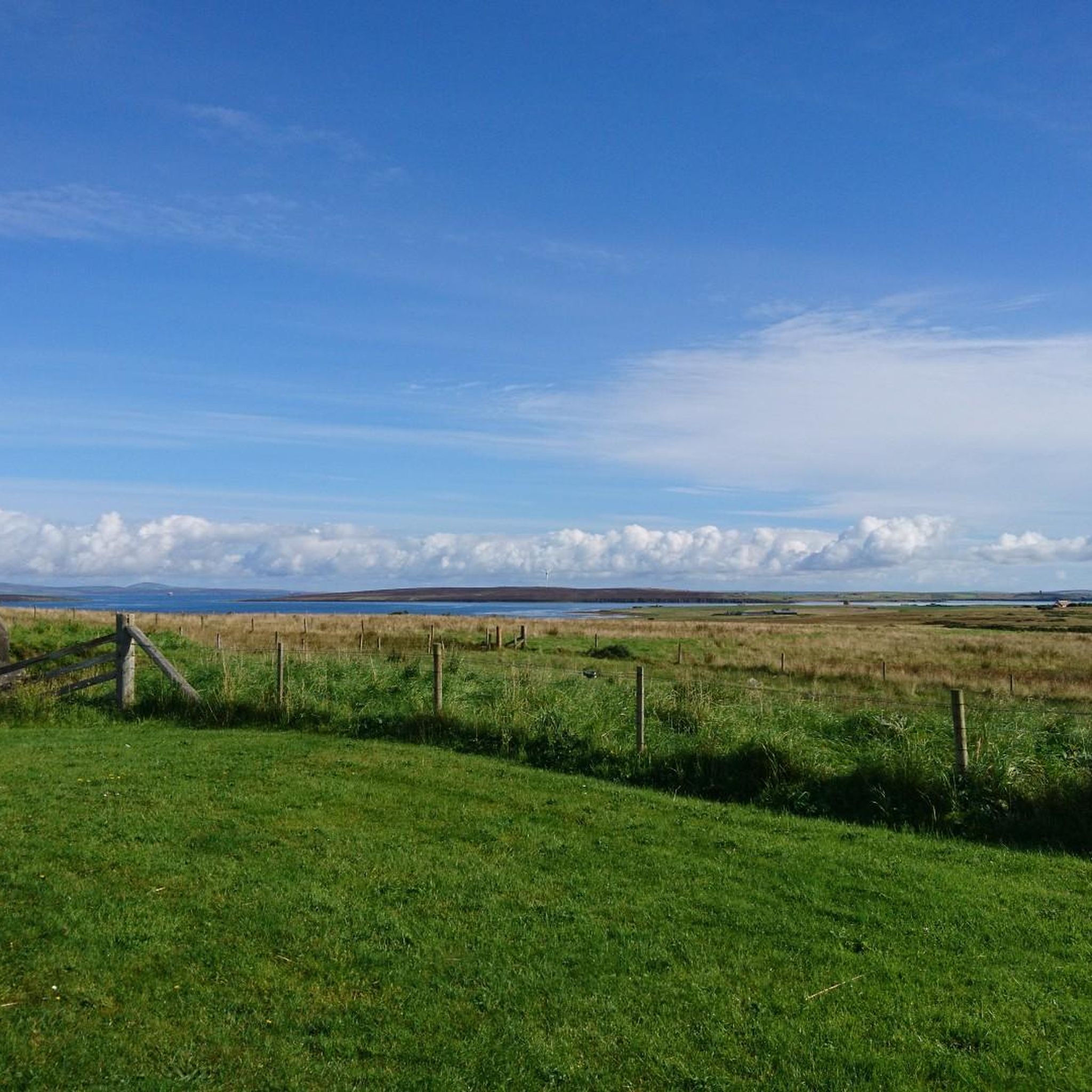
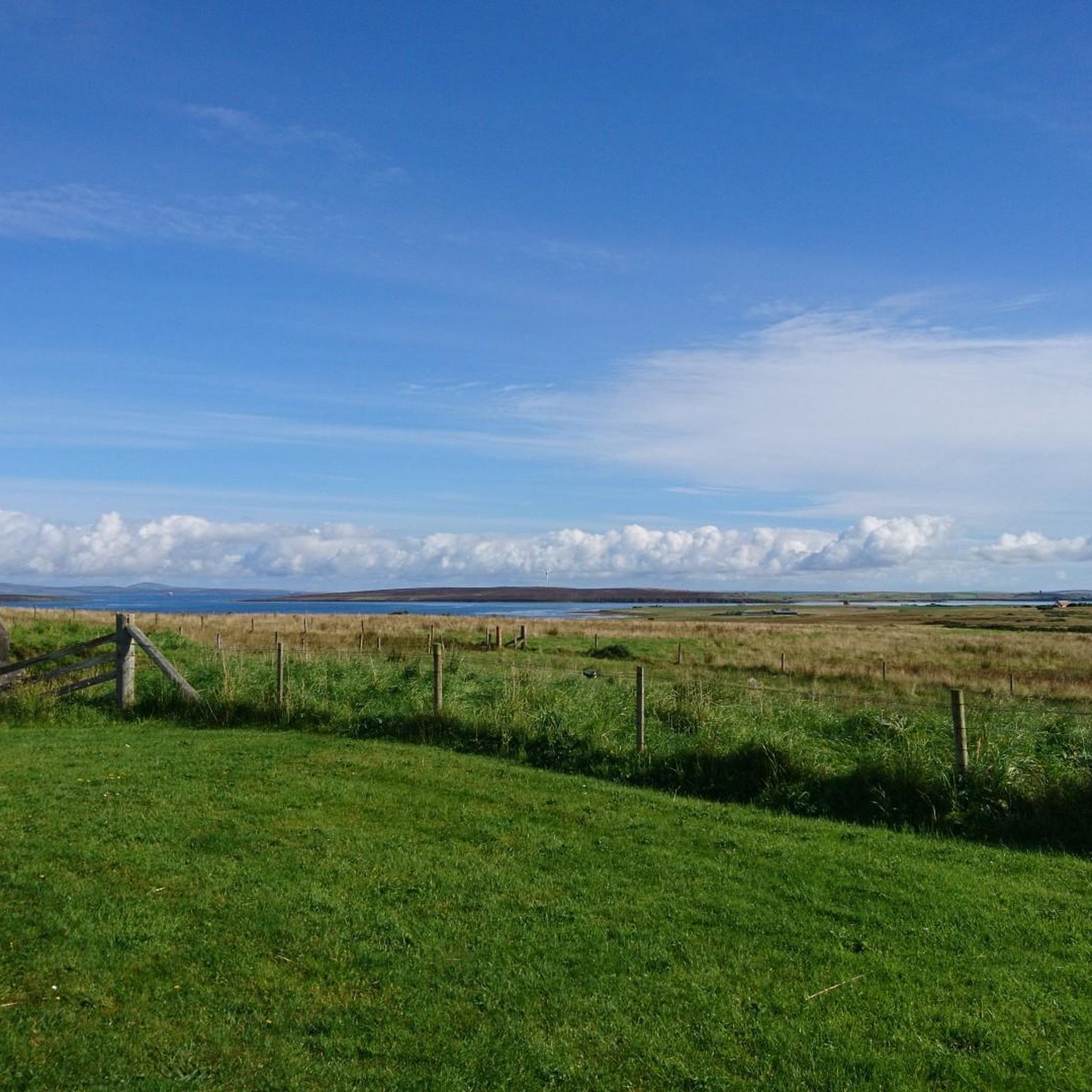
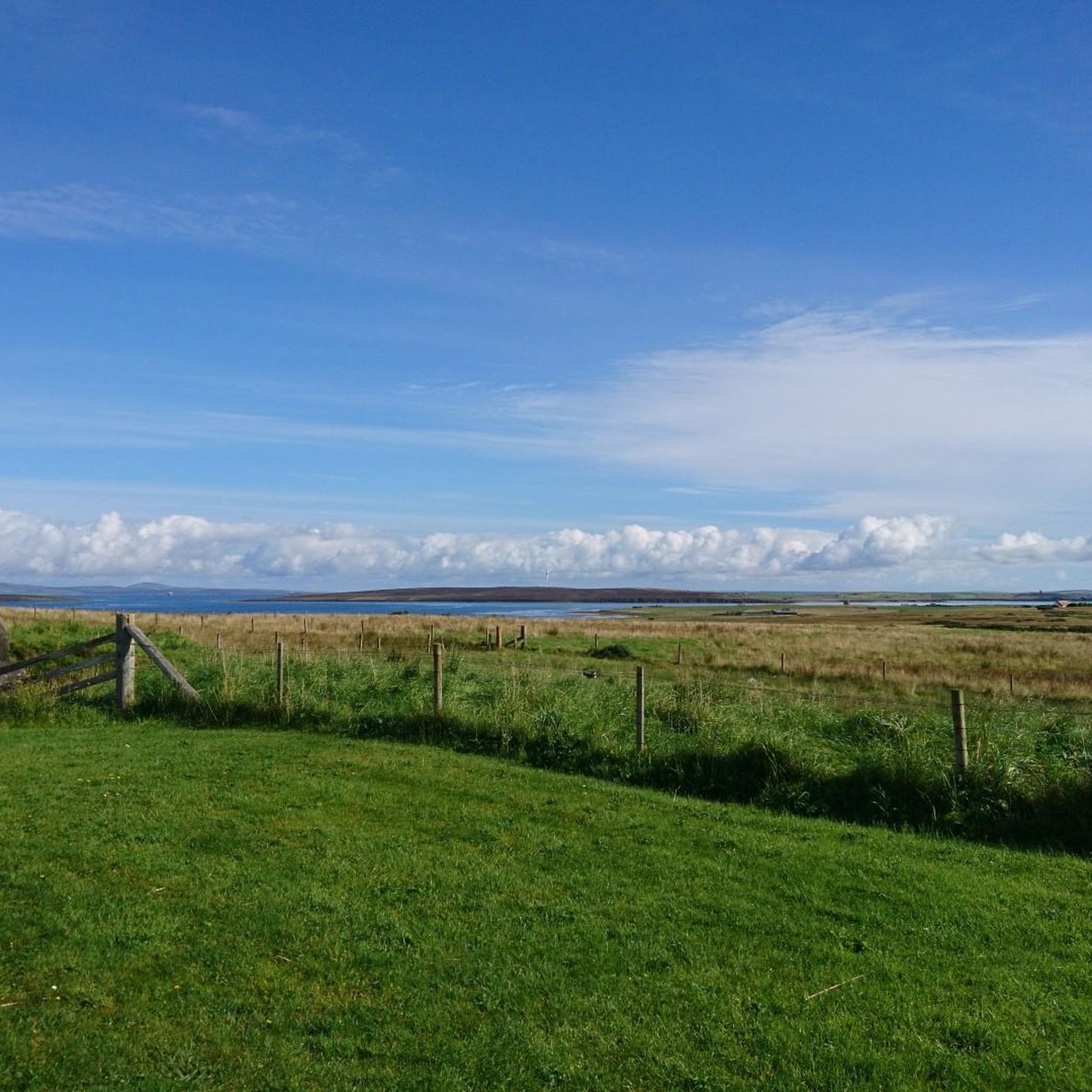
At 87m it's not the highest point on South Ronaldsay but it does give great views all around from the entrance to Scapa Flow in the west, south towards John O'Groats and mainland Scotland, east across the island and out to sea and north over the Churchill Barriers which link this island to Burray and Mainland. It's on the road but it's quiet so it's a great spot to stop and have a break.
1
0

Long pull from St Margaret's Hope but worth it despite the wind
0
0

Beautiful hike around Hoxa Head on the trail of Scapa Flow
1
0
Frequently Asked Questions
What historical sites can I explore on Flotta?
Flotta is rich in wartime history. You can explore numerous relics from both World Wars, including the WWII Rocket Battery (Scapa Barrage), Buchanan and NEB Coastal Defence Batteries, and the remains of the YMCA Building and St Vincent Pier. Don't miss the Balfour Coast Battery, which was paired with Buchanan Battery to guard the boom defence across Scapa Flow. The Shipwreck in Weddell Sound also highlights the island's connection to the scuttling of German warships in Scapa Flow.
Are there any museums or heritage centers on Flotta?
Yes, Flotta offers two cultural sites. The Peerie Museum (Silent Shed), located next to the island's post office, houses military memorabilia. Additionally, the Flotta Heritage Centre, housed in a former barn, illustrates the island's history, including its role in the World Wars and the North Sea oil story, featuring a 1940s-themed cottage.
Where can I find scenic natural features and viewpoints on Flotta?
Flotta boasts diverse natural beauty. The Cletts, near the southeastern tip, feature picturesque sea stacks. The Stanger Head Walk offers excellent views of seabirds and the varied coastline. For panoramic views of Scapa Flow and the Orkney archipelago, you can find many spots across the island, including from the Olad Summit.
Are there good walking or hiking opportunities on Flotta?
Absolutely. Flotta is easily explored on foot, with quiet main roads and dedicated walking routes. You can find several easy and moderate hikes, such as the Flotta Wartime Trail or the Stanger Head Walk. For more options, explore routes like the "Balfour Coast Battery loop from Hoxa" or the "View of Hoxa Sound – Sands of Wright Beach loop from St Margaret's Hope" in the Easy hikes around Flotta guide.
What kind of wildlife can I expect to see on Flotta?
Flotta's varied coastline and moorland provide excellent opportunities for wildlife spotting. Along coastal walks like Stanger Head, you can often spot seabirds such as Razorbills, Guillemots, Black Guillemots, Shags, and possibly Puffins.
Is there a beach on Flotta suitable for visitors?
Yes, the Sands of Wright Beach is a popular crescent beach area. In season, it's known for its wildflowers. Facilities at the beach include a parking area and a toilet block, making it a convenient stop for visitors.
Are there family-friendly attractions or activities on Flotta?
The Sands of Wright Beach is considered family-friendly, offering a pleasant spot for relaxation and exploration. The island's quiet roads and dedicated walking and cycling routes, such as the Flotta Heritage Cycle, also provide safe and enjoyable outdoor activities for families.
How can I get around Flotta to see the attractions?
Flotta is best explored on foot or by bicycle. The main roads are quiet, and there are dedicated walking and cycling routes available, including the Flotta Wartime Trail and Flotta Heritage Cycle. This makes it easy to navigate between the various historical sites and natural features.
What is the best time to visit Flotta?
The best time to visit Flotta largely depends on your interests. The summer months offer milder weather, ideal for walking and cycling, and the wildflowers are in bloom at places like Sands of Wright Beach. However, the island's historical sites are accessible year-round, offering a unique experience in any season.
What is the Flotta Oil Terminal, and can I visit it?
The Flotta Oil Terminal is a significant industrial site on the island, featuring a distinctive 68-meter-tall flare stack. Since 1976, it has served as a pipeline terminal for North Sea oil. While it's a key part of the island's modern history and economy, it is an active industrial facility and generally not open for public tours or direct visits.
What is the significance of Scapa Flow near Flotta?
Scapa Flow holds immense historical significance, particularly from the World Wars. It served as a crucial naval base and is famously known as the site where the German High Seas Fleet was scuttled in 1919. Flotta's fortifications, like the Balfour Coast Battery, were built to protect this vital anchorage. The Shipwreck in Weddell Sound is a direct reminder of this history.
Are there running trails available around Flotta?
Yes, Flotta offers several running trails. You can find routes like the "Sands of Wright Beach loop from St Margaret's Hope" or the "Innan Neb Battery loop from Flotta." These trails vary in difficulty from easy to moderate. More details can be found in the Running Trails around Flotta guide.
What do visitors enjoy most about Flotta?
Visitors to Flotta appreciate its unique blend of wartime history, rugged natural beauty, and the tranquility of island life. The opportunity to explore well-preserved military fortifications, enjoy scenic coastal walks with abundant seabirds, and delve into the island's heritage at local museums are frequently highlighted experiences.
Most popular routes around Flotta

Get inspired with the komoot mobile app


Explore more
Still not found the Highlight you’re looking for? See guides of the top attractions in other regions:
