Golfhill Burnfoot Commonside
Golfhill Burnfoot Commonside
Attractions and Places To See around Golfhill Burnfoot Commonside - Top 16
Best attractions and places to see around Golfhill Burnfoot Commonside include a variety of historical sites, natural landscapes, and cultural landmarks. This region offers 16 distinct places to explore, ranging from ancient Roman fortifications to medieval castles and expansive country parks. Visitors can discover significant historical locations and enjoy diverse outdoor environments. The area provides opportunities for exploring both man-made monuments and natural features.
Best attractions and places to see around Golfhill Burnfoot Commonside
- The most popular attractions is Croy…
Last updated: July 2, 2026
Croy Hill Roman Fort
Highlight • Viewpoint
Tip by

Strathclyde Loch
Highlight • Trail
Tip by

Sign up now to discover places like this
Get recommendations on the best single tracks, peaks, & plenty of other exciting outdoor places.
Sign up for free
Blantyreferme World War II Anti-Aircraft Battery
Highlight • Monument
Tip by

Bothwell Castle
Highlight • Historical Site
Tip by
David Livingstone Birthplace
Highlight • Monument
Tip by
Sign up for free to discover even more attractions around Golfhill Burnfoot Commonside.
Sign up for free
Already have an account?
Start today with a free account
Your next adventure awaits.
Login or Signup
Popular around Golfhill Burnfoot Commonside

Tips from the Community

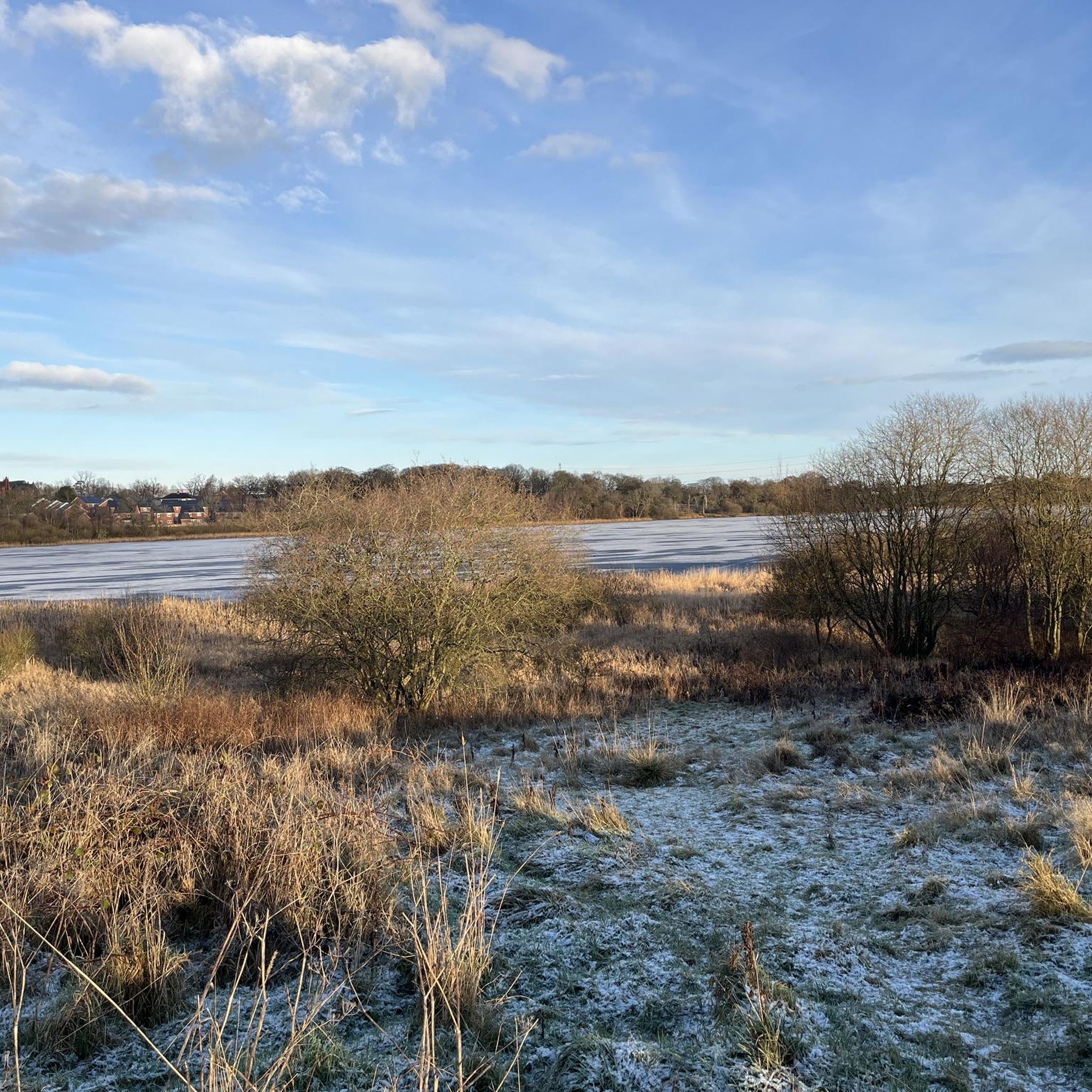
“Strathclyde Loch is more than just water: beneath its surface, Bothwellhaugh, a mining village swept away in the 1970s, vanished. Today, only a cairn remains as a reminder of the houses, schools, and shops. There's also a Roman fort and an ancient road (yes, Watling Street is still here). Final warning: In 2012, a norovirus outbreak left 57 swimmers unconscious. Water caution.
0
0

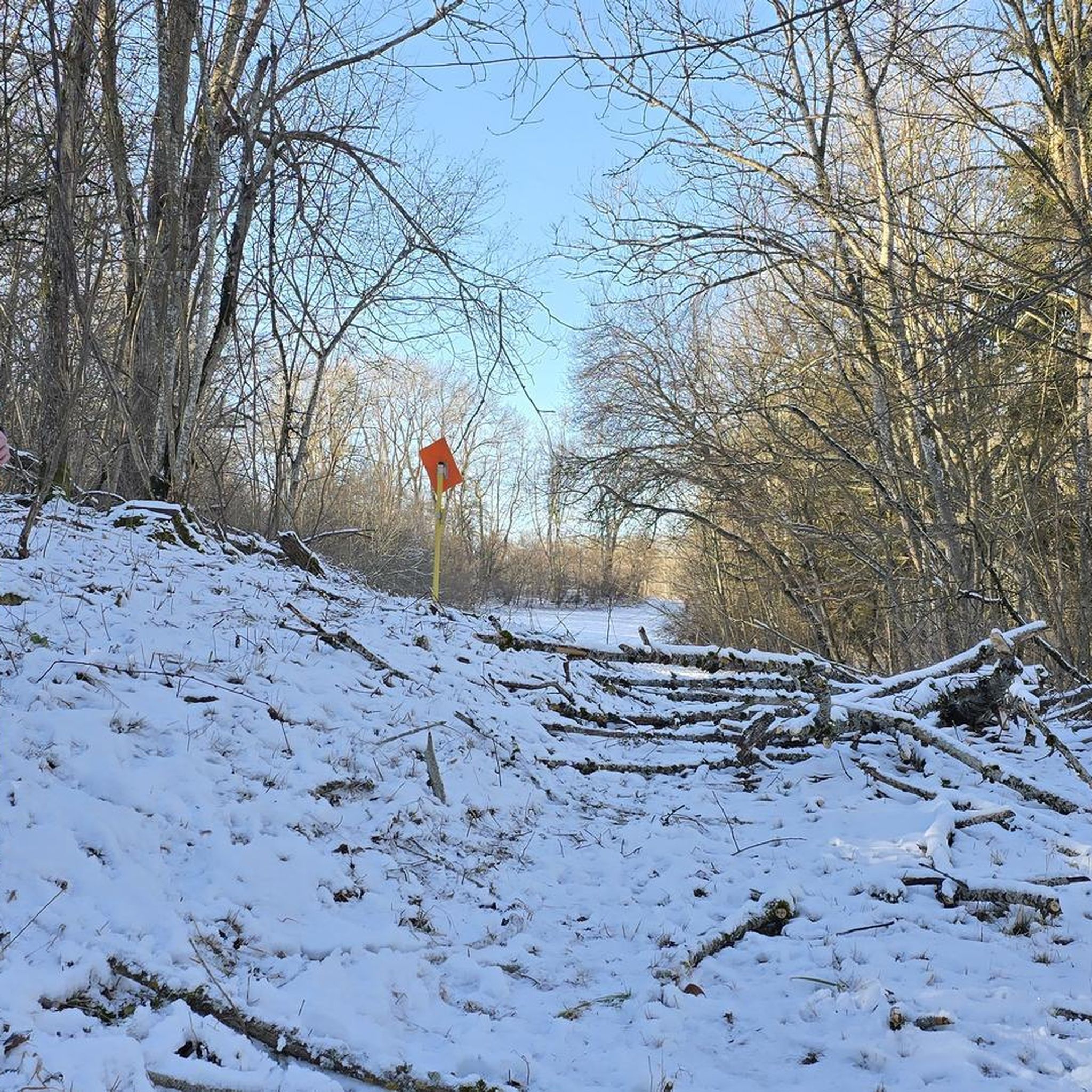
Croy Hill was a Roman fort,and probable temporary camp
0
0

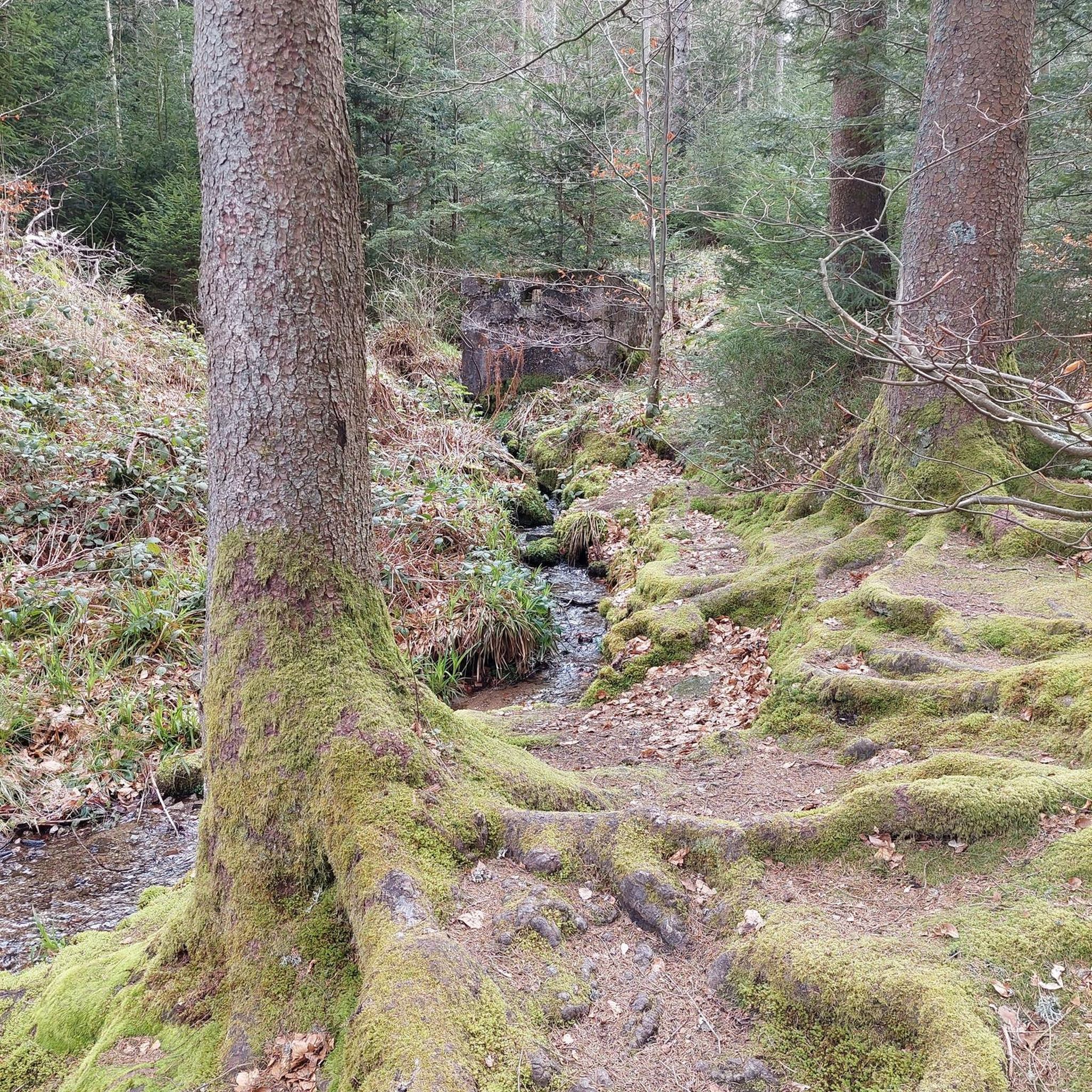
A World War II anti-aircraft battery was sited at Blantyreferme, near Blantyre to the southeast of Glasgow, west side of Blantyre Farm Road. Site number GSG1 (early), S1 (later). Part of the Clyde AA Defences, the site was also known as Blantyre Ferme, Blantyre, or Uddingston. The battery is described as having four emplacements armed with 4.5-inch guns (1942-43 then re-equipped with 3.7-inch guns (1945), command post, magazine, gun store, and other support buildings, with an accommodation camp located to the east. Records indicate the later addition of two further emplacements. A GL Radar mat lay to the northwest of the site, reported to operate Mk II radar in 1942-43. No significant remains survive of the accommodation camp, and while much of the battery and its buildings can be found, the emplacements have been vandalised, some heavily, while others appear to have been lost in the undergrowth. Numerous small details remain scattered about the site, such as small shelters made of corrugated iron sheeting, and ground features which may be related to sewage handling, such as manhole covers. Although a third magazine was known to have been reported on the site, possibly under a spoil heap, this was not confirmed until 2009, when it was found buried beneath the spoil during the winter, when the vegetation had died back, and photographs could be taken of the roof, entrance, and storage bays within. source: https://www.secretscotland.org.uk/index.php/Secrets/AABatteryBlantyreferme
0
0


Great place to go for a run or a slow cycle. There's a trail all around the lake but too many people to expect to fai any major stores on a bike.
0
0


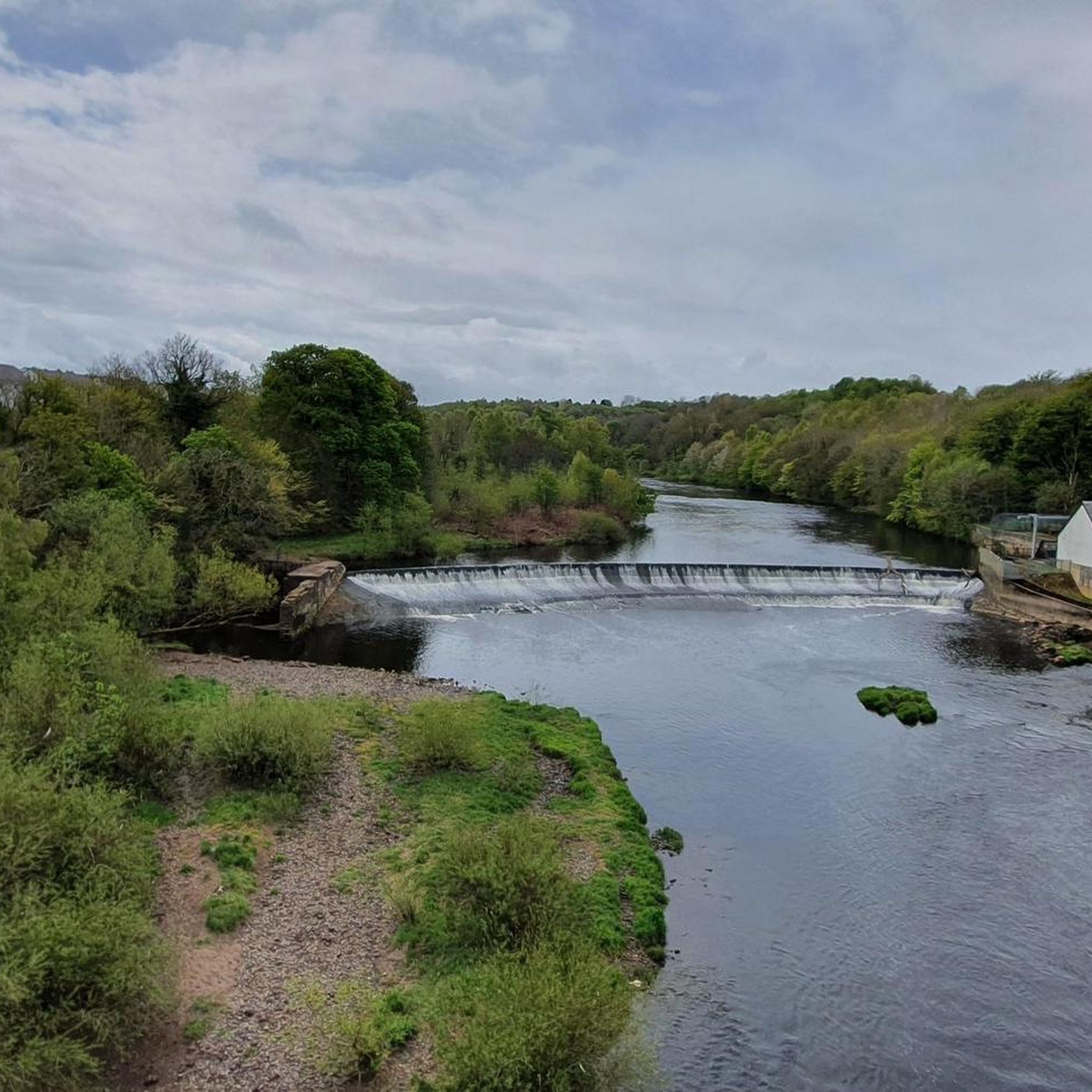
Strathclyde Country Park lies in 400 hectares of countryside in the valley of the River Clyde, centred around Strathclyde Loch. It is a popular spot for people looking to escape the hustle-and-bustle. The remains of Bothwellhaugh Roman Fort and a Roman bathhouse can be seen in the park, where the South Calder Water flows into the loch. Within the park, you find habitats including wetland and native woodland.
0
0
Frequently Asked Questions
What natural features and viewpoints can I explore around Golfhill Burnfoot Commonside?
The area offers diverse natural landscapes. You can visit Croy Hill Roman Fort, which provides extensive views over the Kilsyth Hills, Firth of Forth, and Fife hills. Another significant natural feature is Strathclyde Loch, a large lake within a 400-hectare country park featuring wetland and native woodland habitats.
Are there historical landmarks to visit in the Golfhill Burnfoot Commonside area?
Yes, the region is rich in history. Key historical sites include Croy Hill Roman Fort, one of the Roman forts along the Antonine Wall. You can also explore Bothwell Castle, a medieval castle with a history tied to the Wars of Independence, and the remains of Bothwellhaugh Roman Fort and a Roman bathhouse within Strathclyde Loch.
What kind of outdoor activities and trails are available near these attractions?
The area around Golfhill Burnfoot Commonside is excellent for outdoor activities. You can find easy trails around Strathclyde Loch, perfect for running or cycling. For more structured routes, there are dedicated guides for running trails, road cycling routes, and gravel biking.
Are there family-friendly attractions around Golfhill Burnfoot Commonside?
Absolutely. Strathclyde Loch, located within a country park, offers easy trails suitable for families. The David Livingstone Birthplace museum is also a family-friendly attraction, set in estate parkland and offering insights into the explorer's life.
What is the <a href="https://www.komoot.com/highlight/1138290" target="_blank" rel="noopener">David Livingstone Birthplace</a>?
The David Livingstone Birthplace is a museum dedicated to the Scottish explorer and missionary. It is housed in Shuttle Row, a former textile mill where Livingstone was born. The museum features a 3,000-piece collection and is situated within beautiful estate parkland. It also has a cafe and facilities.
Can I visit a World War II site in the area?
Yes, you can explore the Blantyreferme World War II Anti-Aircraft Battery. This historical site was part of the Clyde AA Defences and still has remains of emplacements, a command post, and other support buildings, offering a glimpse into its wartime past.
What do visitors enjoy most about the attractions around Golfhill Burnfoot Commonside?
Visitors particularly appreciate the historical significance and scenic views. For instance, Croy Hill Roman Fort is loved for its great views. Strathclyde Loch is popular for its easy riding and as a peaceful escape, while Bothwell Castle is valued as an interesting ruin to explore.
Is <a href="https://www.komoot.com/highlight/1138269" target="_blank" rel="noopener">Bothwell Castle</a> accessible, and what are the entry details?
Bothwell Castle is a medieval ruin situated high above the River Clyde. Entry costs £3 for adults, £1.80 for children aged 5-15, and £2.40 for concessions. For current opening times and further information, you can visit the Historic Environment Scotland website.
Are there any wheelchair-accessible attractions?
Yes, the David Livingstone Birthplace is noted as being wheelchair accessible, making it an inclusive option for visitors.
Are there places to eat or get refreshments at the attractions?
The David Livingstone Birthplace includes a cafe, offering a convenient spot for refreshments during your visit.
When is the best time to visit <a href="https://www.komoot.com/highlight/634997" target="_blank" rel="noopener">Strathclyde Loch</a>?
Visitors suggest that the best time to experience Strathclyde Loch is around sunrise, offering a serene atmosphere for easy riding or a slow cycle around the lake.
Most popular routes around Golfhill Burnfoot Commonside
Most popular attractions around Golfhill Burnfoot Commonside

Get inspired with the komoot mobile app


Explore more
Still not found the Highlight you’re looking for? See guides of the top attractions in other regions:
