The best walks and hikes around Findhorn And Kinloss
4.6
(155)
1,620
hikers
122
hikes
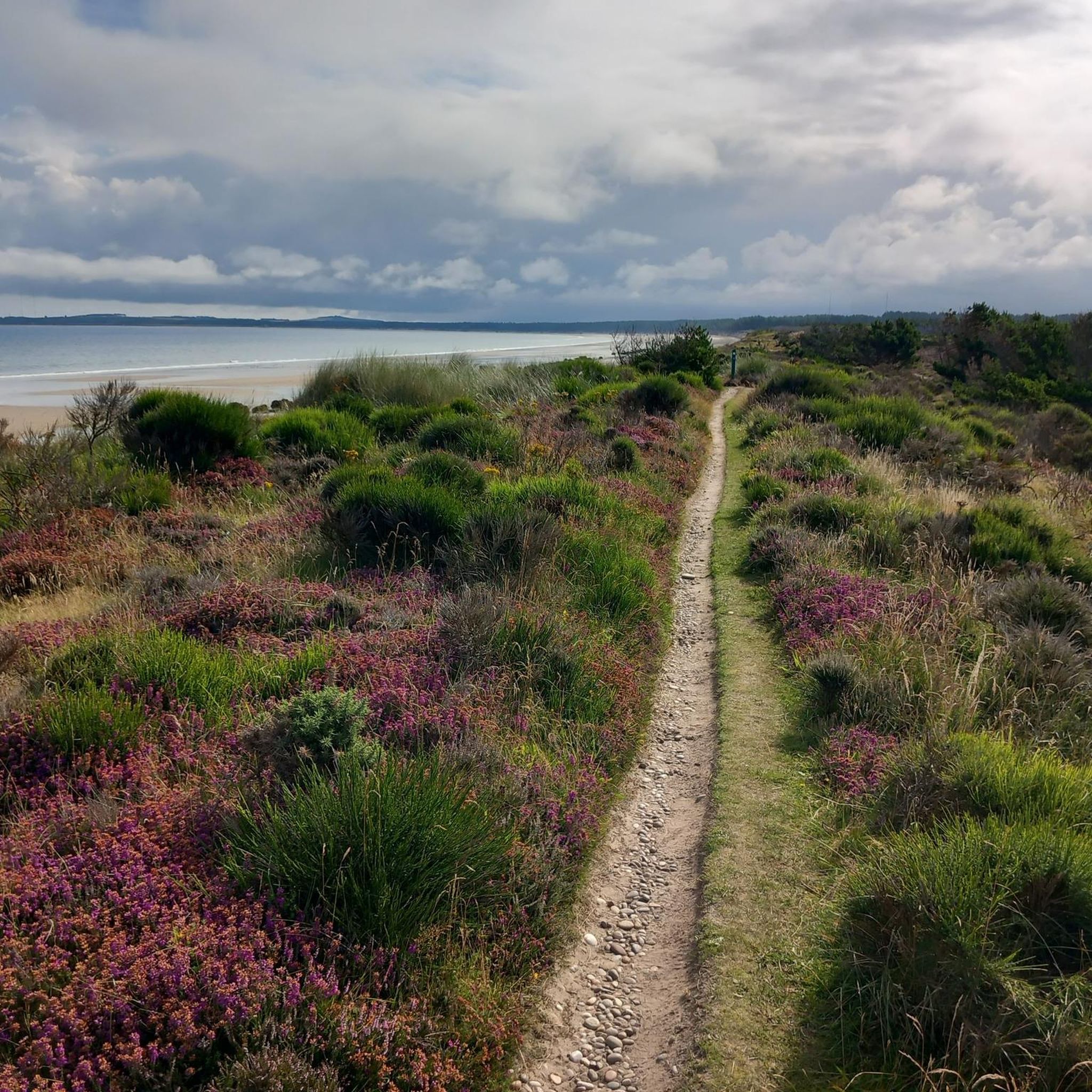
Hiking trails around Findhorn And Kinloss are characterized by a diverse landscape blending coastal areas with extensive forests and river systems. The region features a varied coastline with beaches and bays, complemented by significant wooded areas like Roseisle Forest. Modest hills such as Acker and Muckle Hill offer elevated perspectives, while rivers like the Kinloss Burn and River Findhorn carve paths through the terrain. This combination provides a range of natural environments for outdoor exploration.
Best hiking trails around Findhorn And Kinloss
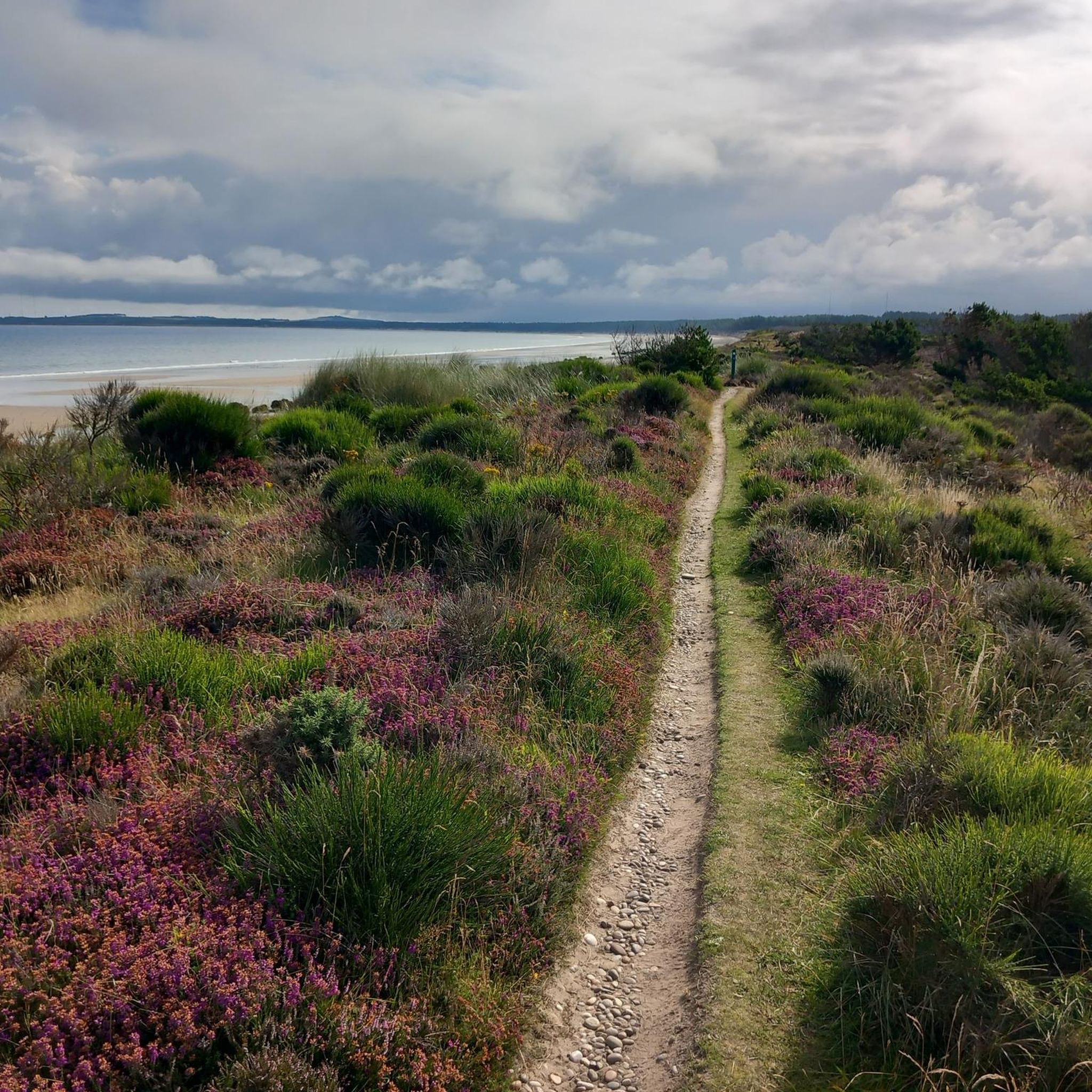
- The most popular hiking route is Findhorn Beach – Findhorn Loading Bank loop from Findhorn, a 3.8 miles (6.2 km) trail that takes 1 hour 35 minutes to complete. This easy route offers views of the Moray Firth coast and opportunities to explore the beach.
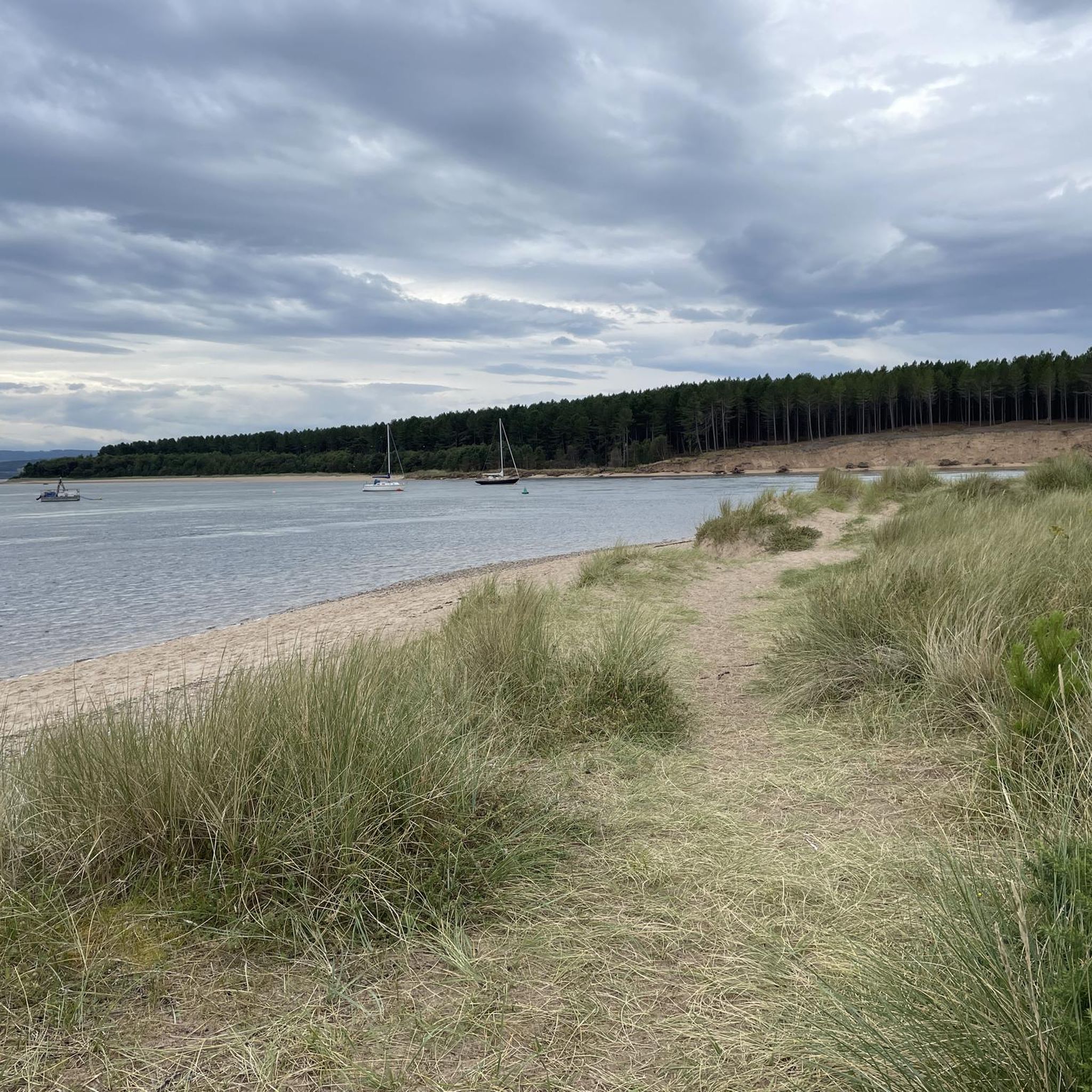
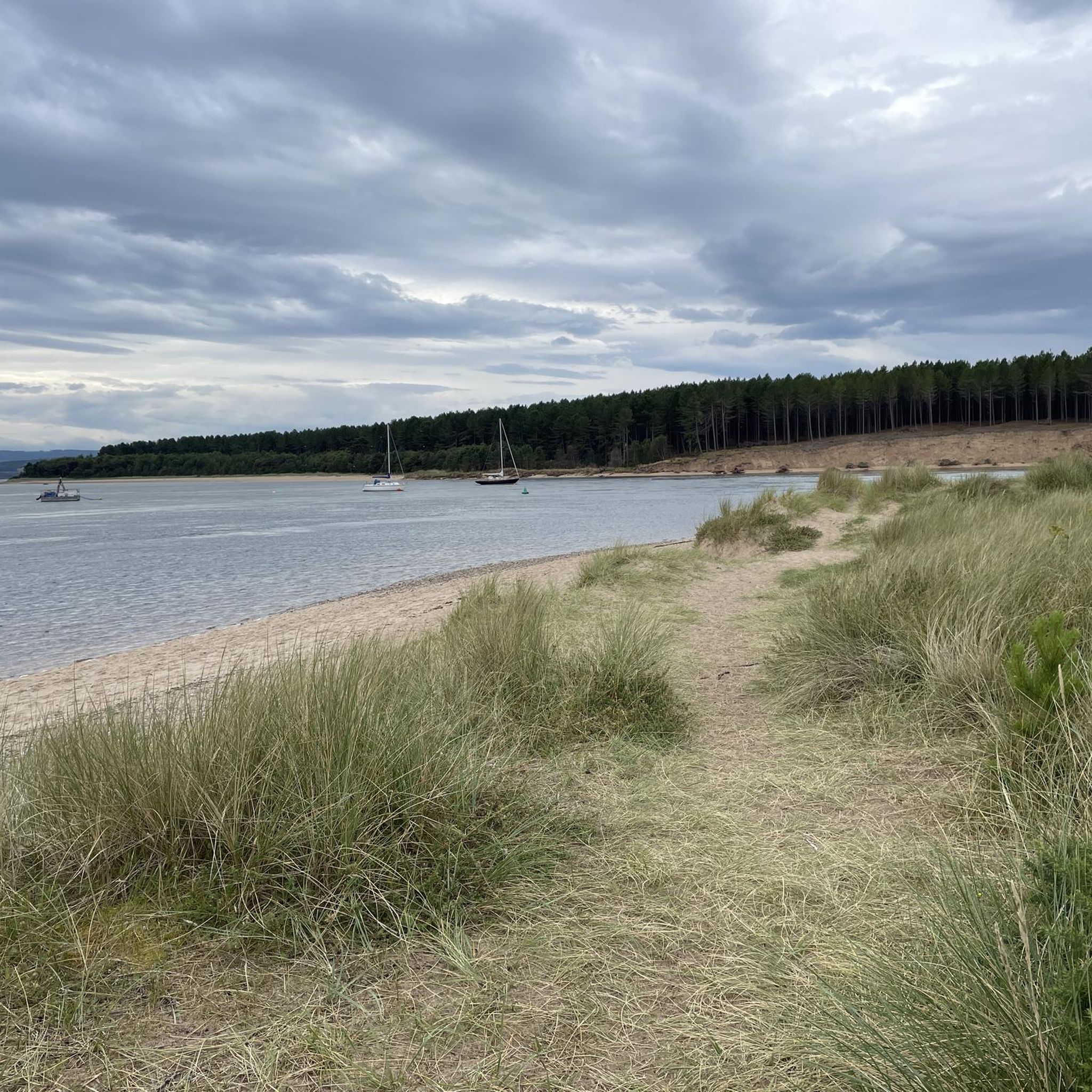
- Another top favourite among local hikers is Picnic Table at Findhorn Bay – Findhorn Loading Bank loop from Kinloss, a moderate 6.0 miles (9.6 km) path. This trail follows the scenic shores of Findhorn Bay, providing tranquil waterside views.
- Local hikers also love the Findhorn Sands – Old Bunker loop from Findhorn, a 9.5 miles (15.3 km) trail leading through coastal dunes and forest edges, often completed in about 3 hours 50 minutes.
- Hiking around Findhorn And Kinloss is defined by diverse coastal paths, expansive forests, and modest hills. The network offers options for different ability levels, from leisurely strolls to longer, more challenging routes.
- The routes in Findhorn And Kinloss are highly rated by the komoot community with an average score of 4.6 stars from over 100 reviews. More than 1,300 hikers have used komoot to explore Findhorn And Kinloss's varied terrain.
Last updated: October 12, 2026
4.6
(7)
75
hikers
Moderate hike. Good fitness required. Easily-accessible paths. Suitable for all skill levels.
3.7
(7)
22
hikers
6.04km
01:32
20m
20m
Easy hike. Great for any fitness level. Easily-accessible paths. Suitable for all skill levels.

3.4
(7)
23
hikers
6.21km
01:35
20m
20m
Easy hike. Great for any fitness level. Easily-accessible paths. Suitable for all skill levels.
5.0
(3)
35
hikers
15.9km
04:02
30m
30m
Moderate hike. Good fitness required. Easily-accessible paths. Suitable for all skill levels.
5.0
(2)
27
hikers
Easy hike. Great for any fitness level. Easily-accessible paths. Suitable for all skill levels.
Get access to more routes and recommendations from other explorers.
Already have an account?
Our route recommendations are based on thousands of hikes, rides, and runs completed by other people on komoot.
Start today with a free account
Your next adventure awaits.
Tips from the Community

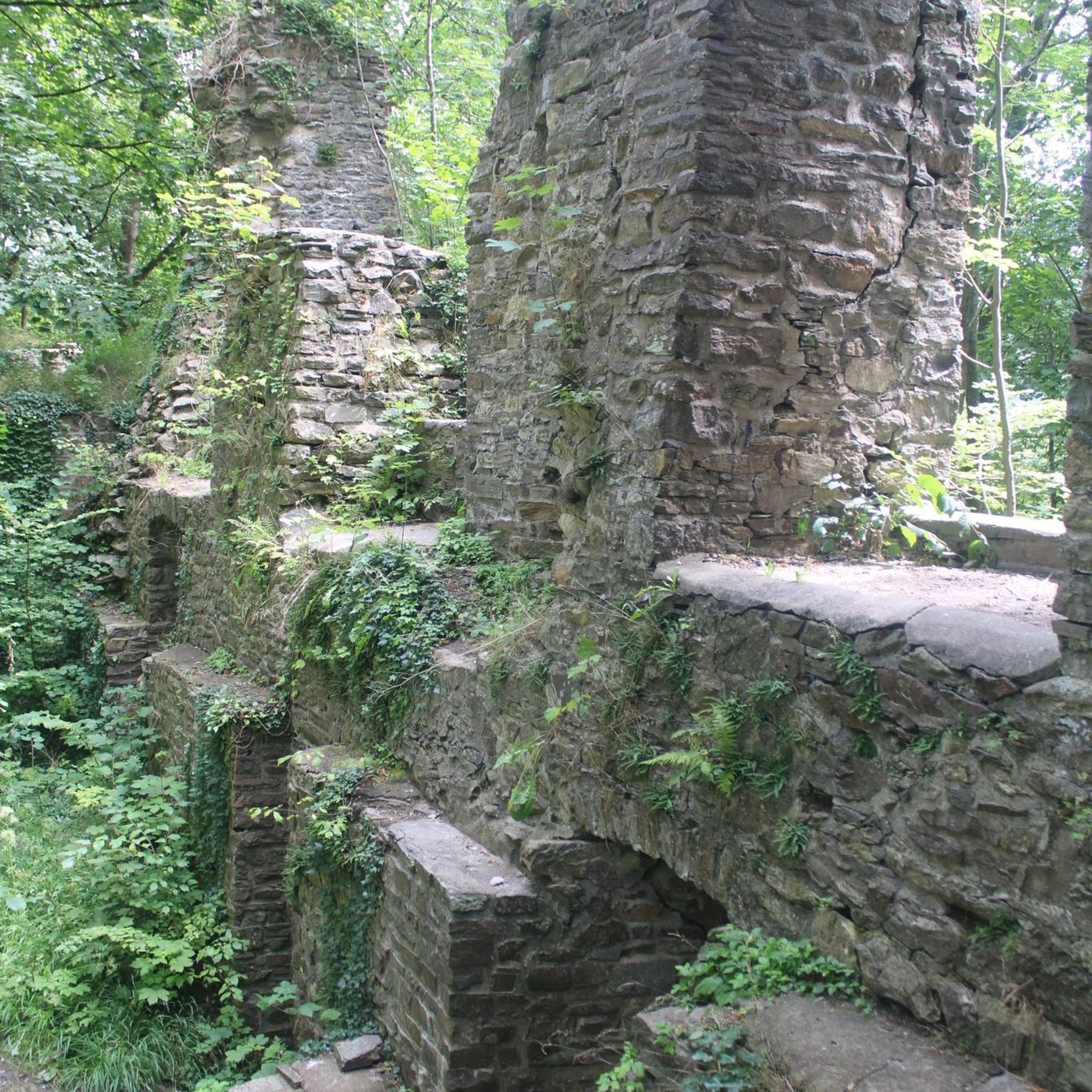
Once high and dry, keeping watch over the Moray Coast.
0
0

This is a great spot to stop and enjoy a range of birds very close to the hide on well-stocked bird feedersT
0
0

This section of the beach is "decorated" by numerous bunkers and concrete blocks. They once served to defend the coast during the Second World War from a feared German invasion, but today they effectively prevent the beach from being eroded by the sea, providing peaceful coastal protection.
1
0
The pine forest, planted in the 1930s, is criss-crossed by numerous hiking trails and offers wonderful relaxation. It is wonderful to walk along the beach in one direction and through the forest in the other. In stormy weather, the forest offers shelter from the wind and in the car park there are toilets (closed in winter), a playground and a food truck. It is free on foot, by bike and on horseback, but very moderate parking fees apply if you drive.
1
0

basically the whole of this area the forest is built on sand because of a big gale many years ago
0
0

Lovely singletrack despite one fallen tree across the track.
0
0

A huge array of sweet treats are available at this cute wee food van - I can recommend the kinder bueno Rocky Road!
0
0
Delicious pub lunch food served here in a cosy setting, perfect for refueling after hiking!
0
0
Frequently Asked Questions
What kind of terrain can I expect on hiking trails around Findhorn and Kinloss?
The region offers a diverse landscape, blending coastal areas with extensive forests and river systems. You'll find varied coastlines with beaches and bays, significant wooded areas like Roseisle Forest, and paths along rivers such as the Kinloss Burn and River Findhorn. There are also modest hills like Acker and Muckle Hill for elevated views.
Are there many easy hiking options in Findhorn and Kinloss?
Yes, the area features a good selection of easy trails. Out of the 12 total routes, 9 are classified as easy. An example is the Findhorn Beach – Findhorn Loading Bank loop from Findhorn, which is 3.8 miles (6.2 km) long and takes about 1 hour 35 minutes.
What are some notable natural features or landmarks to look out for on hikes?
Along the coast, you can explore WWII pillboxes near Findhorn Beach and potentially spot bottlenose dolphins or seals in the Moray Firth. Inland, you might encounter the ruins of Kinloss Abbey, built in 1150, or the unique architecture of the Findhorn Foundation. For historical sites, consider visiting Sueno's Stone, a Pictish monument near Forres.
Are there any circular walks available in the area?
Yes, many routes in Findhorn and Kinloss are designed as loops. For instance, the Picnic Table at Findhorn Bay – Findhorn Loading Bank loop from Kinloss offers a moderate 6.0-mile (9.6 km) path along the scenic shores of Findhorn Bay.
What is the best time of year to go hiking in Findhorn and Kinloss?
The region is enjoyable for hiking throughout much of the year. Spring and summer offer pleasant temperatures for coastal and forest walks, with longer daylight hours. Autumn brings beautiful foliage to the extensive forests. Even in winter, coastal paths can be invigorating, though some trails might be muddy or require appropriate gear.
Are the hiking trails in Findhorn and Kinloss suitable for families with children?
Absolutely. The diverse coastline, particularly Findhorn Beach, is ideal for family walks and exploring. Roseisle Forest also features numerous loops and picnic areas, providing shaded and engaging paths suitable for children. Many of the easy-rated trails are perfect for family outings.
Can I bring my dog on the hiking trails?
Yes, many trails in the Findhorn and Kinloss area are dog-friendly. Coastal walks, like those along Findhorn Beach, and forest paths, such as those in Roseisle Forest, are popular choices for walking with dogs. Always ensure your dog is under control, especially near wildlife or livestock, and follow local signage regarding leash requirements.
What do other hikers enjoy most about the trails in Findhorn and Kinloss?
The area is highly rated by the komoot community, with an average score of 4.6 stars from over 100 reviews. Hikers often praise the varied terrain, from tranquil coastal paths to immersive forest trails, and the opportunities to spot wildlife along the Moray Firth.
Are there any historical sites or points of interest near the hiking routes?
Yes, the area is rich in history. You can visit the ruins of Kinloss Abbey, dating back to 1150, or explore the Brodie Castle. The Findhorn Heritage Centre, housed in a former ice house, offers insights into the local salmon fishing history. For ancient monuments, Sueno's Stone is a significant historical site nearby.
Is public transport available to access hiking trailheads in Findhorn and Kinloss?
While specific public transport routes to every trailhead may vary, both Findhorn and Kinloss are accessible by local bus services. It's advisable to check local bus timetables for the most current information on routes that can get you close to your desired starting points. For more general information about Kinloss, you can visit visitforres.scot.
Where can I find parking for hiking trails in Findhorn and Kinloss?
Parking is generally available at popular access points for trails, especially near beaches like Findhorn Beach and within areas like Roseisle Forest, which has dedicated picnic areas and parking. For routes starting in or near the villages, look for designated public parking areas.
Are there any trails that offer views of the Moray Firth?
Many coastal trails provide excellent views of the Moray Firth. The Findhorn Beach – Findhorn Loading Bank loop from Findhorn is a prime example, offering continuous coastal vistas and opportunities to observe marine wildlife.
Most popular routes around Findhorn And Kinloss
Most popular attractions around Findhorn And Kinloss

Get inspired with the komoot mobile app


Explore more
Browse the best Hikes in other regions.
