The 20 Most Amazing Peaks around Torridon And Kinlochewe
Best mountain peaks around Torridon And Kinlochewe are renowned for their dramatic and ancient landscapes in the Scottish Highlands. This region features mountains predominantly composed of Torridonian sandstone, offering challenging climbs and unique geological formations. The area is characterized by steep, terraced sides and broken summit crests, providing extensive views. It is a Site of Special Scientific Interest and a Special Area of Conservation due to its geological and ecological importance.
Best mountain peaks around Torridon And Kinlochewe
- The most popular mountain peaks is Sgùrr Mòr, Beinn Alligin Summit, a summit that is the highest of the two Munros forming Beinn Alligin. It provides spectacular views down to the Horns of Alligin and across to Liathach.
- Another must-see spot is Spidean a' Choire Leith (Liathach), a natural_monument and the higher of the two Munro summits on Liathach. It marks the beginning of the airy pinnacles of Am Fasarinen, offering some of the best scrambling in the UK.
- Visitors also love Mullach an Rathain (Liathach), a viewpoint and one of two Munro summits on Liathach. This summit offers wonderful views down to Loch Torridon and to neighboring mountains like Beinn Alligin.
- Torridon And Kinlochewe is known for its challenging Munros, dramatic ridges, and ancient sandstone peaks. The region offers a variety of mountain peaks to see and explore, from prominent summits to complex massifs.
- The mountain peaks around Torridon And Kinlochewe are appreciated by the komoot community, with 42 upvotes and 29 photos shared by visitors.
Last updated: October 18, 2026
Sgùrr Mòr, Beinn Alligin Summit
Highlight • Summit
Tip by

Mullach an Rathain (Liathach)
Highlight • Viewpoint
Tip by

Sign up now to discover places like this
Get recommendations on the best single tracks, peaks, & plenty of other exciting outdoor places.
Spidean a' Choire Leith (Liathach)
Highlight • Natural Monument
Tip by
Fionn Bheinn Summit
Highlight • Viewpoint
Tip by
Slioch Summit
Highlight • Viewpoint
Tip by
Sign up for free to discover even more peaks around Torridon And Kinlochewe.
Already have an account?
Start today with a free account
Your next adventure awaits.
Popular around Torridon And Kinlochewe
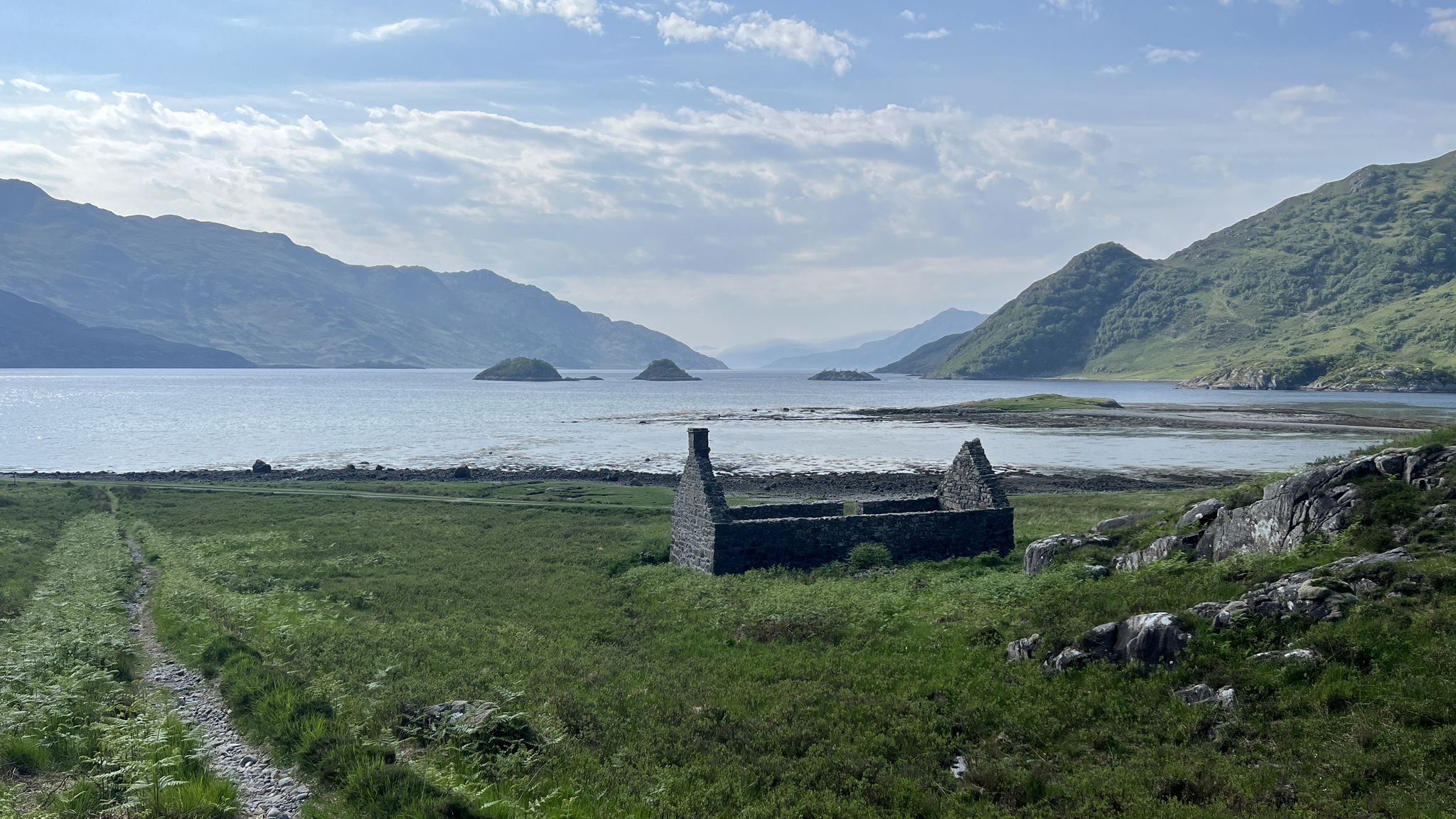
Cape Wrath Trail – Scotland’s wildest and most spectacular hiking route
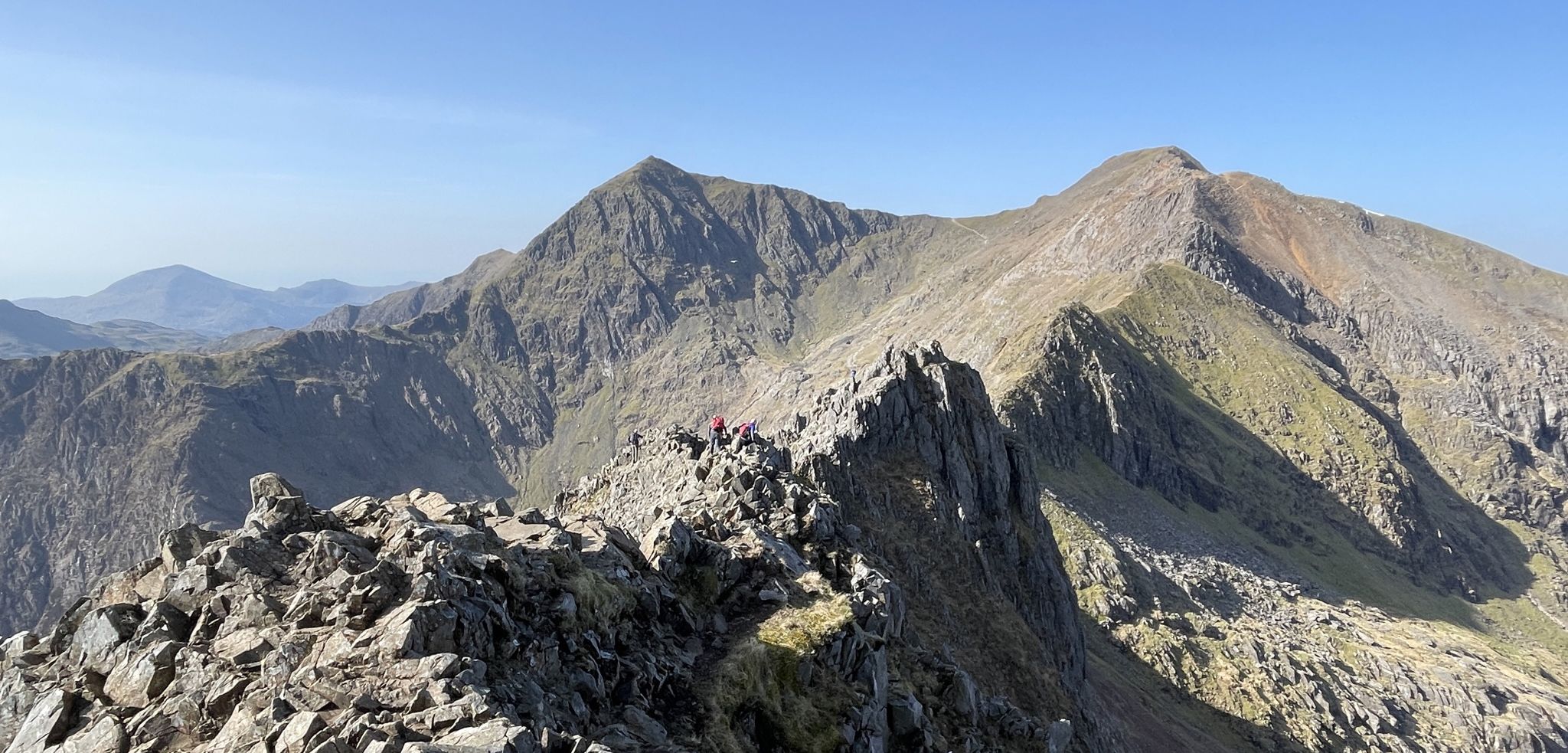
Sublime Ridges and Superb Rock – Awesome British Scrambles
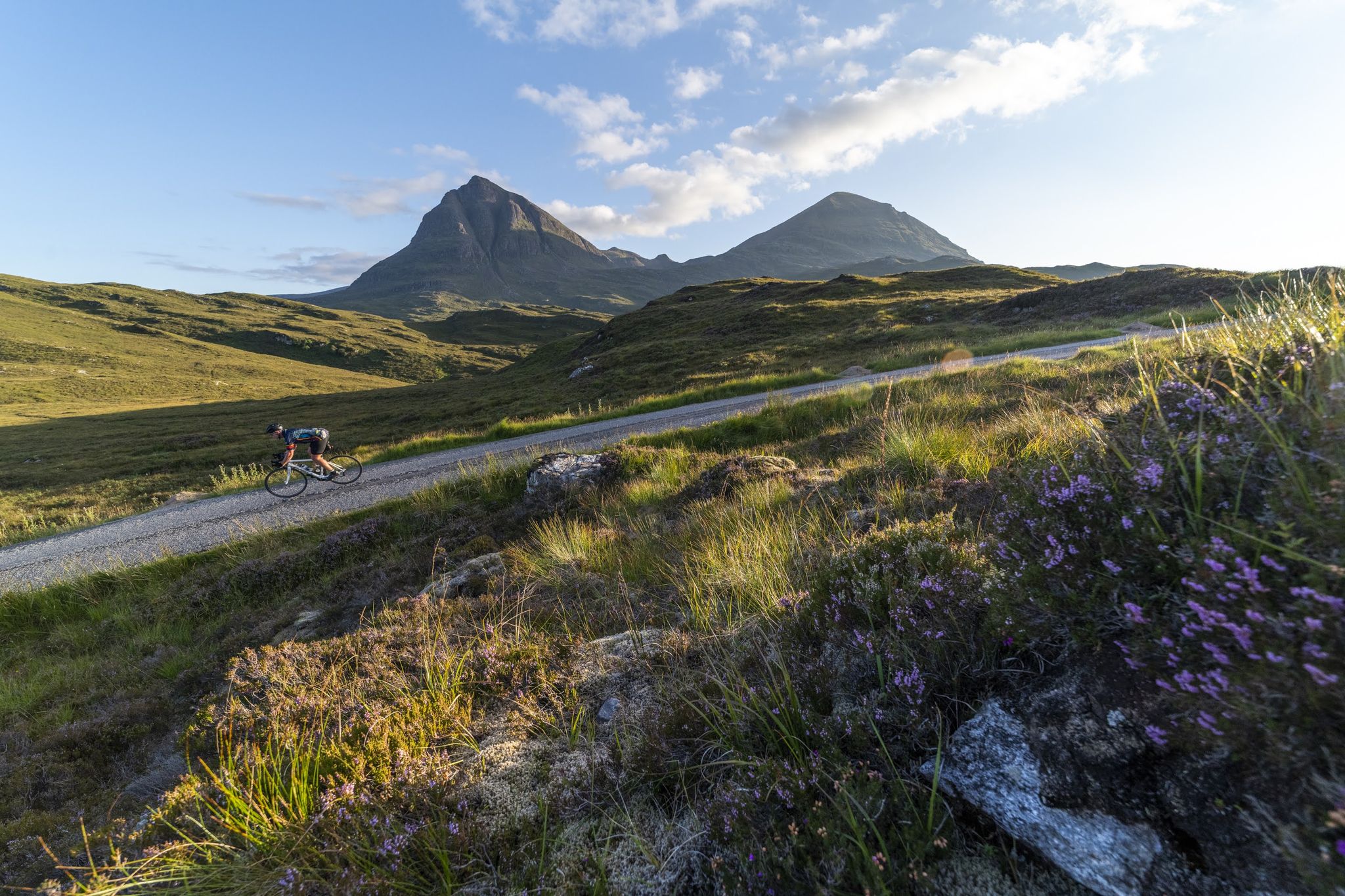
Ride for MND — North Coast 500
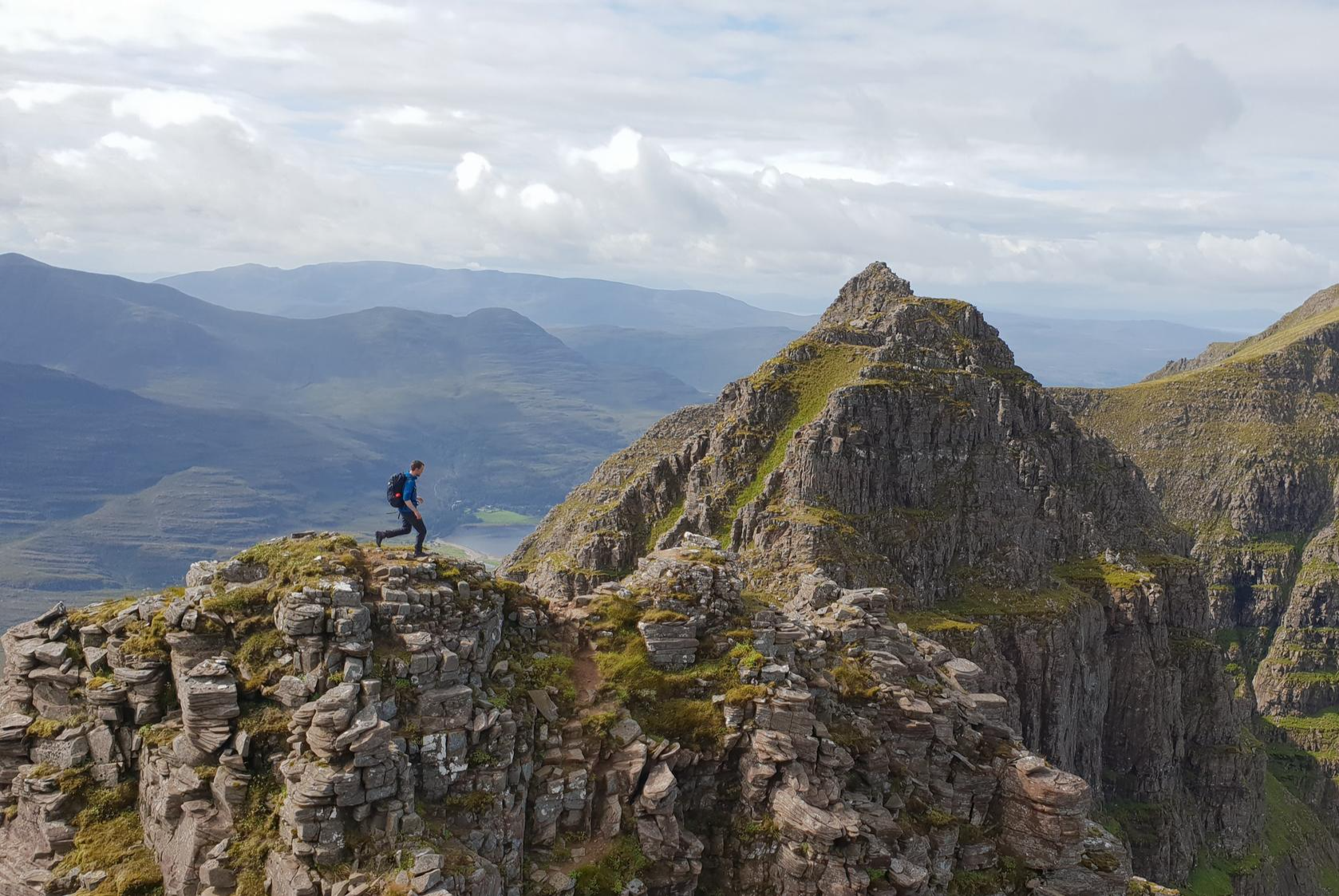
Awesome Adventures Among Ancient Peaks – Hiking in Torridon
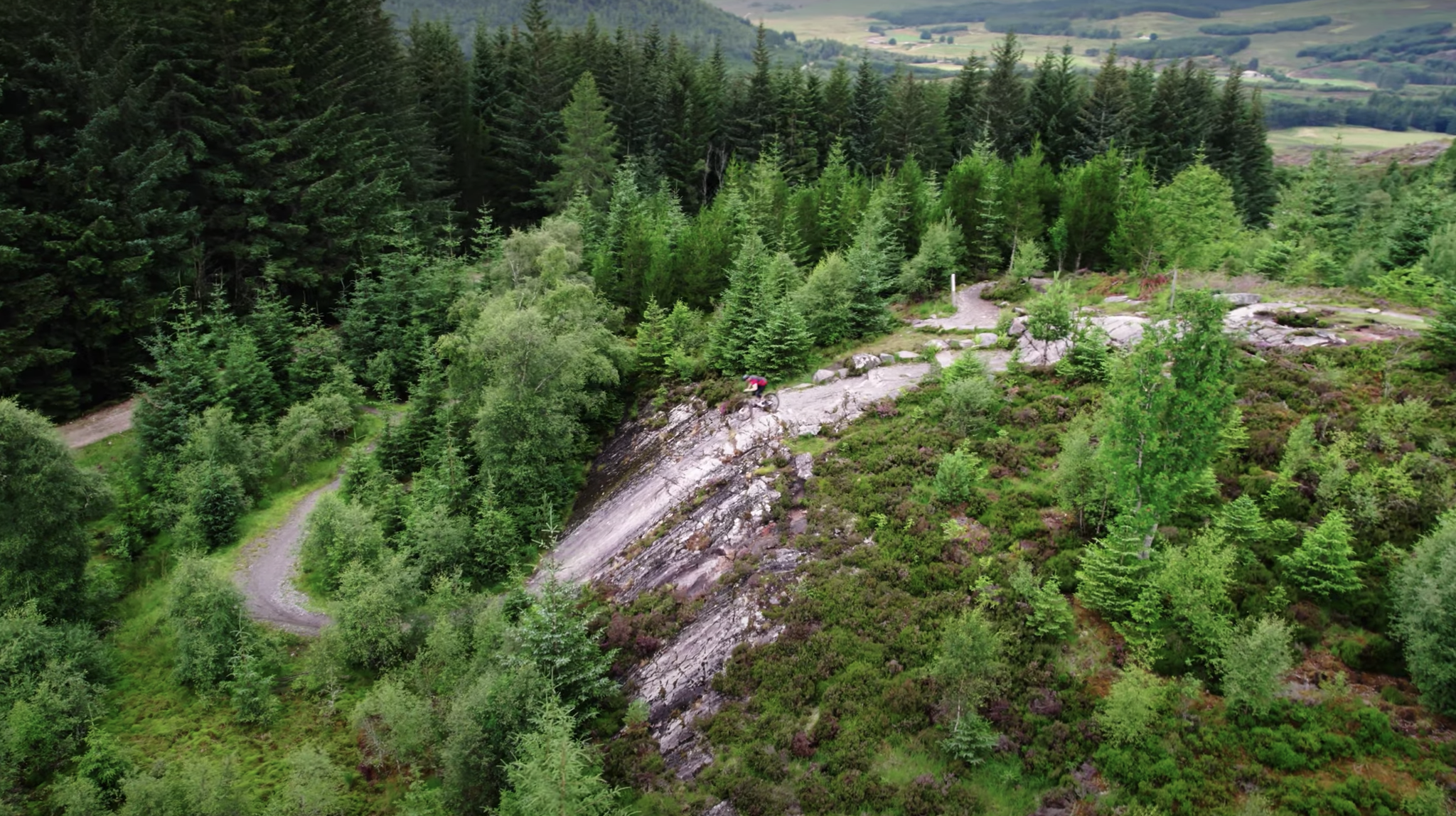
Scotty's Scotland Showcase — A sustainable tour of the country's best trails
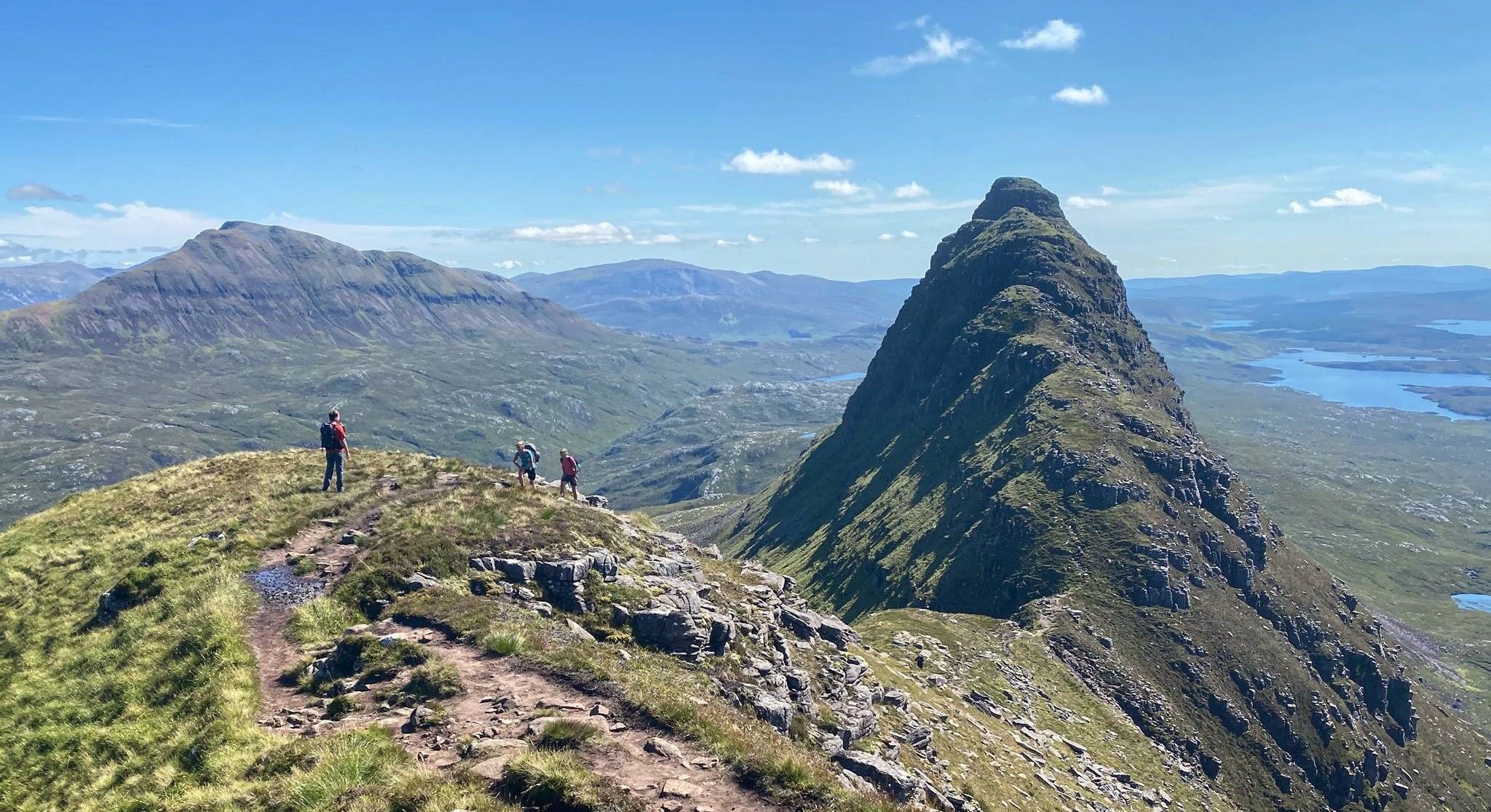
Hiking in Northwest Scotland — exploring the magical Scottish Wilds
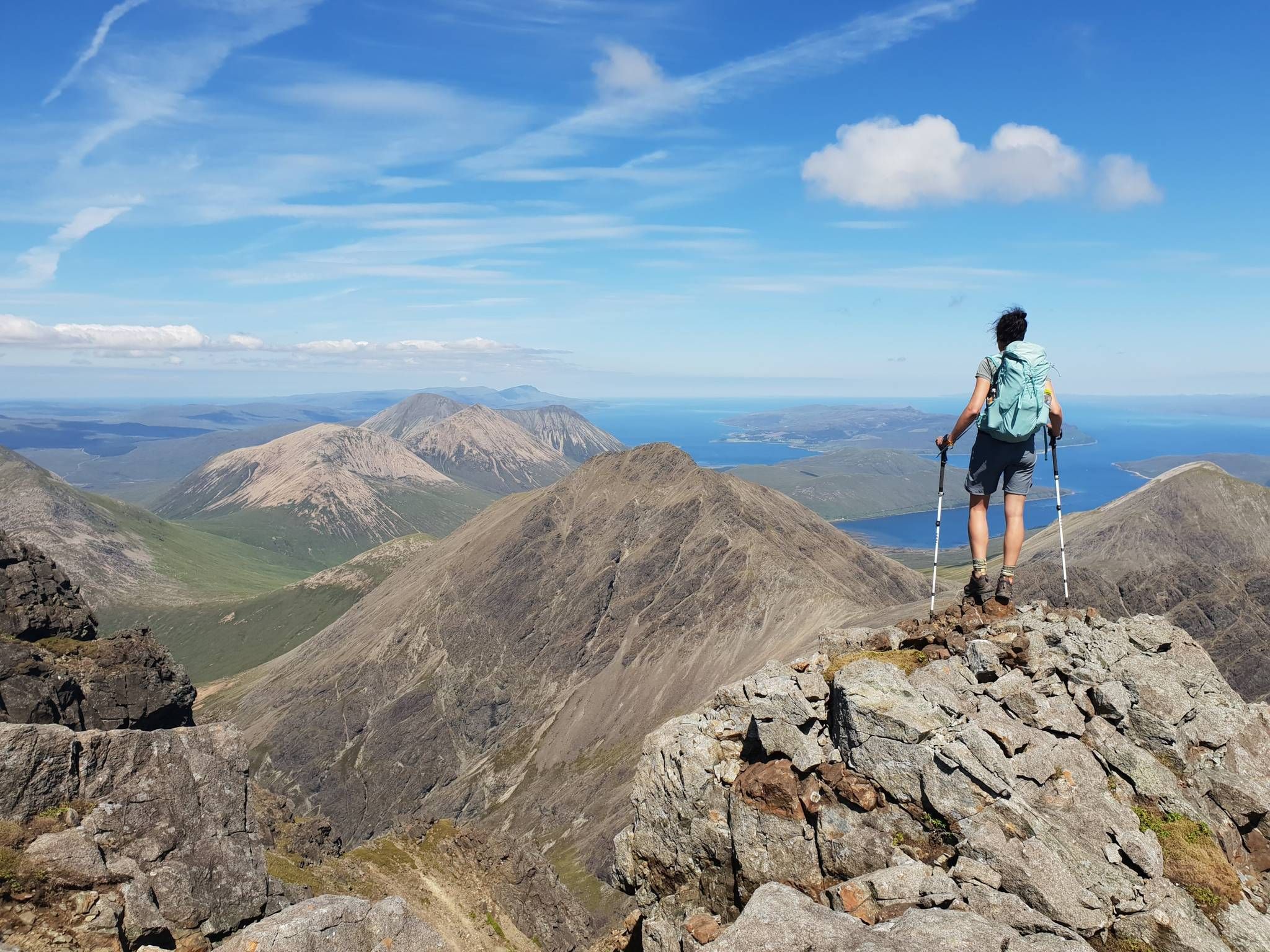
Hiking the 282 munro mountains of Scotland in 95 routes
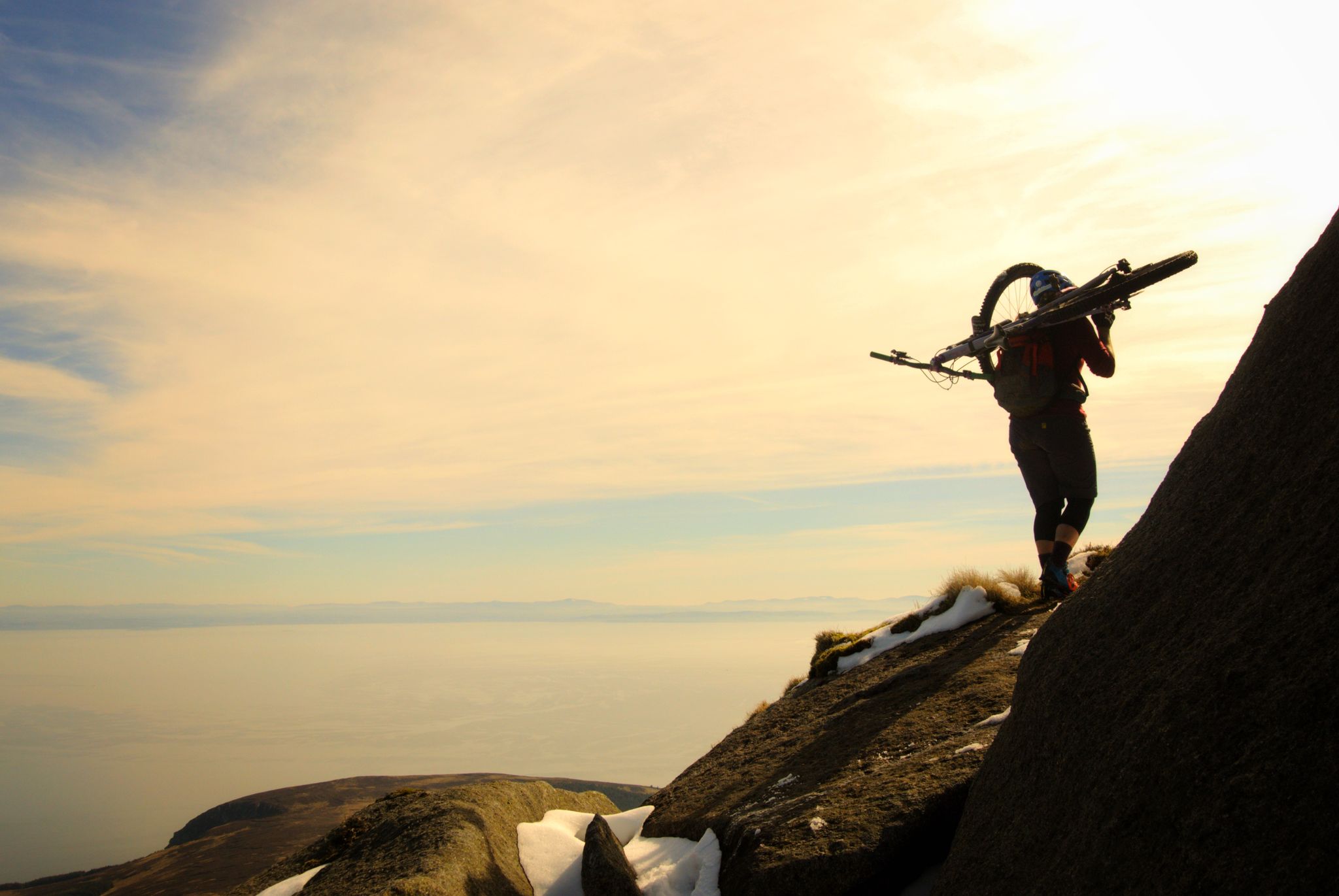
Hike-a-bike is alright – my 7 favourite UK "earn your descents rides"
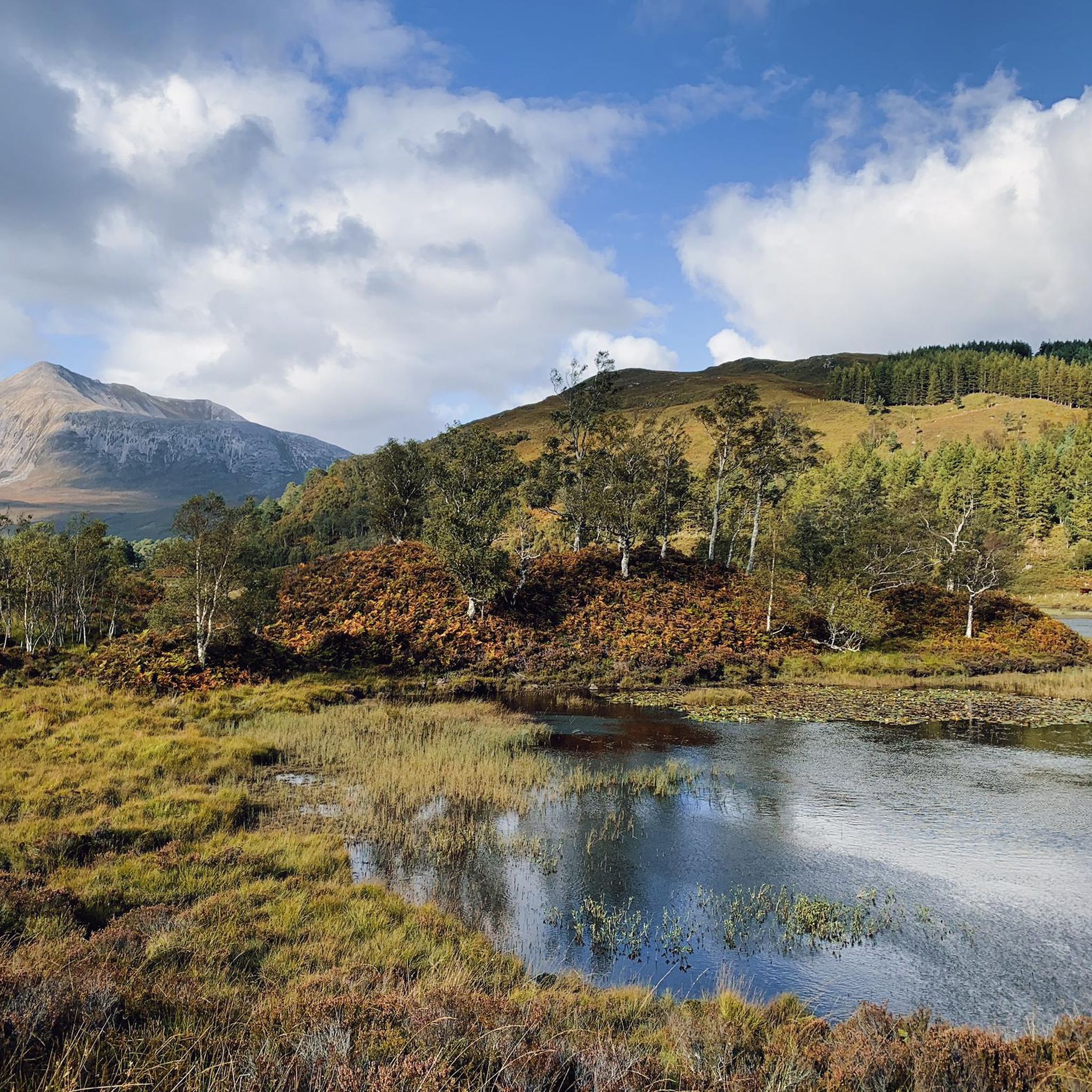
Hiking around Torridon And Kinlochewe
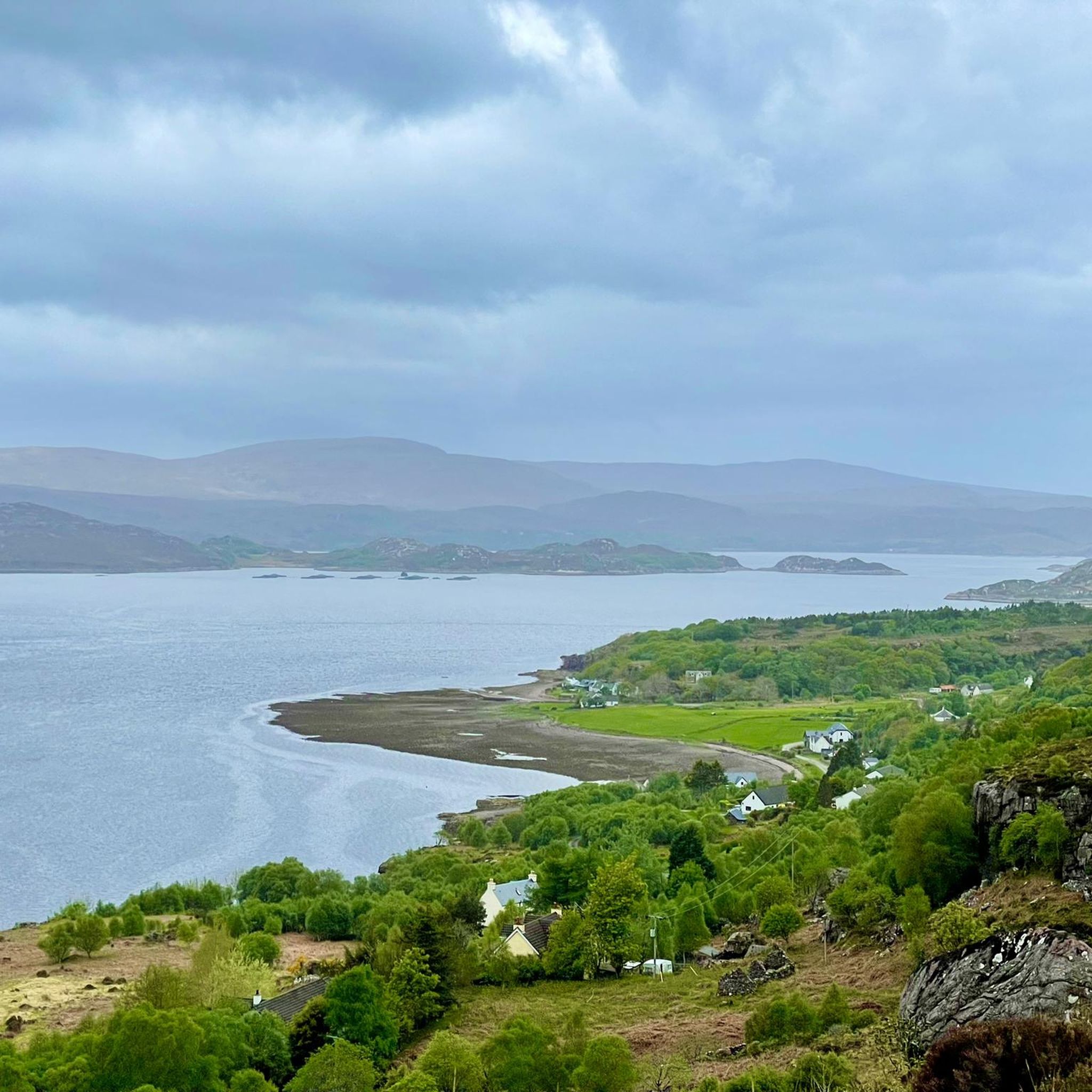
MTB Trails around Torridon And Kinlochewe
Other adventures around Torridon And Kinlochewe


Tips from the Community

"That view across Loch Maree never gets old. Slioch commands the landscape in a way few other Scottish peaks can—it genuinely feels like stepping into a fantasy novel when you're standing beneath it. An absolute Highland masterpiece!" https://www.changehealthcareprovider.com
0
0

The views from this point are sensational, some of the best in Scotland.
0
0
The western end of Liathach with wonderful views down to Loch Torridon and to neighbouring mountains such as Beinn Alligin and Beinn Dearg.
0
0
The high point of the ridge with amazing views in all directions. Next come the pinnacles.
0
0
A wonderful hill that will reward in all weathers - but you do get the best views if the weather is good! Personally I have found the clockwise circuit better, but in either direction care is needed over the Horns.
2
0

Slioch at 980m is a Munro in the North West Highlands. The summit occupies a commanding position overlooking Loch Maree offering amazing views in virtually all directions, but particularly south west towards the Torridon hills but also north and north east across Lochan Fada towards the remote hills of the Fisherfield Forest. Slioch is defended on the west and northern sides by impressive sandstone crags which is why the mountain is such an iconic view when seen across Loch Maree. The usual approach is from Kinlochewe to the south which takes advantage of an approach via Coire na Sleaghaich and short ridges of the Torridonian sandstone. This is a long walk of about 22km round trip where the first part involves walking along the Kinlochewe River for 4km and requires crossing the Abhainn Fhasaigh via a footbridge as it flows out of Gleann Bianasdail before even starting to climb Slioch itself. The ascent itself is relatively straightforward with minimal scrambling on the ridge route up and down. Make sure you visit the subsidiary summit of Sgùrr an Tuill Bhàin which is a better viewpoint to the north east. Slioch is one of the Munro giants and make sure you reserve a day of good weather because it is a day you will not forget.
1
0
Mullach an Rathain is the slightly lower of the two Munro summits of Liathach, the wonderful Torridon giant. It is usually the second to be climbed as most walkers traverse Liathach from east to west. Reaching Mullach an Rathain is usually a massive relief and sense of achievement, having crossed the airy exposed Grade II scramble of the Am Fasarinen pinnacles. Although bypassing the most difficult parts of the ridge with a bypass path on the south side is possible in places, that path is still very exposed and many prefer the pinnacles themselves. Reachiing Mullach an Rathain having crossed Am Fasarinen in winter with Liathach in full winter conditions is a huge achievement but should only be attempted by those fully experienced and equipped for Scottish winter mountaineering.
1
0
Frequently Asked Questions
What are some of the most notable mountain peaks in the Torridon and Kinlochewe region?
The region is renowned for its dramatic peaks, primarily composed of Torridonian sandstone. Among the most notable are Liathach, known for its imposing ridges and challenging scrambling; Beinn Eighe, Britain's first National Nature Reserve; and Beinn Alligin, offering spectacular views and varied terrain. Slioch also stands out with its iconic views across Loch Maree.
What makes Liathach a challenging but rewarding mountain to hike?
Liathach, often called 'The Grey One', is considered one of Scotland's finest mountains. It features two Munro summits, Spidean a' Choire Lèith and Mullach an Rathain, connected by the legendary Am Fasarinen pinnacles. This section involves Grade 2 scrambling with thrilling exposure, making it a significant challenge. However, bypass options exist for those who prefer to avoid the most technical parts, allowing many to enjoy its breathtaking panoramas of Loch Torridon and the distant Hebrides.
What unique natural features can I find at Beinn Eighe?
Beinn Eighe is Britain's first National Nature Reserve, distinguished by its quartzite cap and jagged ridgeline. It's home to Coire Mhic Fhearchair, with its impressive 350-meter Triple Buttress, and protects the largest remaining fragment of ancient Caledonian pinewood in northwest Scotland. The reserve offers a variety of trails, from gentle woodland walks to more challenging mountain routes with panoramic views of this rare Scottish landscape.
What can I expect when hiking Beinn Alligin?
Beinn Alligin, meaning 'Jewelled Hill', offers spectacular views and varied terrain. It has two Munro summits, Sgùrr Mhòr and Tom na Gruagaich. A striking feature is the Horns of Alligin (Na Rathanan), a series of rocky pinnacles that provide enjoyable scrambling. It's often considered the easiest of the three famous Torridon ridge traverses, making its circular route a popular choice for its stunning vistas of Loch Torridon and the Isle of Skye.
Where can I find iconic views like the one of Slioch?
Slioch Summit, known as 'The Spear', dramatically rises above the southeastern end of Loch Maree. The view of Slioch across Loch Maree is iconic and frequently photographed. Despite its formidable appearance, it offers a reasonably straightforward ascent with sensational summit views over Loch Maree and into the Fisherfield wilderness, encompassing the Torridon mountains.
Are there any easier mountain walks or family-friendly options in the Torridon and Kinlochewe area?
While many peaks offer challenging climbs, the region also provides options for less strenuous walks. Beinn Eighe National Nature Reserve, for instance, has gentle woodland walks. For a Munro, the clockwise circuit of Beinn Alligin, avoiding the Horns, is considered more accessible. The area around Kinlochewe also offers various hiking trails, some of which are moderate in difficulty, such as the Beinn Eighe Mountain Path loop.
What is the best time of year to visit the mountain peaks around Torridon and Kinlochewe?
The best time to visit for hiking and mountaineering is generally from late spring to early autumn (May to September) when the weather is milder, and daylight hours are longer. However, the Scottish Highlands weather can be unpredictable, so always be prepared for changing conditions. Winter offers a different, more serious mountaineering experience, requiring specific skills and equipment.
What other outdoor activities can I do near these mountain peaks?
Beyond hiking and climbing the peaks, the Torridon and Kinlochewe region offers a variety of outdoor activities. You can explore numerous hiking trails, including the challenging Liathach Traverse. For cyclists, there are road cycling routes like 'Both sides of Bealach na Ba', and mountain biking trails such as the 'Fionnaraich Estate loop'.
What do visitors enjoy most about the mountain peaks in this region?
Visitors consistently praise the dramatic and ancient landscapes, the challenging but rewarding climbs, and the extensive, unique geological features. The isolation of each hill makes them uniquely photogenic, offering incomparable views. The opportunity to traverse iconic ridges like Liathach and Beinn Alligin, and to experience the wild beauty of Britain's first National Nature Reserve at Beinn Eighe, are frequently highlighted as memorable experiences.
Are there any other significant peaks in the Torridon Hills beyond the 'big three'?
Yes, the Torridon Hills encompass a range of at least eight mountains. Besides Liathach, Beinn Eighe, and Beinn Alligin, other significant hills include Beinn Dearg, Baosbheinn, Beinn an Eoin, Meall a' Ghiuthais, Beinn a' Chearcaill, Beinn Liath Mhòr, Sgorr Ruadh, Maol Cheann-dearg, Beinn Damh, An Ruadh-stac, and Fuar Tholl. These mountains share the distinctive rugged appearance of Torridonian sandstone, often likened to castles.
What is the geological significance of the Torridon and Kinlochewe mountains?
The mountains in this region are predominantly composed of Torridonian sandstone, dating back 750 million years. This ancient geology gives them their distinctive rugged and terraced appearance, often described as castle-like. The area is recognized as a Site of Special Scientific Interest and a Special Area of Conservation due to its geological and ecological importance, supporting unique habitats and wildlife.
What wildlife might I encounter while exploring the Torridon and Kinlochewe peaks?
The region's diverse habitats support a variety of wildlife. You might spot red deer, pine martens, and a wide array of birdlife, including golden eagles. The ancient Caledonian pinewoods within Beinn Eighe National Nature Reserve are particularly important for biodiversity, hosting rare plants, mosses, and lichens.
Most popular routes around Torridon And Kinlochewe
Most popular attractions around Torridon And Kinlochewe

Get inspired with the komoot mobile app


Explore more
See even more amazing summits around Torridon And Kinlochewe with these guides:
