Attractions and Places To See around Latheron, Lybster And Clyth - Top 20
Best attractions and places to see around Latheron, Lybster And Clyth encompass a variety of historical sites, natural features, and coastal landscapes in northern Scotland. The region is characterized by its rugged coastline, ancient structures, and a rich fishing heritage. Visitors can explore Neolithic cairns, dramatic sea stacks, and tranquil lochs. This area offers insights into Scotland's past and its natural environment.
Best attractions and places to see around Latheron, Lybster And Clyth
- The most popular attractions is Whaligoe Steps…
Last updated: October 18, 2026
Whaligoe Steps
Highlight • Structure
Translated by Google •
Tip by

Dunbeath Village
Highlight • Historical Site
Tip by

Sign up now to discover places like this
Get recommendations on the best single tracks, peaks, & plenty of other exciting outdoor places.
Stack o' Brough Natural Arch
Highlight • Natural Monument
Tip by
Loch More Beach
Highlight • Lake
Tip by

Grey Cairns of Camster
Highlight • Historical Site
Tip by

Sign up for free to discover even more attractions around Latheron, Lybster And Clyth.
Already have an account?
Start today with a free account
Your next adventure awaits.
Tips from the Community

The SPAR is world-class! It even has my blister plasters!
0
0
A very steep staircase leads down. Unfortunately, no lift back up.
0
0

The stairs are quite steep, so you should not be afraid of heights.
0
0

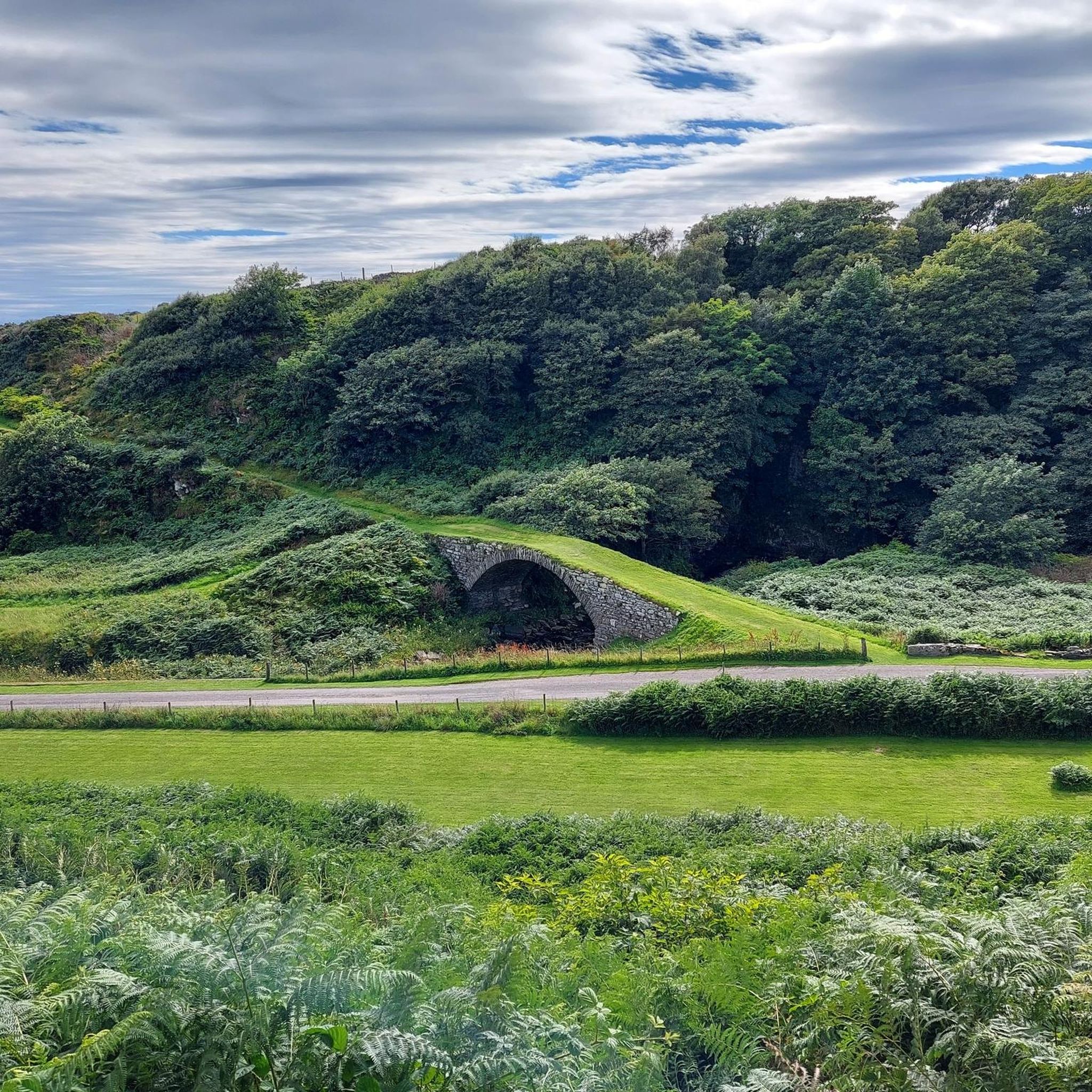
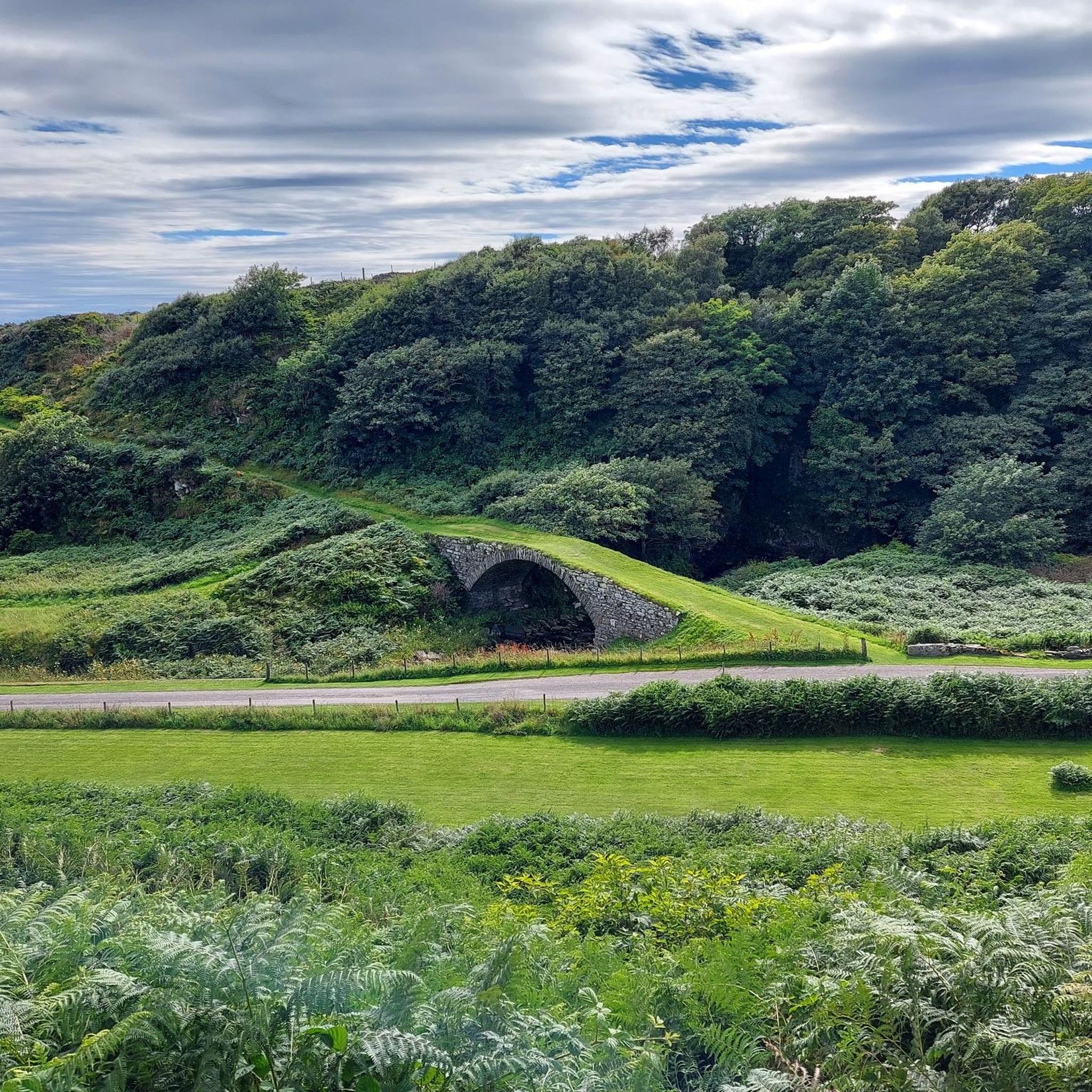
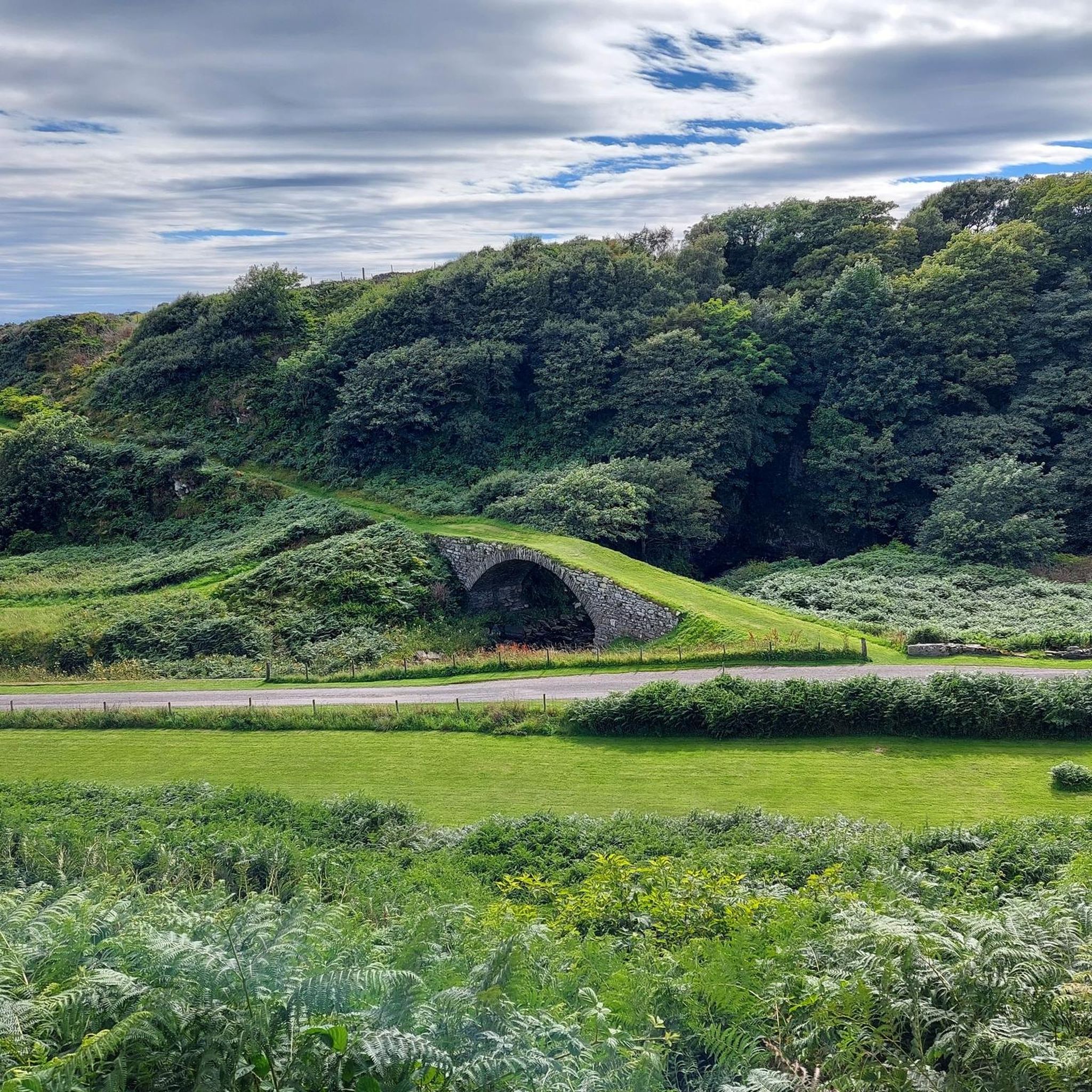
The path to the viewpoint is now very easy, you no longer have to go around the valley (there is a comfortable path with wooden steps and a bridge). However, there can be a nasty wind at the top of the ledge, there are no railings!
0
0

Dunbeath also has a harbour that was built in the early 1800s to cash in on the boom in herring fishing. Up to 100 boats used to operate from the village. Dunbeath’s harbour is now much quieter but it does provide an excellent viewpoint for the prominent 15th century Dunbeath Castle that stands above cliffs on a peninsular to the south of the village looking like a white sentinel.
0
0

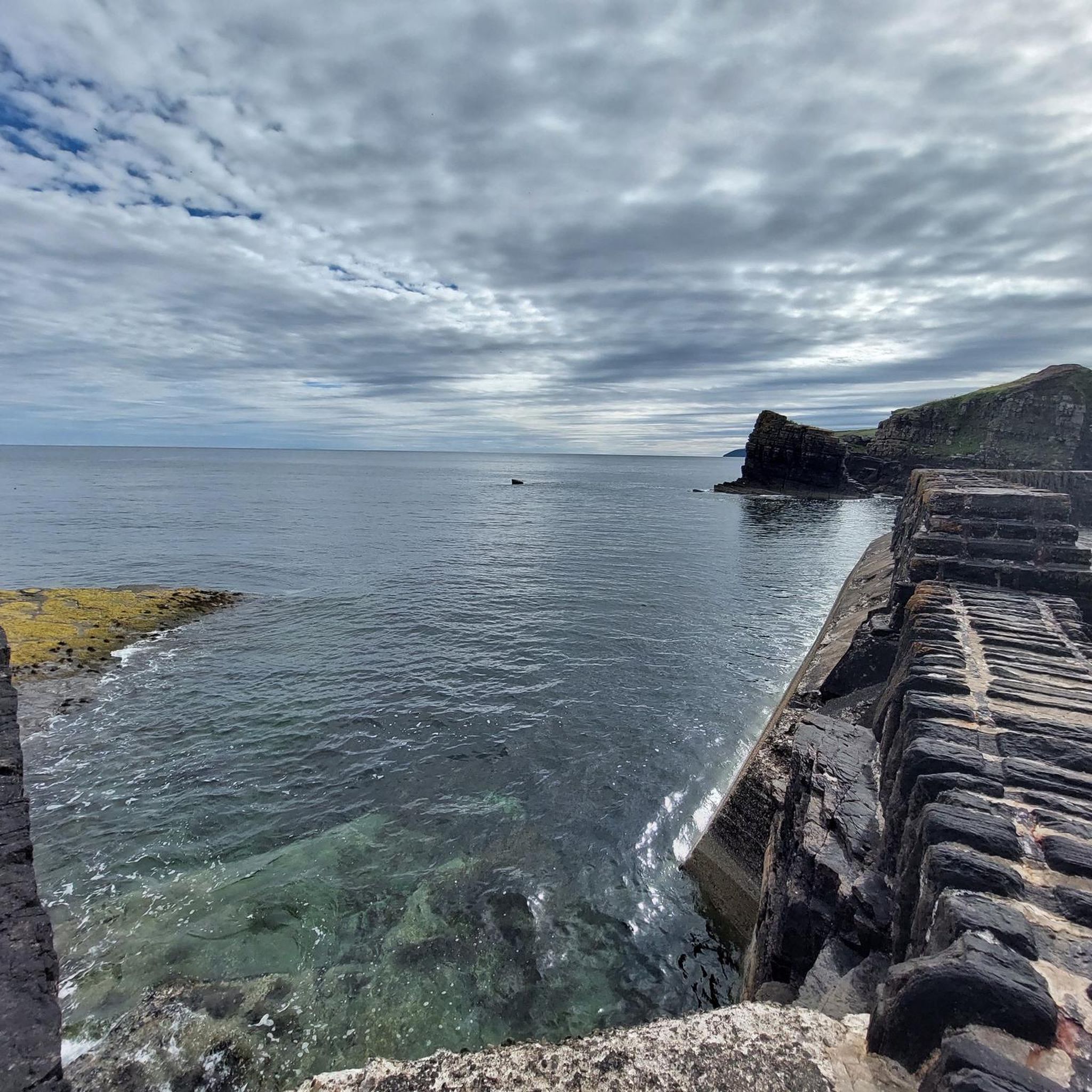
Locally known as "Scorrie's Island", the Stack o'Brough is a unique, tall rock rising out of the North Sea, with its' defining characteristic being the large tunnel hole from front to back.
0
0
Dunbeath Village Road is truly the quintessential epitome of a quaint Scottish town. With classic stone houses/buildings with a rolling, dramatic green background, walking through Dunbeath is a walk into history.
0
0

The Grey Cairns of Camster are two large Neolithic chambered cairns that are among the oldest structures in Scotland, dating to about 5,000 years ago. The cairns demonstrate complex neolithic architecture, with central burial chambers accessed through narrow passages. They were excavated and restored by Historic Environment Scotland in the late 20th century. The cairns were constructed in the third of fourth millennium BC in an empty, boggy and peat-covered moorland. Although the surrounding countryside is now inhospitable with little population, it was a fertile farming land in the Stone Age, only becoming covered in peat during the Bronze Age.
1
0
Frequently Asked Questions
What historical sites can I explore in the Latheron, Lybster, and Clyth area?
The region is rich in history. You can visit the ancient Grey Cairns of Camster, which are Neolithic chambered cairns dating back approximately 5,000 years. Another significant site is the Hill o' Many Stanes, an archaeological mystery featuring around 200 upright stones arranged in a fan-shaped pattern. For a glimpse into local heritage, the Waterlines Heritage Centre in Lybster focuses on the area's past as a busy herring port, and the Latheron Old Church now functions as a museum.
Where can I learn about the local fishing heritage?
To delve into the region's fishing history, visit the Waterlines Heritage Centre at Lybster Harbour. This centre provides insights into Lybster's past as a bustling herring port. You can also explore Lybster Harbour itself, which, though quieter now, remains active with local boats and offers a scenic view of the area's maritime legacy.
Are there any unique natural features or viewpoints to discover?
Absolutely. The East Coast of Caithness is known for its dramatic cliffs and rugged coastline. A standout feature is the Stack o' Brough Natural Arch, locally known as "Scorrie's Island," a tall rock rising from the North Sea with a distinctive tunnel hole. You can also enjoy the remote beauty of Loch More Beach, a freshwater loch with small beaches at its northern end.
What kind of outdoor activities can I do around Latheron, Lybster And Clyth?
The area offers a variety of outdoor activities. You can explore numerous hiking trails, including easy walks like the 'Cairn o' Get & Whaligoe Steps from Whaligoe' or 'Lybster to Lybster Harbour Lighthouse'. For cyclists, there are road cycling routes such as the 'Loch Calder & the Cairns of Camster loop'. Runners can find trails like the 'Rumster Forest loop'. You can find more details on these and other routes in the easy hikes, road cycling, and running guides for the area.
Are there family-friendly attractions in the area?
Yes, several attractions are suitable for families. Dunbeath Village offers a charming walk through a historic Scottish town with classic stone houses. Loch More Beach provides a remote and pretty setting for a family outing. The Waterlines Heritage Centre also offers engaging displays about local history that can be interesting for all ages.
What are the Grey Cairns of Camster and can I explore them?
The Grey Cairns of Camster are two large Neolithic chambered cairns, among Scotland's oldest structures, dating back about 5,000 years. They showcase complex Neolithic architecture with central burial chambers accessible through narrow passages. Visitors can explore these cairns, and it's recommended to bring a torch to navigate the passages properly.
Are there any easy walking trails suitable for all abilities?
Yes, there are several easy walking trails. You can enjoy the 'Cairn o' Get & Whaligoe Steps from Whaligoe' (though the steps themselves are challenging), or a pleasant walk from 'Lybster to Lybster Harbour Lighthouse via Shore Road'. Another option is the 'Smerral to Latheronwheel Harbour' route. These trails offer accessible ways to experience the local scenery. Find more options in the easy hikes guide.
What is the Dunbeath Village known for?
Dunbeath Village is known for its quintessential Scottish charm, featuring classic stone houses and a dramatic green backdrop, offering a walk into history. It also has a harbour, built in the early 1800s, which was once busy with herring fishing. From the harbour, you can get an excellent viewpoint of the prominent 15th-century Dunbeath Castle standing on cliffs to the south.
Can I visit any castles or ancient ruins in the area?
Yes, the area features several historical ruins. Dunbeath Castle, a prominent 15th-century structure, stands dramatically on cliffs overlooking the sea to the south of Dunbeath village. Another notable ruin is Forse Castle, located on a peninsula about 50 meters above sea level, surrounded by steep rocks and cut off from the mainland by a natural ditch. It was inhabited until the 1600s.
What is the best time to visit Latheron, Lybster And Clyth for outdoor activities?
The best time to visit for outdoor activities generally aligns with the warmer, drier months, typically from late spring to early autumn (May to September). During this period, the weather is more favorable for hiking, cycling, and exploring the coastal and historical sites. However, the rugged coastline offers dramatic views year-round, and winter walks can be quite atmospheric for those prepared for colder conditions.
Are there any specific cultural or community centers in the region?
Beyond historical sites, the region has cultural and community hubs. The Waterlines Heritage Centre in Lybster serves as a cultural point, focusing on local history. Seaview House in the Latheron, Lybster & Clyth area is an important community facility, offering meeting spaces, support, and various classes, and also houses the Lybster Allotment Society and Lybster Mens Shed.
What is the significance of the Lybster Stone?
The Lybster Stone, found at the Parish of Latheron Church of Scotland, is a large boulder inscribed with a double outline cross. It showcases the influence of Christianity on the Pictish people and is linked to local superstitions, offering a tangible connection to the area's ancient spiritual and cultural history.
Most popular attractions around Latheron, Lybster And Clyth

Get inspired with the komoot mobile app


Explore more
Still not found the Highlight you’re looking for? See guides of the top attractions in other regions:
