Attractions and Places To See around Royal Burgh Of Crail And District - Top 20
Best attractions and places to see around Royal Burgh Of Crail And District include a historic fishing village located on the east coast of Fife, Scotland. This area is characterized by its coastal setting, historic landmarks, and cultural sites. It offers a blend of natural beauty and historical significance, making it a notable destination for exploration. The region features well-preserved architecture and connections to Scotland's past.
Best attractions and places to see around Royal Burgh Of Crail And District
- The…
Last updated: October 18, 2026
St Andrews Cathedral Ruins
Highlight • Historical Site
Tip by

St Andrews War Memorial
Highlight • Monument
Translated by Google •
Tip by

Sign up now to discover places like this
Get recommendations on the best single tracks, peaks, & plenty of other exciting outdoor places.
St Monans Windmill
Highlight • Monument
Tip by

Crail Airfield Pillbox, Fife Ness
Highlight • Monument
Tip by

Lady's Tower
Highlight • Monument
Tip by
Sign up for free to discover even more attractions around Royal Burgh Of Crail And District.
Already have an account?
Start today with a free account
Your next adventure awaits.
Popular around Royal Burgh Of Crail And District
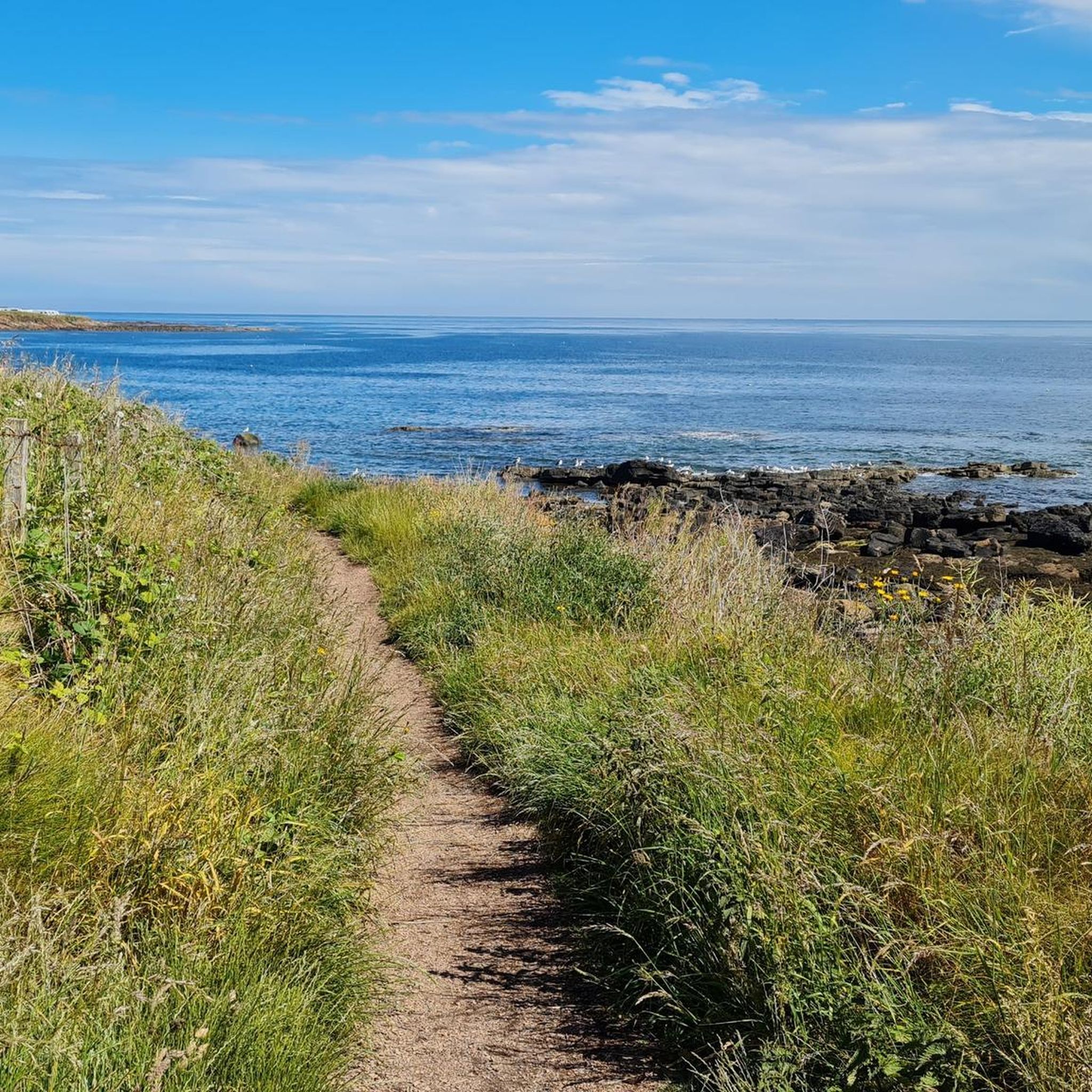
Hiking around Royal Burgh Of Crail And District
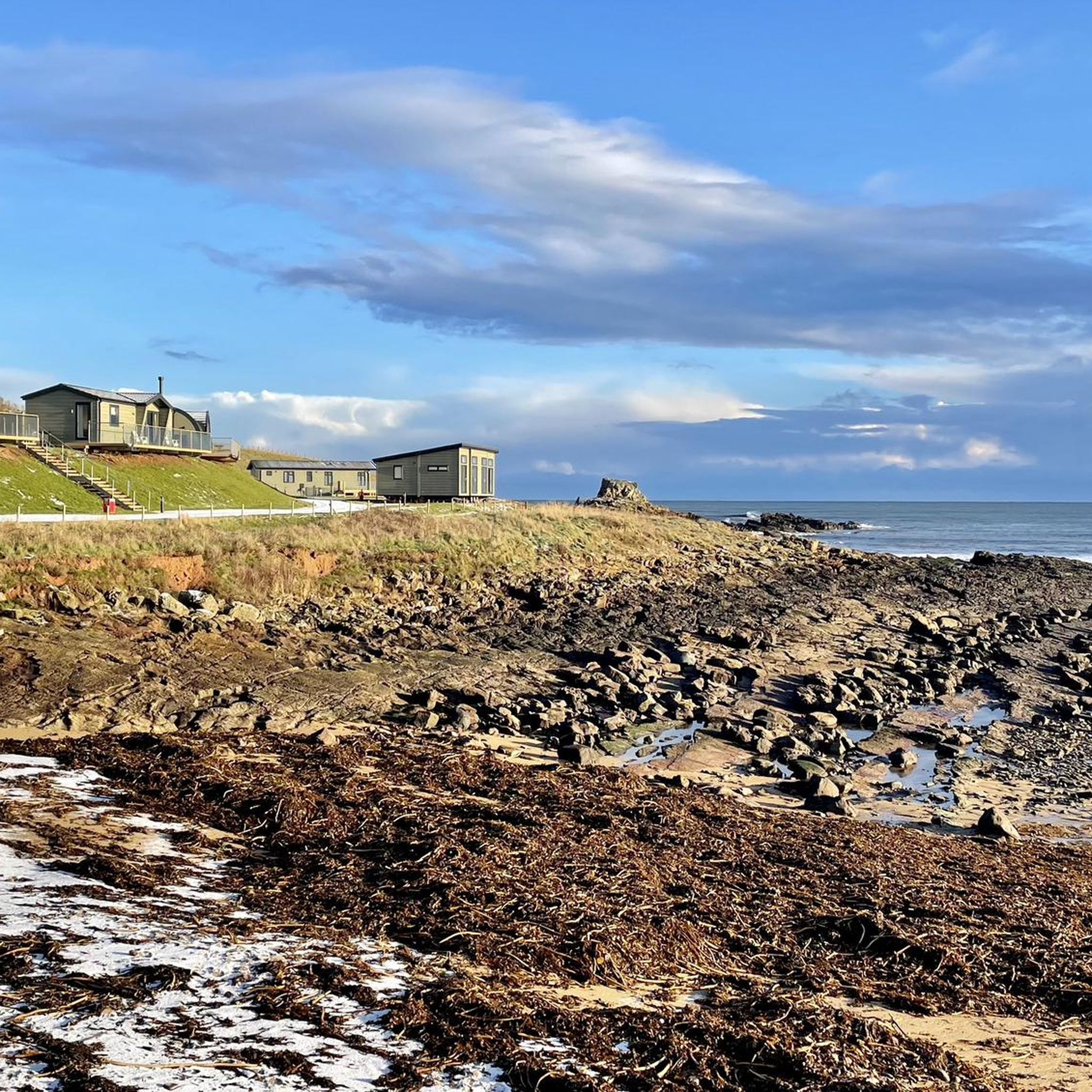
Running Trails around Royal Burgh Of Crail And District
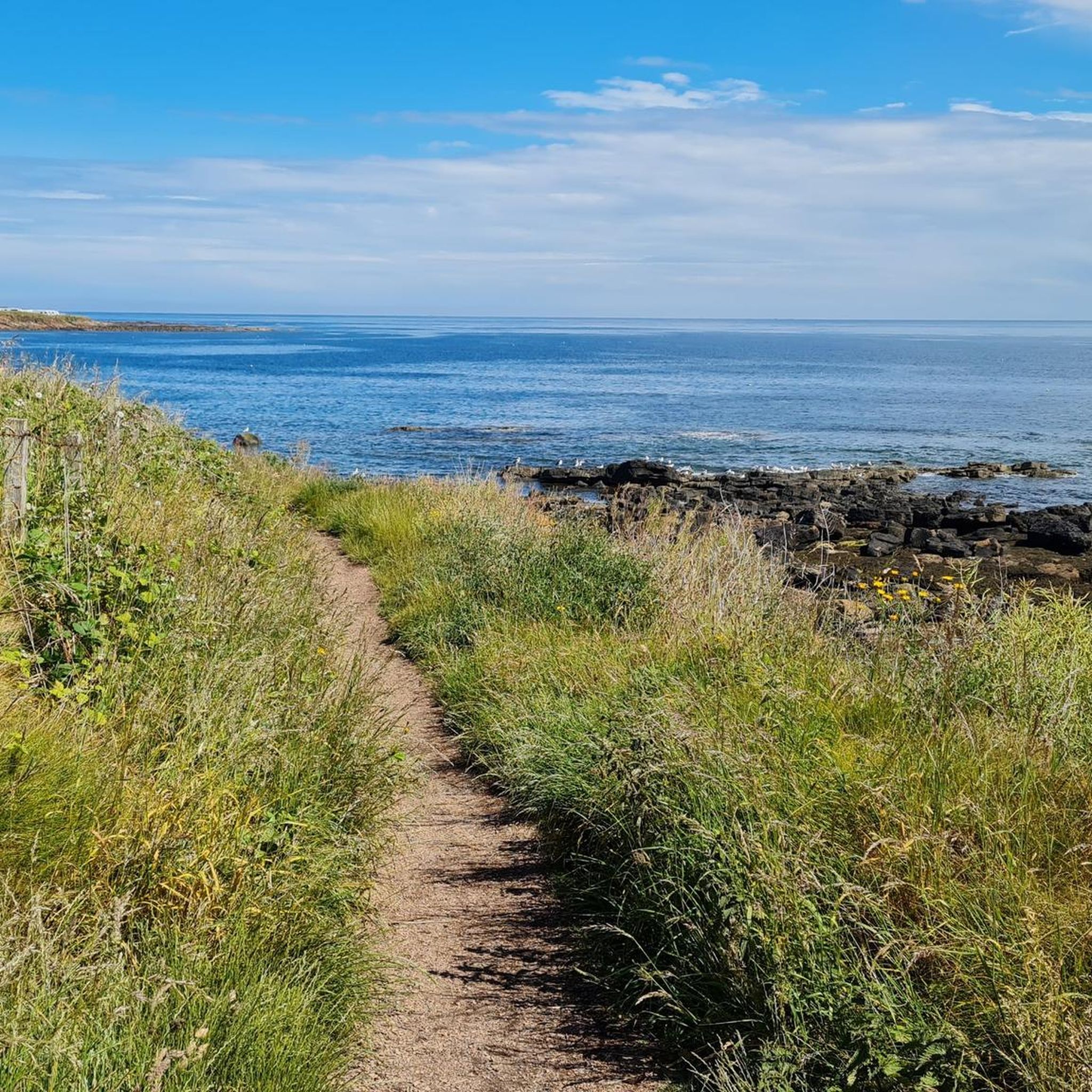
Cycling around Royal Burgh Of Crail And District
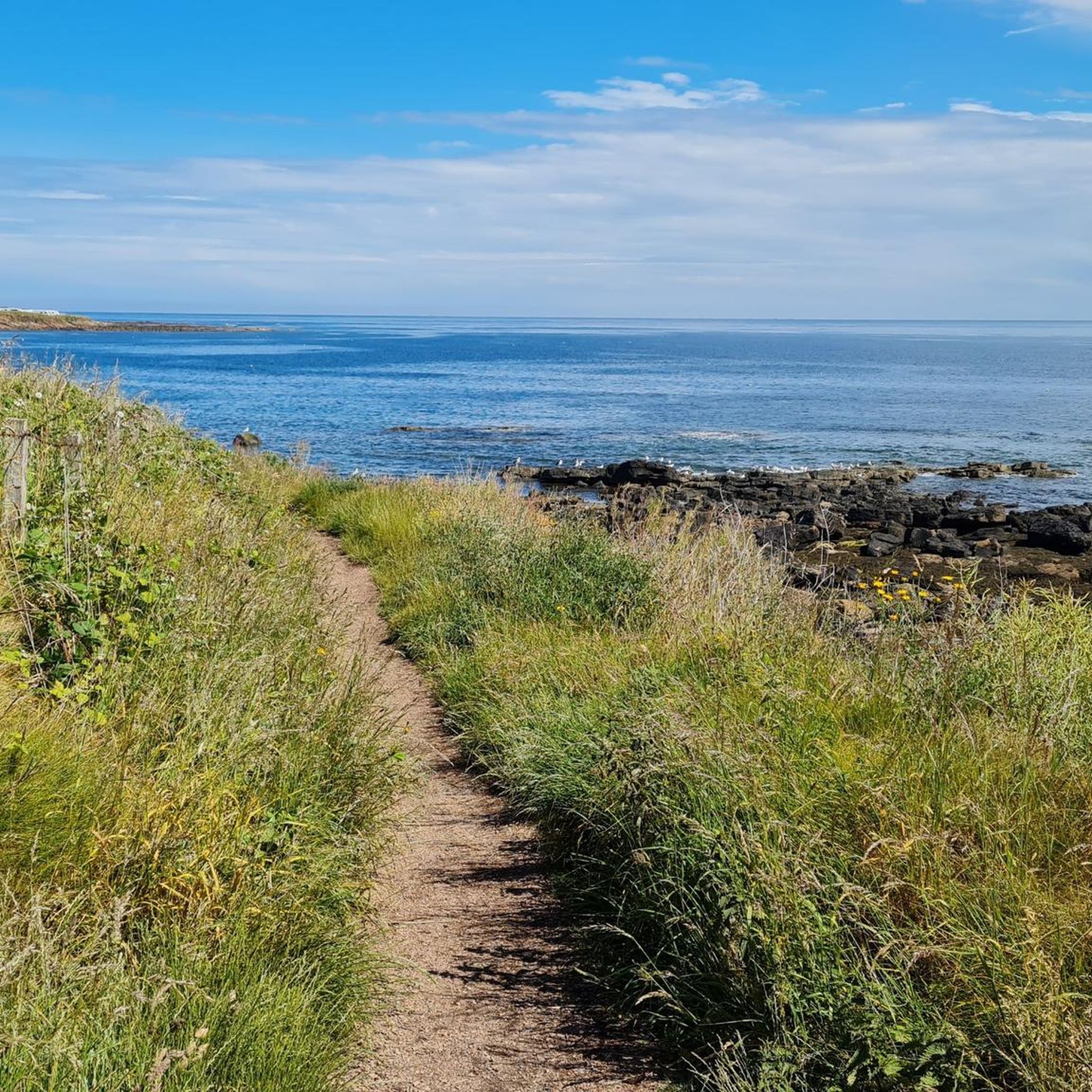
Road Cycling Routes around Royal Burgh Of Crail And District
MTB Trails around Royal Burgh Of Crail And District
Gravel biking around Royal Burgh Of Crail And District
Tips from the Community

Saint Andrew, to whom this former church—whose ruins still serve as a picturesque backdrop—was dedicated, belongs to the circle of the twelve apostles whom Jesus Christ called to follow him. However, in biblical accounts, he is usually somewhat overshadowed by his far more famous brother, Saint Peter. The Gospels present the calling of the two brothers in different ways. According to the Gospel of John (John 1:40-42), Andrew is called first (together with another unnamed disciple). Later, he tells his brother that he has found the Messiah. In Scotland, however, Saint Andrew is particularly venerated, as he is the patron saint of the country, and the X-shaped white "St. Andrew's Cross," on which he was executed, forms the Scottish national flag against a blue background. The feast day of Saint Andrew is celebrated on November 30th in all major Christian denominations.
0
0

Admission was free - really worth seeing!
0
0

It's astonishing how "new" the graves, or rather the inscriptions on the gravestones, are, given that the church was abandoned during the Scottish Reformation in the 16th century. There are at least inscriptions from recent years. We set out to find the oldest date possible, although we were far from able to verify all of them. On a wall inscription in the east, toward the old bell tower, we found 1708, and on a nearby gravestone, 1712. We didn't find any older ones, or some were weathered and unreadable.
1
0

St Andrews Cathedral is the ruin of a cathedral in the Scottish town of St Andrews in the council area of Fife. The complex, located near the North Sea shore near St Andrews Castle in the historic centre of St Andrews, was central to the development of the town and its status as the Christian centre of Scotland.[1] Numerous buildings are individually listed and the entire complex is classified as a Scheduled Monument.[2] It is one of the Guardianship Monuments of Historic Scotland.[3] St Andrews Cathedral is not to be confused with the Cathedral Church of St Andrew in Inverness.
1
0

The windmill is easy to spot high above the costal path. It once was used when salt pans below were used to produce... salt.
0
0
As a memorial to the many dead, such memorials - usually called "war memorials" in English - are still very important today. "Now, Lord, you let your servant depart in peace, as you have said..." says the so-called "Hymn of Simeon" (Luke's Gospel, Chapter 2, Verse 29). However, the people commemorated here did not depart in peace, but became victims of war and tyranny. This is why the term "dead soldiers' memorial" is now sometimes used in German instead of the previously most common "war memorial". However, such a war memorial, which one encounters so often on the road, regardless of nationality, language and name, is always a testimony - still significant and current today - to the horror of war and tyranny. They all have two essential functions, and this for each generation anew: -1- Commemorate and remember the victims -2- Remind people to keep the peace
0
0

Frequently Asked Questions
What historical landmarks can I explore within Crail itself?
Crail is rich in history. You can visit the picturesque Crail Harbour, dating back to the 16th century, known for its cobbled streets and whitewashed cottages. Explore the 16th-century Crail Tolbooth with its distinctive Dutch-influenced tower, or the ancient St. Mary's Church, which has been a community hub for over eight centuries. Don't miss the Crail Market Cross and the free-to-visit 16th-century beehive-shaped Crail Doocot.
Are there any significant historical sites near Crail?
Yes, several notable historical sites are a short distance from Crail. You can explore the extensive ruins of St Andrews Cathedral Ruins, once the largest church in Scotland. Also nearby is St Andrews Castle, a coastal ruin with a rich history as a palace, fortress, and prison. Another interesting site is St Monans Windmill, a man-made monument that once pumped seawater for salt production, offering spectacular views.
What natural features and coastal views can I enjoy around Crail?
The area boasts stunning natural beauty. Crail is part of the Fife Coastal Path, offering dramatic coastal scenery and views over the Firth of Forth. You can relax at Roome Bay, a sweeping sandy beach, or visit Fife Ness, the rocky, most easterly point of Fife, for spectacular vistas. The Isle of May, a National Nature Reserve known for its seabird colonies, is also visible from Crail.
What outdoor activities can I do near these attractions?
The region around Crail is perfect for outdoor enthusiasts. You can enjoy various activities, including hiking along the Fife Coastal Path. There are numerous hiking routes available, such as the 'Balcomie Sands – Crail Harbour loop' or the 'Caiplie Caves – Crail Harbour loop'. For more options, explore the hiking guide for Royal Burgh Of Crail And District. Gravel biking and running trails are also popular, with routes like the 'Crail Harbour – Crail Harbour and Beach loop' for gravel biking or the 'Crail Harbour loop' for running.
Are there family-friendly attractions around Royal Burgh Of Crail And District?
Yes, there are several options for families. Roome Bay offers a relaxed atmosphere with a large playground for children. Historical sites like St Andrews Cathedral Ruins and St Andrews Castle are also considered family-friendly, providing engaging historical exploration. The Crail Museum and Heritage Centre offers insights into local history, and the Crail Doocot is a fascinating, free-to-visit historical structure.
What cultural sites and unique experiences does Crail offer?
Crail has a vibrant cultural scene. Visit the Crail Museum and Heritage Centre to learn about the town's military, golfing, and seafaring history. Explore Crail Pottery, established in 1965, for unique hand-thrown items. The Crail Golfing Society, one of the oldest in the world, offers two courses with spectacular views. Nearby, the Kingsbarns Distillery and Visitor Centre provides tours and tastings of whisky and gin, and Scotland's Secret Bunker offers a unique Cold War historical experience.
What is the best time to visit Crail for outdoor activities?
The summer months are generally ideal for outdoor activities in Crail, offering milder weather for exploring the Fife Coastal Path, beaches, and historical sites. Many local attractions, such as the Crail Museum and Heritage Centre, are typically open during the summer. However, the coastal scenery is beautiful year-round, and the paths can be enjoyed in spring and autumn for fewer crowds.
Where can I find unique local crafts and art in Crail?
For unique local crafts, visit Crail Pottery, known for its distinctive hand-thrown and decorated items displayed around a beautiful courtyard. The Crail Gallery & Tearoom on Shoregate also features Crail-inspired artworks and offers stunning views over the water to the Isle of May.
Are there any hidden historical gems or lesser-known spots in Crail?
Beyond the main attractions, Crail has several hidden gems. The remnants of Crail Castle, a former royal stronghold, can still be found in the serene Castle Garden. You can also discover Constantine's Cave, an ancient cave steeped in local folklore, hinting at the area's long human habitation. For a more recent historical insight, explore the Crail Airfield Pillbox, Fife Ness, a remnant from the World Wars at the most easterly point of Fife.
What do visitors enjoy most about the attractions around Royal Burgh Of Crail And District?
Visitors frequently praise the area's rich history and stunning coastal scenery. The St Andrews Cathedral Ruins are often described as a 'gorgeous place' with a 'great coast,' while St Andrews Castle is noted for its 'magnificent sea views' and 'extraordinary history.' The picturesque Crail Harbour and the dramatic views from the Fife Coastal Path are also highly appreciated for their charm and natural beauty.
Are there opportunities for wildlife spotting in the Royal Burgh Of Crail And District?
Yes, the coastal location provides excellent opportunities for wildlife spotting. From Fife Ness, you can keep an eye out for seabirds, and there have been sightings of whales, dolphins, and seals in the North Sea. The Isle of May, visible from Crail, is a National Nature Reserve renowned for its significant seabird colonies, making boat trips to the island a popular activity for nature lovers.
Most popular routes around Royal Burgh Of Crail And District
Most popular attractions around Royal Burgh Of Crail And District

Get inspired with the komoot mobile app


Explore more
Still not found the Highlight you’re looking for? See guides of the top attractions in other regions:
