Attractions and Places To See around Boarhills And Dunino - Top 20
Best attractions and places to see around Boarhills And Dunino include a blend of historical sites, ancient ritual locations, and scenic coastal landscapes. This region in Fife, Scotland, offers diverse natural features, from woodland gorges to prominent sea stacks and coastal paths. Visitors can explore areas with significant cultural importance and natural beauty. The area provides opportunities to discover historical landmarks and unique geological formations.
Best attractions and places to see around Boarhills And Dunino
- The most popular attractions is…
Last updated: August 25, 2026
St Andrews Cathedral Ruins
Highlight • Historical Site
Tip by

Tentsmuir Forest
Highlight (Segment) • Viewpoint
Tip by

Sign up now to discover places like this
Get recommendations on the best single tracks, peaks, & plenty of other exciting outdoor places.
Sign up for free
Salt and Pine Food Truck
Highlight • Rest Area
Tip by

St Andrews War Memorial
Highlight • Monument
Translated by Google •
Tip by

St Monans Windmill
Highlight • Monument
Tip by

Sign up for free to discover even more attractions around Boarhills And Dunino.
Sign up for free
Already have an account?
Start today with a free account
Your next adventure awaits.
Login or Signup
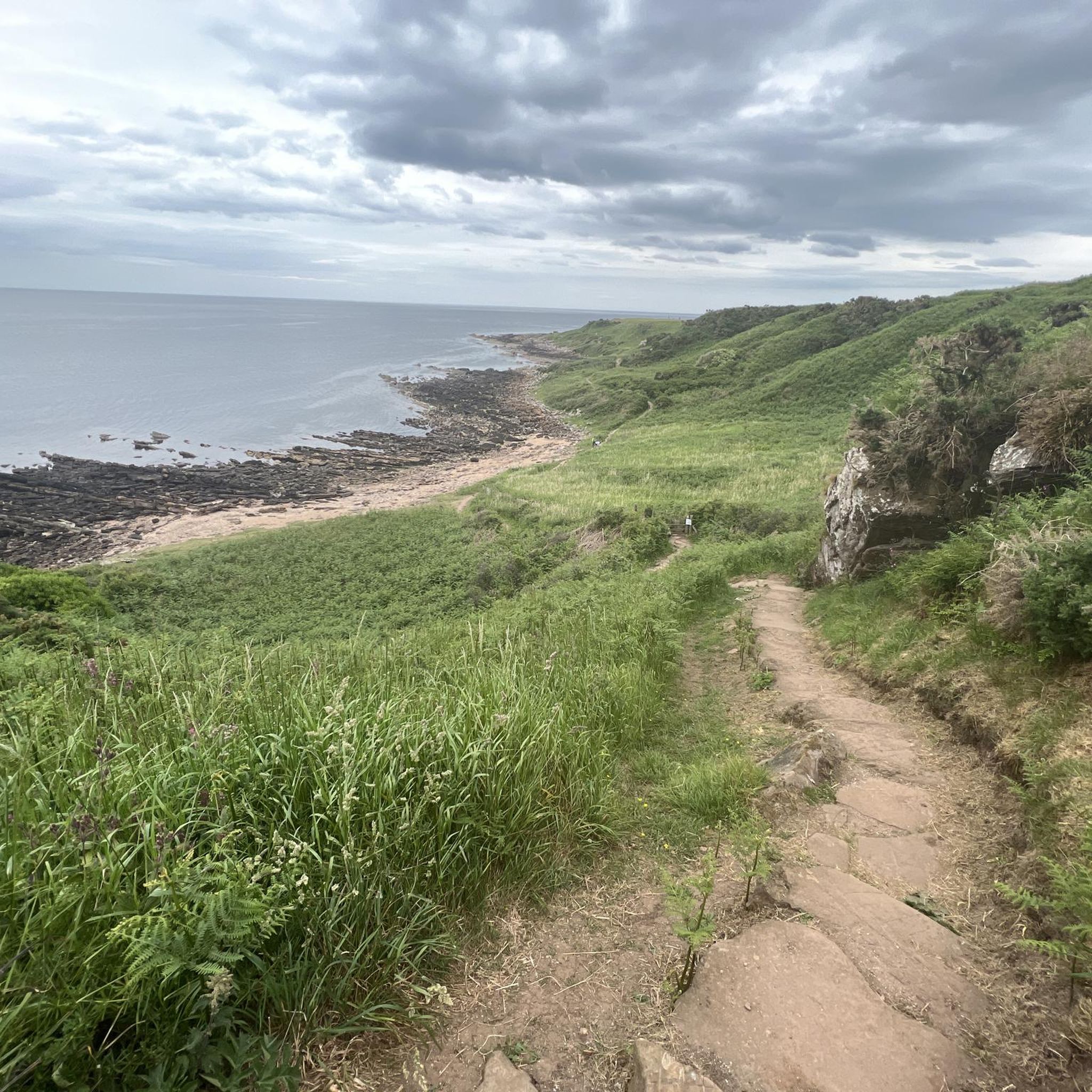
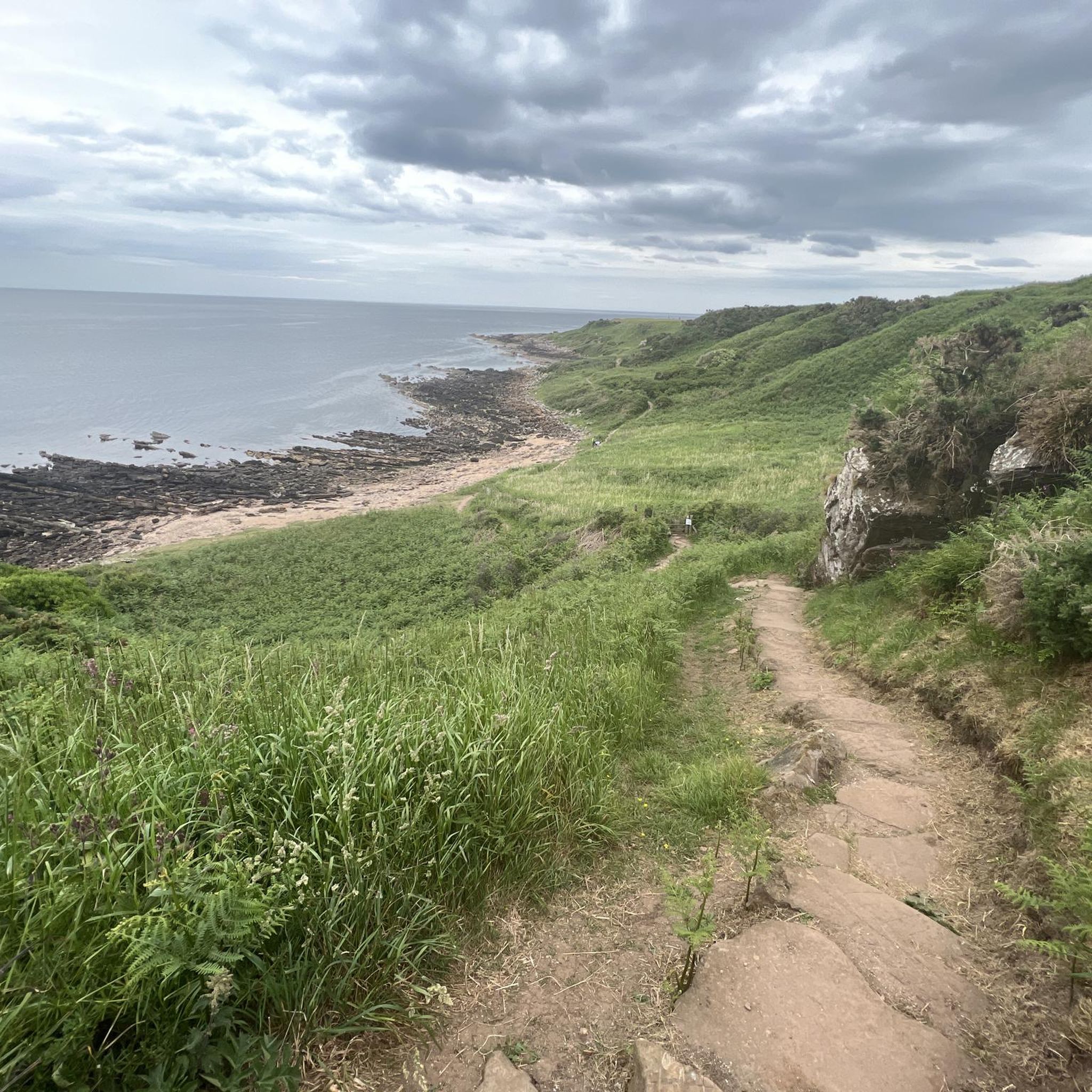
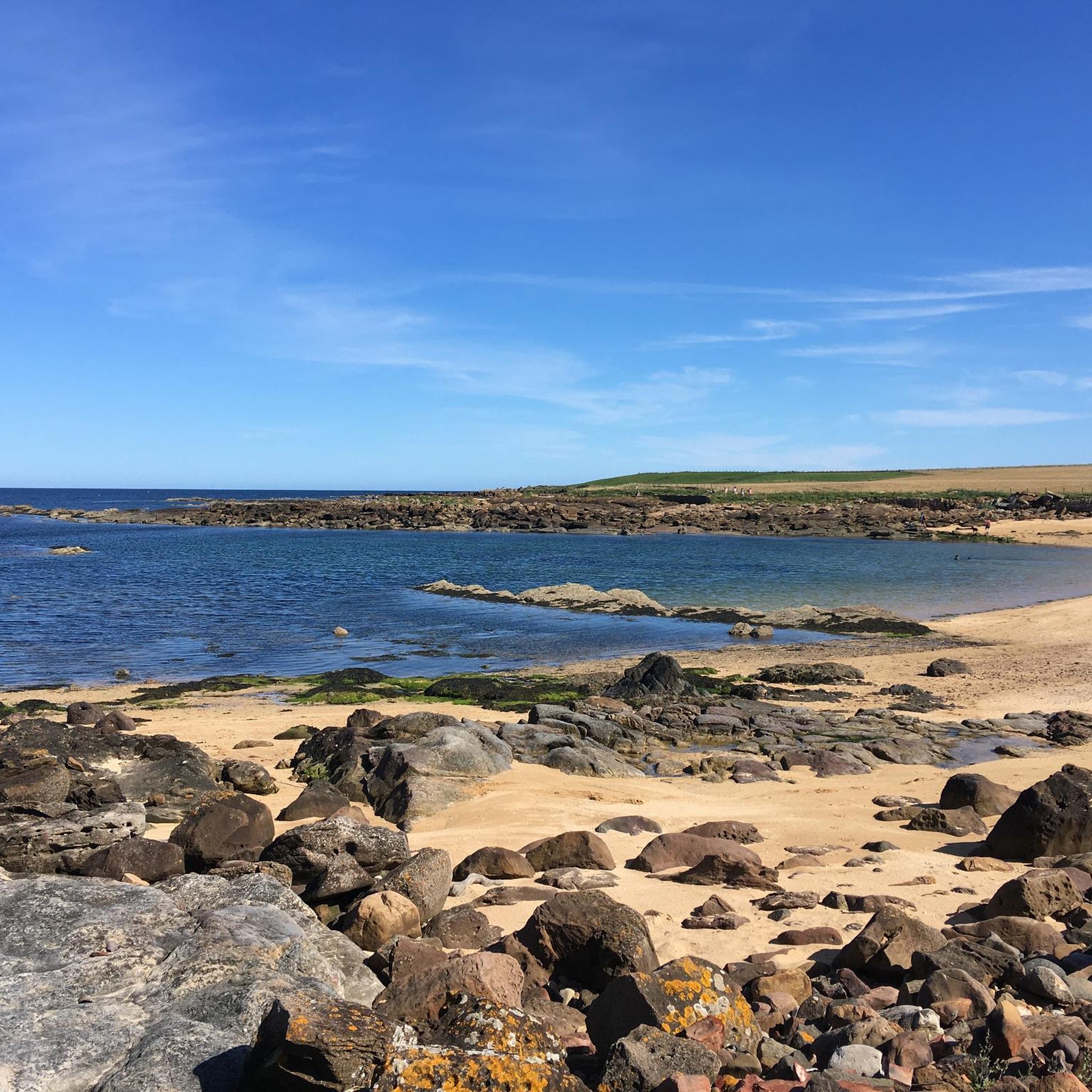
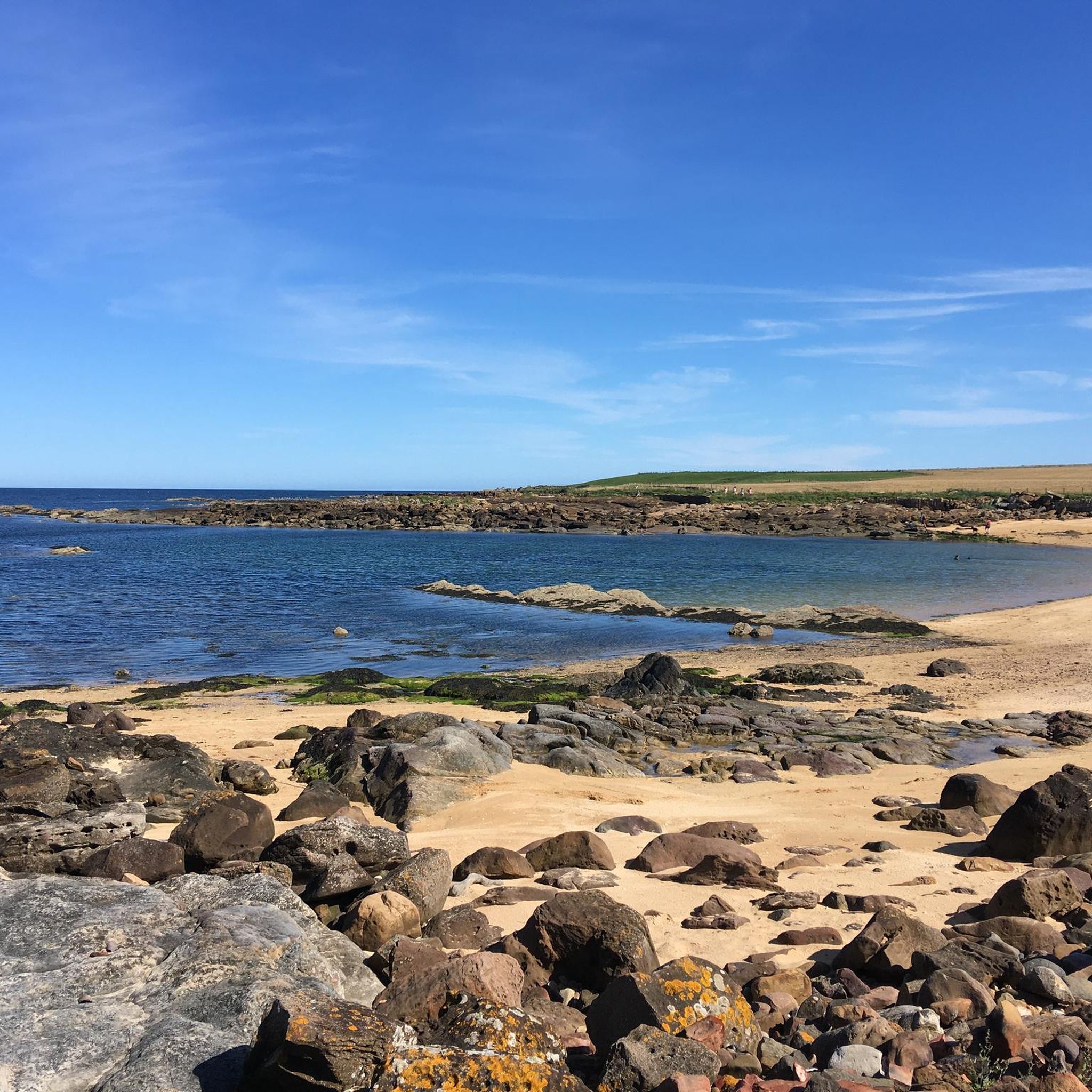
Tips from the Community

Tracks and roads (gravel and dirt), and paths galore. Something for walkers and cyclists alike.
0
0

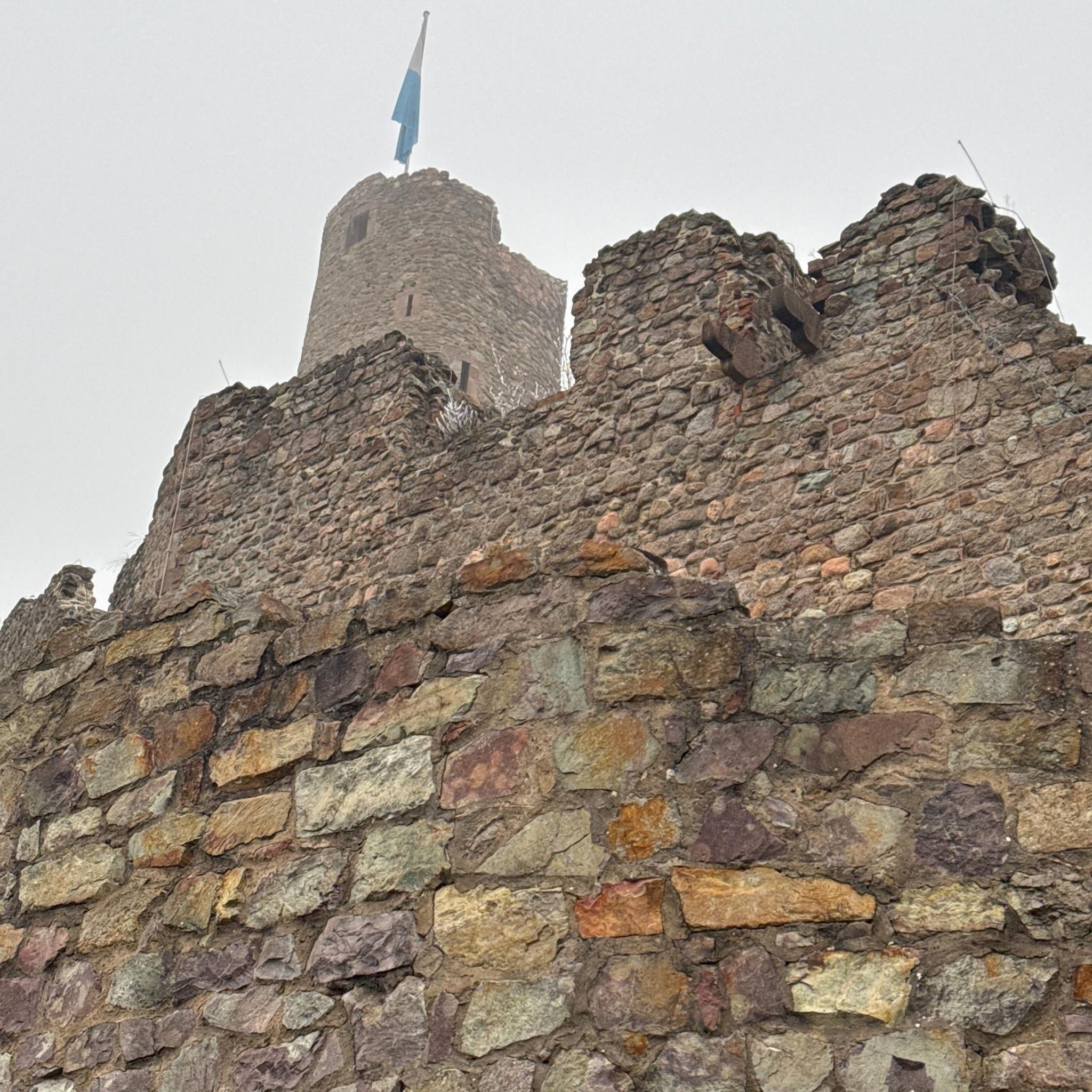
Saint Andrew, to whom this former church—whose ruins still serve as a picturesque backdrop—was dedicated, belongs to the circle of the twelve apostles whom Jesus Christ called to follow him. However, in biblical accounts, he is usually somewhat overshadowed by his far more famous brother, Saint Peter. The Gospels present the calling of the two brothers in different ways. According to the Gospel of John (John 1:40-42), Andrew is called first (together with another unnamed disciple). Later, he tells his brother that he has found the Messiah. In Scotland, however, Saint Andrew is particularly venerated, as he is the patron saint of the country, and the X-shaped white "St. Andrew's Cross," on which he was executed, forms the Scottish national flag against a blue background. The feast day of Saint Andrew is celebrated on November 30th in all major Christian denominations.
0
0

Admission was free - really worth seeing!
0
0

It's astonishing how "new" the graves, or rather the inscriptions on the gravestones, are, given that the church was abandoned during the Scottish Reformation in the 16th century. There are at least inscriptions from recent years. We set out to find the oldest date possible, although we were far from able to verify all of them. On a wall inscription in the east, toward the old bell tower, we found 1708, and on a nearby gravestone, 1712. We didn't find any older ones, or some were weathered and unreadable.
1
0


St Andrews Cathedral is the ruin of a cathedral in the Scottish town of St Andrews in the council area of Fife. The complex, located near the North Sea shore near St Andrews Castle in the historic centre of St Andrews, was central to the development of the town and its status as the Christian centre of Scotland.[1] Numerous buildings are individually listed and the entire complex is classified as a Scheduled Monument.[2] It is one of the Guardianship Monuments of Historic Scotland.[3] St Andrews Cathedral is not to be confused with the Cathedral Church of St Andrew in Inverness.
1
0

The windmill is easy to spot high above the costal path. It once was used when salt pans below were used to produce... salt.
0
0

At weekends, in summer, in addition to the normal food sale at the car park, there is also the "Salt & Pepper Largerita" pizza van, open until 9 p.m. The pizza is really amazingly good! You can sit at tables with benches, in the rustic wooden deck chairs, on new benches around the fire bowl or on the existing picnic blankets on the ground in the sand. Really nice atmosphere. Entry into the nature reserve and the car park costs £2 GBP. Toilets are in the green house behind the "wooden pyramid" at the front of the car park.
0
0
Frequently Asked Questions
What historical sites can I explore in the Boarhills and Dunino area?
The region is rich in history. You can visit the impressive St Andrews Cathedral Ruins, once the largest church in Scotland, or the historic St Andrews Castle, which has served as a palace, fortress, and prison. Additionally, Dunino is home to the ancient and mystical Dunino Den, a pre-Christian ritual site with a history potentially stretching back to Pictish times.
Are there any mystical or ancient sites to visit?
Yes, Dunino Den is a significant mystical site. Nestled in a natural woodland gorge, it's believed to have been a place of worship for Druids and pagan practitioners. It features rock-cut steps, an 'Altar Stone' with a well, and carved footprint, creating a unique spiritual atmosphere. Visitors often leave offerings, continuing its ancient traditions.
What natural attractions are there along the coast near Boarhills?
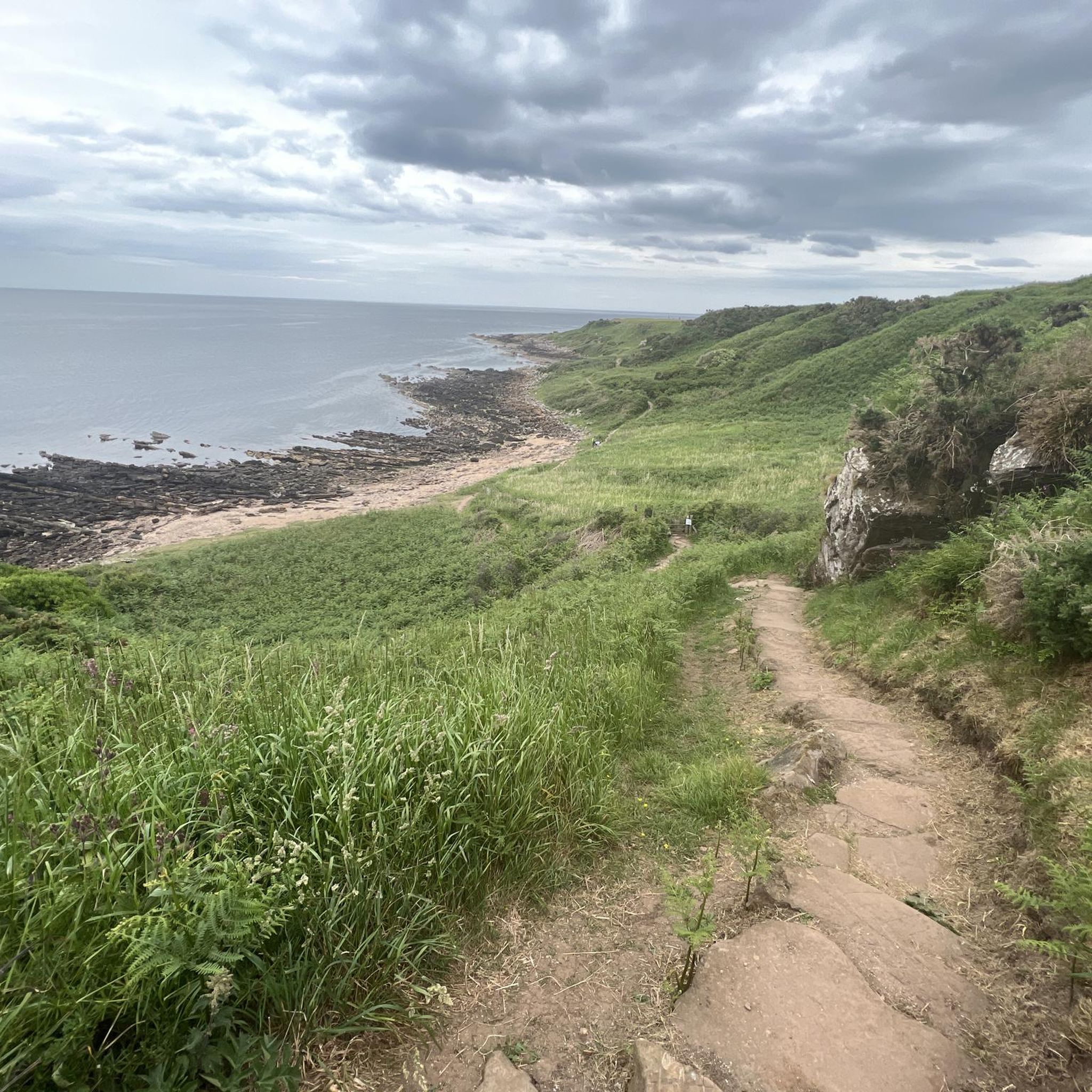
Near Boarhills, you can explore the scenic Fife Coastal Path, offering stunning cliff-top views and access to secluded sandy bays. A prominent natural feature is Buddo Rock, a striking sandstone sea stack. You can also discover Kittock's Den, a secluded, wooded ravine leading to the rocky shore, and the mouth of Kenly Water where it meets the North Sea.
Are there opportunities for hiking or walking in the area?
Absolutely. The region offers numerous hiking opportunities, including sections of the Fife Coastal Path. For a variety of trails, you can explore the Hiking around Boarhills And Dunino guide, which features routes like the challenging 'Rock and Spindle – St Andrews Harbour loop' or the moderate 'Rock and Spindle – Buddo Rock loop'.
What kind of trails can I find for running around Boarhills and Dunino?
Runners will find a good selection of trails. The Running Trails around Boarhills And Dunino guide lists routes such as the 'St Andrews Cathedral Ruins – St Andrews Castle loop' and the 'Lade Braes Walk – Banks of the Kinness Burn loop', both offering moderate difficulty.
Are there family-friendly activities or attractions?
Many attractions are suitable for families. St Andrews Cathedral Ruins and St Andrews Castle are both marked as family-friendly historical sites. Tentsmuir Forest offers a beautiful forest area right beside the sea with traffic-free roads perfect for family exploration.
What are the options for easy walks near Boarhills and Dunino?
For easier walks, consider routes listed in the Easy hikes around Boarhills And Dunino guide. Examples include the 'St Andrews Castle – St Andrews Cathedral Ruins loop from St Andrews' and the 'Law Mill Pond – Lade Braes Walk loop from St Andrews', both rated as easy.
Can I bring my dog on trails in the Dunino and Boarhills area?
Yes, many of the outdoor areas, including the Fife Coastal Path and the woodland settings around Dunino Den, are dog-friendly. Always ensure your dog is under control, especially near livestock or wildlife, and follow local guidelines regarding waste disposal.
What are the best viewpoints to experience the coastal scenery?
The Fife Coastal Path near Boarhills offers numerous stunning cliff-top viewpoints overlooking the North Sea and features like Buddo Rock. St Andrews Castle also provides magnificent sea views from its coastal location.
Is Dunino Den accessible, and are there any specific access requirements?
Dunino Den is accessed via a path from the Dunino Parish Church graveyard. The site involves natural woodland terrain, including rock-cut steps and uneven surfaces within the gorge, which may present challenges for those with mobility issues. There are no specific access permits required, but visitors should be prepared for a natural, somewhat rugged environment.
What is the best time of year to visit Boarhills and Dunino?
The spring and summer months (April to September) generally offer the most pleasant weather for exploring the coastal paths and outdoor sites. However, the mystical atmosphere of Dunino Den can be particularly evocative in autumn or even a crisp winter day. Always check local weather forecasts before your visit.
Where can I find cafes or refreshments near the attractions?
While Boarhills and Dunino are small hamlets, the nearby town of St Andrews offers a wide selection of cafes, restaurants, and pubs. It's advisable to plan your refreshment stops around your visit to St Andrews or bring your own provisions when exploring the more remote areas.
Are there any unique historical structures beyond the main attractions?
Yes, along the Fife Coastal Path near Boarhills, you can find the derelict remains of the Hillhead Mill (1713) and the Crail Mill (1790). Additionally, the Boarhills Bunker, a wartime structure built into the sandstone cliff at Buddo Ness, offers a glimpse into World War II coastal defenses.
What makes Dunino Den a unique place to visit?
Dunino Den is unique due to its profound historical and spiritual significance as a pre-Christian ritual site. Its natural woodland gorge setting, complete with rock-cut steps, an 'Altar Stone,' and ancient carvings, creates an 'unusual' and 'magical' ambiance. It's a place where ancient traditions are still observed, with visitors leaving offerings, making it a truly distinctive experience. For more detailed information, you can visit Atlas Obscura's page on Dunino Den.
Most popular routes around Boarhills And Dunino
Most popular attractions around Boarhills And Dunino

Get inspired with the komoot mobile app


Explore more
Still not found the Highlight you’re looking for? See guides of the top attractions in other regions:
