Attractions and Places To See around Southside - Top 20
Best attractions and places to see around Southside, Edinburgh, include a mix of natural landmarks, historical sites, and urban features. The area is characterized by its prominent hills, such as Arthur's Seat, an ancient volcano offering commanding views. Visitors can explore significant historical architecture and enjoy various viewpoints across the city. There are 7 highlights waiting to be discovered in this region.
Best attractions and places to see around Southside
- The most popular attractions is Arthur's Seat, a summit…
Last updated: July 2, 2026
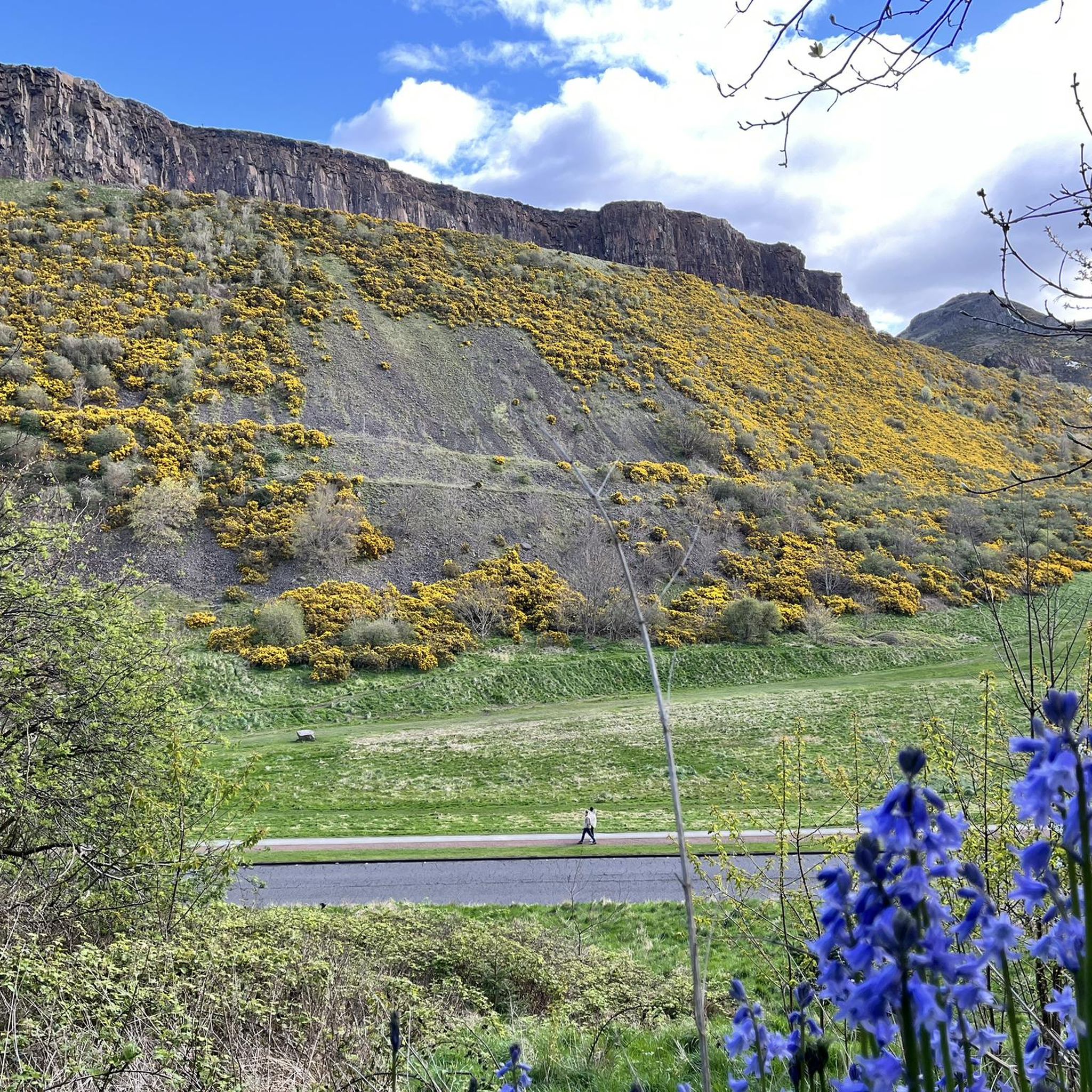
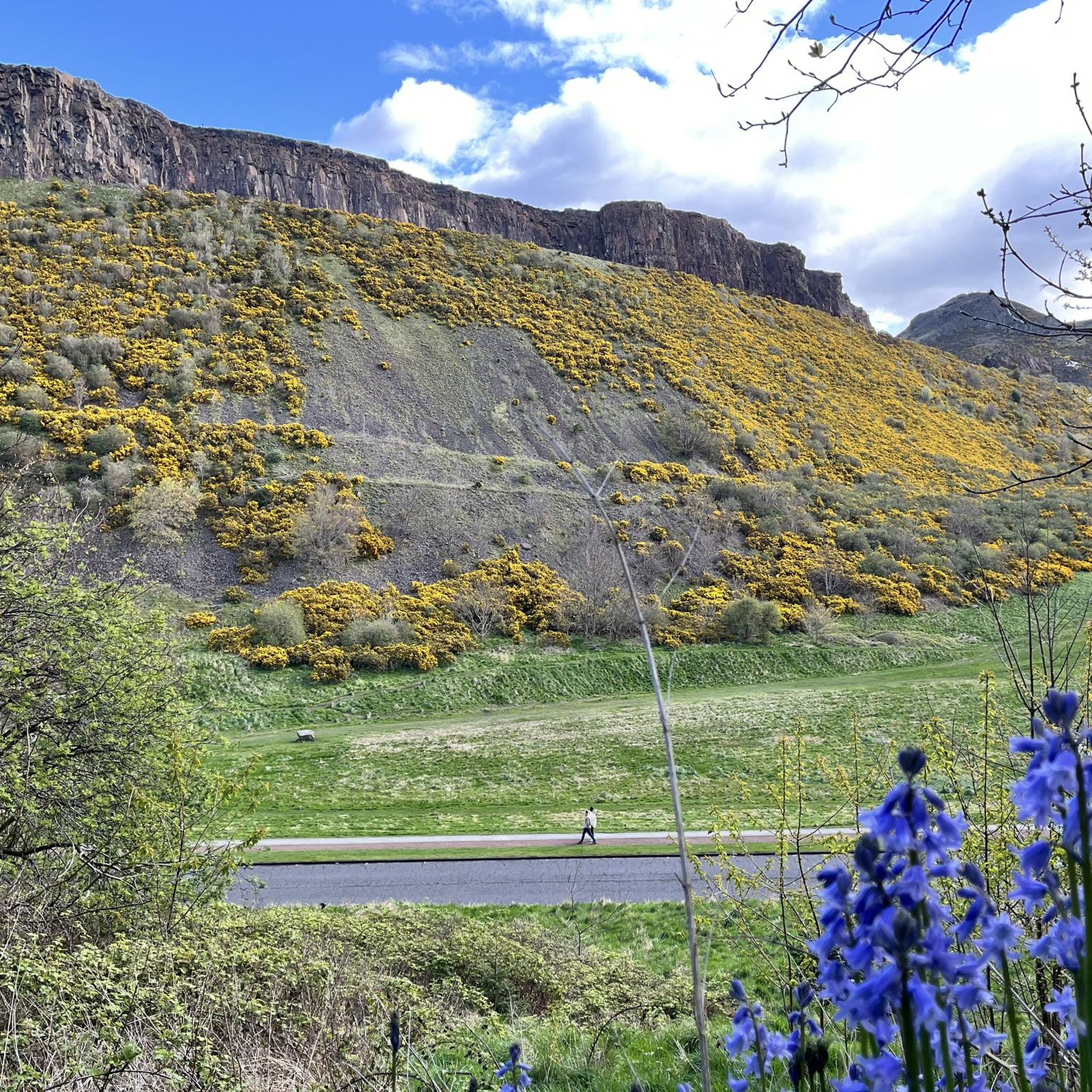
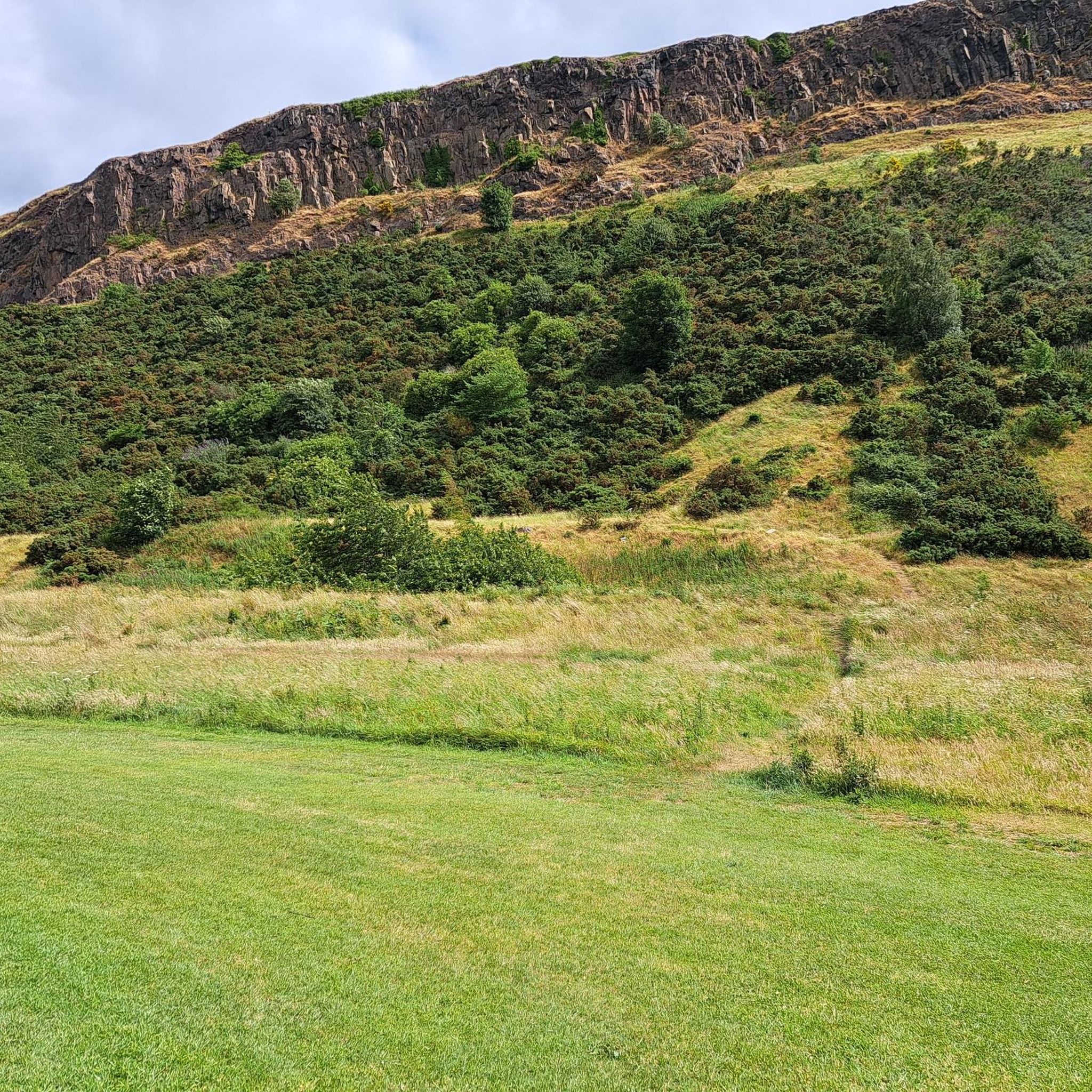
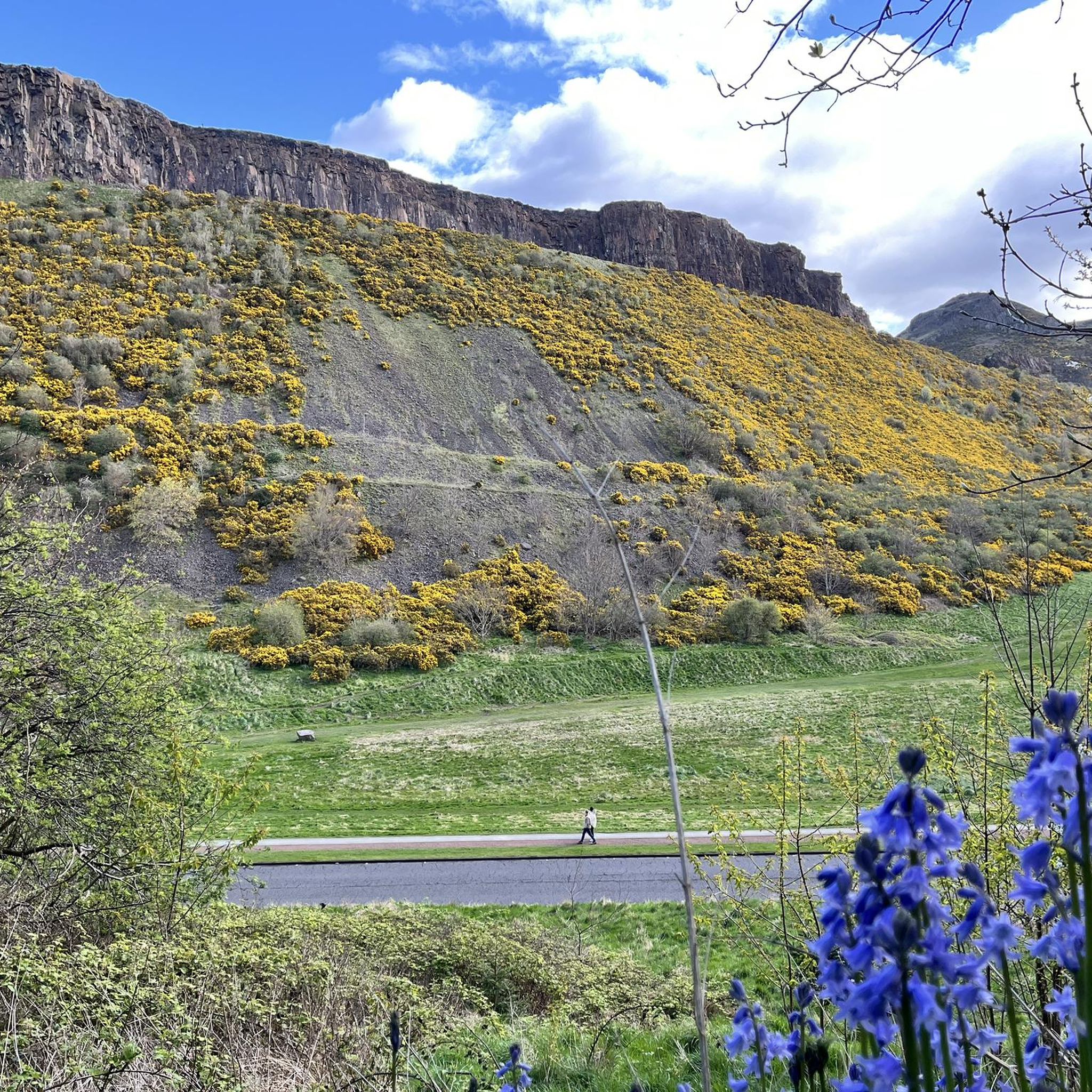
Arthur's Seat
Highlight • Summit
Tip by

Corstorphine Hill Tower
Highlight • Viewpoint
Tip by

Sign up now to discover places like this
Get recommendations on the best single tracks, peaks, & plenty of other exciting outdoor places.
Sign up for free
Scott Monument
Highlight • Viewpoint
Translated by Google •
Tip by

Royal Mile
Highlight • Viewpoint
Tip by
Victoria Street
Highlight • Monument
Tip by

Sign up for free to discover even more attractions around Southside.
Sign up for free
Already have an account?
Start today with a free account
Your next adventure awaits.
Login or Signup
Tips from the Community

This is how some 200 years ago, bookworms began: "In that lovely district of merry England, which is watered by the River Don, there was in ancient times a great wood... Here dwelt... the fabulous Dragon of Wantley; here were fought several of the bloodiest battles during the Rose Civil Wars..." Through translations, Scott's fame on the British Isles soon spread throughout Europe, even to the New World. The author, who continued to publish his books anonymously, with the reference "By the Author of Waverley," naturally rejoiced in his hiding place over the success – until, by chance, it was revealed that he, Walter Scott, was the author. The honors in Scotland were endless. The toast Lord Meadowbank made at a banquet held in Scott's honor in 1827 remains valid in Scotland to this day: "The beauties of our country... and the fame of our ancestors have been carried by him beyond the shores of this island, to the ends of the earth. He has... immortalized the name of Scotland..." (Text from https://www.deutschlandfunk.de/250-geburtstag-des-schriftstellers-wie-sir-walter-scott-den-100.html )
0
0

One of the most distinctive places in Edinburgh. Note that a staircase on the right leads to the upper level. It's fascinating how one row of houses stands above another here.
1
0


To climb to the top of the tower, you must climb 287 steps, which are divided into four levels, where you can pause and rest if you wish. As you continue up the spiral staircase, the climb becomes increasingly challenging as the walls become narrower and the steps become unstable. Although the climb may seem endless and a bit tiring, the effort will be worth it once you reach the top. Here, you'll be able to enjoy some of the best views of Edinburgh. Simply stunning views. If you don't suffer from claustrophobia or have a condition that prevents you from climbing to the top of the Scott Monument, we highly recommend climbing to the top to enjoy the breathtaking views. https://www.introducingedinburgh.com/scott-monument
5
0
The history of the monument, and much more, is told in the monument's museum hall on the first floor. Visitors can learn more about Scott himself, his eventful life, his legacy in international literature, and the monument built in his honor. Audio points allow visitors to listen to excerpts from his writings. https://www.edinburghmuseums.org.uk/venue/scott-monument
3
1
The Scott Monument is one of Edinburgh's most iconic landmarks, a must-see for visitors and locals alike. Dedicated to Sir Walter Scott, it is one of the greatest monuments to a writer in the world.
3
1
India Buildings on Victoria Street was built in 1864 by architect David Cousins and designed in the fashionable Baronial style of the time. Note the ‘bartizan’ at the top of the building, a small tower inspired by medieval battlements. It was intended as office space and early occupants included the British Linen Bank, the Scottish Board of Agriculture and the Geological Survey of Scotland. In recent years, many Edinburgh residents will remember the building as housing the Register Office. https://ewh.org.uk/victoria-street/
3
0
Frequently Asked Questions
What natural landmarks can I explore in Southside, Edinburgh?
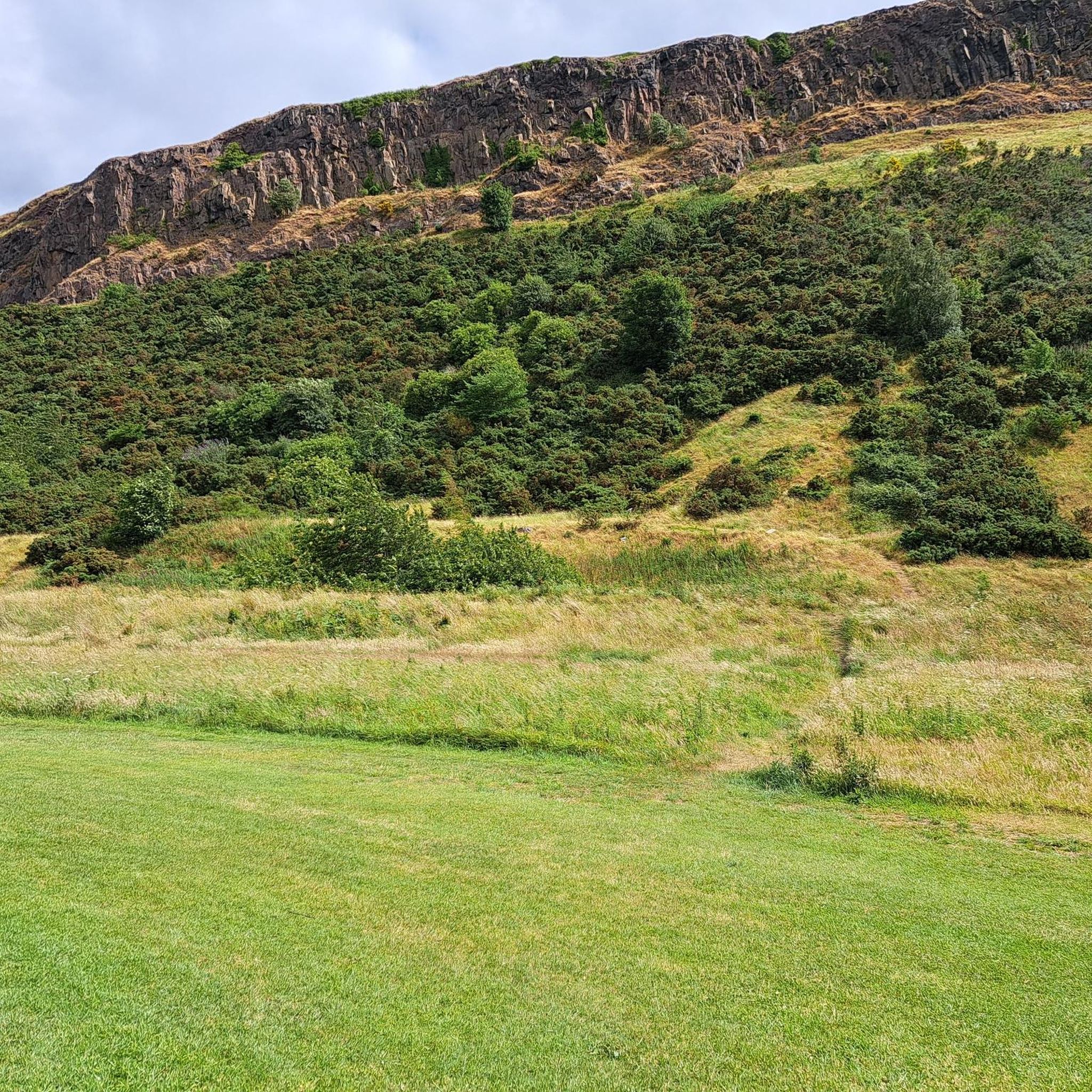
Southside, Edinburgh, is home to prominent natural landmarks. The most notable is Arthur's Seat, an ancient volcano dominating Holyrood Park, offering commanding views across the city and the Firth of Forth. Another significant natural feature is Corstorphine Hill, where you can find the Corstorphine Hill Tower, situated in a designated Local Nature Reserve.
Are there historical sites to visit in Southside, Edinburgh?
Yes, Southside, Edinburgh, boasts several significant historical sites. You can visit St Giles' Cathedral, a historic religious building on the Royal Mile founded in 1124, known for its distinctive crown tower. The Scott Monument is a prominent Victorian monument dedicated to Sir Walter Scott, offering panoramic city views from its top. Additionally, Victoria Street in the Old Town is a historical thoroughfare with buildings dating back to the 16th century.
What are some unique viewpoints in Southside, Edinburgh?
For breathtaking views, Arthur's Seat provides commanding panoramas across the Edinburgh region and the Firth of Forth. The Scott Monument allows visitors to ascend 287 steps for extensive city views. Another excellent spot is the Corstorphine Hill Tower, which, when open, offers incredible views over the city from its 531-foot elevation.
What do visitors particularly enjoy about the attractions in Southside, Edinburgh?
Visitors frequently praise the stunning views from Arthur's Seat, noting its dramatic rise and the rewarding vistas. The architectural beauty and historical significance of St Giles' Cathedral are also highly appreciated. Many enjoy the picturesque and colorful streetscape of Victoria Street, making it a popular spot for photos.
Are there family-friendly attractions in Southside, Edinburgh?
Yes, several attractions in Southside, Edinburgh, are suitable for families. Climbing Arthur's Seat can be an adventure for 'little legs and future Munro baggers,' with various routes to the top. Both St Giles' Cathedral and the Scott Monument are listed as family-friendly, offering historical exploration and unique experiences like ascending the monument's steps. Victoria Street with its colorful shops is also a pleasant area for families to explore.
Are there any wheelchair accessible attractions in Southside, Edinburgh?
While many historical sites in Edinburgh's Old Town present accessibility challenges due to their age and terrain, the Scott Monument is noted as wheelchair accessible. However, accessing the upper viewing platforms requires ascending 287 steps. For outdoor areas, it's advisable to check specific trail conditions for accessibility.
What is the best time of day to visit popular spots like Arthur's Seat or Corstorphine Hill Tower?
For Corstorphine Hill Tower, it is recommended to visit in the morning as the hill can become very busy after midday. For Arthur's Seat, early morning or late afternoon can offer fewer crowds and beautiful light, especially for photography.
Are there easy hiking trails around Southside, Edinburgh?
Yes, there are several easy hiking trails around Southside, Edinburgh. You can find routes like the 'East Ascent of Arthur's Seat – Dunsapie Loch loop' or the 'Royal Mile – Edinburgh Castle loop'. For more options, explore the dedicated guide to Easy hikes around Southside.
What kind of hiking opportunities are available around Southside, Edinburgh?
Southside, Edinburgh, offers a variety of hiking opportunities, from easy strolls to more moderate climbs. You can tackle the ascent of Arthur's Seat, which has multiple routes. Other trails include loops around Holyrood Palace and St. Anthony's Chapel Ruins. For a comprehensive list, check out the Hiking around Southside guide.
Are there options for gravel biking near Southside, Edinburgh attractions?
Yes, gravel biking is a popular activity near Southside, Edinburgh. You can find routes like 'Auld Reekie ride out from Edinburgh' or 'Dalkeith Palace and Gazebo – The Innocent Railway loop'. For detailed routes and more options, refer to the Gravel biking around Southside guide.
Are there dog-friendly walks in Southside, Edinburgh?
Many outdoor areas around Southside, Edinburgh, are suitable for dog walks. Holyrood Park, which encompasses Arthur's Seat, is a popular choice for dog owners. Corstorphine Hill, home to the Corstorphine Hill Tower, is also a Local Nature Reserve with trails suitable for dogs, though visitors are asked not to disturb wildlife.
What outdoor activities are suitable for winter in Southside, Edinburgh?
In winter, outdoor activities in Southside, Edinburgh, can still be enjoyed, though conditions may vary. Hiking up Arthur's Seat is possible, but it can be windy and cold in the upper areas, so warm clothing and stable shoes are recommended. The trails around Corstorphine Hill also remain accessible. Always check local weather conditions before heading out.
Most popular routes around Southside
Most popular attractions around Southside

Get inspired with the komoot mobile app


Explore more
Still not found the Highlight you’re looking for? See guides of the top attractions in other regions:
