Attractions and Places To See around Marchmont And Sciennes - Top 20
Best attractions and places to see around Marchmont And Sciennes include a blend of historical architecture, green spaces, and local points of interest. Located just south of Edinburgh's city centre, these residential areas offer a distinct local experience. The districts are characterized by Victorian tenements and provide access to expansive public parks. This area serves as a convenient base for exploring both local landmarks and nearby prominent Edinburgh sites.
Best attractions and places to see around Marchmont And Sciennes
- The most popular attractions is Arthur's Seat, a summit that offers commanding views across the Edinburgh region and the Firth of Forth. This ancient volcano rises dramatically above the city and is a popular objective for hikers.
- Another must-see spot is Scott Monument, a man-made monument and viewpoint. This Victorian monument, dedicated to Sir Walter Scott, stands approximately 61 meters tall and features a staircase leading to a viewing platform.
- Visitors also love Victoria Street, a man-made monument and historical site. This street in Edinburgh's Old Town is known for its gentle curve, colorful shop fronts, and historical architecture dating back to the 16th century.
- Marchmont And Sciennes is known for its natural features, historical landmarks, and cultural sites. Visitors can explore green spaces like The Meadows, admire Victorian architecture, and discover independent shops and cafes.
- The attractions around Marchmont And Sciennes are appreciated by the komoot community, with more than 1200 upvotes and more than 800 photos shared across 5 highlights.
Last updated: October 18, 2026
Arthur's Seat
Highlight • Summit
Tip by

Scott Monument
Highlight • Viewpoint
Translated by Google •
Tip by

Sign up now to discover places like this
Get recommendations on the best single tracks, peaks, & plenty of other exciting outdoor places.
Royal Mile
Highlight • Viewpoint
Tip by
Corstorphine Hill Tower
Highlight • Viewpoint
It's irregularly opened to the public in the summer months as from the top there are incredible views to be had over the city.
Read more at: corstorphinehill.org.uk/about-the-hill.html
Tip by

Victoria Street
Highlight • Monument
Tip by

Sign up for free to discover even more attractions around Marchmont And Sciennes.
Already have an account?
Start today with a free account
Your next adventure awaits.
Popular around Marchmont And Sciennes
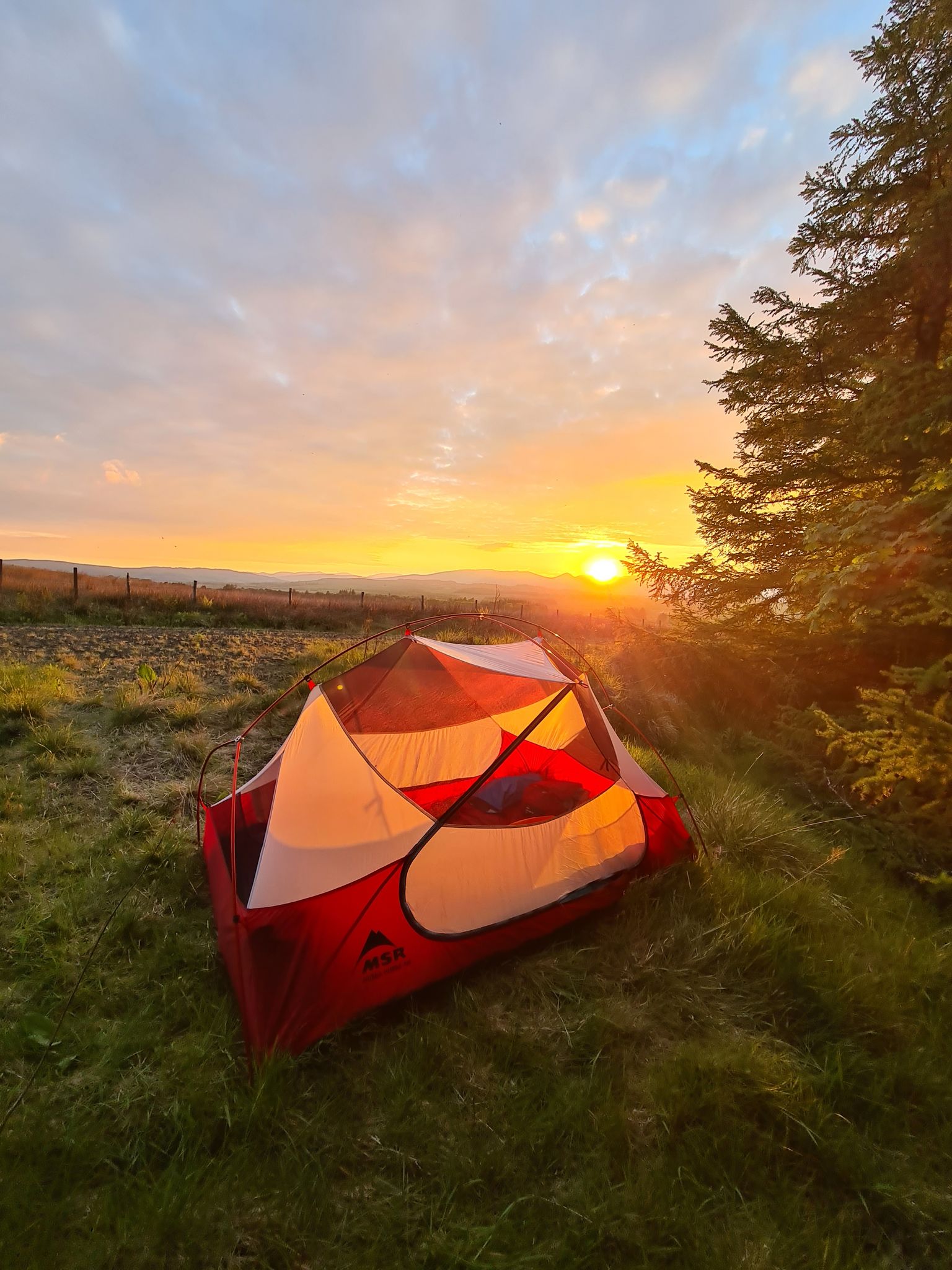
The John Muir Way — A conservationist's Scottish coast to coast
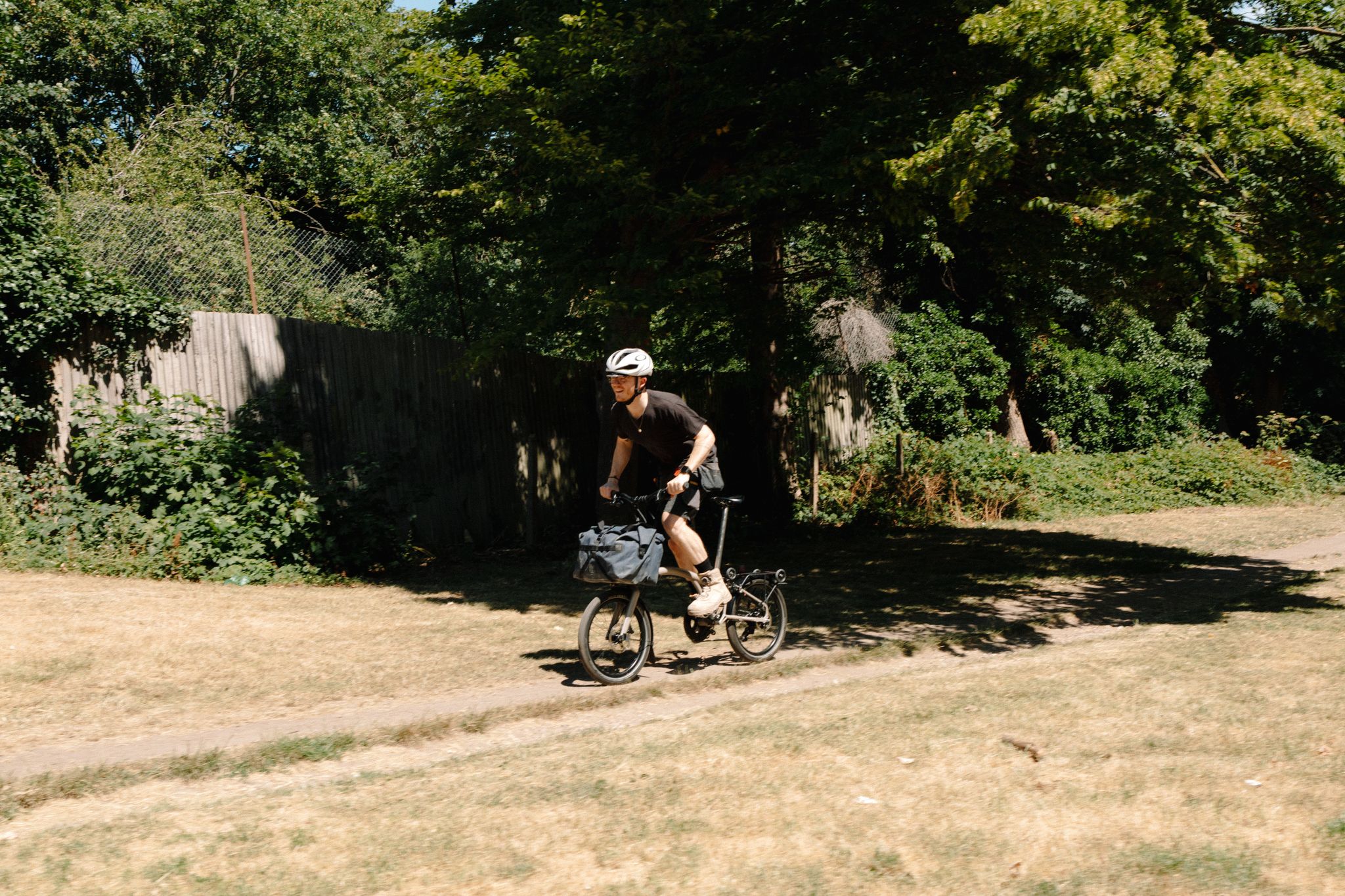
Brompton G Line: Beyond the Everyday around Bristol, London & Edinburgh
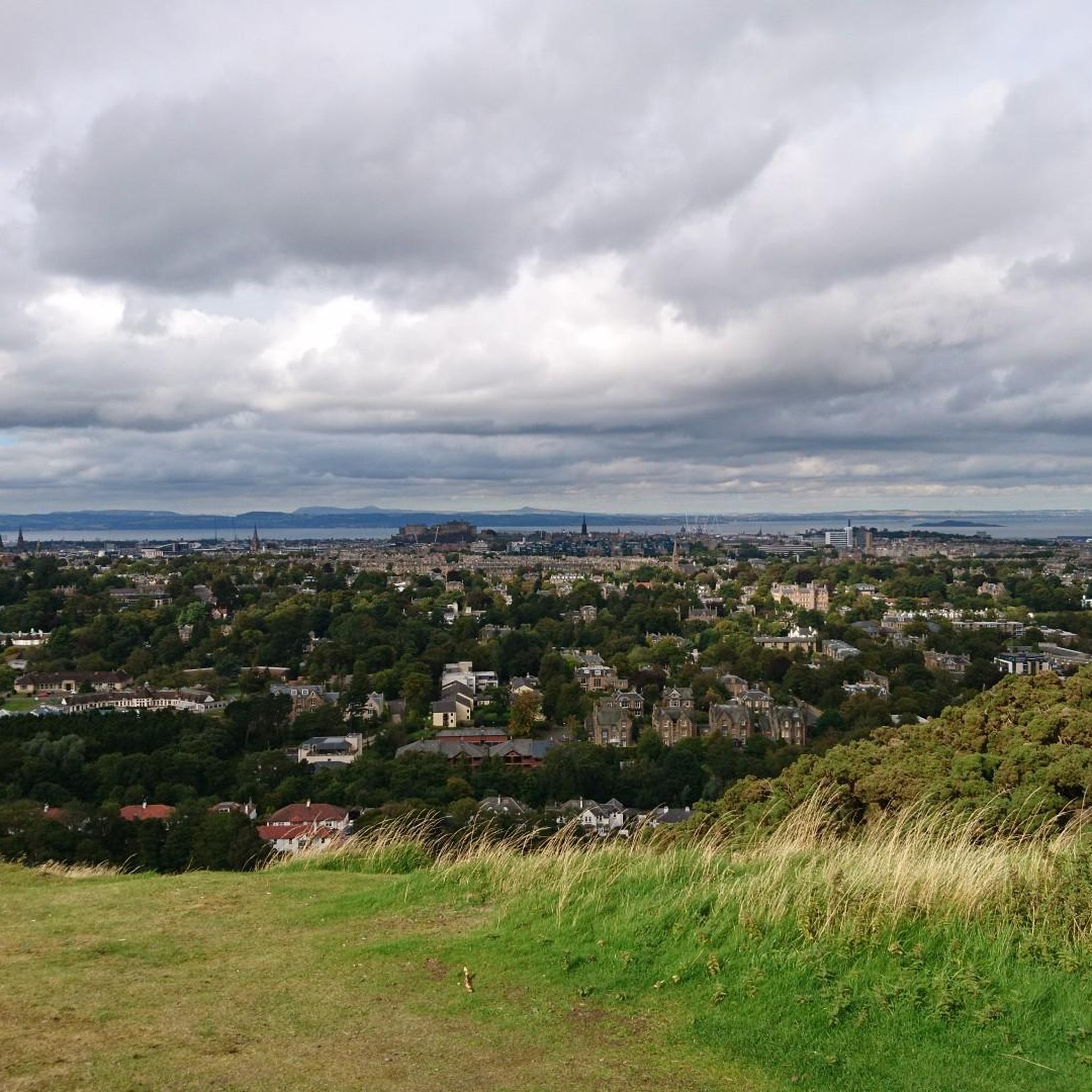
Running Trails around Marchmont And Sciennes
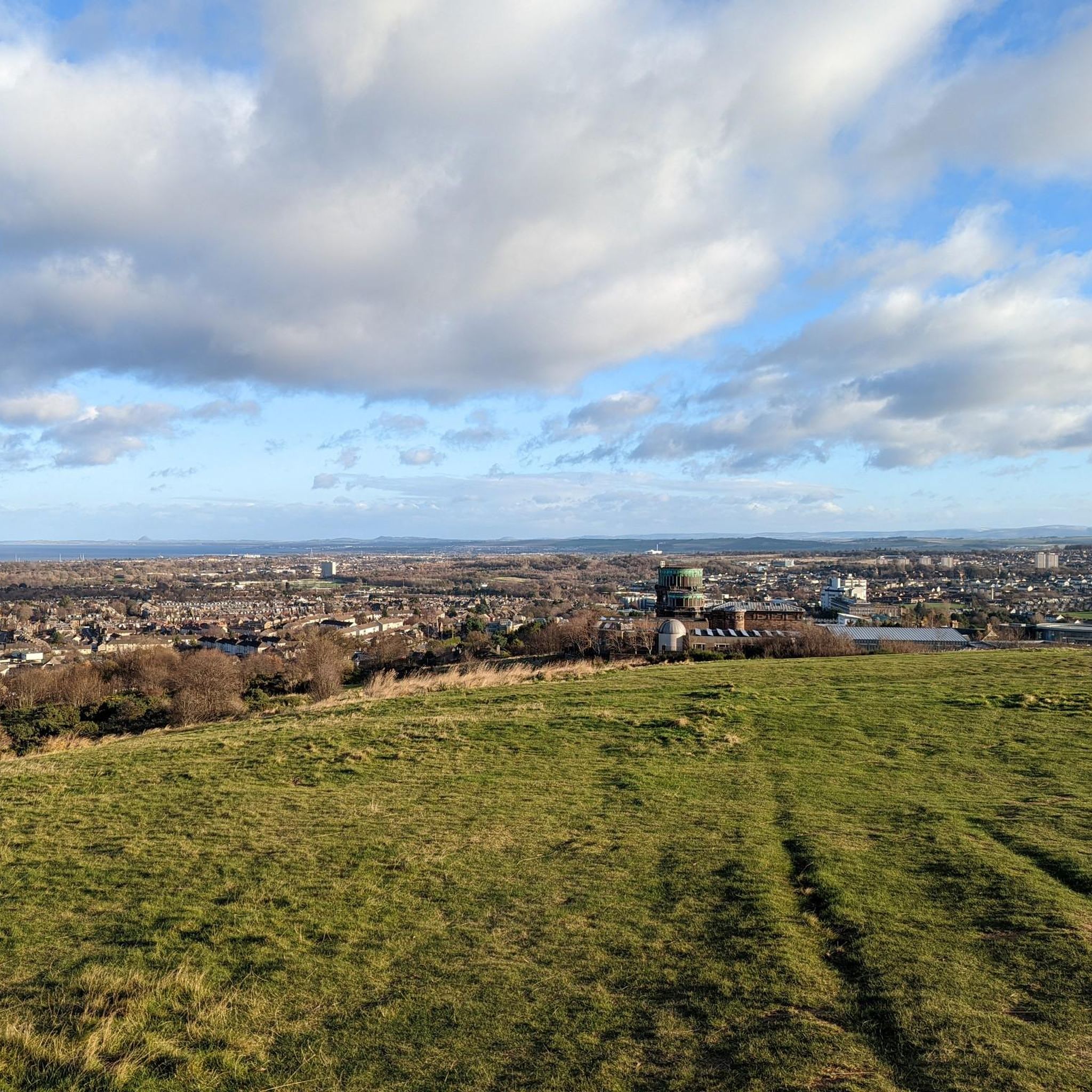
MTB Trails around Marchmont And Sciennes
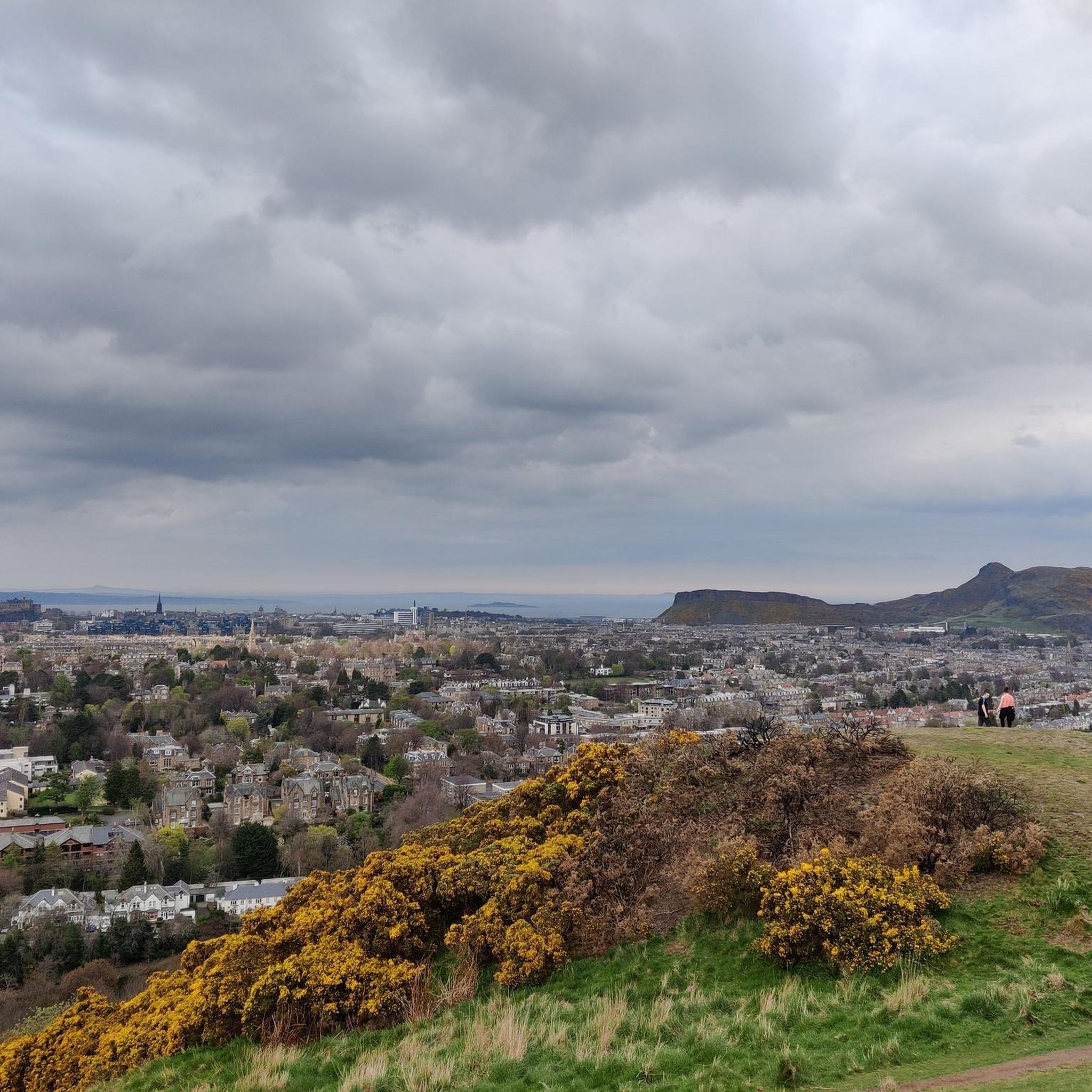
Cycling around Marchmont And Sciennes
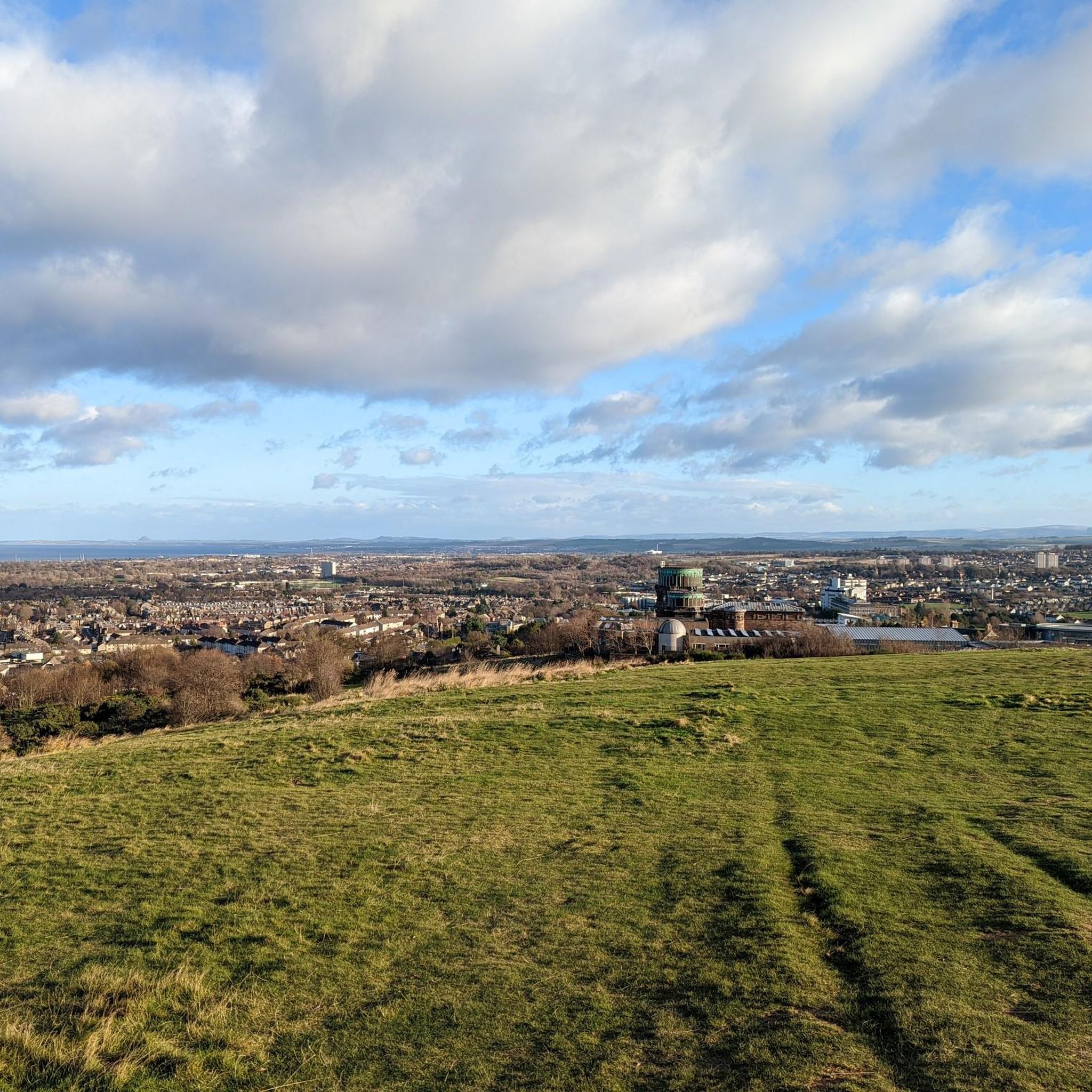
Hiking around Marchmont And Sciennes
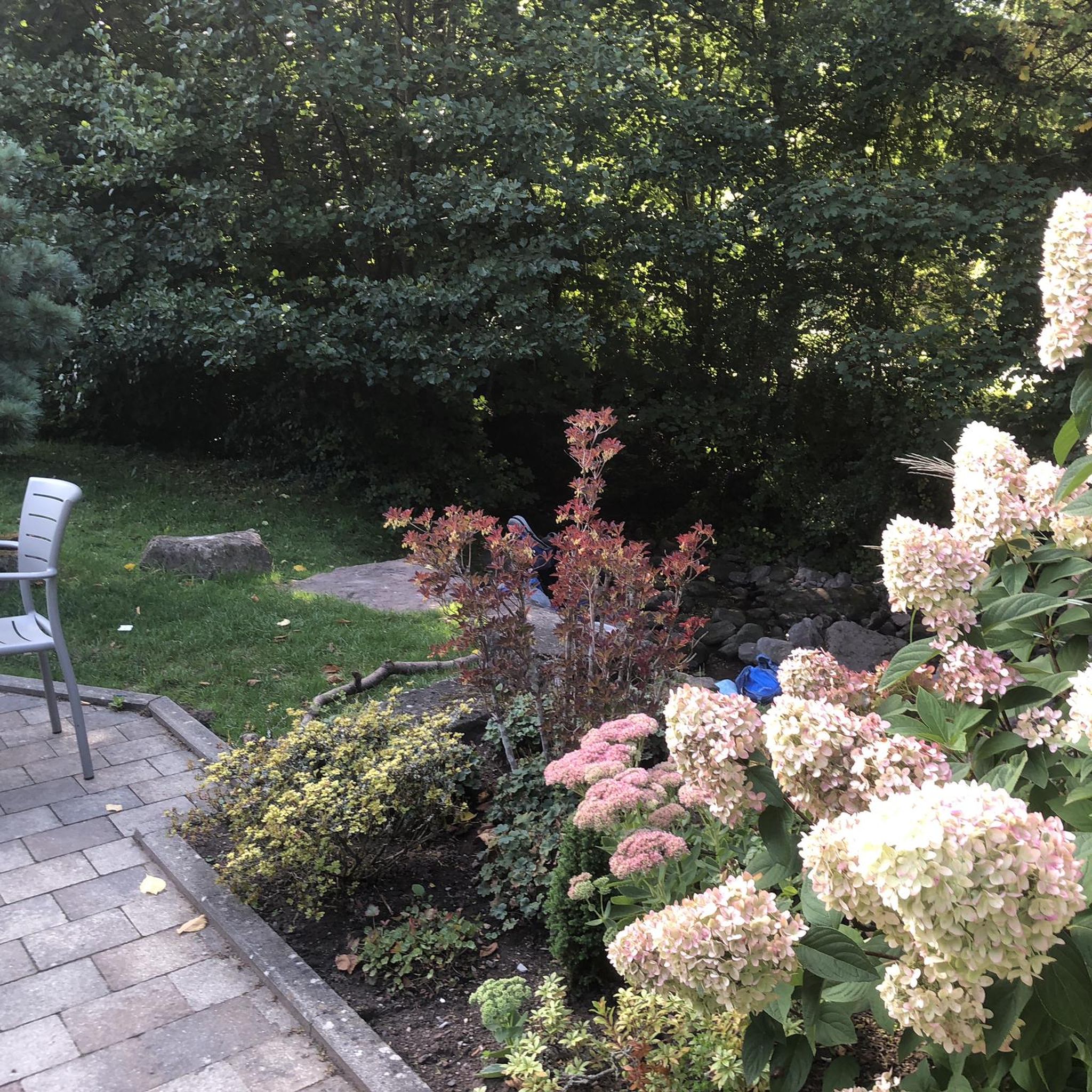
Gravel biking around Marchmont And Sciennes
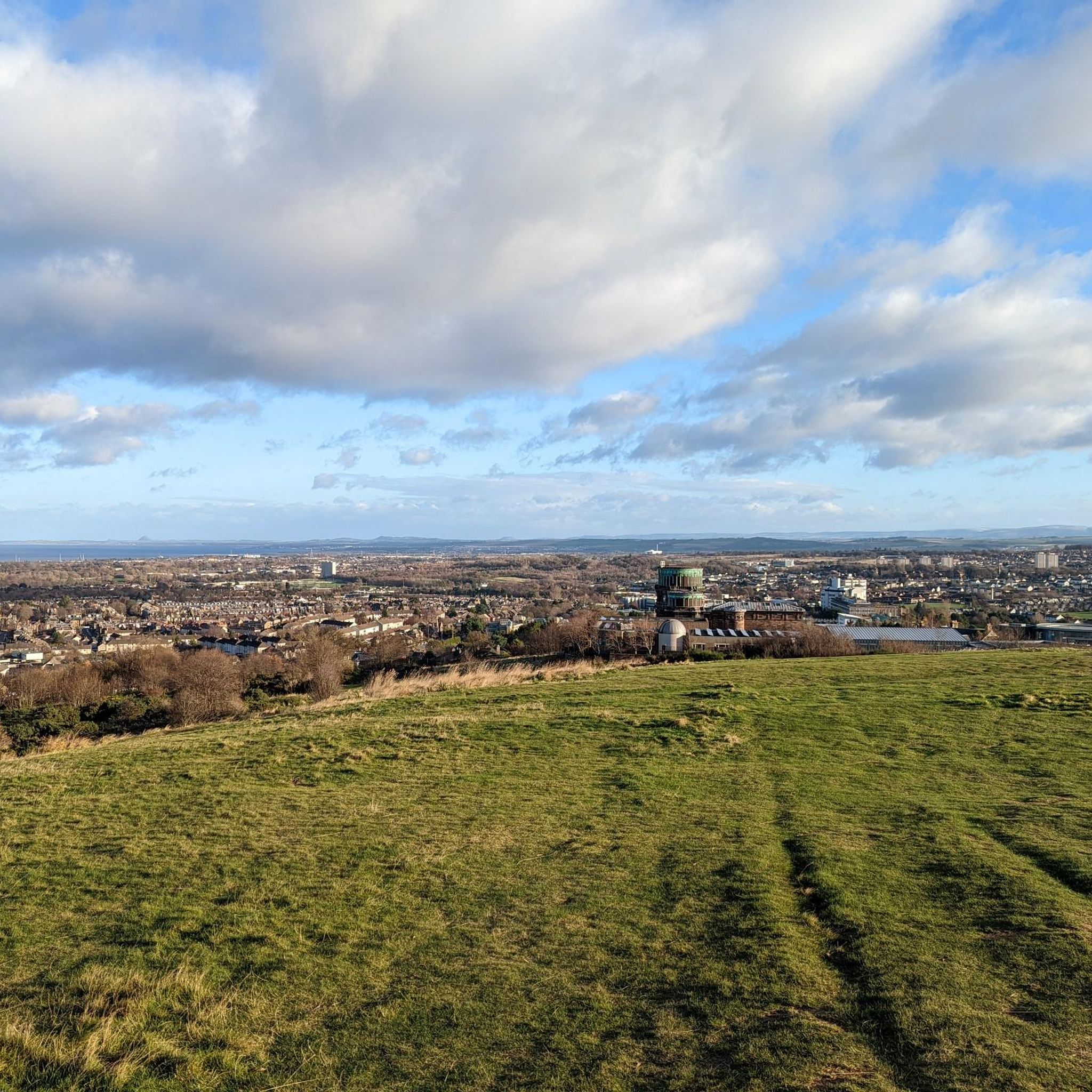
Road Cycling Routes around Marchmont And Sciennes


Tips from the Community

Victoria Street in Edinburgh is known for its unique, curved, cobbled design, the vibrant rainbow-coloured shop fronts, and the characteristic two-storey layout with an upper terrace. The street, built between 1829 and 1834, is believed by many to have been the inspiration for Diagon Alley in the Harry Potter books. (Facebook)
5
0

This is how some 200 years ago, bookworms began: "In that lovely district of merry England, which is watered by the River Don, there was in ancient times a great wood... Here dwelt... the fabulous Dragon of Wantley; here were fought several of the bloodiest battles during the Rose Civil Wars..." Through translations, Scott's fame on the British Isles soon spread throughout Europe, even to the New World. The author, who continued to publish his books anonymously, with the reference "By the Author of Waverley," naturally rejoiced in his hiding place over the success – until, by chance, it was revealed that he, Walter Scott, was the author. The honors in Scotland were endless. The toast Lord Meadowbank made at a banquet held in Scott's honor in 1827 remains valid in Scotland to this day: "The beauties of our country... and the fame of our ancestors have been carried by him beyond the shores of this island, to the ends of the earth. He has... immortalized the name of Scotland..." (Text from https://www.deutschlandfunk.de/250-geburtstag-des-schriftstellers-wie-sir-walter-scott-den-100.html )
0
0


To climb to the top of the tower, you must climb 287 steps, which are divided into four levels, where you can pause and rest if you wish. As you continue up the spiral staircase, the climb becomes increasingly challenging as the walls become narrower and the steps become unstable. Although the climb may seem endless and a bit tiring, the effort will be worth it once you reach the top. Here, you'll be able to enjoy some of the best views of Edinburgh. Simply stunning views. If you don't suffer from claustrophobia or have a condition that prevents you from climbing to the top of the Scott Monument, we highly recommend climbing to the top to enjoy the breathtaking views. https://www.introducingedinburgh.com/scott-monument
5
0
The history of the monument, and much more, is told in the monument's museum hall on the first floor. Visitors can learn more about Scott himself, his eventful life, his legacy in international literature, and the monument built in his honor. Audio points allow visitors to listen to excerpts from his writings. https://www.edinburghmuseums.org.uk/venue/scott-monument
3
1
The Scott Monument is one of Edinburgh's most iconic landmarks, a must-see for visitors and locals alike. Dedicated to Sir Walter Scott, it is one of the greatest monuments to a writer in the world.
3
1
India Buildings on Victoria Street was built in 1864 by architect David Cousins and designed in the fashionable Baronial style of the time. Note the 'bartizan' on top of the building, a small turret inspired by medieval battlements. It was intended to be office space and among the first occupants were the British Linen Bank, the Scottish Chamber of Agriculture and the Geological Survey of Scotland. In recent years many Edinburgh citizens will remember the building as housing the General Register Office. https://ewh.org.uk/victoria-street/
3
0
Frequently Asked Questions
What green spaces and parks can I explore in Marchmont and Sciennes?
Marchmont and Sciennes are bordered by expansive green spaces.
You can enjoy The Meadows, a large public park popular for picnics, sports, and leisurely walks, offering views of Arthur's Seat. Adjacent to it is Bruntsfield Links, another significant green area featuring a free short-hole golf course.
Are there any historical landmarks or unique architecture to see in the area?
Yes, the area is rich in history and distinctive architecture. You can admire the Victorian tenements that characterize both Marchmont and Sciennes, particularly the Scots Baronial style in Marchmont. Notable buildings include the B-listed Victorian Warrender Swim Centre with its neo-Jacobean exterior, and Marchmont St Giles Church, known for its intricate Tindal Mosaic. Also, look out for Sciennes Hill House, a historic site where Robert Burns and Walter Scott famously met.
What cultural sites or points of interest are there beyond the main attractions?
Beyond the well-known spots, Marchmont and Sciennes offer several cultural points of interest. The area is known for its vibrant community of independent shops, cozy cafes, and restaurants. You might enjoy browsing Looking Glass Books, a local 'booktique' café with a lively literary scene. The area also has strong literary connections, having inspired authors like Ian Rankin and Muriel Spark, and was briefly home to J.K. Rowling.
What outdoor activities can I do near Marchmont and Sciennes?
The proximity to green spaces and Edinburgh's varied landscape makes Marchmont and Sciennes a great base for outdoor activities. You can find numerous running trails, including loops around The Meadows and routes offering views of Edinburgh. For cyclists, there are gravel biking and road cycling routes that explore the city and surrounding areas, such as the Arthur's Seat Climb or longer rides towards Roslin Glen Country Park.
Are there any family-friendly attractions or activities in Marchmont and Sciennes?
While the immediate area is largely residential, the expansive green spaces like The Meadows and Bruntsfield Links are perfect for family outings, picnics, and outdoor play. Many of the historical sites and architectural walks can also be enjoyed by families. For a more structured activity, the Scott Monument offers a climb to a viewing platform, which can be an engaging experience for older children.
What are some of the most popular viewpoints accessible from Marchmont and Sciennes?
One of the most popular viewpoints is Arthur's Seat, an ancient volcano offering commanding views across Edinburgh and the Firth of Forth. Although not directly in Marchmont, it's a prominent landmark visible from the area and a popular hiking destination. Another notable viewpoint is the Scott Monument, a Victorian monument with a staircase leading to a viewing platform.
Where can I find unique shopping and dining experiences in Marchmont?
Marchmont is well-regarded for its independent shops and cozy cafes, offering a distinct local flavor. You'll find a variety of establishments like Eddie's Seafood Market, D. Fraser McLeod (greengrocers), and The New Leaf Co-op for specialty foods. For cafes, popular choices include Red Box Coffee, Victor Hugo, The Birchwood, and Cafe Artista, perfect for a relaxed break.
What is the significance of the Old Jewish Burial Ground in Sciennes?
The Old Jewish Burial Ground in Sciennes House Place holds historical significance as Scotland's first Jewish cemetery. Opened in 1816 and closed in 1870, it features memorials, some of which are inscribed in Hebrew, offering a glimpse into the area's diverse past.
How accessible are the attractions in Marchmont and Sciennes by public transport?
Marchmont and Sciennes are largely residential areas located just south of Edinburgh's city centre, making them easily accessible by public transport. Lothian Buses serve the area well, connecting it to the city centre and other parts of Edinburgh. Many attractions, including The Meadows and local shops, are within walking distance once you arrive in the district.
What is the best time to visit Marchmont and Sciennes for outdoor activities?
The best time to visit Marchmont and Sciennes for outdoor activities largely depends on your preference. Spring, particularly during cherry blossom season, makes The Meadows especially beautiful. Summer offers pleasant weather for walking, picnics, and enjoying the green spaces. While the area is enjoyable year-round, be prepared for potentially windy or cold conditions, especially when hiking to viewpoints like Arthur's Seat.
Are there any literary connections or sites of interest for book lovers?
Absolutely. Marchmont has strong ties to literature. Ian Rankin's famous character Inspector John Rebus is said to have lived on Arden Street in Marchmont. Muriel Spark based many of her stories on the area where she grew up and went to school. Additionally, J.K. Rowling briefly resided on Marchmont Road. You can also visit Looking Glass Books, a local 'booktique' café that hosts literary events.
What do visitors enjoy most about Marchmont and Sciennes?
Visitors frequently appreciate the blend of historical architecture, expansive green spaces, and the vibrant local community. The area offers a distinctly local and charming experience, away from the more intense tourist crowds, while still being conveniently located near Edinburgh's city centre. The independent shops, cozy cafes, and the opportunity for leisurely strolls in parks like The Meadows are often highlighted as favorite aspects.
Most popular routes around Marchmont And Sciennes
Most popular attractions around Marchmont And Sciennes

Get inspired with the komoot mobile app


Explore more
Still not found the Highlight you’re looking for? See guides of the top attractions in other regions:
