Attractions and Places To See around Grange/Prestonfield - Top 20
Best attractions and places to see around Grange/Prestonfield encompass a range of natural landmarks and historical sites within the Edinburgh area. This region offers opportunities to explore ancient volcanic formations, significant monuments, and historic streets. Visitors can find a variety of outdoor activities and cultural experiences.
Best attractions and places to see around Grange/Prestonfield
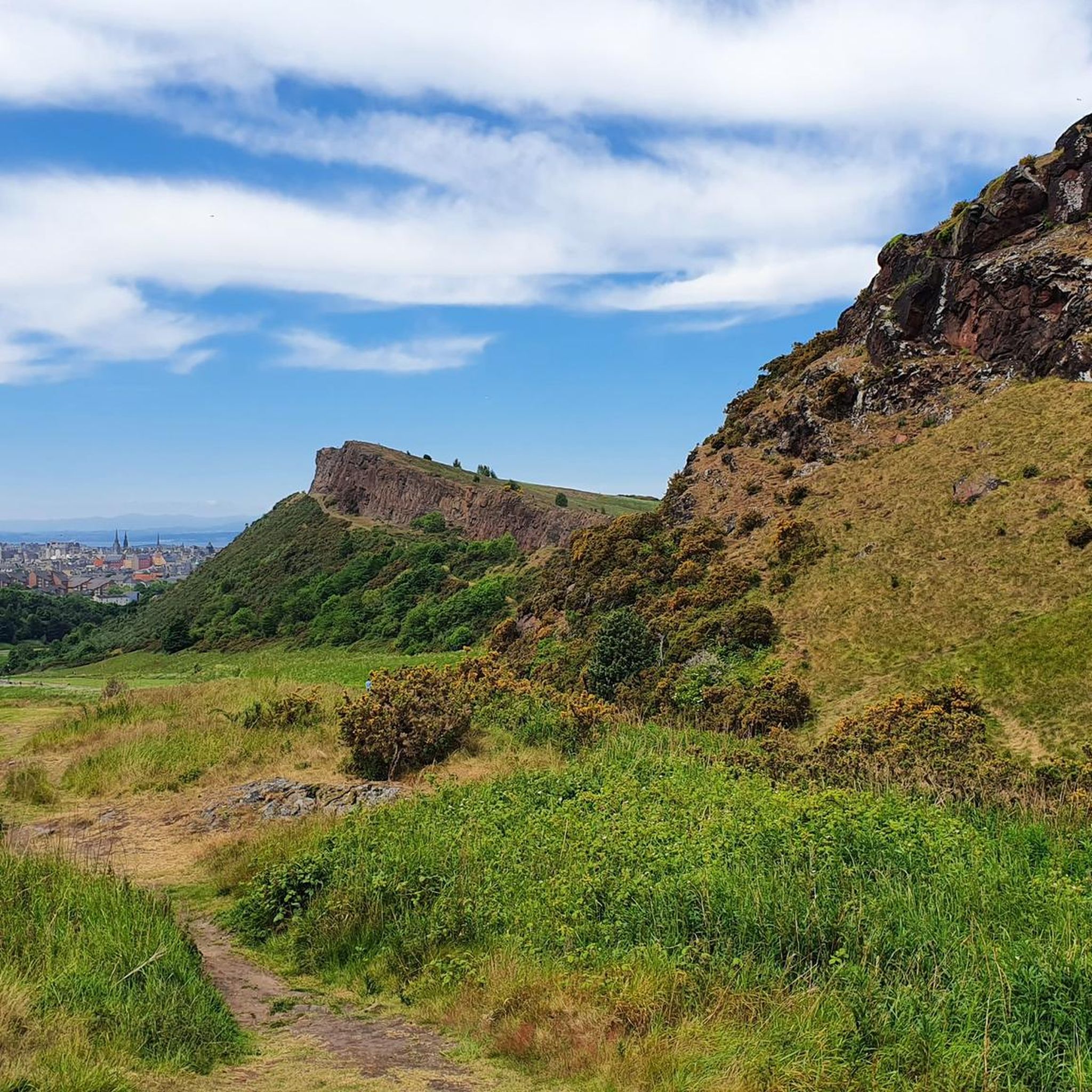
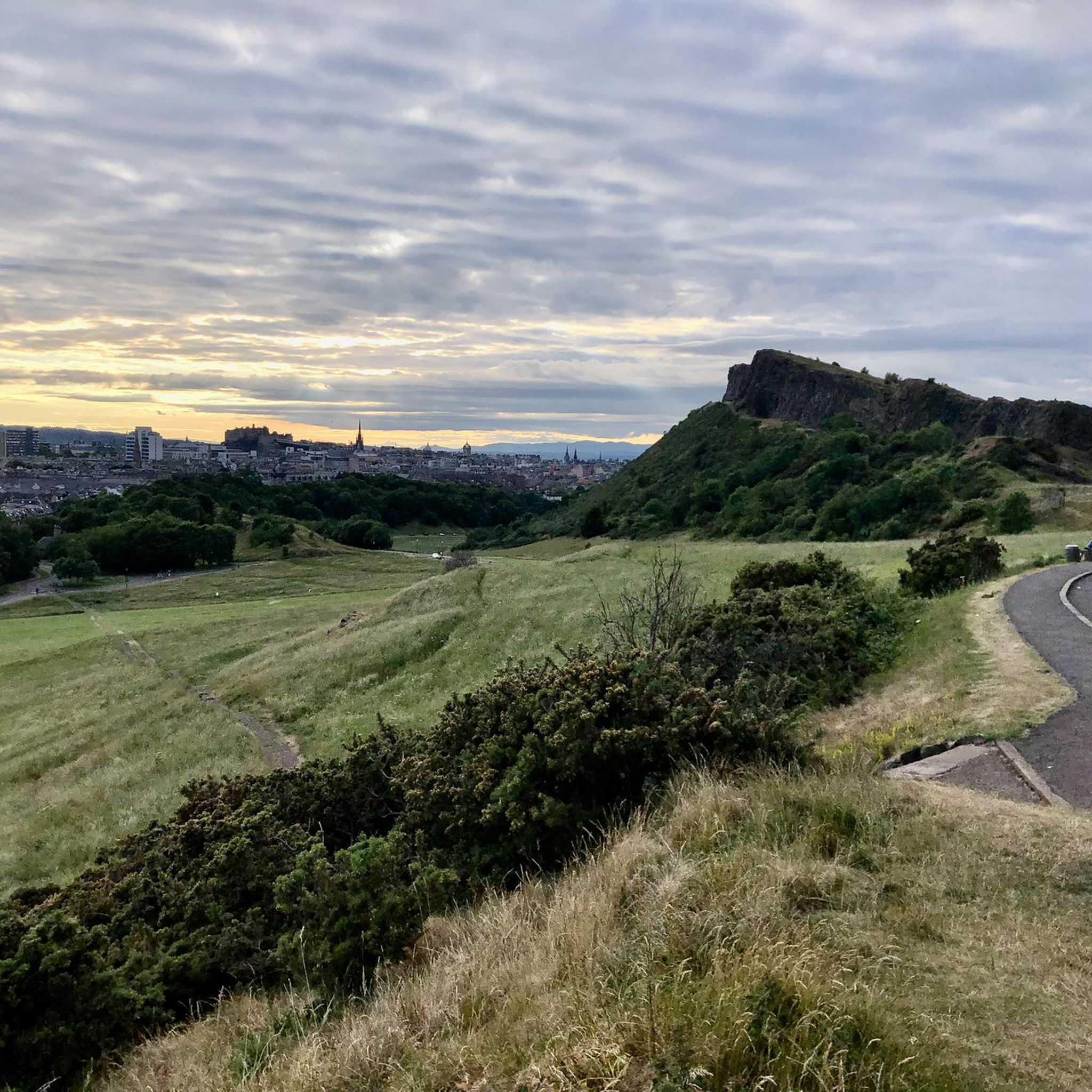
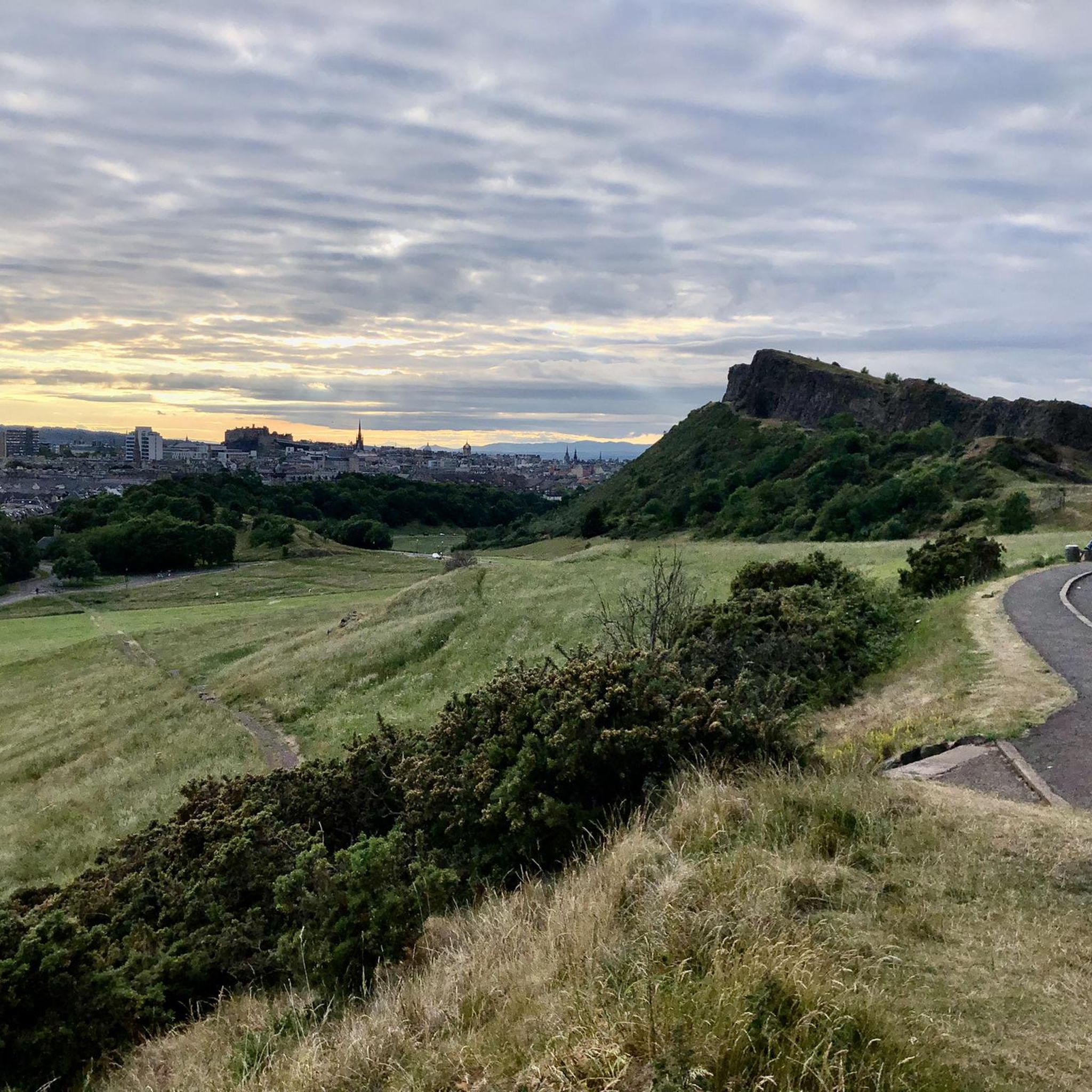
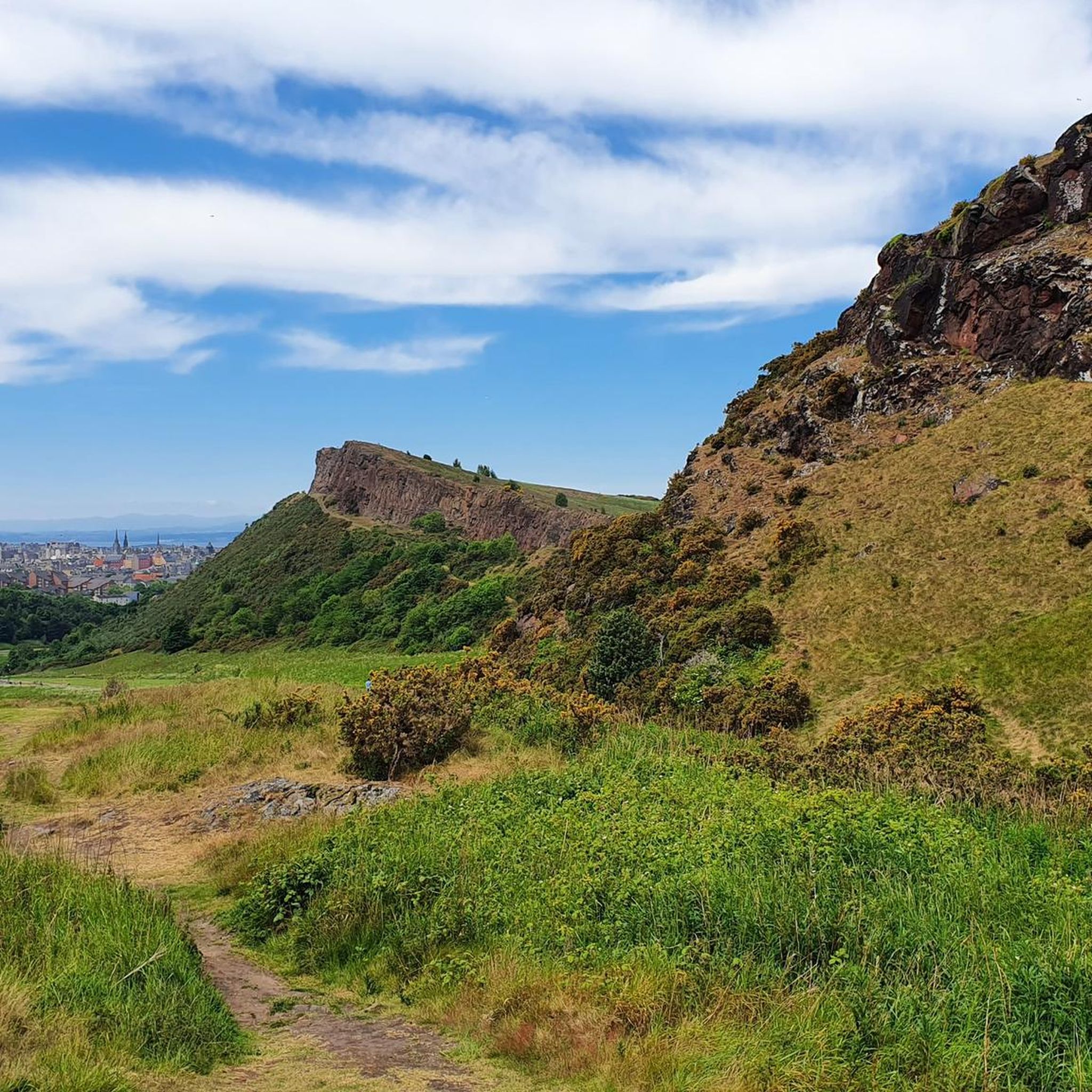
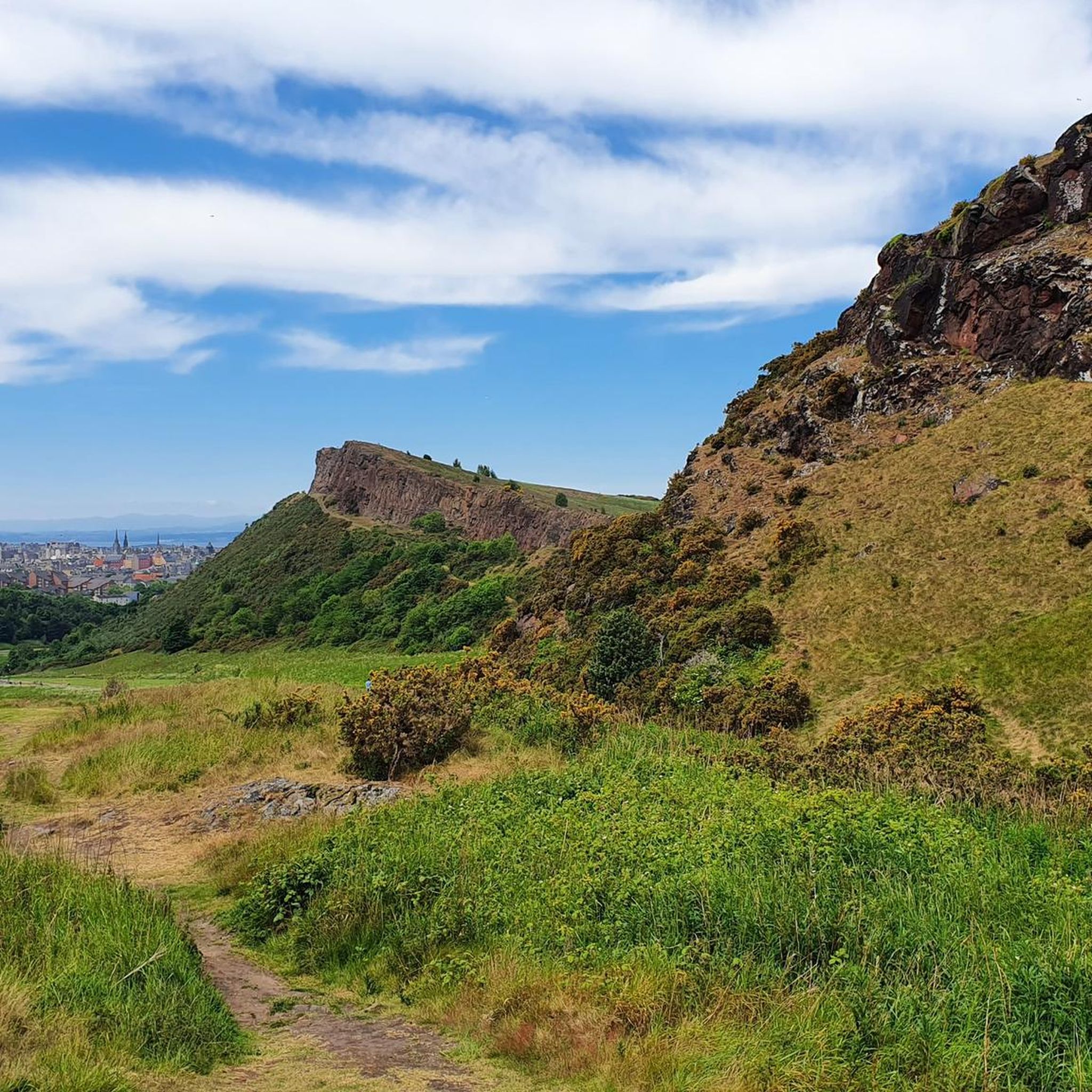
- The most popular attractions is Arthur's Seat, a summit that offers commanding views across the Edinburgh region and the Firth of Forth. This ancient volcano is a popular objective with multiple routes to its peak.
- Another must-see spot is Scott Monument, a Victorian monument dedicated to Sir Walter Scott. Visitors can ascend its 287 steps to a viewing platform for city panoramas.
- Visitors also love Victoria Street, a historic street known for its gentle curve and colorful shop fronts. It is one of the most photographed spots in Edinburgh's Old Town.
- Grange/Prestonfield is known for its summits, viewpoints, and historical sites. The area provides a variety of attractions to see and explore, from natural formations to man-made monuments.
- The attractions around Grange/Prestonfield are appreciated by the komoot community, with over 1200 upvotes and more than 800 photos shared.
Last updated: July 2, 2026
Arthur's Seat
Highlight • Summit
Tip by

Corstorphine Hill Tower
Highlight • Viewpoint
It's irregularly opened to the public in the summer months as from the top there are incredible views to be had over the city.
Read more at: corstorphinehill.org.uk/about-the-hill.html
Tip by

Sign up now to discover places like this
Get recommendations on the best single tracks, peaks, & plenty of other exciting outdoor places.
Sign up for free
Scott Monument
Highlight • Viewpoint
Translated by Google •
Tip by

Royal Mile
Highlight • Viewpoint
Tip by
Victoria Street
Highlight • Monument
Tip by

Sign up for free to discover even more attractions around Grange/Prestonfield.
Sign up for free
Already have an account?
Start today with a free account
Your next adventure awaits.
Login or Signup
Tips from the Community

This is how some 200 years ago, bookworms began: "In that lovely district of merry England, which is watered by the River Don, there was in ancient times a great wood... Here dwelt... the fabulous Dragon of Wantley; here were fought several of the bloodiest battles during the Rose Civil Wars..." Through translations, Scott's fame on the British Isles soon spread throughout Europe, even to the New World. The author, who continued to publish his books anonymously, with the reference "By the Author of Waverley," naturally rejoiced in his hiding place over the success – until, by chance, it was revealed that he, Walter Scott, was the author. The honors in Scotland were endless. The toast Lord Meadowbank made at a banquet held in Scott's honor in 1827 remains valid in Scotland to this day: "The beauties of our country... and the fame of our ancestors have been carried by him beyond the shores of this island, to the ends of the earth. He has... immortalized the name of Scotland..." (Text from https://www.deutschlandfunk.de/250-geburtstag-des-schriftstellers-wie-sir-walter-scott-den-100.html )
0
0

One of the most distinctive places in Edinburgh. Note that a staircase on the right leads to the upper level. It's fascinating how one row of houses stands above another here.
1
0


To climb to the top of the tower, you must climb 287 steps, which are divided into four levels, where you can pause and rest if you wish. As you continue up the spiral staircase, the climb becomes increasingly challenging as the walls become narrower and the steps become unstable. Although the climb may seem endless and a bit tiring, the effort will be worth it once you reach the top. Here, you'll be able to enjoy some of the best views of Edinburgh. Simply stunning views. If you don't suffer from claustrophobia or have a condition that prevents you from climbing to the top of the Scott Monument, we highly recommend climbing to the top to enjoy the breathtaking views. https://www.introducingedinburgh.com/scott-monument
5
0
The history of the monument, and much more, is told in the monument's museum hall on the first floor. Visitors can learn more about Scott himself, his eventful life, his legacy in international literature, and the monument built in his honor. Audio points allow visitors to listen to excerpts from his writings. https://www.edinburghmuseums.org.uk/venue/scott-monument
3
1
The Scott Monument is one of Edinburgh's most iconic landmarks, a must-see for visitors and locals alike. Dedicated to Sir Walter Scott, it is one of the greatest monuments to a writer in the world.
3
1
India Buildings on Victoria Street was built in 1864 by architect David Cousins and designed in the fashionable Baronial style of the time. Note the ‘bartizan’ at the top of the building, a small tower inspired by medieval battlements. It was intended as office space and early occupants included the British Linen Bank, the Scottish Board of Agriculture and the Geological Survey of Scotland. In recent years, many Edinburgh residents will remember the building as housing the Register Office. https://ewh.org.uk/victoria-street/
3
0
Frequently Asked Questions
What are the best places for scenic views around Grange/Prestonfield?
For commanding views across the Edinburgh region and the Firth of Forth, head to Arthur's Seat, an ancient volcano. Another excellent spot is Corstorphine Hill Tower, which offers incredible city panoramas when it's open to the public. You can also ascend the Scott Monument for a unique perspective of the city.
Are there easy walking trails suitable for families near Grange/Prestonfield?
Yes, there are several easy walking options. The ascent to Arthur's Seat has routes suitable for various fitness levels, including those good for 'little legs'. For other easy walks, consider routes like 'The Royal Observatory, Blackford Hill & the Hermitage of Braid loop' or 'Meadow Walk, The Meadows – The Meadows loop from Southside'. You can find more details on these and other hiking routes on the Hiking around Grange/Prestonfield guide.
What historical sites can I visit in the Grange/Prestonfield area?
The area is rich in history. Arthur's Seat is an ancient volcanic formation with historical significance. Scott Monument is a grand Victorian monument dedicated to Sir Walter Scott. St Giles' Cathedral, founded in 1124, is a breathtaking building and a focal point of Scottish history. Additionally, Victoria Street is a historic thoroughfare in Edinburgh's Old Town with buildings dating back to the 16th century.
Are there any family-friendly attractions or activities?
Many attractions are suitable for families. The climb up Arthur's Seat offers routes for all ages. Scott Monument and St Giles' Cathedral are also listed as family-friendly. Exploring the colorful shops and unique architecture of Victoria Street can also be an enjoyable experience for families.
What outdoor activities can I do near Grange/Prestonfield?
Beyond exploring the attractions, you can enjoy various outdoor activities. Hiking is popular, with routes like 'Arthur's Seat – View of Edinburgh loop' and 'St Giles' Cathedral – Scott Monument loop'. Cycling is also an option, with routes such as 'Greyfriars Bobby Statue – The Meadows loop'. For more adventurous riders, there are gravel biking trails like 'Gravel Track Through Woodlands – Singletrack on The Braids Hill loop'. Find detailed routes on the Hiking, Cycling, and Gravel Biking around Grange/Prestonfield guides.
Is there public transport available to reach attractions in the area?
Edinburgh has an extensive public transport network, including buses and trams, making it easy to reach many attractions. For example, St Giles' Cathedral and Victoria Street are centrally located on the Royal Mile, easily accessible by public transport. Arthur's Seat is within Holyrood Park, which is also well-served by bus routes.
Are there any wheelchair accessible paths or attractions?
The Scott Monument is listed as wheelchair accessible, though ascending its 287 steps to the viewing platform is not. While many of Edinburgh's historic streets, like Victoria Street, have cobblestones and inclines, the main thoroughfares and modern areas offer better accessibility. It's advisable to check specific accessibility details for each location prior to your visit.
What do visitors enjoy most about the attractions around Grange/Prestonfield?
Visitors frequently praise the stunning panoramic views from summits like Arthur's Seat and Corstorphine Hill Tower. The historical significance and architectural beauty of sites like St Giles' Cathedral and the unique charm of Victoria Street are also highly appreciated. The komoot community has collectively given over 1200 upvotes and shared more than 800 photos, highlighting the area's appeal.
Are there any hidden gems or less-known attractions worth visiting?
While the main attractions are well-known, exploring the surrounding areas can reveal hidden gems. Corstorphine Hill Tower, though a memorial, is situated within a designated Local Nature Reserve, offering a quieter natural escape with great views. Wandering off the main tourist paths in the Old Town can also lead to charming closes and courtyards not immediately obvious.
What is the best season for hiking around Prestonfield?
While hiking is possible year-round, spring and autumn generally offer the most pleasant conditions with milder temperatures and beautiful scenery. Summer can be good, but trails can be busier. Winter walks are possible, but it can be windy and cold, especially at higher elevations like Arthur's Seat, so appropriate clothing and footwear are essential.
Are there dog-friendly walks in the Prestonfield area?
Many of the natural areas and parks around Prestonfield are dog-friendly. Holyrood Park, home to Arthur's Seat, is a popular spot for dog walking, though dogs should be kept on a lead in certain areas, especially near wildlife. Corstorphine Hill, where Corstorphine Hill Tower is located, is also a Local Nature Reserve suitable for walks with dogs, provided owners respect the natural environment and local regulations.
Most popular routes around Grange/Prestonfield
Most popular attractions around Grange/Prestonfield

Get inspired with the komoot mobile app


Explore more
Still not found the Highlight you’re looking for? See guides of the top attractions in other regions:
