The 20 Most Amazing Peaks around Glenorchy And Innishail
Best mountain peaks around Glenorchy And Innishail are located in the Scottish Highlands, a region characterized by its dramatic landscapes and notable summits. The area, primarily concentrated around Glenorchy and Glencoe, offers a variety of impressive mountain experiences. While Innishail is an island in Loch Awe known for its historical significance, the surrounding mainland boasts a collection of prominent peaks. This region provides diverse terrain for hillwalkers seeking challenging ascents and expansive views.
Best mountain peaks around Glenorchy And Innishail
- The most popular mountain peaks is Stob Coire Raineach (Buachaille Etive Beag), a viewpoint that stands proud above the A82 into Glen Coe. It offers broad views of the Aonach Eagach ridge and the Bidean Massif.
- Another must-see spot is Stob Dearg (Buachaille Etive Mòr) summit, a viewpoint and challenging summit. This iconic peak, often called 'the Buachaille', is the highest point of Buachaille Etive Mòr and provides views over Rannoch Moor and towards Ben Nevis.
- Visitors also love Beinn Dorain, a mountain pass and natural monument. This 1,076-meter Munro is recognized by its distinctive conical shape and offers views across Rannoch Moor and towards the peaks of Glencoe.
- Glenorchy And Innishail is known for its Munros, challenging summits, and scenic viewpoints. The region offers a variety of mountain peaks to see and explore, ranging from iconic pyramidal profiles to complex mountain ranges.
- The mountain peaks around Glenorchy And Innishail are appreciated by the komoot community, with 42 upvotes and 25 photos shared across the highlights.
Last updated: July 2, 2026
Stob Dearg (Buachaille Etive Mòr) summit
Highlight • Viewpoint
Tip by

Beinn Dorain
Highlight • Mountain Pass
Tip by

Sign up now to discover places like this
Get recommendations on the best single tracks, peaks, & plenty of other exciting outdoor places.
Sign up for free
Stob Coire Raineach (Buachaille Etive Beag)
Highlight • Viewpoint
The summit is a wonderful perch for gazing out across the Aonach Eagach's intimidating ridge to the northwest. Closer at hand is the huge Bidean Massif, an unforgettable sight.
Tip by

Bidean nam Bian Summit
Highlight • Summit
As the highest point for many miles around, Bidean Nam Bian provides a wonderful West Highland panorama. Highlights include the rounded dome and arcing ridgeline of Ben Nevis and the CMD Arête beyond the Aonach Eagach and the Mamores to the north; the view south to Loch Etive and complex Ben Starav; and west past Beinn a' Bheithir towards Mull and the sea.
Tip by
Ben Lui Summit
Highlight • Natural Monument
The approach from the east is the most scenic but it makes for a long day. Of the two ridges above Corie Gaothach, the northeast ridge is the less technical, whereas the east ridge entails a little scrambling.
A quicker approach to Ben Lui is by sneaking up its back from Glen Lochy (the most Scottish sounding glen of all) to the north. It can easily be linked with neighbouring Beinn a'Chleibh from this direction.
Tip by
Sign up for free to discover even more peaks around Glenorchy And Innishail.
Sign up for free
Already have an account?
Start today with a free account
Your next adventure awaits.
Login or Signup
Popular around Glenorchy And Innishail
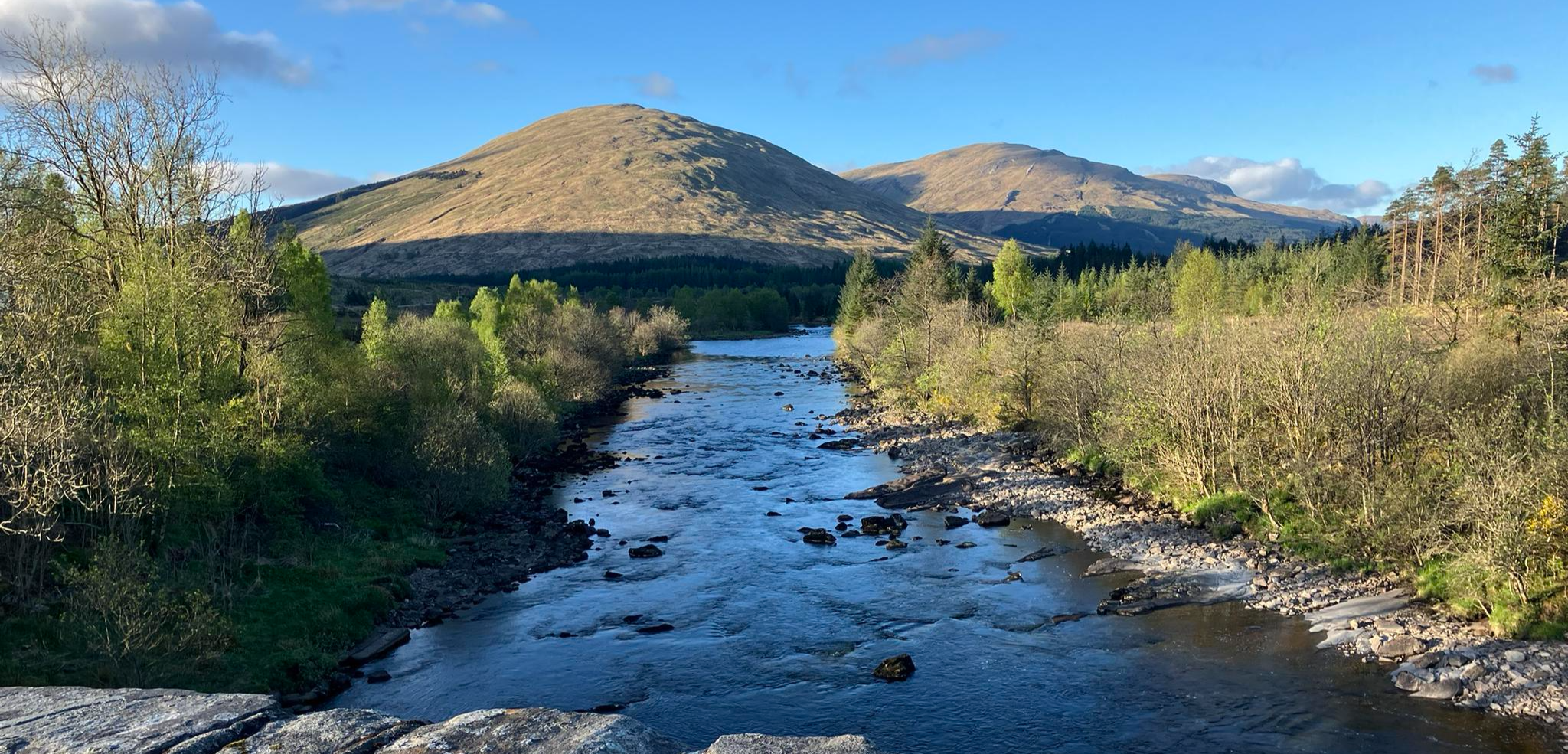
Running the West Highland Way – Scotland's Great Trails
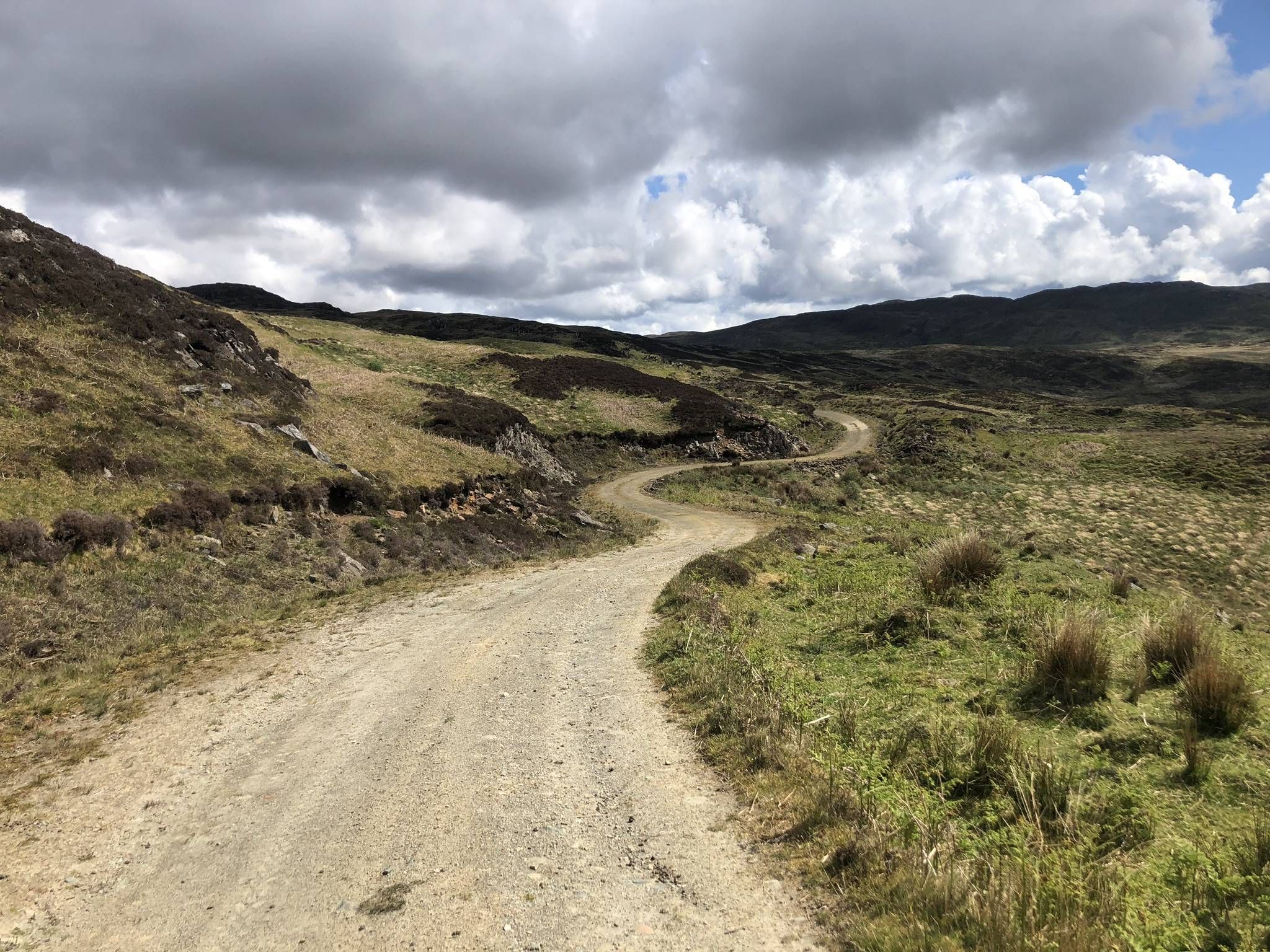
The Faultline Trail — Scotland tip to tip
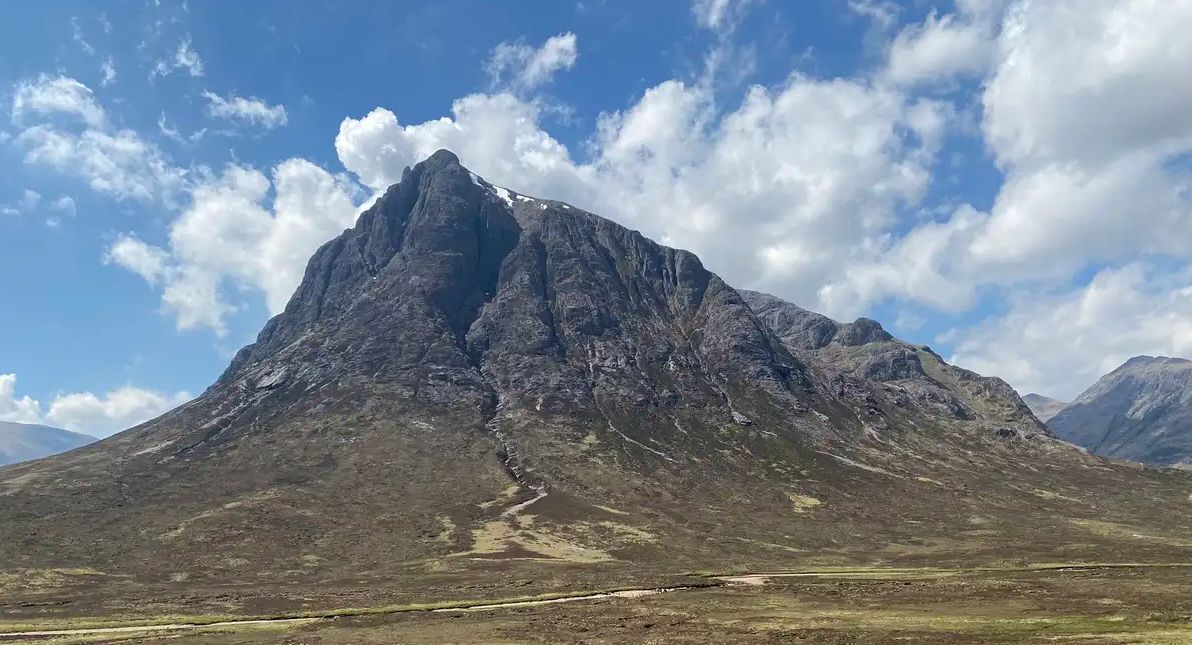
West Highland Way — Hike Scotland's most iconic long distance trail
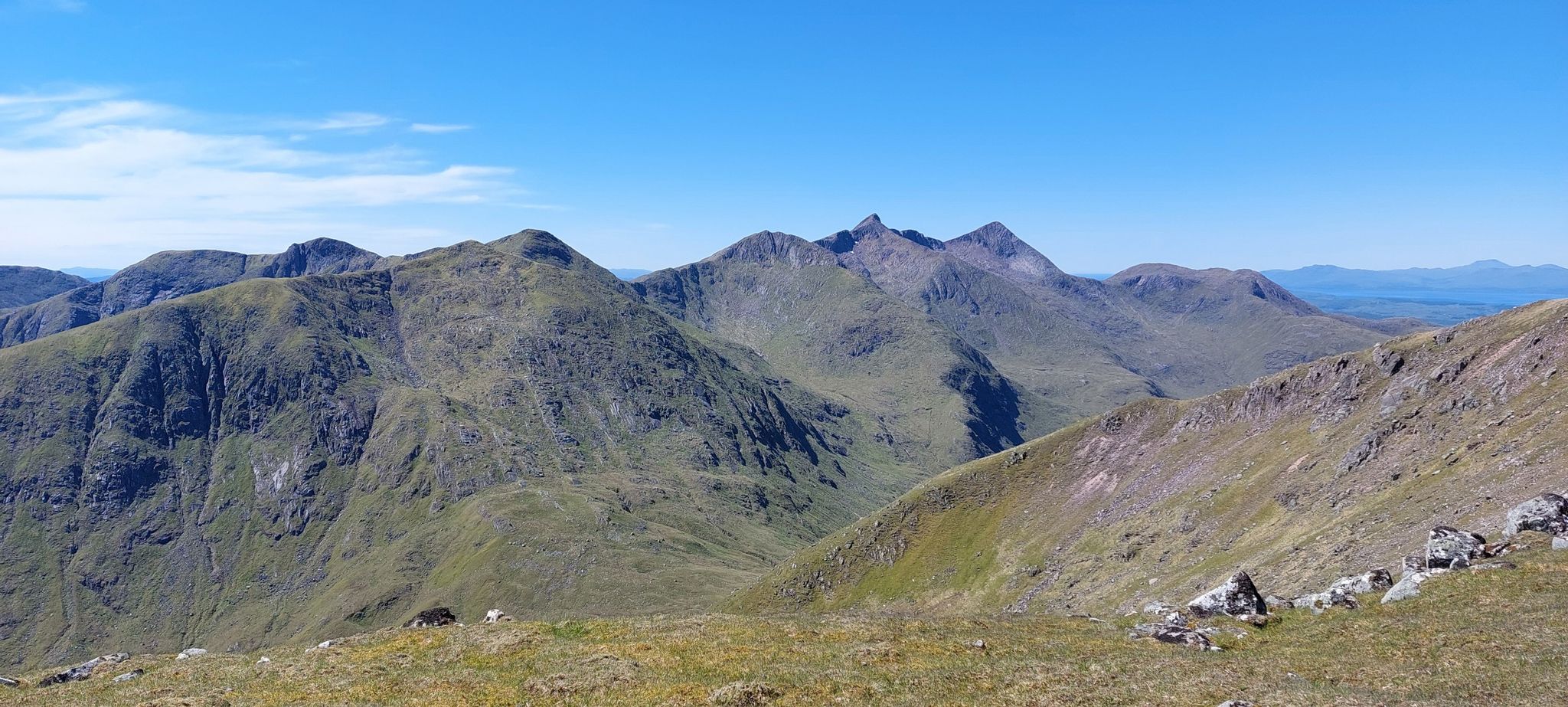
Glorious glens and magical Munros – hiking the Southern Highlands
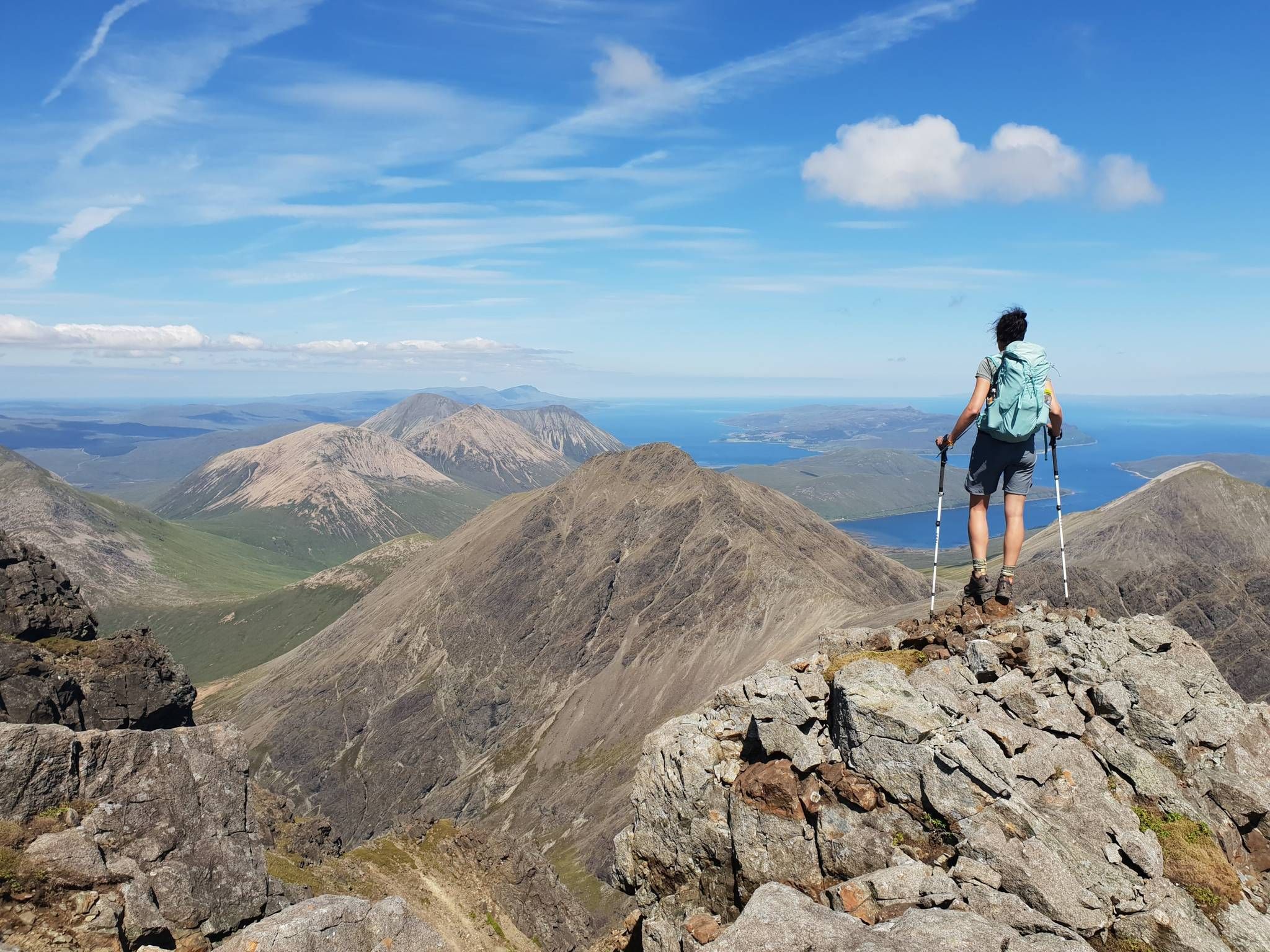
Hiking the 282 munro mountains of Scotland in 95 routes
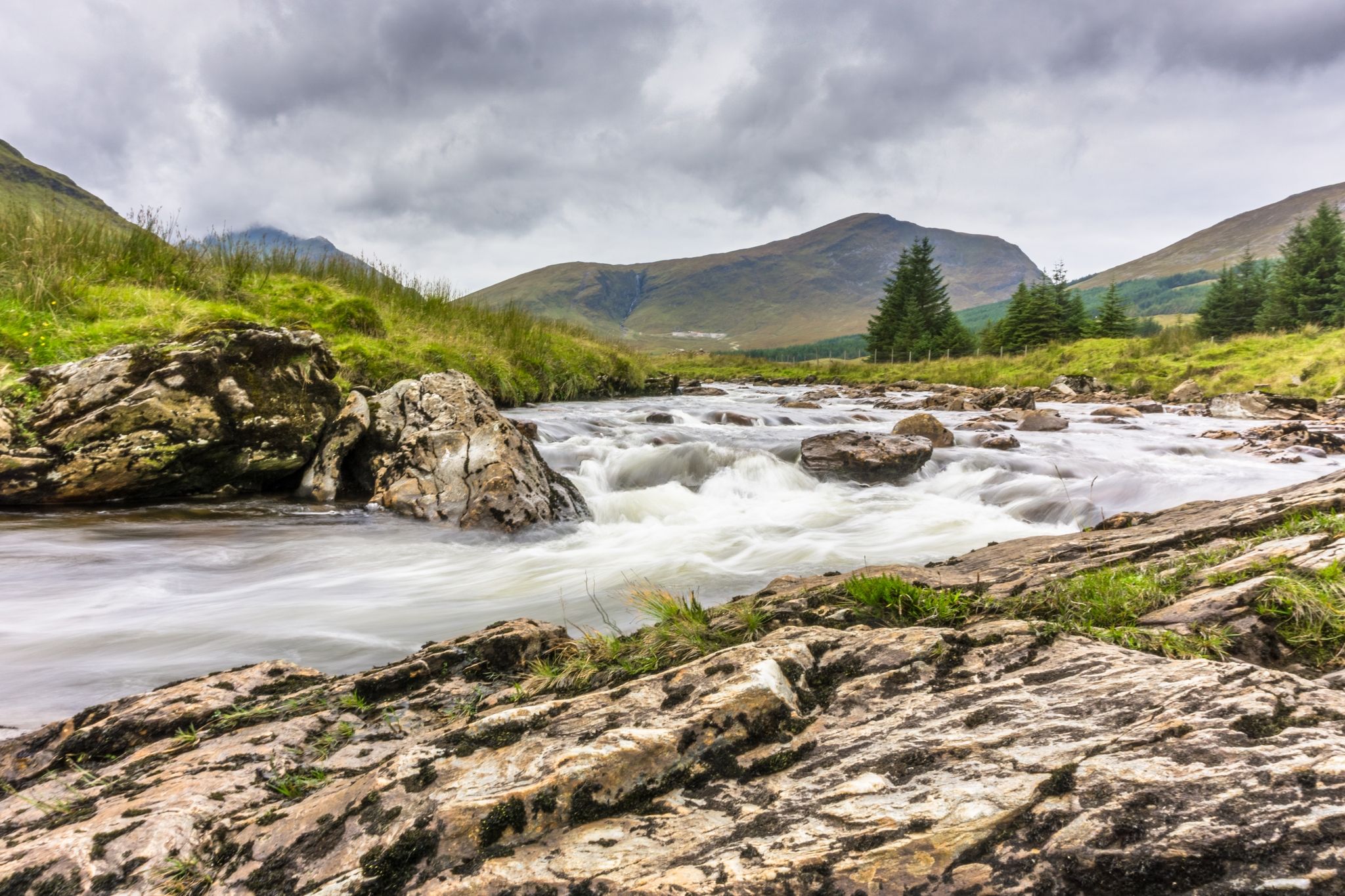
7 hikes in the lush landscapes of Scotland
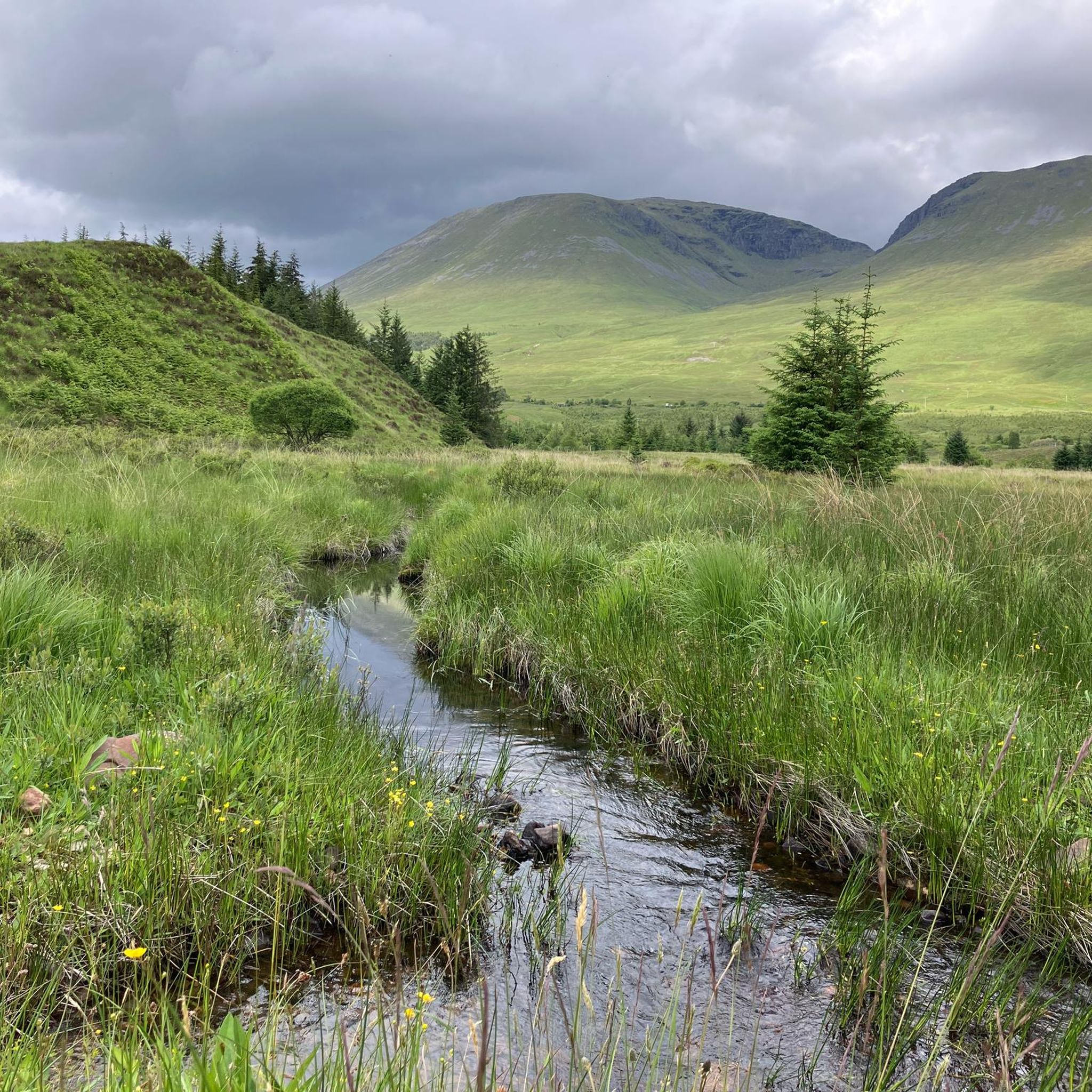
Hiking around Glenorchy And Innishail
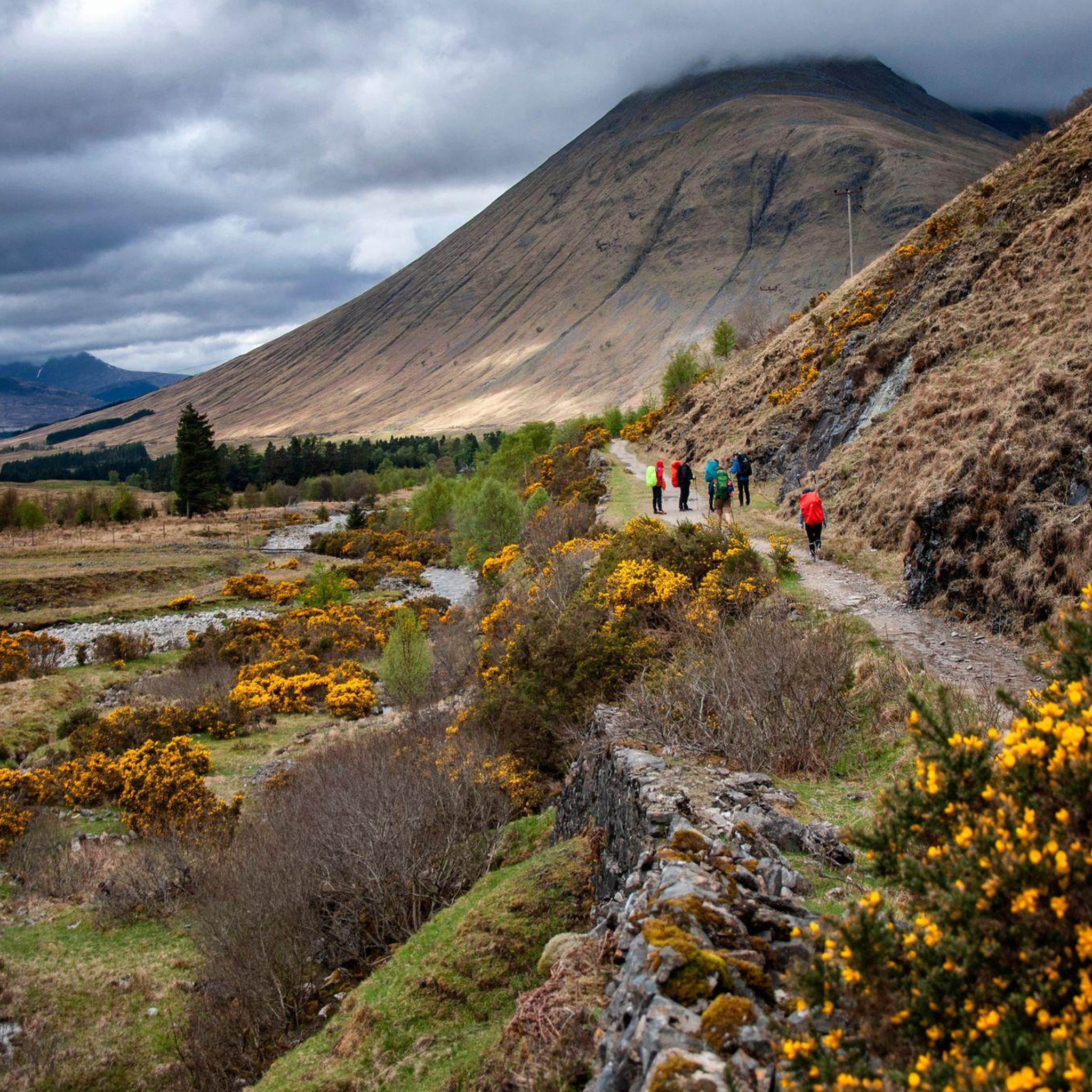
Road Cycling Routes around Glenorchy And Innishail
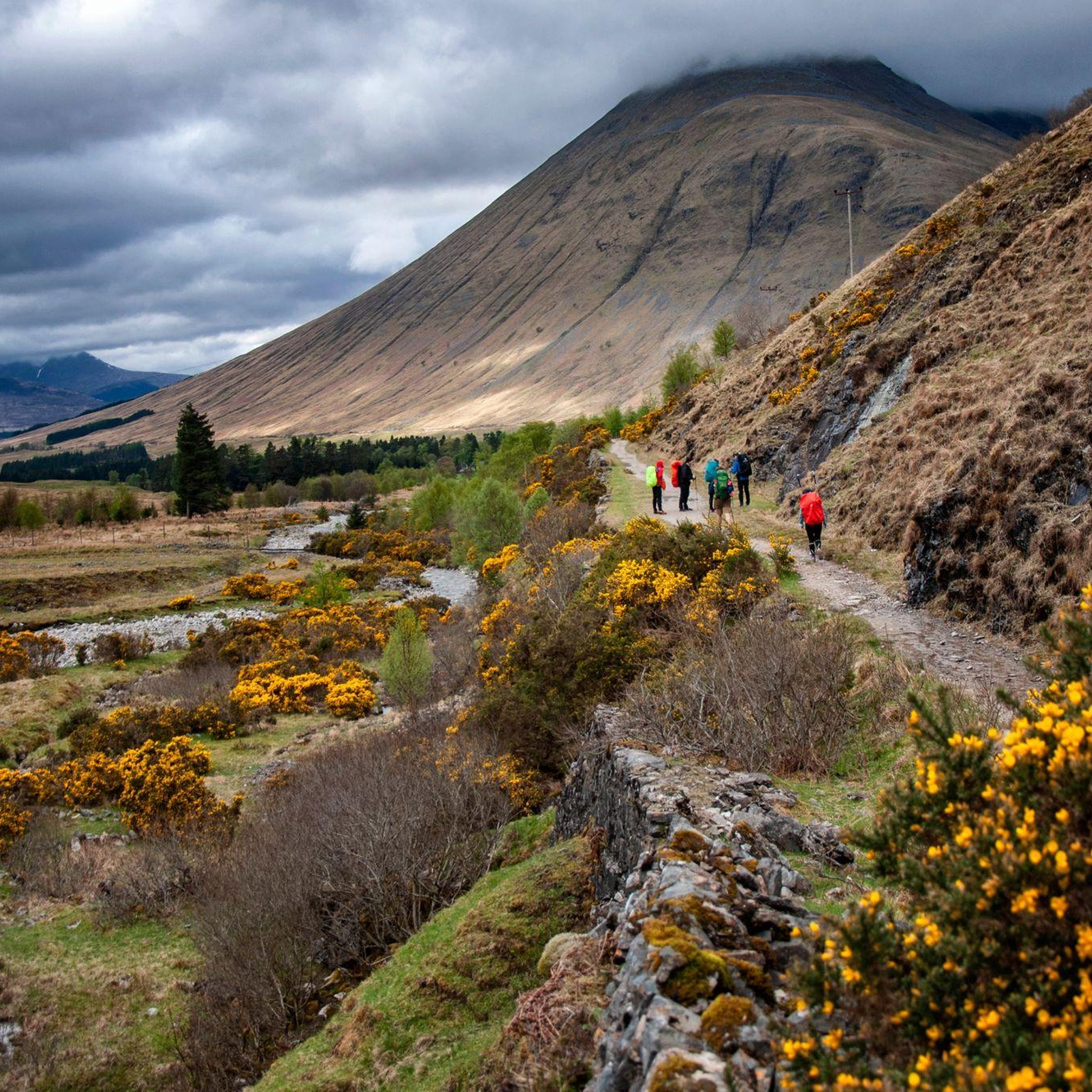
Running Trails around Glenorchy And Innishail
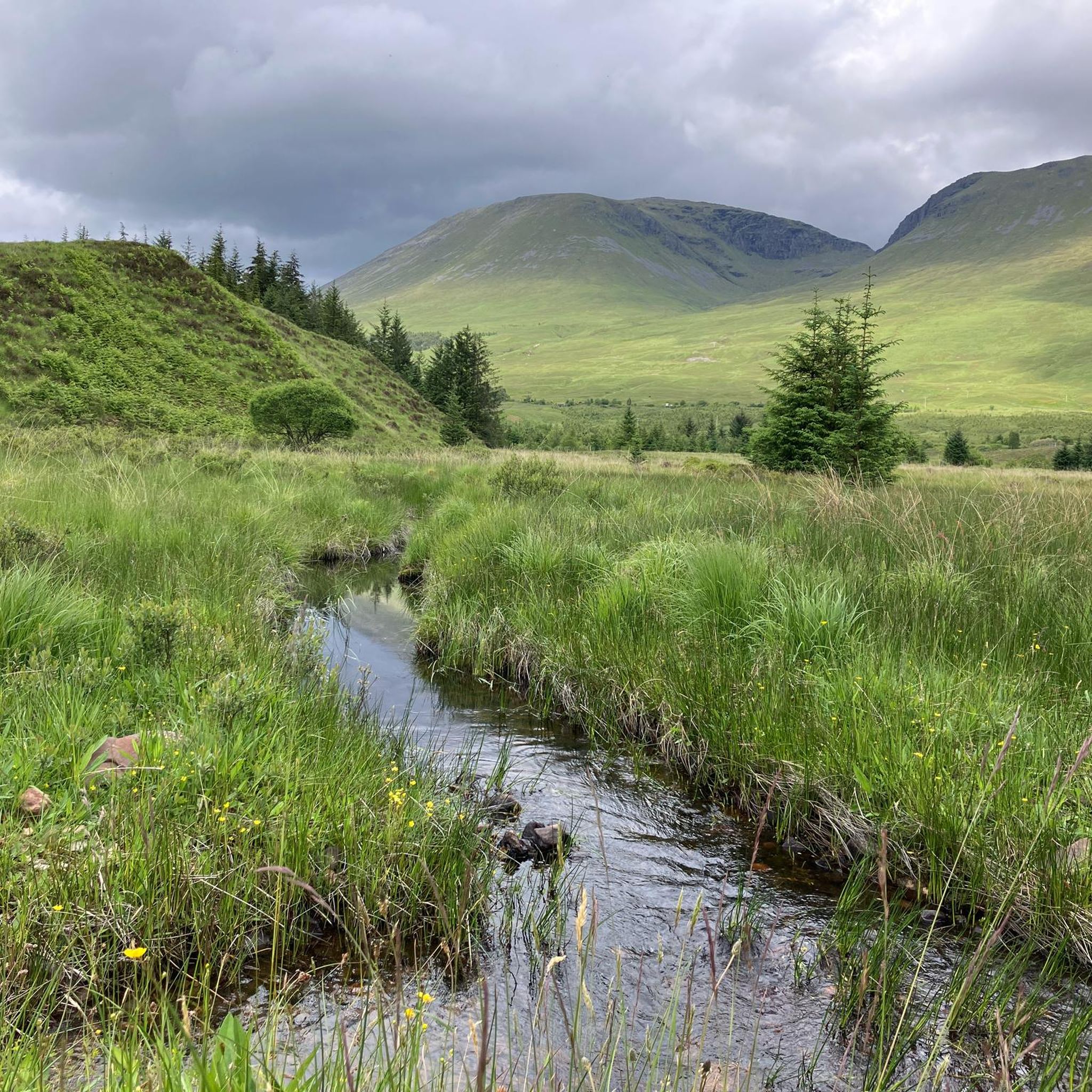
Cycling around Glenorchy And Innishail
Other adventures around Glenorchy And Innishail


Tips from the Community


The view over Glen Coe is truly magnificent. From the actual summit you should walk a little further to the lower rocks, from where you can get an even better view of northern Glen Coe.
1
0

The highest point on the Buachaille Etive Mor ridge, the Munro Stob Dearg is a superb viewpoint over Rannoch Moor and down into Glencoe. The summit is a very airy spot with the ground falling away very steeply. It is not a difficult place to reach in summer conditions using the classic route up Coire na Tulaich.
3
0

Bidean nam Bian is the highest of the peaks surrounding Glencoe. The mountain itself is built up of many complex summits and ridges - notably the summit of Stob Coire Sgreamhach, a Munro itself. At 1,150 metres, rocky summit and ridges provide committing, varied and technical mountain running, and a true mountain day out.
0
0

It is Scotland's most photographed mountain. And at 1021 m, the Stob Dearg is one of the Munros.
4
1
The Stob Dearg from the massif of Buachaille Etive Mòr ('Big Shepherd of Etive') impresses with its chimney-like northeast face over the valley end of Glen Coe and Rannoch Moor.
3
0
Frequently Asked Questions
What are some of the most iconic mountain peaks to visit in the Glenorchy and Innishail area?
The region boasts several iconic peaks. Stob Dearg (Buachaille Etive Mòr), often called 'the Buachaille', is a striking pyramidal peak and the highest point of its massif, offering views over Rannoch Moor and towards Ben Nevis. Another prominent peak is Stob Coire Raineach (Buachaille Etive Beag), which provides broad views of the Aonach Eagach ridge and the Bidean Massif. Beinn Dorain is also a visually striking Munro, recognized by its distinctive conical shape.
What are the most challenging mountain ascents in the Glenorchy and Innishail region?
For experienced hillwalkers, Bidean nam Bian stands out as a spectacular and strenuous objective. As the highest peak in Argyll, its complex terrain and dramatic northern ridges (the Three Sisters) require good navigation skills. The ascent to Stob Dearg (Buachaille Etive Mòr) also offers a challenging yet rewarding experience, especially its steep, craggy northeastern face which provides classic rock climbing and scrambling routes.
Are there any Munros in the Glenorchy and Innishail area that are suitable for intermediate hikers?
Yes, Stob Coire Raineach (Buachaille Etive Beag) is often considered one of the easier Munro routes in Glencoe. Its traverse along the spacious ridge offers incredible scenery and provides spectacular vistas across both Glen Coe and Glen Etive, making it an excellent introduction to hiking in the area's Munros.
What kind of views can I expect from the mountain peaks in this region?
The views are generally panoramic and breathtaking. From Stob Dearg, you'll see vast Rannoch Moor and Ben Nevis. Stob Coire Raineach offers views over Glen Coe and Glen Etive. From Bidean nam Bian, expect a wide West Highland panorama including Ben Nevis, Loch Etive, and the sea towards Mull. Beinn Dorain provides views across Rannoch Moor and towards the peaks of Glencoe.
What is the best time of year to hike the mountain peaks around Glenorchy and Innishail?
The best time for hiking is typically from late spring to early autumn (May to September) when the weather is generally milder and daylight hours are longer. However, conditions in the Scottish Highlands can change rapidly, so always be prepared for all weather. Winter hiking (October to April) is possible but requires mountaineering experience, crampons, and ice axes due to snow and ice conditions, especially on peaks like Stob Dearg.
Are there any historical or cultural sites near the mountain peaks?
While the mountain peaks themselves are natural monuments, the wider region has historical significance. Innishail, an island in Loch Awe, is known for its historical value, featuring remains of an old chapel and an ancient burial ground, traditionally used by the MacArthur clan. The 'Hidden Valley' (Coire Gabhail) within the Bidean nam Bian range was historically used by the Clan MacDonald.
What outdoor activities can I do near the mountain peaks in this area?
Beyond peak bagging, the region offers a variety of outdoor activities. You can find numerous hiking and mountaineering routes, including challenging options like the Cruachan Horseshoe or the Ben Lui and Beinn a' Chleibh loop. For those interested in cycling, there are gravel biking routes such as the Kirk Pass – Bridge of Orchy loop. Explore more options on the Mountain Hikes around Glenorchy And Innishail guide or the Hiking around Glenorchy And Innishail guide.
Are there any less-known or 'hidden gem' mountain walks in the Glenorchy area?
While not as dramatically profiled as some of its neighbours, Beinn Udlaidh, located on the south side of Glen Orchy, offers rewarding vistas of the Bridge of Orchy Munros, the Black Mount, Glencoe, and Ben Nevis. It's also known for providing various ice-climbing routes in winter conditions, making it a unique destination for those seeking a different kind of mountain experience.
What is a Munro and how many are in this region?
A Munro is a Scottish mountain with a height of over 3,000 feet (914.4 metres). The Glenorchy and Innishail region, particularly around Glencoe and Bridge of Orchy, is rich in Munros. Notable examples include Stob Dearg, Stob Coire Raineach, Bidean nam Bian, Beinn Dorain, Beinn an Dothaidh, and Ben Lui.
What should I know about midges when planning a trip to the Glenorchy and Innishail mountains?
Midges are small biting insects that can be prevalent in the Scottish Highlands, especially during warmer, damp conditions from late spring to early autumn (typically May to September). They are most active at dawn and dusk, and in still, humid weather. To minimize their impact, consider wearing long sleeves and trousers, using insect repellent, and choosing breezy, open locations for breaks.
Are there any specific tips for navigating the trails, especially in poor visibility?
Navigation in the Scottish Highlands can be challenging, particularly in poor visibility. For instance, on Beinn Dorain, the true summit cairn is further south than a larger, more obvious cairn, which can be tricky to find in mist. On Bidean nam Bian, paths can be obscured, and care is needed when descending, as routes can split. Always carry a map, compass, and GPS device, and know how to use them. It's advisable to have previous hillwalking experience for more strenuous ascents.
Can I combine multiple peaks into a single hike in this area?
Yes, combining peaks is a popular way to experience more of the region's mountains. For example, Beinn Dorain is frequently combined with its neighbour, Beinn an Dothaidh, for a rewarding two-Munro hike. Similarly, Stob Coire Raineach is often traversed with its twin summit, Stob Dubh, on Buachaille Etive Beag. Ben Lui can also be linked with neighbouring Beinn a'Chleibh.
Most popular routes around Glenorchy And Innishail
Most popular attractions around Glenorchy And Innishail

Get inspired with the komoot mobile app


Explore more
See even more amazing summits around Glenorchy And Innishail with these guides:
