Attractions and Places To See around Iona - Top 20
Attractions and places to see around Iona, a small island in Scotland's Inner Hebrides, offer a blend of spiritual history, natural beauty, and cultural heritage. Measuring 3.2 miles long and 1.5 miles wide, the island is suitable for exploration on foot. Visitors can find historical sites, pristine beaches, and natural features. Iona provides a diverse landscape for those interested in its past and natural environment.
Best attractions and places to see around Iona
- The most popular attractions is Iona Abbey and Nunnery, a historical site that was founded by Saint Columba in 563 AD. It is a central point for Christianity in Scotland and houses the tombs of 48 Scottish kings.
- Another must-see spot is Fingal's Cave, a sea cave. This spectacular cave on the Isle of Staffa is formed by jointed basalt columns and is known for its unique geological structure.
- Visitors also love Tràigh an t-Suidhe Beach, a quiet beach with clear waters. It is suitable for swimming and offers views of the surrounding area.
- Iona is known for its historical sites, natural features, and pristine beaches. The island offers a variety of attractions to see and explore, from ancient abbeys to scenic coastal walks.
- The attractions around Iona are appreciated by the komoot community, with 49 upvotes and 68 photos shared by visitors.
Last updated: October 5, 2026
Iona Abbey and Nunnery
Highlight • Historical Site
(Wikipedia)
Showing Translation
Tip by

St John's Cross, Iona Abbey
Highlight • Religious Site
Originally, it was a ringless cross, and it is thought that the four ring segments were added later to strengthen it. Even its recent history is sad: it was glued together with concrete and rebuilt in 1927, but was blown down in 1951 and again in 1957. It was then decided to move the fragments to the abbey museum for safety. The concrete replica we now see on the spot was placed in 1970 on the original stone pedestal.
(Seaview B&B)
Showing Translation
Tip by
Sign up now to discover places like this
Get recommendations on the best single tracks, peaks, & plenty of other exciting outdoor places.
MacLean’s Cross
Highlight • Religious Site
(Information board on site)
Showing Translation
Tip by
St Oran's Chapel
Highlight • Historical Site
(Information board on site)
Showing Translation
Tip by
Baile Mòr Village and Martyrs Bay Café
Highlight • Cafe
Showing Translation
Tip by
Sign up for free to discover even more attractions around Iona.
Already have an account?
Start today with a free account
Your next adventure awaits.
Popular around Iona
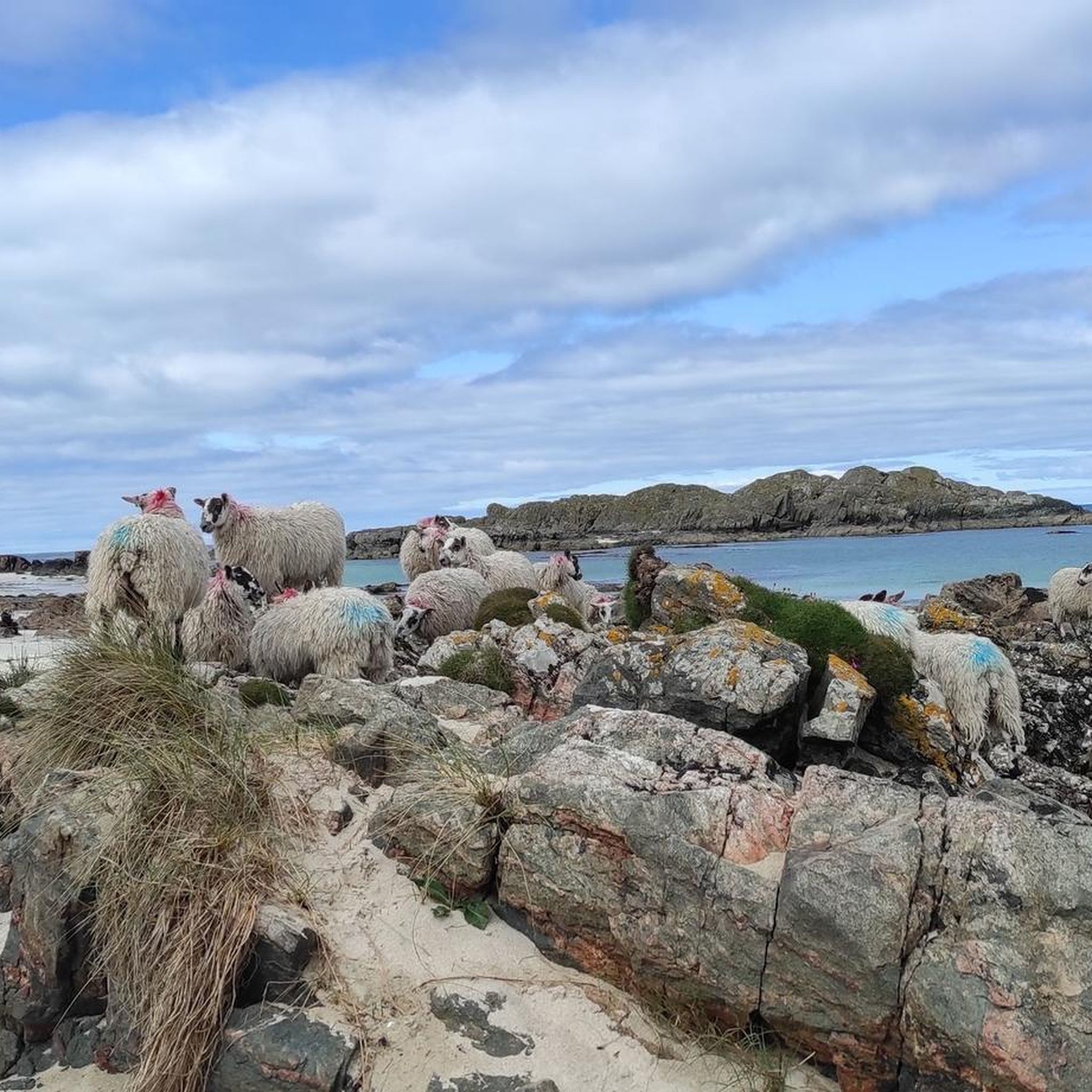
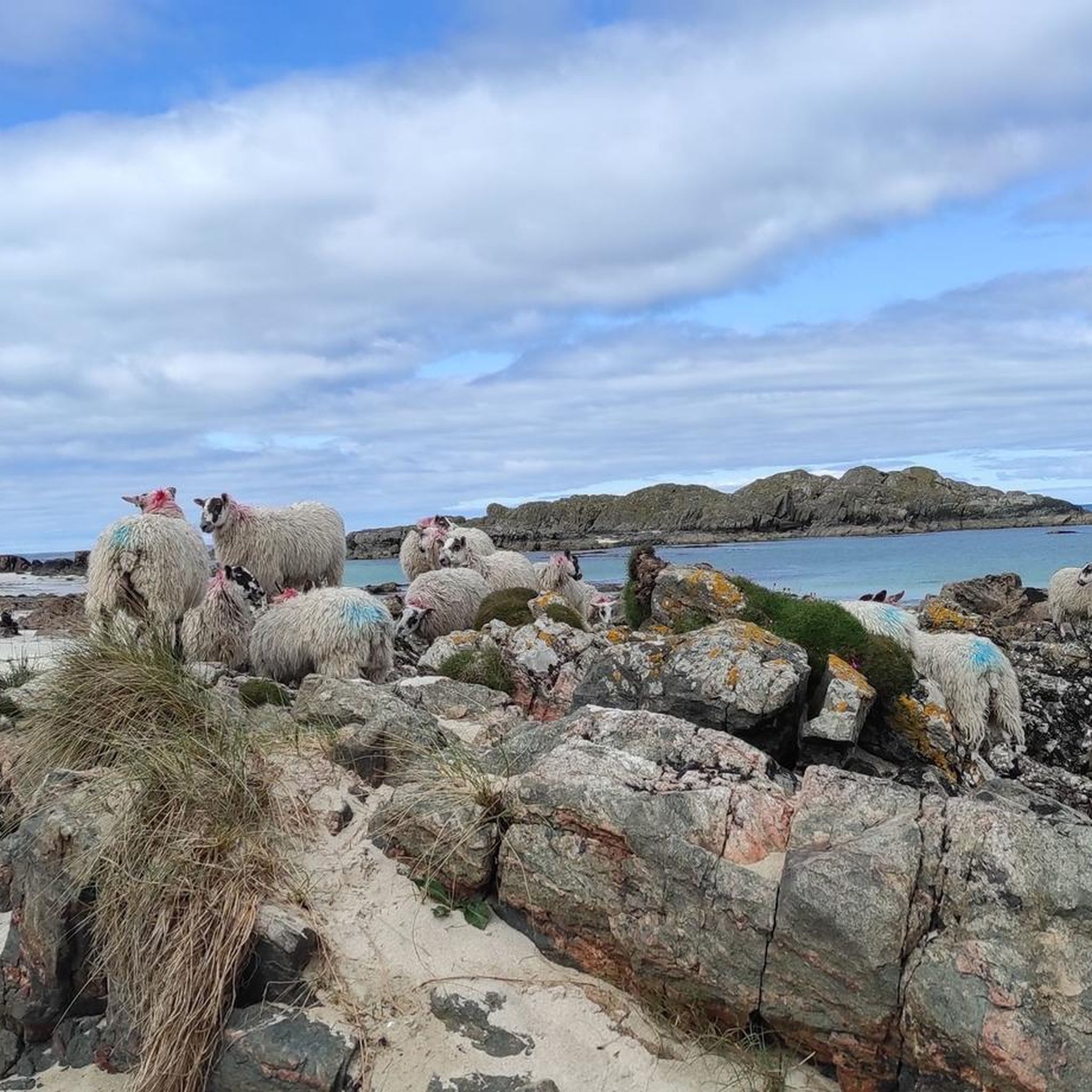
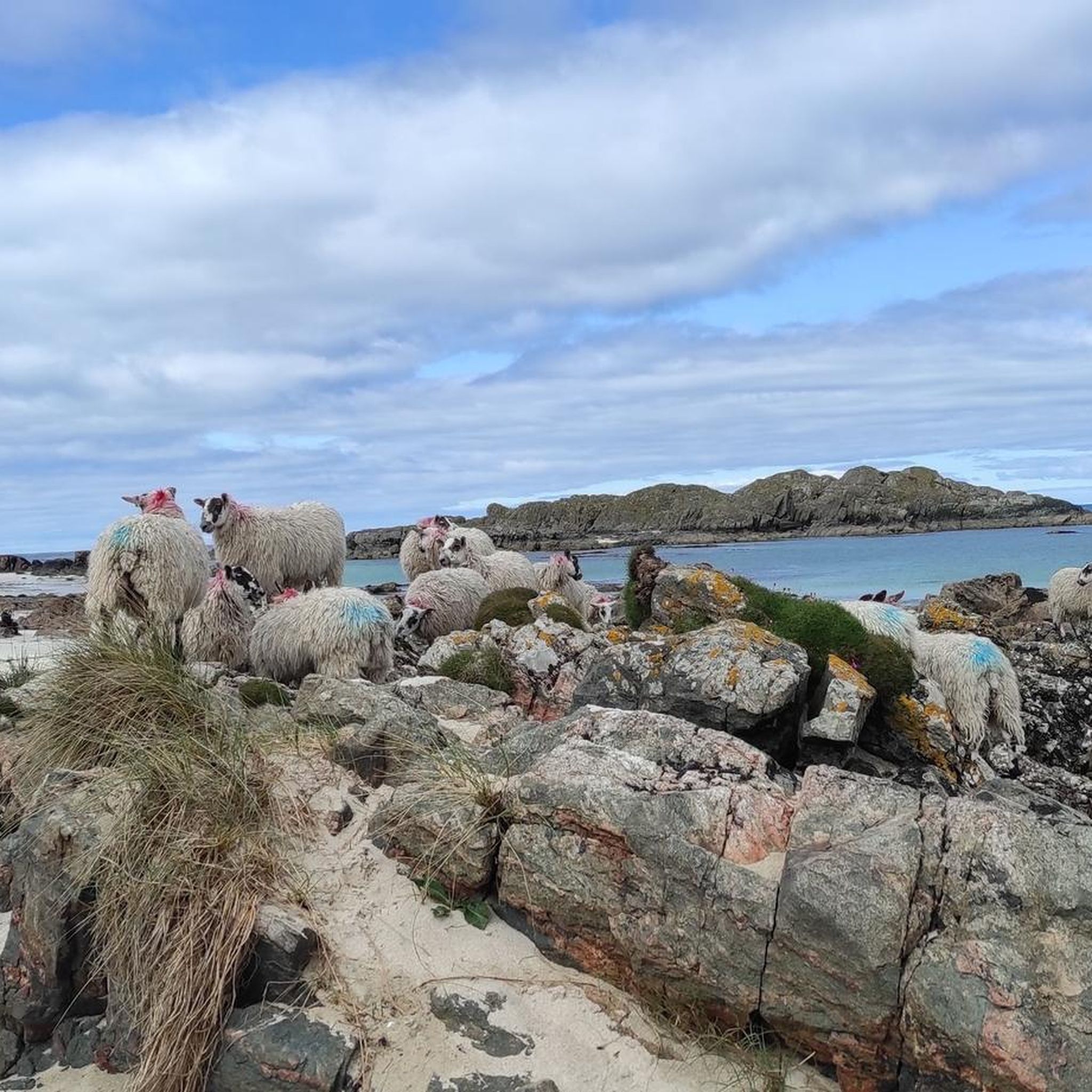
Tips from the Community

Iona Abbey is an abbey founded in the sixth century by Saint Columba. From here, Christianity spread throughout Scotland. Sixty kings, mainly Scottish, found their final resting place there. In 1203, a Benedictine abbey was founded (by Reginald MacDonald of Islay, son of Somerled) on the site where several churches dedicated to Saint Columba presumably stood. The new church was dedicated to the Virgin Mary. This marked the beginning on Iona of the Roman church, which replaced the Columban (Celtic) church. (Wikipedia)
5
0
At the abbey, in front of the entrance to St Columba's Sanctuary, stands a beautifully reconstructed replica of the 8th-century St John's Cross, an impressive cross with a large span. The original is kept in the museum behind the abbey, to the northeast. The St John's Cross was structurally flawed and probably collapsed shortly after its creation. With a span of 2.2 metres, it was one of the widest crosses known in the British Isles. Originally, it was a ringless cross, and it is thought that the four ring segments were added later to strengthen it. Even its recent history is sad: it was glued together with concrete and rebuilt in 1927, but was blown down in 1951 and again in 1957. It was then decided to move the fragments to the abbey museum for safety. The concrete replica we now see on the spot was placed in 1970 on the original stone pedestal. (Seaview B&B)
5
0
Baile Mor is a small village (and the only one) on the island of Iona. It is located on the east coast of the island and overlooks the Sound of Iona and the village of Fionnphort on Mull. Baile Mor was the location of a 6th-century monastery and nearby are 13th-century remains and a 15th-century Celtic cross (MacLean's Cross). Iona's parish church is a parliamentary church, funded by the British government, designed by engineer Thomas Telford (1757-1834) and built in 1828. Iona Abbey and St Columba's burial ground are located north of the village. In the village you will find several eateries, various shops, public toilets, etc. Although the island of Iona has fewer than 200 permanent residents, it attracts over 100,000 visitors annually.
5
0
Medieval pilgrims stopped here to pray on their way to the abbey. On this side of the cross, they could contemplate the eternal, intertwined patterns that sprang from the tails of two animals. On the other side is the poignant image of the crucifixion. The cross, erected around 1500, was paid for by the powerful MacLean family as a public display of their support for the abbey. (Information board on site)
5
0
This was the burial chapel of the MacDonald Lords of the isles. Built in the 12th century, it is the oldest intact structure on Iona. Go through the ornate doorway to see the remains of an impressive tomb and a collection of richly carved tombstones from the West Highlands. (Information board on site)
5
0

If you're on the island, you should visit the church. But it's better to buy a postcard of the saints in the stained-glass windows from the shop a little further up the street.
0
0

This chapel stands in its own burial ground, Reilig Orain, just south west if Iona Abbey. It derives its name from Oran, a relative and follower of St Columba.
0
0

You can watch the ferry crossing the water whilst having a drink in the cafe/ bar rather than waiting in the queue
0
0
Frequently Asked Questions
What historical and spiritual sites can I visit on Iona?
Iona is rich in history and spirituality. The most significant site is Iona Abbey and Nunnery, founded by Saint Columba in 563 AD, which served as a central point for Christianity in Scotland. You can also explore the ruins of the Augustinian Iona Nunnery, St. Oran's Chapel, and Reilig Odhráin, an ancient burial ground. Don't miss MacLean’s Cross, a beautifully carved Celtic cross, and St John's Cross, a replica of an ancient Celtic cross.
Where can I learn more about Iona's history and heritage?
For a deeper dive into the island's past, visit the Iona Heritage Centre. It provides comprehensive information about Iona's cultural evolution, including crofting life, fishing traditions, and the impact of tourism, along with exhibits on geology, flora, and Celtic art.
What natural attractions and scenic viewpoints does Iona offer?
Iona boasts stunning natural beauty. You can hike to Dun I, the island's highest point, for breathtaking 360-degree panoramic views. Explore the Marble Quarry on the southeast, which was worked from medieval times, or visit the Spouting Cave, a collapsed sea cave known for jets of seawater. For a unique geological experience, consider a boat trip to Fingal's Cave on the Isle of Staffa, famous for its basalt columns.
Are there beautiful beaches for relaxation or swimming on Iona?
Yes, Iona is known for its pristine white shell-sand beaches with crystal-clear waters. Notable options include Iona Beach on the east coast, the Bay at the Back of the Ocean on the west coast, and Traigh Bhan (White Strands of the Monks) in the north, renowned for its sand made from crushed shells and coral. Tràigh an t-Suidhe Beach is also a quiet spot suitable for swimming.
Can I see wildlife on Iona?
Iona's diverse ecosystems support a variety of wildlife. Its coastal waters are home to seals, dolphins, and occasionally whales. The machair grasslands attract numerous bird species, including rare corncrakes. The RSPB maintains observation points, and organized nature walks are available for wildlife enthusiasts.
What are the best ways to explore Iona's natural beauty on foot?
The island's compact size and array of pathways make it perfect for exploring on foot. You can find various walks leading to historical sites, beaches, and scenic viewpoints. Consider an easy hike like the 'Iona Abbey and Nunnery – St John's Cross, Iona Abbey loop from The Village' or the 'Iona Nunnery – View of the Sound of Iona loop from Iona' for a pleasant experience. More options can be found in the Easy hikes around Iona guide.
Are there family-friendly activities available on Iona?
Many of Iona's attractions are suitable for families. The historical sites like Iona Abbey and Nunnery, St John's Cross, and MacLean’s Cross are categorized as family-friendly. The beautiful beaches, such as Tràigh an t-Suidhe Beach, also offer great opportunities for family enjoyment.
What is the best time of year to visit Iona?
Iona is a captivating destination year-round, but the best time to visit often depends on your preferences. The warmer months (spring and summer) offer milder weather for exploring and a higher chance of seeing wildlife. However, the island's spiritual and historical sites are accessible throughout the year, offering a peaceful experience even in the quieter seasons.
How much time should I allocate for visiting Iona?
Iona measures only 3.2 miles long and 1.5 miles wide, making it ideal for exploration on foot. Many visitors enjoy a day trip, allowing enough time to see the main abbey, explore some beaches, and perhaps hike Dun I. However, to fully immerse yourself in the island's spiritual atmosphere and natural beauty, consider staying for two or more days.
Are there accessible attractions on Iona?
While Iona is a small island primarily explored on foot, some areas of the Iona Abbey and Nunnery complex are designed to be accessible. It's advisable to check with the specific sites or local visitor information for the most up-to-date accessibility details, especially regarding paths and facilities.
What outdoor activities can I do near Iona's attractions?
Beyond exploring the attractions, Iona offers various outdoor activities. You can enjoy easy hikes, cycling, and running. For detailed routes and guides, check out the Easy hikes around Iona, Cycling around Iona, and Running Trails around Iona guides.
Are there easy hiking trails around Iona?
Yes, Iona has several easy hiking trails suitable for most fitness levels. Popular options include the 'Iona Abbey and Nunnery – St John's Cross, Iona Abbey loop from The Village' (6.9 km) and the 'Iona Nunnery – View of the Sound of Iona loop from Iona' (5.9 km). You can find more easy routes in the Easy hikes around Iona guide.
Can I go cycling around Iona?
While Iona is small, cycling is a great way to explore. Routes like the 'Bike loop from Fionnphort' (8.8 km) offer scenic rides. For more cycling options, including moderate routes, refer to the Cycling around Iona guide.
What about running trails on Iona?
Iona offers several running trails, ranging from moderate to challenging. You can try the 'Running loop from Fionnphort' (10 km) or the 'Tràigh an t-Suidhe Beach – View of the Sound of Iona loop from Iona' (9.3 km). For more options, including routes to Dùn Ì and St Columba’s Bay, consult the Running Trails around Iona guide.
Most popular routes around Iona
Most popular attractions around Iona

Get inspired with the komoot mobile app


Explore more
Still not found the Highlight you’re looking for? See guides of the top attractions in other regions:
