The best road cycling routes around Whitehills And District
5.0
(10)
311
riders
21
rides
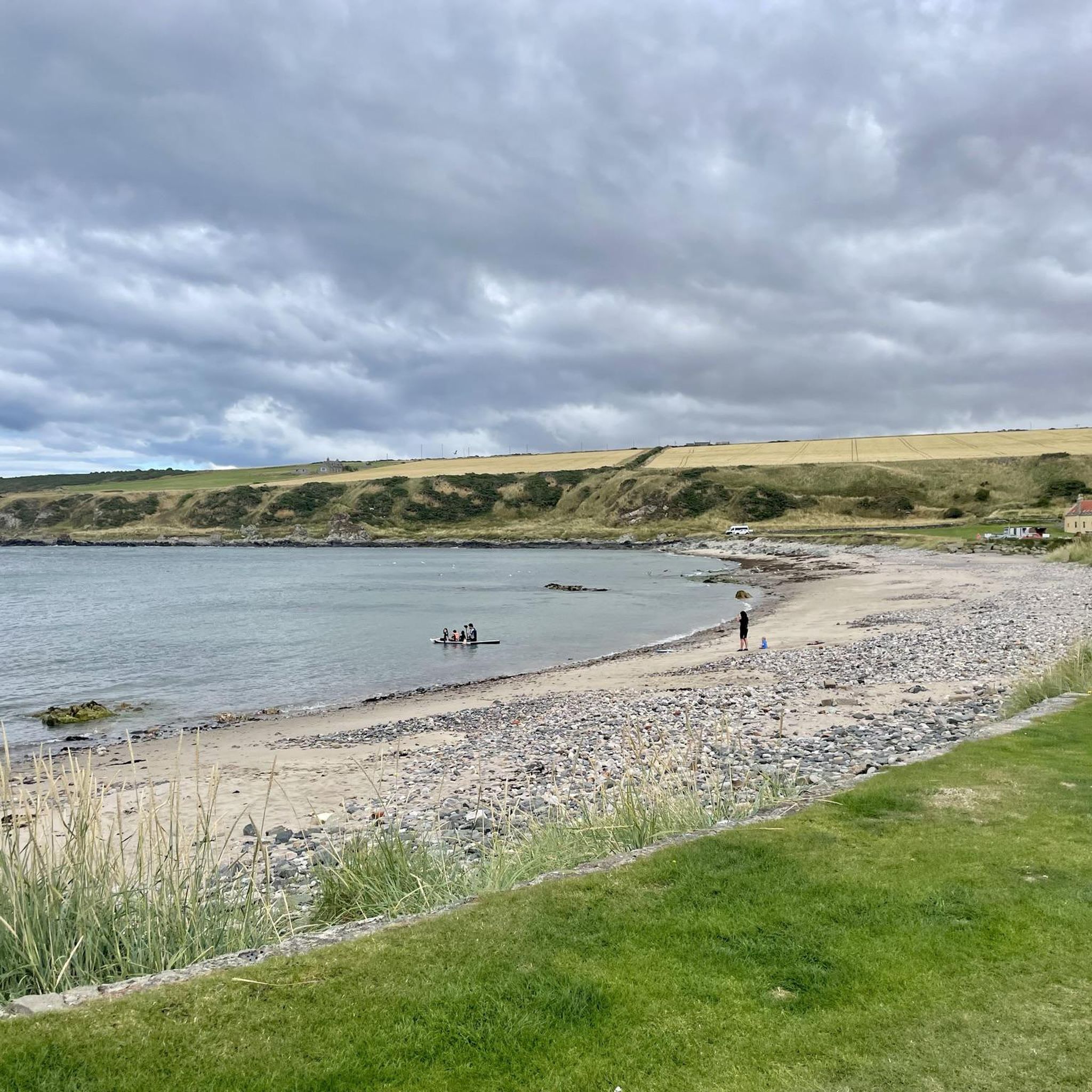
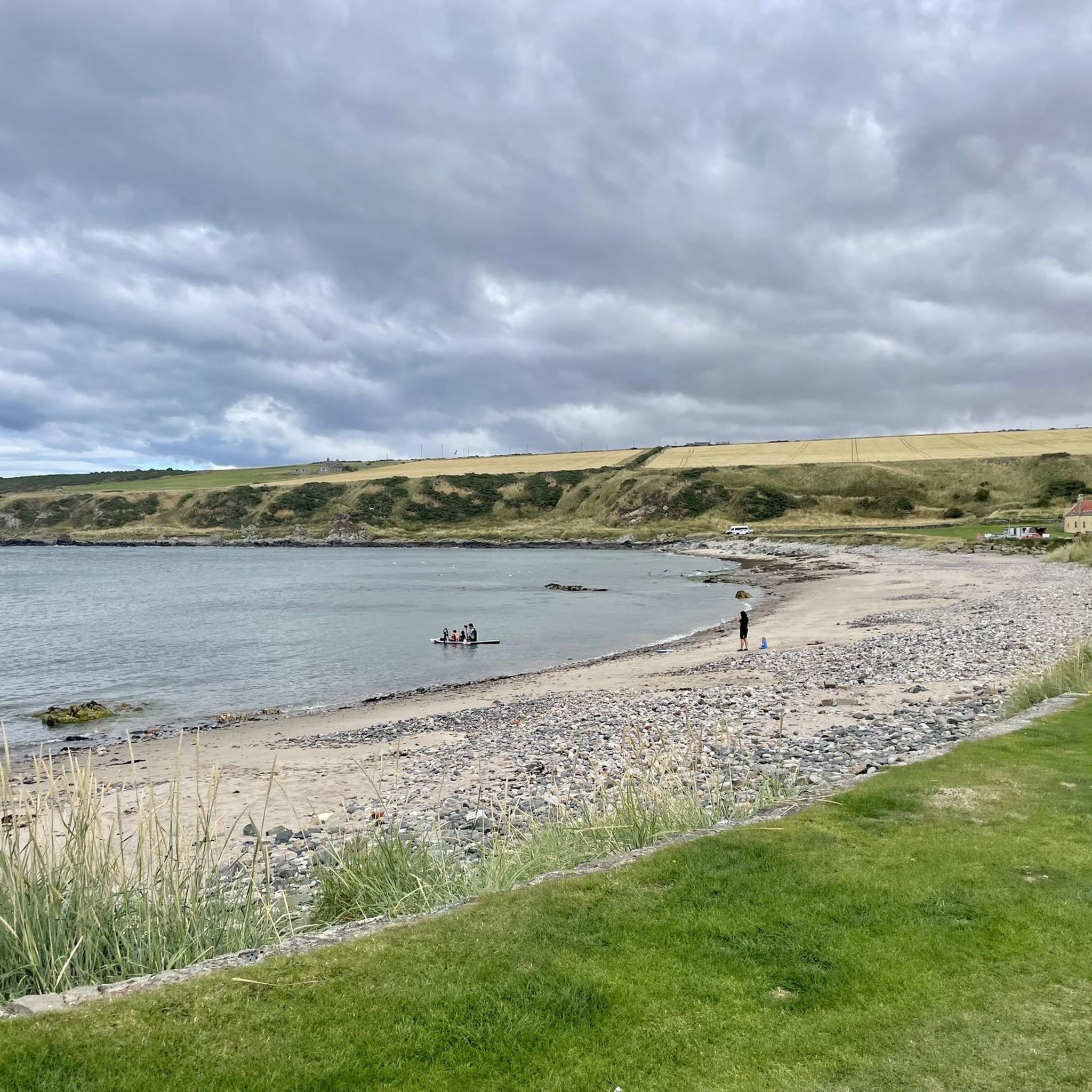
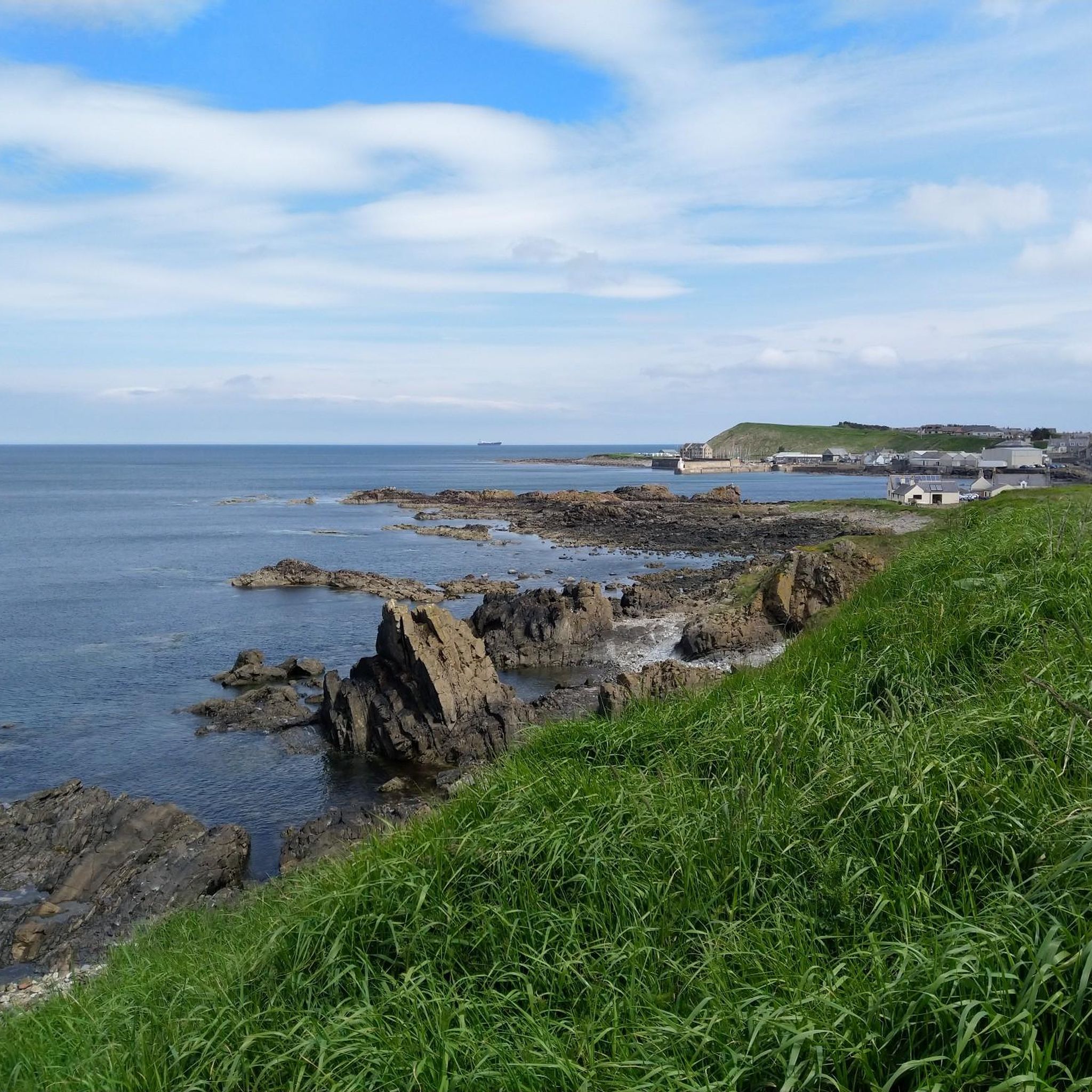
Road cycling routes around Whitehills And District are characterized by the scenic Aberdeenshire coast along the Moray Firth. The region features a sheltered rocky bay, expansive open views from the shore, and a network of mostly paved surfaces. Road cyclists can explore coastal paths connecting fishing villages and historical landmarks.
Best road cycling routes around Whitehills And District
- The most popular road cycling route is Eden Castle Ruins – Banff Harbour loop from Whitehills, a 27.8 miles (44.7 km)…
Last updated: September 1, 2026
5.0
(2)
23
riders
44.6km
02:09
430m
430m
Moderate road ride. Good fitness required. Mostly well-paved surfaces and easy to ride.
11
riders
82.8km
03:38
690m
690m
Moderate road ride. Good fitness required. Mostly well-paved surfaces and easy to ride.

Sign up for free
16
riders
43.7km
02:13
600m
600m
Moderate road ride. Good fitness required. Mostly well-paved surfaces and easy to ride.
7
riders
118km
05:16
850m
850m
Hard road ride. Very good fitness required. Some segments of this route may be unpaved and difficult to ride.
9
riders
31.8km
01:33
290m
290m
Easy road ride. Great for any fitness level. Mostly well-paved surfaces and easy to ride.
Get access to more routes and recommendations from other explorers.
Sign up for free
Already have an account?
Our route recommendations are based on thousands of hikes, rides, and runs completed by other people on komoot.
Start today with a free account
Your next adventure awaits.
Login or Signup
Popular around Whitehills And District
Tips from the Community

A graceful rock arch which looks great from the shore and is even better to kayak through!
0
0

The Burn of Boyne is a small river which flows through Banffshire, entering the Moray Firth in Boyne Bay, just east of Portsoy. The ruins of Boyne Castle stand close to the river's mouth.
0
0
The Biggar Fountain is an ornate Victorian Gothic drinking fountain with crown head, designed by John Rhind in 1878, commemorates Walter Biggar, one of the founders of the herring trade with the Baltic. The inscription on the Biggar fountain reads 'Presented to the town of Banff in Memory of Walter Biggar Esq. And Mrs. Anne Duff, his wife. 1878.' Biblical inscriptions on the East and West panels.
0
0
The cross depicts the Crucifixion on one side and on the other the Virgin and Child. The Mercat Cross originally stood where the Biggar fountain now stands, but because of it's size and it's interference with the traffic was removed in 1767 and custody given to the Earl of Fife, who erected the capital on top of a dovecote at NJ682 632. In 1900 the cross was restored within the bounds of the burgh, and in 1994 an exact replica of the 16th century cross, polychromed as it would originally have been, was placed on its 17th century shaft, and restored to almost it's original location. The original carving was placed in Banff Museum. The Reformation in Scotland was begun by John Knox in 1541, and eventually led to a widespread destruction of artworks and manuscripts by iconoclasts. The Mercat Cross survived and was given a new shaft in 1627. It is a rare survival of such overtly religious pre reformation work.
0
0
The church (formerly known as St Mary's) dates from 1778. It is attached to the current hall complex which was built in the 1930s. In the late 1920s a chancel was added, to which the organ was removed. The Roman Doric pilastered tower and tall Gibbsian spire, a prominent landmark, was added in around 1828.
0
0
Although golf is supposed to have been played in Banff for 400 years, it was only in May 1871 that organised golf was conceived when the then Banff Golf Club was formed at the Banff links. The Banff Golf Club continued in existence with varying degrees of success until 1924. The Duff House Golf Club came into existence following a gift of land to the towns of Banff and Macduff by the then Duke of Fife following his concern at "the want of ground for golf and other recreational sports." The original course in its present location was laid out in 1909.
0
0
Prior to 1768, the kirk-going inhabitants of Down walked each Sunday to the Parish Church of Gamrie, a distance of some 8 miles. In that year, a building in Schoolhill was fitted out as a chapel. This was the first church building in the town. Interesting details are recorded regarding the erection of a steeple at the cost of 1.15 and the provision of a bell at a cost of 8 guineas. Prior to 1768, the kirk-going inhabitants of Down walked each Sunday to the Parish Church of Gamrie, a distance of some 8 miles. In that year, a building in Schoolhill was fitted out as a chapel. This was the first church building in the town. Interesting details are recorded regarding the erection of a steeple at the cost of 1.15 and the provision of a bell at a cost of 8 guineas. By the end of the 18th century, a larger building was needed to accommodate the increasing church membership and in 1805 the Church on its present site was built with the support and encouragement of the Earl of Fife.
0
0
Category B listed granite cross incorporating small carved plaque at apex, inscribed narrow slabs as arms mounted on square tooled granite plinth. Carving on apex depicts a figure on horseback and bears the arms of the Earl of Fife. Dated 1783 but incorporating earlier fragments. The cross bears the inscription, on 2 panels one on either side: Macduff Cross. Rebuilt at Macduff by the Earl of Fife, 1783 when the town was constituted a Royal Burgh by George III. May it flourish, increase in number and opulence, ----- while it's inhabitants gain the blessing of life by industry, diligence and temperance." The words on the inscription are taken to refer to the fact that a stone was taken from the ancient Macduff Cross in Fife and built into the Macduff one, to form some sort of symbolic connection between the ancient and modern bearers of the name Macduff. It's adjacent to a large fixed tine iron anchor with wooden crossbeam from a sailing ship.
0
0
Frequently Asked Questions
What types of road cycling routes can I find in Whitehills And District?
Whitehills And District offers a diverse range of road cycling routes, characterized by the scenic Aberdeenshire coast along the Moray Firth. You'll find coastal paths connecting charming fishing villages, routes passing historical landmarks, and options for various fitness levels. The region is part of a National Cycle Route and even a segment of the EuroVelo 1 - Atlantic Coast Route.
Are there road cycling routes suitable for beginners or families in Whitehills And District?
Yes, Whitehills And District has routes suitable for beginners and families. Out of the 22 available routes, 4 are classified as easy. These typically feature mostly paved surfaces and offer a gentler introduction to road cycling in the area. For example, the Banff Harbour – Old Portsoy Harbour loop from Lodgehill Plantation is an easy 31.6 km ride.
What are some of the more challenging road cycling routes in the area?
For experienced road cyclists seeking a challenge, Whitehills And District offers several more demanding routes. There are 2 routes classified as difficult, and 16 moderate routes. A challenging option is the Old Portsoy Harbour – Cullen Viaduct loop from Road End, which spans 118 km with significant elevation gain.
Are there any circular road cycling routes around Whitehills And District?
Yes, many of the road cycling routes in Whitehills And District are designed as loops, allowing you to start and finish in the same location. Popular circular routes include the Eden Castle Ruins – Banff Harbour loop from Whitehills and the Crovie Fishing Village – Banff Harbour loop from Whitehills.
What kind of landscapes and views can I expect on a road cycling tour here?
Road cycling in Whitehills And District offers stunning coastal scenery. You'll experience expansive, open views from the shore, ride along sheltered rocky bays, and pass through charming fishing villages. The coastal stretch between Whitehills and Macduff is particularly noted for its scenic variety, and routes often provide glimpses of the Moray Firth.
What historical sites or attractions can I see along the road cycling routes?
The region is rich in history. Many routes pass by or near significant historical sites. You could cycle past the atmospheric Eden Castle Ruins, or the dramatic cliffside Findlater Castle. The village of Whitehills itself retains historical charm with its old village area and notable churches.
Are there any natural features or beaches to explore near the cycling paths?
Absolutely. The coastal routes often lead to beautiful natural features and beaches. You might encounter the distinctive red deposits of The Red Well, or cycle towards the geological haven of Banff Links, a Site of Special Scientific Interest. Further afield, the attractive Cullen Coastal Village and Beach, known for its striking Bow Fiddle Rock, is also accessible.
What do other road cyclists say about the routes in Whitehills And District?
The road cycling routes in Whitehills And District are highly regarded by the komoot community, boasting an average rating of 5.0 stars from over 5 reviews. Cyclists often praise the varied terrain, the stunning coastal views, and the opportunity to explore charming fishing villages and historical sites.
Are there any routes that connect Whitehills to other towns or harbours?
Yes, the routes are well-connected. Many paths link Whitehills to nearby towns and harbours. For instance, you can cycle to Banff Harbour via the Eden Castle Ruins – Banff Harbour loop from Whitehills, or explore the coastal landscape between Old Portsoy Harbour and Whitehills on the Old Portsoy Harbour – Bike Repair Station loop from Whitehills.
What is the best time of year for road cycling in Whitehills And District?
While road cycling can be enjoyed year-round, the spring and summer months typically offer the most favorable weather conditions for exploring the coastal routes of Whitehills And District. During these seasons, you can expect milder temperatures and longer daylight hours, enhancing the scenic experience along the Moray Firth.
Are there opportunities to stop for refreshments or amenities along the routes?
Yes, many of the road cycling routes pass through or near villages and towns like Whitehills, Banff, and Portsoy, where you can find cafes, shops, and other amenities. The presence of fishing villages along the coast often means opportunities for fresh local produce and places to refuel during your ride.
How long are the road cycling routes in Whitehills And District typically?
The road cycling routes in Whitehills And District vary in length to suit different preferences. You can find shorter rides, such as the easy 31.6 km Banff Harbour – Old Portsoy Harbour loop from Lodgehill Plantation, to much longer and more challenging excursions like the 118 km Old Portsoy Harbour – Cullen Viaduct loop from Road End.
Most popular routes around Whitehills And District
Most popular attractions around Whitehills And District

Get inspired with the komoot mobile app


Explore more
Browse the best Road cycling routes in other regions.
