Top 20 Castles around Kleinmachnow
Castles around Kleinmachnow offer a blend of historical architecture and expansive parklands, primarily located in the nearby city of Potsdam. The area features significant historical sites, including former royal residences and archaeological foundations. These landmarks are set within a landscape characterized by lakes and green spaces, providing a backdrop for exploration. The region's history is deeply intertwined with Prussian royalty and later 20th-century events.
Best castles around Kleinmachnow
- The most popular castles is Sanssouci Palace, a castle that was…
Last updated: August 16, 2026
Sanssouci Palace
Highlight • Castle
Translated by Google •
Tip by

Little Palace Babelsberg
Highlight • Castle
Translated by Google •
Tip by

Sign up now to discover places like this
Get recommendations on the best single tracks, peaks, & plenty of other exciting outdoor places.
Sign up for free
New Palace and Colonnades, Sanssouci Park
Highlight • Castle
Showing Translation
Tip by
Marble Palace
Highlight • Castle
Translated by Google •
Tip by

Sacrow Palace
Highlight • Castle
The castle has emerged from a former mansion of …
Translated by Google •
Tip by

Sign up for free to discover even more castles around Kleinmachnow.
Sign up for free
Already have an account?
Start today with a free account
Your next adventure awaits.
Login or Signup
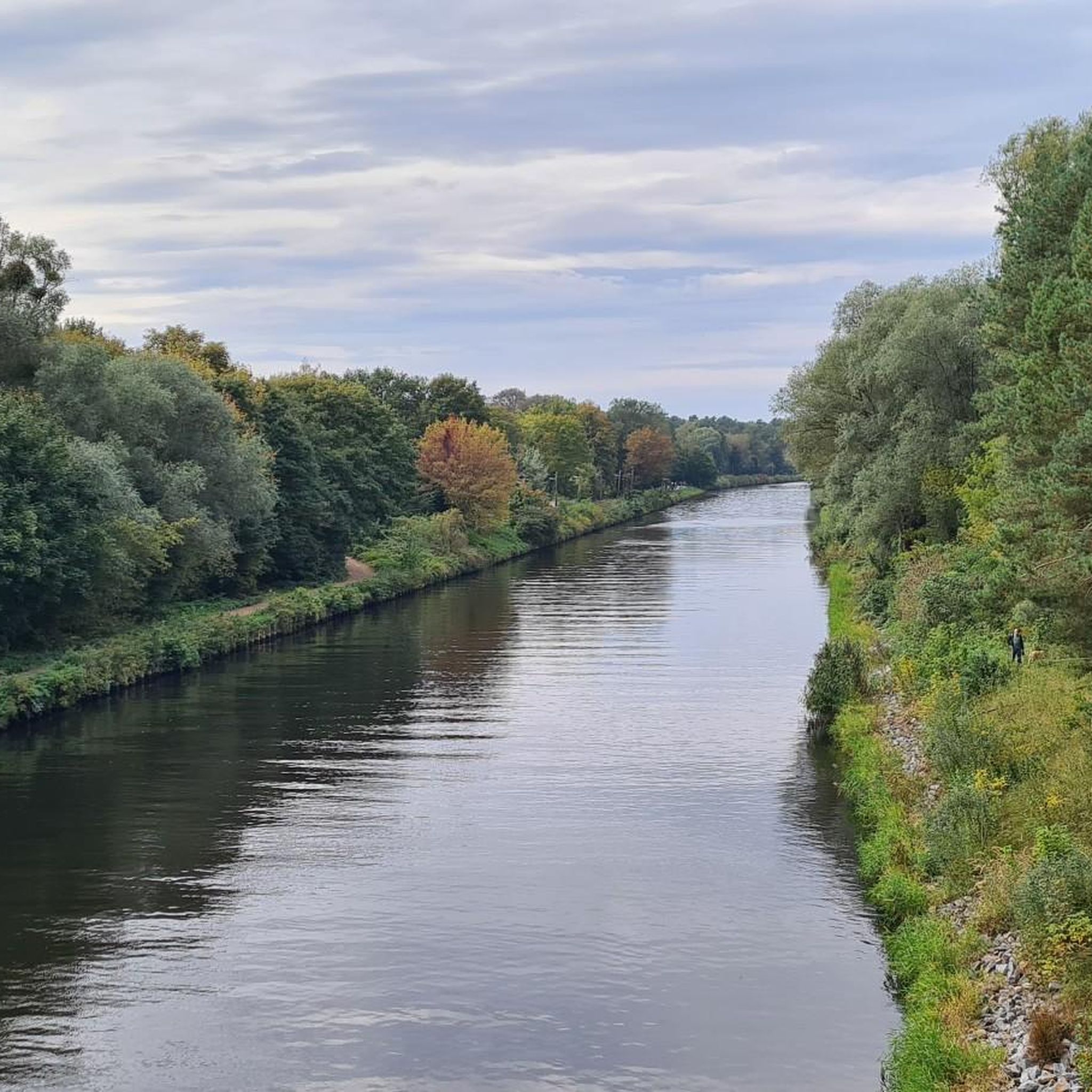
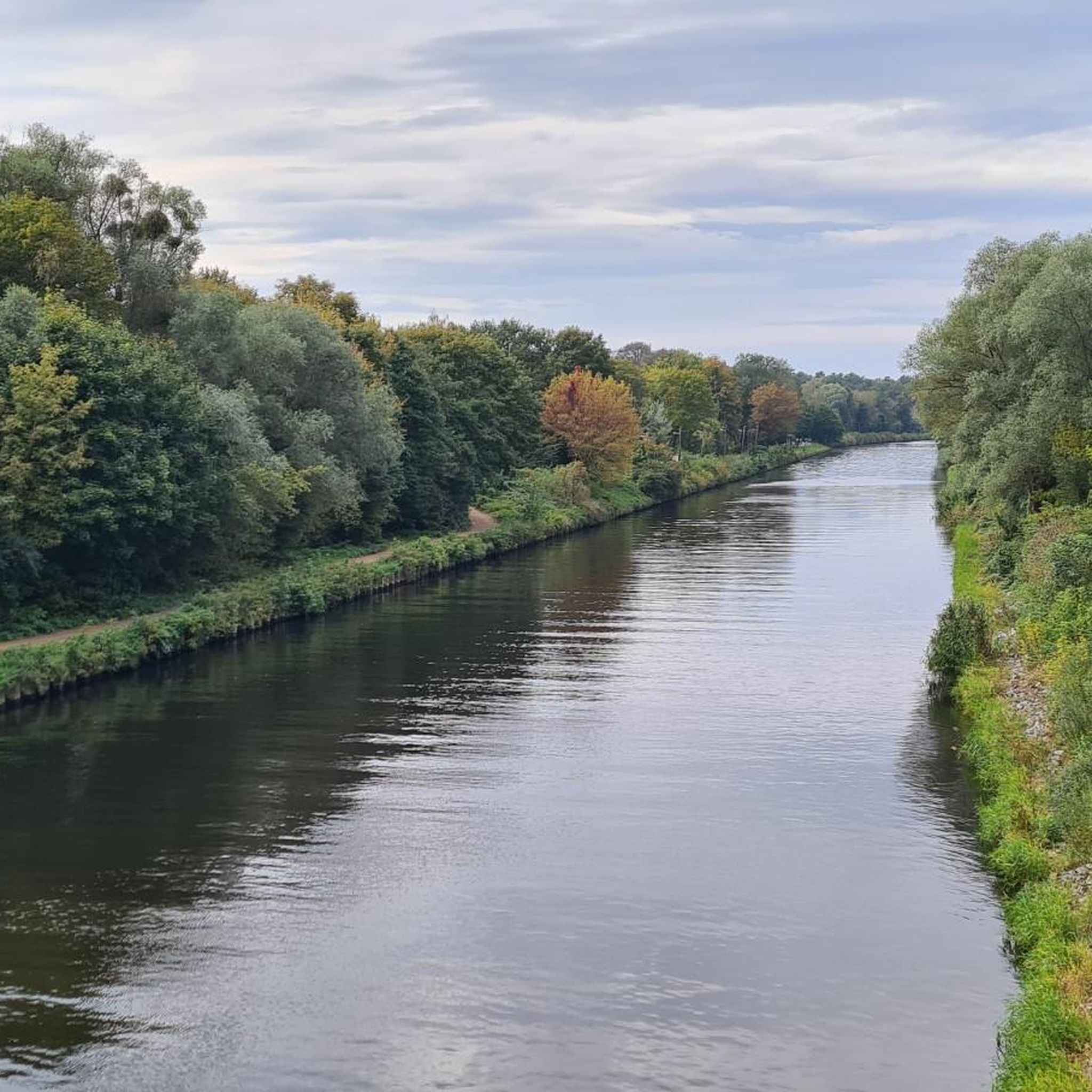
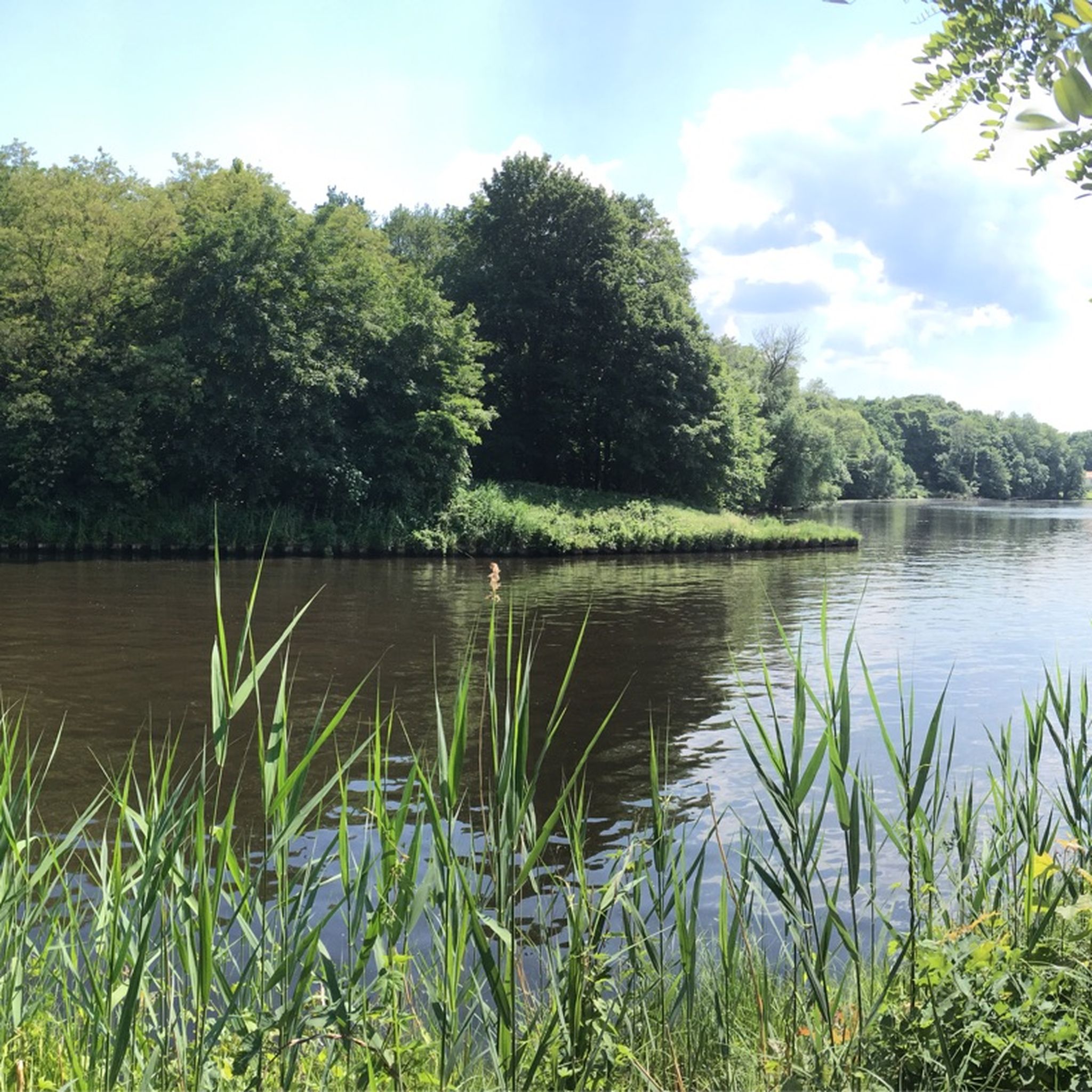
Tips from the Community

Beautifully situated on the water. It's definitely worth taking a look at the complex from the outside.
7
0

Really beautiful, with lots of nature around and cool design
2
0

A beautiful building with history, great photo opportunity
4
0

The Marble Palace is romantically situated on a terraced complex directly on the lake shore in the New Garden. King Friedrich Wilhelm II had the building clad in Silesian marble built as a summer residence between 1787 and 1793. Its architect Carl von Gontard created the first and only Prussian royal palace in the style of early classicism. The king, who was artistically inclined and associated with the ideas of the Rosicrucians, used the palace and garden as a private retreat. The vestibule made entirely of different colored marble, the grotto hall located directly on the water and the impressive concert hall are the highlights of the early classical rooms of the castle, most of which are still in their original form. https://www.spsg.de/schloesser-gaerten/objekt/marmorpalais/
3
0

The Little Castle is currently undergoing renovations. The restaurant's owners have relocated during this time and are serving light meals and drinks on the lawn next to the large castle. You can find more information here: https://kleinesschlossbabelsberg.eatbu.com/?lang=de.
3
3

Sanssouci Palace Sanssouci (from French sans souci 'without worry') is an ensemble of palaces and gardens in the former residential city of Potsdam. From 1747 to 1918 it served as the summer residence of the Prussian kings and German emperors. From 1745, Sanssouci Palace, the Picture Gallery, the New Chambers and the New Palace were built in the style of Frederician Rococo by Knobelsdorff, Unger and Gontard on behalf of and based on the ideas of Frederick II. From 1825, Schinkel, Stüler and Persius built the Charlottenhof Palace, the Roman Baths, the Church of Peace and the Orangery Palace in the classicist style on behalf of and based on the ideas of Friedrich Wilhelm IV. Lenné transformed the approximately 300 hectare Sanssouci Park with the historic mill, the Chinese House, the Dragon House and the Belvedere from a French architectural garden into an English landscape garden. The ensemble managed by the Prussian Palaces and Gardens Foundation Berlin-Brandenburg has been a UNESCO World Heritage Site since 1990. Sanssouci is also called the Prussian Versailles because of its art-historical importance. Text/Source: Wikipedia https://de.wikipedia.org/wiki/Sanssouci
23
6
Marble Palace The Marble Palace in the New Garden in Potsdam was the summer palace of King Frederick William II of Prussia. The architects Carl von Gontard, Carl Gotthard Langhans and Michael Philipp Boumann built it in the early classicist style between 1787 and 1793 and 1797 in an English park designed by Johann August Eyserbeck close to the banks of the river. The “new house” was the private life of the musically gifted man Reserved for the king. With this new building, the nephew and successor of Frederick the Great, who remained childless, distanced himself spatially and architecturally from his little-loved uncle, who preferred rococo forms with Palladian echoes throughout his life. At the same time, however, it is the stylistic continuation of a pleasure palace (of the baroque Maison de plainsance type) into the new age of classicism, similar to the slightly earlier Wörlitz.Heiligen Sees Castle. Text/Source: Wikipedia https://de.wikipedia.org/wiki/Marmorpalais
16
3

Located in the middle of a beautiful park, in which there are some other buildings worth seeing, the "Ohne Sorge" castle is certainly the main attraction of Potsdam - and that's saying something with the multitude of castles and historic buildings
14
1
Frequently Asked Questions
What historical sites are specifically located in Kleinmachnow itself?
In Kleinmachnow, you can explore the Neue Hakeburg, a large country house built in Neo-Romanesque style with a rich history, including its use as a party school during the SED era. The site of the Alte Burg, an archaeological monument with foundations dating back to Slavic times, offers a glimpse into the area's deep past. Additionally, the Dorfkirche Kleinmachnow, completed in 1597, is the oldest preserved building in town and an early Protestant church.
What architectural styles can be seen among the castles near Kleinmachnow?
The castles and historical buildings around Kleinmachnow showcase a variety of architectural styles. You'll find the Rococo elegance of Sanssouci Palace, the English country house style of Cecilienhof Palace, and the Tudor style of Babelsberg Palace. In Kleinmachnow itself, the Neue Hakeburg is a notable example of Neo-Romanesque architecture, while the Dorfkirche represents early Protestant church design.
Are there family-friendly castles to visit near Kleinmachnow?
Yes, many of the castles near Kleinmachnow are considered family-friendly. Sanssouci Palace, Cecilienhof Palace, New Palace, Babelsberg Palace, and Marble Palace all offer experiences suitable for families, often including expansive parks for children to explore.
What outdoor activities can I combine with a visit to the castles around Kleinmachnow?
The area around Kleinmachnow is excellent for outdoor activities. You can enjoy gravel biking with routes like the 'Grunewald Root Trail' or 'Königsweg' (see Gravel biking around Kleinmachnow). For hikers, there are easy walks around Machnower Lake and the Kleinmachnow Lock, as well as more challenging routes along the Teltow Canal (explore options in Easy hikes around Kleinmachnow and Hiking around Kleinmachnow).
What is the best time of year to visit the castles near Kleinmachnow?
The summer months are particularly beautiful for visiting the castles and their extensive parks, especially for enjoying the vineyard terraces at Sanssouci Palace. However, to avoid crowds, consider visiting early in the morning or in the evening. Spring and autumn also offer pleasant weather for exploring the grounds and gardens.
Which castle is known for its role in a significant historical event?
Cecilienhof Palace is world-renowned as the location where the Potsdam Agreement was signed in August 1945, marking a pivotal moment in post-World War II history. Visitors can explore an exhibition detailing the Potsdam Conference within the palace rooms.
Are there options for guided tours at the historical sites in Kleinmachnow?
Yes, for a deeper understanding of Kleinmachnow's history, group tours are available through the local history association. These tours offer insights into the von Hake family, the Neue Hakeburg, its surrounding gardens, and the archaeological site of the Alte Burg.
Where can I find a castle with beautiful parklands and views?
Several castles near Kleinmachnow are set within stunning parklands and offer picturesque views. Sanssouci Palace is famous for its beautiful vineyard terraces and extensive park. Babelsberg Palace is situated within the scenic Babelsberg Park, and the Neue Hakeburg in Kleinmachnow provides a great view of the Machnower Sea and the surrounding area.
What do visitors particularly enjoy about the castles around Kleinmachnow?
Visitors appreciate the blend of historical architecture and expansive parklands. The komoot community has shared over 2300 photos and given more than 2900 upvotes, highlighting the beauty of sites like Sanssouci Palace and the rich history found at places like Cecilienhof Palace. The opportunity for long walks through the beautiful parks is also a major draw.
Are there any older, perhaps ruined, castles or archaeological sites to visit in Kleinmachnow?
Yes, the site of the Alte Burg in Kleinmachnow is an important archaeological monument. While the original structure was largely destroyed in 1943 and demolished in the 1950s, visits to the remaining foundations can be arranged through the local history association, offering a unique historical perspective.
What cultural or historic sites are nearby the castles?
Beyond the castles, the region offers significant cultural and historic sites. The Dorfkirche Kleinmachnow, completed in 1597, is the oldest preserved building in Kleinmachnow and an important early Protestant church. The nearby city of Potsdam, where many of the palaces are located, is rich in Prussian history and features numerous other historical landmarks.
How can I learn more about the von Hake family's influence in Kleinmachnow?
The von Hake family played a significant role in Kleinmachnow's history, owning the area from the 15th century until 1945. You can learn about their legacy through the Neue Hakeburg, which they built, and the Dorfkirche Kleinmachnow, which was commissioned by Margarete von Hake. The local history association offers tours that delve into the family's impact on the region.
Most popular routes around Kleinmachnow
Most popular attractions around Kleinmachnow

Get inspired with the komoot mobile app


Explore more
Looking for the best castles somewhere else? Discover other guides around Kleinmachnow:
