The best road cycling routes in Forêt De Chevré
4.5
(135)
3,437
riders
488
rides
Road cycling routes in Forêt De Chevré traverse a diverse landscape characterized by hilly terrain and varied forest ecosystems, including well-preserved beech and oak woods. The region features numerous ponds, such as the Étang de Chevré and Étang de la Corbière, and the meandering Veuvre river, providing scenic backdrops. Cyclists can also encounter historical elements like the medieval village of Chevré and a Roman bridge, adding cultural interest to the routes. This area, part of a Natura 2000 protected site,…
Last updated: July 5, 2026
9
riders
44.1km
01:56
350m
350m
Moderate road ride. Good fitness required. Mostly well-paved surfaces and easy to ride.
16
riders
16.2km
00:42
130m
130m
Easy road ride. Great for any fitness level. Mostly well-paved surfaces and easy to ride.

Sign up for free
12
riders
51.3km
02:12
430m
430m
Moderate road ride. Good fitness required. Mostly well-paved surfaces and easy to ride.
5.0
(1)
14
riders
12.7km
00:33
90m
90m
Easy road ride. Great for any fitness level. Mostly well-paved surfaces and easy to ride.
6
riders
47.1km
02:02
350m
350m
Moderate road ride. Good fitness required. Mostly well-paved surfaces and easy to ride.
Get access to more routes and recommendations from other explorers.
Sign up for free
Already have an account?
Our route recommendations are based on thousands of hikes, rides, and runs completed by other people on komoot.
Start today with a free account
Your next adventure awaits.
Login or Signup
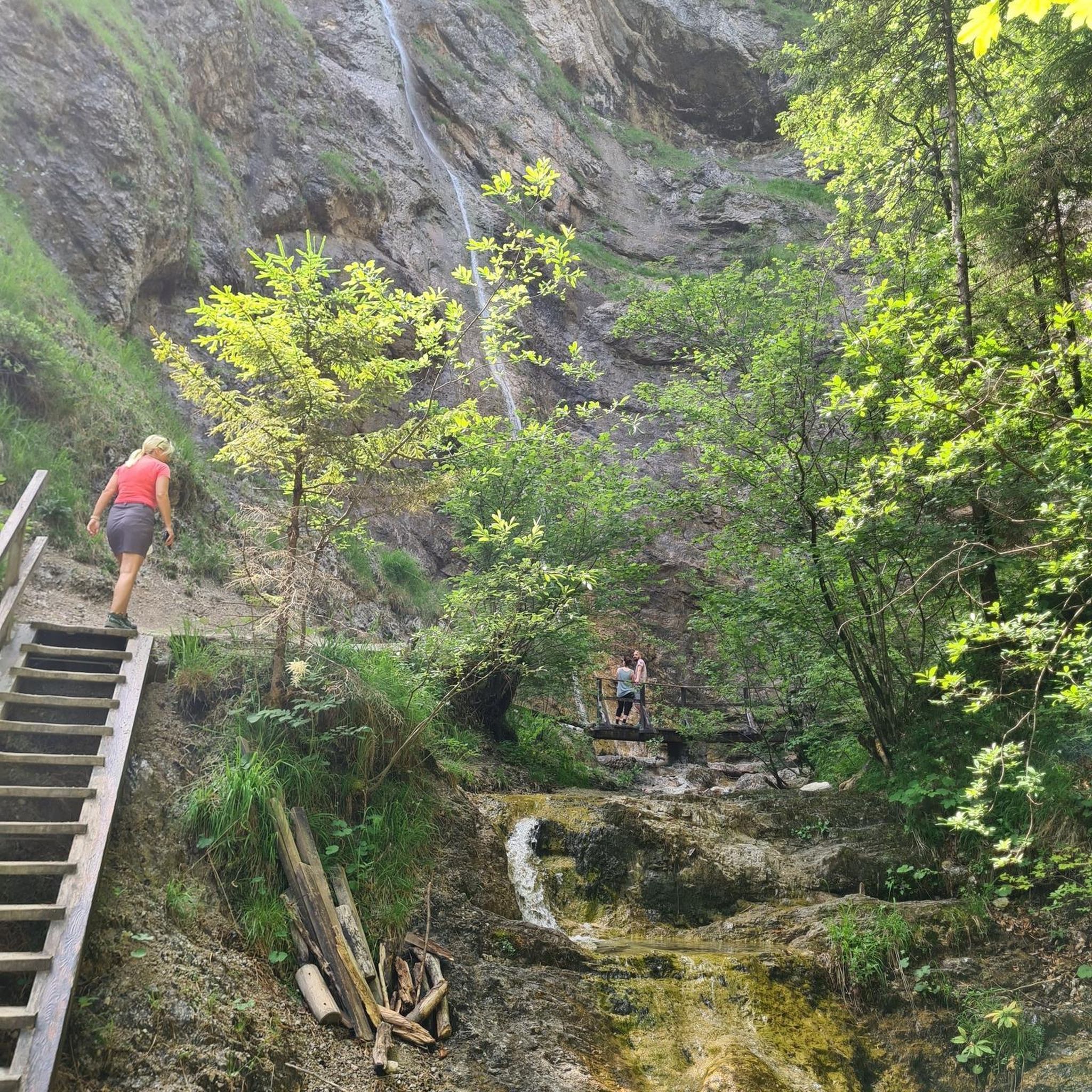
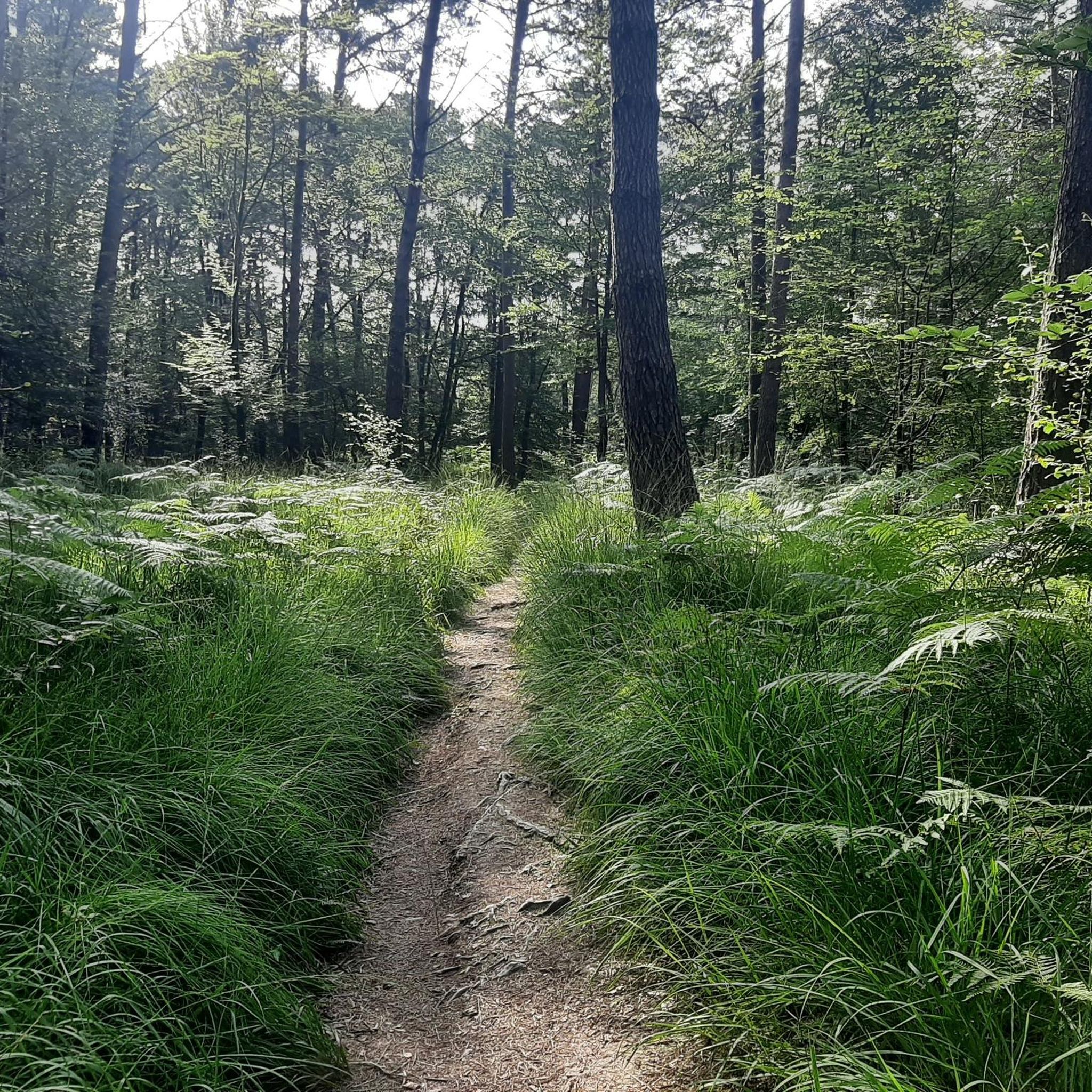
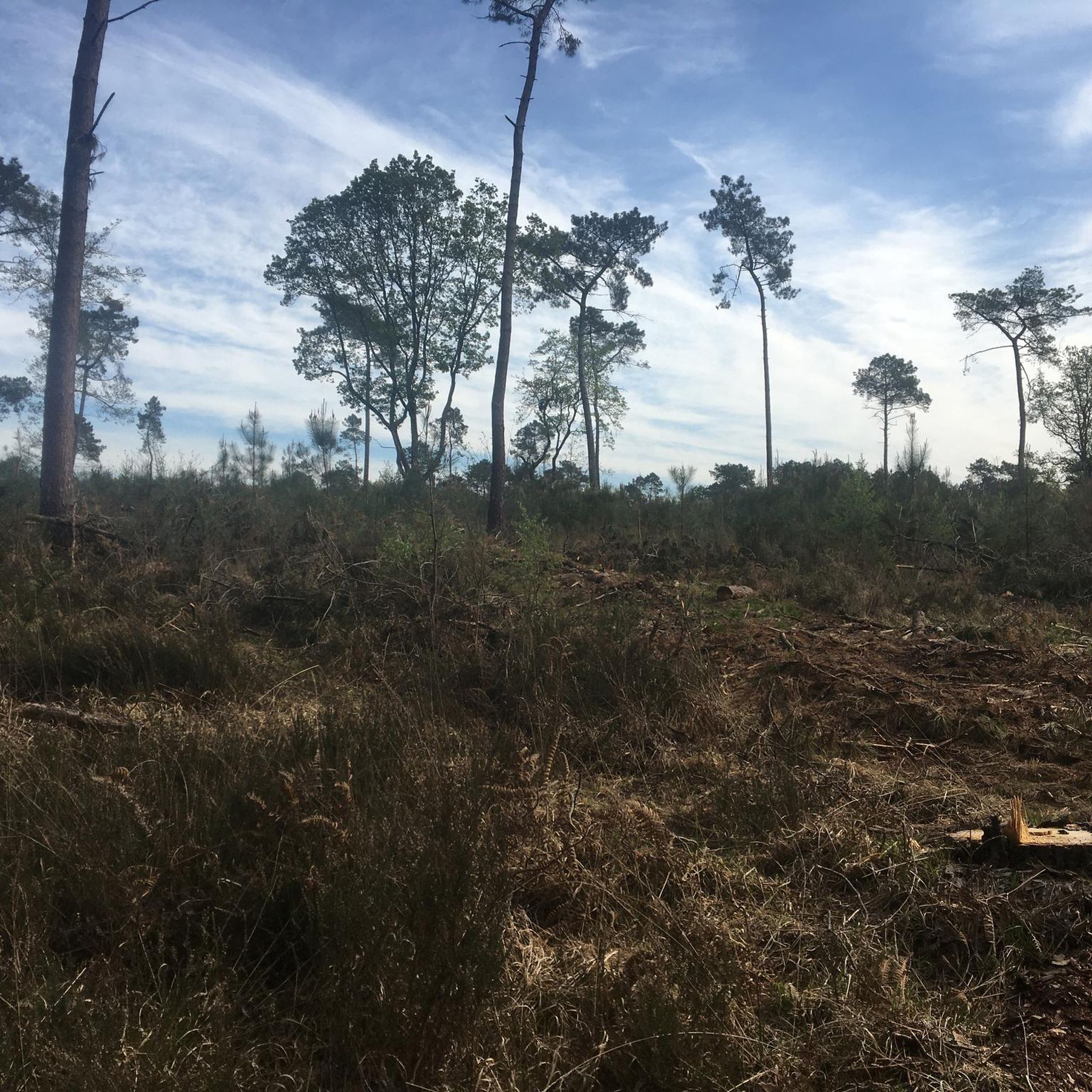
Tips from the Community

Old church mentioned as early as 1160 and rebuilt in the 16th and 17th centuries (old tower dated 1582). The current church was entirely built to the plans of Arthur Regnault in 1904 (date and attribution by source). He uses the model of the so-called Plantagenet vaulted ceiling for the covering of the nave and aisles, but for the bell tower, he draws inspiration from Cornish bell walls. Two windows from the late 15th and 16th centuries of the old church were reused on the south side of the nave. This church, rebuilt in the Breton flamboyant style, is representative of the architect's style during this period.
0
0
The bell tower is visible from afar and has long dominated the town and its surroundings. The Saint-Pierre church has retained its impact on the local landscape for over a century. It was indeed in 1888 that the Fabrique Council decided to entrust Arthur Régnault, the diocese's architect, with the project for a new construction. His plan was accepted and work began in October 1889, before the blessing of the first stone on March 13, 1890. As an anecdote, the stones are extracted from the quarry of La Bouëxière. Quickly, the inhabitants discovered its citadel-like appearance, Arthur Régnault having wanted to honor the city of Châteaubourg which had not had a castle for a long time! The structural work was completed on March 28, 1893, but due to lack of funds, the bells would wait until 1894. The work on the woodwork and the construction of the high altar took place in 1911, the church being due to host the important Eucharistic congress of 1913. Maintenance work continued over the years, the church having become the property of the municipality since 1905. During the bombings of the summer of 1944, the church was spared. The inhabitants would not forget it: on May 9, 1945, the day after the armistice, the men carried Notre Dame de Boulogne in procession and paraded barefoot through the streets. The centenary was celebrated in 1992 with the decision to install the current organ. The church of Châteaubourg has thus traversed local history from the 15th century – the date of construction of the previous, much smaller church – to that designed by Arthur Régnault.
0
0
The church of Saint-Sulpice (17th century). Dedicated to Saint Sulpice, bishop of Bourges, the church of Ossé consists of a single nave ending in a straight chancel, to which two chapels have been added, forming the transepts. It has no style and may partly date back to the 16th century, as indicated by the ogival window of its chancel, now walled up. The North chapel, dedicated to the Virgin Mary, and originally reserved for the lord of Charot, was built in 1611. The other chapel, dedicated to Saint Nicholas, also seems to be from the 17th century. Le Plessix d'Ossé was the manor house of the parish. In 1440, Duke Jean V settled a dispute concerning the right of burial in the church of Ossé between the sieur du Pan, lord of Plessix, and the sieur de Montbeille, lord of Grées. The ecclesiastical superiority belonged to Ossé to the baron de Châteaugiron, but the lord of Plessix enjoyed the rights of founder and patron; this was declared in 1694 by Gabrielle Glé, marquise de la Vallière and lady of Plessix (National Archives, P. 1721). Jacques Le Prestre, baron de Châteaugiron, having acquired Plessix in 1744, took possession of all these honorary rights and had his coat of arms placed in the choir and on the high altar of the church of Ossé. As for the lord of Charot, he had his tomb, his pew, and his coat of arms in his reserved chapel. The bell tower dates from 1899. The altarpiece of the Holy Trinity dates from the 17th century.
0
0


Nowadays, only very few mills are still in operation in their original function, but they appear to hikers and cyclists along the river or canal as technical and historical monuments of an ancient craft tradition: Only through human ingenuity and the power of flowing water as driving energy, the heavy millstones inside were moved and so, for example, grain could be ground into flour (so-called grain mills) or oil could be pressed from fruits (e.g. olives) (so-called oil mills).
0
0

Very nice place, very friendly! I recommend !
0
0

The wash house is located just opposite the body of water (unfortunately not visible in the photo). Formerly used for washing, it now serves more as a historical monument.
0
0
The first castle of Châteaugiron was built in the middle of the 11th century by Anquetil, a Norman knight, who had received the lands from Alan III, Duke of Brittany. The oldest part of the current castle is the castle's Romanesque chapel dating from the 12th century. Probably in the 13th century, Châteaugiron castle was rebuilt as a stone fortress. Currently the Château de Châteaugiron fulfills several functions; its main body is used as a town hall, the other parts are used as offices and the independent keep is used for exhibitions. You can book your tickets online here: https://www.tourisme-paysdechateaugiron.bzh/activites/chateau-de-chateaugiron/
0
0
Frequently Asked Questions
What kind of terrain can I expect on road cycling routes in Forêt De Chevré?
The terrain around Forêt De Chevré is generally hilly, featuring some long climbs that can provide a good challenge for road cyclists. Routes wind through diverse forest ecosystems, including well-preserved beech and oak woods, and extend into the surrounding countryside, offering varied scenery.
Are there road cycling routes suitable for beginners in Forêt De Chevré?
Yes, Forêt De Chevré offers a good selection of routes for beginners. There are 86 easy road cycling routes available. An example is the View of Acigné Mill – Acigné Bridge loop from Servon-sur-Vilaine, an easy 16.2 km path that provides scenic views of local waterways and historical structures.
What historical landmarks or natural features can I see along the road cycling routes?
Road cycling routes in Forêt De Chevré often pass by significant historical and natural features. You can discover remnants of a medieval village, including a motte with a 12th-century stone keep and chapel. Near the Étang de Chevré, you'll find a Roman bridge and an old mill. The forest itself is rich in diverse ecosystems and features ponds like the Étang de Chevré and Étang de la Corbière, and the meandering Veuvre river.
How many road cycling routes are available in Forêt De Chevré?
There are over 480 road cycling routes available in Forêt De Chevré, catering to various skill levels. This includes 86 easy routes, 379 moderate routes, and 15 more challenging options.
What do other road cyclists enjoy most about the routes in Forêt De Chevré?
The road cycling routes in Forêt De Chevré are highly rated by the komoot community, with an average score of 4.6 stars from over 120 reviews. Cyclists often praise the diverse forest scenery, the mix of challenging climbs and easier sections, and the historical elements encountered along the way.
Are there any circular road cycling routes in the area?
Yes, many of the road cycling routes in Forêt De Chevré are designed as loops, allowing you to start and finish at the same point. For example, the Old Forest Road loop from Le Drugeon is a popular moderate route, and the Chevré Mill and Pond – Medieval hamlet of Chevré loop from La Bouëxière also offers a circular experience past historical landmarks.
Where can I find parking for road cycling in Forêt De Chevré?
While specific parking locations are not detailed for every route, many routes start from villages or designated areas around the forest, such as Le Drugeon, Servon-sur-Vilaine, or La Bouëxière, where public parking is typically available. It's advisable to check the starting point of your chosen route for specific parking information.
Is Forêt De Chevré suitable for family-friendly road cycling?
Yes, Forêt De Chevré offers several easy routes that can be suitable for families, especially those with some cycling experience. The varied scenery and historical points of interest can make for an engaging family outing. Consider routes like the View of Acigné Mill – Acigné Bridge loop from Servon-sur-Vilaine for a less strenuous option.
Are there cafes or restaurants near the road cycling routes in Forêt De Chevré?
Yes, there are options for refreshments. An old mill near the Étang de Chevré has a restaurant, offering a charming stop during your ride. Additionally, the villages surrounding the forest, such as La Bouëxière, Servon-sur-Vilaine, and Acigné, typically have cafes and other amenities.
What is the best time of year for road cycling in Forêt De Chevré?
The diverse forest ecosystems and natural beauty of Forêt De Chevré make it appealing for road cycling throughout much of the year. Spring and autumn offer pleasant temperatures and vibrant foliage, while summer provides longer daylight hours. It's always a good idea to check local weather conditions before heading out.
Are there any challenging road cycling routes for experienced riders?
Yes, Forêt De Chevré features routes with significant elevation gain and longer distances for experienced cyclists. There are 15 difficult routes available, and many moderate routes also include challenging climbs. The hilly terrain ensures a good workout for those seeking a more demanding ride.
Can I combine road cycling with other activities in Forêt De Chevré?
Absolutely. Beyond road cycling, Forêt De Chevré offers numerous trails for hiking and walking, varying in difficulty. The presence of ponds like Étang de Chevré and historical sites such as the medieval village and Roman bridge means you can easily combine a ride with a leisurely walk or exploration of cultural heritage.
Most popular routes in Forêt De Chevré

Get inspired with the komoot mobile app


Explore more
Browse the best Road cycling routes in other regions.
