The best cycling routes in Mata Da Apostiça
4.5
(119)
2,120
riders
129
rides
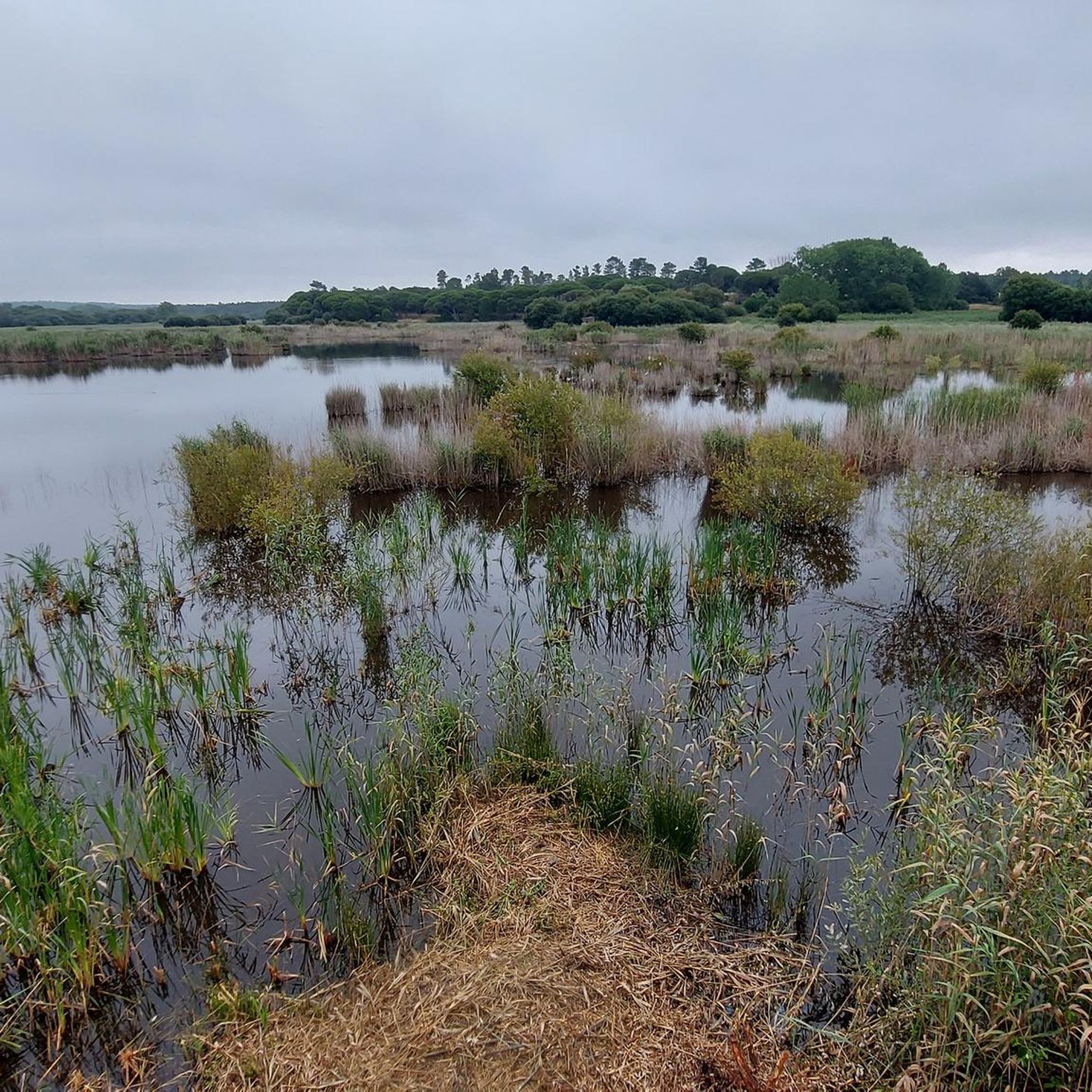
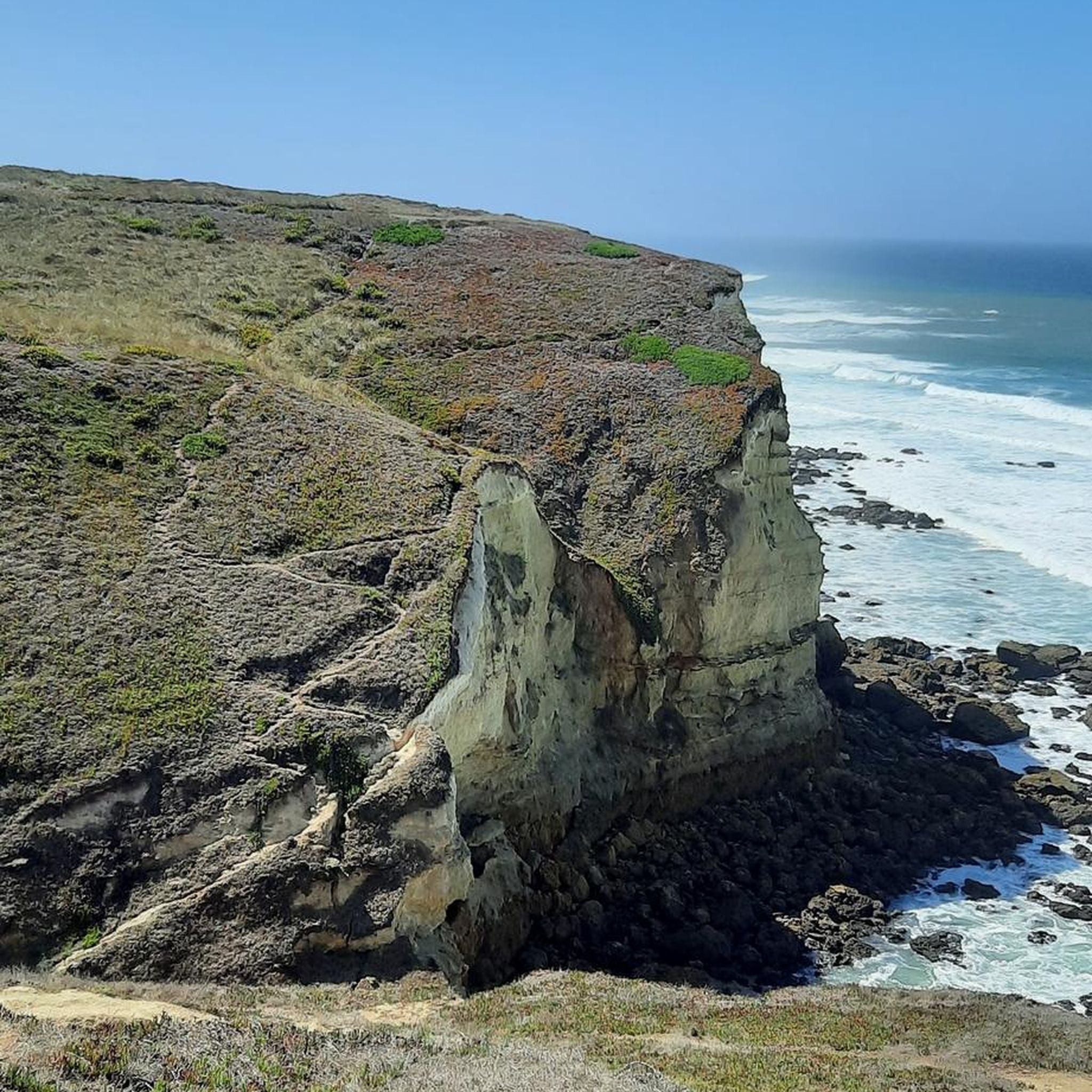
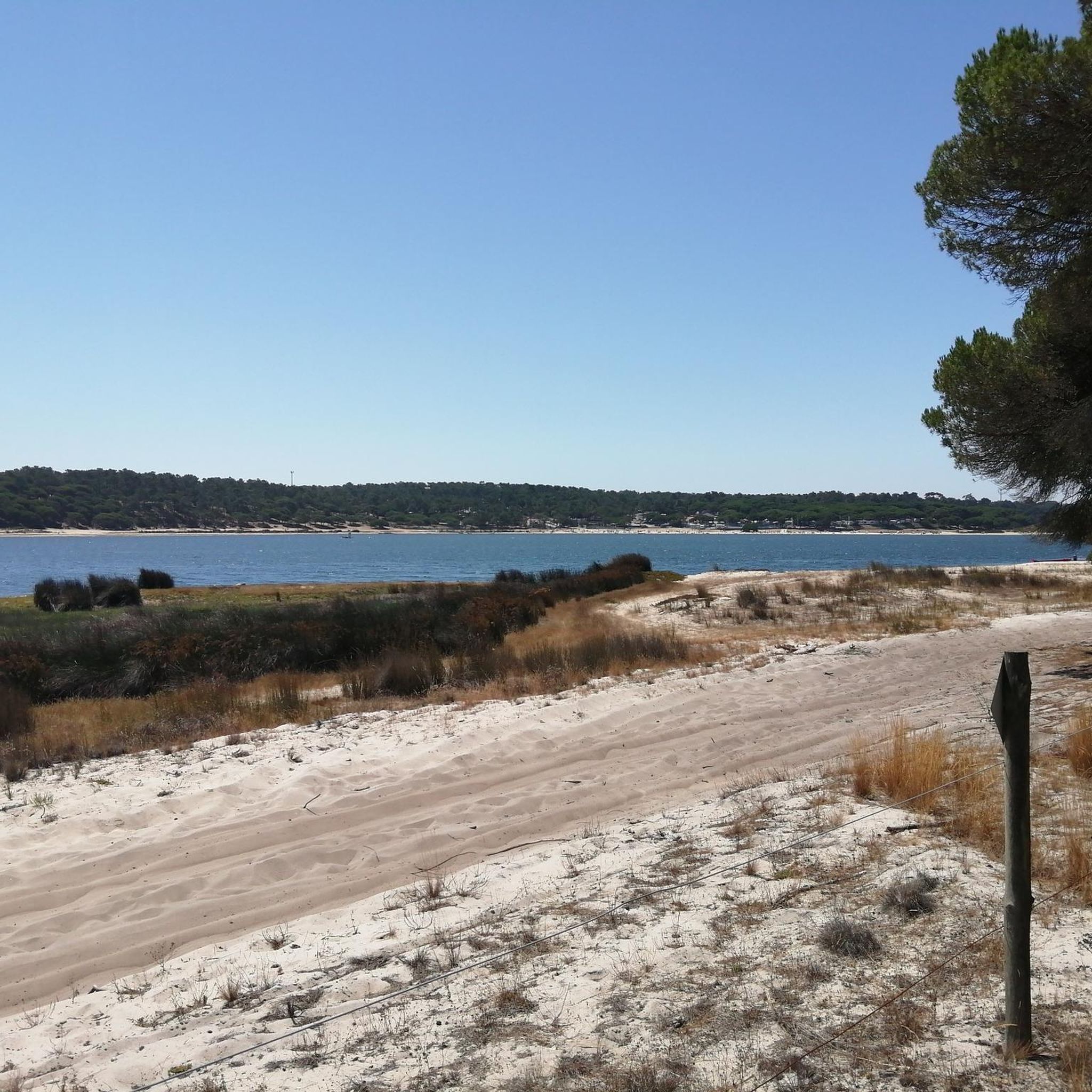
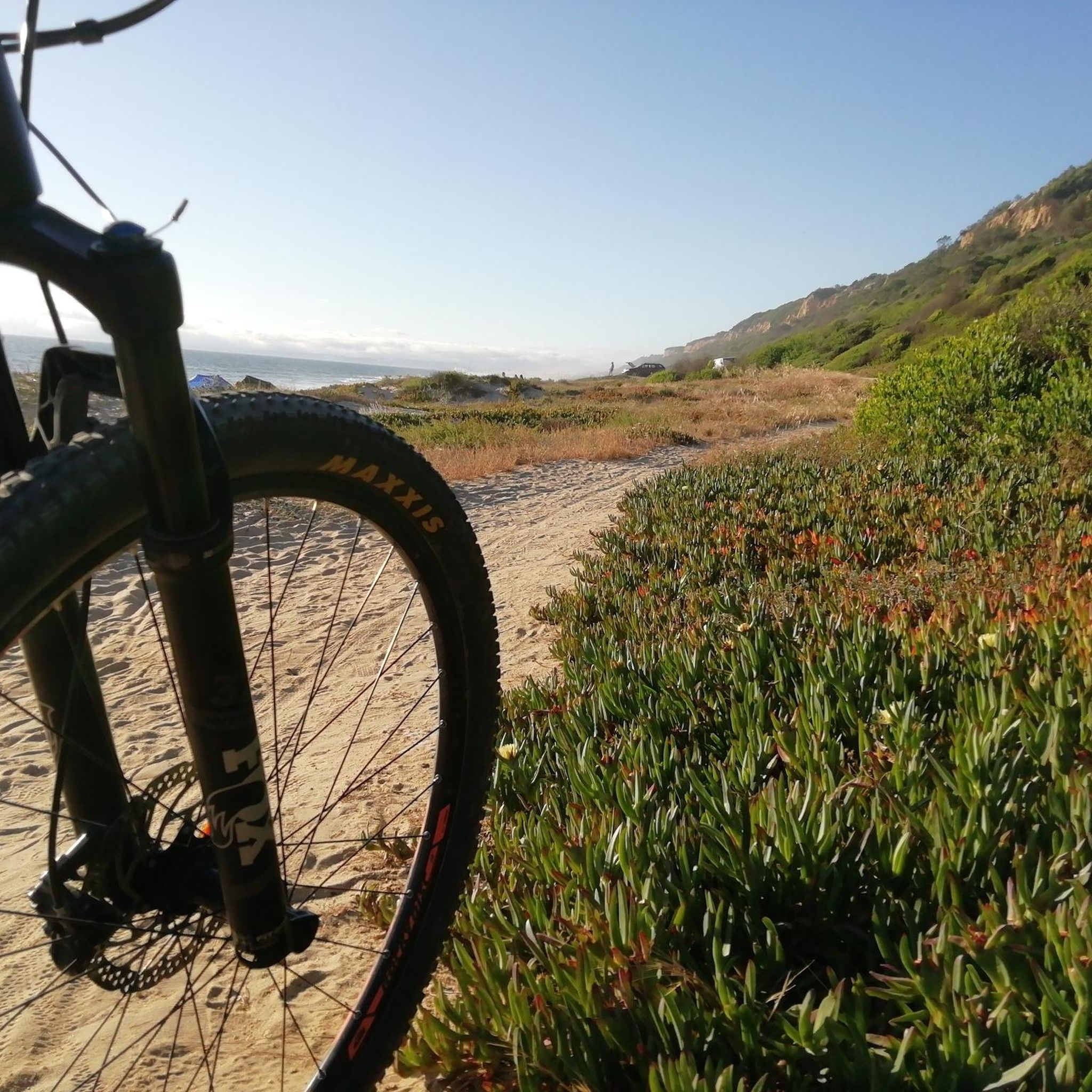
Touring cycling in Mata Da Apostiça offers diverse landscapes, characterized by its coastal cliffs and extensive forested areas. The region features a mix of paved and unpaved surfaces, providing varied terrain for cyclists. These natural features, including the Fonte da Telha Cliff and Mata Nacional dos Medos, create a compelling environment for outdoor enthusiasts.
Best touring cycling routes in Mata Da Apostiça
- The most popular touring cycling route is Fonte da Telha Cliff – Costa da Caparica Beach loop from…
Last updated: July 6, 2026
4.3
(9)
91
riders
Moderate bike ride. Good fitness required. Mostly paved surfaces. Suitable for all skill levels.
4.0
(1)
23
riders
51.2km
04:09
660m
660m
Hard bike ride. Very good fitness required. You may need to push your bike for some segments of this route.

Sign up for free
3.0
(1)
20
riders
37.3km
02:22
350m
350m
Hard bike ride. Good fitness required. You may need to push your bike for some segments of this route.
5.0
(1)
9
riders
30.7km
02:15
340m
340m
Moderate bike ride. Good fitness required. Mostly paved surfaces. Suitable for all skill levels.
5.0
(1)
7
riders
17.3km
01:11
110m
110m
Easy bike ride. Great for any fitness level. Mostly paved surfaces. Suitable for all skill levels.
Get access to more routes and recommendations from other explorers.
Sign up for free
Already have an account?
Our route recommendations are based on thousands of hikes, rides, and runs completed by other people on komoot.
Start today with a free account
Your next adventure awaits.
Login or Signup
Tips from the Community

Built in the 18th century, it is an eye-catcher with its baroque architecture and the typical blue and white tiles in which some icons were also kept.
2
0

A beautiful beach with many piers. Unfortunately, it's overcrowded, but it's great for surfing.
0
0


excellent, original beach shack restaurant, fish straight from their own boat
0
0

Although there is plenty of parking, it can still be tight on weekends.
4
0

Its origins date back at least to the 14th century, to a document from the chancellery of D. Pedro I, dated 1366, which refers to the pilgrimage routes to Santa Maria do Cabo. However, according to oral tradition, the discovery of the image of Our Lady on the promontory by two old men from Caparica and Alcabideche, who had been warned by Heaven in similar dreams, only occurred in the year 1410. The 15th century therefore marked a major development of the Sanctuary. During this period, the Ermida da Memória was built, as well as the original Church. The high influx of pilgrims to the site, guided by the constitution of the Brotherhood of Our Lady of Cabo in 1432, led to the construction of the main buildings that today make up the architectural complex between 1701 and 1770: Casa da Água; Church; Aqueduct; Mãe d’Água/Poço Velho da Azóia; Wells; Casa da Lenha, Casa da Ópera; Inns; Three Pilgrimage Cruises and Arrival Cruise. With the Napoleonic invasions, the cult began to gradually decline, which was halted, however, by several restoration works carried out over the last few decades. Currently, the cult at the Sanctuary of Our Lady of Cabo Espichel is alive, particularly through the celebrations of the Azoia, Palmela and Sesimbra candlelight festivals, whose festivities take place in the months of March and April and August and September, respectively.
2
0

Praia da Fonte da Telha - one of the most popular beaches - this is certainly due to the large number of restaurants - I counted 14, but there are probably many more.
3
2

Begun in 1701 and sanctified in 1707, the Church of Nossa Senhora do Cabo is located on the seafront. The interior of the church is decorated with colored marble and a ceiling with perspective architecture designed by Lourenço da Cunha (1740). Inside the church there is also an organ with features from the late 19th century. 18th/early 20th century. XIX, finally made in the workshop of Joaquim António Peres Fontanes. On each side of the church there are a series of pilgrim shelters, called Casa dos Círios or simply Hospedarias, which make up the Terreiro or camp. At the beginning is a cruise, the place where the sanctuary really begins. https://pt-m-wikipedia-org.translate.goog/wiki/Santu%C3%A1rio_de_Nossa_Senhora_do_Cabo_Espichel?_x_tr_sl=pt&_x_tr_tl=de&_x_tr_hl=de&_x_tr_pto=sc
0
1
Frequently Asked Questions
How many touring cycling routes are available in Mata Da Apostiça?
Mata Da Apostiça offers a wide selection of over 130 touring cycling routes. These routes cater to various preferences, ranging from easy rides to more challenging trails.
What kind of terrain can I expect on touring cycling routes in Mata Da Apostiça?
You can expect diverse terrain in Mata Da Apostiça. The routes feature a mix of paved and unpaved surfaces, leading through scenic coastal areas with cliffs and beaches, as well as extensive forested paths like those found in Mata Nacional dos Medos. This variety provides different experiences for cyclists.
Are there any easy touring cycling routes suitable for beginners or families in Mata Da Apostiça?
Yes, Mata Da Apostiça has several easy touring cycling routes. For instance, the Fonte da Telha Cliff – Mata Nacional dos Medos loop from Verdizela is an easy 9.4-mile (15.1 km) path that leads through shaded forested areas, making it a good option for a more relaxed ride.
What are the more challenging touring cycling routes in Mata Da Apostiça?
For those seeking a challenge, routes like the Till Fornos – Hermitage of Memory loop from Estr. Murtinhais 241 offer a more demanding experience. This 31.5-mile (50.8 km) trail leads through diverse landscapes and includes significant elevation gains, requiring good fitness.
Are there any circular touring cycling routes in Mata Da Apostiça?
Many of the touring cycling routes in Mata Da Apostiça are loops, allowing you to start and end at the same point. A popular example is the Fonte da Telha Cliff – Costa da Caparica Beach loop from Paisagem Protegida da Arriba Fóssil da Costa da Caparica, which offers scenic coastal views over 17.2 miles (27.7 km).
What natural features or viewpoints can I see along the touring cycling routes?
The touring cycling routes in Mata Da Apostiça showcase the region's natural beauty. You'll encounter prominent features like the Fonte da Telha Cliff, offering stunning coastal views, and the forested areas of Mata Nacional dos Medos. The landscape itself, with its cliffs, beaches, and forests, serves as the primary attraction.
Is Mata Da Apostiça suitable for dog-friendly cycling?
While the guide doesn't specify dog-friendly routes, many natural areas in Portugal allow dogs on trails if they are kept on a leash and waste is properly disposed of. It's always best to check local regulations for specific sections, especially within protected areas like Mata Nacional dos Medos, to ensure a pleasant experience for everyone.
What is the best time of year to go touring cycling in Mata Da Apostiça?
The region's mild climate generally makes touring cycling enjoyable for much of the year. Spring and autumn often provide the most comfortable temperatures for longer rides. During summer, coastal routes might offer refreshing breezes, but it's advisable to cycle earlier in the morning or later in the afternoon to avoid the midday heat.
Are there options for public transport access to the touring cycling routes?
The guide does not provide specific public transport details for accessing the routes. However, for regions near urban centers like Lisbon, public transport options such as buses or trains often connect to surrounding areas. It's recommended to check local public transport schedules and policies regarding bicycles for the most up-to-date information.
Where can I find parking near the touring cycling trails in Mata Da Apostiça?
While specific parking locations are not detailed for every route, many trailheads or starting points, especially those near towns or popular natural attractions, typically offer parking facilities. For example, routes starting from areas like Paisagem Protegida da Arriba Fóssil da Costa da Caparica or Verdizela likely have designated parking nearby.
What do other touring cyclists enjoy most about cycling in Mata Da Apostiça?
The komoot community highly rates touring cycling in Mata Da Apostiça, with an average score of 4.5 stars from over 100 reviews. Cyclists often praise the diverse landscapes, which combine scenic coastal views with tranquil forested paths, and the variety of terrain that caters to different skill levels.
Are there any cafes or places to stop for refreshments along the routes?
The guide does not explicitly list cafes or refreshment stops directly on the routes. However, given the proximity to coastal areas and towns, it's likely that you'll find cafes and restaurants in nearby villages or along the coast, particularly near popular spots like Costa da Caparica Beach or Fonte da Telha.
Most popular routes in Mata Da Apostiça

Get inspired with the komoot mobile app


Explore more
Browse the best Cycling routes in other regions.
