The best walks and hikes in Forêt Domaniale De Vau
4.2
(21)
140
hikers
45
hikes
Hiking in Forêt Domaniale De Vau offers accessible trails within a natural forest environment in the Meuse department of France. This managed forest provides a serene setting for outdoor activities. The terrain is characterized by extensive woodlands and varied paths suitable for different fitness levels.
Best hiking trails in Forêt Domaniale De Vau
- The most popular hiking route is Gondrecourt-le-Château loop from Gondrecourt-le-Château, a 6.3 miles (10.1 km) trail that takes 2 hours 40 minutes to complete, leading through…
Last updated: July 5, 2026
3
hikers
Moderate hike. Good fitness required. Easily-accessible paths. Suitable for all skill levels.
4.0
(1)
3
hikers
9.52km
02:32
100m
100m
Moderate hike. Good fitness required. Easily-accessible paths. Suitable for all skill levels.

Sign up for free
5
hikers
19.3km
05:13
260m
260m
Hard hike. Very good fitness required. Easily-accessible paths. Suitable for all skill levels.
4
hikers
6.21km
01:48
150m
150m
Easy hike. Great for any fitness level. Easily-accessible paths. Suitable for all skill levels.
4.0
(1)
4
hikers
7.69km
02:07
130m
130m
Moderate hike. Good fitness required. Easily-accessible paths. Suitable for all skill levels.
Get access to more routes and recommendations from other explorers.
Sign up for free
Already have an account?
Our route recommendations are based on thousands of hikes, rides, and runs completed by other people on komoot.
Start today with a free account
Your next adventure awaits.
Login or Signup
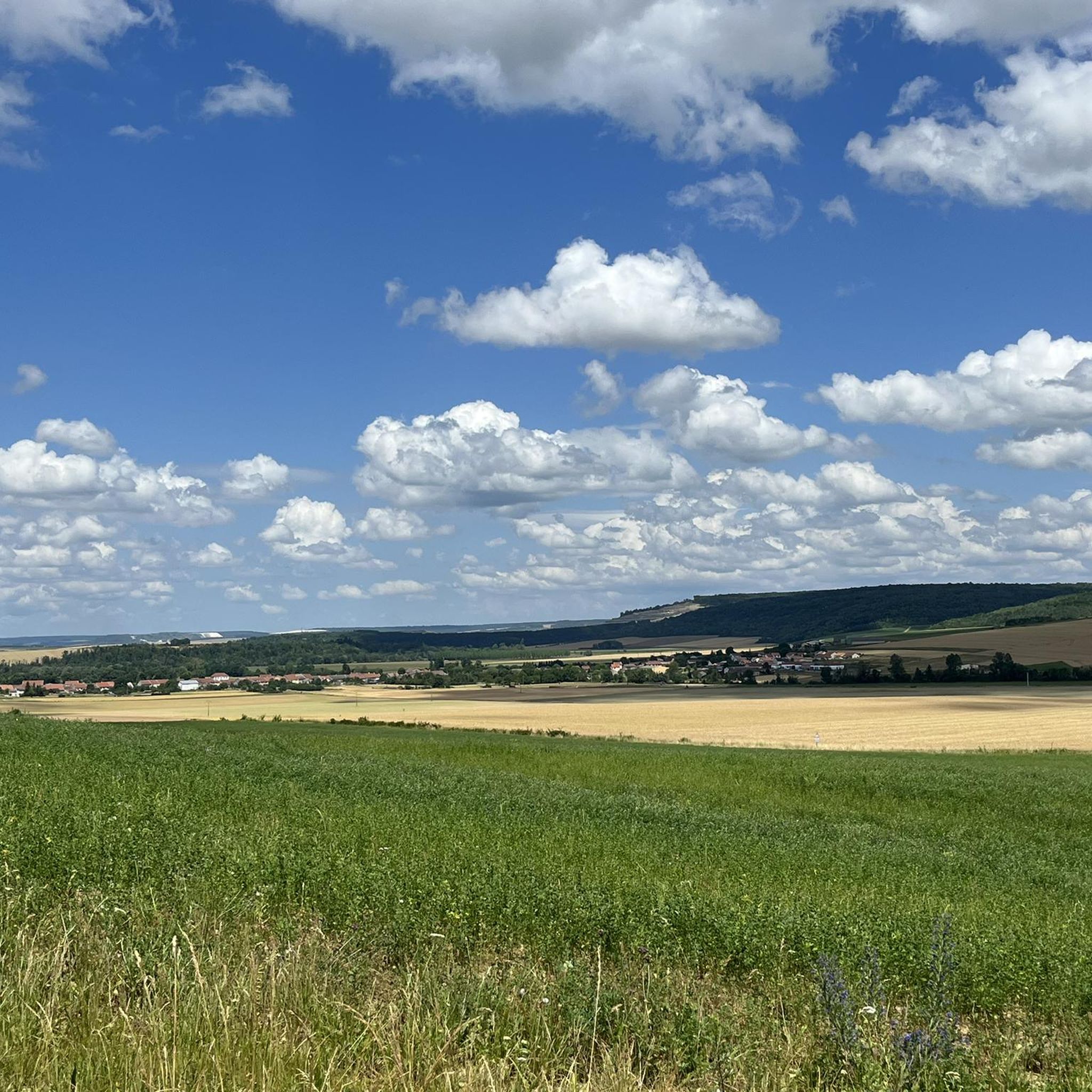
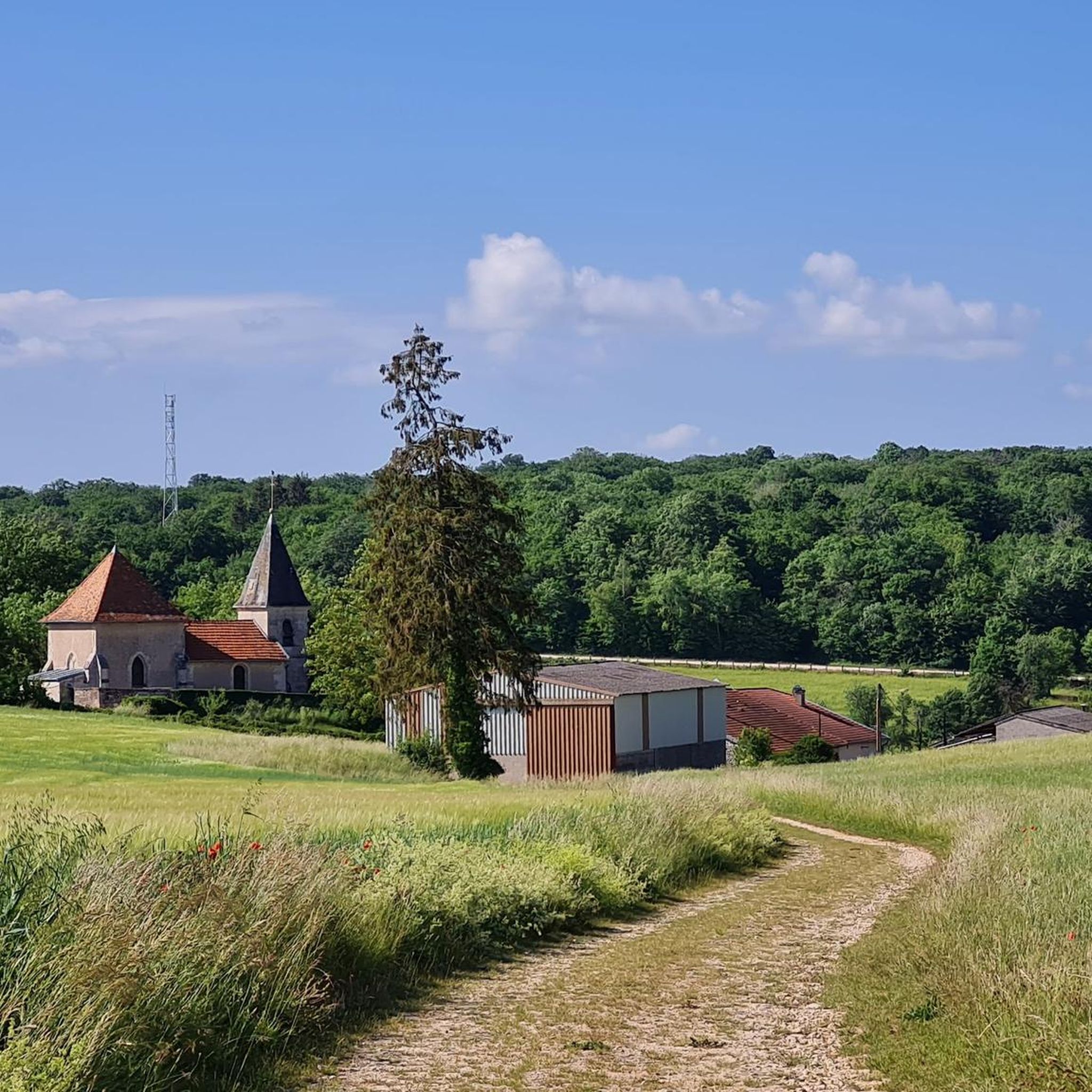

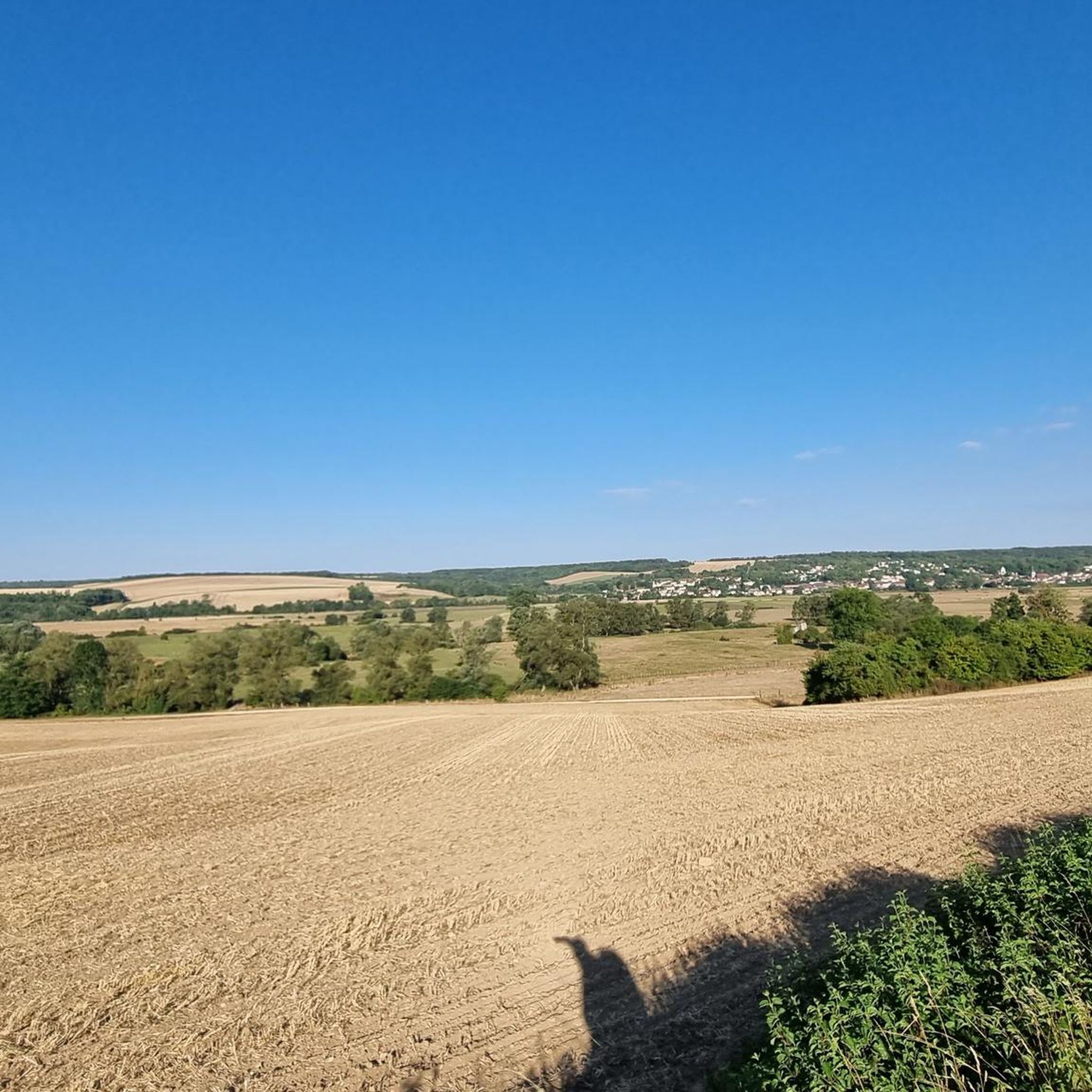
Tips from the Community

We particularly enjoyed the history of the town, situated on the Meuse River. The beautiful town hall was built in 1847/48 on the site of a monastery in the Italian Renaissance style. In front of the town hall stands the gigantic equestrian statue of Joan of Arc, revered by the French. This cast-iron monument weighs 2.5 tons. Joan is said to have conquered the city. There is also a Joan of Arc Museum in the town.
1
0

Picnic tables and benches
0
0

At this location is currently the grouping of three statues facing the current village: the Virgin, Sainte-Marguerite and Sainte-Jeanne d'Arc. It was in the 17th century that the old village was destroyed like many other villages in Lorraine. France and the Holy Roman Empire had entered into the 30 Years' War (1618-1648) and were competing for the independent Duchy of Lorraine.
2
0
The Bermont chapel was probably founded in the 12th century by the Benedictine abbey of Bourgueil, near Angers. In the 13th century, it was attached to the Gerbonvaux hospice and served as a hermitage. According to tradition, Joan of Arc went almost every Saturday to the Notre-Dame de Bermont chapel. During the Revolution, the chapel threatened to fall into ruin and the hermits' accommodation was largely destroyed. Since 1992, the Notre-Dame de Bermont Association has been restoring the site. In 1998, wall frescoes dating from the Johannine era (15th century) were discovered in the chapel. The chapel has been included in the supplementary inventory of historical monuments "as a testimony to the Johannine epic".
3
0

Vaucouleurs plays an important role in the story of Joan of Arc. It is the place where, in 1429, Joan of Arc convinced Robert de Baudricourt, commander of the garrison, to send her with an escort to Chinon to meet the Dauphin Charles (later King Charles VII of France). . This encounter was crucial in beginning their mission to liberate France during the Hundred Years' War. In Vaucouleurs there are several historical sites linked to Joan of Arc, including the Porte de France, through which she passed on her way to Chinon, as well as a museum dedicated to her.
1
0

The Chapelle Sainte-Anne de Broyes is a small chapel dating from the 19th century, nestled in the woods near Epiez-sur-Meuse. It was built on the site of an ancient hermitage and is dedicated to Saint Anne, the patroness of mothers and grandmothers. Every year, on July 26, a pilgrimage is organized in his honor. The chapel is surrounded by a natural spring which is said to have healing properties. You can enjoy the tranquility of this place and admire the neo-Gothic architecture. You will be rewarded with a beautiful view of the valley.
2
0
The Porte de France in Vaucouleurs is a medieval gate that marks the departure of Joan of Arc from the Château de Vaucouleurs in 1429. You can admire the architecture of the gate and the chapel, as well as the statue of Joan of Arc and the old lime tree that, according to legend, his horse would have nibbled. You can also explore the remains of the castle and the museum dedicated to the heroine.
3
0

Vaucouleurs takes its name from this part of the Meuse river, called Val des Couleurs. This Joan of Arc town (dedicated to Joan of Arc) was located a few kilometers from the front during the First World War. Today, it is a charming village with many streams and beautiful forests.
2
0
Frequently Asked Questions
How many hiking trails are available in Forêt Domaniale De Vau?
There are over 40 hiking trails in Forêt Domaniale De Vau, offering a wide range of options for different skill levels. The forest provides an extensive network of paths suitable for various outdoor activities.
What types of terrain can I expect when hiking in Forêt Domaniale De Vau?
The terrain in Forêt Domaniale De Vau is characterized by its natural forest environment and extensive woodlands. You can expect varied paths, from easy, well-trodden routes to more challenging trails, all within a serene forest setting.
Are there easy hiking trails suitable for beginners or families in Forêt Domaniale De Vau?
Yes, Forêt Domaniale De Vau offers many easy routes perfect for beginners, families, or those seeking less strenuous walks. For example, the Shelter With Cat Mural – Champougny Town Hall loop from Champougny is an easy 3.8-mile trail through forested paths.
Are dogs allowed on the hiking trails in Forêt Domaniale De Vau?
Yes, dogs are generally welcome on the hiking trails in Forêt Domaniale De Vau. As a managed forest, visitors are encouraged to explore responsibly. Please ensure your dog is kept under control, especially around wildlife, and always clean up after your pet.
Are there any circular hiking routes in Forêt Domaniale De Vau?
Yes, many of the trails in Forêt Domaniale De Vau are circular, allowing you to start and end at the same point. A popular moderate circular route is the Gondrecourt-le-Château loop from Gondrecourt-le-Château, which covers 6.3 miles through varied forest terrain.
What is the best time of year to go hiking in Forêt Domaniale De Vau?
Forêt Domaniale De Vau is accessible year-round, but the best time to hike depends on your preference. Spring and autumn offer pleasant temperatures and beautiful foliage, while summer provides lush greenery. Winter hiking is also possible, though some paths might be muddy or slippery.
What kind of wildlife can I spot while hiking in Forêt Domaniale De Vau?
As a natural forest environment, Forêt Domaniale De Vau is home to various wildlife. While specific sightings are never guaranteed, you might encounter common forest animals such as deer, wild boar, and a variety of bird species. Keep an eye out for tracks and listen for sounds of nature.
Are there any historical landmarks or points of interest along the trails?
While the forest itself is primarily a natural setting, some routes pass by historical elements. For instance, the challenging Vaucouleurs – Statue of Joan of Arc loop from Montigny-lès-Vaucouleurs passes by historical landmarks and through dense woodlands.
What do other hikers say about their experience in Forêt Domaniale De Vau?
The komoot community highly rates hiking in Forêt Domaniale De Vau, with an average score of 4.25 stars from over 7 reviews. Hikers often praise the serene forest environment, the variety of accessible trails, and the opportunity for tranquil walks.
Is there parking available near the trailheads in Forêt Domaniale De Vau?
Yes, parking is generally available near the entry points to the forest and in nearby villages like Gondrecourt-le-Château and Montigny-lès-Vaucouleurs, which serve as starting points for many trails. Specific parking details can often be found on individual route descriptions.
Are there any public transport options to reach Forêt Domaniale De Vau?
Public transport options directly into the heart of Forêt Domaniale De Vau may be limited. However, you can often reach nearby villages such as Gondrecourt-le-Château or Montigny-lès-Vaucouleurs by regional bus services, from where you can access the forest trails.
What is the longest hiking trail in Forêt Domaniale De Vau?
One of the longer and more challenging routes is the Vaucouleurs – Statue of Joan of Arc loop from Montigny-lès-Vaucouleurs, which spans 12.0 miles (19.3 km) and takes approximately 5 hours and 13 minutes to complete.
Are there any moderate difficulty trails for experienced hikers?
Yes, Forêt Domaniale De Vau offers several moderate trails for those seeking a bit more challenge. The Benches at the fountain – Village Fountain with Statue loop from Vaucouleurs is a moderate 4.8-mile route with some elevation gain, offering a good balance of distance and effort.
Most popular routes in Forêt Domaniale De Vau

Get inspired with the komoot mobile app


Explore more
Browse the best Hikes in other regions.
