The best road cycling routes in Miniwald
4.9
(7)
248
riders
38
rides
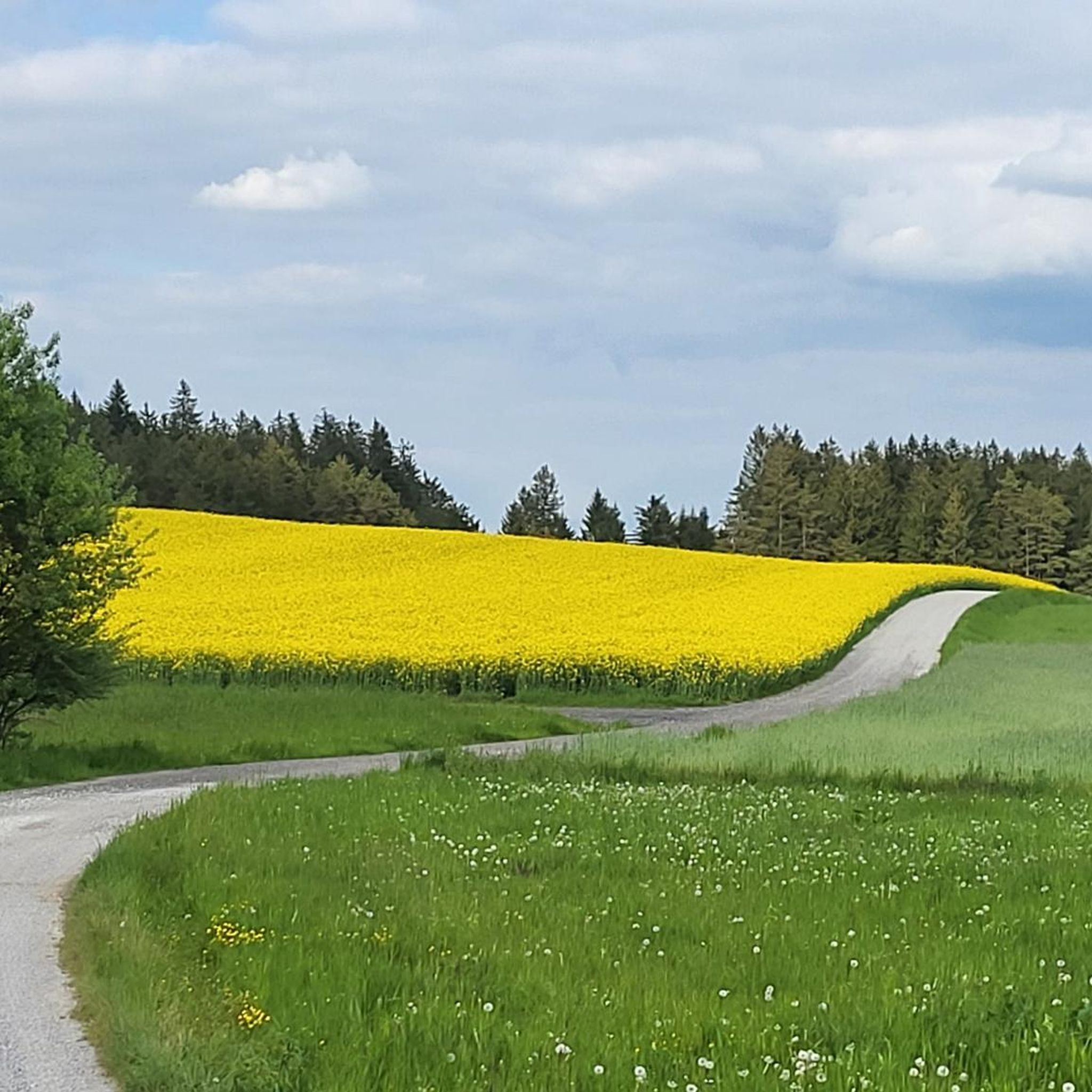
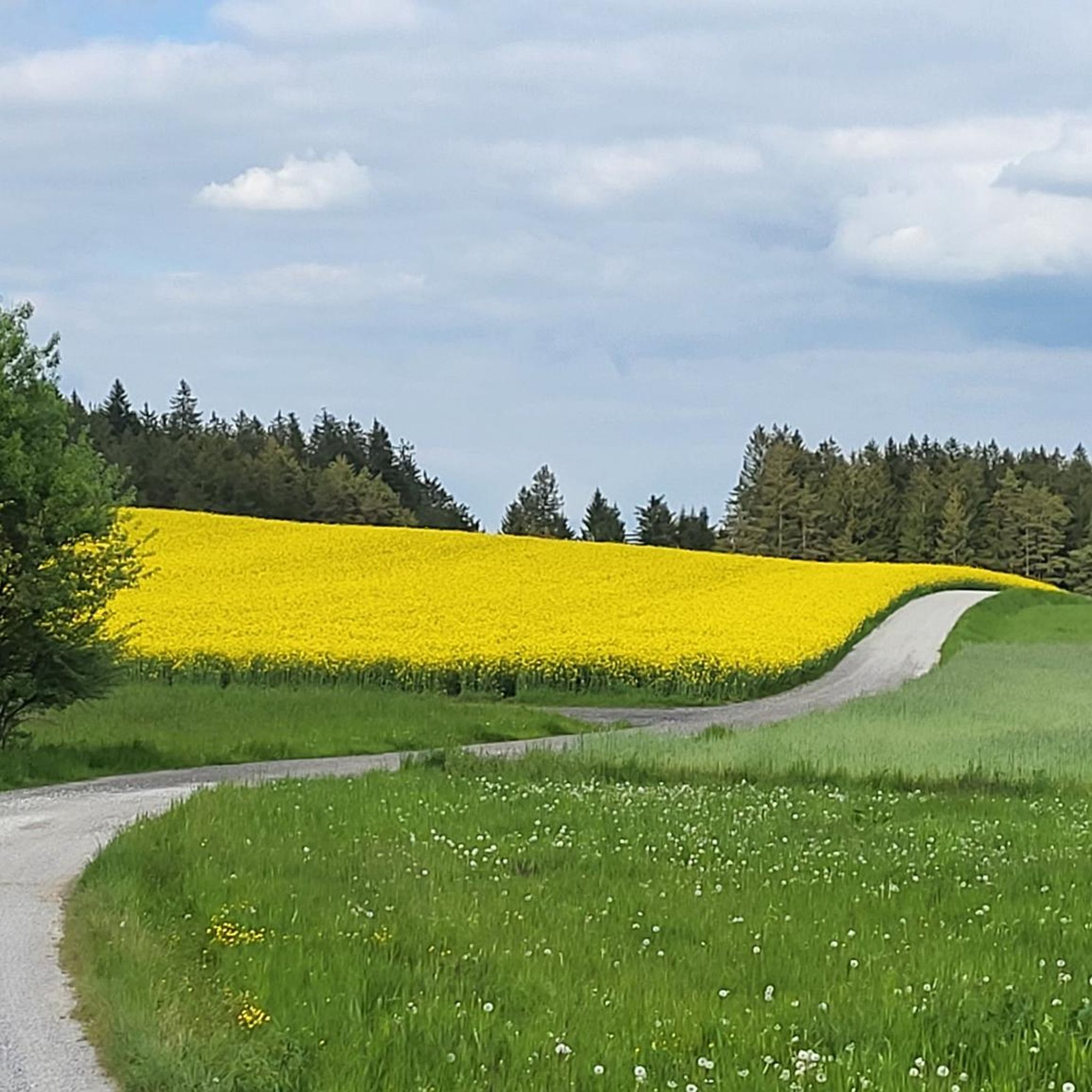
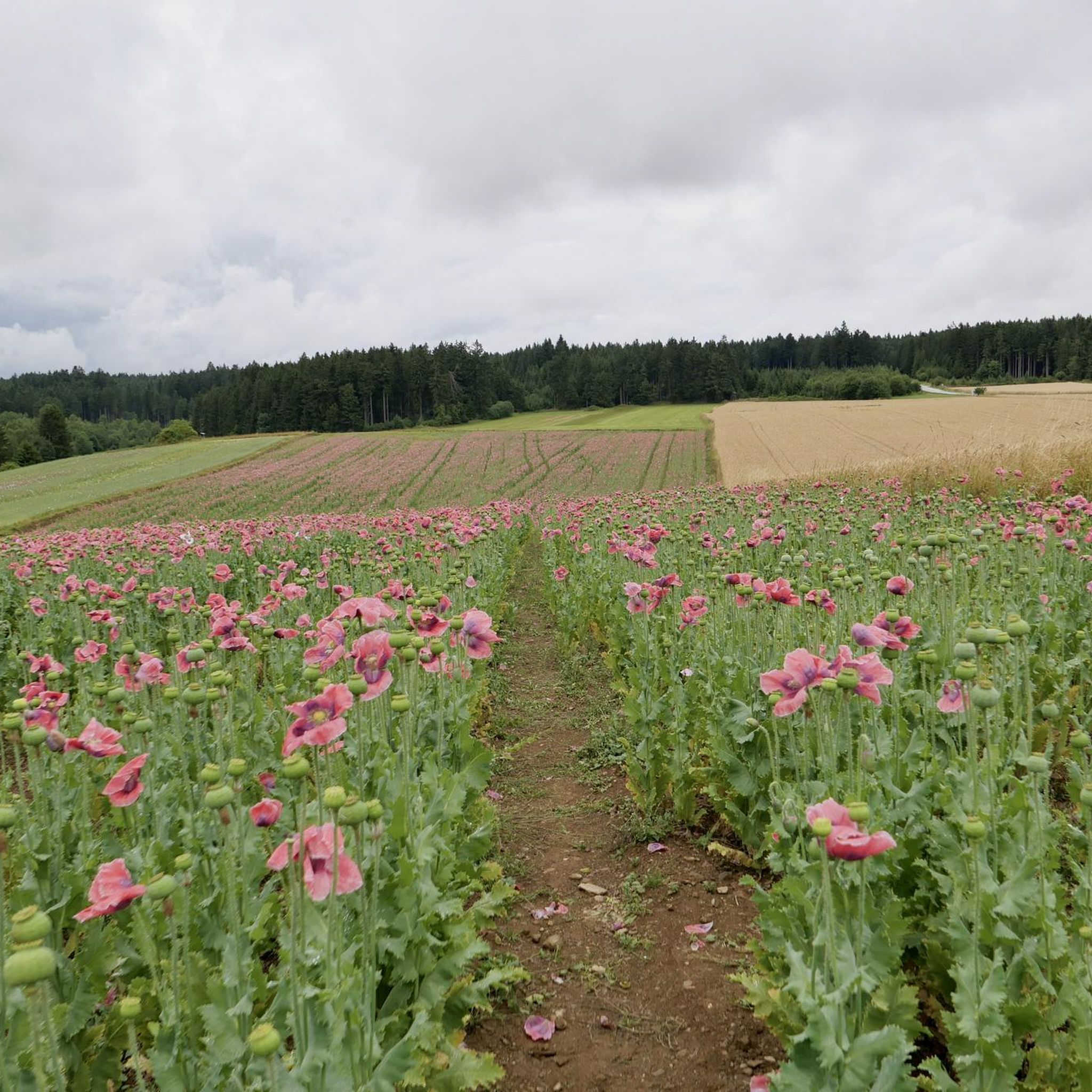
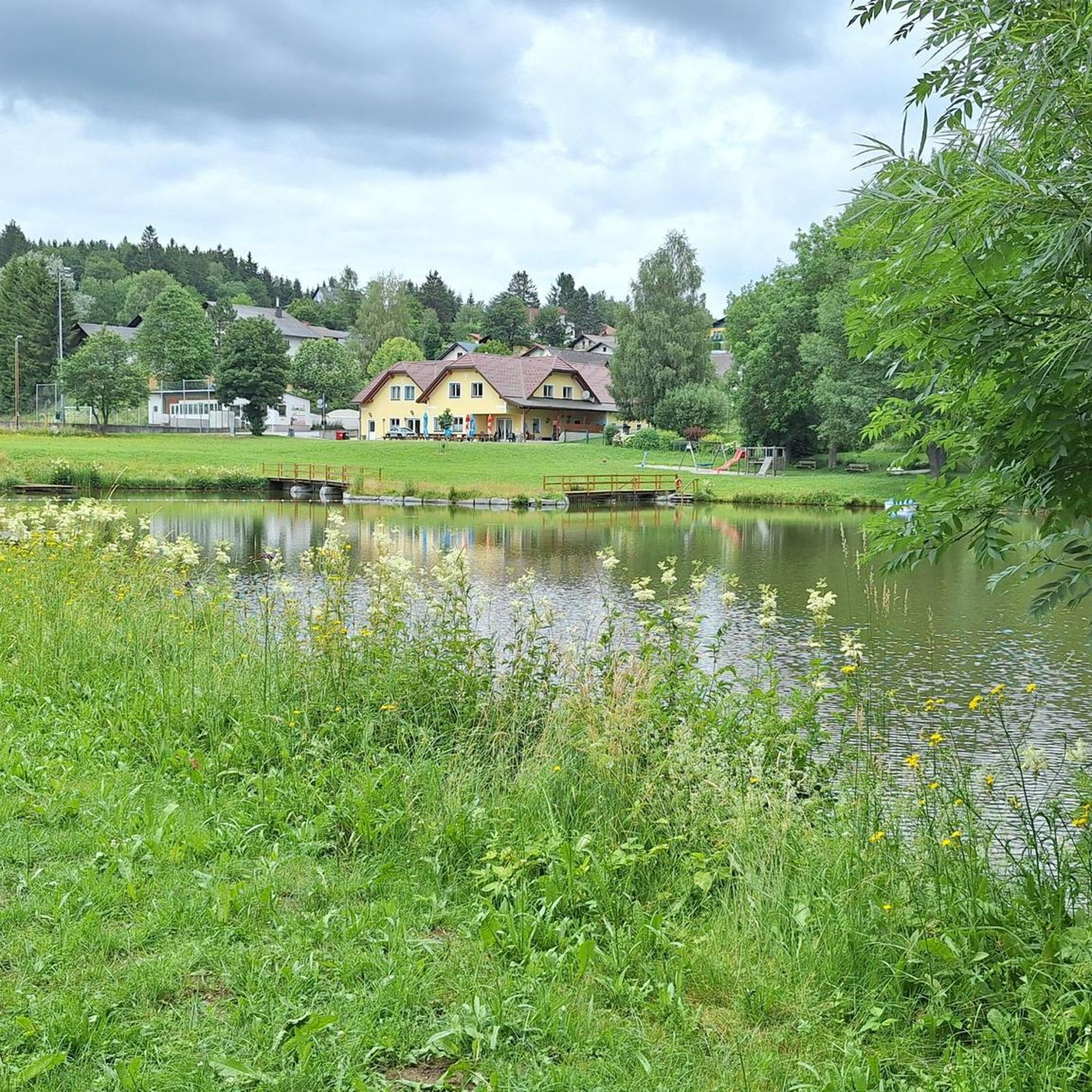
Road cycling routes in Miniwald are situated within a forested region near Zwettl, characterized by its undulating terrain and dense woodlands. The landscape primarily features rolling hills and forested areas, offering a varied experience for road cyclists. This region provides a network of routes that navigate through the natural environment, with elevations that present moderate challenges.
Best road cycling routes in Miniwald
- The most popular road cycling route is Zwettl – Hundertwasser fountain, Zwettl loop from Lugendorf, a 27.7 miles (44.5 km) trail that takes 2 hours 8 minutes to complete. This route features a moderate difficulty with an elevation gain of 1,660 feet (506 meters).
- Another top favourite among local road cyclists is Weidenauer Inn loop from Lugendorf, a moderate 19.8 miles (31.9 km) path. This route traverses through varied terrain with an elevation gain of 1,043 feet (318 meters).
- Local road cyclists also love the Roiten Village Museum – Sculpture Trail Roiten loop from Katastralgemeinde Kamles, a 27.3 miles (44.0 km) trail leading through forested areas and rural landscapes, often completed in about 2 hours 9 minutes.
- Road cycling in Miniwald is defined by dense forests, rolling hills, and rural roads. The network offers options for different ability levels, from moderate to difficult routes.
- The routes in Miniwald are highly rated by the komoot community with an average score of 4.9 stars from more than 5 reviews. More than 200 road cyclists have used komoot to explore Miniwald's varied terrain.
Last updated: July 2, 2026
7
riders
Moderate road ride. Good fitness required. Mostly well-paved surfaces and easy to ride.
4
riders
31.9km
01:26
320m
320m
Moderate road ride. Good fitness required. Mostly well-paved surfaces and easy to ride.

Sign up for free
4
riders
Moderate road ride. Good fitness required. Mostly well-paved surfaces and easy to ride.
6
riders
Moderate road ride. Good fitness required. Mostly well-paved surfaces and easy to ride.
5.0
(1)
7
riders
38.9km
01:50
460m
460m
Moderate road ride. Good fitness required. Mostly well-paved surfaces and easy to ride.
Get access to more routes and recommendations from other explorers.
Sign up for free
Already have an account?
Our route recommendations are based on thousands of hikes, rides, and runs completed by other people on komoot.
Start today with a free account
Your next adventure awaits.
Login or Signup
Tips from the Community

Between Klosterstraße and Schulturm, the city wall is integrated as an outer wall into the St.Martin retirement home and can be viewed from the adjacent car park. Numerous new breakthroughs will be made during the construction work at the retirement home.
0
0
The school tower stands at the easternmost corner of the city wall. The tower's floor plan is polygonal (eight sides of different lengths). The tower is four stories high, with a descending floor without windows and three ascending ones. It is placed in front of the existing wall, which can be seen very clearly on the wide inner side and the connection corners. Access to the tower is via an opening in the city wall. On the 2nd upper floor, there is a bricked-up door, which presumably led to the rampart. The defensive tower was formerly called Hafnerturm, due to the neighboring Hafner workshops at Neuer Markt. It gets its current name from the citizens' school founded in 1872, the first in Lower Austria, which is located on the same plot and is now run as a New Middle School for Sport and Economy.
0
0

Otherwise only released for agricultural vehicles
0
0
The local authorities succeeded in persuading the master artist Hundertwasser to design and construct a fountain in the main square. The presentation of the fountain model met with both widespread approval and vehement opposition from the residents of Zwettl. In 1994, the fountain, consisting of three main elements—the two fountain columns with basins and the pavilion—was unveiled to the public. Since then, it has been a popular meeting place in the heart of the town. Friedensreich Hundertwasser died in February 2000 at the age of 71.
0
0
Until the end of the 19th century, a monumental fountain stood in the middle of the main square, the terminus of Zwettl's oldest water supply system, dating back to the early 17th century; a place where the population gathered, not just to fetch water. A war memorial was erected here in 1925, and from the mid-20th century onward, the square in the heart of the town was primarily used as a park. In the early 1990s, the municipality of Zwettl decided to redesign the main square. The aim was to give the town an attractive central point once again and thus preserve the tradition of the old Zwettl main square for the present and future. Friedensreich Hundertwasser, born Friedrich Stowasser in 1928, had owned an old mill on the banks of the Kamp River above Zwettl since the 1970s.
0
0
Originally, after the town's founding, Trinity Square was part of Zwettl's main square, which at that time stretched as an extensive triangular plaza from the townhouses behind the Hundertwasser Fountain to the level of the Hausleitner house above the "Zur Goldenen Rose" inn. The construction of houses along the lower Landstraße, the so-called "Grätzl," significantly narrowed the main square, and the addition of the cross street eventually divided it into two squares.
0
0
During the Baroque period, people everywhere were eager to express their gratitude for overcoming the plague years and the Turkish Wars by erecting plague or Trinity columns. In 1727, the pillory in the upper square was replaced by the richly sculpted sandstone column created by Kaspar Högl of Eggenburg. During the last renovation in 1998, extensive environmental damage to the figures was repaired, and the entire column was painted a light yellow. The four life-size statues are, in the center at the front, the Immaculate Conception; to her left, St. Sebastian (pierced by five arrows); to her right, St. Roch (pointing to the plague boil on his thigh); and St. Florian (holding a flag in one hand and a bucket of water in the other). The iron fountain in the immediate vicinity of the Trinity Column is a gift from the then-mayor, Eugen Beck, of the twin town of Plochingen near Stuttgart.
0
0
Frequently Asked Questions
How many road cycling routes are available in Miniwald?
Miniwald offers a comprehensive network of nearly 40 road cycling routes, catering to various skill levels. These routes navigate through the region's characteristic undulating terrain and dense woodlands.
What is the typical terrain like for road cycling in Miniwald?
The terrain in Miniwald is primarily characterized by rolling hills and dense forested areas. Cyclists can expect a varied experience with moderate elevations, making for engaging rides through natural and rural landscapes.
Are there routes suitable for beginners in Miniwald?
Yes, Miniwald has routes suitable for beginners. While the region is known for its rolling hills, there are 3 routes classified as easy, providing a gentler introduction to road cycling in the area.
What about more challenging routes for experienced cyclists?
Experienced cyclists will find plenty of challenges in Miniwald, with 10 routes classified as difficult. These routes often feature greater elevation gains and longer distances, providing a demanding and rewarding experience.
Are there any loop routes for road cycling in Miniwald?
Many of the road cycling routes in Miniwald are designed as loops, allowing you to start and finish at the same point. For example, the Zwettl – Hundertwasser fountain, Zwettl loop from Lugendorf is a popular option, as is the Weidenauer Inn loop from Lugendorf.
What kind of elevation gain can I expect on Miniwald's road cycling routes?
Road cycling routes in Miniwald feature varied elevation gains due to the region's undulating terrain. Moderate routes, like the Zwettl – Hundertwasser fountain, Zwettl loop from Lugendorf, can have around 1,660 feet (506 meters) of ascent, while others may offer more or less depending on their difficulty.
Are there any scenic viewpoints or landmarks along the routes?
While specific named viewpoints are not detailed, the routes in Miniwald lead through dense forests and rural landscapes, offering natural scenic beauty. You'll encounter charming village settings and the tranquil environment characteristic of a forested region near Zwettl.
Is Miniwald suitable for family road cycling?
Miniwald offers a few easier routes that could be suitable for families with older children or those comfortable with some rolling hills. However, the majority of routes are moderate to difficult, so it's best to check individual route profiles for suitability.
What is the best time of year to go road cycling in Miniwald?
Given its forested and hilly nature, road cycling in Miniwald is generally best enjoyed during the warmer months, from late spring to early autumn. This period typically offers more favorable weather conditions and clear paths.
How can I access the road cycling routes in Miniwald, regarding parking or public transport?
Specific parking and public transport details vary by route starting point. Many routes, particularly those starting from villages like Lugendorf or Katastralgemeinde Kamles, will have local parking options. For public transport, it's advisable to check local services connecting to Zwettl and surrounding areas.
Are there places to stop for refreshments or accommodation along the routes?
As the routes traverse rural landscapes and pass through villages, you will likely find opportunities for refreshments in local cafes or guesthouses. For accommodation, consider options in and around Zwettl, which serves as a central hub for the region.
What do other cyclists say about road cycling in Miniwald?
The road cycling experience in Miniwald is highly regarded by the komoot community, boasting an average rating of 4.9 stars from over 5 reviews. Cyclists often praise the varied terrain, the peaceful forested roads, and the well-maintained network of routes.
Can you recommend a less-trafficked or 'hidden gem' route in Miniwald?
For a route that offers a blend of challenge and scenic beauty, consider the Robotstein Monument – Zwettl loop from Grafenschlag. It's a moderate 30.9-mile (49.7 km) trail with significant elevation, leading through diverse landscapes away from the busiest paths.
What are the general weather conditions like for road cycling in Miniwald?
Miniwald experiences a temperate climate. Summers are generally mild and pleasant for cycling, while spring and autumn offer cooler temperatures and vibrant foliage. Winters can be cold with potential for snow, making them less ideal for road cycling.
Most popular routes in Miniwald

Get inspired with the komoot mobile app


Explore more
Browse the best Road cycling routes in other regions.
