The best cycling routes in Boschi Aquilani
4.6
(219)
4,543
riders
268
rides
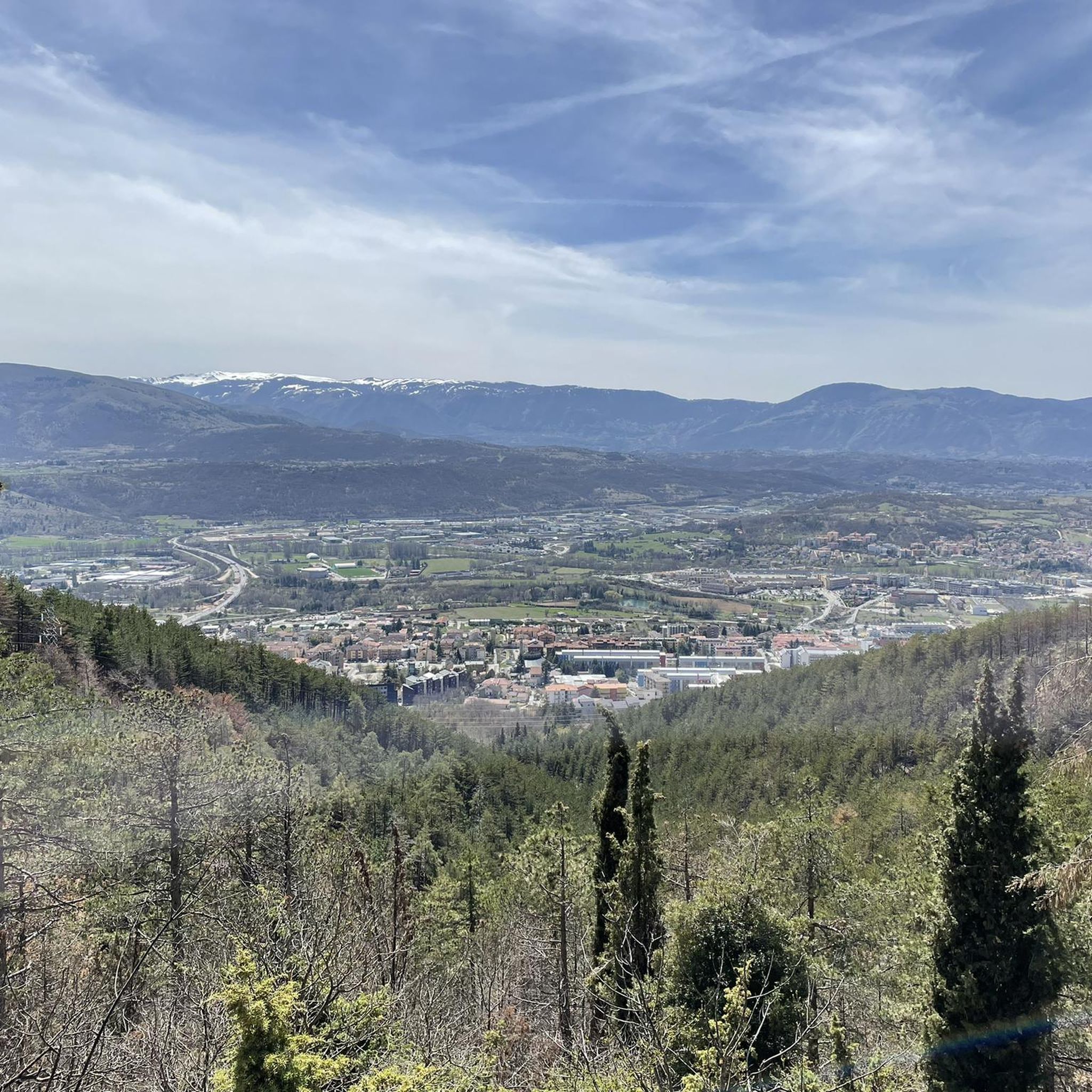
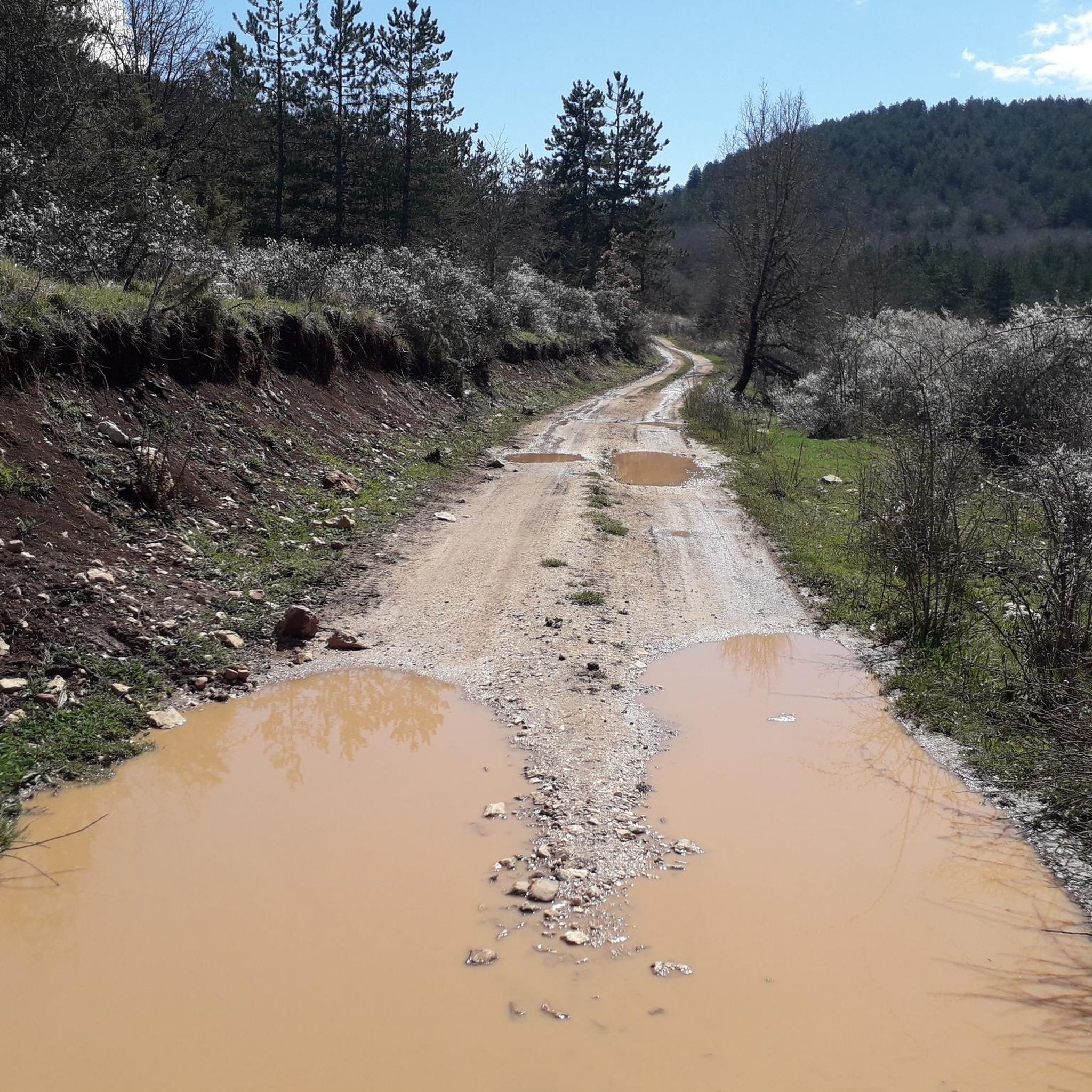
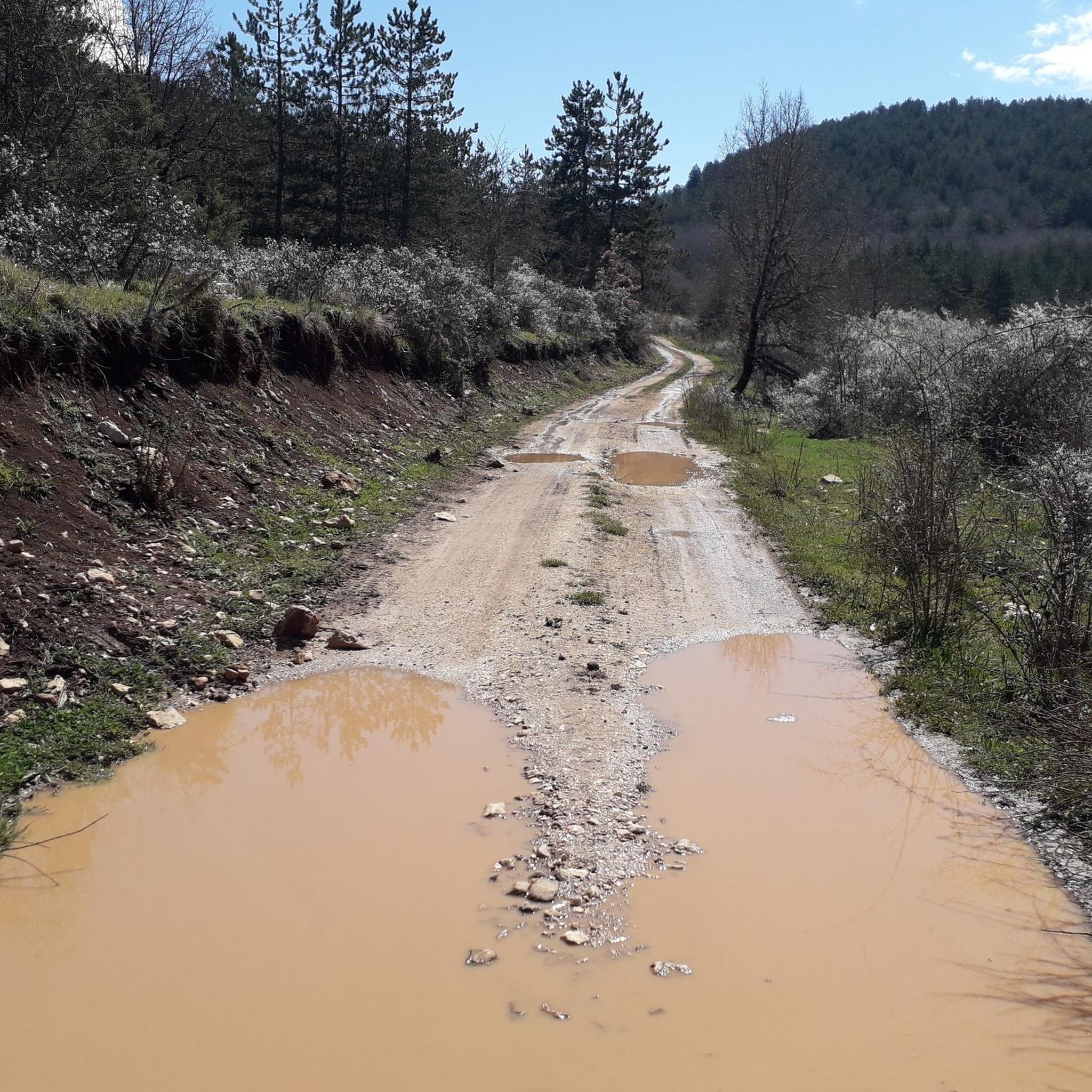
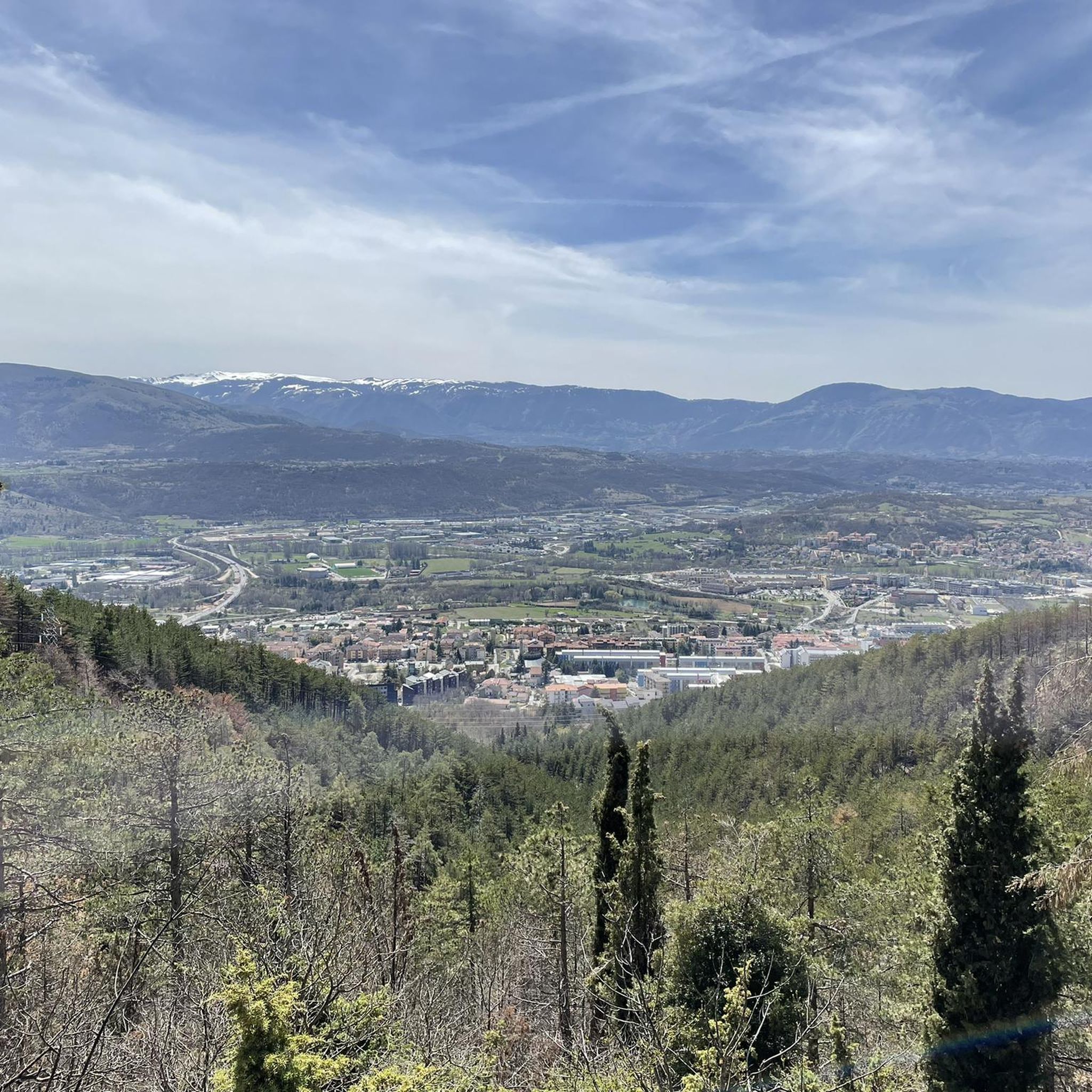
Touring cycling in Boschi Aquilani features a landscape characterized by dense woodlands and varied terrain, often within the vicinity of the Gran Sasso National Park. The region includes a mix of forested paths, open areas, and routes that traverse hills and valleys. Elevations can vary, with some routes offering significant climbs.
Best touring cycling routes in Boschi Aquilani
- The most popular touring cycling route is Gravel loop tour from Arischia in the Gran Sasso National Park, a 17.9 miles…
Last updated: October 8, 2026
5.0
(4)
9
riders
28.9km
02:32
630m
620m
Hard bike ride. Very good fitness required. Mostly paved surfaces. Suitable for all skill levels.
5.0
(2)
28
riders
15.7km
01:03
240m
240m
Moderate bike ride. Good fitness required. Mostly paved surfaces. Suitable for all skill levels.

12
riders
35.2km
03:34
1,040m
1,040m
Hard bike ride. Very good fitness required. Mostly paved surfaces. Suitable for all skill levels.
16
riders
17.2km
01:27
460m
460m
Hard bike ride. Very good fitness required. Mostly paved surfaces. Suitable for all skill levels.
5.0
(2)
59
riders
35.0km
02:41
710m
710m
Hard bike ride. Very good fitness required. Mostly paved surfaces. Suitable for all skill levels.
Get access to more routes and recommendations from other explorers.
Already have an account?
Our route recommendations are based on thousands of hikes, rides, and runs completed by other people on komoot.
Start today with a free account
Your next adventure awaits.
Tips from the Community

Historical tidbit: the pope who said 'no' The pontificate of Pope Celestine V lasted only five months. The simple hermit did not feel at all at home amidst the political intrigues and corruption of Rome. That is why he made a decision that was unprecedented at the time: he voluntarily resigned from his office to return to his humble life in the mountains. He thus became the first pope in history to abdicate of his own accord. After his death, his body was interred in the Basilica of Collemaggio. His impressive crystal mausoleum can still be admired there today. A special link with Pope Benedict XVI After the severe earthquake that struck L'Aquila in 2009, Pope Benedict XVI visited the heavily damaged basilica. At the tomb of Celestine V, he silently laid down his own pallium, the woolen shoulder band he had received at his papal inauguration. At that moment, it seemed like a subdued tribute to his predecessor. Only four years later did this gesture take on a deeper meaning. In 2013, Benedict XVI himself voluntarily resigned as pope, the first since the late Middle Ages. His symbolic tribute to Celestine V proved, in retrospect, to be a remarkable harbinger of his own historic decision. Thus, centuries after Celestine V's abdication, the Basilica of Collemaggio once again closed a special chapter in papal history.
5
0
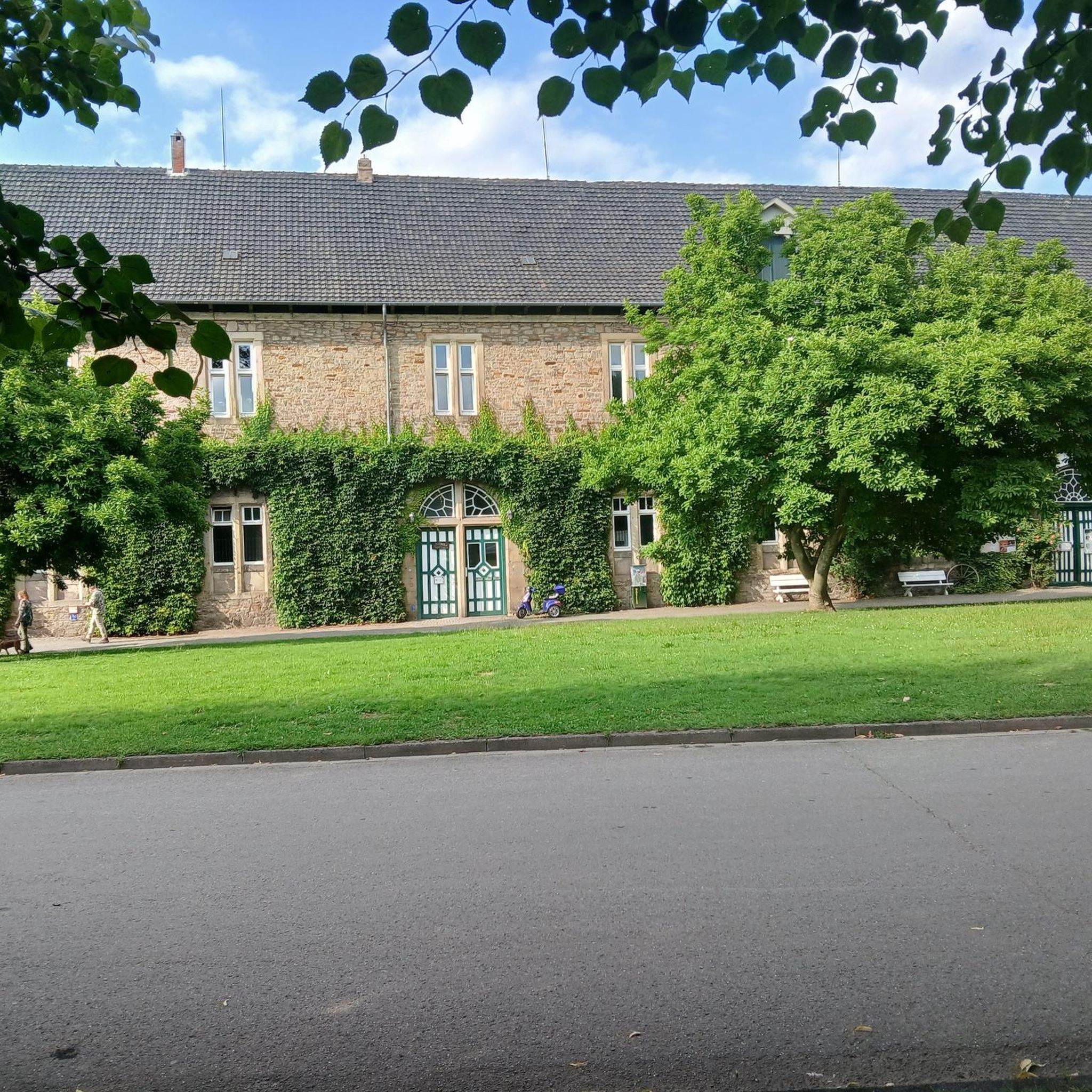
The Basilica of Santa Maria di Collemaggio is undoubtedly the architectural and spiritual jewel of L'Aquila. Located at the end of an impressive green lawn just outside the city walls, this 13th-century church combines a unique Abruzzian Romanesque-Gothic style with a history that forever changed the Catholic Church. The history of the basilica is closely linked to Pietro da Morrone, a devout hermit who had retreated to the remote mountains of Abruzzo. According to tradition, the Virgin Mary appeared to him with the instruction to build a church on the hill of Collemaggio. Construction began in 1287. A few years later, in 1294, the Church found itself in a deep crisis. After the death of the pope, the cardinals had failed to elect a successor for more than two years. Finally, they appointed the simple hermit Pietro as a compromise. To everyone's surprise, he accepted the choice and was crowned Pope Celestine V in this basilica – and not in Rome. Shortly after his coronation, Celestine V issued the "Bulla del Perdono", a papal bull that granted believers full forgiveness of their sins if, with sincere repentance, they passed through the Holy Door (Porta Santa) of the basilica on August 28 or 29. This created the very first Holy Year or Jubilee in the history of the Catholic Church, six years before Rome introduced its own official jubilee. This special tradition, known as "La Perdonanza Celestiniana", is still celebrated every year and has been recognized as intangible cultural heritage by UNESCO.
5
0
In L'Aquila, a rich medieval past effortlessly merges with admirable modern resilience. The proud capital of Abruzzo rises in full glory and is best discovered on foot. Wandering through the atmospheric streets, you'll encounter one architectural treasure after another. For example, start at the iconic Fontana delle 99 Cannelle, where 99 mystical stone masks continuously spout water. Climbing further up, you'll reach the massive 16th-century Forte Spagnolo. From this impressive fortress, you can enjoy a sweeping view of the rugged, often snow-capped peaks of the Gran Sasso massif. The city's rich history is also palpable in the many beautifully restored palazzi and churches. For instance, the Basilica di San Bernardino overwhelms every visitor with a breathtaking baroque ceiling adorned with gold leaf. After all the cultural immersion, lively squares like Piazza del Duomo invite you for a well-deserved break. It's the perfect place to enjoy the local cuisine and a good glass of Abruzzese wine at an outdoor cafe. As a grand finale, the Basilica di Santa Maria di Collemaggio should not be missed. This striking, pink-and-white checkered church houses a true world first: the very first Holy Door in the world. Thanks to the central, free parking facilities just outside the city walls, this compact art city is the ideal destination for a carefree and inspiring cultural walking holiday.
4
0
The Forte Spagnolo (also known as Castello Cinquecentesco) is one of the most impressive 16th-century military strongholds of Central and Southern Italy. Although it is a defensive work, its true historical significance lies in the fact that it was never built to protect the city, but rather to suppress it. After the Spanish threat diminished over time, the complex successively served as the residence of the Spanish governor, barracks for French troops in the 19th century, and headquarters for the German occupier during World War II. In 1902, it was officially declared a national monument. Shortly after World War II, it became the home of the National Museum of Abruzzo (MuNDA). Since the devastating earthquake of 2009, the fort has been undergoing a lengthy and complex restoration, but it remains one of the most impressive symbols of the city when viewed from the outside.
4
0
Parco del Castello & Forte Spagnolo – the green oasis of L'Aquila Fancy a peaceful break during your walk through L'Aquila? Then be sure to visit Parco del Castello, the city's largest city park. The park surrounds the imposing 16th-century Forte Spagnolo and combines history, nature, and beautiful views. Take a walk around the wide, dry castle moat and admire the impressive fortress walls. The shady paths under ancient pines and cedars make this a wonderful place to relax for a while. On the north side of the park, you will be rewarded with a magnificent panorama of the rugged Gran Sasso massif. Those who also visit the fort will discover a special surprise there: the almost completely intact skeleton of a prehistoric mammoth (Elephas antiquus), which was excavated in the vicinity of L'Aquila in 1954. An ideal stopover where nature, history, and culture come together.
5
0
The Forte Spagnolo (also known as Castello Cinquecentesco) is one of the most impressive 16th-century military strongholds in Central and Southern Italy. Although it is a defensive work, its true historical significance lies in the fact that it was never built to protect the city, but rather to suppress it. Once the Spanish threat subsided over time, the complex successively served as the residence of the Spanish governor, barracks for French troops in the 19th century, and headquarters for the German occupiers during World War II. In 1902 it was officially declared a national monument. Shortly after World War II, it became the home of the Museo Nazionale d'Abruzzo (MuNDA). Since the devastating earthquake of 2009, the fort has been undergoing a lengthy and complex restoration, but it remains one of the most impressive symbols of the city when viewed from the outside.
5
0
Fontana Luminosa – the icon of L'Aquila The Fontana Luminosa is one of L'Aquila's most famous sights and a beloved photo stop. This monumental fountain, designed in 1934 by local sculptor Nicola D'Antino, stands in Piazza Battaglione Alpini. The artwork depicts two imposing bronze female figures who together carry a traditional Abruzzese water basin (conca), from which the water flows. Especially when the fountain is atmospherically illuminated in the evening, it truly lives up to its name – Luminous Fountain. A beautiful place to pause and admire one of L'Aquila's iconic symbols up close.
5
0
The Basilica of Santa Maria di Collemaggio is the absolute symbol of L'Aquila. This magnificent basilica has a fascinating history full of mysteries, unique traditions, and remarkable resilience. Some interesting facts: Founded by a hermit who became Pope (and resigned) 👑 The church was founded in 1288 by the monk and hermit Pietro del Morrone. According to legend, the Virgin Mary appeared to him in a dream and instructed him to build a church here. Just a few years later, in 1294, this same hermit was crowned Pope Celestine V here. However, he found the papacy in Rome so corrupt and overwhelming that he voluntarily resigned after barely five months, one of the few popes in history to do so. His mummified body is still displayed in a glass shrine in the basilica. The world's very first "Holy Door" (The Celestinian Forgiveness) Upon his coronation, Pope Celestine V issued a papal bull: the Perdonanza Celestiniana (the Celestinian Forgiveness). Anyone who entered through the Holy Door (on the left side of the church) between August 28th and 29th and showed sincere repentance was granted full remission of sins. This was a revolutionary historical moment: it was the very first time in history that poor people could receive forgiveness for free, without having to pay for indulgences or go on a crusade. This ritual still takes place every year and is on the UNESCO list of intangible cultural heritage. The secret of the unique pink-and-white facade 🌸 The iconic facade of the basilica is world-famous for its geometric pattern of pink and white stones. The stones come from the nearby Abruzzo region (specifically from the quarries of San Demetrio). According to historians and esotericists, the pattern is not merely decorative: the play of lines contains symbolism that was linked at the time to the Knights Templar, who had close ties to the church's founder. The miraculous recovery after the 2009 earthquake 🏗️ During the devastating earthquake in 2009, the roof above the altar and the transept completely collapsed, severely damaging the unique baroque structures. The restoration of the basilica became a national prestige project.
5
0
Frequently Asked Questions
How many touring cycling routes are available in Boschi Aquilani?
Boschi Aquilani offers a wide selection of touring cycling routes, with over 250 options to explore. These routes cater to various skill levels, ranging from easy to difficult.
Are there easy touring cycling routes suitable for beginners in Boschi Aquilani?
Yes, Boschi Aquilani has several easy touring cycling routes, with 8 specifically categorized as easy. These are ideal for beginners or those looking for a more relaxed ride. For example, the Fountain of the Nine Martyrs – L'Aquila loop from Pettino is a moderate route that is accessible to many.
What is the best time of year for touring cycling in Boschi Aquilani?
The best time for touring cycling in Boschi Aquilani is typically from late spring through early autumn (May to October). During these months, the weather is generally mild and pleasant, and the trails are most accessible. Given the region's proximity to the Gran Sasso National Park, higher elevations might still have snow earlier in spring or later in autumn.
Are there any family-friendly touring cycling routes in Boschi Aquilani?
While many routes in Boschi Aquilani feature varied terrain and significant climbs, there are easier options that can be suitable for families. Look for routes categorized as 'easy' or 'moderate' with less elevation gain. The Fountain of the Nine Martyrs – L'Aquila loop from Pettino is a moderate route that explores the area around L'Aquila and could be a good choice for families with some cycling experience.
Can I bring my dog on touring cycling routes in Boschi Aquilani?
Many natural areas in Boschi Aquilani, especially those within or near the Gran Sasso National Park, are generally dog-friendly. However, it's always recommended to keep dogs on a leash, especially in protected areas or near wildlife. Be sure to check specific trail regulations if you plan to enter a nature reserve, and always carry water for your pet.
What kind of scenery can I expect on touring cycling routes in Boschi Aquilani?
Touring cycling in Boschi Aquilani offers diverse scenery, characterized by dense woodlands, open areas, and routes that traverse hills and valleys. You'll often find yourself within the vicinity of the Gran Sasso National Park, providing mountain views and natural beauty. Some routes also pass by historical landmarks and charming villages.
Are there circular touring cycling routes in Boschi Aquilani?
Yes, many touring cycling routes in Boschi Aquilani are designed as loops, allowing you to start and finish at the same point. Examples include the challenging Gravel loop tour from Arischia in the Gran Sasso National Park and the moderate Fountain of the Nine Martyrs – L'Aquila loop from Pettino.
What are some interesting landmarks or attractions to see along the touring cycling routes?
Boschi Aquilani offers several points of interest. You can encounter the Monte Pettino Summit, explore the Path of the Nine Martyrs, or visit the scenic The Little Cross of Mount Castelvecchio. Religious sites like the Church of the Madonna Fore and the Church and Hermitage of Madonna di Capo la Piaggia are also notable.
What do other touring cyclists enjoy most about cycling in Boschi Aquilani?
The area is highly rated by the komoot community, with an average score of 4.7 stars from over 170 reviews. Reviewers often praise the region's varied terrain, the beauty of its dense woodlands, and the challenging yet rewarding climbs that offer stunning views, especially those within the Gran Sasso National Park.
Are there any particularly challenging touring cycling routes in Boschi Aquilani?
Yes, Boschi Aquilani is known for its challenging routes, with 176 categorized as difficult. These often feature significant elevation gains and technical sections. An example is the Tre Archi Fountain – San Vincenzo Ferrer loop from Arischia, which covers over 35 km with substantial climbing.
Where can I find parking when cycling in Boschi Aquilani?
Parking is generally available in the towns and villages that serve as common starting points for routes, such as Arischia, Pettino, or Coppito. Look for designated public parking areas within these communities. When cycling in more remote areas, ensure you park responsibly and do not obstruct local access or private property.
What should I wear for touring cycling in Boschi Aquilani?
Given the varied terrain and potential for elevation changes, it's best to dress in layers. Even in warmer months, temperatures can drop at higher altitudes or in shaded forest sections. Essential gear includes a helmet, comfortable cycling shorts, moisture-wicking tops, and a windproof/water-resistant jacket. Always check the local weather forecast before heading out.
Most popular routes in Boschi Aquilani
Most popular attractions in Boschi Aquilani

Get inspired with the komoot mobile app


Explore more
Browse the best Cycling routes in other regions.
