The best MTB trails in Las Solnicki
4.6
(128)
949
riders
169
rides
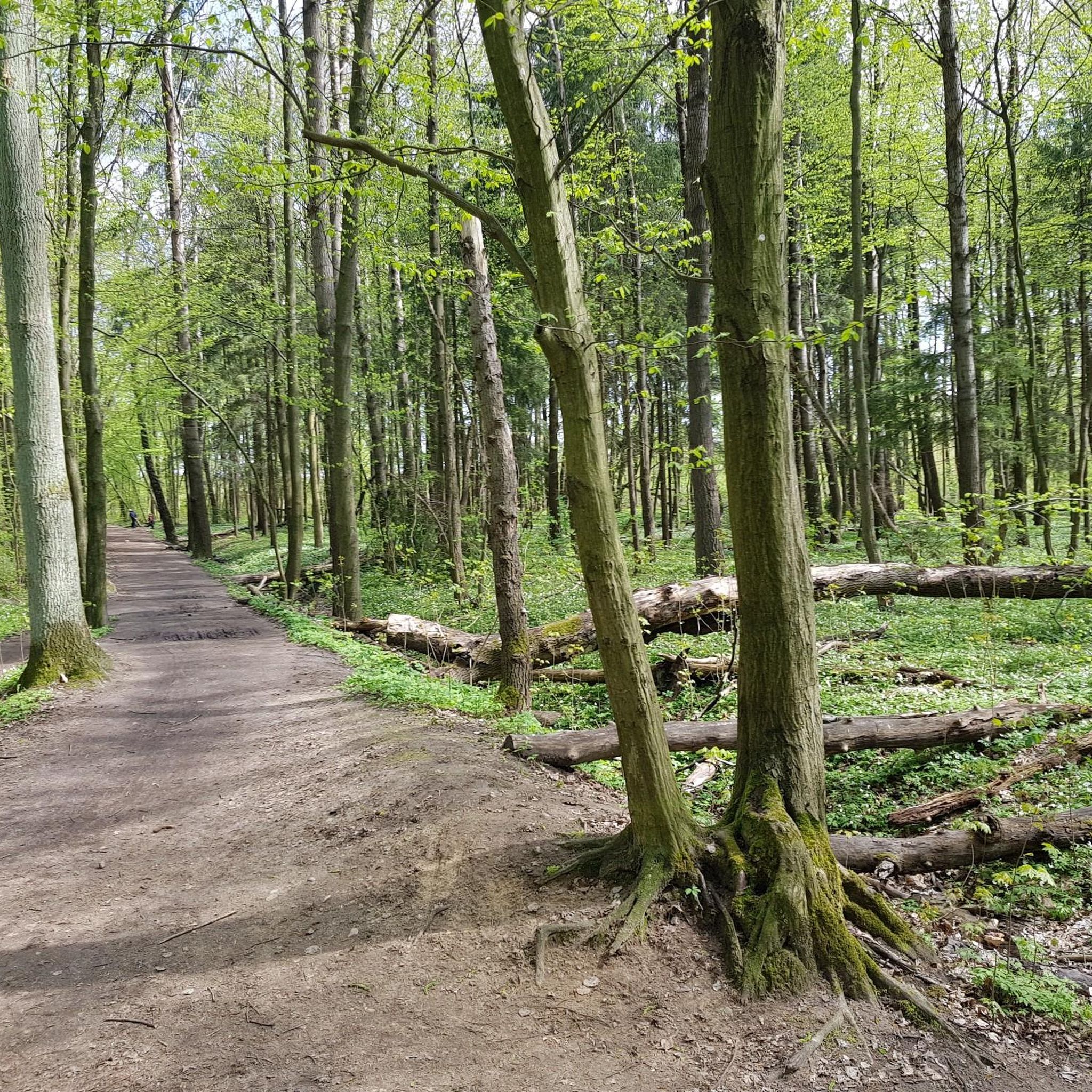
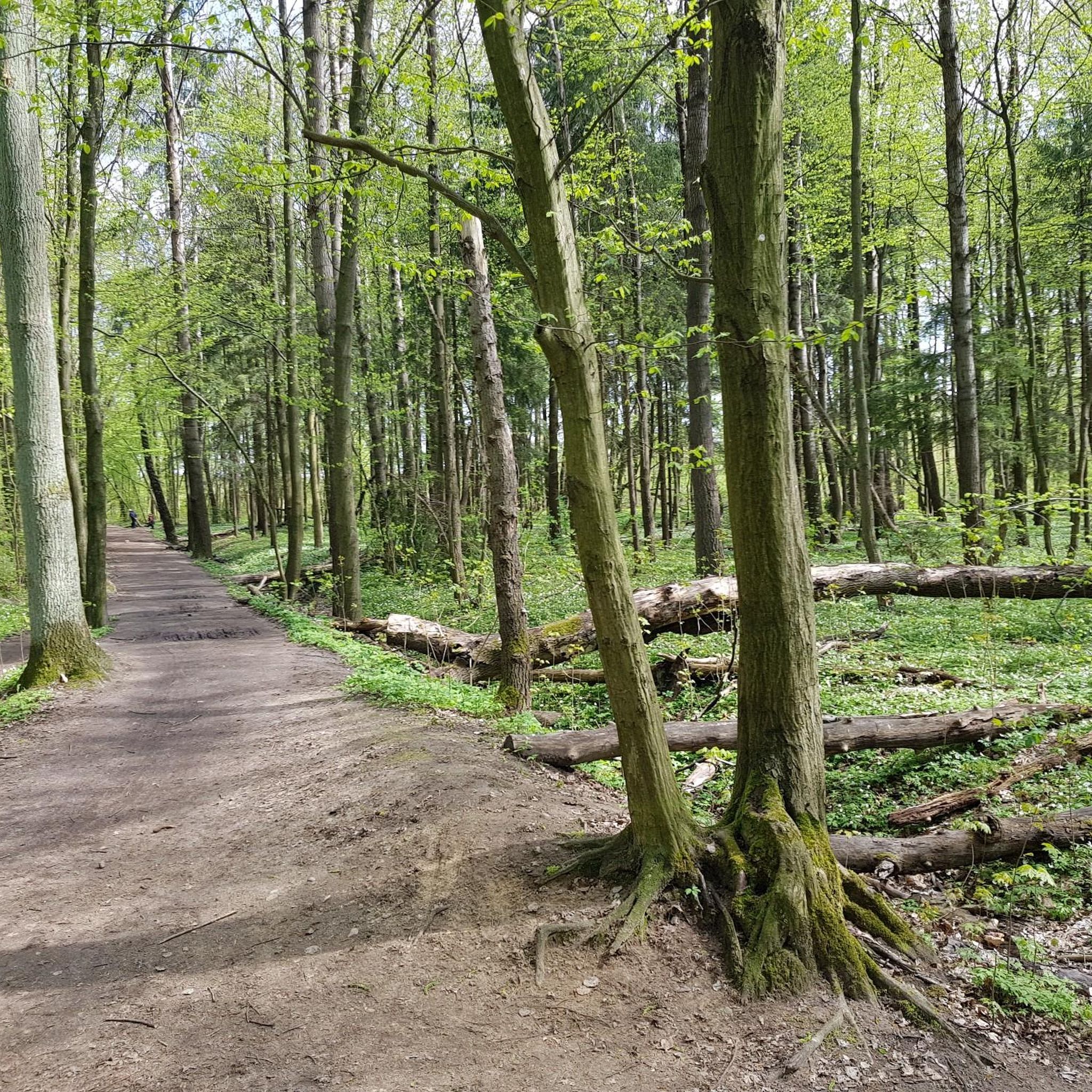
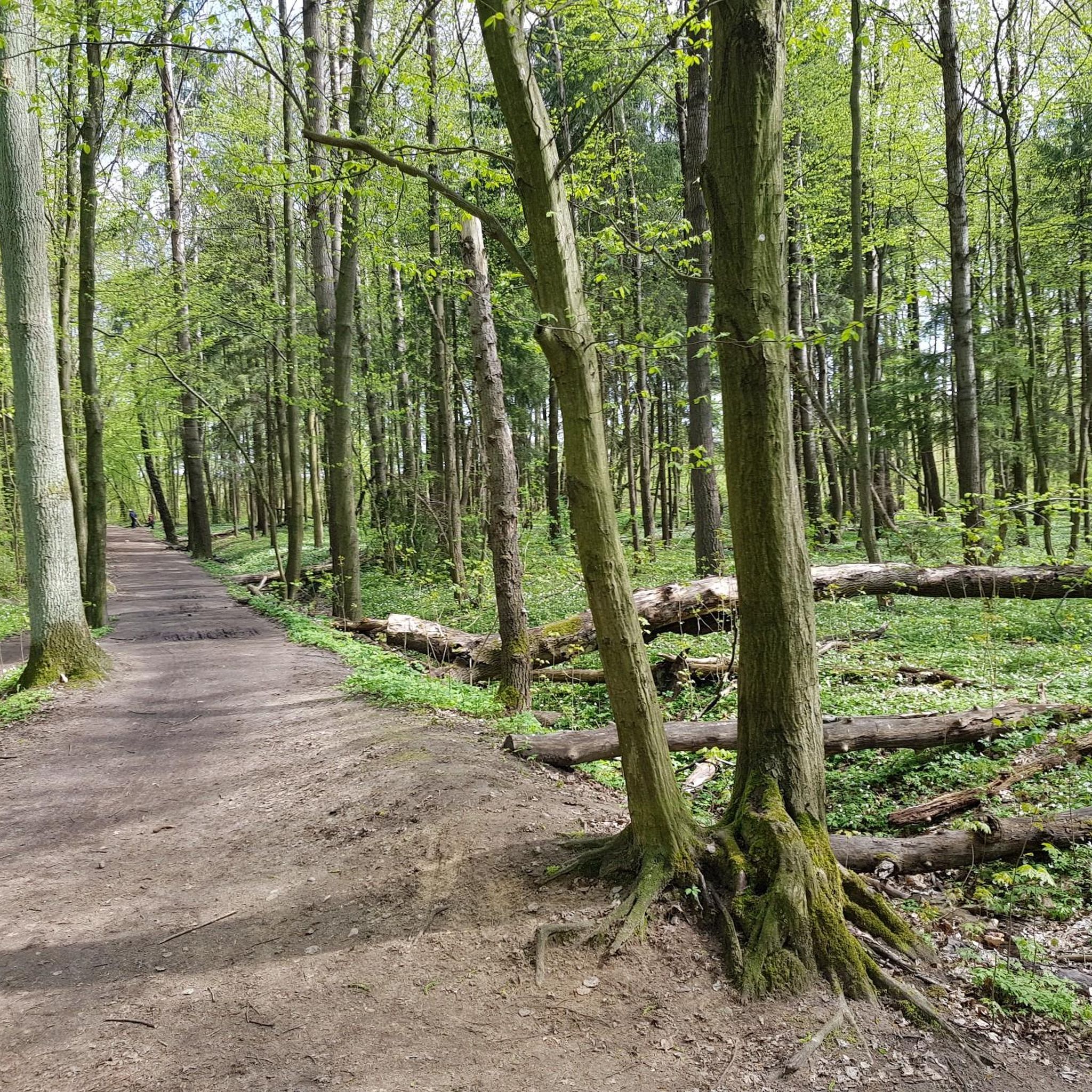
Mountain bike trails in Las Solnicki are situated within an expansive forested area in the southern part of Białystok, Poland. This region, covering approximately 700 hectares and extending to over 13 square kilometers with neighboring forests, offers a diverse natural environment for cycling. The landscape features a fresh mixed coniferous forest with Scots pine, Norway spruce, and oak, providing varied terrain. Numerous recreational and cycling paths are established throughout the forest, making it suitable for mountain biking.
Best mountain bike trails in Las Solnicki
- The most popular mountain bike trail is Komosa Lake – Pedestrian Bridge by the Park loop from Białystok Stadion, a 33.1 miles (53.3 km) trail that takes 3 hours 22 minutes to complete, winding through varied forest landscapes.
- Another top favourite among local mountain bikers is Królówy Most (King's Bridge) – St. Luke's Orthodox Church loop from Białystok, a difficult 59.6 miles (96.0 km) path. This route offers extensive exploration through the region's dense woodlands and natural features.
- Local mountain bikers also love the Bojar Trail – Bridge over the Biała River loop from Białystok, a 17.4 miles (27.9 km) trail leading through the extensive forest, often completed in about 1 hour 30 minutes.
- Mountain biking in Las Solnicki is defined by expansive forested areas, diverse natural features, and established recreational and cycling paths. The network offers options for easy, moderate, and difficult routes, catering to different ability levels.
- The routes in Las Solnicki are highly rated by the komoot community with an average score of 4.6 stars from over 100 reviews. More than 800 mountain bikers have used komoot to explore Las Solnicki's varied terrain.
Last updated: June 27, 2026
5.0
(1)
3
riders
19.4km
01:23
110m
110m
Easy mountain bike ride. Great for any fitness level. Suitable for all skill levels.
5.0
(1)
4
riders
Hard mountain bike ride. Very good fitness required. Advanced riding skills necessary.

Sign up for free
5.0
(1)
3
riders
Moderate mountain bike ride. Good fitness required. Advanced riding skills necessary.
5
riders
49.5km
03:20
310m
310m
Moderate mountain bike ride. Good fitness required. Advanced riding skills necessary.
5.0
(1)
6
riders
Moderate mountain bike ride. Great for any fitness level. Advanced riding skills necessary.
Get access to more routes and recommendations from other explorers.
Sign up for free
Already have an account?
Our route recommendations are based on thousands of hikes, rides, and runs completed by other people on komoot.
Start today with a free account
Your next adventure awaits.
Login or Signup
Tips from the Community

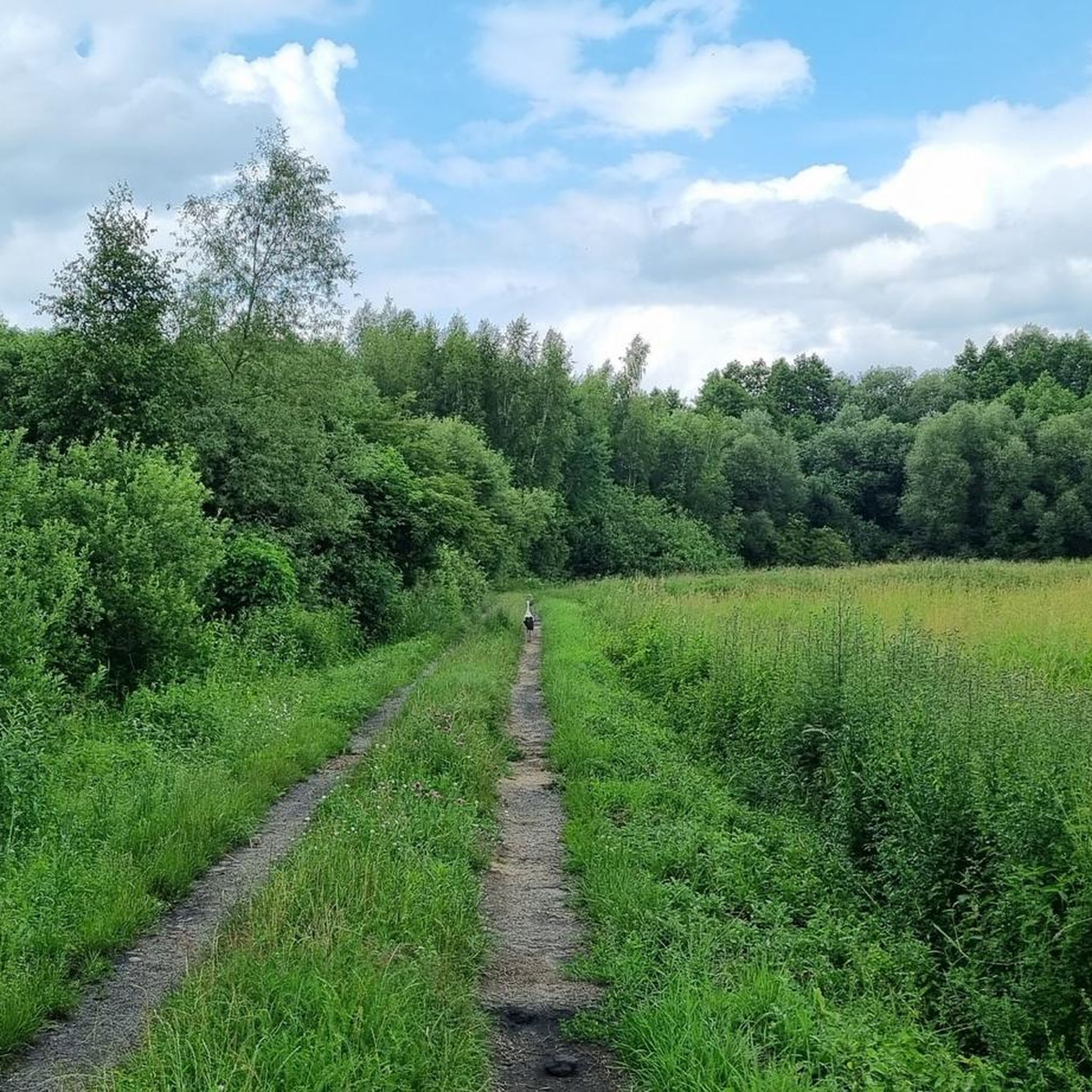
Very atmospheric forest singletrack. I recommend it for a quick getaway when you don't have much time for a longer ride.
0
0

A walk through the Podlaskie Muzeum Kultury Ludowej is like a journey back in time to the rural past of eastern Poland. Among traditional wooden houses, barns, and workshops, you can experience the simple life of previous generations firsthand. The tour is particularly beautiful on a dry day – in rain, the grounds can become muddy and unpleasant. The extensive grounds are idyllically situated on the edge of the forest, just a few kilometers outside of Białystok, and are perfect for a quiet stroll with plenty of photo opportunities. Ideal as a cultural stop during a bike ride or hike through the region. 📸 Tip: Be sure to bring your camera or smartphone – the play of light on the old wooden facades is particularly atmospheric at sunset!
1
0

A small MTB route with climbs and "chopkas" to jump over, intended rather for children and beginners.
0
0

Podlaskie Museum of Folk Culture (until September 2016 Białystok Village Museum) – an open-air museum, collecting wooden architecture monuments and ethnographic collections from the Białystok, Łomża and Suwałki regions. It was created by merging the Białystok Village Museum and the Ethnography Department of the Podlaskie Museum, previously it was a branch of the Museum. The Museum is located on the northern border of Białystok, in the town of Wasilków, on the road to Augustów. The Ethnography Department has been operating since 1962, and the open-air museum was established in 1982 as a branch of the then District Museum in Białystok. The open-air museum was to implement projects to protect the wooden architecture of the Białystok region, created in the 1960s. The author of one of the first program assumptions was Prof. Ignacy Tłoczek. The project finally accepted for implementation was authored by Prof. Marian Pokropek. It assumed the reconstruction of entire settlement systems found in north-eastern Poland, such as: terraced houses, linear houses, small-nobility hamlets, colonial buildings, and manor and forest complexes.
0
0
Podlaskie Museum of Folk Culture (until September 2016 Białystok Village Museum) – an open-air museum, collecting wooden architecture monuments and ethnographic collections from the Białystok, Łomża and Suwałki regions. It was created by merging the Białystok Village Museum and the Ethnography Department of the Podlaskie Museum, previously it was a branch of the Museum. The Museum is located on the northern border of Białystok, in the town of Wasilków, on the road to Augustów. The Ethnography Department has been operating since 1962, and the open-air museum was established in 1982 as a branch of the then District Museum in Białystok. The open-air museum was to implement projects to protect the wooden architecture of the Białystok region, created in the 1960s. The author of one of the first program assumptions was Prof. Ignacy Tłoczek. The project finally accepted for implementation was authored by Prof. Marian Pokropek. It assumed the reconstruction of entire settlement systems found in north-eastern Poland, such as: terraced houses, linear houses, small-nobility hamlets, colonial buildings, and manor and forest complexes.
1
0
One of the goals of establishing the reserve was to protect the springs where the Jałówka River begins.
0
0

On one side, there are two prepared beaches and recreation areas. On the other side, the actual reservoir with a water ski lift. You can cycle around the entire reservoir, only at the lock will you have to carry your bike up a few stairs. There is a cycle path over the bridge.
0
0

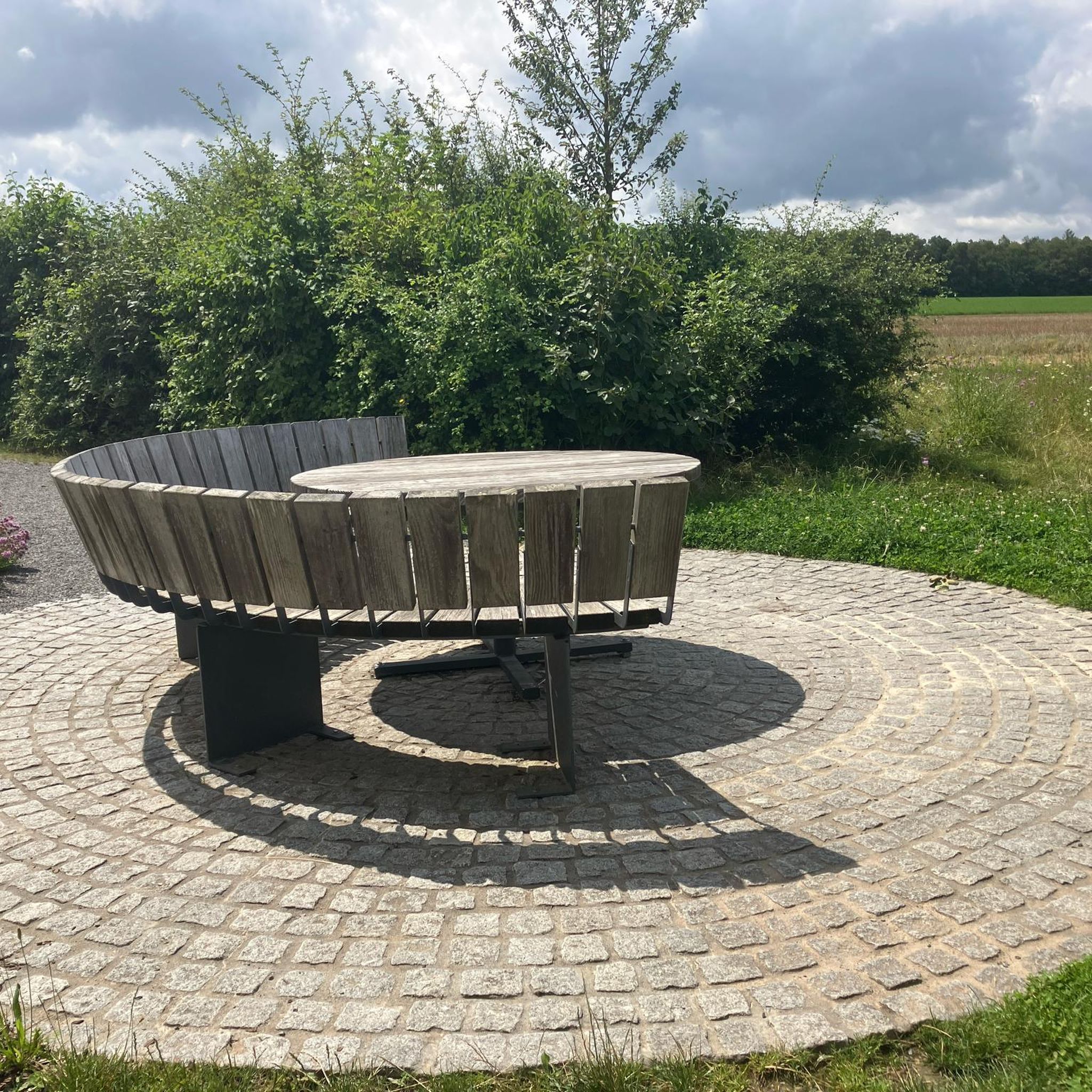
A very interesting and attractive place. It is worth spending some time here.
0
0
Frequently Asked Questions
How many mountain bike trails are available in Las Solnicki?
Las Solnicki offers a wide network of routes, with over 150 mountain bike trails available for exploration. These trails cater to various skill levels, from easy to difficult.
What kind of terrain can I expect on the mountain bike trails in Las Solnicki?
The terrain in Las Solnicki is characterized by a fresh mixed coniferous forest, featuring Scots pine, Norway spruce, and oak. You'll find diverse natural features and established recreational paths, offering varied surfaces suitable for mountain biking.
Are there any easy mountain bike trails suitable for beginners in Las Solnicki?
Yes, Las Solnicki has a good selection of trails for beginners. Approximately 46 of the available routes are rated as easy. An example of an easier route is the Bojar Trail – Bridge over the Biała River loop from Białystok, which is about 17.4 miles (27.9 km) long.
Are there any challenging mountain bike routes for experienced riders?
Absolutely. For experienced riders seeking a challenge, there are 9 difficult routes in Las Solnicki. A notable difficult option is the Królówy Most (King's Bridge) – St. Luke's Orthodox Church loop from Białystok, which spans 59.6 miles (96.0 km) and features significant elevation changes.
What are the typical distances and durations for mountain bike trails in Las Solnicki?
Trail lengths vary significantly. For instance, the Komosa Lake – Pedestrian Bridge by the Park loop from Białystok Stadion is 33.1 miles (53.3 km) and typically takes around 3 hours 22 minutes. Shorter options like the Bojar Trail – Bridge over the Biała River loop from Białystok are 17.4 miles (27.9 km) and can be completed in about 1 hour 30 minutes.
Are there any notable landmarks or points of interest along the mountain bike trails?
Yes, the forest holds an interesting historical landmark: the papal mound, where Pope John Paul II celebrated Mass in 1991. You can climb to the top for panoramic views of the Białystok skyline, which can be incorporated into your biking route.
What do other mountain bikers enjoy most about Las Solnicki?
The area is highly rated by the komoot community, with an average score of 4.6 stars from over 100 reviews. Riders often praise the expansive forested areas, diverse natural features, and the established network of recreational and cycling paths that cater to various skill levels.
Is Las Solnicki suitable for family mountain biking?
Yes, with a significant number of easy and moderate trails, Las Solnicki can be suitable for family mountain biking. The diverse natural environment and established paths provide a pleasant setting for riders of all ages. Consider routes like the Bojar Trail – Bridge over the Biała River loop from Białystok for a more accessible family experience.
What is the best time of year to go mountain biking in Las Solnicki?
While specific seasonal recommendations aren't detailed, the fresh mixed coniferous forest environment suggests that spring and autumn would offer pleasant temperatures and beautiful scenery. Summer can also be enjoyable, especially in the shade of the dense woodlands. Winter conditions would depend on snow and ice, which could make some trails more challenging.
Are there any loop trails available for mountain biking in Las Solnicki?
Many of the mountain bike routes in Las Solnicki are designed as loops, offering convenient starting and ending points. Examples include the Komosa Lake – Pedestrian Bridge by the Park loop from Białystok Stadion and the Antoniuk Nature Reserve loop from Białystok.
Is there parking available near the mountain bike trails in Las Solnicki?
Given its location in the southern part of Białystok and its popularity for outdoor activities, it is generally possible to find parking near access points to the forest. Specific parking areas are not detailed, but local infrastructure typically supports recreational access.
Can I reach the mountain bike trails in Las Solnicki using public transport?
Las Solnicki is situated in the southern part of Białystok, suggesting that public transport options within the city would likely provide access to the vicinity of the forest. For detailed public transport information, it's best to check local Białystok transport schedules.
Most popular routes in Las Solnicki

Get inspired with the komoot mobile app


Explore more
Browse the best MTB trails in other regions.
