The best walks and hikes in Račkūnų Miškas
4.6
(267)
2,826
hikers
38
hikes
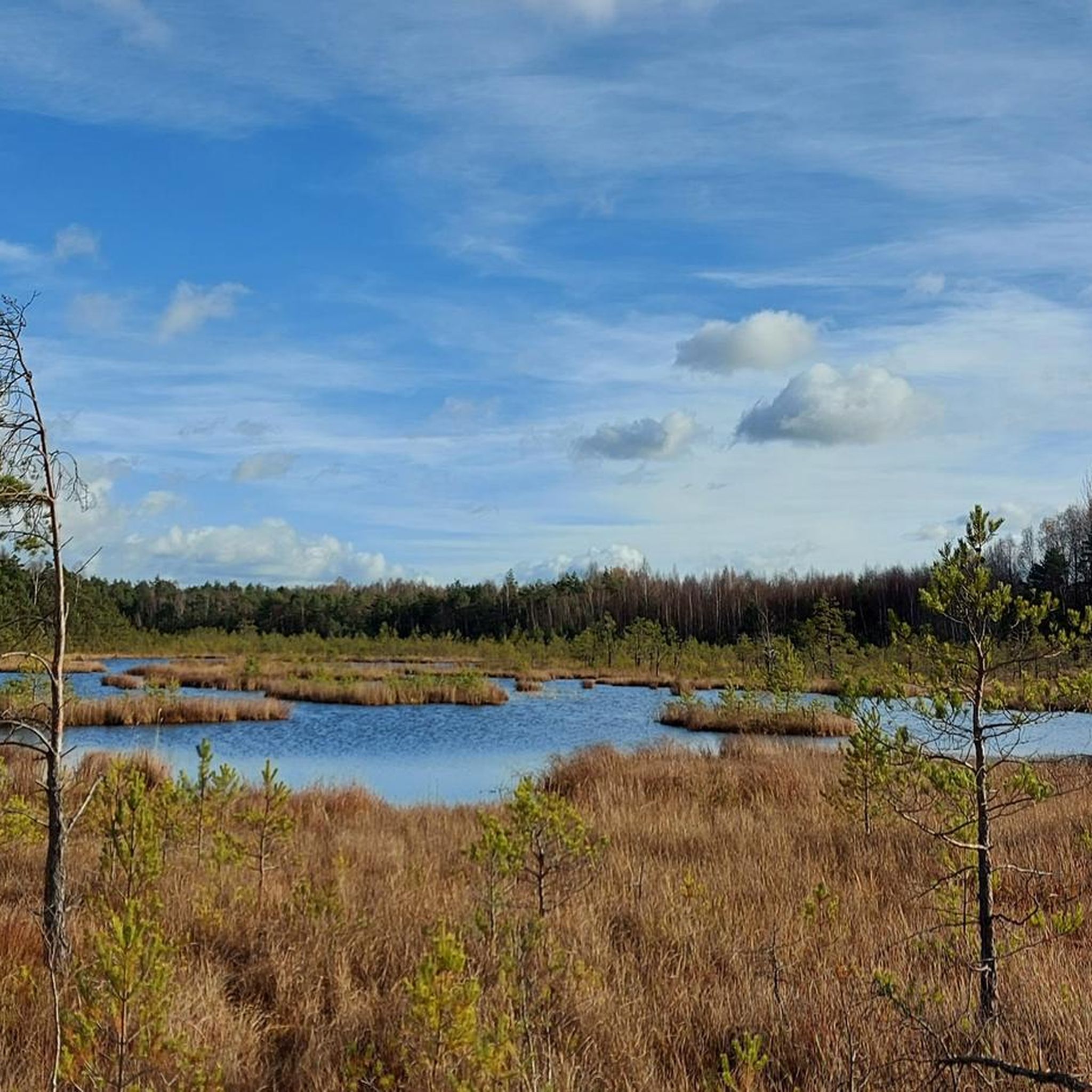
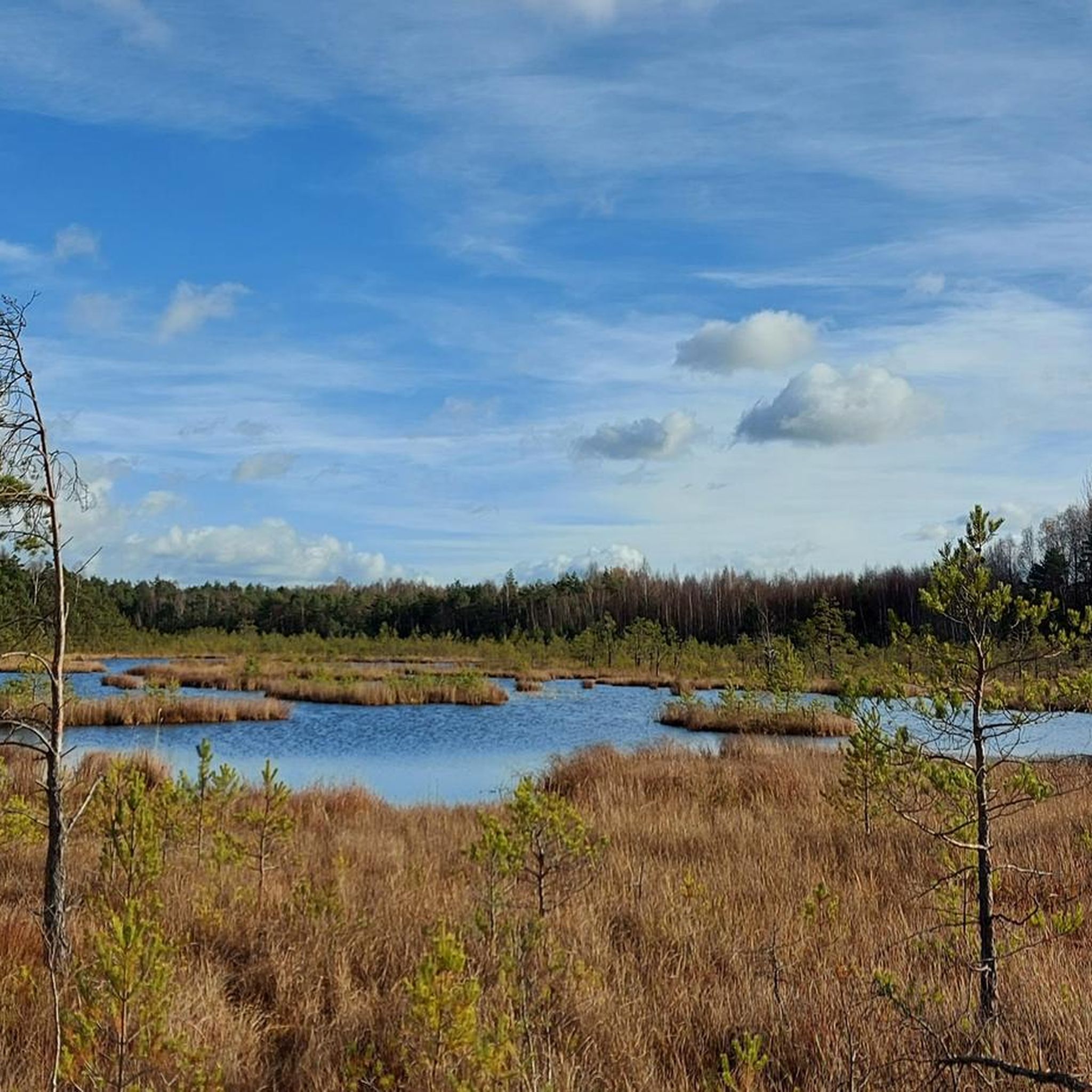
Hiking trails in Račkūnų Miškas traverse a diverse landscape within the Trakai Historical National Park in Vilnius County, Lithuania. The region is characterized by deep forests, numerous lakes such as Vėžio akis and Nerespinka, and rivers like Medrynia. Hikers encounter varied terrain, including moraine hills, marshlands, and paths ranging from accessible to challenging, shaped by pre-Ice Age formations and glacial activity.
Best hiking trails in Račkūnų Miškas
- The most popular hiking route is Varnikai Nature Trail (Varnikų pažintinis takas) –…
Last updated: June 26, 2026
4.7
(19)
92
hikers
Hard hike. Very good fitness required. Easily-accessible paths. Suitable for all skill levels.
5
hikers
23.2km
05:57
100m
100m
Hard hike. Very good fitness required. Easily-accessible paths. Suitable for all skill levels.

Sign up for free
4.6
(17)
87
hikers
11.3km
02:57
90m
90m
Moderate hike. Good fitness required. Easily-accessible paths. Suitable for all skill levels.
4.9
(41)
769
hikers
4.20km
01:05
30m
30m
Easy hike. Great for any fitness level. Easily-accessible paths. Suitable for all skill levels.
3.7
(3)
6
hikers
Easy hike. Great for any fitness level. Easily-accessible paths. Suitable for all skill levels.
Get access to more routes and recommendations from other explorers.
Sign up for free
Already have an account?
Our route recommendations are based on thousands of hikes, rides, and runs completed by other people on komoot.
Start today with a free account
Your next adventure awaits.
Login or Signup
Tips from the Community

Karaims. Trakai was settled by Karaims in the second half of the 15th century. The official date of settlement is between 1397 and 1398. The language of the Karaims belongs to the Turkic language family. The ethnic name originates from the Karaite faith. Their religion shows features of Islam, they adhere to the Pentateuch of the Old Testament. The prayer house of the Karaims, the Karaite Kenesa (from Karaite "Temple"), has survived. In 1894 the new wooden Kenesa was built, after the renovation from 1903 to 1904 it received its new appearance. It is beautiful to hear about the history and religion of this small people from an old Karaite in this church. The houses of the Karaims are located in a residential area. For a long time, this district was called "Little Town". Since 1441, the Karaite community enjoyed the privilege of self-government. Karaite houses are easy to distinguish, as they stand with their gable facing the street and have three windows. The Karaite national dish Kibinai and other dishes, as well as the drink Krupnik, can be tasted today in Karaite restaurants. The ethnographic exhibition of the Karaims, Karaimy g. 22. This unique exhibition tells about the history and life of the national minority of the Karaims in Lithuania and in the city
1
0

Beautiful walk combining the 2 circuits, park near the village church
0
0
The castle is worth visiting, as is the entire beautiful Trakai.
0
0

The panoramic view is outstanding!!!
1
0


Please keep the area clean👍🏻
0
0

Vytautas the Great (* 1354 or 1355; † October 27, 1430) was Grand Duke of Lithuania from 1392 and, together with his cousin Jogaila, the later King Władysław II Jagiełło, created the Polish-Lithuanian Union. Source: Wikipedia
2
0
Frequently Asked Questions
How many hiking trails are available in Račkūnų Miškas?
There are over 35 hiking routes in Račkūnų Miškas, offering a wide range of options for different skill levels and preferences. You'll find everything from easy strolls to more challenging treks through the diverse landscapes of the Trakai Historical National Park.
What kind of terrain can I expect on the trails in Račkūnų Miškas?
Hikers in Račkūnų Miškas will encounter a varied terrain shaped by pre-Ice Age formations and glacial activity. This includes deep forests, paths alongside numerous lakes like Vėžio akis and Nerespinka, marshlands, and undulating moraine hills. Some routes offer noticeable elevation gains, while others are relatively flat and accessible.
Are there any family-friendly hiking options in Račkūnų Miškas?
Yes, Račkūnų Miškas offers several easy trails suitable for families. For example, the Varnikai Boardwalk Trail – Piliškių Lake loop from Trakai is an easy 2.6-mile (4.2 km) route that leads through varied woodlands and past Piliškių Lake, perfect for a leisurely family outing.
What are some notable landmarks or attractions to see while hiking?
The region is rich in natural and historical attractions. Many trails offer views of the iconic Trakai Island Castle. You can also explore the Varnikai botanical-zoological reserve, the beautifully landscaped Užutrakis Manor Estate, or the Hill of Angels. Some routes even pass by natural wonders like the Sinkhole of Strėva.
Are the hiking trails in Račkūnų Miškas well-marked?
Yes, the hiking trails in Račkūnų Miškas are generally well-marked. Many routes, especially popular ones like the Varnikai Nature Trail, are equipped with display boards, making navigation straightforward and enhancing the educational aspect of your walk.
What do other hikers enjoy most about Račkūnų Miškas?
The area is highly rated by the komoot community, with an average score of 4.5 stars from over 230 reviews. Hikers frequently praise the diverse landscapes, the scenic views of lakes and forests, and the opportunity to combine nature exploration with historical sights like Trakai Castle.
Is it possible to reach the hiking trails using public transport?
While specific public transport routes to every trailhead may vary, the Trakai region is generally accessible. Trakai town itself is a hub, and from there, local transport or a short taxi ride can often get you closer to various starting points within Račkūnų Miškas. It's advisable to check local bus schedules for the most up-to-date information.
Are there any challenging hikes for experienced trekkers?
Absolutely. For experienced trekkers seeking a challenge, Račkūnų Miškas offers several difficult routes. Examples include the Varnikai Nature Trail (Varnikų pažintinis takas) – View of Trakai Castle loop from Senieji Trakai, a 14.2-mile (22.9 km) trail, or the Varnikai Boardwalk Trail – View of Trakai Castle loop from Lentvaris, which is 14.5 miles (23.3 km) long.
Can I find circular hiking routes in Račkūnų Miškas?
Yes, many of the trails in Račkūnų Miškas are designed as loops, allowing you to start and end at the same point. This includes popular options like the easy Varnikai Boardwalk Trail – Piliškių Lake loop from Trakai, as well as longer, more challenging circular routes.
Are there specific viewpoints or scenic spots along the trails?
Račkūnų Miškas offers numerous scenic spots. The Varnikai Nature Trail provides excellent views of Trakai Castle. Sacrifice Hill, the highest point on the Trakai Peninsula, also offers breathtaking landscapes. Additionally, the many lakes and rivers throughout the forest provide picturesque backdrops for your hike.
What is the best time of year to go hiking in Račkūnų Miškas?
Račkūnų Miškas is beautiful year-round, but the best time for hiking is typically from spring through autumn (April to October). During these months, the weather is generally mild, and the diverse flora is vibrant. Winter hiking can also be magical, especially on snowy days, but requires appropriate gear for colder conditions.
Is there parking available near the trailheads?
Parking is generally available at or near the main access points and popular trailheads within Račkūnų Miškas and the wider Trakai Historical National Park. Specific parking facilities can vary, so it's a good idea to check the starting point of your chosen route for detailed information on parking availability.

Get inspired with the komoot mobile app


Explore more
Browse the best Hikes in other regions.
