Attractions and Places To See in Hohburger Berge - Top 18
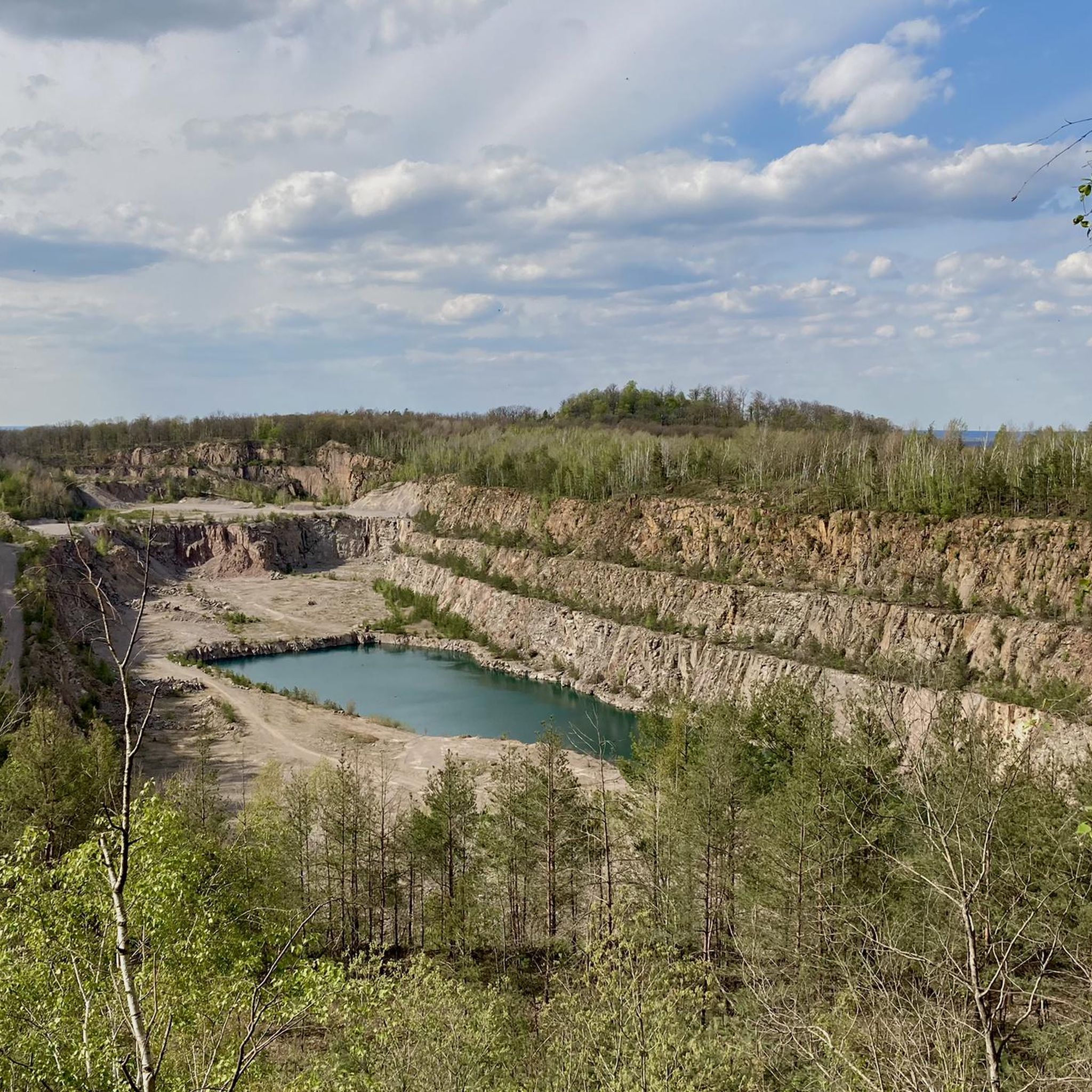
Best attractions and places to see in Hohburger Berge, a region approximately 35 km east of Leipzig, offers a diverse landscape shaped by ancient volcanic activity and historical quarrying. This area is characterized by unique rock formations, picturesque quarry lakes, and historical surveying points. The Hohburger Berge provide varied terrain and viewpoints over the surrounding lowlands. It is an ideal destination for exploring natural features and historical landmarks.
Best attractions and places to see in Hohburger Berge
- The most popular…
Last updated: July 2, 2026
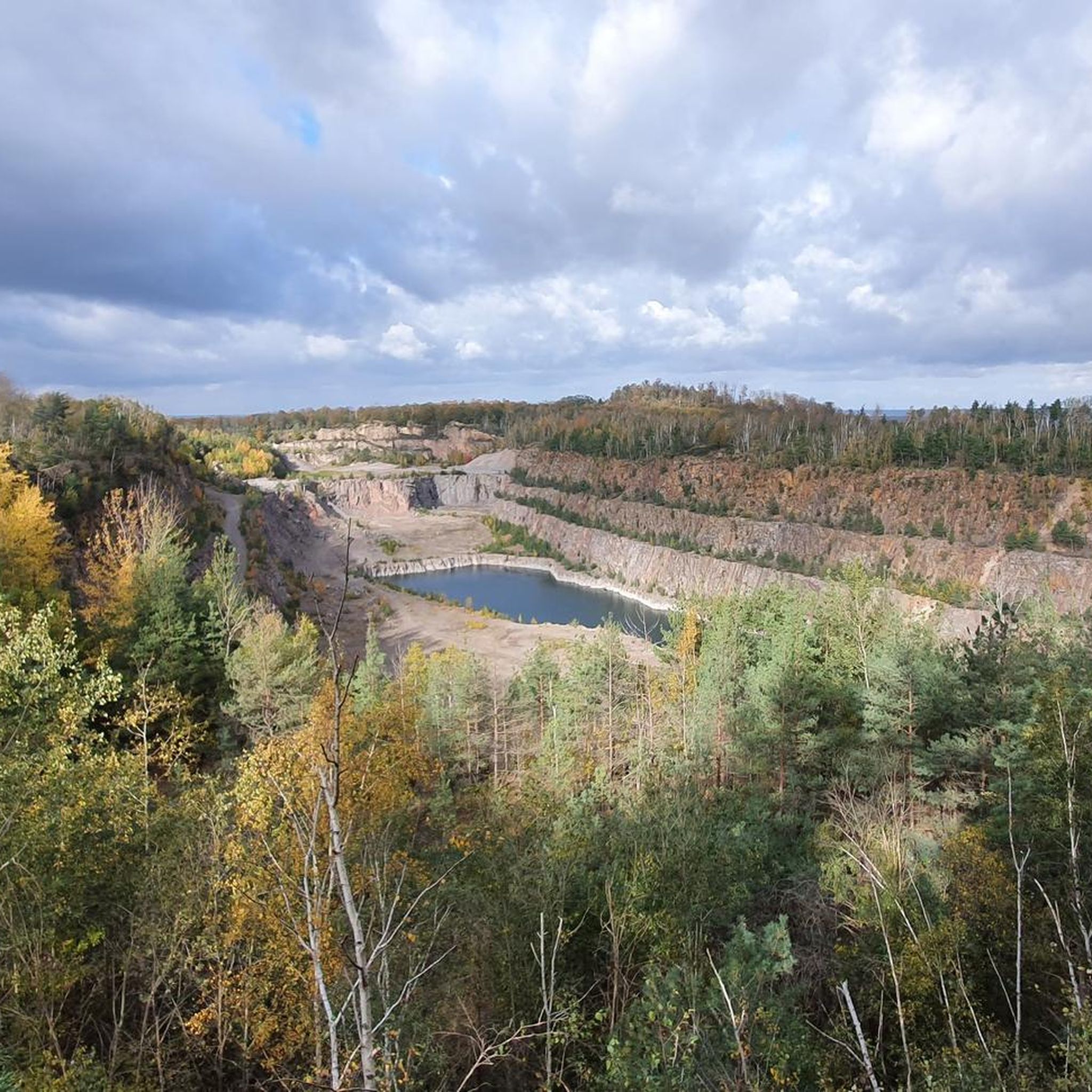
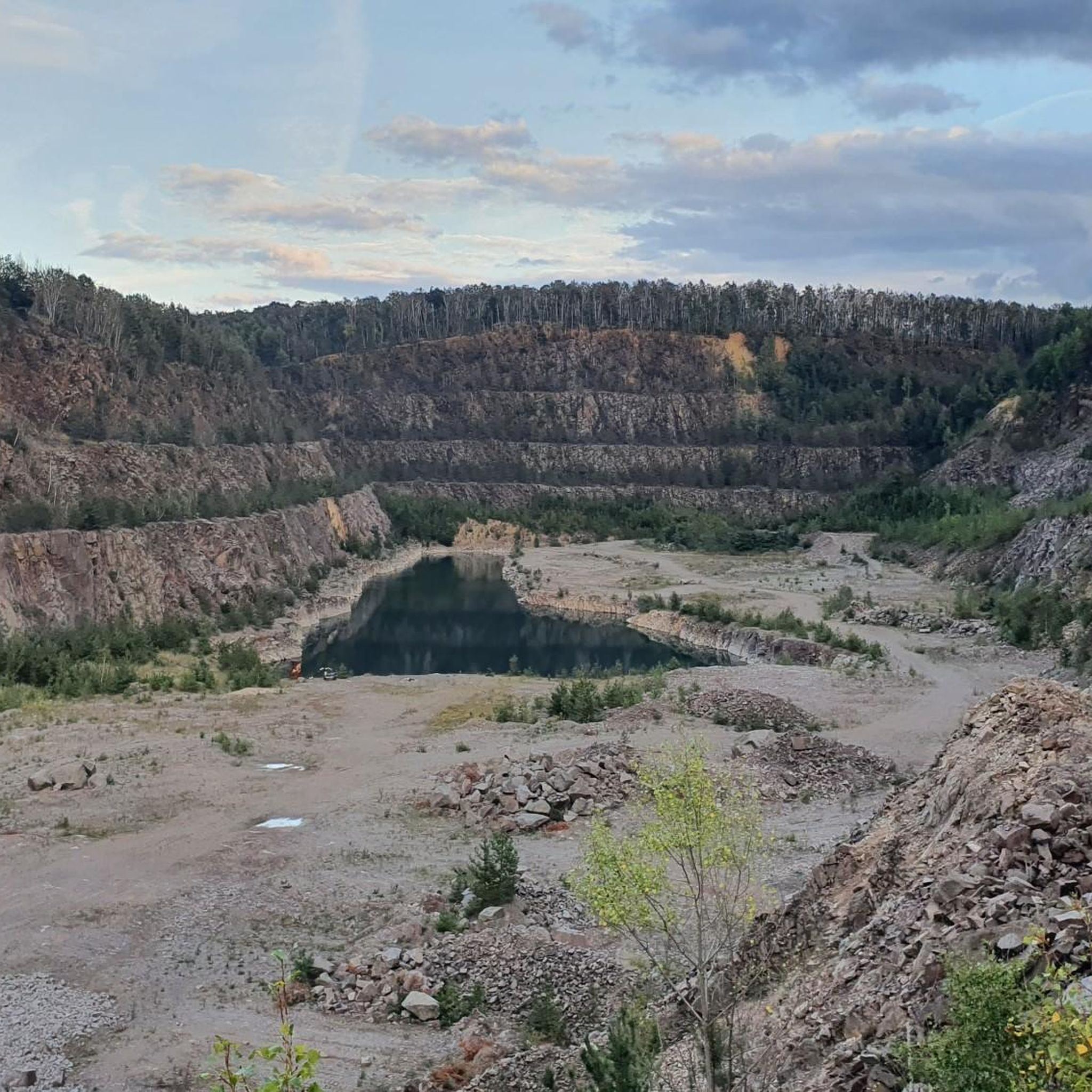
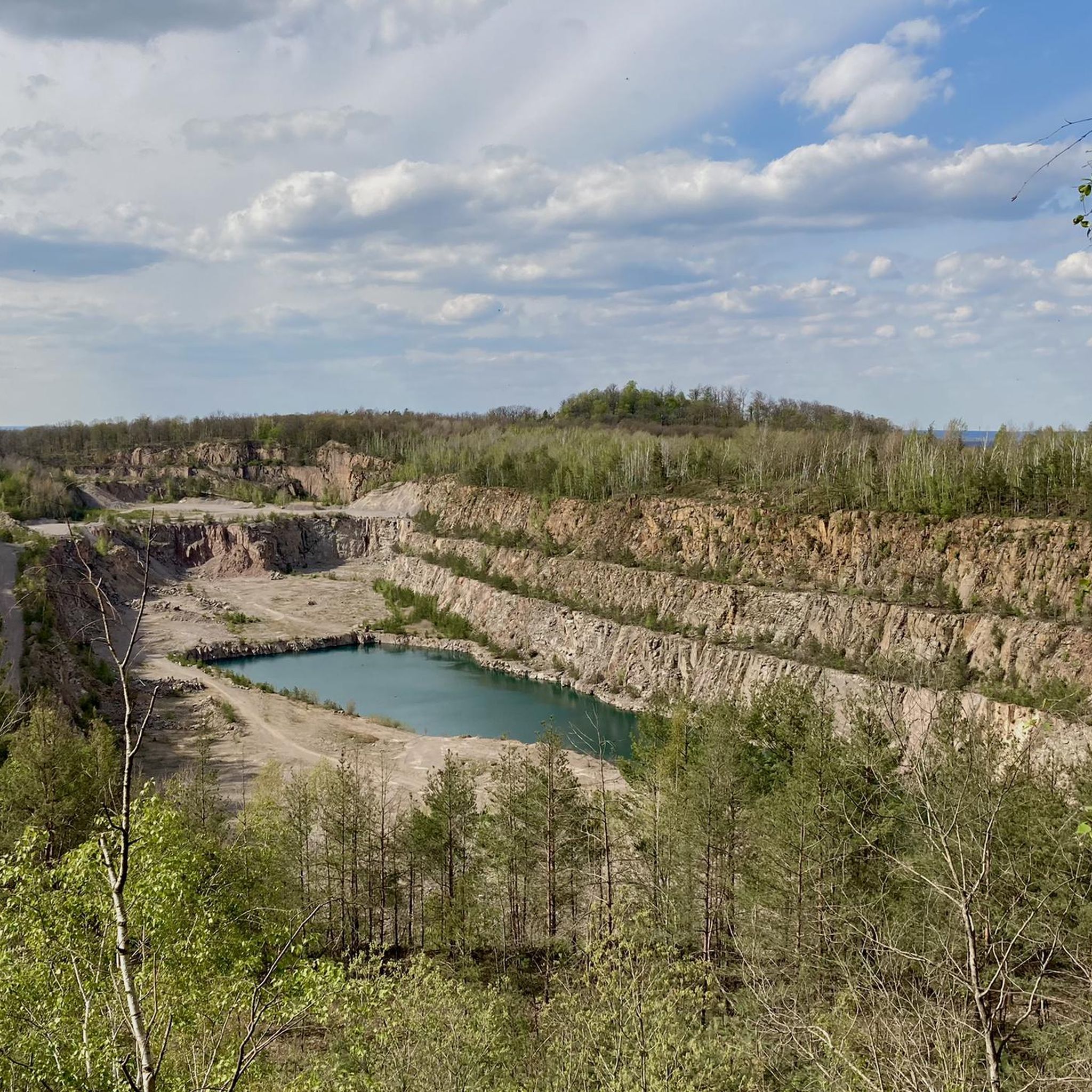
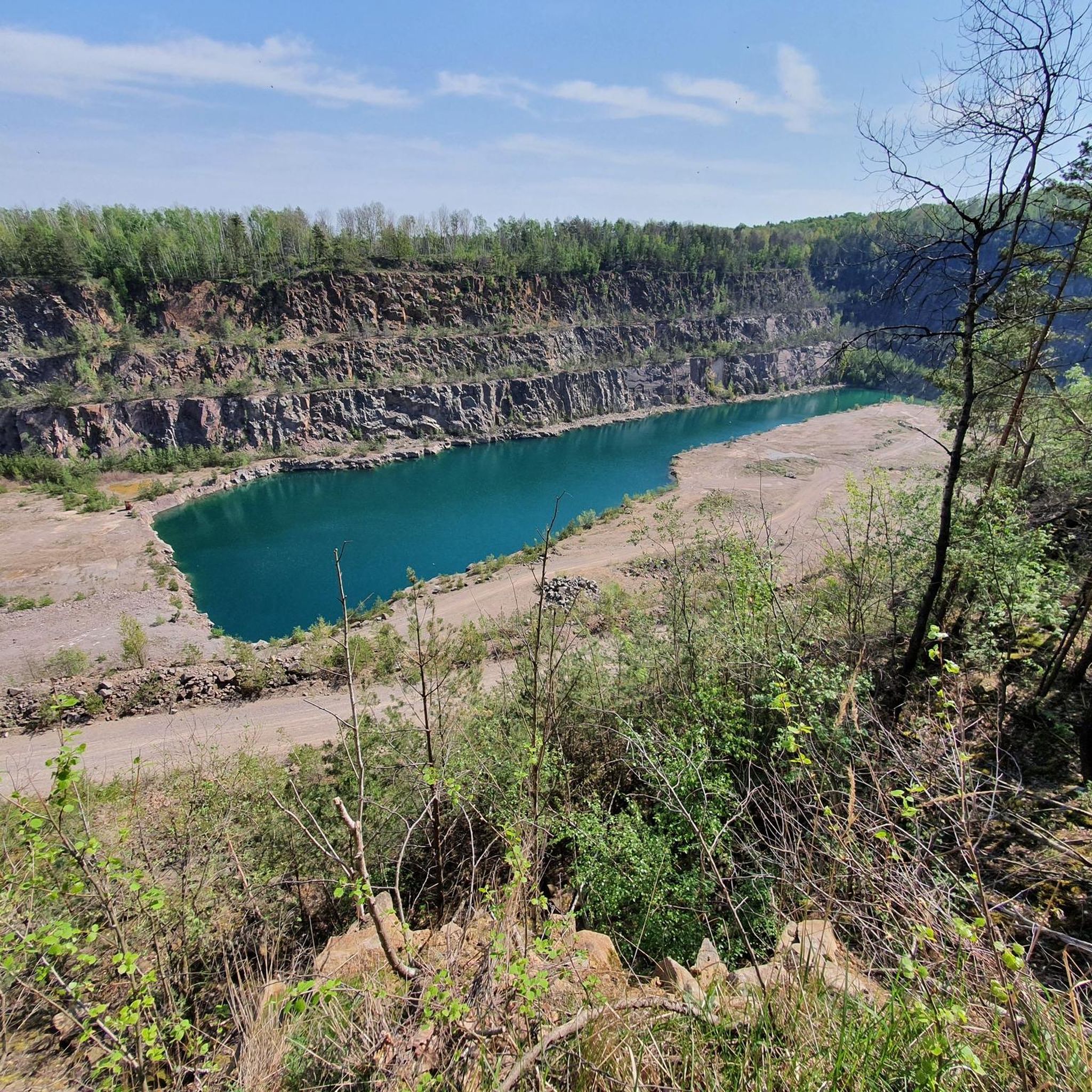
Löbenberg Quarry
Highlight • Structure
Translated by Google •
Tip by

Zinkenberg Quarry
Highlight • Structure
Translated by Google •
Tip by

Sign up now to discover places like this
Get recommendations on the best single tracks, peaks, & plenty of other exciting outdoor places.
Sign up for free
Historic Surveying Pillar, Löbenberg
Highlight • Monument
Translated by Google •
Tip by

View of Hohburg Over the Ski Meadow
Highlight • Viewpoint
Translated by Google •
Tip by

Historical Trigonometric Point Hohburg
Highlight • Monument
Translated by Google •
Tip by

Sign up for free to discover even more attractions in Hohburger Berge.
Sign up for free
Already have an account?
Start today with a free account
Your next adventure awaits.
Login or Signup

Tips from the Community


Information about Nagel's column
0
0
A lapidarium is a collection of worked stones, such as sculptures, tombstones, or architectural fragments, often displayed at their original location or in a museum. The description refers to a local collection of damaged fragments, possibly from the column of a Nagel survey point, which were found during nearby landscaping work. Lapidarium: A collection of worked stones, such as sculptures, sarcophagi, tombstones, and debris. Local location: The damaged stone fragments may have originated from the above-ground column of a Nagel survey point. Provenance: The stones were found during landscaping work near the original location of the column. Attribution: A definitive attribution to a specific layer of the column is difficult due to the damaged nature of the fragments.
0
0

Good resting place and a path lined with birch trunks leads to a tree-free spot with good views - weather permitting
0
0

"The Royal Saxon Triangulation (here with its historical name) is a national survey carried out in the territory of the Kingdom of Saxony between 1862 and 1890, with the simultaneous creation of a trigonometric network. The aim was to record the territory of the state with scientific and geodetic precision and to create the basis for the production of precise maps by establishing permanently marketed fixed points." - https://de.wikipedia.org/wiki/K%C3%B6niglich-S%C3%A4chsische_Triangulirung The triangulation network created by August Nagel was considered one of the most precise surveying networks in the world at the time. The Nagel columns are now preserved as technical monuments. The still existing foundation of the once stately column was uncovered. The stations Dürrenberg, Collm, Deditzhöhe, Rochlitz, Frauenberg, Leipzig and Schwarzeberg were observed from the Hohburg station. It was also connected to the Prussian surveying network. Up here you can sit comfortably and enjoy the peace and quiet. And then use one of the beautiful trails over the mountain area to descend.
3
0

This is a little spot from which you can let your gaze wander and enjoy the view.
3
0

A straight sign for a circular route? It should actually be bent - should one trust it?
4
0

There is also a sign for the mining trail and circular route
10
0
Frequently Asked Questions
What kind of natural landscapes can I expect to see in Hohburger Berge?
The Hohburger Berge, often called "Hohburg Switzerland," offers a unique landscape shaped by ancient volcanic activity and historical quarrying. You'll find exposed rock formations, including geologically valuable glacial striations on the Kleine Berg. The region is also known for its picturesque quarry lakes, such as the Löbenberg Quarry, which are now filled with water, and the relaxing Kaolinsee Hohburg, perfect for swimming.
Are there any historical sites or monuments related to surveying in the region?
Yes, the Hohburger Berge is significant for its historical surveying points. You can visit the Historical Trigonometric Point Hohburg, which was a crucial station in the Royal Saxon Triangulation network and offers distant views. Another notable site is the Historic Surveying Pillar, Löbenberg, part of the Nagel surveying points, where a lapidarium of stone fragments can be found.
What outdoor activities are popular in Hohburger Berge?
The Hohburger Berge is well-suited for various outdoor activities. Hiking is very popular, with numerous trails connecting points of interest. You can find many options, including easy hikes, by exploring the Easy hikes in Hohburger Berge guide. The region also offers excellent opportunities for mountain biking, with trails like the Hohburg Forest Trail, and running, as detailed in the Running Trails in Hohburger Berge guide.
Where can I learn about the history of the stone industry in Hohburger Berge?
To delve into the history of natural resource utilization and the stone industry in the region, you should visit the Museum Steinarbeiterhaus in Hohburg. It provides valuable insights into how the unique 'Hohburg Quartz Porphyry' was quarried and used over time.
Are there any climbing opportunities in Hohburger Berge?
Yes, the Hohburger Berge offers unique climbing opportunities due to its former quarries. The Gaudlitzberg Stone Quarry, operational for porphyry extraction until 1961, has been developed as a climbing site since 1997, featuring nearly 60 routes on its 20-meter high rock face. The Holzberg Stone Quarry is another climbing area, with official permits available for members of the Leipzig section of the German Alpine Club.
What are some good viewpoints in Hohburger Berge?
Several locations offer impressive views. The summit of the Gaudlitzberg Stone Quarry provides expansive views of the Hohburg countryside. Additionally, the Historical Trigonometric Point Hohburg, on clear days, offers distant views from its tree-free spot. Peaks like Löbenberg (240m) and Galgenberg (213m) also provide varied terrain and views over the surrounding flatlands of the Leipzig Lowland Bay.
Are there family-friendly attractions or activities in Hohburger Berge?
Yes, the Hohburger Berge has options suitable for families. The Zinkenberg Quarry is considered family-friendly, offering an information board about its history and a stable refuge for breaks. The Historical Trigonometric Point Hohburg is also noted as family-friendly, providing a good resting place. Many of the easy hiking trails, such as the Hohburg Mining Trail Georoute, are also suitable for families.
What is the Hohburg Mining Path?
The Hohburg Mining Path is a georoute that connects several historical sites related to the region's stone industry. The Zinkenberg Quarry and the Löbenberg Quarry are both stations along this path, offering insights into the industrial history of the area. It's a great way to combine hiking with learning about the local heritage.
What is the significance of the 'Hohburg Quartz Porphyry'?
The 'Hohburg Quartz Porphyry' is a durable stone found in the region, particularly exposed in the Löbenberg Quarries. Due to its high compressive strength, it was historically used for various constructions, including bank reinforcements, as substructure material, paving stones, and in the raw materials and ceramics industries. Its extraction played a significant role in the region's industrial history.
Are there any specific trails recommended for mountain biking in Hohburger Berge?
Absolutely! The Hohburger Berge offers some great mountain biking opportunities, especially considering the generally flat Leipzig area. The Hohburg Forest Trail is an insider tip for collecting vertical meters on cool trails. For more options, check out the MTB Trails in Hohburger Berge guide, which includes routes like the 'Schildberg Tower – Gaudlitzberg Climbing Wall loop'.
What makes the Hohburger Berge unique geologically?
The Hohburger Berge's geological uniqueness stems from ancient volcanic activity approximately 280 million years ago, which created its distinct rock formations. This, combined with subsequent glacial activity, resulted in features like exposed rock formations and glacial striations, particularly noticeable on the Kleine Berg. The region's quarries also expose specific rock types like the 'Hohburg Quartz Porphyry'.
Most popular routes in Hohburger Berge
Most popular attractions in Hohburger Berge

Get inspired with the komoot mobile app


Explore more
Still not found the Highlight you’re looking for? See guides of the top attractions in other regions:
