Top 20 Lakes around Ludwigsfelde
Best lakes around Ludwigsfelde are found in the surrounding Brandenburg region, offering various recreational opportunities. The area is characterized by its natural landscapes, including the Nuthe-Nieplitz Nature Park, which hosts several significant lakes. These lakes provide settings for outdoor activities such as swimming, hiking, and nature observation. The region's geography, shaped by ice-age processes, contributes to the diverse aquatic environments available.
Best lakes around Ludwigsfelde
- The most popular lakes is Boardwalk at Blankensee, a bridge that offers views of Blankensee and is a spot for birdwatching. Binoculars are recommended to observe potential eagle's nests on the opposite side of the lake.
- Another must-see spot is Great Seddin Lake, a lake covering 218 hectares within the Nuthe-Nieplitz Nature Park. Motorboats are prohibited, ensuring a tranquil environment for swimming and relaxation on its sandy beaches.
- Visitors also love Blankensee Castle and Park, a historical castle and park. The park is open to the public and offers historical insights into the Mark Baroque architectural style.
- Ludwigsfelde is known for its natural lakes, including those within nature reserves and those offering bathing areas. These bodies of water provide opportunities for swimming, hiking, and nature observation.
- The lakes around Ludwigsfelde are appreciated by the komoot community, with over 1400 upvotes and 130 photos shared.
Last updated: August 16, 2026
Griebnitzsee
Highlight • Lake
Translated by Google •
Tip by

Boardwalk at Blankensee
Highlight • Bridge
Translated by Google •
Tip by

Sign up now to discover places like this
Get recommendations on the best single tracks, peaks, & plenty of other exciting outdoor places.
Sign up for free
Great Seddin Lake
Highlight • Lake
Separated by the B2 federal highway, the Kleiner Seddiner See (around 4.4 hectares) adjoins the long stretch of water at the western end. A narrow strip of land on the south-east bank also separates the Kähnsdorfer See (around 26 hectares) from the Großer Seddiner See.
The shallow lakes were created in the Brandenburg stage of the Vistula glaciation around 20,000 years ago.
An approximately 10-kilometer circular hiking trail around the Seddin Lakes is part of the 66 Lakes Regional Park Route, a hiking trail around Berlin.
Source: de.wikipedia.org/wiki/Großer_Seddiner_See
Translated by Google •
Tip by

Devil's Lake (Potsdam)
Highlight • Lake
Translated by Google •
Tip by

Wildenbruch bathing area on Großer Seddiner See
Highlight • Beach
Translated by Google •
Tip by
Sign up for free to discover even more lakes around Ludwigsfelde.
Sign up for free
Already have an account?
Start today with a free account
Your next adventure awaits.
Login or Signup
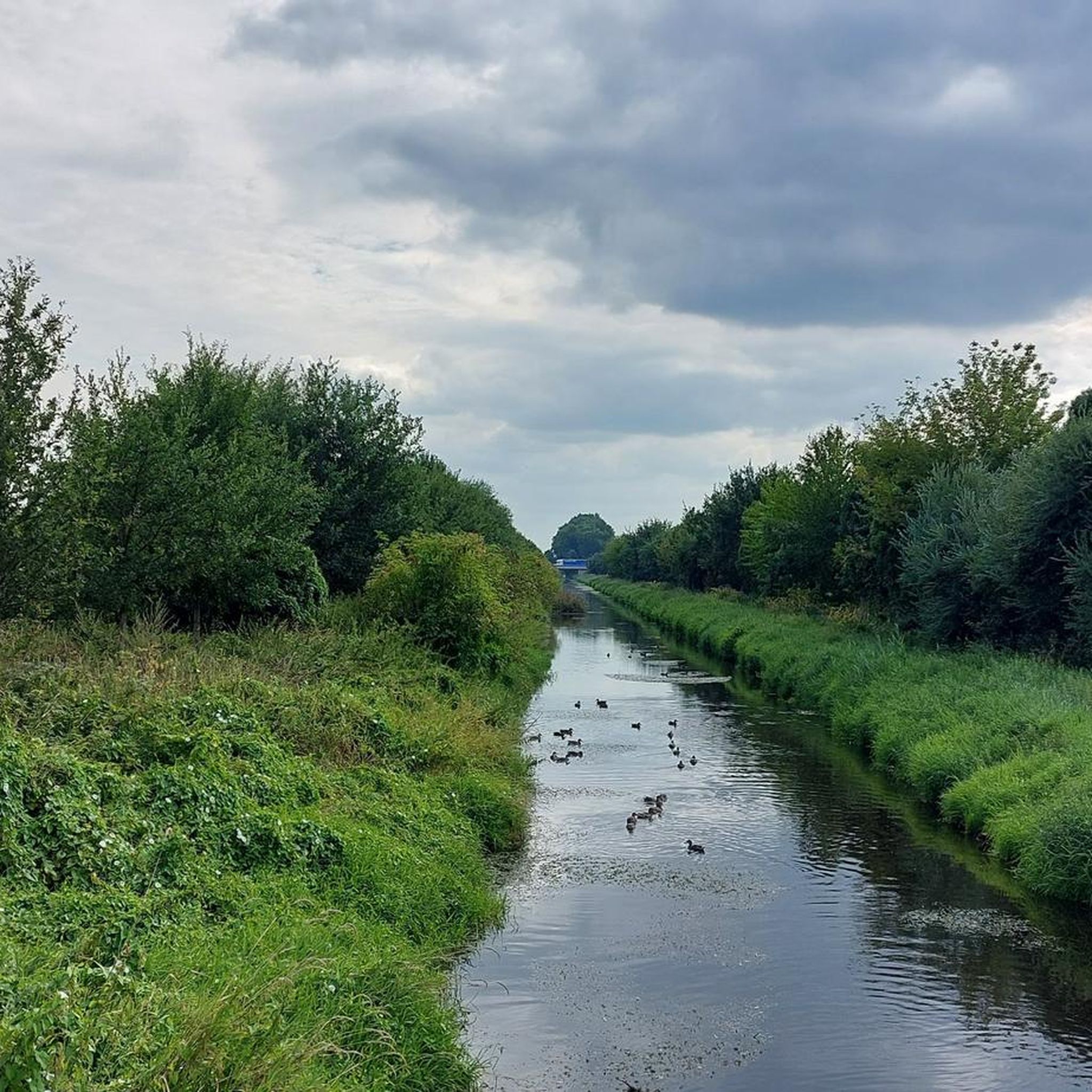
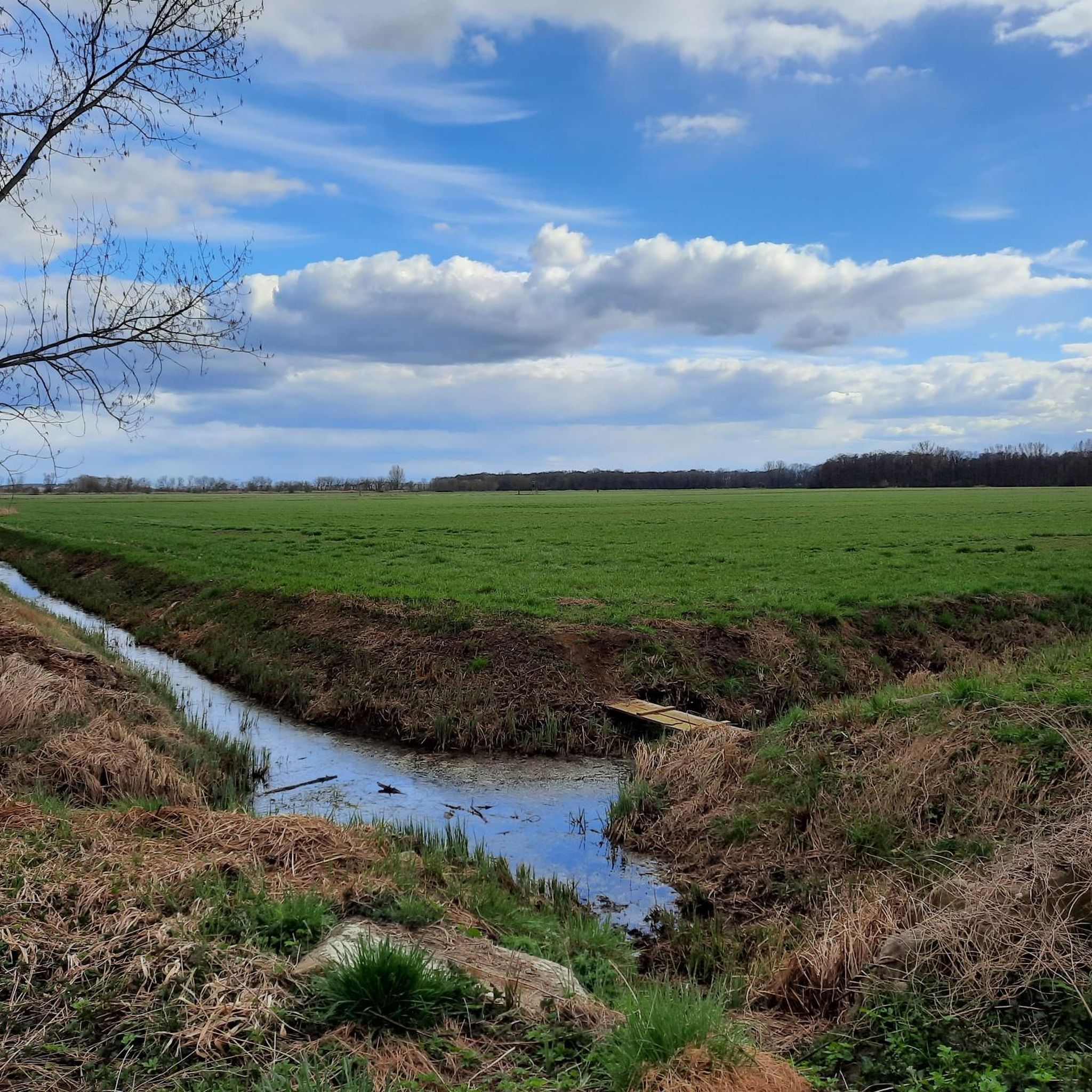
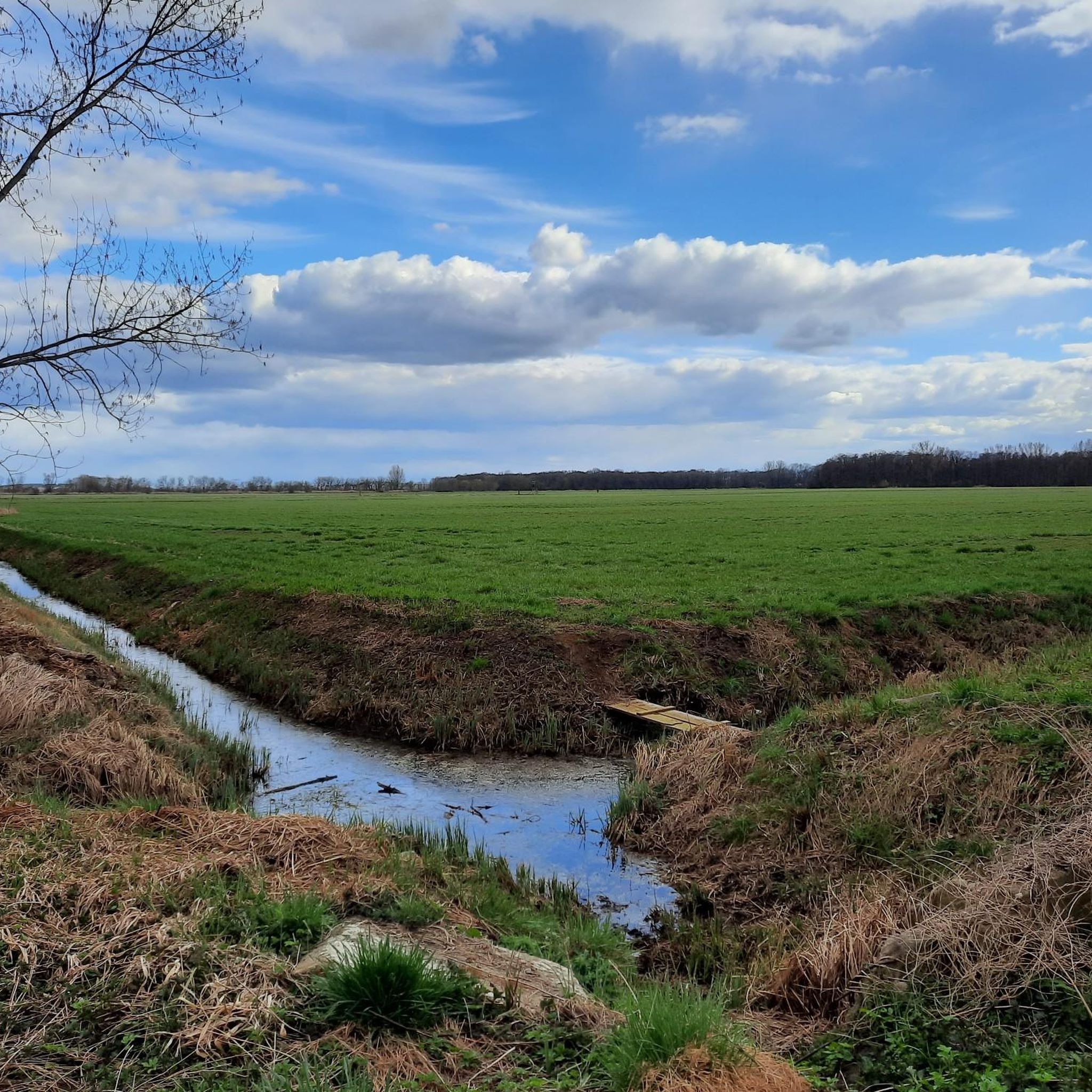
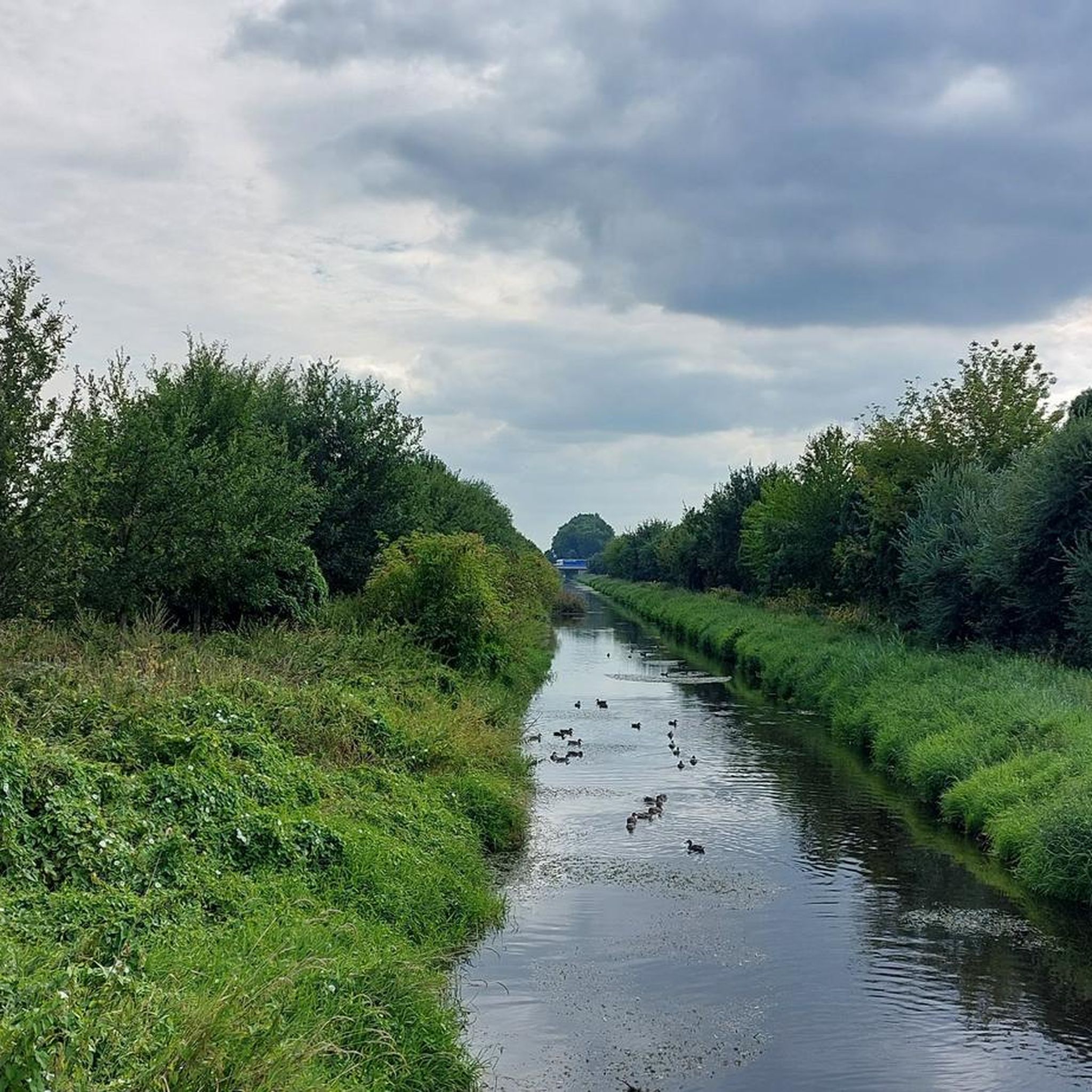
Tips from the Community

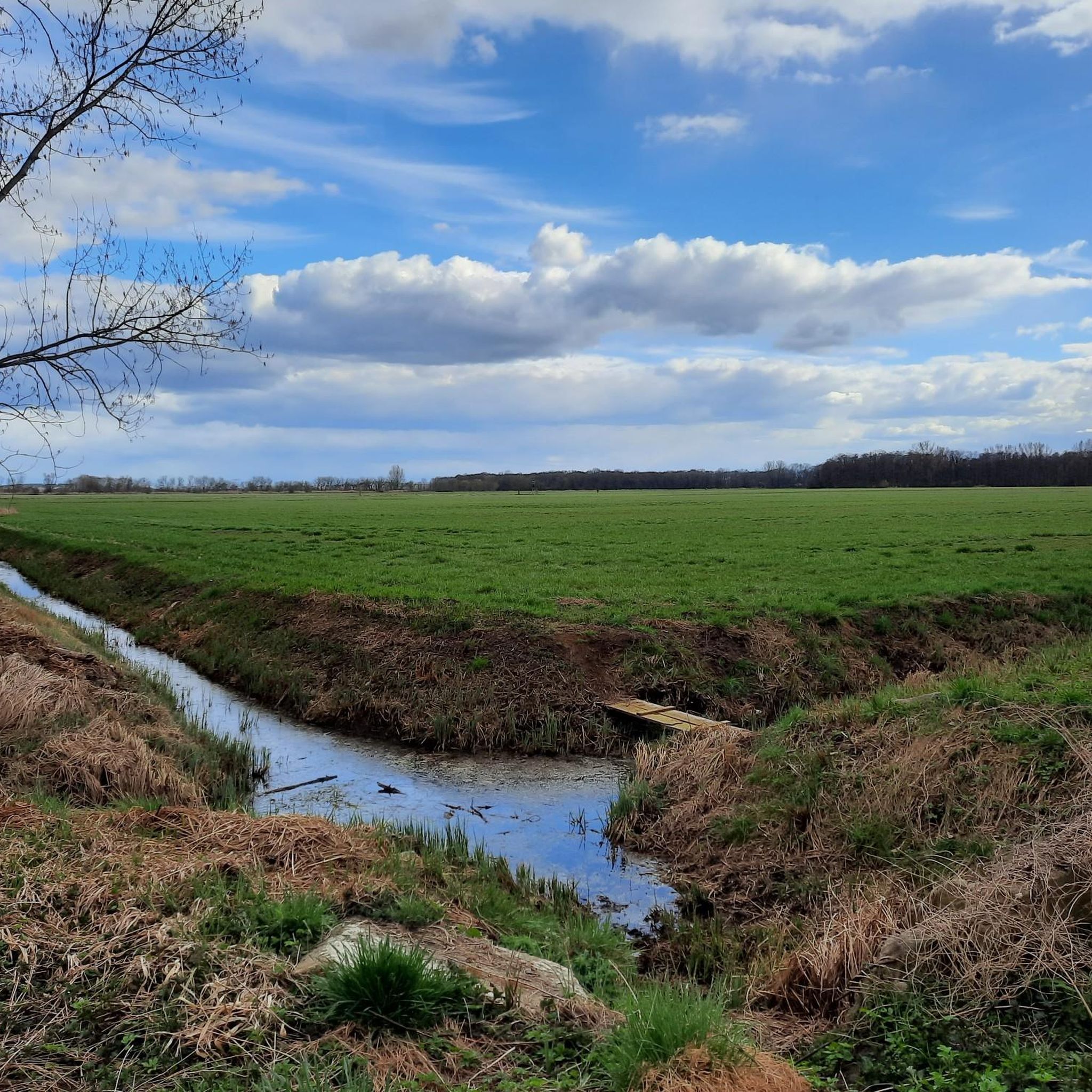
After the battle with the narrow tires through the rabbit sand, you can really use the break and enjoy it in such a great place, including the peace and quiet that prevails there.
0
0

The Seddiner Lake offers clear water and a large number of bathing areas.
0
0

For me, visiting the Teufelssee is a must on every hike or bike ride in the Ravensberg Mountains.
0
0

Station 1931 The station was built in 1874 on the Berlin-Potsdam Railway for the development of the residential area of Neubabelsberg; hence its original name, Neubabelsberg. It opened on June 1 of the same year. The first station building was a reconstructed wooden pavilion by Kyllmann & Heyden, which had been erected the previous year as the German House at the Vienna World Exhibition. The station building, which still stands today, was designed by Günter Lüttich in 1931. On April 1, 1938, the station was renamed Babelsberg-Ufastadt due to its proximity to the ever-expanding Ufa film complex.[1] At the end of World War II, the Teltow Canal Bridge near Kohlhasenbrück was blown up, resulting in the suspension of S-Bahn service between Zehlendorf and Babelsberg-Ufastadt from April 1945 to June 15, 1948.[2]
5
4

Border station The station was renamed Griebnitzsee in 1949. From 1952, Griebnitzsee served as a control station. From 1961 to 1989, the station was closed to local traffic, and until 1990 it served as a border station and border crossing point (GÜSt, passenger traffic) of the GDR. Boarding and disembarking at Griebnitzsee station was prohibited for transit traffic through the GDR to and from West Berlin. Interzonal traffic between West and East Germany was carried out via the Berlin Stadtbahn. Later, interzonal trains were routed via the Berlin Outer Ring (including the Aachen–Potsdam–Görlitz and Munich–Leipzig–Potsdam–Rostock train pairs), thus serving exclusively for transit traffic between West Berlin (Berlin-Wannsee, Zoologischer Garten, Friedrichstraße) and West Germany from/to Schwanheide/Büchen (Hamburg, Northern Germany) until 1976 Marienborn/Helmstedt (Hanover, West Germany) Gerstungen/Bebra (Hesse, Frankfurt am Main, Saarbrücken) Probstzella/Ludwigsstadt (Southern Germany)
4
4
Until 1949 The station was built in 1874 on the Berlin-Potsdam Railway to serve the Neubabelsberg residential area; hence its original name, Neubabelsberg. It opened on June 1 of the same year. The first station building was a reconstructed wooden pavilion by Kyllmann & Heyden, which had been erected the previous year as the German House at the Vienna World's Fair. The station building, which still stands today, was designed by Günter Lüttich in 1931. On April 1, 1938, the station was renamed Babelsberg-Ufastadt due to its proximity to the ever-expanding Ufa film complex. At the end of the Second World War, the Teltow Canal Bridge near Kohlhasenbrück was blown up, resulting in the S-Bahn service between Zehlendorf and Babelsberg-Ufastadt being suspended from April 1945 to June 15, 1948.
4
4
The Potsdam Griebnitzsee train station is a regional and S-Bahn station on the Berlin–Magdeburg railway line and the Wannsee Railway. It is located in the extreme east of Potsdam-Babelsberg, northeast of the media city Babelsberg and south of Lake Griebnitz. During the division of Germany, it served as a border station for transit traffic to West Berlin. The station is now served by the S-Bahn line S7 and the regional trains RB 20, RB 22 and RB 23.
5
5

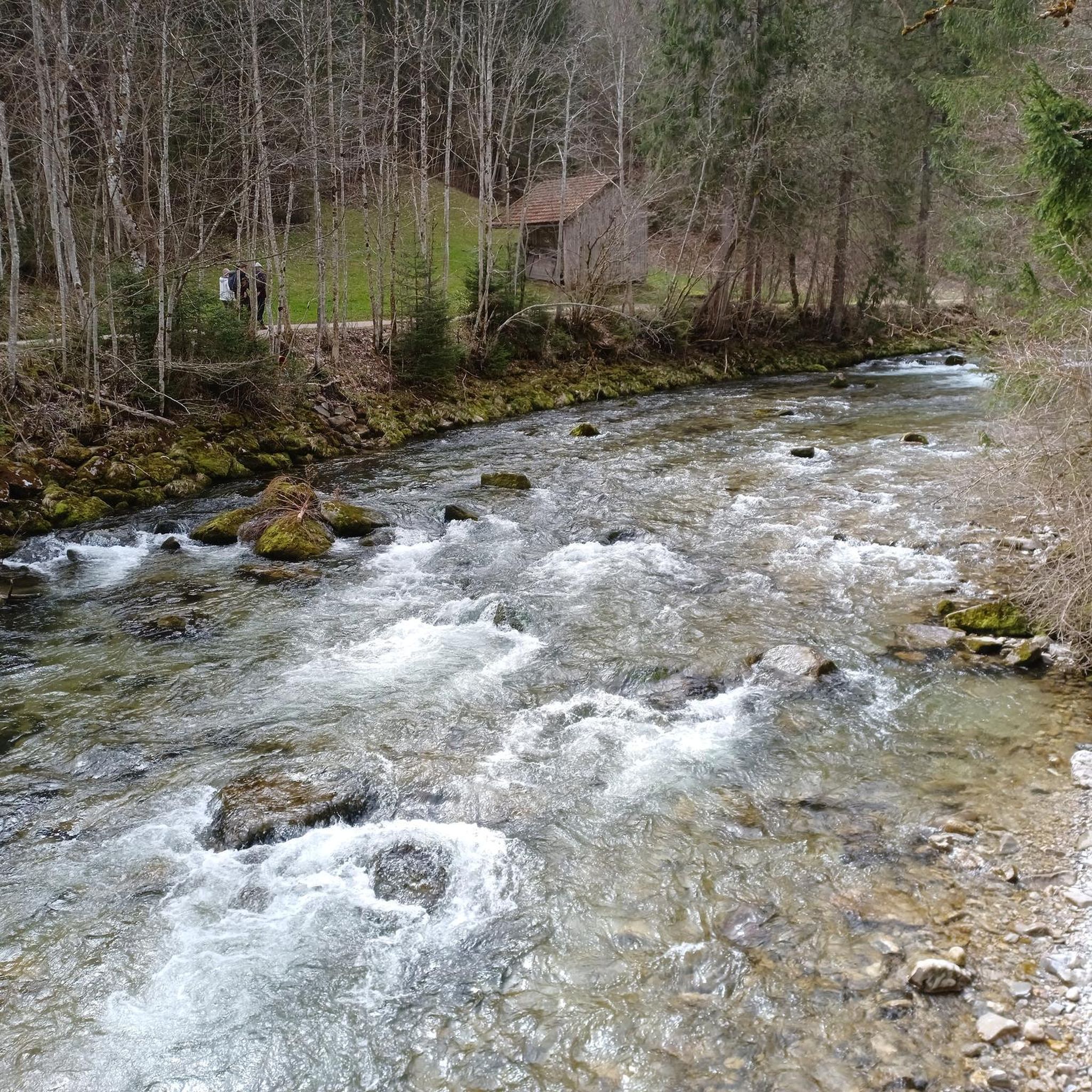
Hiking break with a view of the lake and a seat on a birch trunk
0
0
Frequently Asked Questions
Which lakes near Ludwigsfelde are best for swimming and relaxation?
For swimming and relaxation, the Großer Seddiner See is an excellent choice. It features clear water and several sandy bathing areas, with the largest located in Kähnsdorf. Motorboats are prohibited, ensuring a peaceful environment. The Wildenbruch bathing area on Großer Seddiner See is particularly quiet and family-friendly. The Siethener See is also popular for relaxed hours by the water within a protected natural landscape.
Are there good opportunities for hiking around the lakes near Ludwigsfelde?
Yes, the region offers several hiking opportunities. Around the Großer Seddiner See, there is an approximately 10-kilometer circular hiking trail that is part of the 66 Lakes Regional Park Route. The area around Gröbener See is also suitable for hiking, offering scenic views. For more options, you can explore various hiking routes around Ludwigsfelde.
What natural features and wildlife can I observe at the lakes?
The lakes are part of the Nuthe-Nieplitz Nature Park, offering diverse natural beauty. At Blankensee, the Boardwalk at Blankensee provides excellent views and is a prime spot for birdwatching, where you might even spot an eagle's nest (binoculars recommended). The edge zones of Großer Seddiner See are largely reeded, contributing to a rich habitat for local wildlife.
Are there family-friendly activities available at the lakes?
Many lakes in the region are suitable for families. The Wildenbruch bathing area on Großer Seddiner See is noted for its quiet atmosphere and sandy areas perfect for children to play. The boardwalk at Blankensee is also a gentle option for family strolls and nature observation.
Can I go cycling around the lakes near Ludwigsfelde?
Absolutely. The 10-kilometer circular trail around the Seddin Lakes is excellent for cycling. The broader region around Ludwigsfelde also features various cycling routes. You can find more details on gravel biking and road cycling routes in the area.
Are there any historical sites near the lakes?
Yes, near Blankensee, you can visit Blankensee Castle and Park. This historical manor house, also known as Sudermannhaus, was built in the Mark Baroque style between 1701 and 1740. The park is open to the public and offers a glimpse into the region's architectural heritage.
Which lake is best for a tranquil nature experience without motorboats?
The Großer Seddiner See is ideal for a tranquil nature experience. Motorboats are strictly prohibited on this lake, ensuring a peaceful environment for swimming, relaxing, and enjoying the natural surroundings without disturbance.
What do visitors enjoy most about the lakes around Ludwigsfelde?
Visitors particularly appreciate the clear water and numerous sandy bathing spots at lakes like Großer Seddiner See, which remains uncrowded even in warm weather. The opportunity for birdwatching from the Boardwalk at Blankensee and the overall tranquil atmosphere of the Nuthe-Nieplitz Nature Park are also highly valued.
Are there any local, easily accessible ponds near Ludwigsfelde for a quick visit?
The Ahrensdorfer Teiche, located near Ahrensdorf, a district of Ludwigsfelde, offer a convenient option for short excursions and enjoying a natural setting very close to town.
Is it possible to access all lakes for swimming or recreation?
While many lakes offer recreational opportunities, access varies. For instance, the Blankensee is under nature protection, and swimming or driving on the lake is not allowed, with banks being largely inaccessible except for the boardwalk. The Gröbener See also has limited direct shore access and no public bathing areas, though it's suitable for hiking and cycling nearby. Always check local regulations for specific lakes.
What is the average depth of the larger lakes in the area?
The Großer Seddiner See, one of the larger lakes, has an average depth of 3 meters and a maximum depth of 7.2 meters. This makes it suitable for swimming while maintaining a comfortable environment.
Most popular routes around Ludwigsfelde
Most popular attractions around Ludwigsfelde

Get inspired with the komoot mobile app


Explore more
Still not found your perfect lake around Ludwigsfelde? Check out the guides of these regions to see even more beautiful places.
