The best walks and hikes in Mückaer Heide
4.6
(1804)
5,808
hikers
440
hikes
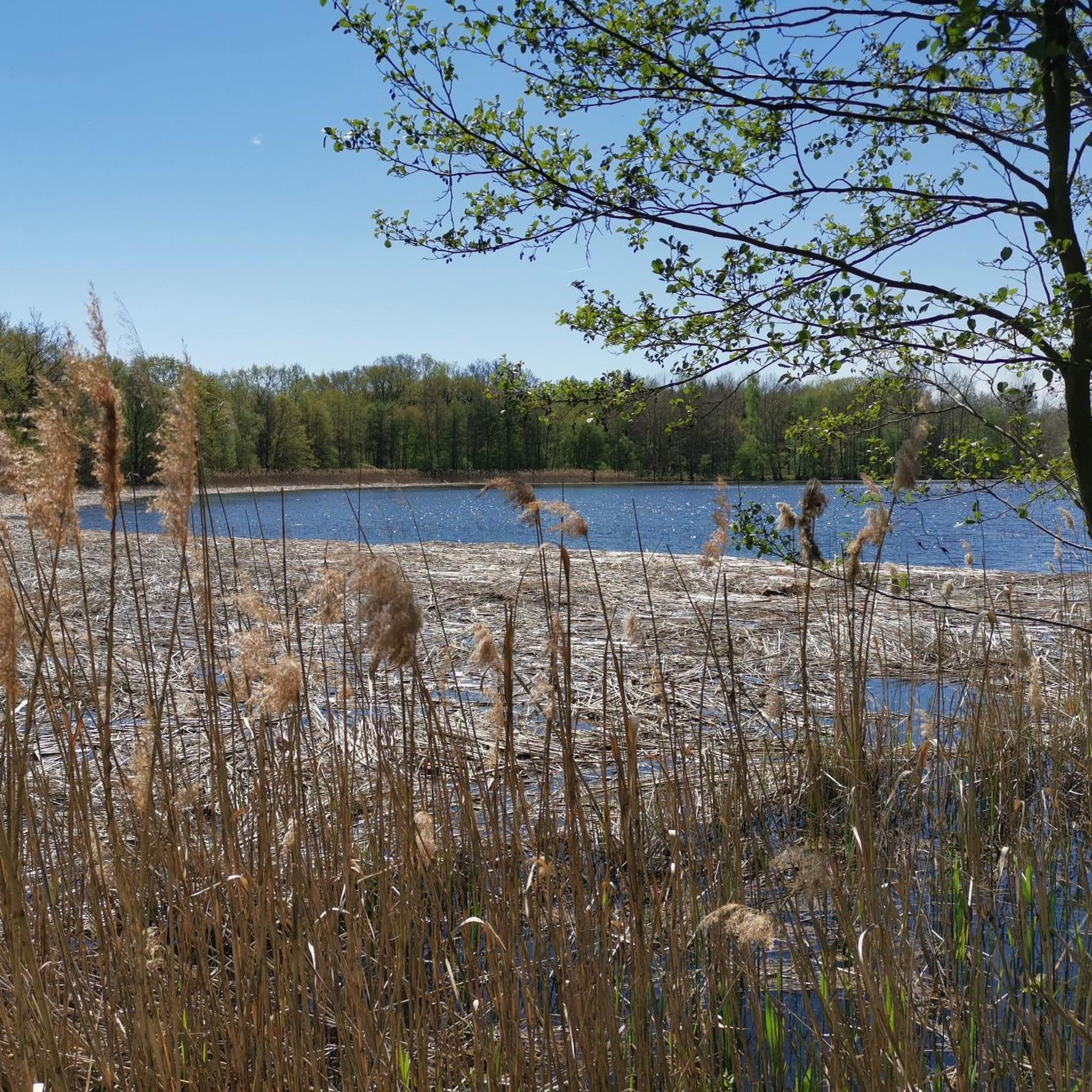
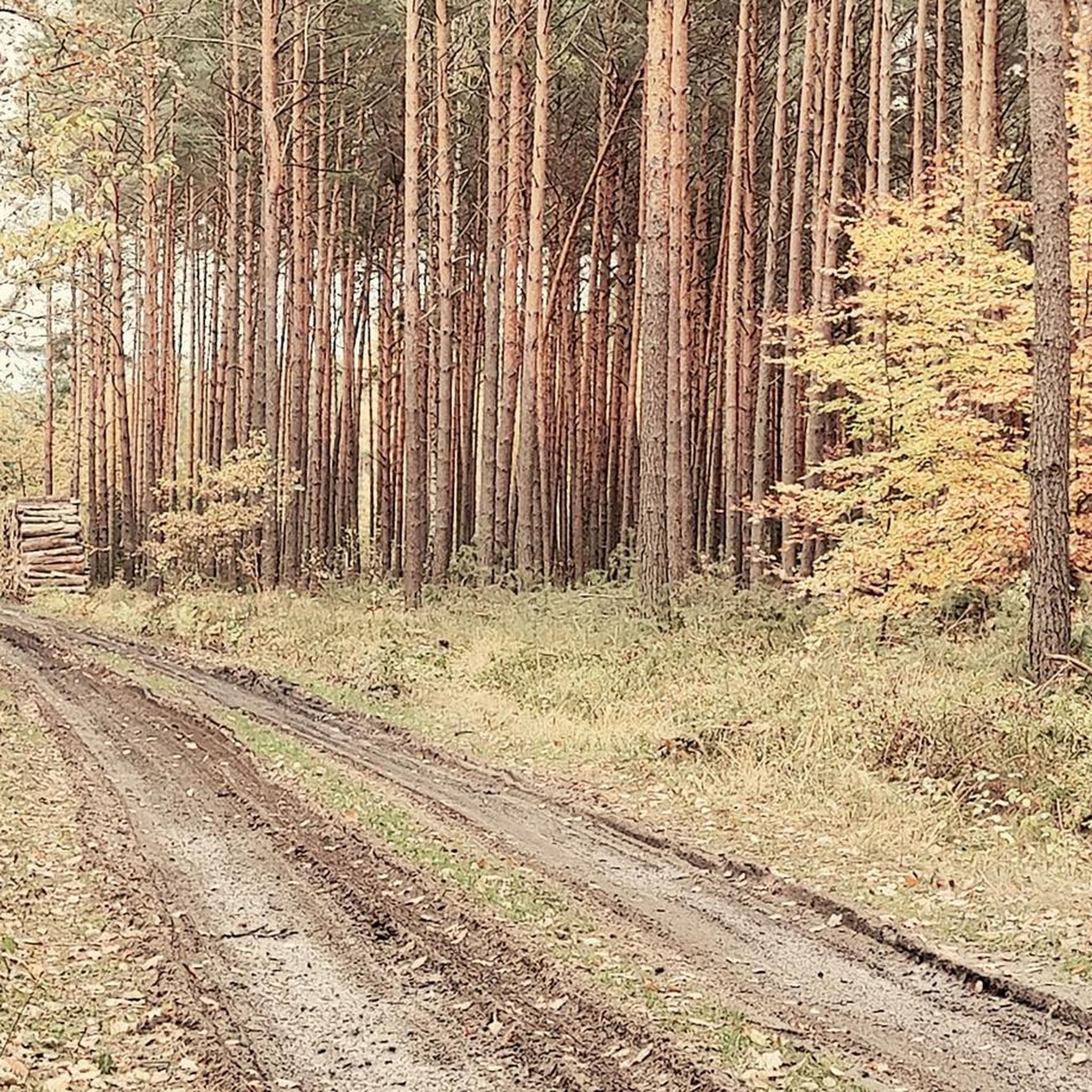
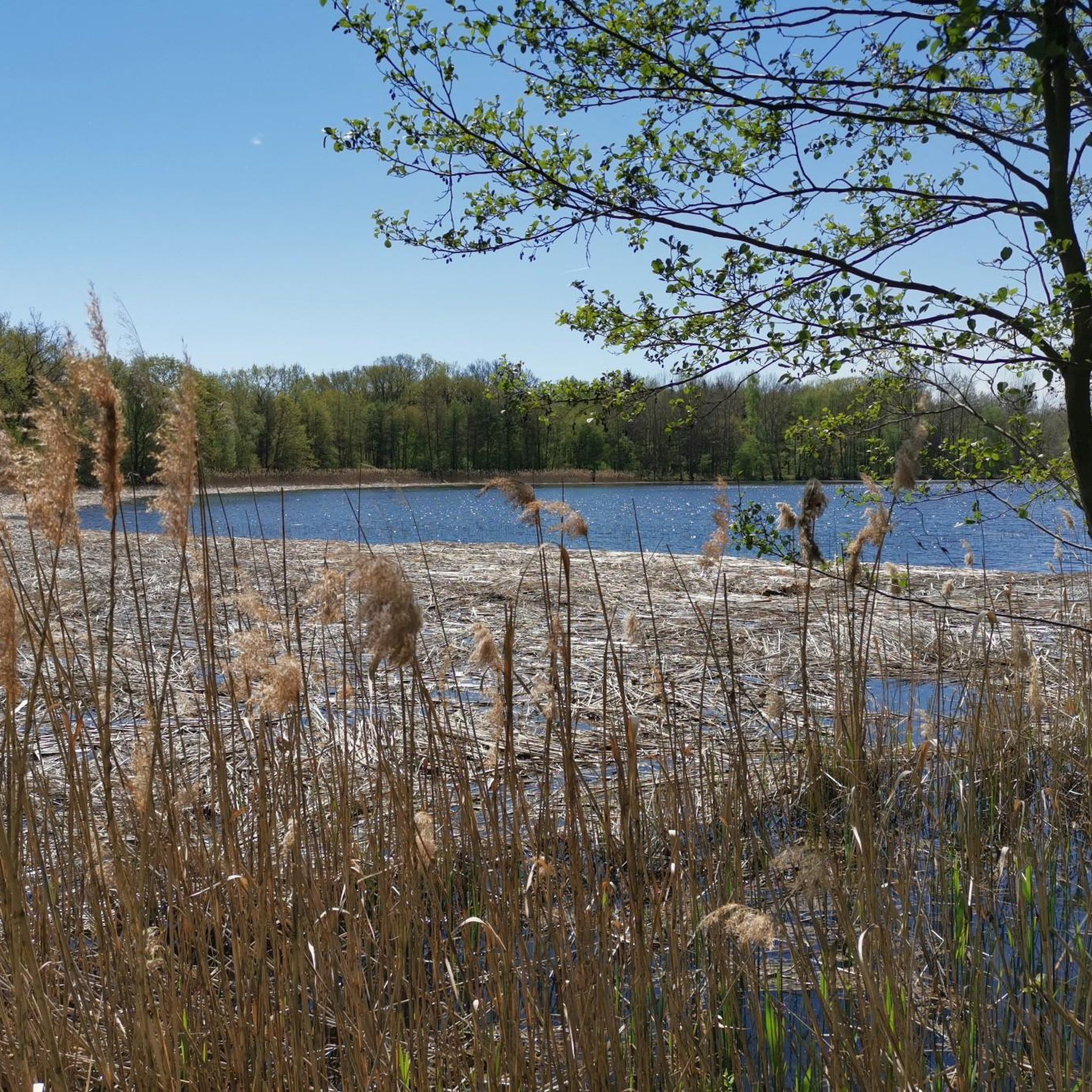
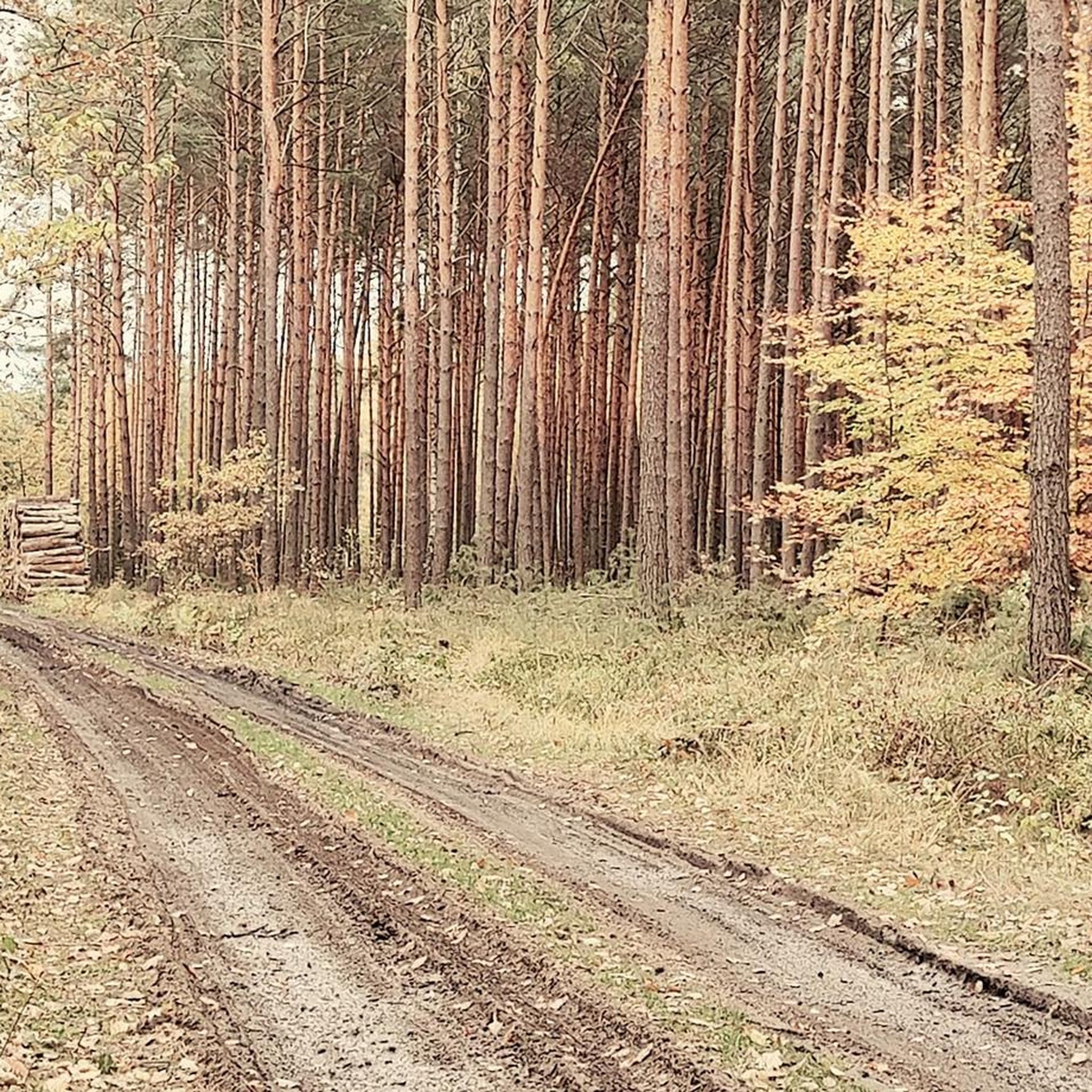
Hiking in Mückaer Heide is characterized by an extensive network of forest paths and generally gentle terrain, making it accessible for various fitness levels. The region features tranquil water bodies, such as the Kreuzteiche ponds, which offer scenic views. Mückaer Heide is an integral part of the UNESCO Biosphere Reserve Upper Lusatian Heath and Pond Landscape, highlighting its ecological importance and diverse mosaic of ponds, heathlands, and forests. This landscape, shaped by meltwater valleys, supports a rich biodiversity.
Best hiking…
Last updated: June 26, 2026
4.7
(23)
67
hikers
Moderate hike. Good fitness required. Easily-accessible paths. Suitable for all skill levels.
4.5
(4)
10
hikers
12.8km
03:29
190m
190m
Moderate hike. Good fitness required. Easily-accessible paths. Suitable for all skill levels.

Sign up for free
5.0
(1)
8
hikers
4.66km
01:11
20m
20m
Easy hike. Great for any fitness level. Easily-accessible paths. Suitable for all skill levels.
4.5
(2)
7
hikers
Moderate hike. Good fitness required. Easily-accessible paths. Suitable for all skill levels.
5.0
(2)
6
hikers
8.70km
02:17
70m
70m
Moderate hike. Good fitness required. Easily-accessible paths. Suitable for all skill levels.
Get access to more routes and recommendations from other explorers.
Sign up for free
Already have an account?
Our route recommendations are based on thousands of hikes, rides, and runs completed by other people on komoot.
Start today with a free account
Your next adventure awaits.
Login or Signup
Tips from the Community

Rest area at the Pilzeiche (Mushroom Oak). A small and somewhat crooked rest area. In October 2025, the signage was somewhat misleading.
0
0
Corner Pond. Located right next to Max Pond. Always worth a quick detour.
0
0
Church in Groß Radisch. A small village church worth a quick visit.
0
0

A great view from the tower. Next door is a small but fine restaurant on weekends.
1
0

wonderful view in the Lusatian Mountains, nice little café on the mountain
1
0

You can see huge beech trees here. Brilliant.
0
0
Easy to run. At the beginning of the climb you need to be fit, and in the forest you need orientation or a good route on an app that you can follow.
1
0

Here you can admire 3 sequoias, the exact planting age cannot be confirmed. The evergreen sequoia is, unlike its siblings, the dawn redwood and the coastal redwood, also hardy in our country. It has several special features in its growth. As the name suggests, the sequoia is a real giant and is considered the largest plant on earth in terms of plant mass. In addition, it not only forms a tall but also a very thick trunk. The most impressive living representative of its species is the "General Sherman Tree" in Sequoia National Park, which is 84 meters tall and has a trunk diameter of over eight meters, which gives a trunk volume of almost 1,500 cubic meters. In our latitudes, however, the sequoia rarely reaches its final height. It has a narrow, conical crown, with the straight trunk often remaining branchless up to great heights. Sequoias live for over 3,000 years and weigh up to two and a half thousand tons when fully grown. The giant sequoia is a so-called pyrophyte, which means that its fibrous, thick, resin-free bark is structured in such a way that it can protect the tree from forest fires. Burns on the tree heal almost completely after a few years. The giant sequoia's root system is flat and can form a radius of 30 meters. The tree owes its English name "redwood" to its characteristic red-brown bark.
1
0
Frequently Asked Questions
What kind of terrain can I expect when hiking in Mückaer Heide?
Hiking in Mückaer Heide is characterized by an extensive network of forest paths and generally gentle terrain. You'll find well-maintained trails with minimal elevation gain, making them accessible for most visitors. The landscape also features tranquil water bodies, such as the Kreuzteiche ponds, which add to the scenic beauty.
Are there many hiking trails available in Mückaer Heide?
Yes, Mückaer Heide offers a wide variety of options for hikers. There are over 460 hiking routes in the region, catering to different preferences. This includes approximately 220 easy trails, 220 moderate trails, and a few more challenging routes for experienced hikers.
What are some notable natural features or landmarks to see while hiking in Mückaer Heide?
The region is rich in natural and cultural landmarks. The Kreuzteiche ponds are a central attraction, offering picturesque views and a peaceful atmosphere. You can explore them on routes like the Kreuzteiche loop from Förstgen-Ost. Other notable features include the Monumentberg Observation Tower and the Nostitz Monument, which are part of the Nostitz Monument Groß Radisch – Monumentberg Observation Tower loop from Steinölsa.
Is Mückaer Heide suitable for family-friendly hikes?
Yes, Mückaer Heide is particularly well-suited for family excursions. The generally gentle terrain and well-maintained forest paths make many trails accessible for children and those looking for an easier walk. Routes like the Kreuzteiche loop from Förstgen-Ost are excellent choices for families.
Can I bring my dog on the hiking trails in Mückaer Heide?
Mückaer Heide is part of the UNESCO Biosphere Reserve Upper Lusatian Heath and Pond Landscape, which is home to diverse wildlife. While many trails are dog-friendly, it's always recommended to keep dogs on a leash to protect the local fauna and flora, especially in sensitive areas. Please check local signage for specific regulations.
What do other hikers say about their experience in Mückaer Heide?
The hiking routes in Mückaer Heide are highly regarded by the komoot community, with an average rating of 4.7 stars from over 1900 reviews. Hikers often praise the tranquil atmosphere, the well-maintained paths, and the beautiful natural scenery, especially around the ponds and through the forests.
Are there any circular hiking routes in Mückaer Heide?
Yes, many of the trails in Mückaer Heide are designed as circular routes, allowing you to start and end at the same point. Examples include the Devil's Stone, Hohe Dubrau – Paul Rehberg Spring loop from Steinölsa and the Paul Rehberg Spring loop from Steinölsa.
What is the best time of year to hike in Mückaer Heide?
Mückaer Heide offers enjoyable hiking experiences throughout much of the year. The gentle terrain makes it suitable for spring, summer, and autumn walks. The region's heathlands are particularly beautiful when in bloom. While winter hiking is possible, conditions may vary, so checking local weather and trail reports is advisable.
How can I access Mückaer Heide by public transport?
Access to Mückaer Heide by public transport can vary depending on your starting point and specific trailhead. While some villages like Mücka, Förstgen, and Steinölsa may have limited bus connections, direct public transport to all trailheads might not be available. It's best to research specific routes and local bus schedules in advance.
Are there parking facilities available for hikers in Mückaer Heide?
Yes, parking facilities are generally available near popular trailheads and villages surrounding Mückaer Heide, such as Mücka, Förstgen, and Steinölsa. Look for designated parking areas, especially near attractions or starting points of well-known routes.
What makes Mückaer Heide ecologically significant?
Mückaer Heide is an integral part of the UNESCO Biosphere Reserve Upper Lusatian Heath and Pond Landscape. This designation highlights its ecological importance, with a mosaic of over 350 ponds, heathlands, forests, and meadows. It provides a sanctuary for over 5,000 animal and plant species, including rare and endangered ones, and is known for its birdwatching opportunities, otters, and even wolves.
Are there any historical sites or castles integrated into the hiking trails?
Yes, some hiking routes offer a cultural dimension by passing historical sites. For instance, the Nostitz Monument Groß Radisch – Monumentberg Observation Tower loop from Steinölsa includes the Nostitz Monument. Additionally, the region's history of traditional fish farming, dating back to the 13th century, is reflected in the landscape of ponds.
Most popular routes in Mückaer Heide

Get inspired with the komoot mobile app


Explore more
Browse the best Hikes in other regions.
