The best MTB trails in Stendaler Stadtforst
4.3
(70)
325
riders
58
rides
Mountain bike trails in Stendaler Stadtforst traverse a diverse landscape characterized by natural deciduous forests, including oak and pine, and areas influenced by groundwater. The region features varied terrain, from dry sandy sections to more humid zones, offering a range of riding conditions. Its proximity to the Elbe River provides additional routes along the renowned Elbe Cycle Path, connecting forest experiences with scenic riverside riding. This area is an FFH (Flora-Fauna-Habitat) site, ensuring a rich forest ecosystem for outdoor activities.
…Last updated: June 28, 2026
5.0
(4)
17
riders
39.2km
02:15
90m
90m
Moderate mountain bike ride. Good fitness required. Suitable for all skill levels.
5
riders
20.1km
01:15
100m
100m
Easy mountain bike ride. Great for any fitness level. Suitable for all skill levels.

Sign up for free
5.0
(3)
9
riders
Moderate mountain bike ride. Great for any fitness level. Advanced riding skills necessary.
3.0
(1)
10
riders
Easy mountain bike ride. Great for any fitness level. Suitable for all skill levels.
2.5
(2)
7
riders
Easy mountain bike ride. Great for any fitness level. Suitable for all skill levels.
Get access to more routes and recommendations from other explorers.
Sign up for free
Already have an account?
Our route recommendations are based on thousands of hikes, rides, and runs completed by other people on komoot.
Start today with a free account
Your next adventure awaits.
Login or Signup

Tips from the Community

On the Zollensteig stands the Elisabethkapelle (Chapel of St. Elisabeth), founded in the 13th century and renewed around 1660/70. The church originally belonged to the hospital of the same name. Saint Elisabeth (1207-1231), Landgravine of Thuringia, enjoyed great veneration, especially in the 13th century, as a helper of the sick and the poor. The western end of the Elisabethkapelle was formed by a pillar gable with a small bell tower, projecting ribbon rods, and terracotta as decorative elements. During the great city fire of 1617, the hospital went up in flames. After another fire in 1678, the chapel served as a state salt magazine until the 19th century. That is why the church is still popularly known as Sazkirche (Salt Church). The salt stored here came from Lüneburg, later by water from Halle and Schönebeck. From 1891 to 1926, the Elisabethkapelle was used by the Catholic community, founded in 1888, and once again served its original purpose as a place of worship during this time. Source: https://www.tangermuende.info/sightseeing.html
1
0
The oriented brick church was built according to the plans of architect Kurt Matern, cathedral master builder of the Paderborn diocese. The house of worship, with its distinctive tower, was erected in the Neo-Romanesque style and offers 223 seats.
1
0

A few steps behind St. Peter's Church lies Winckelmann Street. On the site of J. J. Winckelmann's birthplace now stands a large half-timbered house, the Winckelmann Museum. Opened in 1955, it is the only museum where you can learn everything about Winckelmann's life and later work in Rome, as well as see a collection of his works in a remarkable permanent exhibition. In addition, there are temporary exhibitions and lectures on ancient studies, classical archaeology, and art history. Also unique in Saxony-Anhalt is the opening of a "Children's Museum," where children and young people can embark on experiential journeys into antiquity. In the courtyard stands the world's largest Trojan Horse, which visitors can walk through and which offers a view of Stendal. https://www.world-qr.com/inhalte/new/qr-fuehrer/de/sachsen_anhalt/stendal/ortsfuehrer/stadtfuehrer_stendal/stendal_winckelmann_museum?lat=0&lng=0
2
0
The Haacke Fountain, affectionately known as "Sparrow Ida," is a monument on Sparrow Hill in Stendal. It was erected in honor of Dr. Friedrich Haacke (1824–1899), a physician who distinguished himself during the cholera epidemic. The sculpture depicts a woman feeding birds, symbolizing benevolence and humanity, and is a well-known landmark of the city. http://www.altmark-intern.de/stendal/sperlings-ida.htm
2
0
To the left of the Uenglinger Gate is the Gertraudenhospital, a small brick building with a chapel. It was founded around 1370 by Nicolaus von Bismarck and the Sweder brothers. Located outside the city, it served to care for poor travelers and pilgrims. In the Middle Ages, the Bismarck family was among the most respected and wealthiest patrician families in the city. For several generations, they provided the mayors and councilors. Otto von Bismarck, the first German Chancellor, also came from this old noble family from the Altmark region. There were seven hospitals in Stendal, of which only the Gertraudenhospital remains. https://www.world-qr.com/inhalte/new/qr-fuehrer/de/sachsen_anhalt/stendal/ortsfuehrer/stadtfuehrer_stendal/stendal_gertraudenhospital?lat=0&lng=0
2
0

The apse shows that it was formerly a chapel
0
0

The rectangular tower was built around 1300. The round tower and central section were built around 1450 and flank a pointed-arch passageway. The round tower features a projecting battlement. The more elaborate design of the round tower, the central section, and the top of the rectangular structure corresponds to the construction period around 1450 and was probably initiated by Stephan Buxtehude, to whom the Uenglinger Gate in Stendal and the Elbe Gate in Werben are attributed. The round tower is decorated with glazed bricks arranged in spiral or zigzag patterns, a molded stone frieze depicting the head of Medusa, and varied blind decorations. The plaster blinds above the gate passage bear coats of arms painted in 1897: Prussian Eagle, Imperial Eagle with the applied Hohenzollern Shield, Tangermünde Eagle, Eagle of the Holy Roman Empire of the German Nation, Brandenburg Eagle. Source: Wikipedia
8
1
St. Stephen's Church in Tangermünde is a Protestant church built in the North German Brick Gothic style. This building is considered one of the most outstanding monuments of this architectural style in Europe.
5
1
Frequently Asked Questions
How many mountain bike trails are there in Stendaler Stadtforst?
Stendaler Stadtforst offers a wide selection of mountain bike trails, with over 65 routes available. These trails cater to various skill levels, from easy forest paths to more challenging cross-country options.
Are there easy mountain bike trails suitable for beginners or families?
Yes, Stendaler Stadtforst has 24 easy mountain bike trails, perfect for beginners or families looking for a relaxed ride. These routes often feature gentle terrain through the forest and along riverside paths. An example of an easy route is the Arneburg Marina – Hafenblick Restaurant loop from Hassel, which is 11.9 miles (19.2 km) long.
What is the best time of year for mountain biking in Stendaler Stadtforst?
Spring and autumn are generally considered the best seasons for mountain biking in Stendaler Stadtforst. The weather is mild, and the natural colors of the diverse deciduous and pine forests are particularly vibrant. While summer is also an option, be mindful of potential heat.
What kind of landscapes and natural features can I expect to see on the trails?
The trails in Stendaler Stadtforst traverse diverse natural landscapes, including rich deciduous forests (oak, hornbeam-oak, alder-ash) and pine forests. You'll also find varied terrain, from dry sandy areas to groundwater-influenced sections. A significant natural feature is the nearby Elbe River, with many routes offering scenic riverside views along the renowned Elbe Cycle Path.
Are there any challenging mountain bike trails for experienced riders?
While most trails are easy to moderate, there is 1 difficult mountain bike trail for those seeking a more intense experience. The region also features a signposted cross-country trail within the Stadtforst, recommended for XC riders and fast mountain bikers looking for varied terrain.
Are there any circular mountain bike routes in Stendaler Stadtforst?
Many of the mountain bike routes in Stendaler Stadtforst are circular, allowing you to start and end at the same point. For example, the Owl Tower, Tangermünde – Neustädter Gate loop from Storkau (Elbe) is a 15.8 miles (25.5 km) circular trail that takes you through forest and along the Elbe River.
What attractions or points of interest can I find along the mountain bike trails?
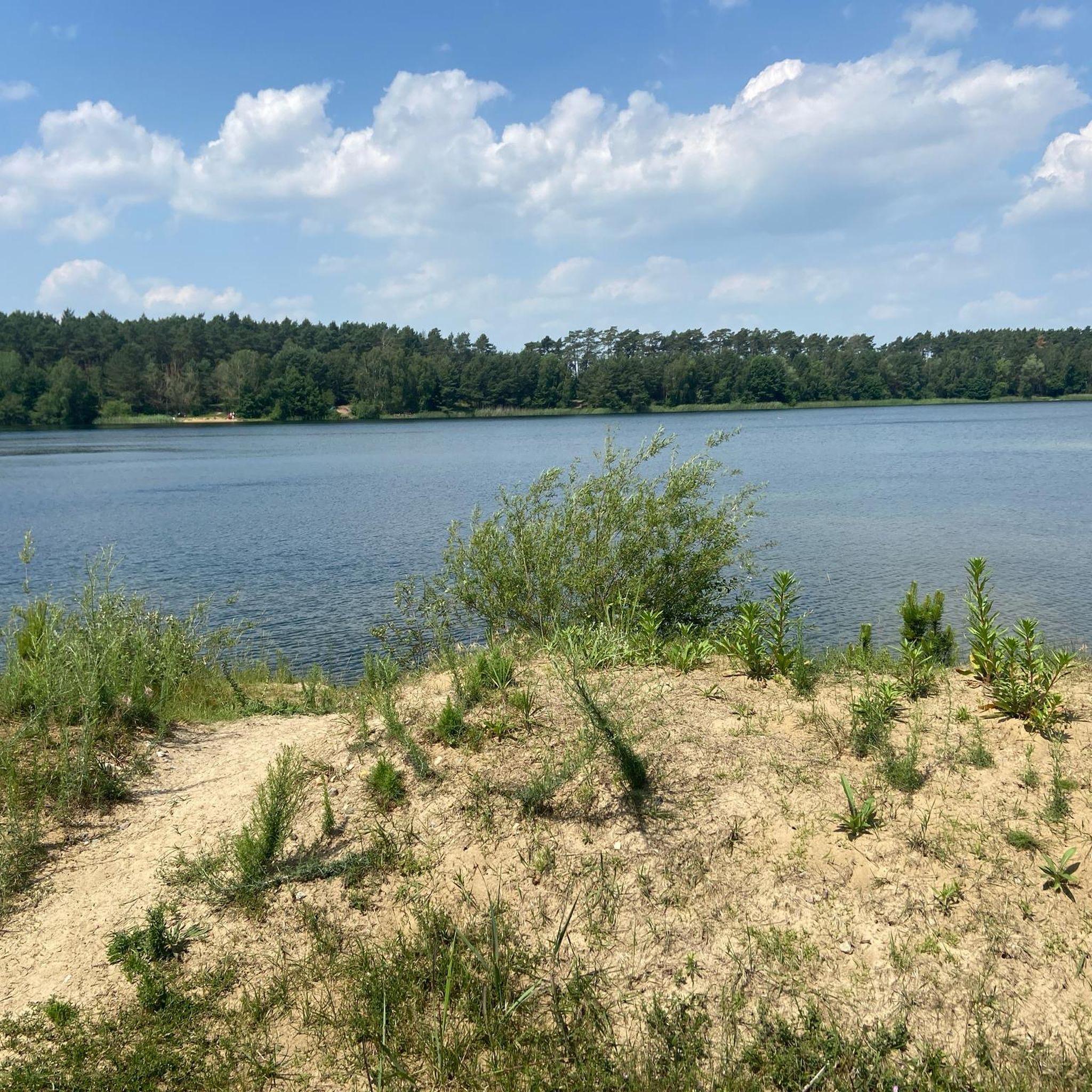
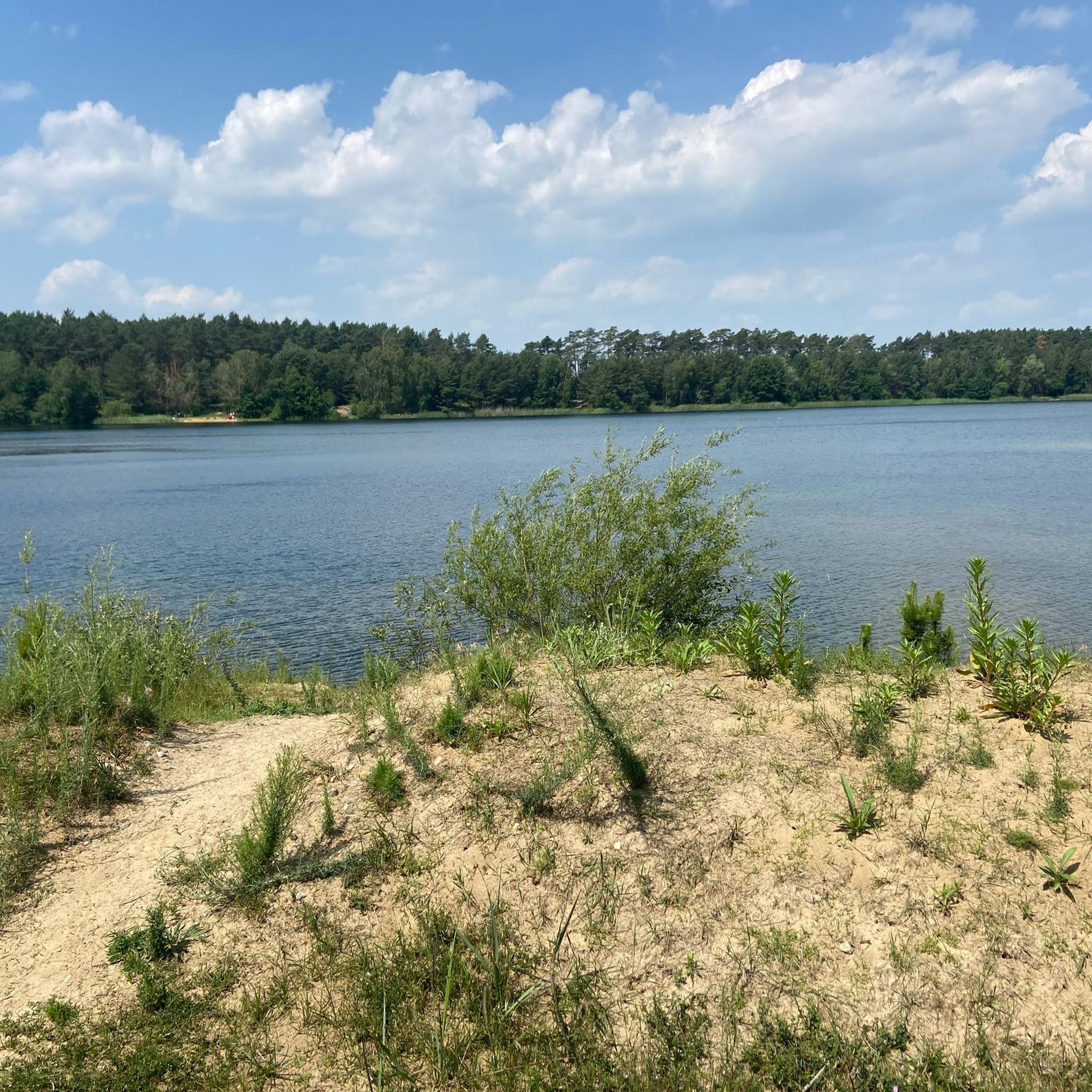
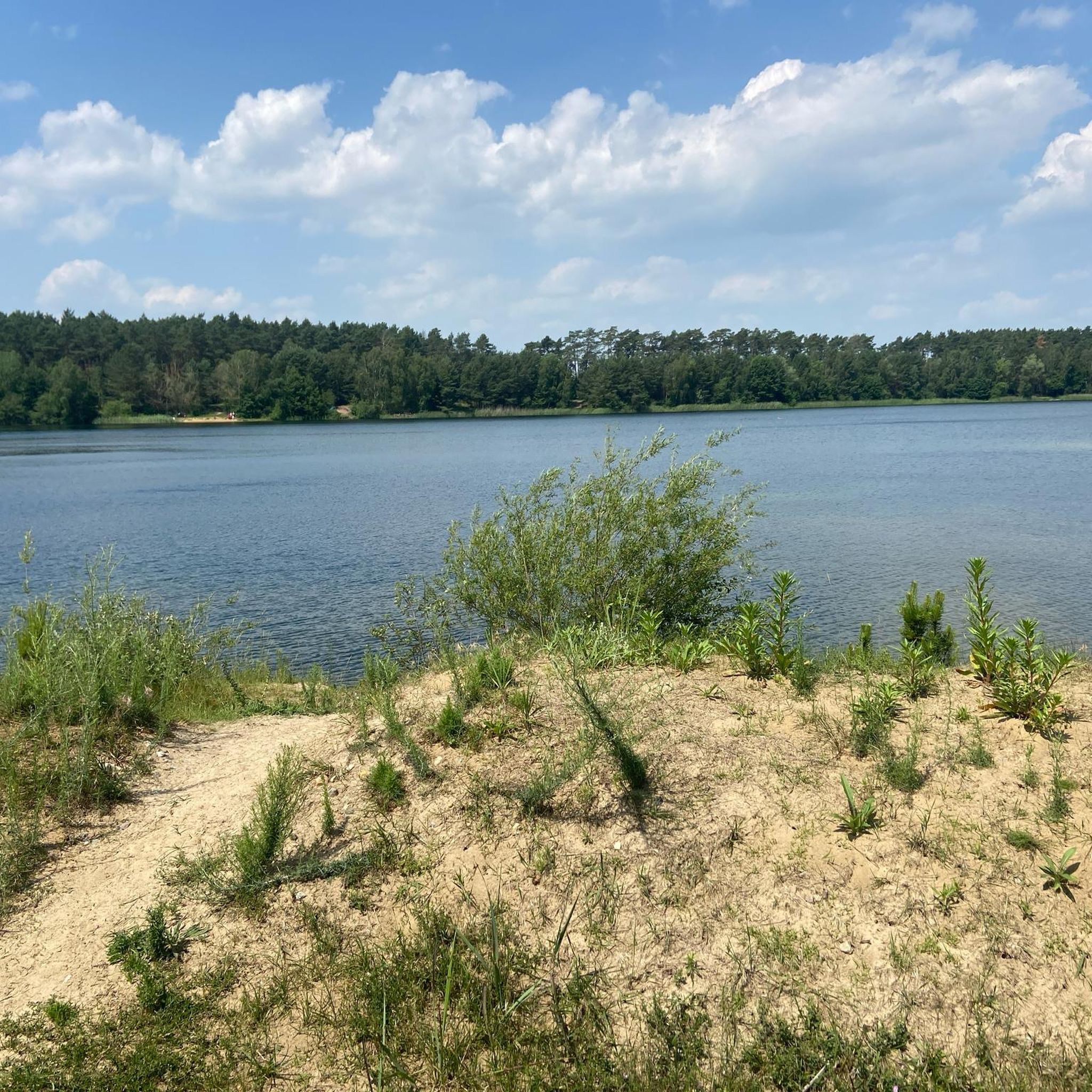
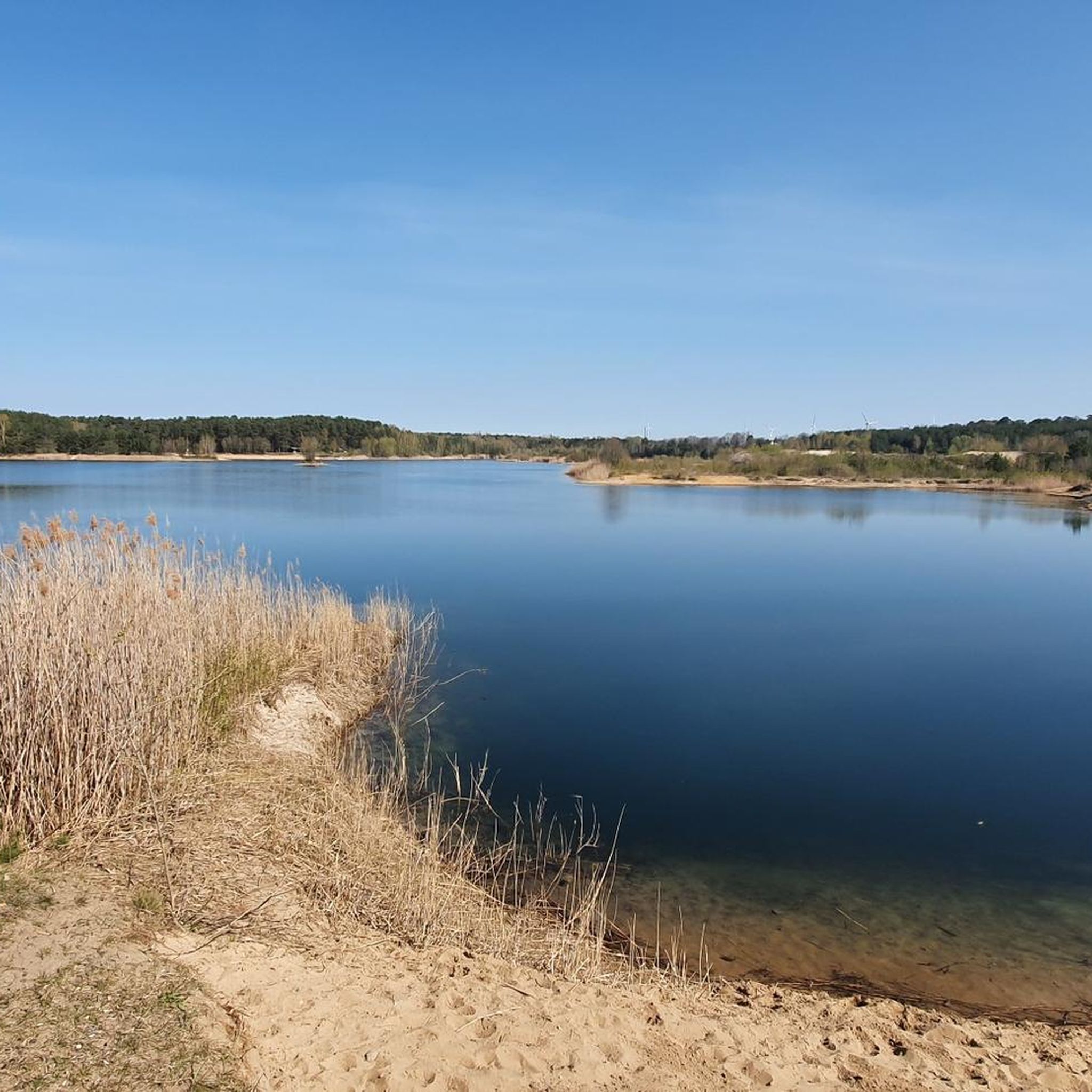
Along the mountain bike trails, you can discover several points of interest. The Waldsee in the municipal forest is a notable attraction, offering a relaxing spot with seating and a protective hut. You might also encounter Storkau Castle (Elbe) or the Kiessee Wischer, another lake in the area.
What do other mountain bikers say about the trails in Stendaler Stadtforst?
The mountain bike routes in Stendaler Stadtforst are highly rated by the komoot community, with an average score of 4.2 stars from over 70 reviews. Riders often praise the diverse forest terrain, the scenic riverside paths along the Elbe, and the variety of options available for different skill levels.
Are there any specific trails that combine forest and riverside riding?
Yes, many trails in Stendaler Stadtforst offer a combination of forest and riverside riding. The Uenglinger Gate – Neustädter Gate, Tangermünde loop from Hassel is a moderate 25.2 miles (40.5 km) route that features diverse forest terrain and connects to the Elbe Cycle Path, providing excellent riverside sections.
Are there facilities like picnic areas or places to rest along the trails?
Yes, the Waldsee in the municipal forest is a great spot for relaxation, equipped with seating, tables, and a protective hut. There is also a dedicated Picnic Area at the Forest Pond, offering a convenient place to rest and refuel during your ride.
How can I find parking for mountain biking in Stendaler Stadtforst?
While specific parking locations are not detailed for every route, many trails start from towns or villages like Hassel or Storkau (Elbe), where public parking options are typically available. For routes starting near Stendal, areas like Stendal Vorbahnhof or Stendal Hochschule, mentioned in route names, often indicate accessible starting points with parking nearby.
Most popular routes in Stendaler Stadtforst
Most popular attractions in Stendaler Stadtforst

Get inspired with the komoot mobile app


Explore more
Browse the best MTB trails in other regions.
