The best walks and hikes in Mündener Stadtwald
4.5
(4057)
14,576
hikers
30
hikes
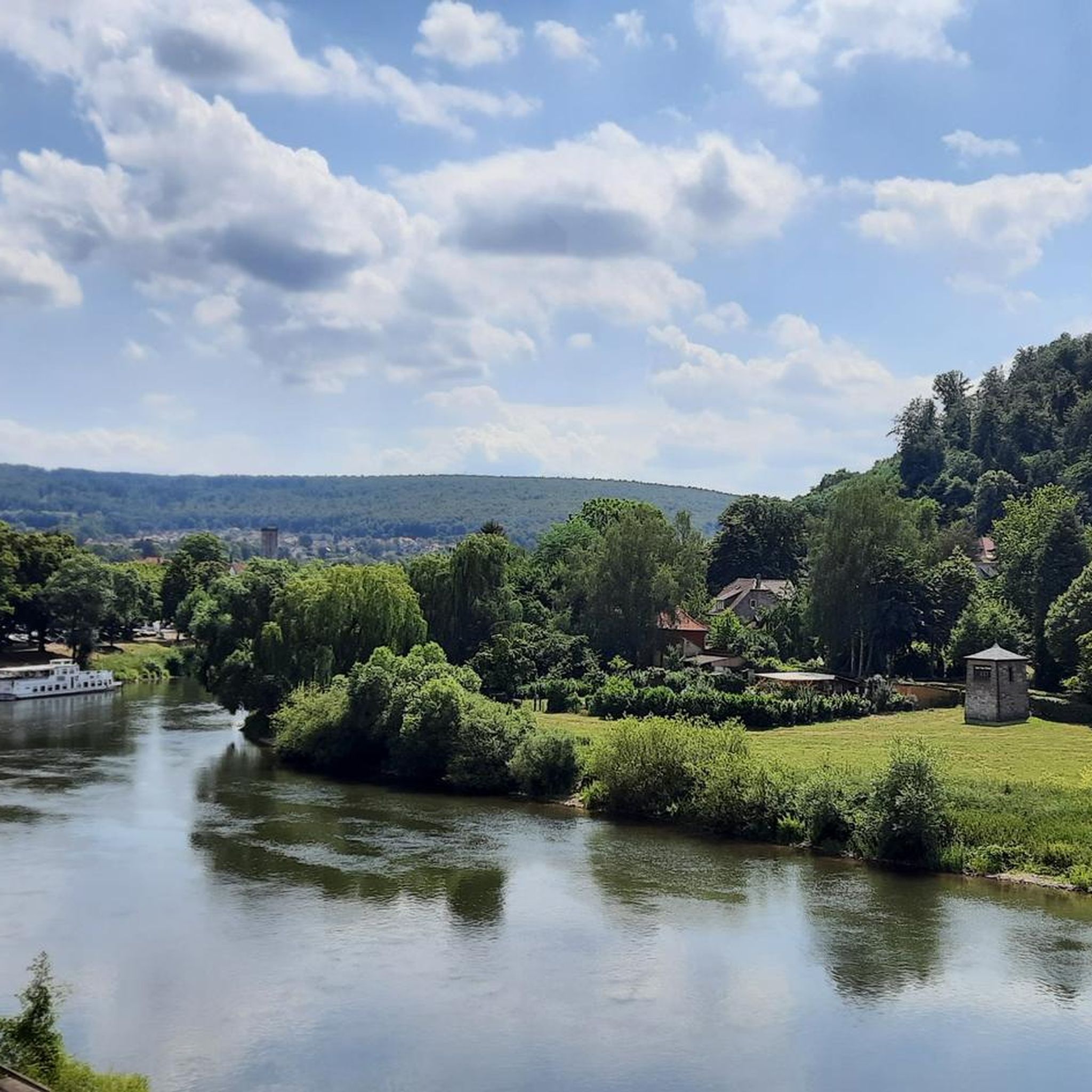
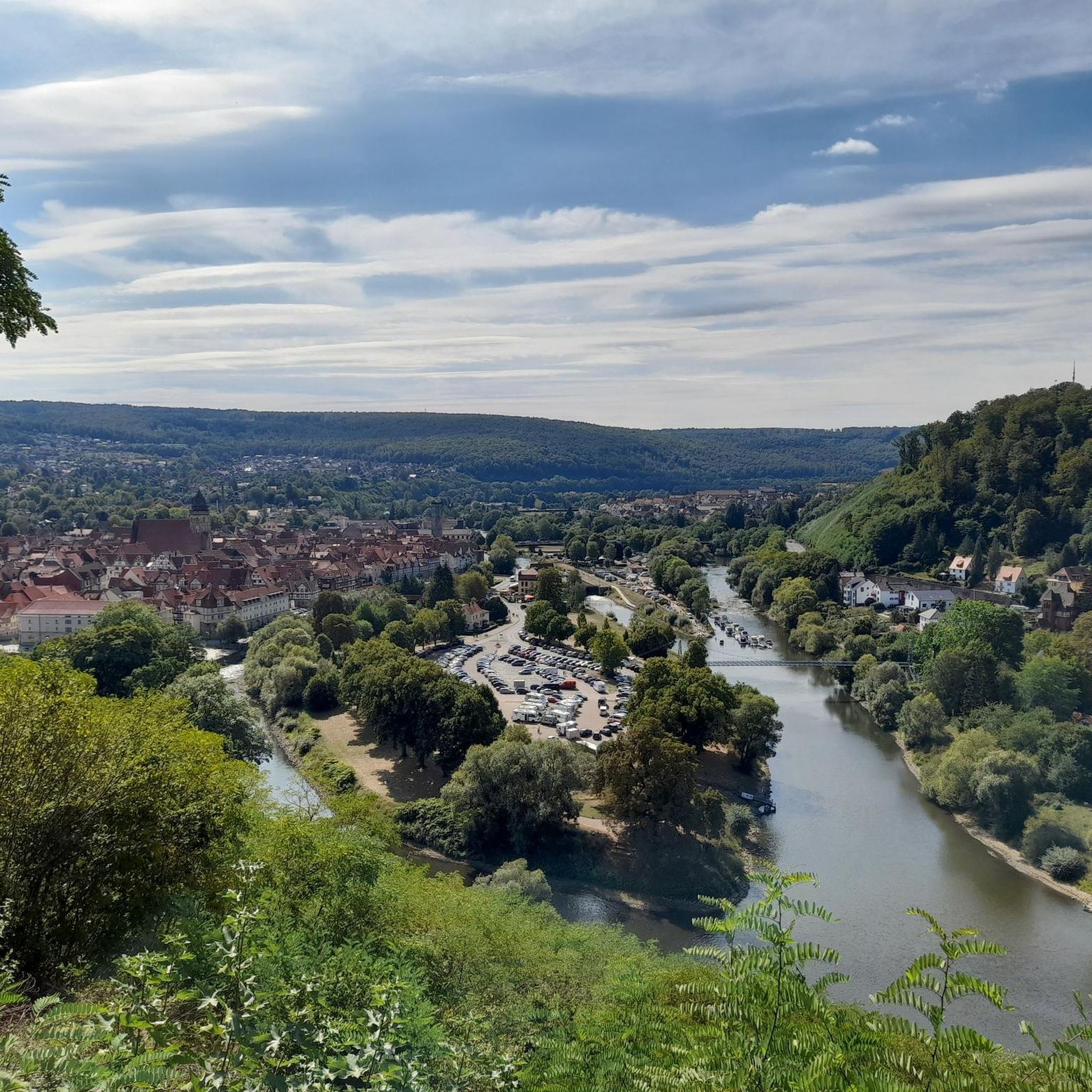
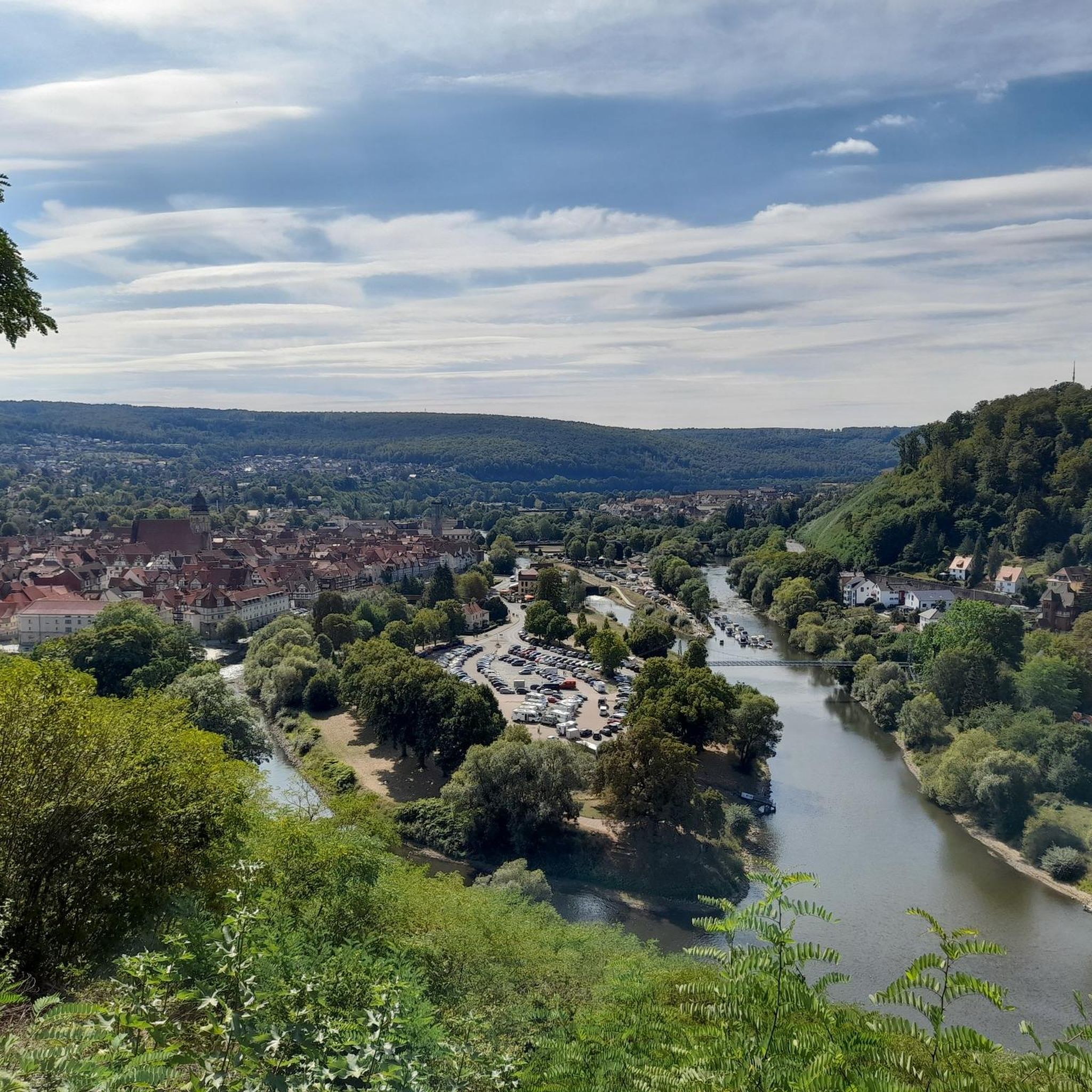
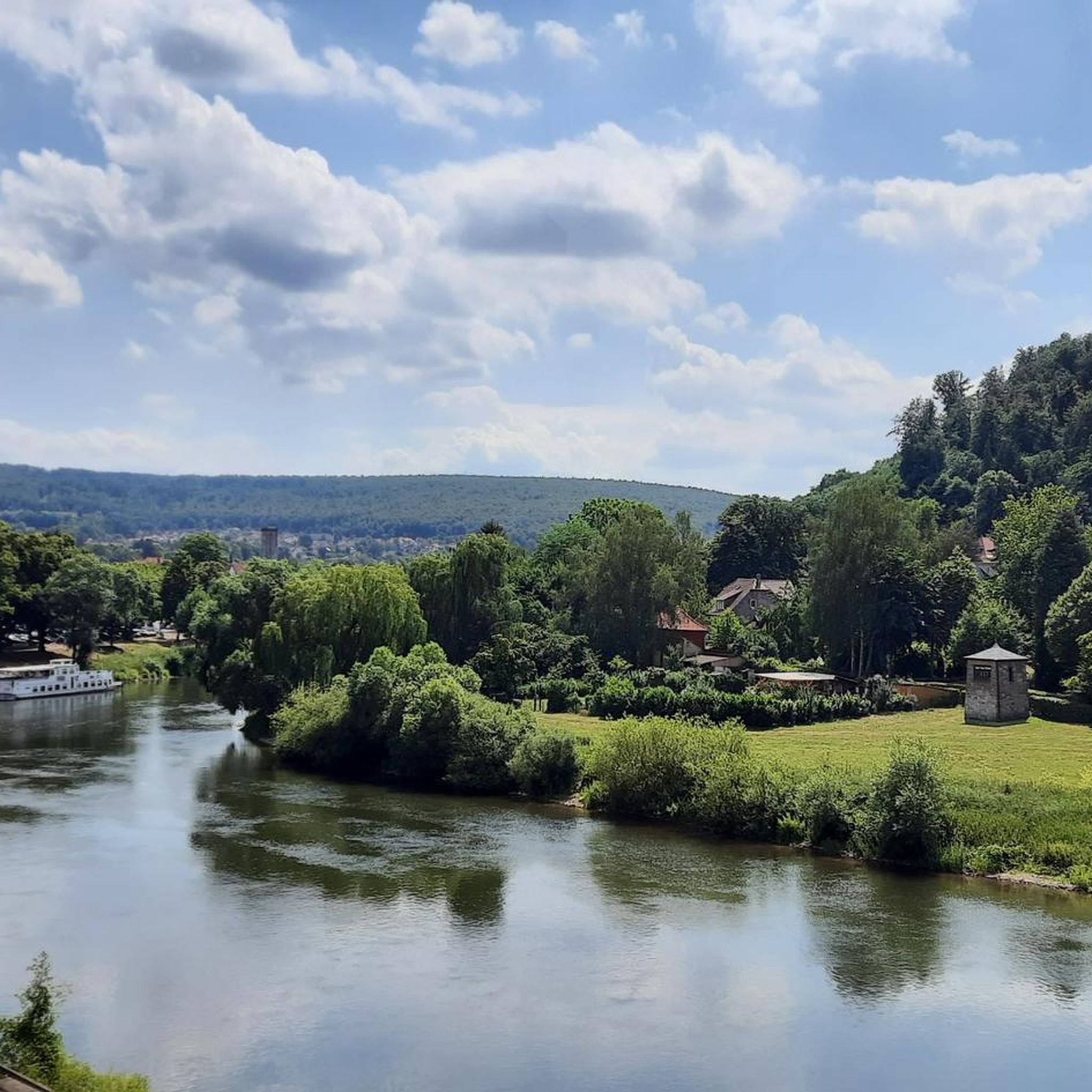
Hiking in Mündener Stadtwald offers a diverse low mountain range landscape characterized by a mix of forests, meadows, and fields. The region is defined by its location at the confluence of the Werra, Fulda, and Weser rivers, providing scenic riverine landscapes. Prominent hills like the Blümer Berg and the Hoher Hagen offer elevated viewpoints. The area features extensive oak and beech forests, alongside mixed woodlands.
Best hiking trails in Mündener Stadtwald
- The most popular hiking route is Old Schedetal Bridge…
Last updated: August 27, 2026
4.7
(10)
27
hikers
7.45km
02:06
160m
150m
Moderate hike. Good fitness required. Easily-accessible paths. Suitable for all skill levels.
4.6
(8)
26
hikers
Moderate hike. Good fitness required. Easily-accessible paths. Suitable for all skill levels.

Sign up for free
4.4
(12)
33
hikers
Easy hike. Great for any fitness level. Easily-accessible paths. Suitable for all skill levels.
4.9
(7)
17
hikers
8.16km
02:21
210m
210m
Moderate hike. Good fitness required. Easily-accessible paths. Suitable for all skill levels.
4.5
(8)
23
hikers
6.09km
01:41
110m
110m
Easy hike. Great for any fitness level. Easily-accessible paths. Suitable for all skill levels.
Get access to more routes and recommendations from other explorers.
Sign up for free
Already have an account?
Our route recommendations are based on thousands of hikes, rides, and runs completed by other people on komoot.
Start today with a free account
Your next adventure awaits.
Login or Signup

Tips from the Community

Great view of the Welfenburg
0
0

With more than 700 half-timbered houses spanning six centuries, Hann. Münden is a true half-timbered gem. The old town is designated as a protected historical area and is a listed building.
0
0

small but beautiful old town
1
0

Picnic bench nearby for a short break
0
0

Beautiful old town of Hanoversch Münden.
0
0
Beautiful street in the historic old town of Hanoversch Münden.
1
0

Magnificent buildings close together. Atmospheric alleys. Imposing half-timbered buildings. This is how visitors experience the medieval half-timbered town of Hann. Münden in the Weserbergland even today. The town, founded between 1155 and 1183, quickly became prosperous and wealthy thanks to the "staple right" granted by Duke Otto I of Brunswick in 1247. The particular wealth of half-timbered forms and styles dates back to this time. Thanks to intensive renovation efforts, Hann. Münden is now a half-timbered town of European standing. Source: https://hann.muenden-erlebnisregion.de/poi/historische-altstadt-von-hann-muenden
2
0
The historic Werra Bridge is one of the oldest surviving stone bridges in northern Germany. There was a natural rock barrier beneath the current Werra Bridge in Hann. Münden. This so-called "Werra Hollow" forced sailors in the Middle Ages to unload their cargo first so that they could then pass the obstacle with less draft. A wooden predecessor was followed in the 1220s by the new stone building that has survived to this day. The six bridge arches are supported by five pillars, which are fitted with acute-angled ice breakers on the southeast side. The 105-meter-long bridge not only connected the old town with the historic suburb of Blume. It was also an important bottleneck on the long-distance trade route from Frankfurt am Main, which led from the Hessian depression via Kassel and the Leine Valley to Braunschweig and further into northern Germany. The bridge was roofed over around 1400. From this time, a bridge toll is documented for the first time, which was collected until the middle of the 19th century and brought the city important income. The drawbridge, the small defensive towers, iron portcullis and the customs house that can be seen in historical views, are evidence of Münden's important function as a trade and transport hub. As part of the expansion of the highway from Hanover to Kassel, the roofs were removed in 1777/79 so that larger vehicles could also cross the bridge. The structure was repeatedly damaged by floods, ice and other environmental influences and was last completely renovated in 1986. Source: https://hann.muenden-erlebnisregion.de/poi/historische-werrabruecke
4
1
Frequently Asked Questions
How many hiking trails are available in Mündener Stadtwald?
Mündener Stadtwald offers a network of over 30 hiking routes. These trails cater to various fitness levels, with 24 routes classified as easy and 6 as moderate, ensuring there's something for everyone.
What kind of landscapes can I expect to see while hiking in Mündener Stadtwald?
The region features a diverse low mountain range landscape. You'll primarily encounter extensive oak and beech forests, alongside mixed woodlands. The area is also defined by the confluence of the Werra, Fulda, and Weser rivers, offering scenic riverine views and picturesque meadow valleys like the Grundbach and Glasebach.
Are there any easy hiking options suitable for beginners or casual walkers?
Yes, Mündener Stadtwald has many easy trails. For example, the Jagdhaus Heede – Heede Spring loop from Friedhof Hermannshagen is an easy 4.4-mile (7.0 km) route through forested areas, typically completed in under two hours. Another accessible option is the Werra River – Mill Bridge, Hann. Münden loop from Hann. Münden, which is 3.8 miles (6.1 km) and also considered easy.
Are there any circular hiking routes in Mündener Stadtwald?
Yes, many of the trails in Mündener Stadtwald are designed as circular routes, allowing you to start and end at the same point. A popular example is the Old Schedetal Bridge – Klusteich Pond and Shelter loop from Mielenhausen, a 4.4-mile (7.1 km) moderate loop that passes by a pond and a shelter.
What are some notable viewpoints or landmarks along the trails?
Hikers can enjoy several impressive viewpoints. The Tillyschanze Lookout Tower offers unparalleled panoramic views over Hann. Münden and the surrounding landscape. Another must-visit spot is the Weserliedanlage, providing a wonderful view of Hann. Münden and the confluence of the three rivers. You can also explore natural features like the Confluence of the Werra and Fulda rivers itself.
Are the hiking trails in Mündener Stadtwald suitable for families with children?
Yes, the Mündener Stadtwald offers many family-friendly trails, especially the numerous easy routes. The diverse forests and river landscapes provide an engaging environment for children to explore. Look for shorter, less strenuous loops that feature points of interest like ponds or shelters, such as the Old Schedetal Bridge – Klusteich Pond and Shelter loop.
Can I bring my dog on the hiking trails?
Generally, dogs are welcome on the hiking trails in Mündener Stadtwald. The extensive forests and natural paths provide a great environment for walks with your canine companion. However, always keep your dog on a leash, especially in nature protection areas or near wildlife, and ensure you clean up after them.
What do other hikers enjoy most about Mündener Stadtwald?
The komoot community highly rates Mündener Stadtwald, with an average score of 4.4 stars from over 70 reviews. Hikers often praise the diverse low mountain range landscape, the peaceful atmosphere of the dense forests, and the scenic river valleys. The well-maintained network of trails and the variety of routes for different skill levels are also frequently highlighted.
Are there any interesting natural monuments or features to discover?
Absolutely. Beyond the general landscape, you can find specific natural monuments. The Confluence of the Werra and Fulda rivers is a prominent natural landmark. You can also visit the Jungfernbrunnen or the Heede Spring, both listed as natural monuments in the area.
What is the best time of year to go hiking in Mündener Stadtwald?
Mündener Stadtwald offers enjoyable hiking experiences throughout the year. Spring brings lush greenery and blooming wildflowers, while autumn transforms the forests with vibrant colors. Summer is ideal for longer hikes, and even in winter, the snow-covered landscapes can be beautiful, though some paths might be slippery. The diverse forests provide shade in warmer months and shelter in cooler ones.
Are there any huts or shelters along the hiking routes?
Yes, you can find several huts and shelters along the trails in Mündener Stadtwald, providing convenient spots for a rest or to take cover from the weather. Notable examples include the Klusteich with a shelter and the Gloomy Kellerbrunnen Hut. These spots are often integrated into popular routes, such as the Klusteich with a shelter – Dennerlein Memorial Path loop from Gimte.
Most popular routes in Mündener Stadtwald
Most popular attractions in Mündener Stadtwald

Get inspired with the komoot mobile app


Explore more
Browse the best Hikes in other regions.
