The best road cycling routes in Großer Sand
4.3
(21)
323
riders
67
rides
Road cycling in Großer Sand offers routes through a unique landscape characterized by inland sand dunes and the adjacent Lennebergwald forest. The region features sandy, dry terrain supporting specific flora, transitioning into wooded expanses with pine and oak trees. While the delicate sand dunes themselves are protected, the surrounding areas provide diverse cycling experiences. Road cyclists can explore both open, steppe-like environments and shaded forest paths.
Best road cycling routes in Großer Sand
- The most popular road cycling route is…
Last updated: July 1, 2026
5
riders
72.3km
02:55
140m
140m
Moderate road ride. Good fitness required. Some segments of this route may be unpaved and difficult to ride.
12
riders
17.6km
00:46
80m
80m
Moderate road ride. Great for any fitness level. Some segments of this route may be unpaved and difficult to ride.

Sign up for free
3
riders
40.1km
01:40
100m
110m
Moderate road ride. Great for any fitness level. Some segments of this route may be unpaved and difficult to ride.
5.0
(1)
3
riders
40.1km
02:06
100m
100m
Moderate road ride. Good fitness required. Some segments of this route may be unpaved and difficult to ride.
5.0
(1)
9
riders
33.8km
01:22
110m
110m
Moderate road ride. Great for any fitness level. Some segments of this route may be unpaved and difficult to ride.
Get access to more routes and recommendations from other explorers.
Sign up for free
Already have an account?
Our route recommendations are based on thousands of hikes, rides, and runs completed by other people on komoot.
Start today with a free account
Your next adventure awaits.
Login or Signup
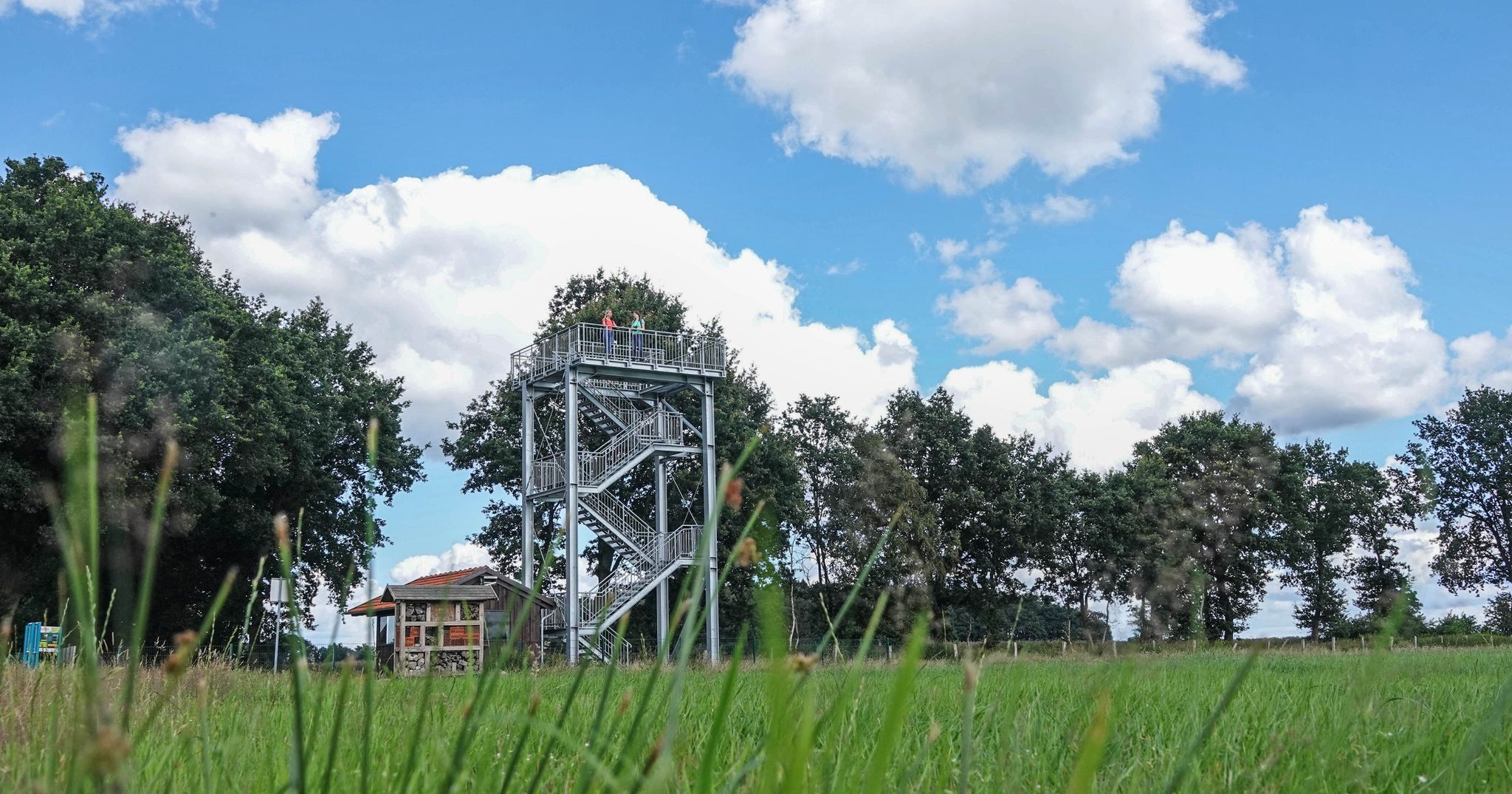
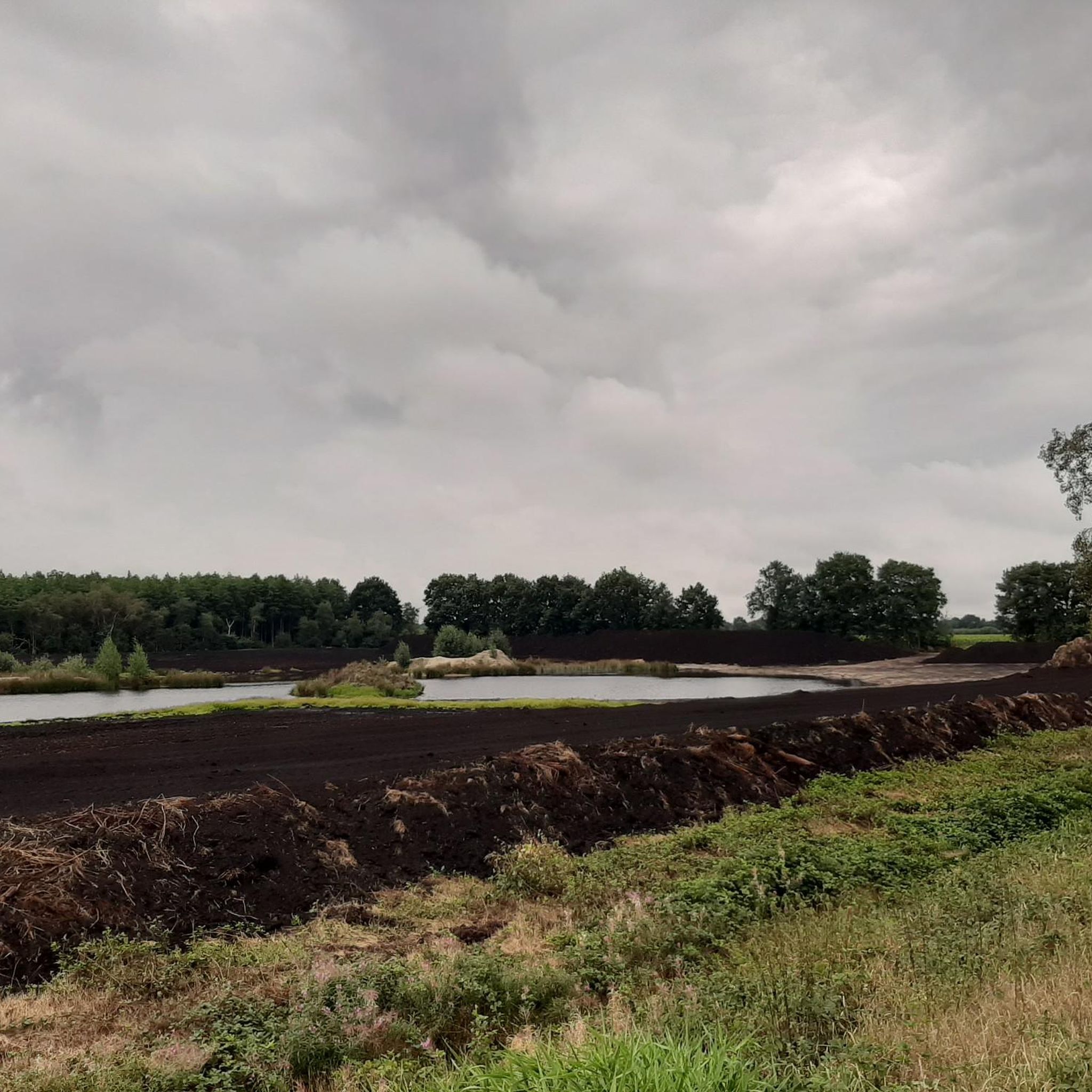
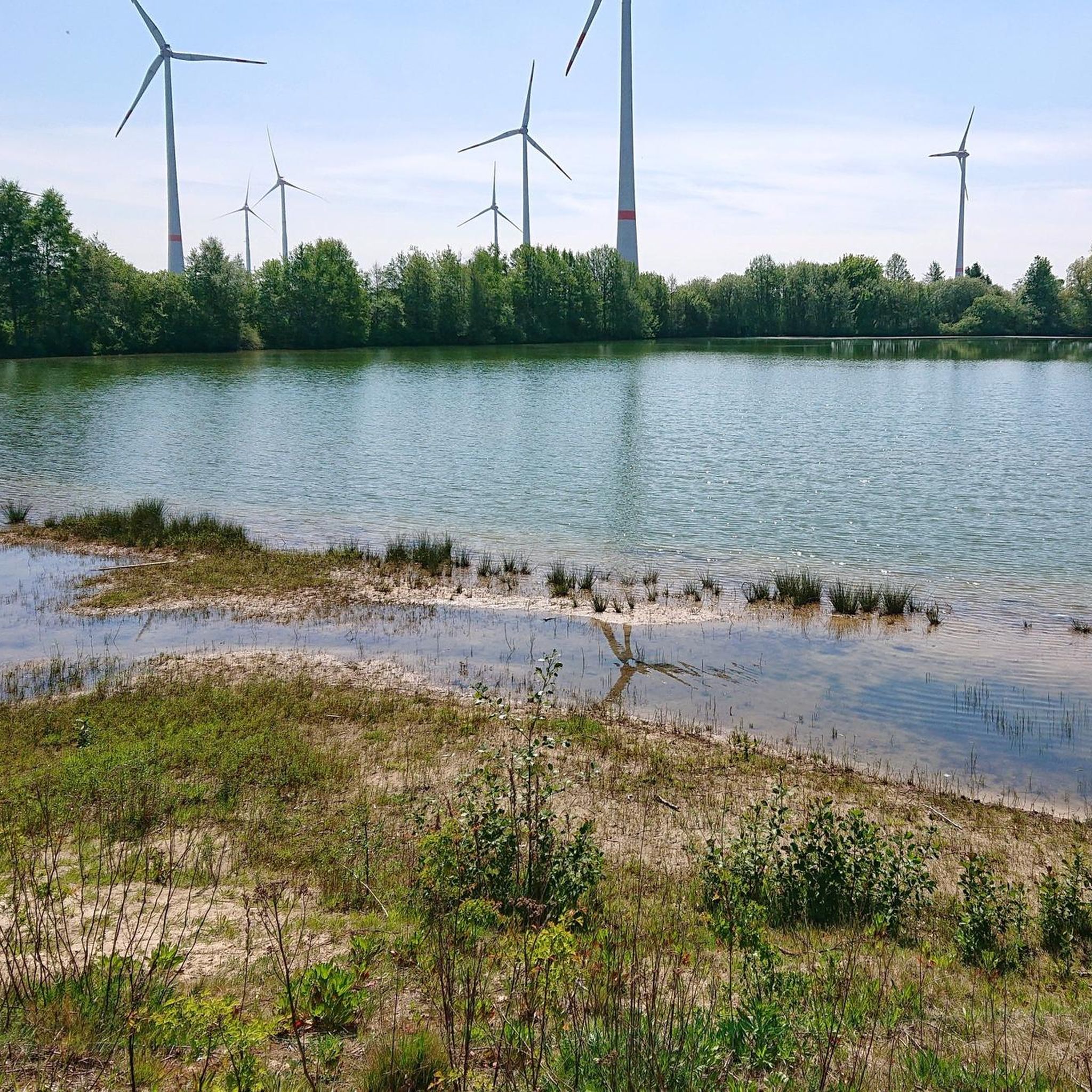
Other adventures in Großer Sand

Tips from the Community

The visitor center offers various tours where you can explore the interactive exhibition and gain exclusive insights into the construction of the ocean giants.
0
0


The Nazis and their henchmen established not just one, but a total of 15 concentration, penal, and prisoner-of-war camps in the Emsland region. 12 of these are located in the present-day Emsland district, and three are in the Grafschaft Bentheim district. Thousands of people were imprisoned in the camps, including numerous "political prisoners" who hindered the Nazis' efforts to enforce their rule.
3
0
Camp I Börgermoor was one of the early concentration camps in the Emsland region and played a significant role during the Nazi era. From June 1933 onward, political opponents were imprisoned here and forced to perform forced labor in moorland cultivation. Wolfgang Langhoff describes his experiences and the origins of the famous song in his book "The Moor Soldiers." The prison conditions were inhumane, and the prisoners were brutally treated not only by the SS, but later also by other guards. The forced labor and the poor living conditions of the prisoners were inhumane. As in many places in Nazi Germany, the prisoners were deployed in factories critical to the war effort. The precarious food supply led to countless tragedies and deaths.
3
0

It is good that memorials are put up to remember this dark time, so that such times never happen again.
0
0

Great destination very nice
3
0

A little technical training, but be careful.
0
0

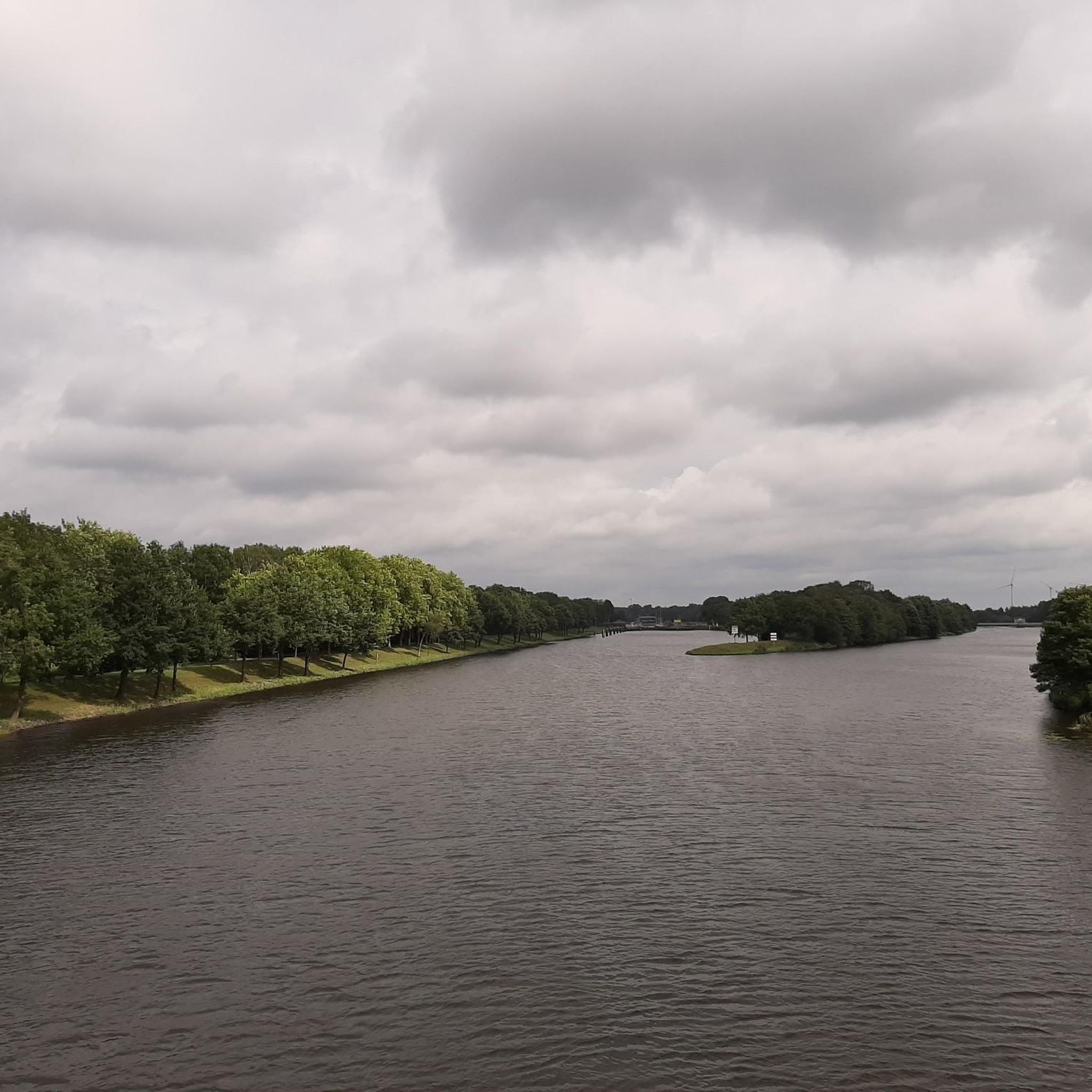
A beautiful stretch to the right of the Ems between Rhede and Meyer-Werft in Papenburg.
0
0
Frequently Asked Questions
How many road cycling routes are available in Großer Sand?
There are over 70 road cycling routes available in Großer Sand. These routes cater to various skill levels, with options ranging from easy to difficult.
What are the difficulty levels of road cycling routes in Großer Sand?
Großer Sand offers a range of difficulty levels for road cyclists. You'll find approximately 16 easy routes, 54 moderate routes, and a few more challenging options for experienced riders.
What natural features can I expect to see while road cycling in Großer Sand?
Road cycling in Großer Sand allows you to experience a unique landscape. You'll encounter the distinctive inland sand dune terrain, which supports rare steppe flora, and transition into the adjacent Lennebergwald forest, characterized by pine and oak trees. The region's geo-ecological significance makes for a visually striking environment.
Are there any historical or cultural landmarks to explore along the road cycling routes?
Yes, the region offers several points of interest. You can discover the unique Wacholder Grove Börger, a heathland shaped by traditional grazing, and the historic Sheep Barn Börger. Within the nearby Lennebergwald, you might also encounter cultural heritage monuments like the Lenneberg Tower.
Are there family-friendly road cycling routes in Großer Sand?
While the guide highlights routes of varying difficulties, many of the 16 easy routes are suitable for families. These typically feature flatter terrain and shorter distances, providing a pleasant experience for all ages.
Where can I find parking for road cycling in Großer Sand?
Specific parking areas are often available at the trailheads or starting points of routes. Given the proximity to Mainz, various public parking options exist in surrounding districts, and some routes may start near designated cycling parking spots. It's advisable to check the route details on komoot for specific parking recommendations for your chosen tour.
Is public transport an option for reaching road cycling routes in Großer Sand?
Yes, Großer Sand is located near Mainz, which has good public transport connections. Depending on your starting point, you may be able to reach the vicinity of the routes via bus or train, often with options for transporting bicycles. Check local public transport schedules for specific routes and bike carriage policies.
Are there circular road cycling routes available in Großer Sand?
Many of the routes in Großer Sand are designed as loops, allowing you to start and finish at the same point. For example, the Batakhaus Werpeloh – Amtsbrunnen loop from Börger is a moderate 10.9-mile circular path that explores the local countryside.
What do other road cyclists say about their experience in Großer Sand?
The road cycling routes in Großer Sand are highly rated by the komoot community, with an average score of 4.4 stars from over 20 reviews. Cyclists often praise the varied terrain, which transitions from open, steppe-like environments to shaded forest paths, and the unique natural beauty of the region.
Are there cafes or pubs near the road cycling routes in Großer Sand?
Yes, given the region's proximity to towns and villages, you can find cafes and pubs in nearby areas to refuel during or after your ride. Many routes pass through or near settlements where such amenities are available.
Can I find routes that combine urban and natural landscapes?
Absolutely. Some routes offer a blend of experiences, taking you through both natural landscapes and more developed areas. An example is the Papenburg City Park – Meyer Werft Shipyard, Papenburg loop from Börger, which explores urban parks and industrial landmarks alongside natural scenery.
What is the best time of year for road cycling in Großer Sand?
The best time for road cycling in Großer Sand is generally during spring, summer, and early autumn. These seasons offer pleasant temperatures and drier conditions, making the varied terrain more enjoyable. The unique flora of the sand dunes is particularly vibrant in spring and early summer.
Most popular routes in Großer Sand
Most popular attractions in Großer Sand

Get inspired with the komoot mobile app


Explore more
Browse the best Road cycling routes in other regions.
