Attractions and Places To See in Staatsforst Rosengarten - Top 20
Best attractions and places to see in Staatsforst Rosengarten include a diverse range of natural features and landmarks. This natural area near Hamburg features expansive heathlands, dense beech forests, and varied terrain. It offers numerous opportunities for outdoor activities, encompassing significant natural points and historical sites.
Best attractions and places to see in Staatsforst Rosengarten
- The most popular attractions is Heather Trails in the Fischbeker Heide, a nature reserve known for its blooming heather in late summer. This area…
Last updated: October 18, 2026
Heather Trails in the Fischbeker Heide
Highlight • Natural
Translated by Google •
Tip by

Hasselbrack – Highest Point in Hamburg
Highlight • Summit
Translated by Google •
Tip by

Sign up now to discover places like this
Get recommendations on the best single tracks, peaks, & plenty of other exciting outdoor places.
Starting point of the Heidschnuckenweg at Fischbeker Heide
Highlight • Trail
Translated by Google •
Tip by

Rest Area With View of Fischbek Airfield
Highlight • Viewpoint
The …
Translated by Google •
Tip by

Kuhteich Pond in the Fischbek Valley
Highlight • Lake
Translated by Google •
Tip by
Sign up for free to discover even more attractions in Staatsforst Rosengarten.
Already have an account?
Start today with a free account
Your next adventure awaits.
Popular around Staatsforst Rosengarten
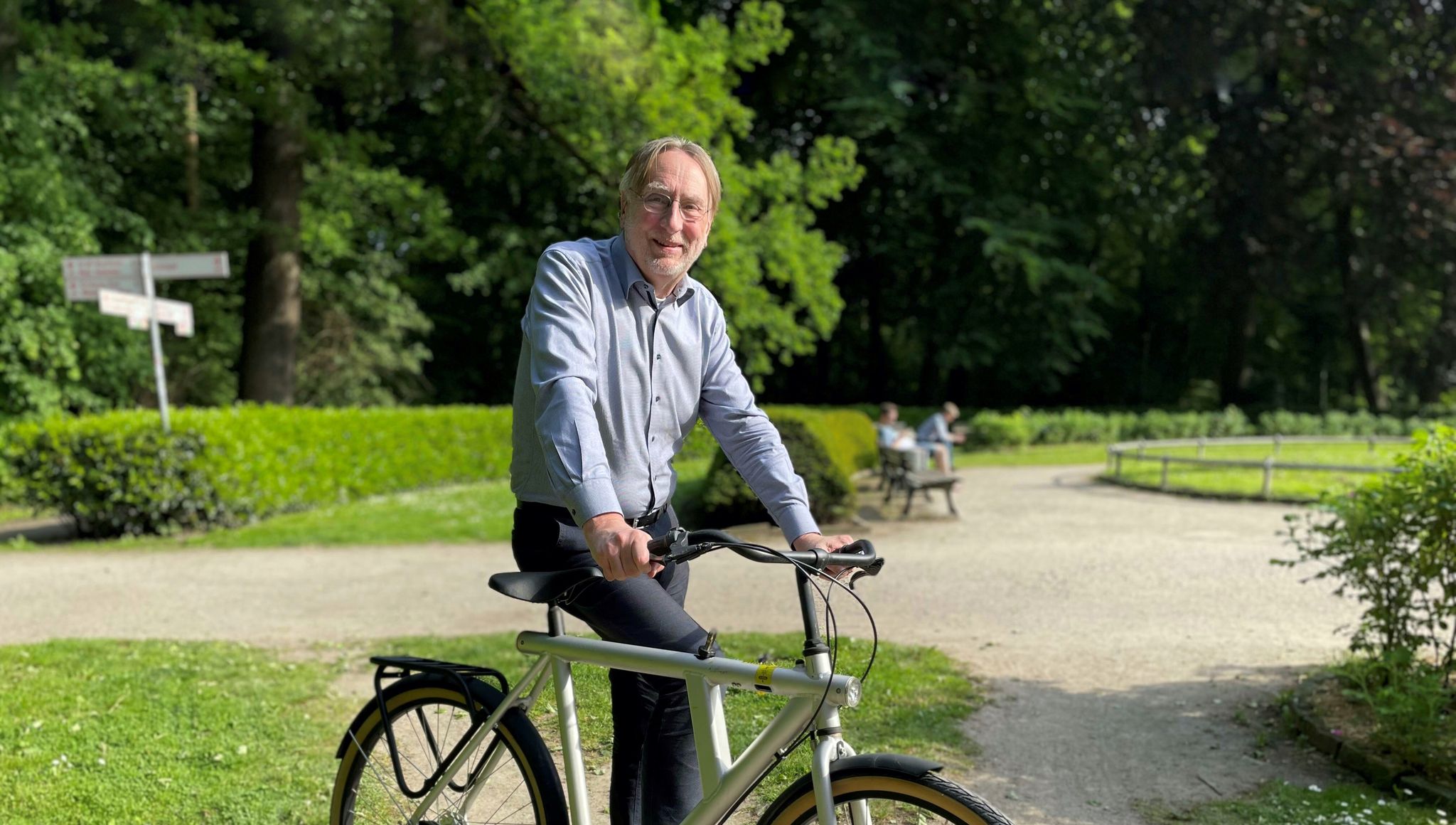
Exploring cultural sites by bike — EU Projects in the Hamburg Area

Lowest to Highest (L2H) in Germany
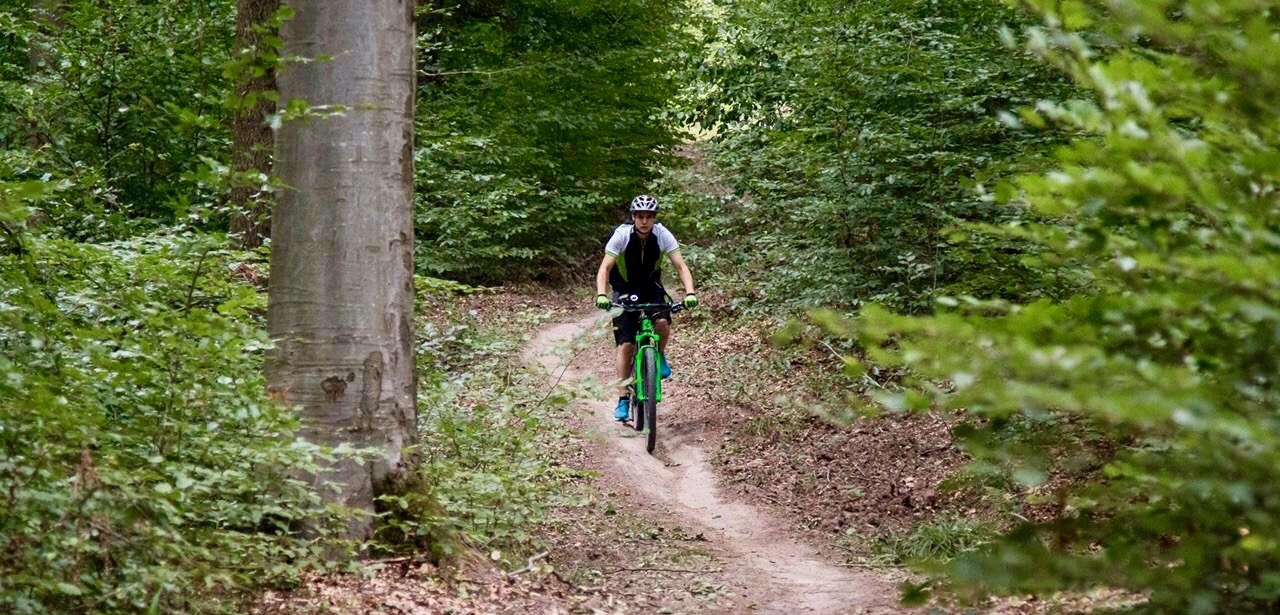
33 MTB trails through German forests
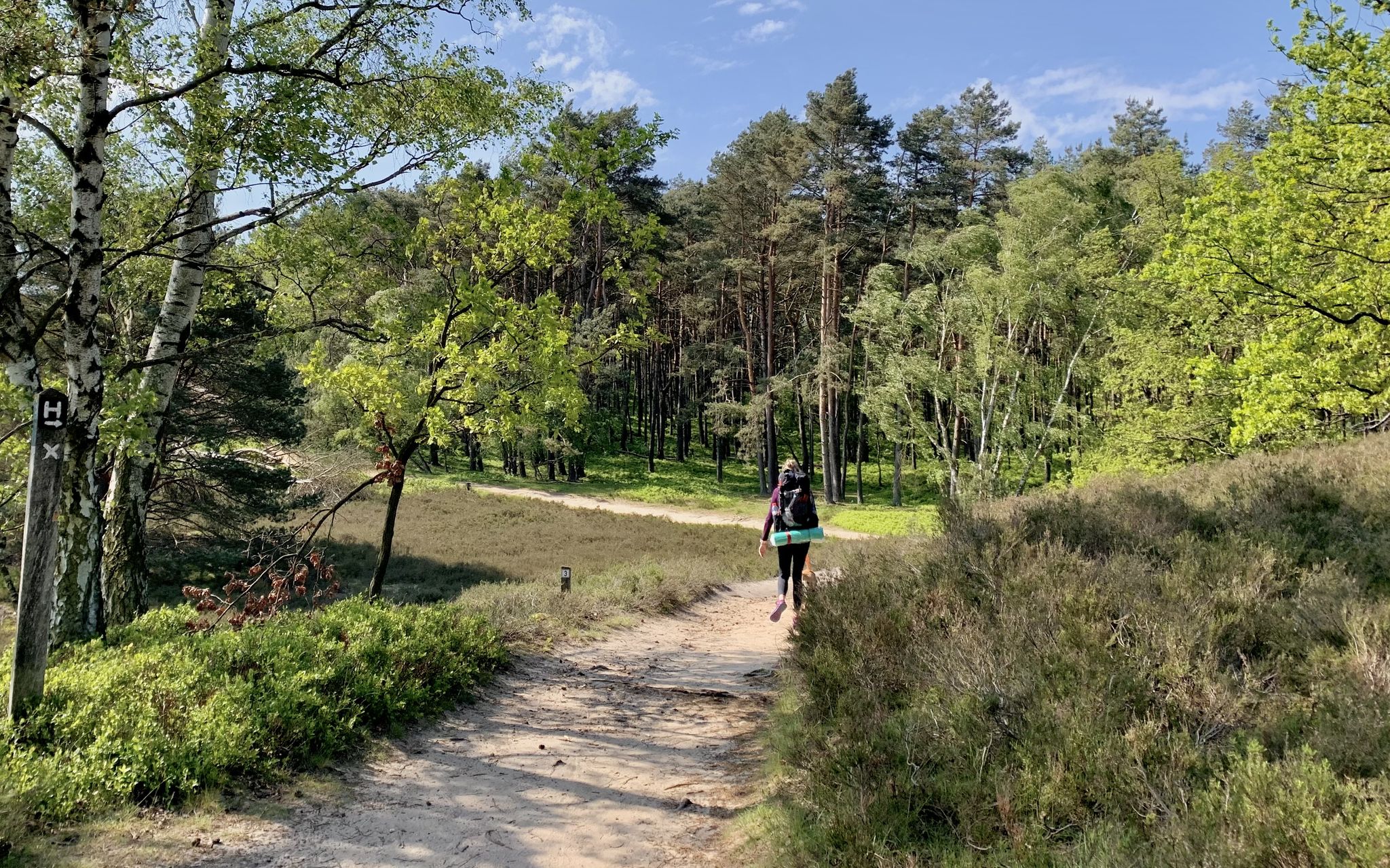
BARMER Schritte-Challenge: Hamburg
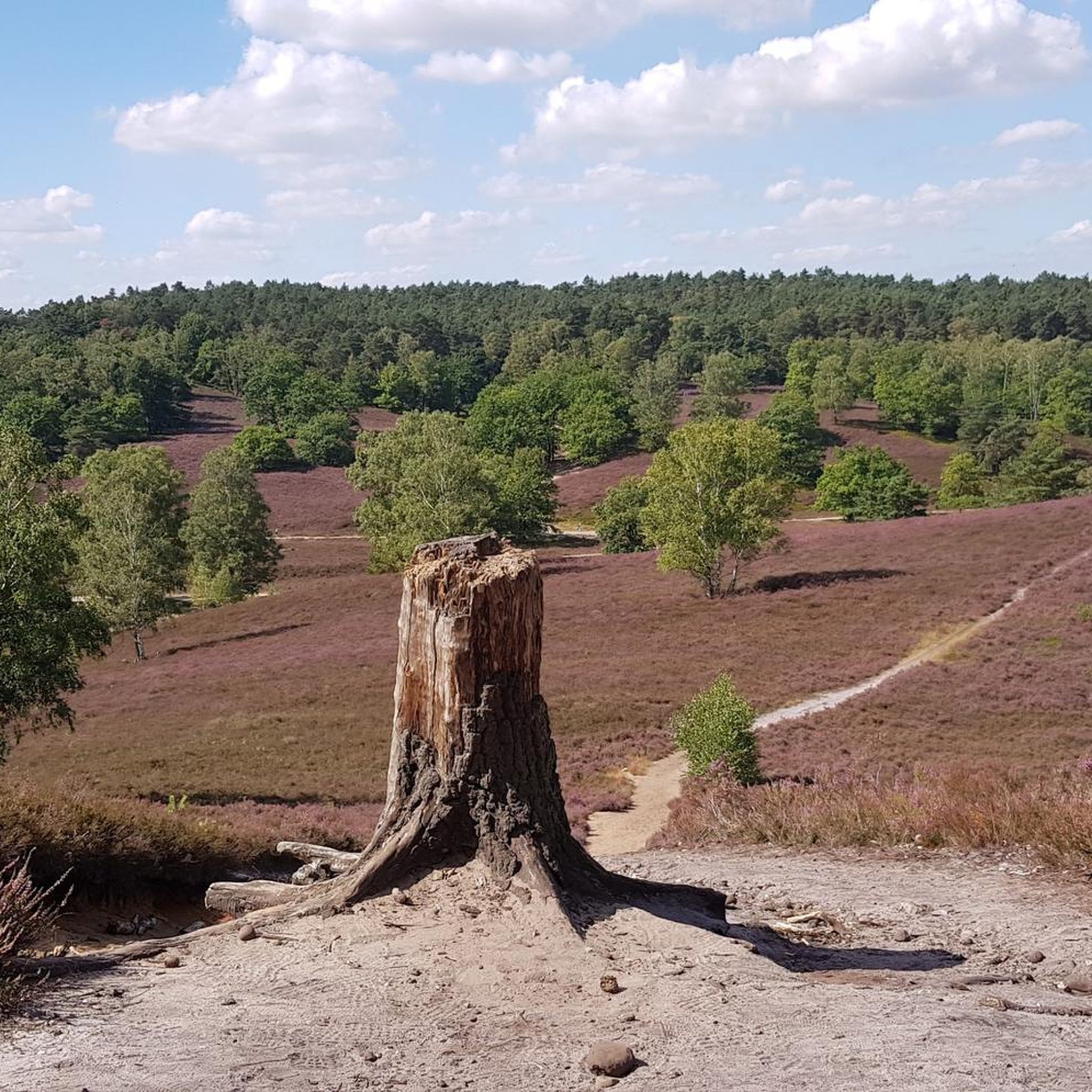
Hiking in Staatsforst Rosengarten
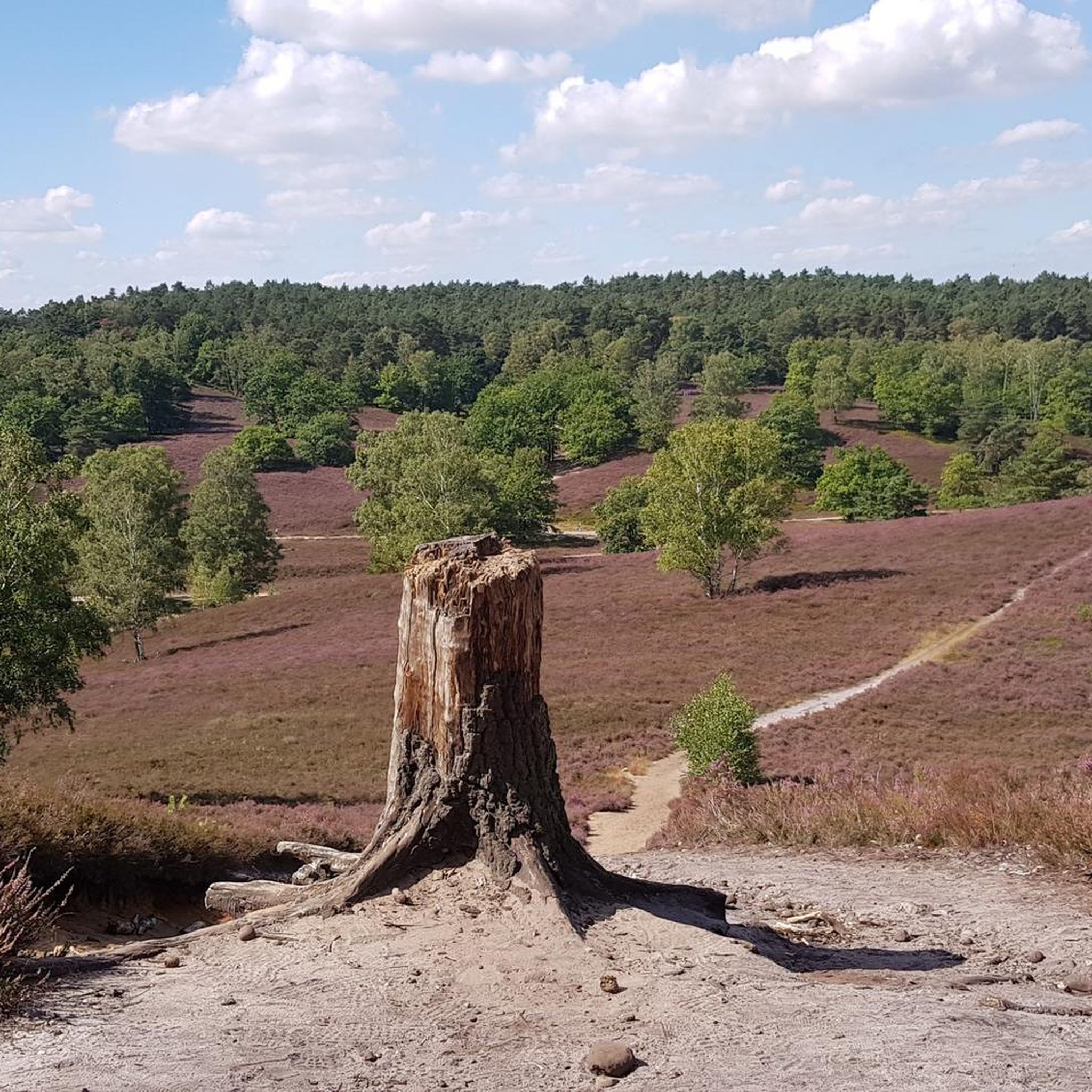
Cycling in Staatsforst Rosengarten
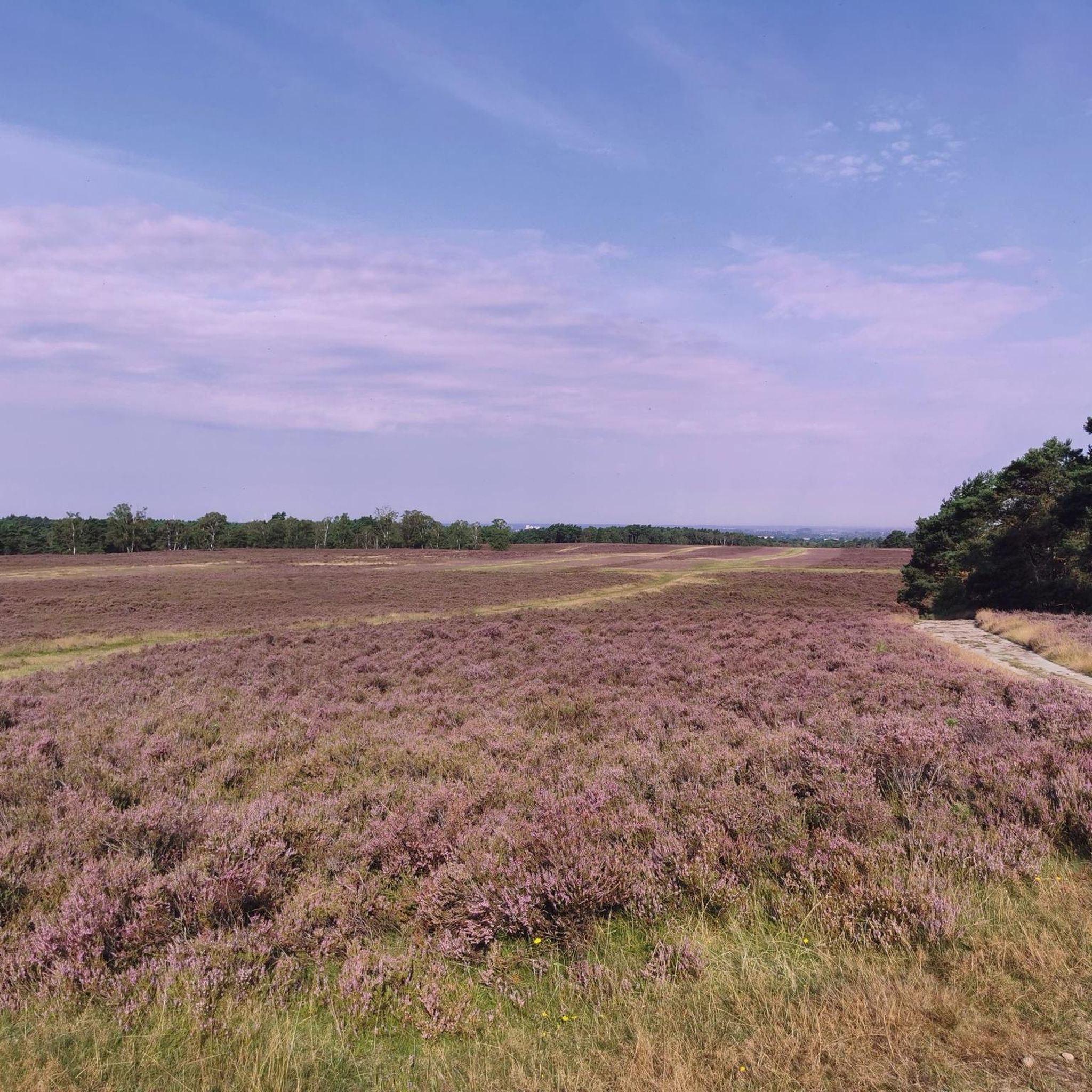
Road Cycling Routes in Staatsforst Rosengarten
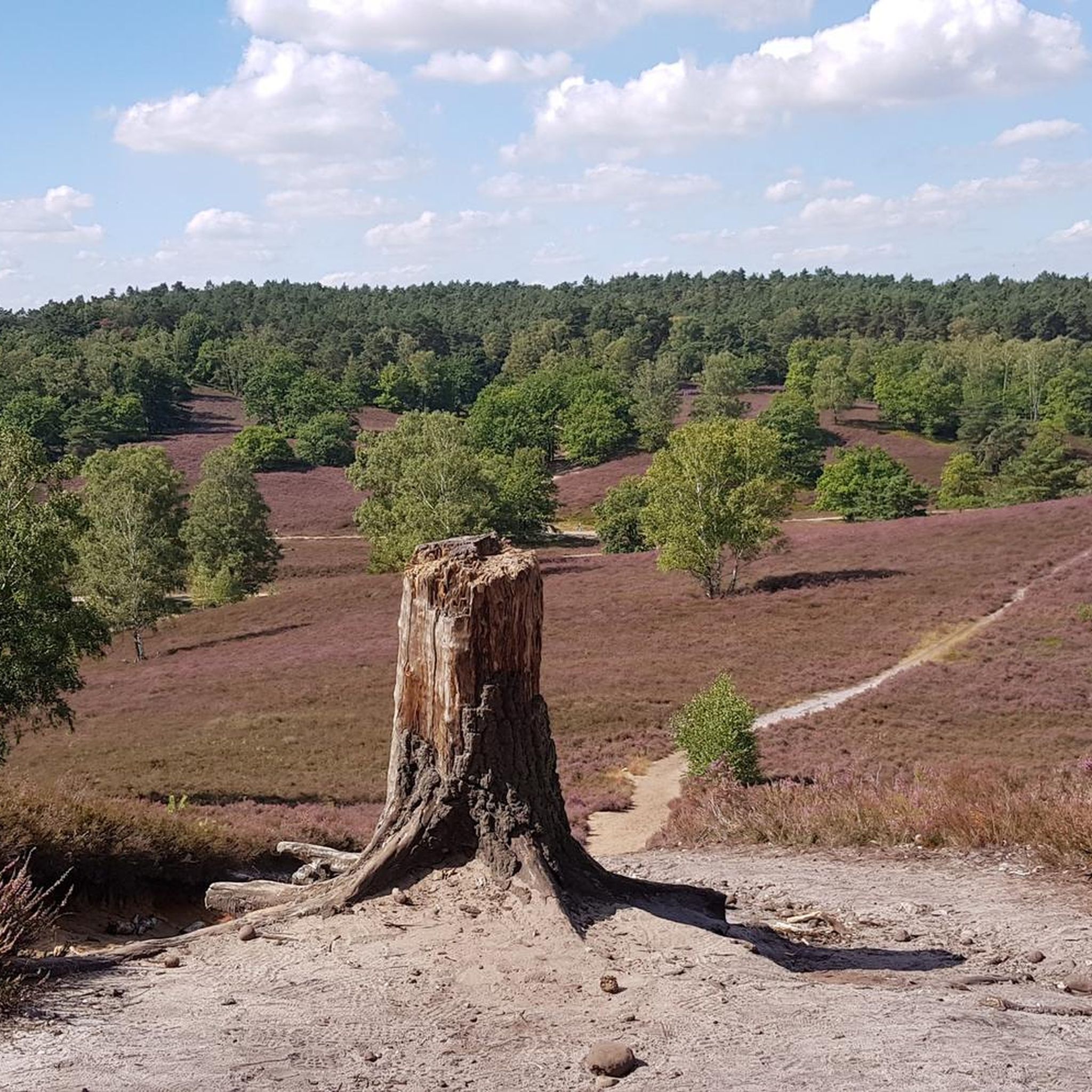
MTB Trails in Staatsforst Rosengarten

Gravel biking in Staatsforst Rosengarten
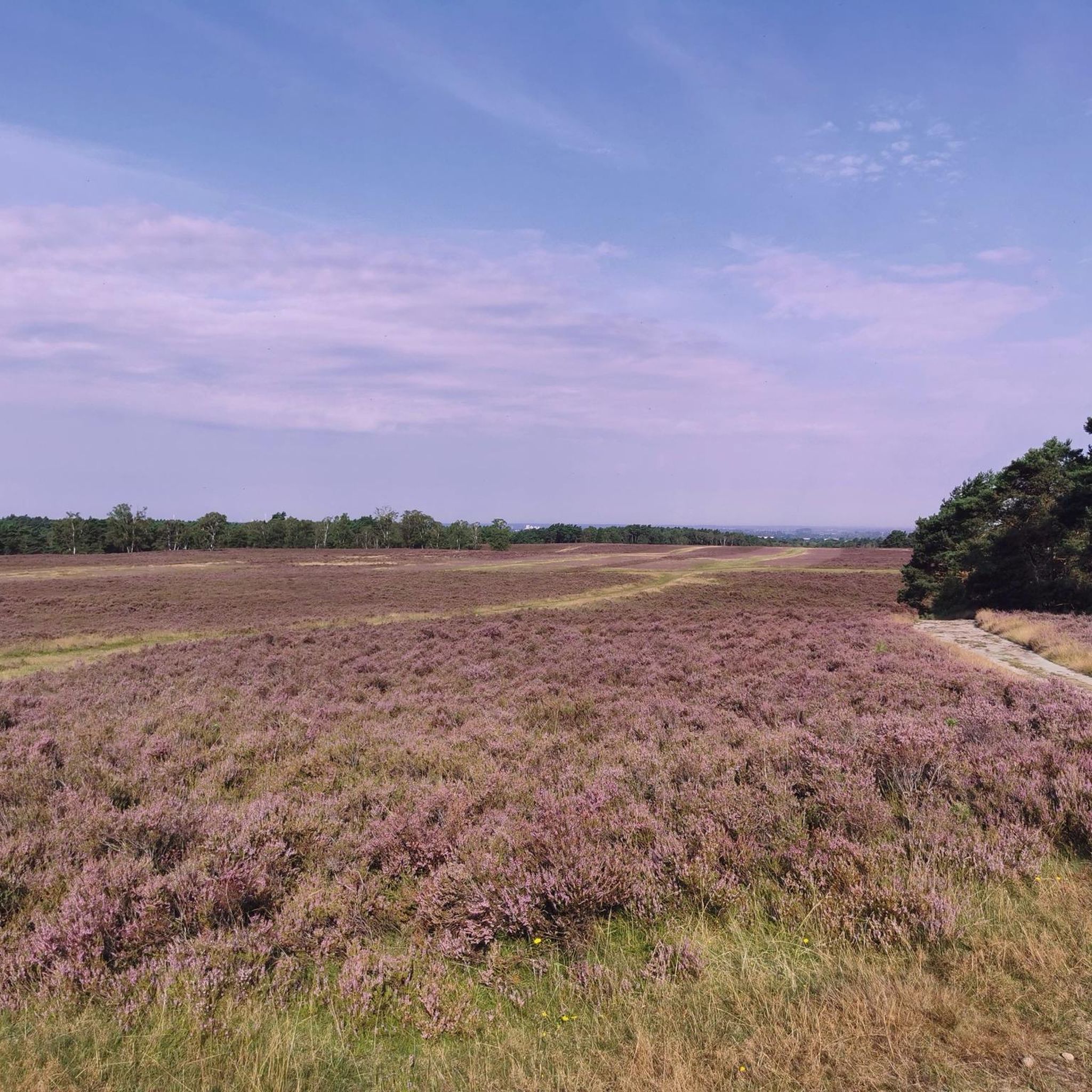
Running Trails in Staatsforst Rosengarten
Other adventures in Staatsforst Rosengarten


Tips from the Community

A heath landscape like out of a picture book. I'm super excited, I wasn't expecting that. The path jumps from left to right, sometimes uphill, then slightly downhill again. The slightly hilly landscape opens up new, enchanting views of the blooming heath again and again.
17
1
A heath landscape like out of a picture book. The path jumps from left to right, sometimes uphill, then slightly downhill again. The slightly hilly landscape opens up new, enchanting views of the blooming heath again and again. A festival of the senses. There is also the option of hiking individual circular routes.
11
0

This is where the Heidschnuckenweg from Neugraben-Fischbek to Celle starts. 223 varied kilometers.
11
1
From time to time you can watch the air traffic here, or enjoy the wind and the silence, with a kilometer-wide view of Hamburg.
7
1

Here, on the southern edge of Hamburg, the 223 kilometer long Heidschnuckenweg starts to Celle. A beautifully designed display shows you the course of the entire long-distance hiking trail, which is one of the most beautiful in all of Germany. I can only confirm this after my hike this year. Even though the heath is largely flat, you can enjoy a few meters of altitude with great views, especially on the first stage. The best way to get to the starting point of the Heidschnuckenweg is via Hamburg Central Station and then the S-Bahn line S3, which will take you to Fischbek. From the S-Bahn station it's about two kilometers to walk and you'll be in the middle of the beautiful heath.
35
3

It's funny to get to know Hamburg's highest point.
14
1

The highest "mountain" in Hamburg, you have to go there, of course ;-) But it is really beautiful, because it is remote and little known, so you are mostly lonely and alone here. There is also a summit book.
8
0

The Hasselbrack in the Harburg mountains is 116.2 m above sea level. NN the highest natural elevation in Hamburg and lies on the border with Lower Saxony.
15
2
Frequently Asked Questions
What natural features can I explore in Staatsforst Rosengarten?
Staatsforst Rosengarten is rich in diverse natural features. You can discover the expansive Heather Trails in the Fischbeker Heide, especially vibrant during the late summer bloom. The picturesque Kuhteich Pond in the Fischbek Valley offers beautiful scenery, particularly in autumn. Don't miss Hasselbrack – Highest Point in Hamburg, which provides a sense of accomplishment for hikers. The area also features dense beech forests, offering a contrasting landscape to the open heathlands.
Are there any historical landmarks or cultural sites to visit?
Yes, Staatsforst Rosengarten has several historical landmarks. The Karlstein — Glacial Erratic is a significant boulder steeped in local legend, said to be where Charlemagne rested. The area also marks the starting point of the Heidschnuckenweg, a renowned long-distance hiking trail, and features historical boundary markers like the Moisburg Boundary Stone.
What are the best viewpoints in Staatsforst Rosengarten?
For panoramic vistas, visit the Rest Area With View of Fischbek Airfield, where you can observe gliders and, on clear days, see the Elbe Valley extending towards Schleswig-Holstein. While Hasselbrack – Highest Point in Hamburg doesn't offer expansive views from the very top, reaching it provides a rewarding experience.
What kind of hiking trails can I find in Staatsforst Rosengarten?
Staatsforst Rosengarten offers a variety of hiking trails for all levels. You can find easy walks like the Heideschleife Trail – View of the Fischbeker Heide, as well as more moderate and challenging routes. The region is crisscrossed with numerous paths through heathlands and forests, including circular routes around the Wulmstorfer Heide and Fischbeker Heide. For more options, explore the easy hikes in Staatsforst Rosengarten.
Are there options for cycling or running near these attractions?
Absolutely! The Staatsforst Rosengarten area is excellent for cycling and running. You'll find numerous routes, including road cycling options like the Alte Süderelbe Pathway – Francoper Straße loop. For runners, there are trails such as the Heath loop from Fischbeker Heide. Many routes cater to different interests and skill levels, making it ideal for outdoor enthusiasts.
When is the best time to visit Staatsforst Rosengarten?
The best time to visit Staatsforst Rosengarten largely depends on what you wish to experience. Late summer, typically August and September, is particularly popular when the heather in areas like the Fischbeker Heide blooms, transforming the landscape into a vibrant purple. Autumn also offers a special charm with colorful foliage, especially around the Kuhteich Pond.
Are the attractions in Staatsforst Rosengarten family-friendly?
Yes, many attractions and trails in Staatsforst Rosengarten are family-friendly. The diverse terrain, including heathlands and forests, offers engaging exploration for all ages. Highlights like the Heather Trails in the Fischbeker Heide and the Kuhteich Pond are suitable for family outings. There are also many easy hiking routes perfect for families, as detailed in the easy hikes guide.
Can I bring my dog to the trails and attractions?
Staatsforst Rosengarten is generally dog-friendly, with many trails suitable for walks with your canine companion. However, it's always recommended to keep dogs on a leash, especially in nature reserves like the Fischbeker Heide, to protect wildlife and the delicate ecosystem. Please check local signage for specific regulations in certain areas.
What is the terrain like in Staatsforst Rosengarten?
The terrain in Staatsforst Rosengarten is characterized by gentle undulations, offering a varied landscape. You'll encounter a mix of expansive heathlands, dense beech forests, and diverse natural areas. While some paths are relatively flat and easy, others, particularly around areas like Hasselbrack, involve more moderate ascents, providing a good range of options for different fitness levels.
How accessible is Staatsforst Rosengarten by public transport?
While some areas of Staatsforst Rosengarten are more easily accessible by car, certain points can be reached via public transport. For instance, the Karlstein — Glacial Erratic has a parking lot nearby where Heide Shuttle buses stop seasonally (mid-July to mid-October). For other areas, it's advisable to check local bus routes connecting from nearby towns like Neugraben-Fischbek.
What do visitors enjoy most about Staatsforst Rosengarten?
Visitors particularly enjoy the tranquility and natural beauty of Staatsforst Rosengarten. The blooming heather in late summer is a major draw, creating a stunning purple landscape. The diverse network of hiking and cycling trails, the sense of accomplishment from reaching Hasselbrack, and the opportunity to observe gliders from the Rest Area With View of Fischbek Airfield are also highly appreciated. The area's rich flora and fauna, along with its historical elements, contribute to a fulfilling outdoor experience.
Most popular routes in Staatsforst Rosengarten
Most popular attractions in Staatsforst Rosengarten

Get inspired with the komoot mobile app


Explore more
Still not found the Highlight you’re looking for? See guides of the top attractions in other regions:
