Attractions and Places To See in Dröge Heide - Top 4
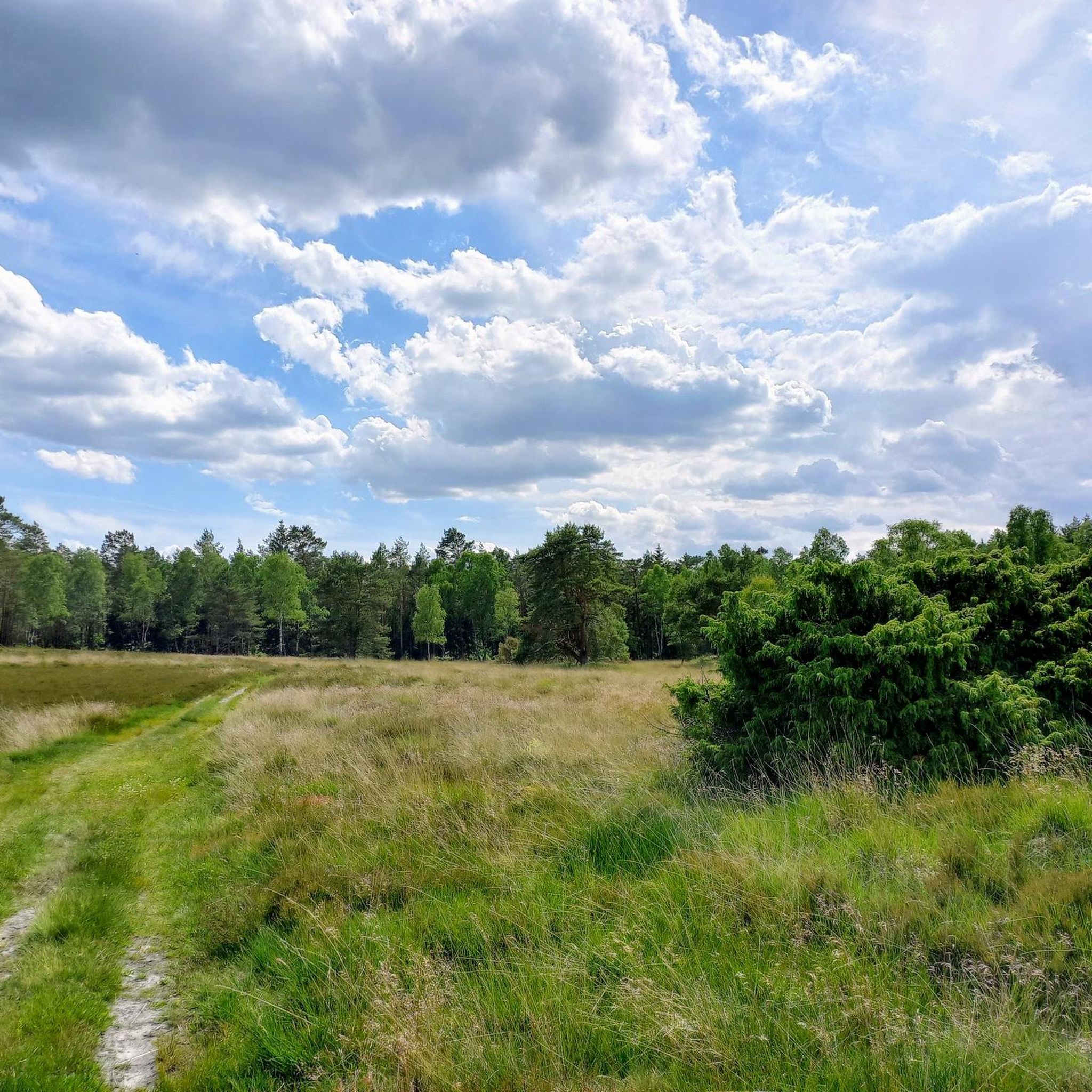
Best attractions and places to see in Dröge Heide include a unique natural landscape characterized by ancient heathland. This area was formed by glacial moraines, consisting of gravel, stones, and sand. It is home to diverse flora and fauna, including common heather and rare insects. The Dröge Heide requires continuous conservation efforts to maintain its distinct ecological value.
Best attractions and places to see in Dröge Heide
- The most popular attractions is Dröge Heath, an other natural area that…
Last updated: July 2, 2026
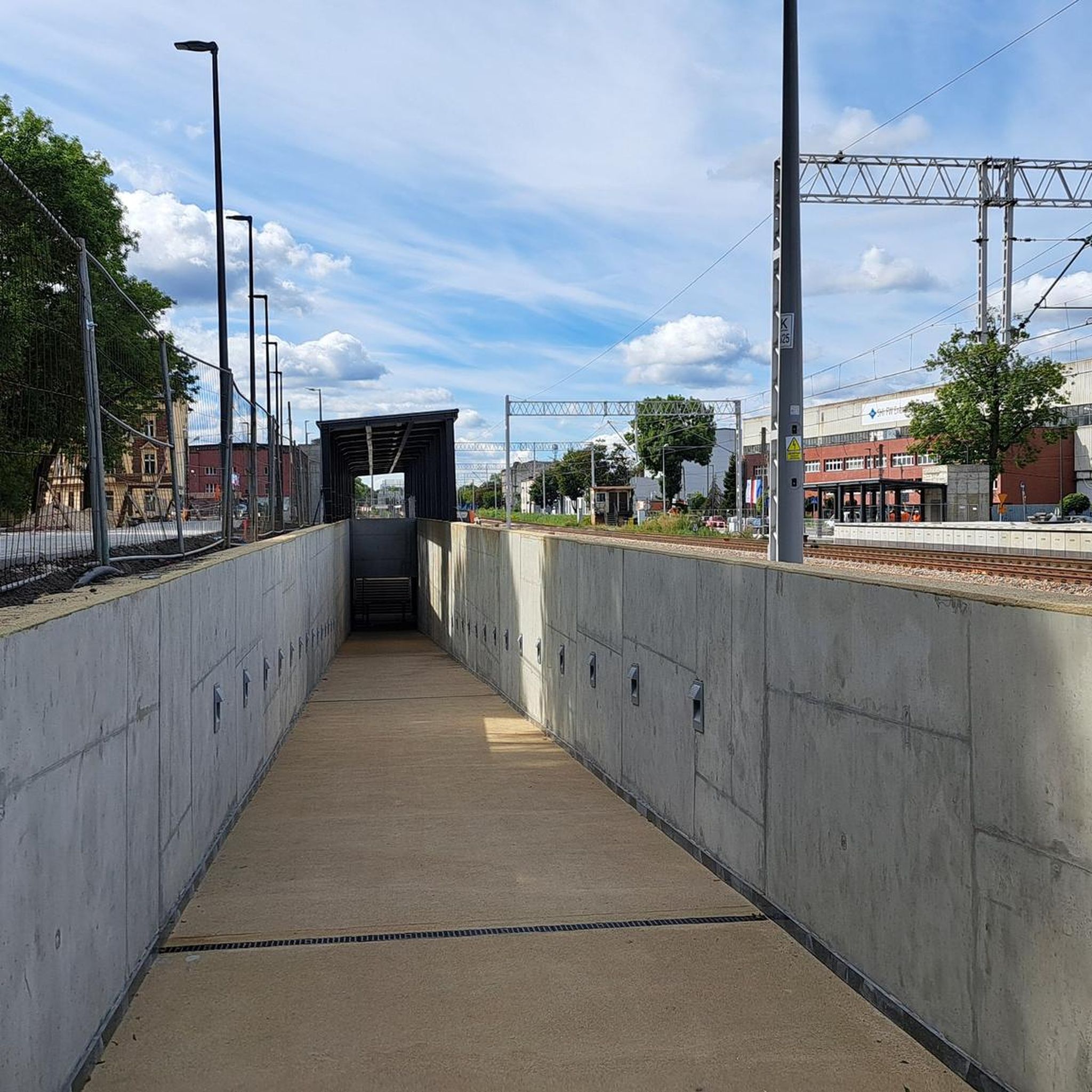
Timmerloher Weg Railway Crossing
Highlight • Structure
Translated by Google •
Tip by

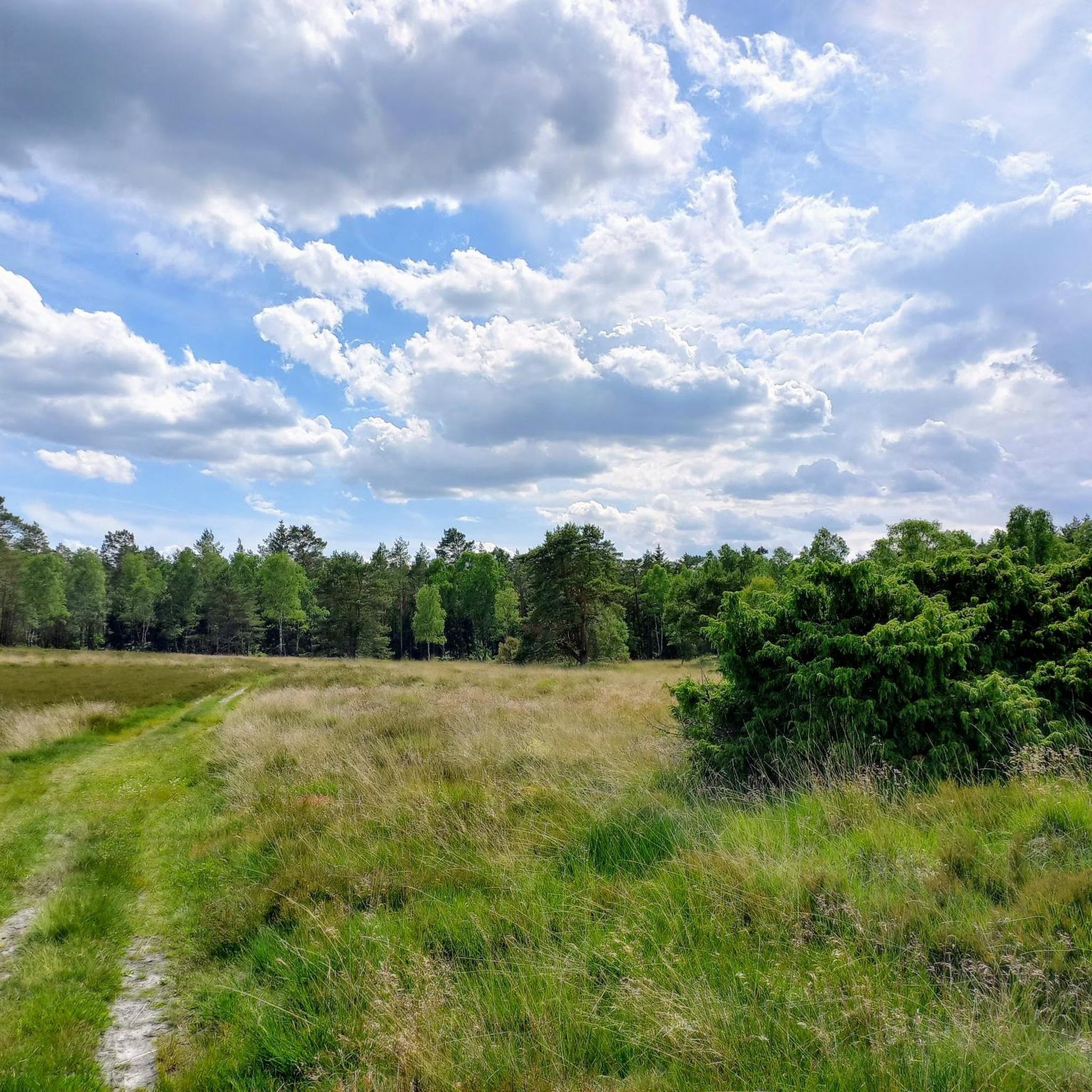
Dröge Heath
Highlight • Natural
Translated by Google •
Tip by

Sign up now to discover places like this
Get recommendations on the best single tracks, peaks, & plenty of other exciting outdoor places.
Sign up for free
Forest Cycle Path Near Welle and Heber
Highlight (Segment) • Cycleway
Translated by Google •
Tip by

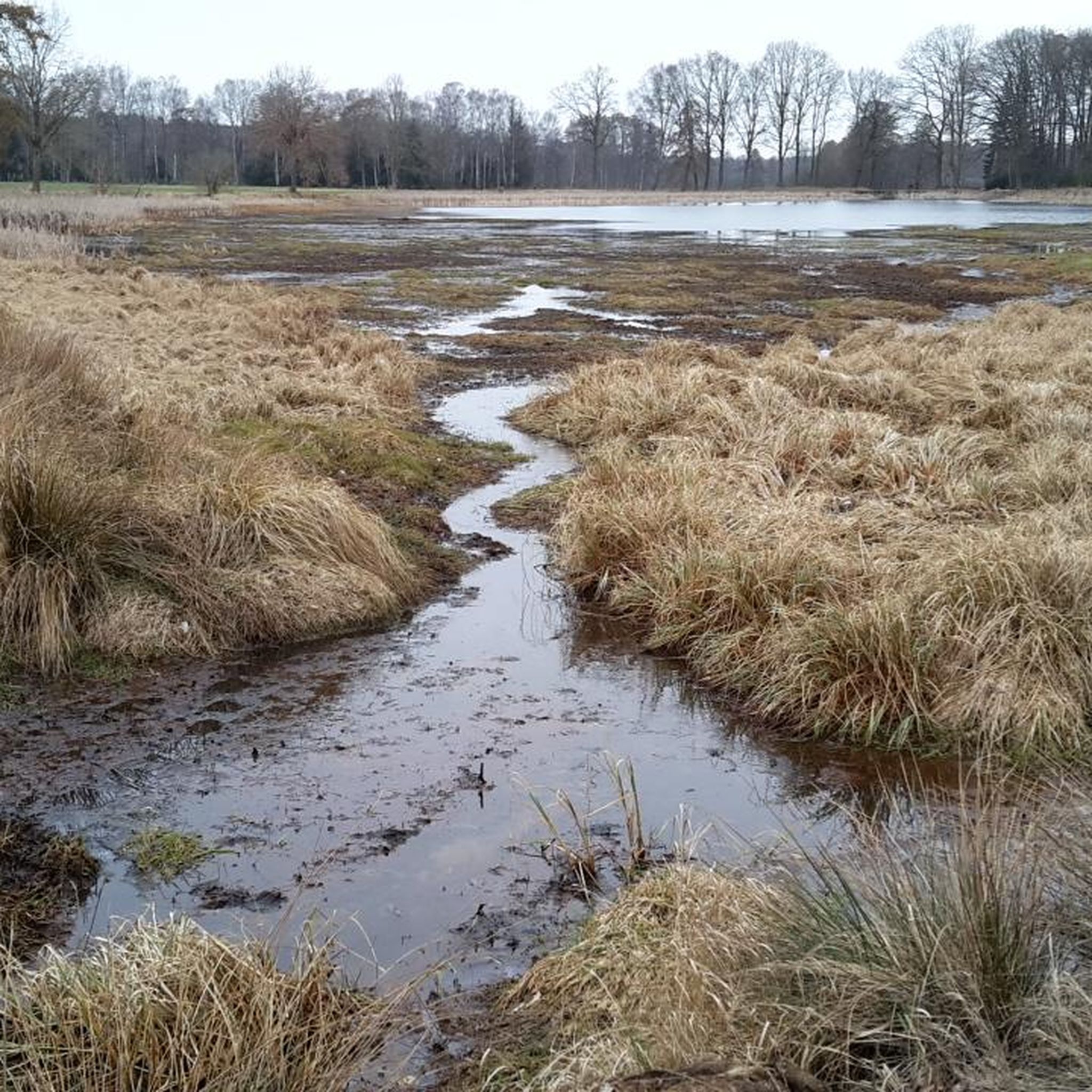
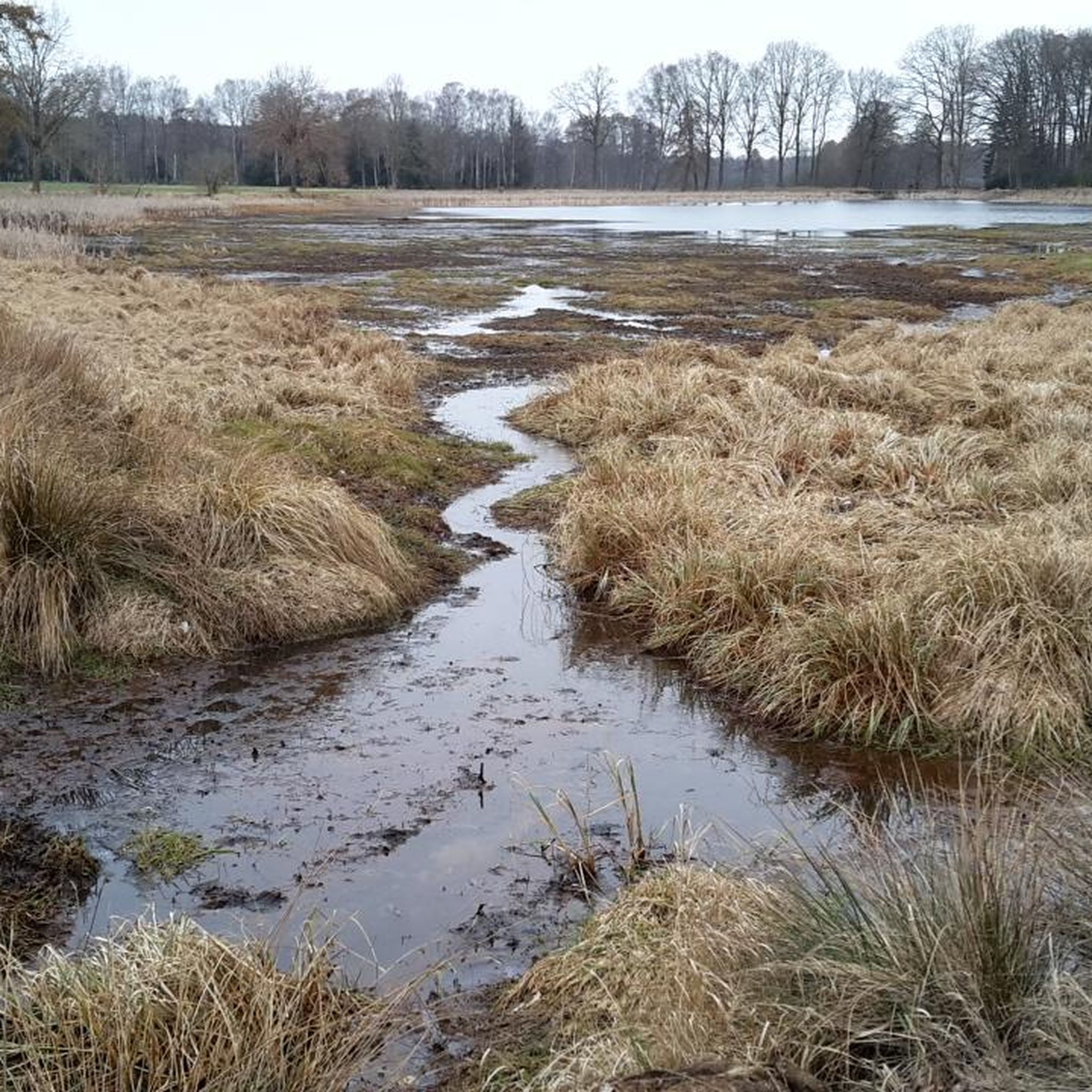
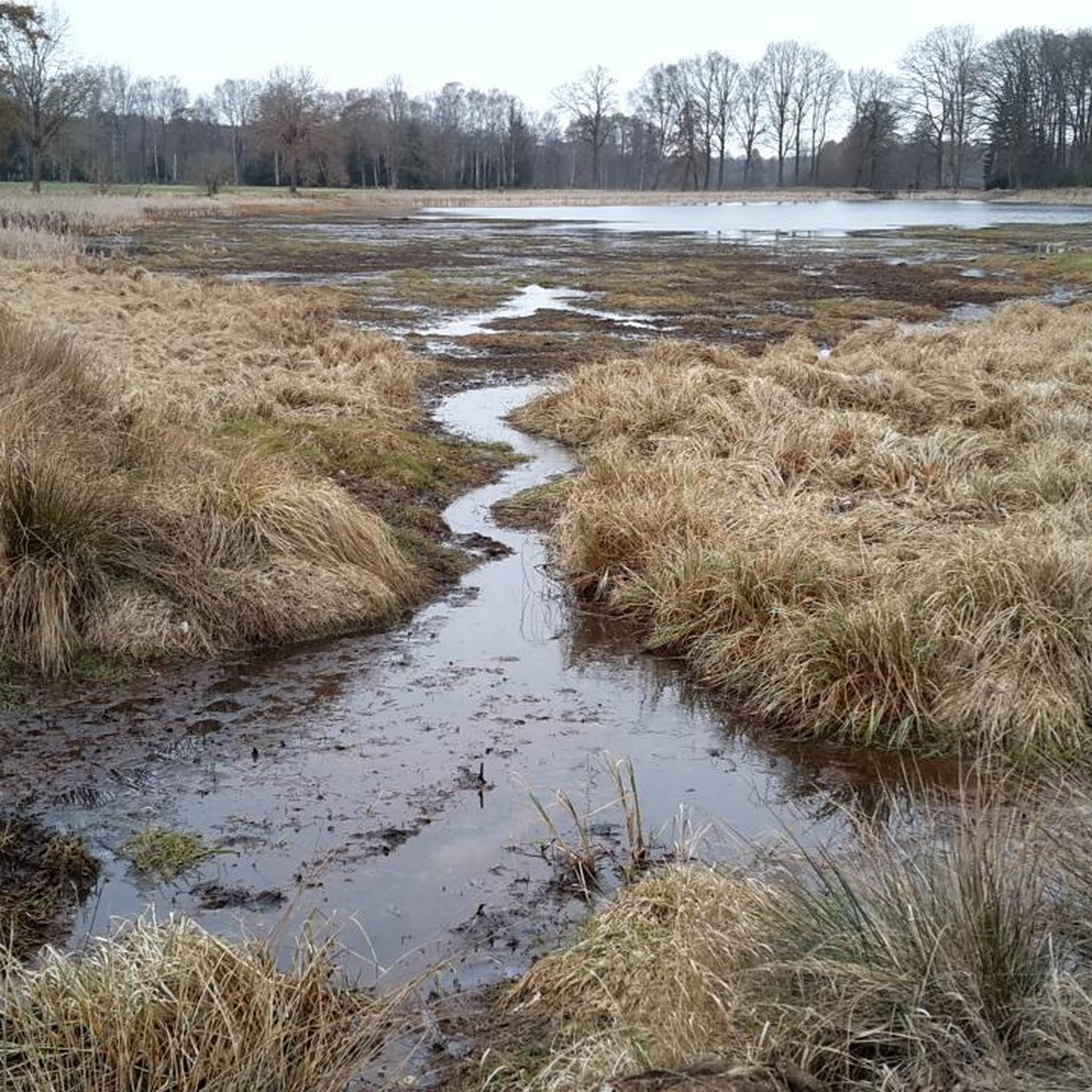
The Este sees the light of day
Highlight • River
Translated by Google •
Tip by

Start today with a free account
Your next adventure awaits.
Login or Signup
Tips from the Community


There is a lot of traffic on the B3. That's why we recommend the cycle path with its excellent surface and some distance from the road. It's almost straight and you can make good progress and go for a blast!
2
0

Super-developed bike path with easy ups and downs😉
0
0

You have to experience - one of the best-secured level crossings in the world in the middle of nowhere.
3
0

Attention, private property, only accessible from the west. From here the Este carries water.
5
0

Here in the small "pond" the Estonians press to the surface. Further south, only the dry course of the Este can be seen. I don't know whether it only appears there when it rains for a long time or whether it is now completely underground.
4
0

A level crossing as planned in Schilda: Tempo 30 on a dirt road, which is also a priority road closed to traffic ... there is a brand new barrier system in the middle of the forest with 10 meters of the best asphalt ... When the money has to go ...
4
0
Frequently Asked Questions
What kind of natural landscape can I expect to see in Dröge Heide?
Dröge Heide is a unique ancient heathland, formed by glacial moraines. You'll find a landscape of gravel, stones, sand, and scree, characterized by extensive heather surfaces. It's a remnant of a once vast heath, offering a distinct natural experience.
What unique flora and fauna can be found in Dröge Heide?
Despite its name, Dröge Heide is rich in biodiversity. You can spot common heather (Calluna vulgaris) and bell heather (Erica tetralix), as well as hairy and English gorse. Keep an eye out for the particularly protected low black salsify. The area is also home to insects like the flightless may beetle, and reptiles such as adders, smooth snakes, and sand lizards.
Are there any educational attractions in Dröge Heide?
Yes, the Planetary Trail Lüneburg Heath offers an educational experience. It features a scale representation of our solar system, providing an impression of the vast distances between planets. It's a great way to learn about astronomy while enjoying the outdoors.
What are the options for cycling in Dröge Heide?
Cyclists can enjoy the Forest Cycle Path Near Welle and Heber, known for its excellent surface and gentle inclines and declines. For more cycling routes in the area, you can explore the Cycling in Dröge Heide guide.
Are there family-friendly activities or trails in Dröge Heide?
The Planetary Trail Lüneburg Heath is considered family-friendly, offering an engaging and educational walk. The main Dröge Heath area itself also has trails suitable for families to explore the natural landscape.
What is the geological significance of Dröge Heide?
Dröge Heide has a fascinating geological history, having been formed by glacial moraines during three ice ages and two interglacial periods. The ice pushed the landscape together into a moraine ridge, resulting in its unique composition of gravel, stones, sand, and scree.
What efforts are made to preserve Dröge Heide?
The heathland requires continuous and intensive maintenance to prevent it from being overgrown by woody plants. Conservation efforts include regular clearing (Entkusselung) by local nature conservation groups, grazing by Heidschnucken (a local sheep breed), plagging, chopping, or controlled burning to ensure the heath receives sufficient light.
Where can I find the source of the Este river in Dröge Heide?
You can visit The Este sees the light of day, where the Este river emerges to the surface. Please note that access to this specific spot is only from the west due to private property.
Are there hiking or running trails available in Dröge Heide?
Yes, Dröge Heide offers various trails for both hiking and running. You can find easy hiking options in the Easy hikes in Dröge Heide guide, and dedicated routes for runners in the Running Trails in Dröge Heide guide.
What do visitors particularly enjoy about the Dröge Heath area?
Visitors appreciate the tranquility and natural beauty of the Dröge Heath. Many enjoy the rest areas available, especially those offering views over the heath. While some parts may have soft sand, it's generally seen as a peaceful place to connect with nature.
What is the best time of year to visit Dröge Heide?
The heathland is particularly beautiful in late summer (August to early September) when the heather is in full bloom, painting the landscape in vibrant purple hues. However, its unique flora and geological features make it an interesting visit throughout the warmer months.
Most popular routes in Dröge Heide

Get inspired with the komoot mobile app


Explore more
Still not found the Highlight you’re looking for? See guides of the top attractions in other regions:
