Top 9 Caves around Kelkheim
Best caves around Kelkheim, situated in Germany's Taunus region, offer a unique blend of natural formations and historical interest. The area features smaller grottoes and rock formations rather than extensive cave systems. These sites provide opportunities for local exploration, appealing to hikers and families. Many locations carry local legends or are points of natural interest.
Best caves around Kelkheim
- The most popular caves is Hohler Stein near Ruppertshain, a natural monument that features an imposing quartzite rock formation. Its…
Last updated: June 24, 2026
Bear cave with stuffed animals
Highlight • Cave
To reach it via a narrow path that goes from the main path.
Translated by Google •
Tip by

Gagern Cave
Highlight • Cave
Translated by Google •
Tip by

Sign up now to discover places like this
Get recommendations on the best single tracks, peaks, & plenty of other exciting outdoor places.
Sign up for free
Bear Cave
Highlight • Cave
No bears to be seen 😂
At least an angel smiled at me 👌😉
Translated by Google •
Tip by

Entrance to the Goldgrube Mine Adit
Highlight • Historical Site
Translated by Google •
Tip by

Steep Descent to Gagernhöhle
Highlight (Segment) • Trail
Translated by Google •
Tip by

Start today with a free account
Your next adventure awaits.
Login or Signup
Popular around Kelkheim
Delightfully scenic hiking in the Taunus range
Experience nature and culture — hiking in Germany’s Taunus region
Exploring nature — hikes in Germany’s Taunus Mountains

From safari to world heritage — cycling tours in the Taunus region

A journey through time – the most beautiful routes in the Taunus Nature Park
Autumn hikes around Frankfurt
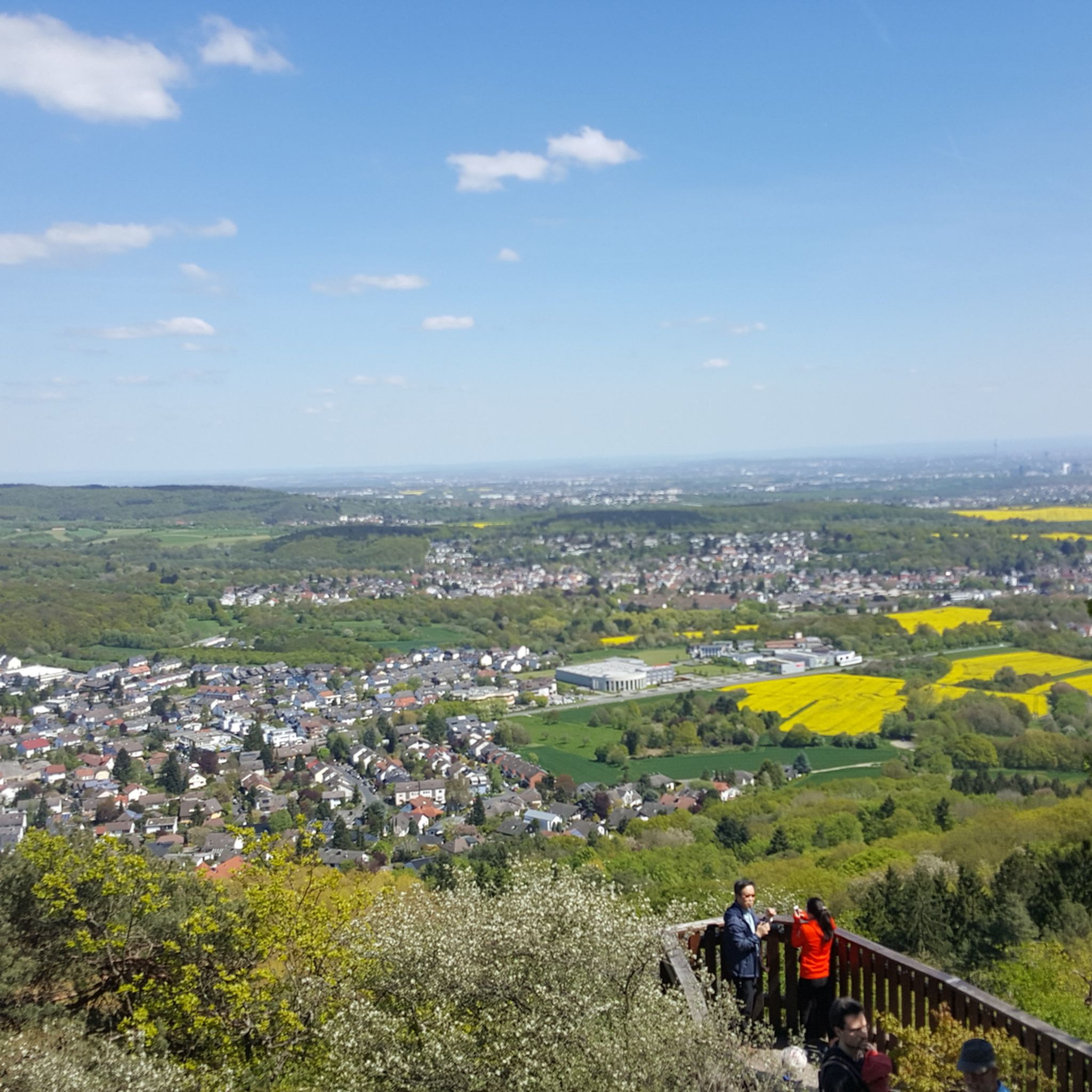
Hiking around Kelkheim
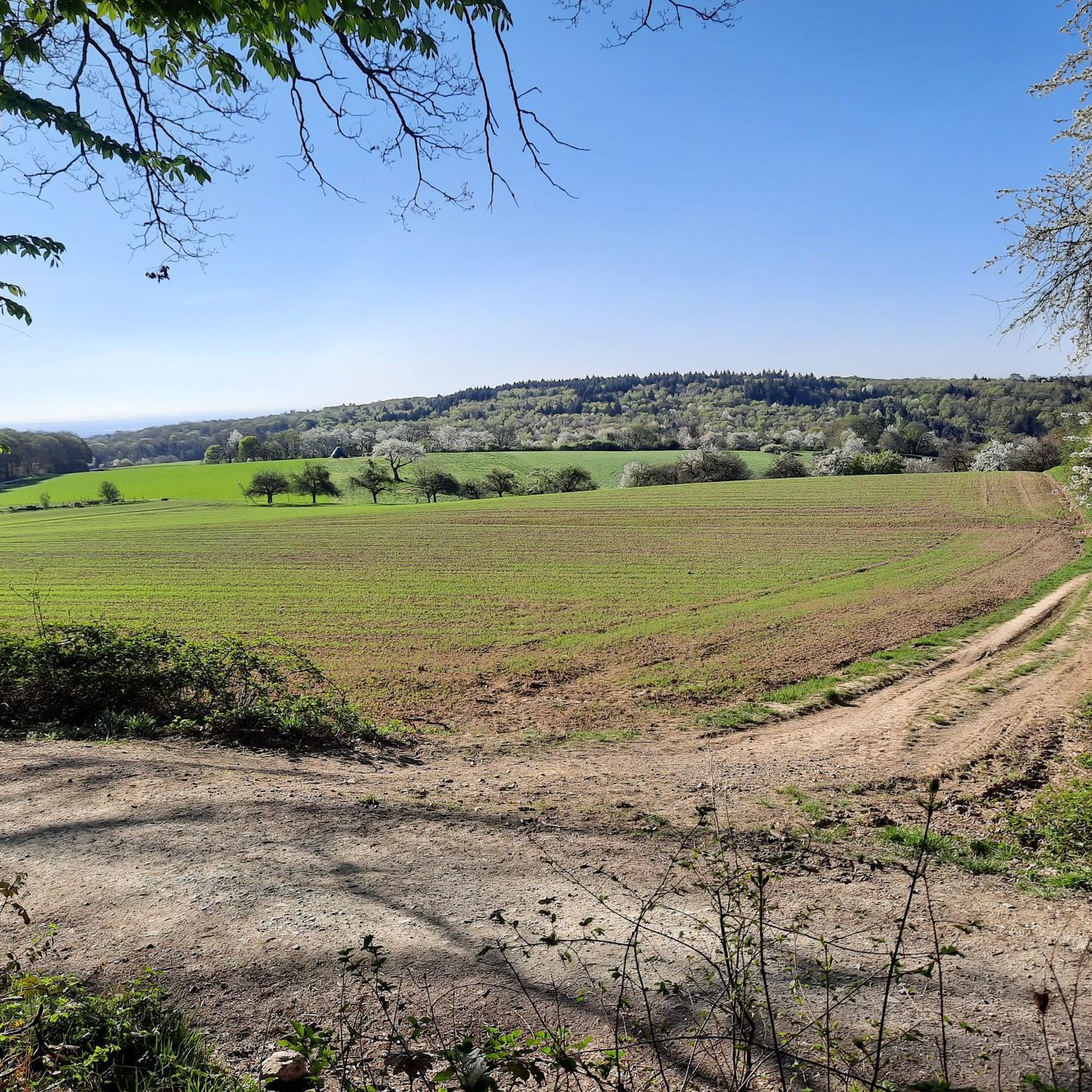
Cycling around Kelkheim
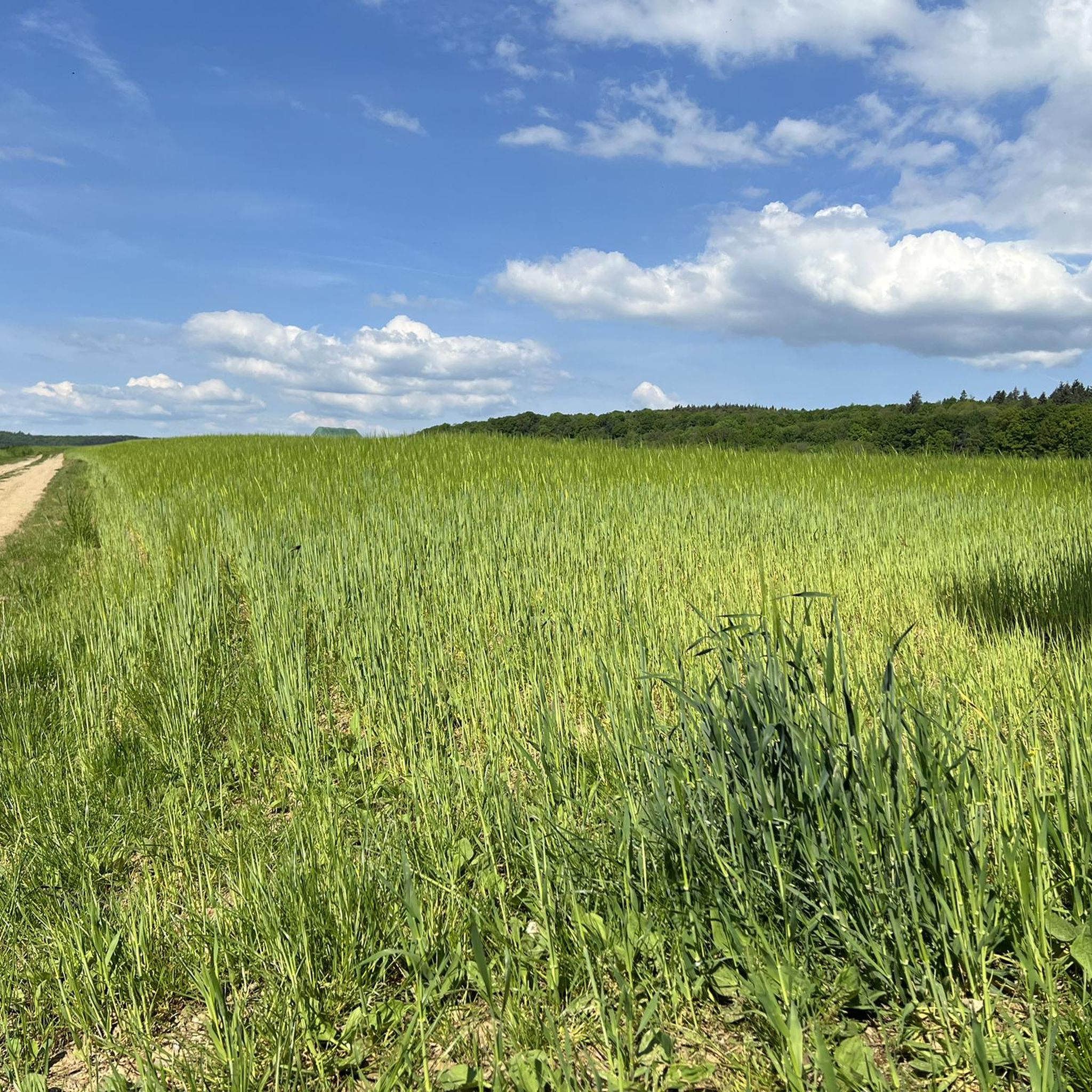
Road Cycling Routes around Kelkheim
Running Trails around Kelkheim
Other adventures around Kelkheim


Tips from the Community

The Fuchshöhle (Fox Cave), also known as Ofterdingen Cave, lies near a small footbridge over the Liederbach stream and can be reached from Gagernring. Legend has it that the minnesinger Heinrich von Ofterdingen lived there in the Middle Ages after returning from the singing competition at Wartburg Castle. However, it is more likely that this small rock grotto below the Gräbenwald forest was created or enlarged at the suggestion of Friedrich von Gagern, who particularly enjoyed spending time there during his visits to Hornau. The Gagern Cave is first mentioned in writing on April 14, 1834.
18
0
A great way to drive the path along the Liederbach
5
0
A small path along the stream a bit tricky to drive the way but really great
5
0

The gold mine 🪙💰 near Oberursel was an experimental mine with several shafts, which probably dates back to Roman times or possibly even to Celtic origins. The visible tunnel now serves as a bat quarters🦇🦇🦇. Please avoid unnecessarily illuminating the tunnel entrance. 🕯️
4
0

I crawled into the little cave again today. No bears to be seen 😂 At least an angel smiled at me 👌😉
8
0

A place steeped in history and surrounded by many rumors.
1
0

The Goldgrube (Gold Mine) on the mountain of the same name was an experimental mine with three tunnels and several shafts, probably dating back to Roman times but possibly also of Celtic origin. In 1719, two abandoned old tunnels were rediscovered at the foot of the Hangelstein mountain, and since then, the mountain has also been called the Goldgrube (Gold Mine). The lower and upper tunnels were discovered; the third tunnel, located further south, was unknown at the time. Shortly after the rediscovery of the two tunnels, exploration work began for mineable ore. However, nothing was found, and operations ceased in 1739. Of the three tunnels in the Goldgrube (Gold Mine), only the lower tunnel is accessible; it was explored in 1985. The mine building is fenced and serves as a hibernation area for bats. From: https://de.wikipedia.org/wiki/Goldgrube_(Bad_Homburg)
7
1
Frequently Asked Questions
What kind of caves can I explore around Kelkheim?
The area around Kelkheim features smaller grottoes and rock formations rather than extensive cave systems. These include natural monuments, historical sites, and small caves that offer unique exploration opportunities. They are appreciated for their natural charm and often carry local legends.
Are there any historical caves in the Kelkheim area?
Yes, the Gagern Cave, also known as Ofterdingen Cave, is a notable historical site. Located near the Liederbach stream, it's associated with local legends, including tales of the minnesinger Heinrich von Ofterdingen. It's been documented since at least 1834.
Which caves are suitable for families with children?
The Bear Cave is particularly popular with families. It's a small cave that visitors, especially children, can crawl into, often featuring figures placed inside. Another option is the Hohler Stein near Ruppertshain, a natural monument that children might enjoy exploring for its unique rock formation.
What geological features can I expect to see in the caves?
The caves and rock formations around Kelkheim, such as the Hohler Stein near Ruppertshain, are primarily quartzite rock formations. These sites are often designated as natural monuments due to their geological interest and unique structures, offering a glimpse into the region's natural history.
Are there hiking trails near the caves around Kelkheim?
Yes, the caves are often integrated into local hiking routes. For example, the Gagern Cave is a pleasant stop for those exploring the area by bike or on foot. You can find various hiking options, including easy hikes, in the area. Explore routes in the Easy hikes around Kelkheim guide.
What other outdoor activities can I do near the caves?
Beyond exploring the caves, the Kelkheim region offers diverse outdoor activities. You can find numerous hiking trails, including mountain hikes for more challenging terrain, and a variety of MTB trails for cycling enthusiasts. Check out the Mountain Hikes around Kelkheim and MTB Trails around Kelkheim guides for more options.
Is there parking available near the caves?
While specific parking details for each small grotto are not always highlighted, the caves are generally accessible from local paths and often near residential areas or trailheads where street parking or small lots might be available. Planning your route on komoot can help identify suitable starting points.
What do visitors enjoy most about the caves in Kelkheim?
Visitors appreciate the explorative nature of the smaller caves, especially for families. Many enjoy the surprise of discovering hidden spots like the Bear cave with stuffed animals, and the historical context of sites like the Gagern Cave. The unique rock formations and the opportunity for a pleasant stop during a hike are also frequently mentioned.
Are there any hidden or less-known caves to discover?
The caves around Kelkheim are generally smaller and more intimate. Some, like the Bear cave with stuffed animals, are described as 'something hidden' and a 'nice surprise' by visitors, suggesting they offer a sense of discovery for those who seek them out.
Can I visit the caves during winter?
While the smaller grottoes and rock formations are generally accessible year-round, winter conditions like snow and ice can affect trail accessibility and safety. The Entrance to the Goldgrube Mine Adit, for example, serves as a hibernation area for bats, so visitors are asked to avoid unnecessarily illuminating the entrance during winter to protect the wildlife.
What should I wear when exploring the caves?
Given that these are smaller grottoes and rock formations, standard hiking attire suitable for the weather conditions is generally appropriate. For caves like the Bear Cave where you might crawl, comfortable clothing that you don't mind getting a little dirty would be advisable.
Most popular routes around Kelkheim
Most popular attractions around Kelkheim

Get inspired with the komoot mobile app


Explore more
Extend your search for the best caves by checking out these guides of the top ones around Kelkheim:
