Attractions and Places To See around Wesseln - Top 20
Best attractions and places to see around Wesseln offer a blend of historical sites and natural beauty within the Dithmarschen region. This area, situated between the Eider and Elbe rivers, features tranquil marshlands, rolling hills, and expansive fields. Visitors can explore significant cultural landmarks and enjoy the scenic landscapes, including parts of the Wadden Sea National Park. The region provides diverse opportunities for outdoor activities and historical exploration.
Best attractions and places to see around Wesseln
- The most popular attractions…
Last updated: June 22, 2026
St. Bartholomew’s Church, Wesselburen
Highlight • Religious Site
Translated by Google •
Tip by

Heide Market Square
Highlight • Settlement
Translated by Google •
Tip by

Sign up now to discover places like this
Get recommendations on the best single tracks, peaks, & plenty of other exciting outdoor places.
Sign up for free
St. Nicholas' Church, Wöhrden
Highlight • Religious Site
Translated by Google •
Tip by

Battlefield of Hemmingstedt
Highlight • Historical Site
Translated by Google •
Tip by
Moor pools in the Ostroher-Süderholmer Moor
Highlight • Natural
Translated by Google •
Tip by

Sign up for free to discover even more attractions around Wesseln.
Sign up for free
Already have an account?
Start today with a free account
Your next adventure awaits.
Login or Signup
Tips from the Community

With almost 47,000 square meters of undeveloped area, the market square in Heide is the largest in Germany and a place with history. During the time of the independent farmer republic of Dithmarschen, the square was the meeting place of the state assembly from 1447 onwards. As early as the 16th century, traders met there every Saturday for a weekly market. This has remained the case to this day. In addition, a large Christmas market takes place on the square every year, as well as the "Heider Marktfrieden" every two years - the largest medieval folk festival in Dithmarschen. https://www.ndr.de/ratgeber/reise/binnenland_elbe/Heide-Stadt-in-Nordseenaehe-mit-Marktplatz-der-Superlative-,heide132.html
4
0

With almost 47,000 square meters of undeveloped space, it is the largest market place in Germany. As early as the 16th century, traders came together there every Saturday for a weekly market.
4
0

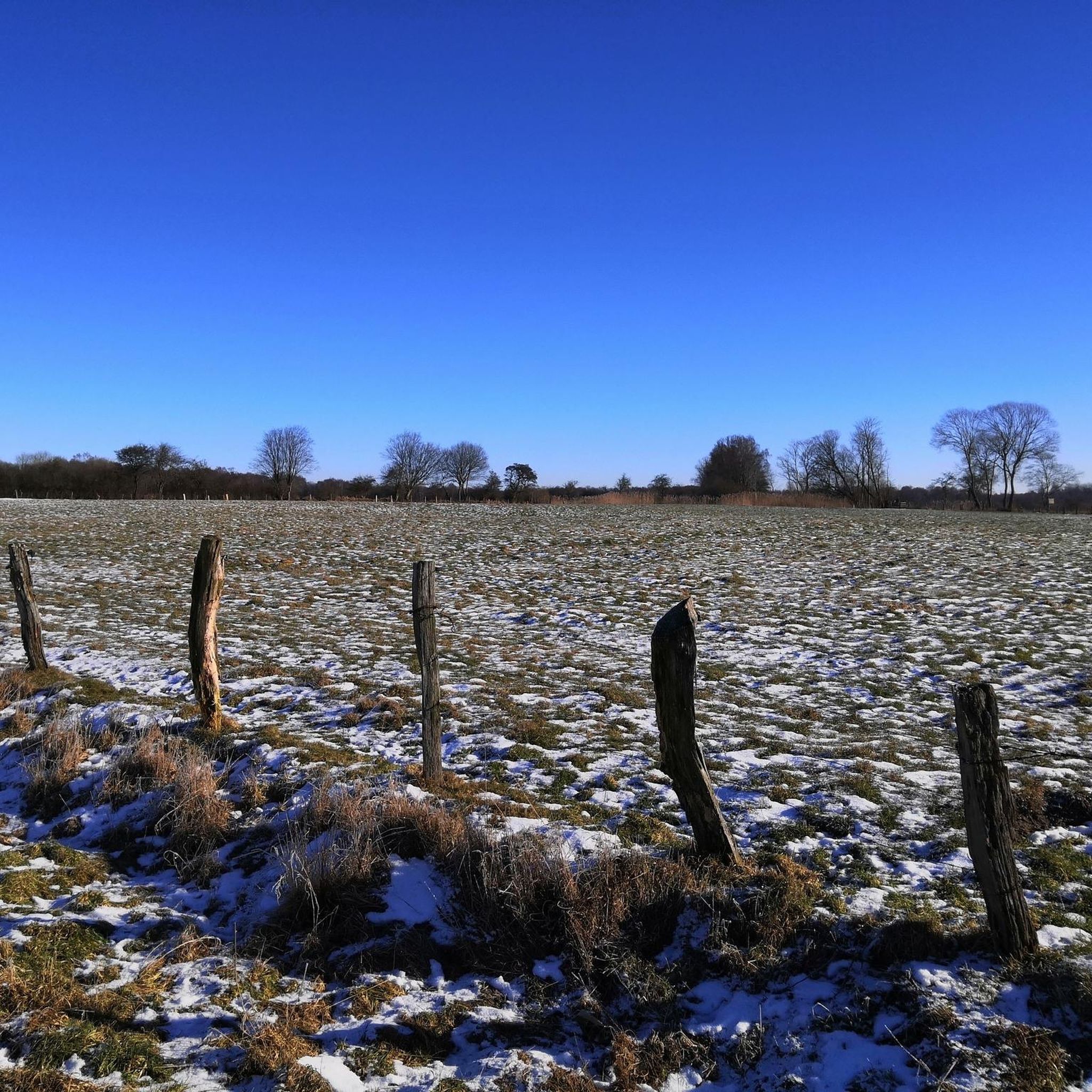
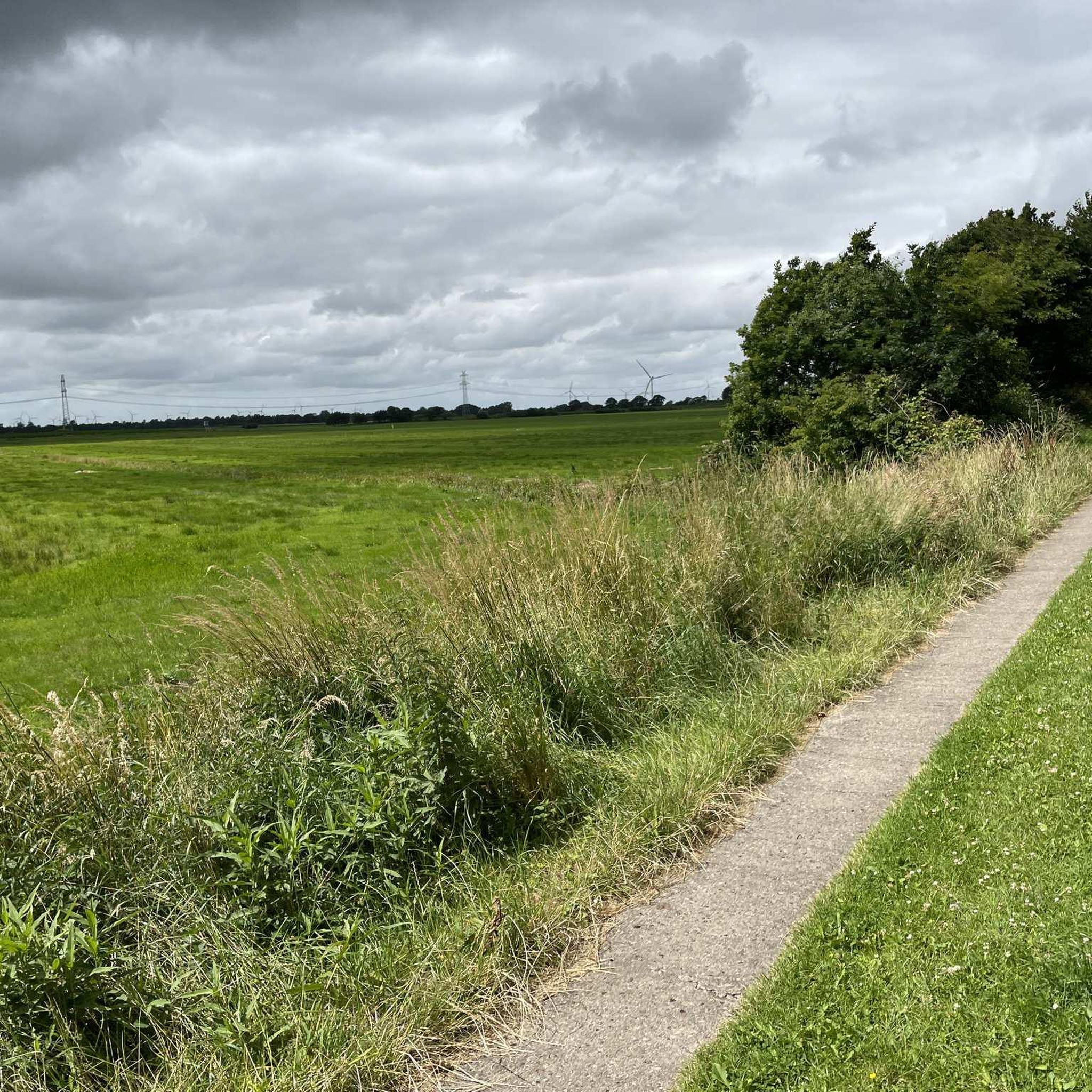
A small place to rest with a beautiful view over the hollows.
0
0

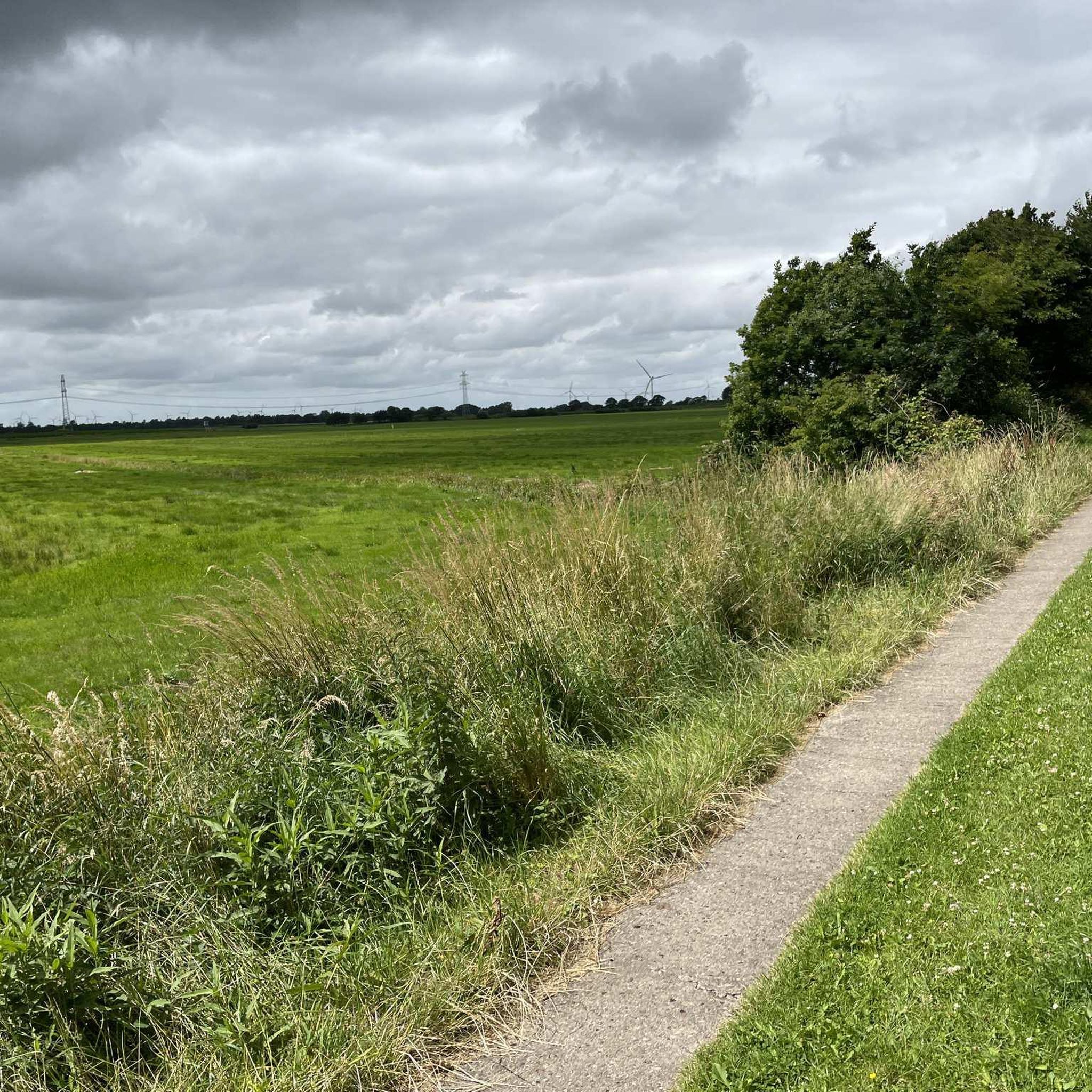
The Scottish Highlanders are a peaceful breed of cattle. Everything is very slow and they don't fixate on them with their eyes. Then they get very curious. I also really liked the view of the birch forest. It may be that I'm spoiled at the moment. So I have to "earn" a hike's stars. The water areas are visited by anglers, and they drive right up to them in their cars. There are also too many tractors driving too fast on the supply routes.
5
0
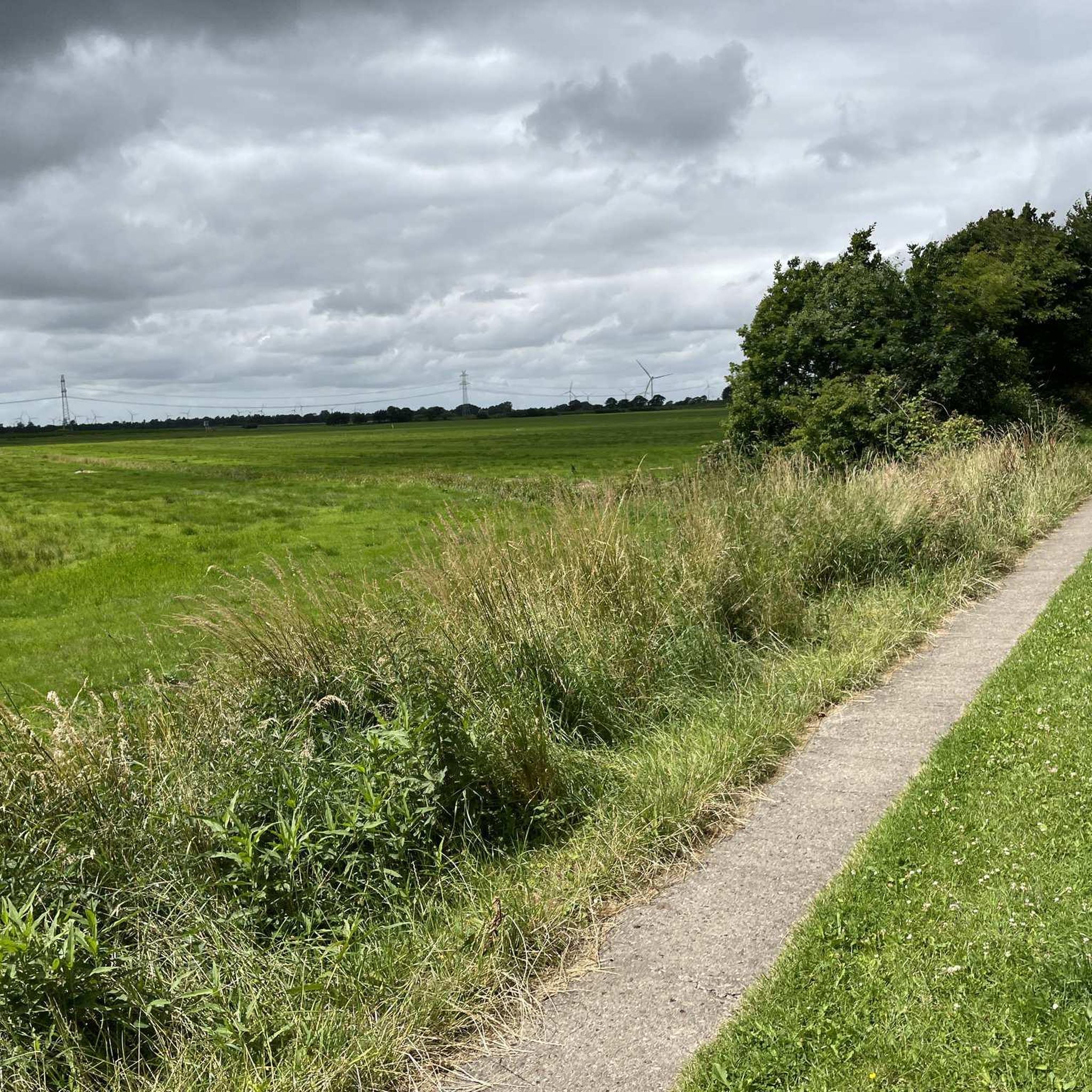
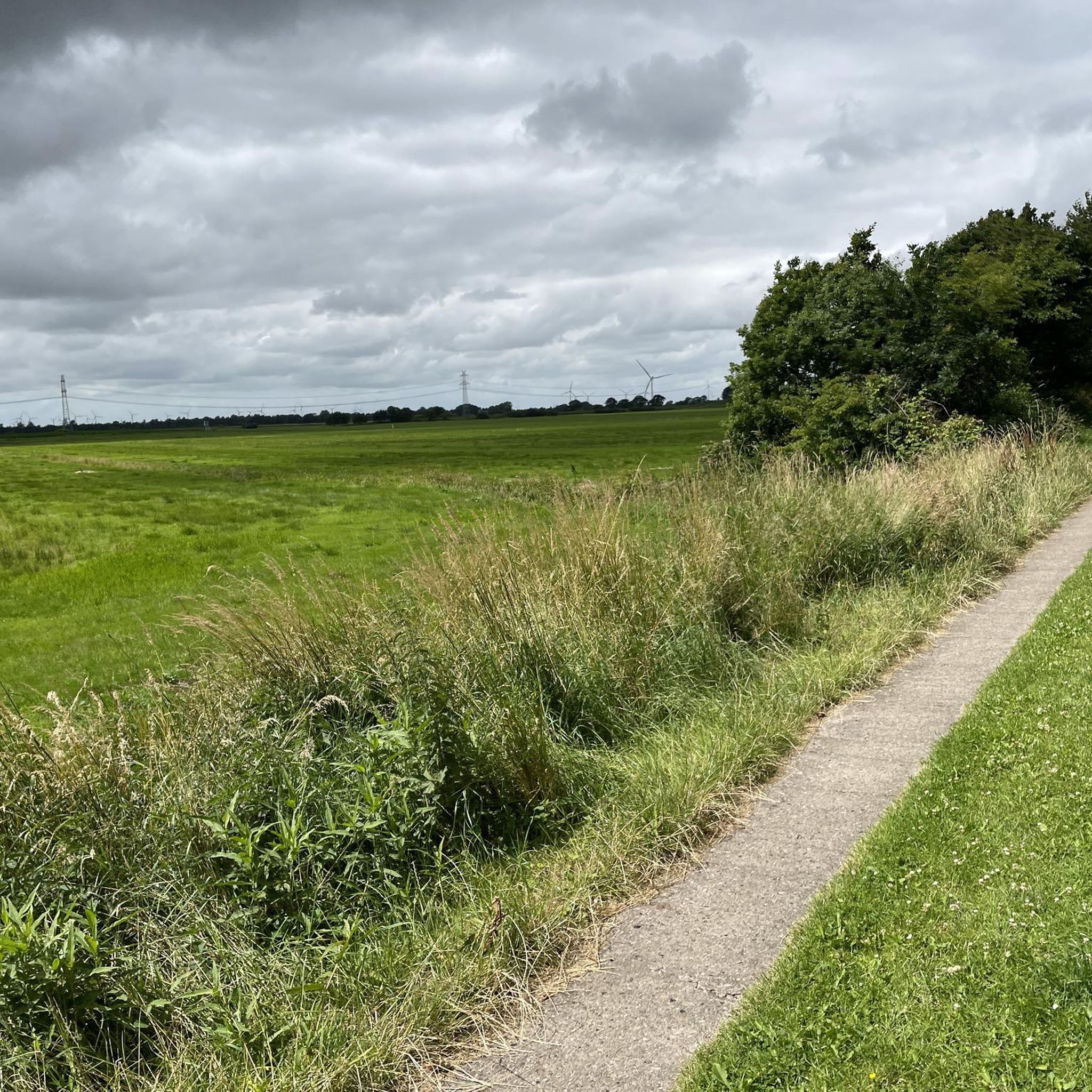
Today, the landscape is characterized by a mosaic of water areas used for sport fishing, between agricultural grassland areas. The area, which is crossed by a network of paths, also includes reed beds and fen-like wet meadows.
5
0
Since 1972, the moor in the valley of the upper Broklandsau northeast of Heide has been designated a protected area covering an area of 283 hectares.
5
0
After the Second World War, peat was mined here on a large scale to a depth of six metres. This is how the peat pits, which are today's water surfaces, were created.
5
0
As the North Sea rose after the last ice age, the groundwater level began to rise, which led to the formation of peatlands, which was accelerated by the region's basin-like valley location. A huge raised bog was created.
6
1
Frequently Asked Questions
What natural attractions can I explore around Wesseln?
The region around Wesseln offers several natural highlights. You can visit the Moor pools in the Ostroher-Süderholmer Moor, which were formed from peat mining and now feature a mosaic of water and grassland. Additionally, the area is close to the Wadden Sea National Park, a UNESCO World Heritage Site, ideal for mudflat hiking and cycling on the dykes.
Are there historical sites to visit near Wesseln?
Yes, Wesseln and its surroundings are rich in history. Notable sites include St. Bartholomew’s Church in Wesselburen, built on ancient marshland ridges, and St. Nicholas' Church in Wöhrden, a beautiful Baroque church with a monumental pulpit altar. The Battlefield of Hemmingstedt is also a significant national monument commemorating a local historical event.
What cultural experiences are available in the Wesseln area?
Beyond historical churches, you can experience the vibrant Heide Market Square, Germany's largest undeveloped market square, which has hosted a traditional weekly market for over 500 years. For art enthusiasts, the Museum "Kunst der Westküste" in Alkersum offers cultural insights. The region also hosts annual events like the Watt Olé Festival and the Störlauf folk festival.
What outdoor activities, like hiking or cycling, can I do near Wesseln?
The Dithmarschen region around Wesseln is excellent for outdoor activities. You can find numerous routes for cycling and hiking. For example, explore the scenic landscapes on routes like the 'Hebbel Museum – St. Bartholomäus Church loop' for cycling or the 'Forest Shelter and Picnic Area – Beautiful Forest Path loop' for hiking. You can find more detailed routes and guides for hiking and cycling around Wesseln.
Is the Wadden Sea National Park accessible from Wesseln?
Yes, Wesseln is situated in the Dithmarschen region, which borders the Wadden Sea National Park. This UNESCO World Heritage Site is easily accessible and offers unique opportunities for outdoor activities such as cycling on the dykes, guided mudflat hikes, and boat trips to seal banks. It's a prime location for experiencing the unique coastal ecosystem.
What is the best time of year to visit Wesseln for outdoor activities?
The best time to visit Wesseln for outdoor activities is generally from spring to early autumn (April to October). During these months, the weather is milder and more suitable for cycling, hiking, and exploring the natural landscapes like the moor pools and the Wadden Sea. Summer also brings cultural events and festivals.
Are there any unique historical landmarks besides churches?
Yes, beyond the prominent churches, the region features other significant historical landmarks. The Battlefield of Hemmingstedt is a national monument marking a pivotal historical event. Additionally, the historic Wesselburen Castle and the distinctive Westerheversand Lighthouse are notable sites that offer a glimpse into the area's past.
Can I find easy walking routes suitable for all abilities around Wesseln?
Yes, the area around Wesseln offers various easy walking routes. Many paths through the rolling hills and wide fields are suitable for leisurely strolls. The Heide Market Square is also wheelchair accessible, providing an easy-to-navigate historical site. For specific easy hiking routes, you can explore options like the 'Hiking Car Park – Heide Television Tower loop' or the 'Galgenberg Burial Mound loop' which are rated as easy.
What do visitors enjoy the most about Wesseln and its attractions?
Visitors particularly appreciate the blend of historical sites and natural beauty. The Moor pools in the Ostroher-Süderholmer Moor are highly popular for their unique landscape, while the historical churches like St. Nicholas' Church, Wöhrden, are admired for their architectural and artistic heritage. The community also enjoys the expansive Heide Market Square and the historical significance of the Battlefield of Hemmingstedt. The tranquil marshlands and opportunities for outdoor activities are also frequently highlighted.
Are there family-friendly attractions around Wesseln?
Many attractions around Wesseln are suitable for families. The Moor pools in the Ostroher-Süderholmer Moor offer a natural setting for exploration, and the Wadden Sea National Park provides opportunities for educational mudflat walks and seal-watching boat trips. Historical sites like St. Bartholomew’s Church and the Battlefield of Hemmingstedt can also be engaging for older children interested in history.
Are there options for road cycling near Wesseln?
Yes, the flat terrain of the Dithmarschen region is well-suited for road cycling. You can find various routes that take you through picturesque landscapes and along the dykes. Examples include the 'Old Harbor of Meldorf – Titenhub at Speicherkoog loop' or the 'Nordfeld Lock on the Eider – Broklandsau Pumping Station loop'. More road cycling routes are available in the Road Cycling Routes around Wesseln guide.
Can I find dog-friendly trails around Wesseln?
Many of the natural paths and outdoor areas around Wesseln are suitable for walks with dogs. The rolling hills, wide fields, and paths through the moor landscapes offer plenty of space for you and your canine companion to explore. Always remember to keep dogs on a leash where required, especially in nature reserves or near livestock.
Most popular attractions around Wesseln

Get inspired with the komoot mobile app


Explore more
Still not found the Highlight you’re looking for? See guides of the top attractions in other regions:
