The best road cycling routes in Olympic Experimental State Forest
34
riders
9
rides
Road cycling routes in Olympic Experimental State Forest traverse a dynamic landscape on the western Olympic Peninsula, characterized by diverse forests and rugged terrain. The region features old-growth characteristics with large, moss-draped trees and significant waterways, including numerous streams and rivers. Topography ranges from sea level to elevations up to 3,500 feet, offering varied gradients for road cyclists. This area functions as a working forest, blending natural beauty with sustainable forest management.
Best road cycling routes in Olympic Experimental State…
Last updated: October 12, 2026
1
riders
75.6km
03:49
840m
840m
Moderate road ride. Good fitness required. Mostly well-paved surfaces and easy to ride.
66.3km
03:38
610m
610m
Moderate road ride. Good fitness required. Mostly well-paved surfaces and easy to ride.

7
riders
86.8km
03:51
490m
490m
Moderate road ride. Good fitness required. Some segments of this route may be unpaved and difficult to ride.
10
riders
47.7km
01:59
210m
210m
Moderate road ride. Great for any fitness level. Some segments of this route may be unpaved and difficult to ride.
16
riders
68.2km
02:57
600m
600m
Moderate road ride. Good fitness required. Mostly well-paved surfaces and easy to ride.
Get access to more routes and recommendations from other explorers.
Already have an account?
Our route recommendations are based on thousands of hikes, rides, and runs completed by other people on komoot.
Start today with a free account
Your next adventure awaits.
Popular around Olympic Experimental State Forest
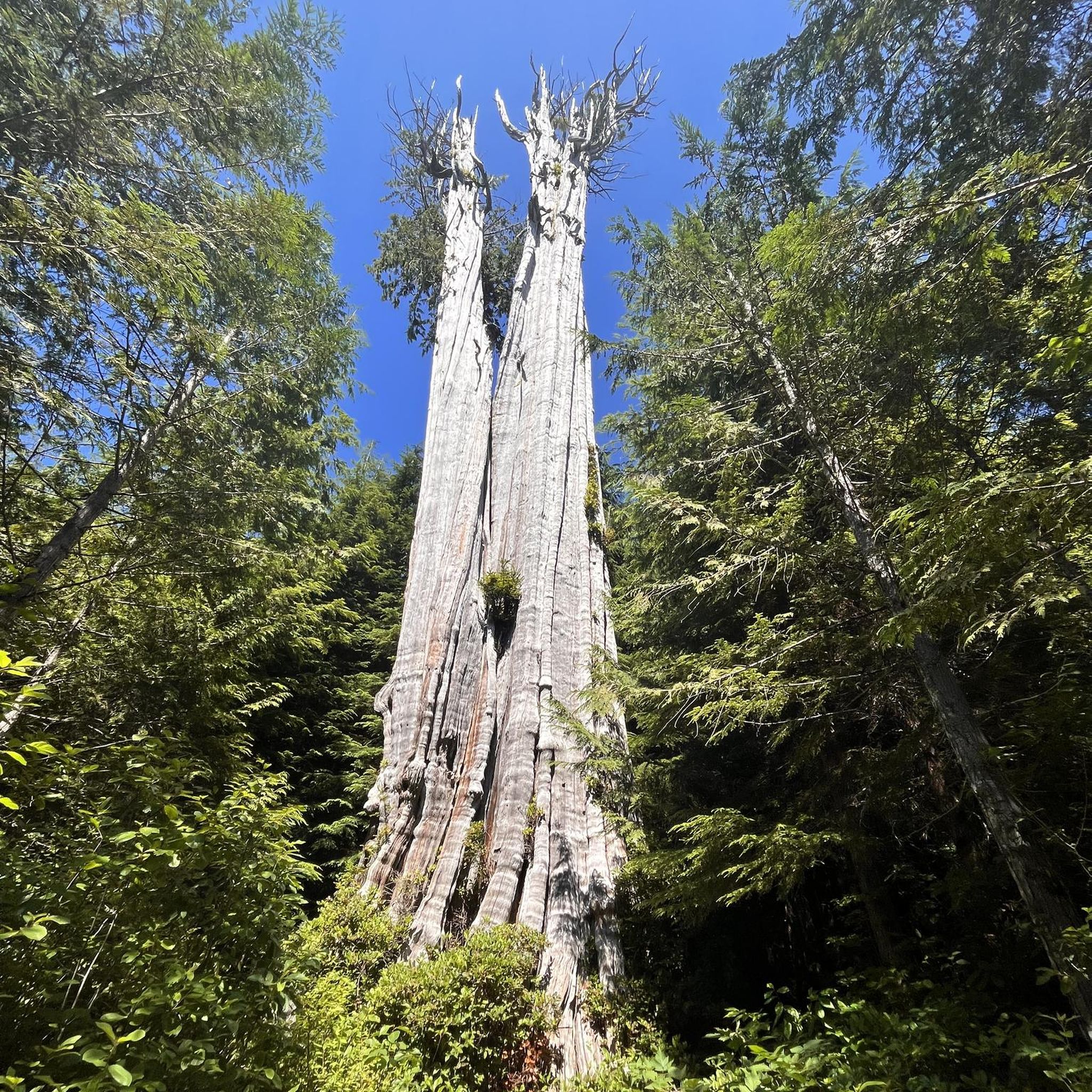
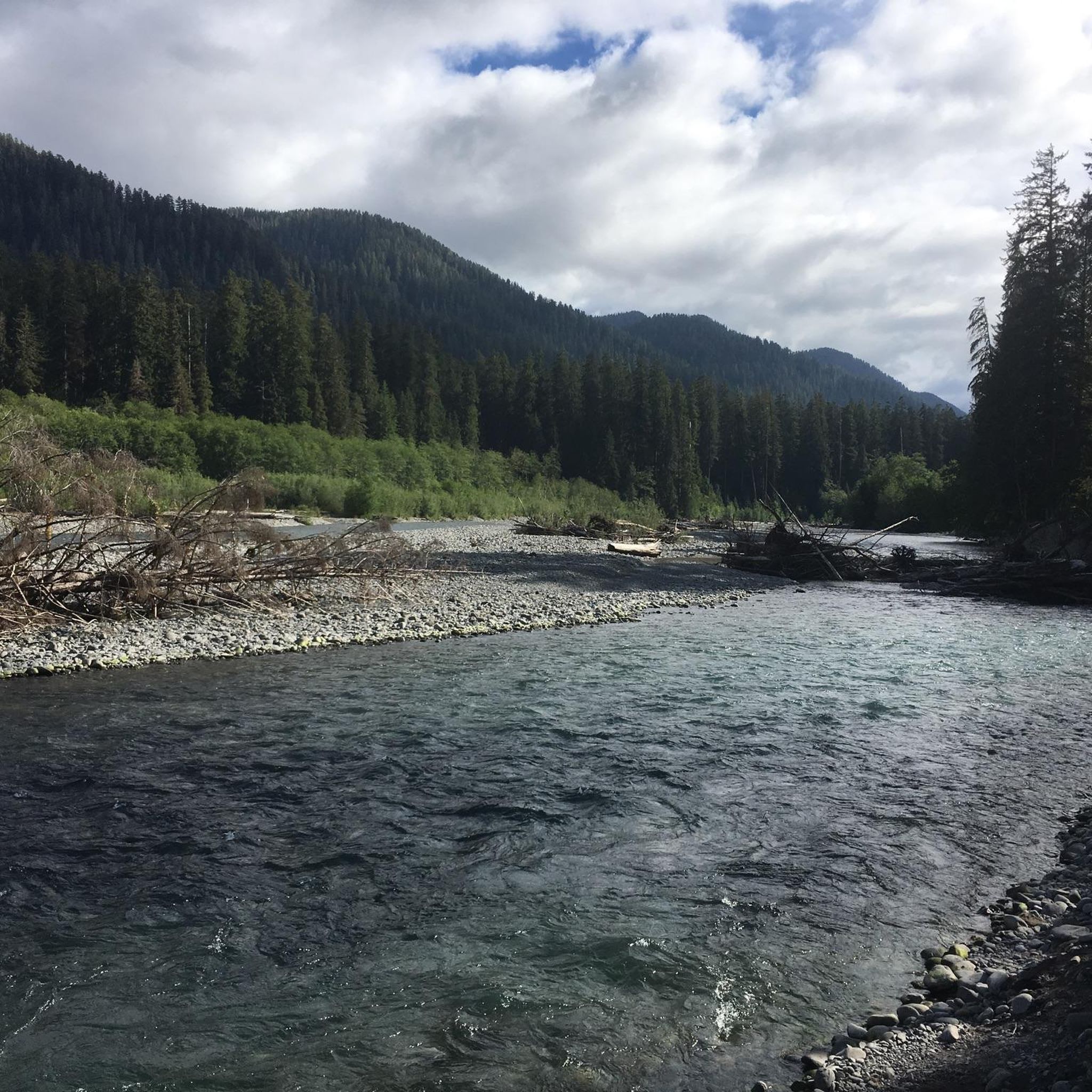
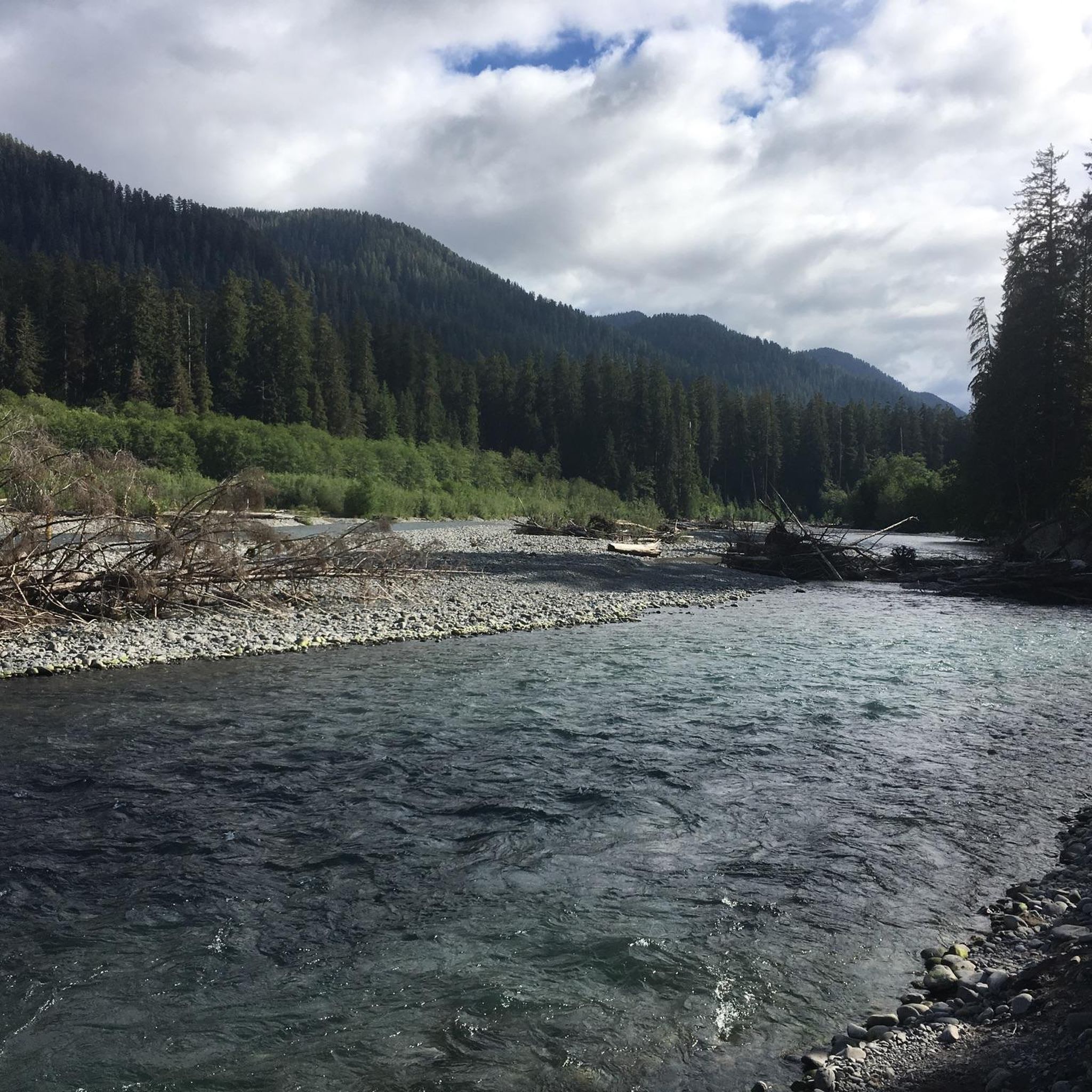
Tips from the Community

The western stretch of the Olympic Discovery Trail crosses over and follows the Sol Duc River (Quileute for sparkling waters) for many miles. Rising in the Olympic Mountains and flowing west for 78 miles, the Sol Duc joins the Bogachiel River and forms the Quillayute River which carries the water a final 4 miles to the Pacific.
0
0

The Sol Duc Hotsprings Road is a paved road that takes you into Olympic National Park. It is a two lane road through rolling hills, that does not have a shoulder: however, there is usually not much traffic and the speed limit is 25mph.
0
0
The western stretch of the Olympic Discovery Trail crosses over and follows the Sol Duc River (Quileute for sparkling waters) for many miles. Rising in the Olympic Mountains and flowing west for 78 miles, the Sol Duc joins the Bogachiel River and forms the Quillayute River which carries the water a final 4 miles to the Pacific.
0
0

At this point, the road crosses the Bogachiel River, which finds its source in the vicinity of Bogachiel Peak. It makes its way westward through the rugged terrain of Olympic National Park. Upon leaving the park, it merges with the Sol Duc River, giving rise to the Quillayute River, which eventually meets the Pacific Ocean
0
0
Ruby Beach, within Olympic National Park, is a coastal gem known for its dramatic sea stacks and stunning ocean views. The name 'Ruby Beach' is derived from the presence of red minerals in the sand, specifically 'almandite,' a type of garnet.
0
0
Here, you will cross a bridge over the Calawah River. This river flows through a pristine, unpopulated section of the low foothills of the Olympic Mountains. The name "Calawah" is rooted in the Quileute language, meaning "in between" or "middle river," evoking the sense of being in a place that connects the natural beauty of the area.
0
0
Lake Pleasant, nestled in scenic Clallam County offers year-round fishing opportunities, making it a favorite spot for anglers. Here, you can try your luck at catching a variety of fish, including rainbow trout, kokanee, catfish, and even witness the mesmerizing salmon spawning in the lake each year.
0
0
A picturesque town along the west side of Clallam Bay and the Strait of Juan de Fuca. Its history dates back to the mid-19th century when settlers arrived, initially attempting to establish a salmon cannery. Nowadays, Sekiu is a charming and small community that comes life in the summer, welcoming visitors for fantastic fishing, kayaking, birdwatching, and diving adventures.
0
0
Frequently Asked Questions
How many road cycling routes are available in Olympic Experimental State Forest?
There are over 8 road cycling routes documented in the Olympic Experimental State Forest, offering a range of experiences from moderate to difficult. These routes traverse diverse forests and rugged terrain, characteristic of the western Olympic Peninsula.
What is the best time of year for road cycling in the Olympic Experimental State Forest?
The Olympic Experimental State Forest experiences substantial annual rainfall, averaging around 140 inches. While cycling is possible year-round, the drier months, typically late spring through early fall, offer the most comfortable conditions. Be prepared for varied weather, as the region's climate is influenced by the Pacific Ocean.
Are there any challenging road cycling routes in the Olympic Experimental State Forest?
Yes, the region offers routes with significant elevation gain. For instance, the Calawah River Bridge – Sol Duc River loop from Snider Peak is a difficult 75.1-mile trail with over 3,000 feet of climbing, leading through varied forest landscapes.
Are there any family-friendly road cycling options in the Olympic Experimental State Forest?
While the Olympic Experimental State Forest is known for its rugged terrain and working forest environment, some routes might be suitable for families with older, experienced riders. For generally easier, paved options, nearby areas like sections of the Olympic Discovery Trail or routes around Lake Crescent on the broader Olympic Peninsula might be more suitable for a family outing.
What kind of terrain can I expect on road cycling routes in the Olympic Experimental State Forest?
Road cycling in the Olympic Experimental State Forest features diverse forests, significant waterways, and varied topography. You'll encounter routes ranging from sea level to elevations up to 3,500 feet, meaning varied gradients and surfaces. While some routes are paved, the area is also well-regarded for its gravel cycling opportunities on forest service roads, so be prepared for mixed conditions.
Are there any scenic viewpoints or landmarks along the road cycling routes?
The Olympic Experimental State Forest itself is a 'living laboratory' with unique old-growth characteristics, moss-draped trees, and vital waterways. While specific viewpoints directly on the listed road cycling routes aren't detailed, the entire forest offers natural beauty. Nearby, the Kloshe Nanitch Lookout trail (a hiking trail) offers potential views of Mount Olympus and Lake Crescent on clear days, suggesting the region is rich in scenic potential.
Where can I find parking for road cycling access points in the Olympic Experimental State Forest?
Specific parking details for each route vary. Generally, access points to forest service roads and trailheads within the Olympic Experimental State Forest may offer parking. For routes like Calawah River Bridge – Rialto Beach loop from UW Forks ONRC, you might find parking near the University of Washington's Forks Olympic Natural Resources Center (ONRC) or other designated areas in nearby towns like Forks.
Are permits required for road cycling in the Olympic Experimental State Forest?
The Olympic Experimental State Forest is managed by the Washington State Department of Natural Resources (DNR). Generally, permits are not required for recreational road cycling on public roads within the OESF. However, it's always advisable to check the official DNR website for any specific regulations or temporary closures, especially if you plan to venture onto less-trafficked forest service roads. You can find more information on the DNR's OESF page: wa.gov.
What do other road cyclists enjoy most about road cycling in Olympic Experimental State Forest?
Road cyclists often appreciate the dynamic landscape, characterized by diverse forests and rugged terrain. The opportunity to ride through areas with old-growth characteristics, featuring large, moss-draped trees, and along significant waterways, provides a unique and immersive experience. The varied topography also offers engaging challenges for those seeking elevation gain.
Are there any road cycling routes that offer a coastal experience?
Yes, some routes provide access to coastal areas. For example, the Ruby Beach to Anderson Homestead Wildlife Area route offers a 42.4-mile ride with over 1,980 feet of climbing, allowing you to experience the transition from forest to the Pacific coastline.
Can I find loop routes for road cycling in the Olympic Experimental State Forest?
Yes, loop routes are available. The Sekiu to Ozette Lake via Ozette River Road is a popular 41.2-mile loop that takes you through varied terrain, offering a comprehensive experience of the region's natural beauty.
Are there any routes that pass by hot springs?
Yes, the Sol Duc Hotsprings Road is a moderate 46.9-mile route that includes over 2,750 feet of climbing through forested areas, leading towards the popular Sol Duc Hot Springs, a great destination for relaxation after a ride.

Get inspired with the komoot mobile app


Explore more
Browse the best Road cycling routes in other regions.
