The best walks and hikes around Loch Druidibeg
4.6
(28)
172
hikers
10
hikes
Hikes around Loch Druidibeg explore a National Nature Reserve in South Uist, characterized by a large freshwater loch. The landscape is a mix of coastal machair habitat, heather moorlands, and small patches of woodland. The terrain is generally low-lying with minimal elevation gain, though some paths can be boggy and require suitable footwear.
Best hiking trails around Loch Druidibeg
- The most popular hiking route is Loch Druidibeg Nature Reserve – Loch Druidibeag loop from Howmore, a 8.9 mile (14.4 km) trail that takes around 3 hours 40 minutes to complete. This route provides an extensive exploration of the reserve's varied landscape.
- Another top favourite among local hiking enthusiasts is Loch Druidibeg Nature Reserve – Loch Druidibeag loop from Stilligarry, a moderate 6.5 mile (10.5 km) path. The trail circles the freshwater loch, offering opportunities for wildlife spotting.
- Local hiking enthusiasts also love the Howmore Beach – Loch Stilligarry loop from Howmore, a 3.9 mile (6.2 km) trail leading through coastal grasslands, often completed in about 1 hour 35 minutes.
- Hiking around Loch Druidibeg is defined by flat machair grasslands, boggy moorland paths, and routes along the loch shore. The trail network offers a selection of easy and moderate routes suitable for different abilities.
- The routes in Loch Druidibeg are highly rated by the komoot community with an average score of 4.75 stars from more than 20 reviews. More than 150 hikers have used komoot to explore Loch Druidibeg's varied terrain.
Last updated: June 25, 2026
4.6
(9)
49
hikers
14.4km
03:39
40m
40m
Moderate hike. Good fitness required. Easily-accessible paths. Suitable for all skill levels.
4.3
(7)
41
hikers
10.5km
02:41
30m
30m
Moderate hike. Good fitness required. Easily-accessible paths. Suitable for all skill levels.

Sign up for free
5.0
(1)
3
hikers
6.24km
01:35
10m
10m
Easy hike. Great for any fitness level. Easily-accessible paths. Suitable for all skill levels.
5
hikers
3.49km
00:53
10m
10m
Easy hike. Great for any fitness level. Easily-accessible paths. Suitable for all skill levels.
6
hikers
2.39km
00:39
30m
30m
Easy hike. Great for any fitness level. Easily-accessible paths. Suitable for all skill levels.
Get access to more routes and recommendations from other explorers.
Sign up for free
Already have an account?
Our route recommendations are based on thousands of hikes, rides, and runs completed by other people on komoot.
Start today with a free account
Your next adventure awaits.
Login or Signup
Popular around Loch Druidibeg
Tips from the Community

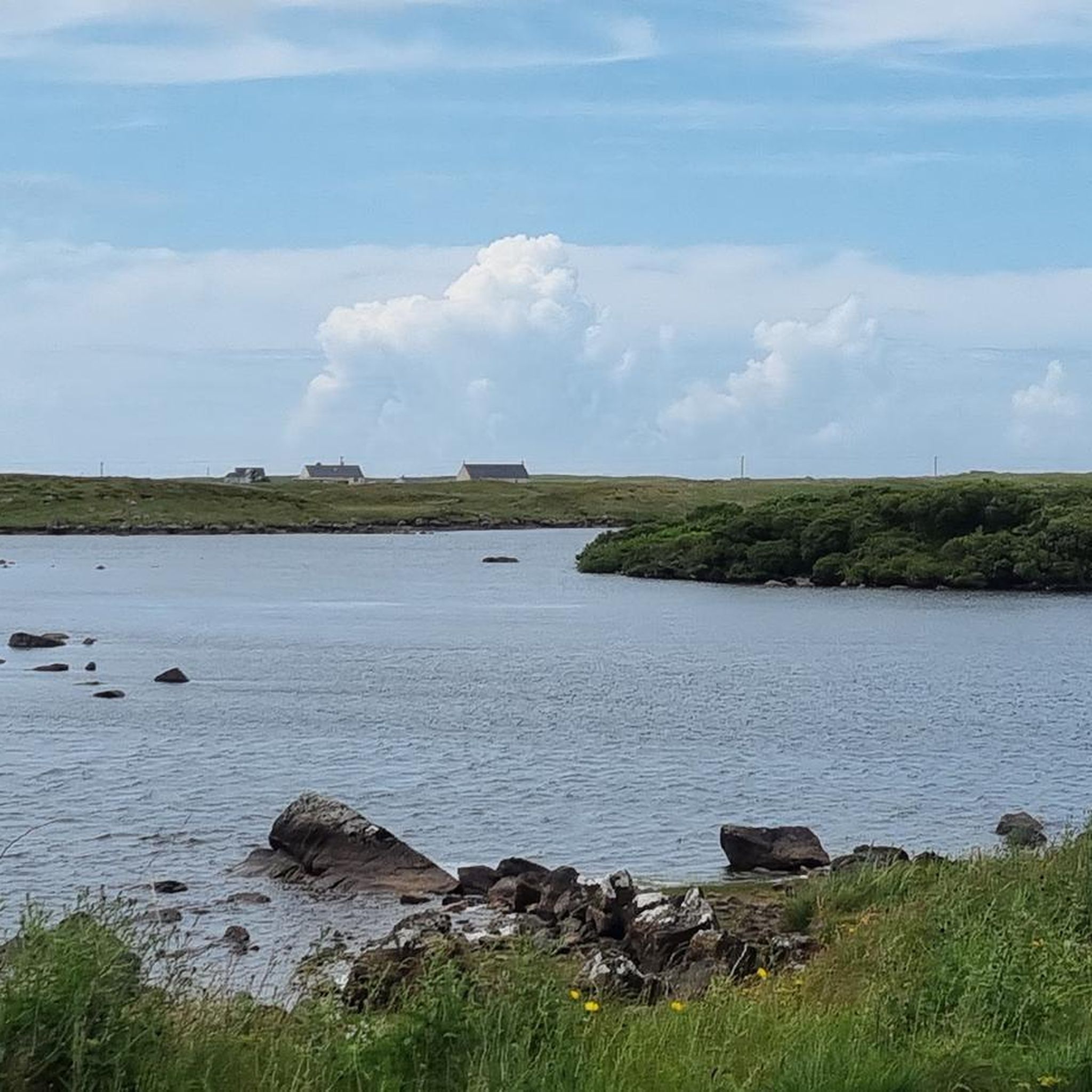
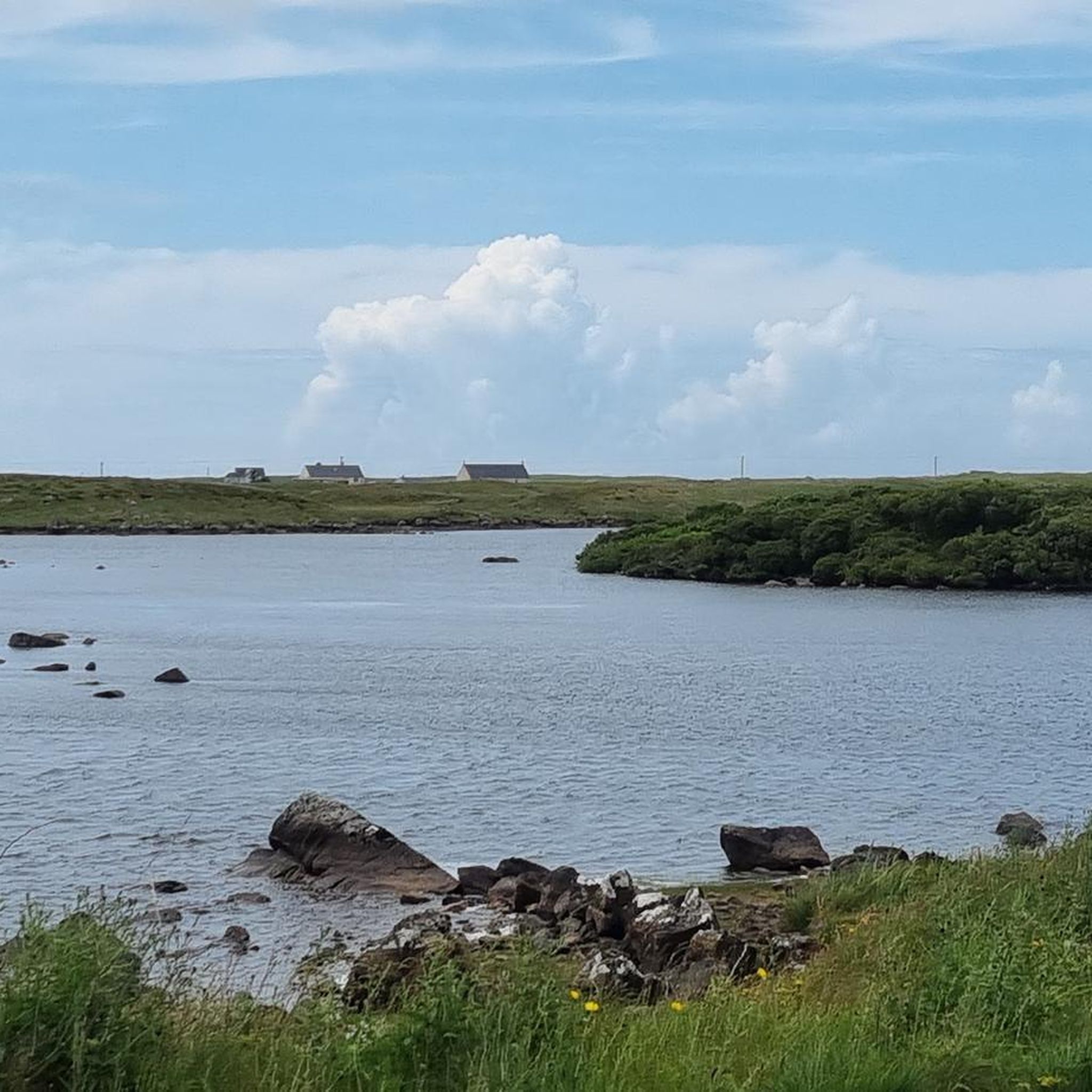
This beautiful nature reserve's moorland contrasts starkly with the vibrant machair found elsewhere on South Uist. The reserve is home to a variety of ground nesting bird species, including hen harriers, skylarks and merlins. You might also spot a few wild ponies on your travels and, if you're really lucky, a sea eagle or two. There are also lovely views towards Beinn Mhòr, Hacla and Beinn Tairbert.
0
0

Caisteal Bheagram was a Clanranald stronghold until the 17th century. The castle was accessed via a now-submerged causeway. It is believed to have been built on the site of an Iron Age settlement.
3
0

A tranquil place to stop for a picnic if the weather is fine
0
0

Howmore Beach is a beautiful white sand beach on the Isle of South Uist in the Outer Hebrides of Scotland. It is part of a long stretch of beach and machair (grassland) that runs along the west coast of the island. Machair is a habitat rich in wildlife and wildflowers, especially in the summer months. Howmore Beach is also near the village of Howmore, where you can see some traditional thatched cottages and ancient chapels.
0
0

Beautiful ruins neighbouring Wizard Pools and overlooking the sensational Caolos Mor.
0
0
Ruined dwelling in a picturesque spot above Caolas Mor.
1
0
Loch Stilligarry is yet another glorious loch located on the Scottish island of South Uist. The loch is one of the more popular of the island, known for its fantastic fishing opportunities as well as its plentiful bird sightings.
0
0
Loch Druidibeah is located in the scenic South Uist region of Scotland. With its remote location, vibrant bird and wildlife and tranquil atmosphere, it's the ideal place to enjoy the natural wonders of Scotland.
0
0
Frequently Asked Questions
Where can I park to access the Loch Druidibeg trails?
There is a designated Loch Druidibeg parking area off the B890. Be aware that the access road is a single track and can be quite rough, so drive with care. From here, you can access several of the main trails into the nature reserve.
Are the hiking trails around Loch Druidibeg suitable for dogs?
Yes, dogs are generally welcome, but this is a National Nature Reserve with sensitive wildlife, including ground-nesting birds and livestock.
It is critical to keep your dog under very close control at all times, and on a lead, especially between April and August during the bird breeding season. Also be mindful of any grazing livestock in the area.
What is the terrain like and do I need special footwear?
The terrain is very mixed. You'll encounter everything from flat machair grasslands and minor roads to boggy moorland and peatlands. Even on marked trails, paths can be waterlogged and rough. Waterproof hiking boots with good grip are strongly recommended, regardless of the season.
Are there any easy, family-friendly walks available?
Yes, the area offers several easier options. The Corncrake Information Sign – Howmore Beach loop from Howmore is a short 2.2-mile (3.5 km) walk that is mostly flat. The reserve also has three self-led nature trails—the Woodland Trail, Lowland Moor Trail, and Upland Moor Trail—which are designed to be accessible and informative.
What kind of wildlife can I expect to see on a hike?
Loch Druidibeg is a premier wildlife-watching destination. Birdwatchers can spot hen harriers, merlins, and short-eared owls. White-tailed eagles and golden eagles are often seen soaring over the hills. The loch itself is home to black-throated divers and wintering whooper swans. You might also spot red deer on the moorlands.
When is the best time of year to hike for wildlife spotting?
Spring and summer are fantastic for seeing breeding birds of prey like hen harriers and for the vibrant wildflowers on the machair. Autumn brings migrating birds, and winter offers a chance to see whooper swans on the loch. Eagles can be spotted year-round. For the best experience, an early morning or late evening hike is often most rewarding.
Can I reach the trailheads using public transport?
Bus services operate along the main roads of South Uist. You can get off near the turn-off for Loch Druidibeg, but you should expect a walk of a mile or more along the single-track road to reach the main parking area and trailheads. Be sure to check local bus timetables in advance as services can be infrequent.
Are there any circular walks available?
Yes, there are several excellent circular routes. For a comprehensive tour of the area, the Loch Druidibeg Nature Reserve – Loch Druidibeag loop from Howmore is a great option. It covers varied terrain over 8.9 miles (14.4 km), giving you a full experience of the reserve's landscape.
What do other hikers think of the trails around Loch Druidibeg?
The area is highly regarded by the komoot community, with an average rating of 4.75 stars. Hikers frequently praise the sense of wilderness, the stunning mix of coastal and moorland scenery, and the incredible opportunities for birdwatching.
Are there any trails that take in the coastline?
Absolutely. The Howmore Beach – Loch Stilligarry loop from Howmore is a wonderful 3.9-mile (6.2 km) walk that combines the beautiful white sands of the coast with the unique machair grasslands before heading inland towards the lochs.
What is the 'machair' I keep hearing about?
Machair is a rare and fertile, low-lying grassy plain found only on the exposed western coasts of Scotland and Ireland. In summer, it transforms into a vibrant carpet of wildflowers, including over 200 types of orchids. It's a unique habitat that supports a rich diversity of insects and birds.
Most popular attractions around Loch Druidibeg

Get inspired with the komoot mobile app


Explore more
Browse the best Hikes in other regions.
