Attractions and Places To See around Općina Bednja - Top 4
Attractions and places to see around Općina Bednja, located in northwestern Croatia, offer a blend of historical landmarks, natural beauty, and cultural heritage. The region features significant sites such as Trakošćan Castle and Lake Trakošćan, alongside the natural landscapes of Ravna Gora and the Bednja River. Visitors can explore well-preserved historical architecture, diverse forest parks, and traditional rural settings. The area provides opportunities for outdoor activities and a glimpse into local traditions.
Best attractions and places to see around Općina Bednja
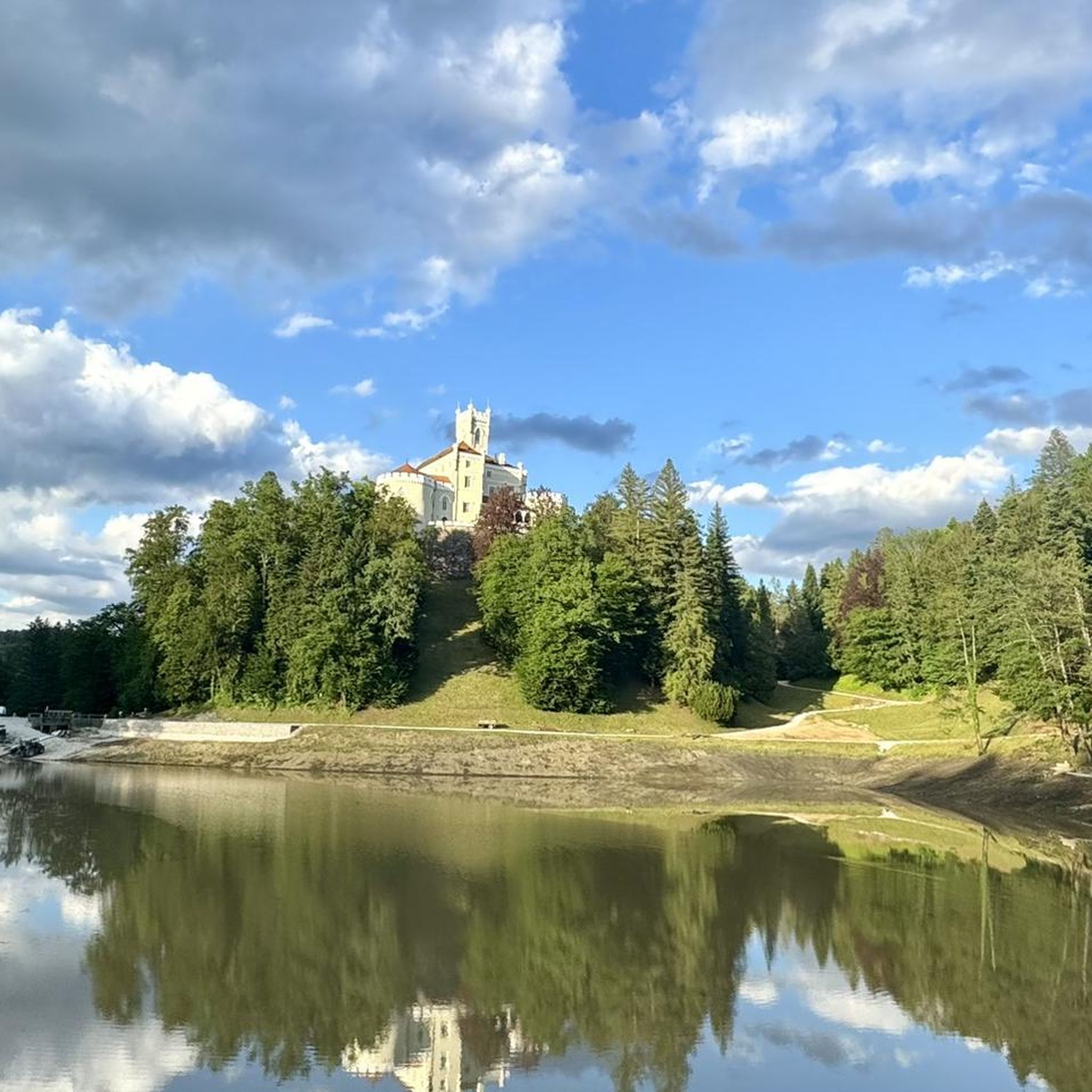
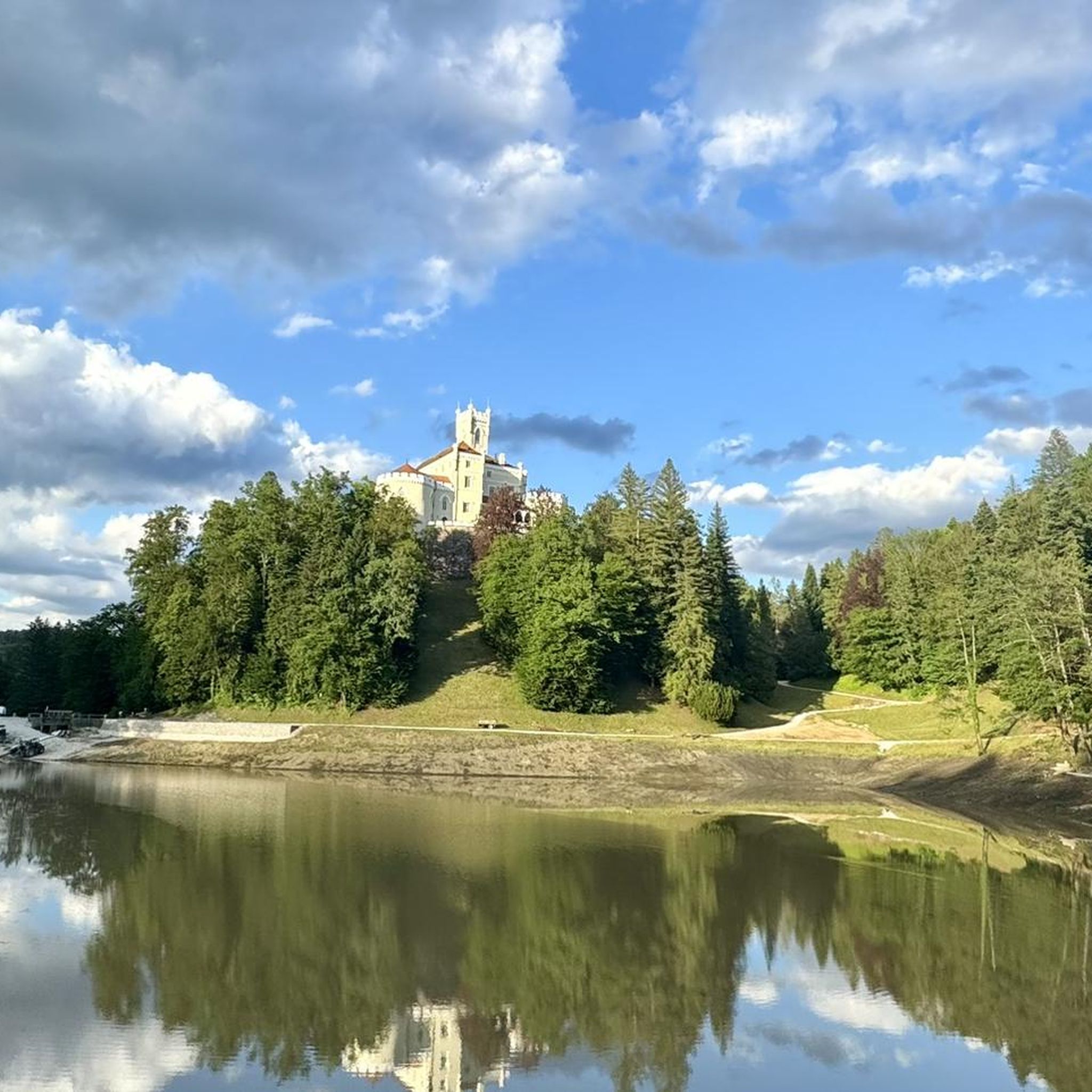
- The most popular attractions is Trakošćan Castle, a castle that boasts well-preserved architecture, housing valuable museum collections from the Renaissance to Historicism. It is protected as a historical entity, including the castle, park, and forest park with a lake.
- Another must-see spot is Churches of St. Augustine and St. Mary Magdalene on Auguštin Hill, a religious building located on Auguštin Hill, offering panoramic views and serving as a pilgrimage site. These two chapels are historical witnesses to the connection of two saints and the inseparable life of two nations.
- Visitors also love Historical Weapons and Armor Collection, a historical site that includes about 300 examples of weapons and protective equipment. These items span from the 15th to the early 20th century, showcasing historical armaments.
- Općina Bednja is known for its historical sites, natural landscapes, and cultural heritage. The region offers a variety of attractions to see and explore, from ancient castles to scenic lakes and mountain views.
- The attractions around Općina Bednja are appreciated by the komoot community. With 55 upvotes and 60 photos, these attractions are well-documented and enjoyed by visitors.
Last updated: July 1, 2026
Trakošćan Castle
Highlight • Castle
trakoscan.hr/index-en.html
Tip by

Churches of St. Augustine and St. Mary Magdalene on Auguštin Hill
Highlight • Religious Site
Pogled na kapelice na obzorju, kroz okrugla zelena, crvena i žuta stakalca prozora raskošne viteške dvorane dvorca Trakošćana oduvijek je bio predmet znatiželje posjetitelja dvorca pa tako i nas. Da bismo konačno saznali tko ih je, kada i zašto imao potrebu sagraditi, krenuli smo put sjevera, a putem do tih zanimljivih sakralnih građevina na samoj granici Hrvatske i Slovenije poveo nas je jedan od današnjih dobrih poznavatelja života u pograničnim naseljima Cvetlin i Jamno. Dvije kapelice vjekovni su svjedoci o povezanosti dvaju svetaca, ali i nerazdvojna života dvaju naroda jer s vrha Auguštinova brda pruža se pogled na široka obzorja pa čak ni granični kamen ovdje nikomu ne znači ni fizičku ni mentalnu barijeru.
Dvije kapelice na samu su vrhu brda. Kapelica posvećena svetoj Magdaleni nalazi se ispred, a ona svetom Augustinu, odnosno Jagoštinu, kako kažu u Cvetlinu, iza, pa se čini kao da Augustin svoju Magdalenu čuva i štiti držeći je u zagrljaju. U tome se može iščitati i simbolika jedinstvene povezanosti i dobrih međususjedskih odnosa jer iako su kapelice danas desetak metara dublje na slovenskoj strani svecima u pohode i danas rado dolaze i jednako ih i danas štuju žitelji s jedne i druge strane granice. A ovdje, na samu vrhu, označava je davno postavljen marijaterezijanski granični kamen na kojemu s jedne strane piše DMS (državna meja Slovenije), a s druge MRT, odnosno Marija Regina Terezija.
Granica se nikad nije osjećala
Danas su kapelice na jednoj od omiljenih planinarskih kota, a nalaze se i na hodočasničkom putu prema hrvatskim marijanskim svetištima u Lepoglavi, Loboru i Mariji Bistrici. Da zajedništva ne nedostaje, svjedoči i činjenica da se sveta misa uz blagdane svetaca obično služi na obama jezicima, a večer prije, zadnje nedjelje u kolovozu, održava se i veličanstvena procesija s bakljama koje se vide izdaleka. Iako granični kamen na obronku svjedoči o vremenu vladavine Habsburgovaca, ovdje se, kažu nam naši sugovornici, prava granica nikada nije osjećala. Nekad se do kapelica stizalo pješice put brda, a danas motorizirane posjetitelje donekle ometa nedaleki malogranični prijelaz na glavnoj cesti, gdje smo i mi morali pokazati osobnu iskaznicu.
„Tu se svake posljednje nedjelje u kolovozu održava veliko proštenje na koje dolaze i Hrvati i Slovenci, baš kao u vrijeme kada je čitavo to područje bilo u vlasništvu nekadašnjih grofova Draškovića“, kaže nam najbliži susjed i čuvar kapelica Janez Šmigoc.
„Dva proštenja uz dva blagdana oduvijek su bila prigoda za prijateljsko druženje uz kotlovinu, tamburaše i dobro vino pa ponekad bude i onih veselijih koji ostanu spavati po šumarcima, no nikada nije bilo sukoba ni tučnjava“, priča nam naš vodič, Mladen Jagarinec, administrativni tajnik u Općini Bednja i jedan od članova popularnoga bednjanskoga benda Kavaliri, inače čuvara tradicije tamburaške glazbe i bednjanskog jezika. Njegov je djed, a potvrdio nam je to i njegov slovenski susjed Janez Šmigoc, koji sa suprugom i dvoje djece izdvojen od sela živi na brdu Auguštinovu, nekad kupio dio zemljišta sa šumom koji se prostire od slovenske granice pa sve do sela pa se i danas granica njihova imanja podudara s državnom granicom i imanjem Šimigocovim i dvorištem dviju crkvi. Zbog toga je njegova priča o dvjema kapelicama tako pouzdana.
„Od župne crkve sv. Petra i Pavla u Cvetlinu do Brezove gore prijašnje komunikacije išle su drukčije, moglo se i s hrvatske strane doći do crkava, ali danas se ide zaobilazno kroz Sloveniju pa ta sela više ne komuniciraju na dnevnoj bazi. S asfaltiranim cestama sela su se otuđila i postala međusobno udaljenija, jer nitko više ne ide pješke“, govori nam naš vodič dok se automobilom penjemo do Auguštinova brda.
A Janez Šmigoc, današnji čuvar dviju crkava, koji je to poslanje naslijedio od predaka, pokazao nam je i pravo blago – autentičnu knjigu spomena, u kojoj su župnici ostavljali svoja sjećanja od 1916. do danas. Zapisani su u njoj, i to po godinama, najvažniji događaji vezani uz dvije kapelice: hodočašća, proštenja, vjenčanja i proslave obljetnica.
Sveci skrušenosti i pokajanja
O crkvama pronalazimo detalje u izvješću o vizitacijama crkve u Leskovcu iz 1756. Tu su kao njezine podružnice navedene sveta Magdalena i sveti Auguštin, a uz 1500. obljetnicu smrti svetoga Augustina Ognjeslav Škalec, župnik mjesne crkve, napisao je i posebnu knjižicu o sv. Auguštinu. U njoj ističe da su naši davni preci znali cijeniti prekrasan pogled s toga 506 metara visoka brijega te da su zato na tom mjestu izgradili čak dvije kapelice.
Gradili su ih domaći majstori koji nisu poznavali simetriju, a 1794, zabilježena na stropu kapelice sv. Auguština, smatra se godinom završetka radova. Za vrijeme Prvoga svjetskog rata odvezeni su oba bakrena pokrova kao i dva zvona, a za vrijeme drugoga i tri nova zvona.
Sveti Magdalena i Auguštin simboli su preobraćenja i pokajanja. Sveta Magdalena trebala je biti izgrađena malo niže na hrvatskoj strani, ali su Slovenci u noći srušili zidove jer su smatrali da mora biti sagrađena na najvišem mjestu tako da je svi vide jer je Magdalena bila grešnica, priča je koju nam pripovijeda Janez Šmigoc, a dvije crkve izgrađene su jedna do druge zbog toga što je to dvoje u mladosti vezivala zabranjena ljubav. Magdalena je Augustinu okrenula leđa i odlučila otići u samostan, a potom se zaredio i Augustin, koji je postao i biskupom. Zbog toga je crkva svete Magdalene smještena ispred crkve svetog Auguština.
Više je verzija priče i o gradnji crkve svete Magdalene na hrvatskoj strani. Na jednoj zaravni blizu vrha uistinu se i nalaze kameni zidovi kapelice koja je navodno trebala biti prva verzija crkve svete Magdalene. Janez Šmigoc međutim tvrdi da je to trebala biti crkva Majke Božje Gorske i da je gradnja prestala jer je jedna mještanka tamo donijela koš gnoja, da pognoji svoju njivu, a kako se Marija od tada više nije ukazala na tom brdu, prestala je i gradnja crkve. Znakovito je međutim da se do današnjih dana, kako navodi naš vodič, nije urušio ni komadić toga zida, pa kao da i ta crkva još čeka na svoje dovršenje.
Tip by

Sign up now to discover places like this
Get recommendations on the best single tracks, peaks, & plenty of other exciting outdoor places.
Sign up for free
Historical Weapons and Armor Collection
Highlight • Historical Site
Tip by

Start today with a free account
Your next adventure awaits.
Login or Signup
Tips from the Community

The collection of weapons includes about 300 examples of weapons and protective equipment or their parts, created in the period from the 15th to the beginning of the 20th century.
0
0

A must visit, there is no entrance fee to enter the balcony
0
0

https://www.matica.hr/vijenac/623/stoljetna-sloga-hrvata-i-slovenaca-27438/ Pogled na kapelice na obzorju, kroz okrugla zelena, crvena i žuta stakalca prozora raskošne viteške dvorane dvorca Trakošćana oduvijek je bio predmet znatiželje posjetitelja dvorca pa tako i nas. Da bismo konačno saznali tko ih je, kada i zašto imao potrebu sagraditi, krenuli smo put sjevera, a putem do tih zanimljivih sakralnih građevina na samoj granici Hrvatske i Slovenije poveo nas je jedan od današnjih dobrih poznavatelja života u pograničnim naseljima Cvetlin i Jamno. Dvije kapelice vjekovni su svjedoci o povezanosti dvaju svetaca, ali i nerazdvojna života dvaju naroda jer s vrha Auguštinova brda pruža se pogled na široka obzorja pa čak ni granični kamen ovdje nikomu ne znači ni fizičku ni mentalnu barijeru. Dvije kapelice na samu su vrhu brda. Kapelica posvećena svetoj Magdaleni nalazi se ispred, a ona svetom Augustinu, odnosno Jagoštinu, kako kažu u Cvetlinu, iza, pa se čini kao da Augustin svoju Magdalenu čuva i štiti držeći je u zagrljaju. U tome se može iščitati i simbolika jedinstvene povezanosti i dobrih međususjedskih odnosa jer iako su kapelice danas desetak metara dublje na slovenskoj strani svecima u pohode i danas rado dolaze i jednako ih i danas štuju žitelji s jedne i druge strane granice. A ovdje, na samu vrhu, označava je davno postavljen marijaterezijanski granični kamen na kojemu s jedne strane piše DMS (državna meja Slovenije), a s druge MRT, odnosno Marija Regina Terezija. Granica se nikad nije osjećala Danas su kapelice na jednoj od omiljenih planinarskih kota, a nalaze se i na hodočasničkom putu prema hrvatskim marijanskim svetištima u Lepoglavi, Loboru i Mariji Bistrici. Da zajedništva ne nedostaje, svjedoči i činjenica da se sveta misa uz blagdane svetaca obično služi na obama jezicima, a večer prije, zadnje nedjelje u kolovozu, održava se i veličanstvena procesija s bakljama koje se vide izdaleka. Iako granični kamen na obronku svjedoči o vremenu vladavine Habsburgovaca, ovdje se, kažu nam naši sugovornici, prava granica nikada nije osjećala. Nekad se do kapelica stizalo pješice put brda, a danas motorizirane posjetitelje donekle ometa nedaleki malogranični prijelaz na glavnoj cesti, gdje smo i mi morali pokazati osobnu iskaznicu. „Tu se svake posljednje nedjelje u kolovozu održava veliko proštenje na koje dolaze i Hrvati i Slovenci, baš kao u vrijeme kada je čitavo to područje bilo u vlasništvu nekadašnjih grofova Draškovića“, kaže nam najbliži susjed i čuvar kapelica Janez Šmigoc. „Dva proštenja uz dva blagdana oduvijek su bila prigoda za prijateljsko druženje uz kotlovinu, tamburaše i dobro vino pa ponekad bude i onih veselijih koji ostanu spavati po šumarcima, no nikada nije bilo sukoba ni tučnjava“, priča nam naš vodič, Mladen Jagarinec, administrativni tajnik u Općini Bednja i jedan od članova popularnoga bednjanskoga benda Kavaliri, inače čuvara tradicije tamburaške glazbe i bednjanskog jezika. Njegov je djed, a potvrdio nam je to i njegov slovenski susjed Janez Šmigoc, koji sa suprugom i dvoje djece izdvojen od sela živi na brdu Auguštinovu, nekad kupio dio zemljišta sa šumom koji se prostire od slovenske granice pa sve do sela pa se i danas granica njihova imanja podudara s državnom granicom i imanjem Šimigocovim i dvorištem dviju crkvi. Zbog toga je njegova priča o dvjema kapelicama tako pouzdana. „Od župne crkve sv. Petra i Pavla u Cvetlinu do Brezove gore prijašnje komunikacije išle su drukčije, moglo se i s hrvatske strane doći do crkava, ali danas se ide zaobilazno kroz Sloveniju pa ta sela više ne komuniciraju na dnevnoj bazi. S asfaltiranim cestama sela su se otuđila i postala međusobno udaljenija, jer nitko više ne ide pješke“, govori nam naš vodič dok se automobilom penjemo do Auguštinova brda. A Janez Šmigoc, današnji čuvar dviju crkava, koji je to poslanje naslijedio od predaka, pokazao nam je i pravo blago – autentičnu knjigu spomena, u kojoj su župnici ostavljali svoja sjećanja od 1916. do danas. Zapisani su u njoj, i to po godinama, najvažniji događaji vezani uz dvije kapelice: hodočašća, proštenja, vjenčanja i proslave obljetnica. Sveci skrušenosti i pokajanja O crkvama pronalazimo detalje u izvješću o vizitacijama crkve u Leskovcu iz 1756. Tu su kao njezine podružnice navedene sveta Magdalena i sveti Auguštin, a uz 1500. obljetnicu smrti svetoga Augustina Ognjeslav Škalec, župnik mjesne crkve, napisao je i posebnu knjižicu o sv. Auguštinu. U njoj ističe da su naši davni preci znali cijeniti prekrasan pogled s toga 506 metara visoka brijega te da su zato na tom mjestu izgradili čak dvije kapelice. Gradili su ih domaći majstori koji nisu poznavali simetriju, a 1794, zabilježena na stropu kapelice sv. Auguština, smatra se godinom završetka radova. Za vrijeme Prvoga svjetskog rata odvezeni su oba bakrena pokrova kao i dva zvona, a za vrijeme drugoga i tri nova zvona. Sveti Magdalena i Auguštin simboli su preobraćenja i pokajanja. Sveta Magdalena trebala je biti izgrađena malo niže na hrvatskoj strani, ali su Slovenci u noći srušili zidove jer su smatrali da mora biti sagrađena na najvišem mjestu tako da je svi vide jer je Magdalena bila grešnica, priča je koju nam pripovijeda Janez Šmigoc, a dvije crkve izgrađene su jedna do druge zbog toga što je to dvoje u mladosti vezivala zabranjena ljubav. Magdalena je Augustinu okrenula leđa i odlučila otići u samostan, a potom se zaredio i Augustin, koji je postao i biskupom. Zbog toga je crkva svete Magdalene smještena ispred crkve svetog Auguština. Više je verzija priče i o gradnji crkve svete Magdalene na hrvatskoj strani. Na jednoj zaravni blizu vrha uistinu se i nalaze kameni zidovi kapelice koja je navodno trebala biti prva verzija crkve svete Magdalene. Janez Šmigoc međutim tvrdi da je to trebala biti crkva Majke Božje Gorske i da je gradnja prestala jer je jedna mještanka tamo donijela koš gnoja, da pognoji svoju njivu, a kako se Marija od tada više nije ukazala na tom brdu, prestala je i gradnja crkve. Znakovito je međutim da se do današnjih dana, kako navodi naš vodič, nije urušio ni komadić toga zida, pa kao da i ta crkva još čeka na svoje dovršenje.
1
0

The roads from all directions are great Nice castle you can walk around the lake Weekend lots of motorcycles
0
0

Awesome place to visit. You haven't been here yet ? Pff ... what are you waiting for ????
0
0

The Trakošćan manor is a cultural asset, a protected historical ensemble consisting of a castle, buildings next to the castle, a park and a forest park with a lake. Today, the castle is one of the few buildings in Croatia with its own preserved material, historically closely related to the architectural framework and life of its owners. Much more: https://trakoscan.hr/
0
0

Castle Trakošćan's cultural heritage, is protected as a historical entity, which consists of the castle, the building next to the castle, park and forest park with a lake. Today the castle is one of the few facilities in Croatia with preserved its own constitution, historically closely related to the architectural framework and the life of its owners. https://www.trakoscan.hr/index-en.html
1
0

Trakošćan was built in the late 13th century as part of the defence fortification network of northwestern Croatia. It was a small fortress serving as an observation post overlooking the road from Ptuj towards the Bednja valley. Trakošćan was mentioned for the first time in 1334. The first known owners of Trakošćan were the Counts of Celjski, who also ruled over the entire Zagorje principality. During the 18th century the castel was largely neglected and in the first half of the 19th century the family again took interest in the castle, but now the castle reflected the spirit of the new age, a romantic return to nature and family traditions. At this time the castle was restored and turned into a residential dwelling modelled on German romantic castles. The same romantic features can be observed in the restored park and artificial lake. Members of family Drašković left the castle in 1944 and the castle was then nationalised. In 1953 museum was established with it’s permenant display. Museum is owned by Republic of Croatia. Since 1954, valuable preserved museum objects placed in the castle are available to visitors. The forest around the lake and the landscaped area of the park are protected and preserved parts of the once large estate of the Counts Drašković that form a historical and natural whole. The park-forest is rich in diverse flora and fauna. In the immediate vicinity of the castle is located the Holly Cross Chapel built by Counts Drašković in the mid- 18th century. The educational pathway around the Lake Trakošćan is known as the Faerie Path. The promenade is about five kilometers long and the sightseeing takes about two hours of slow walking. credits https://trakoscan.hr/
0
0
Frequently Asked Questions
What historical and cultural sites can I explore in Općina Bednja?
Općina Bednja is rich in history. You can visit the iconic Trakošćan Castle, a 13th-century fortress with well-preserved architecture and museum collections. Another significant site is the Churches of St. Augustine and St. Mary Magdalene on Auguštin Hill, a pilgrimage site offering panoramic views. Additionally, the Historical Weapons and Armor Collection showcases armaments from the 15th to the early 20th century. The region also has evidence of Neolithic and Bronze Age settlements.
What natural attractions are available for outdoor enthusiasts?
Nature lovers will enjoy Lake Trakošćan, an artificial lake perfect for strolls and pedal boating, surrounded by the beautiful Trakošćan Forest Park. The northernmost mountain of Hrvatsko Zagorje, Ravna Gora, offers panoramic views and is popular for hiking and paragliding. The Bednja River, the longest river with both its source and mouth within Croatia, also provides scenic spots.
Are there good hiking opportunities around Općina Bednja?
Yes, there are several hiking opportunities. Ravna Gora is popular for hiking, with marked trails and mountain lodges. The educational pathway around Lake Trakošćan, known as the Faerie Path, is about five kilometers long and offers a pleasant two-hour walk. For more options, you can explore various hiking routes around Općina Bednja, including moderate trails like the Kupčinji Vrh Trailhead loop.
What kind of activities are suitable for families with children?
Families can enjoy exploring Trakošćan Castle, which is considered family-friendly. The surrounding Lake Trakošćan offers pedal boating and easy walking paths through the forest park. The main settlement of Bednja itself provides a charming glimpse into traditional rural life, which can be an interesting experience for children.
What is the best time of year to visit Općina Bednja?
The region hosts various cultural events, festivals, and traditional manifestations throughout the year, so there's always something happening. For outdoor activities like hiking and exploring natural features, spring and autumn offer pleasant weather and beautiful scenery. Summer is ideal for enjoying the lake and forest park, while winter can transform the landscape into a picturesque, snowy setting.
Are there any cycling routes near the attractions?
Absolutely! Općina Bednja and its surroundings offer various cycling routes. You can find several road cycling routes, including loops around Trakošćan Castle. There are also general cycling tours, with options ranging from easy to difficult, allowing you to explore the scenic landscapes.
Where can I find local food and drinks in Općina Bednja?
The region offers a rich gastronomic experience. You'll find opportunities to enjoy authentic local dishes and specialties. Many local establishments also offer local wines and brandies, providing a taste of the traditional Croatian Zagorje cuisine.
What makes the Trakošćan area unique?
The Trakošćan area is unique due to its harmonious blend of historical and natural elements. Trakošćan Castle, an architectural gem, is surrounded by an artificial lake and the Trakošćan Forest Park. This park is a prime example of a 19th-century Romantic park, featuring a distinctive microclimate and unique vegetation inversion, where coniferous trees grow at lower altitudes near the lake and deciduous trees on higher slopes.
Can I find accommodation options in Općina Bednja or nearby?
While the guide focuses on attractions, Općina Bednja and its surrounding areas offer various accommodation options, including guesthouses and private rentals, allowing visitors to stay and explore the region at their leisure.
Are there any hidden gems or lesser-known spots worth visiting?
Beyond the main attractions, the main settlement of Bednja itself is a charming glimpse into traditional rural life with picturesque village houses. You can also seek out the Old Linden Trees in Bednja, believed to have been planted in 1779, offering a quiet historical spot. The Bednjansko-Oršuški landscape provides ample opportunities for exploring untouched nature away from the crowds.
What is the significance of Ravna Gora?
Ravna Gora is the northernmost mountain of Hrvatsko Zagorje, considered the last branch of the Alps. Its highest peak reaches 686 meters, providing breathtaking panoramic views, including a belvedere with a stunning vista of Trakošćan Castle. It's a popular spot for hiking, paragliding, and rock climbing, featuring two mountain lodges.
What is the Bednja River known for?
The Bednja River originates at the foot of Ravna Gora in the village of Bednjica. It holds the distinction of being the longest river with both its source and mouth within Croatia, flowing for 133 km. The river is also recognized for its diverse fish population, making it a point of interest for nature observation.

Get inspired with the komoot mobile app


Explore more
Still not found the Highlight you’re looking for? See guides of the top attractions in other regions:
