The best mountain hikes around Pag
5.0
(3)
29
hikers
5
hikes
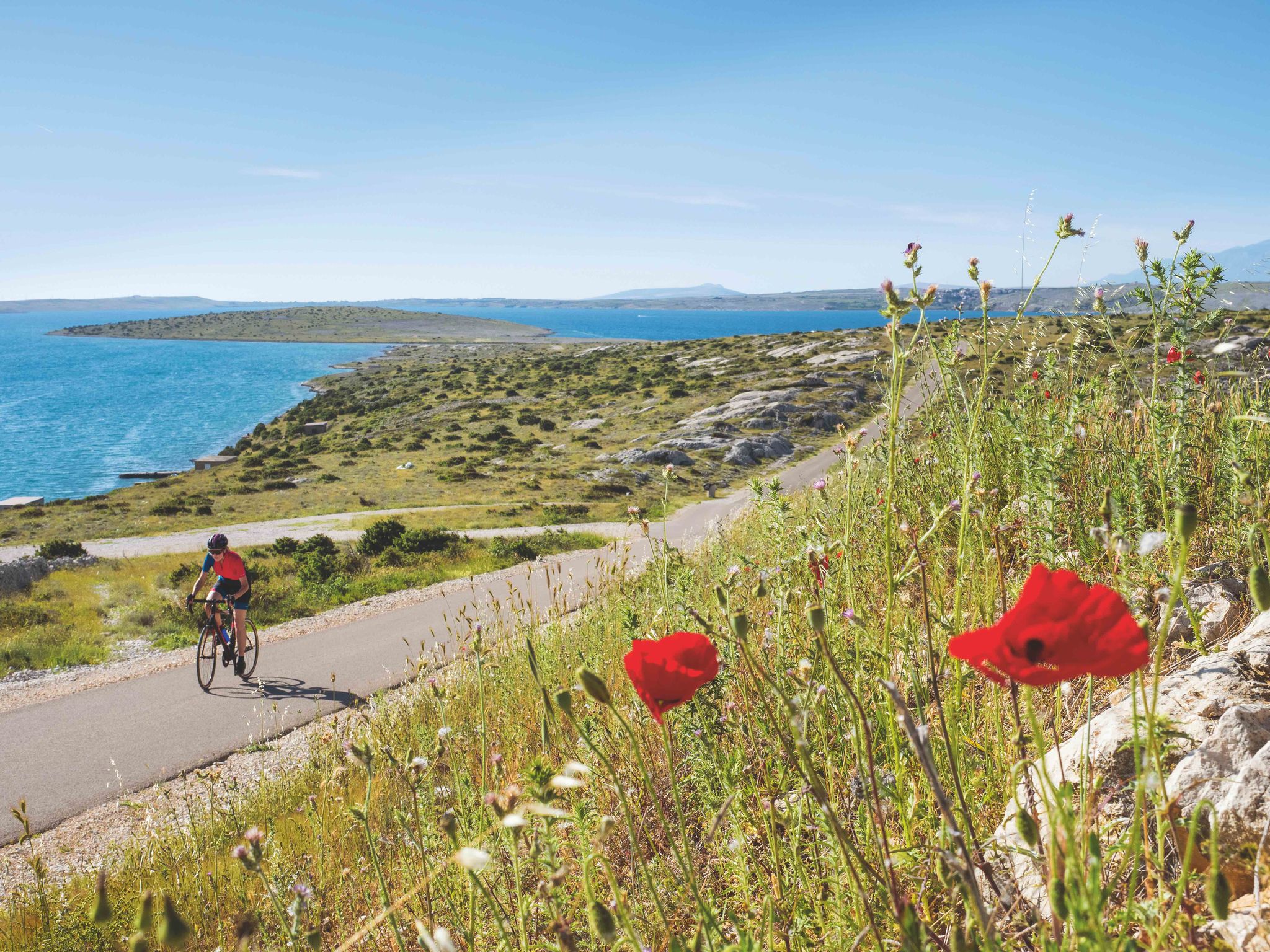
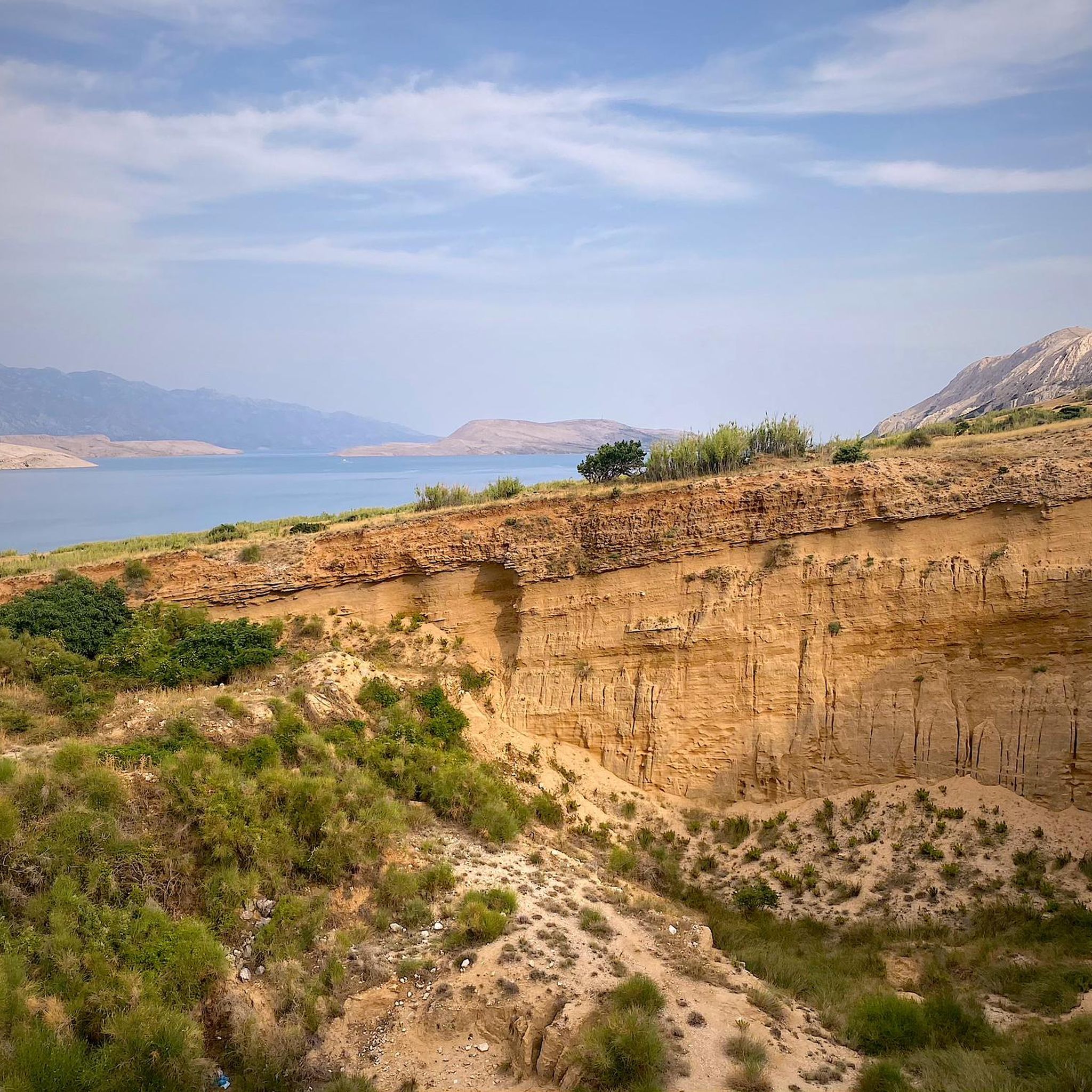
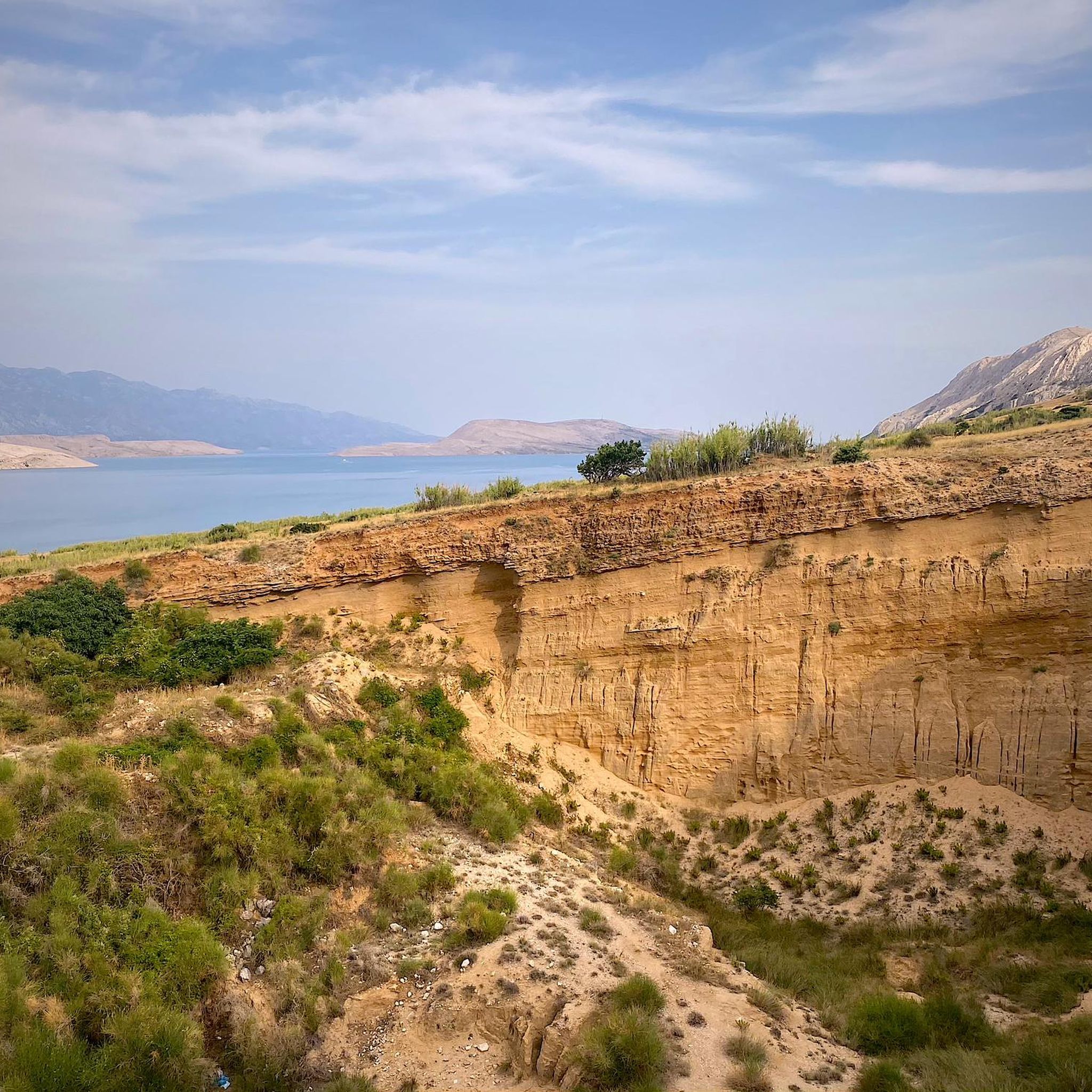
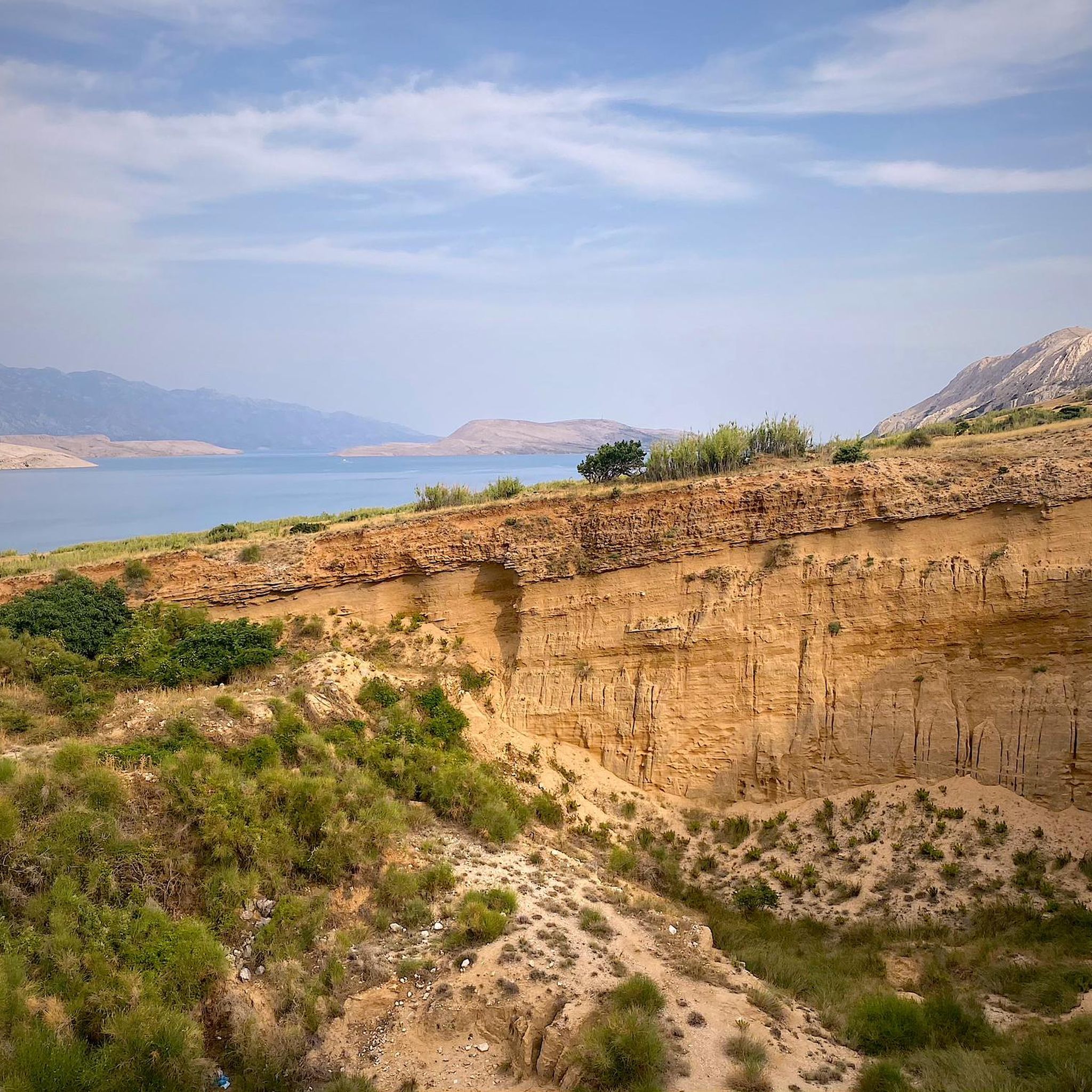
Mountaineering routes around Pag are characterized by the island's distinctive "lunar" karst landscape, featuring barren, rocky terrain and dramatic limestone formations. The island's highest point, Sveti Vid, offers panoramic views and challenging ascents. While much of the terrain is rugged and exposed, ancient olive groves in the north provide a contrasting, gentler environment for exploration. This diverse topography makes Pag a unique destination for mountaineers seeking varied experiences.
Best mountaineering routes around Pag
- The most popular mountaineering route is Beritnica Beach – Metajna Bay loop from Ustashe Concentration Camp, a 9.4 miles (15.2 km) trail that takes 4 hours 27 minutes to complete. This moderate route explores the unique coastal karst landscape and dramatic rock formations.
- Another top favourite among local mountaineers is Ljubičko Brdo loop from Konjsko, a difficult 9.5 miles (15.3 km) path. This route features challenging terrain with significant elevation gain, rewarding mountaineers with expansive views.
- Local mountaineers also love the Sveti Vid Peak (349 m) loop from Šimuni, a 3.8 miles (6.1 km) trail leading through the island's highest peak, Sveti Vid, often completed in about 2 hours 3 minutes.
- Mountaineering around Pag is defined by its distinctive "lunar" karst landscape, rocky coastal formations, and the island's highest peak, Sveti Vid. The network offers options for various ability levels, from moderate ascents to more challenging climbs.
- The routes in Pag are highly rated by the komoot community with an average score of 5.0 stars from a few reviews. More than two dozen mountaineers have used komoot to explore Pag's varied terrain.
Last updated: June 29, 2026
5.0
(2)
15
hikers
15.2km
04:28
380m
380m
Moderate mountaineering route. Good fitness required. Mostly accessible paths. Sure-footedness required.
5
hikers
15.3km
05:48
640m
640m
Hard mountaineering route. Very good fitness required. Sure-footedness, sturdy shoes and alpine experience required.

Sign up for free
5
hikers
6.13km
02:03
300m
300m
Moderate mountaineering route. Good fitness required. Easily-accessible paths. Suitable for all skill levels.
2
hikers
17.4km
07:47
950m
950m
Hard mountaineering route. Very good fitness required. Sure-footedness, sturdy shoes and alpine experience required.
5.0
(1)
2
hikers
9.54km
02:57
320m
320m
Moderate mountaineering route. Good fitness required. Mostly accessible paths. Sure-footedness required.
Our route recommendations are based on thousands of hikes, rides, and runs completed by other people on komoot.
Start today with a free account
Your next adventure awaits.
Login or Signup
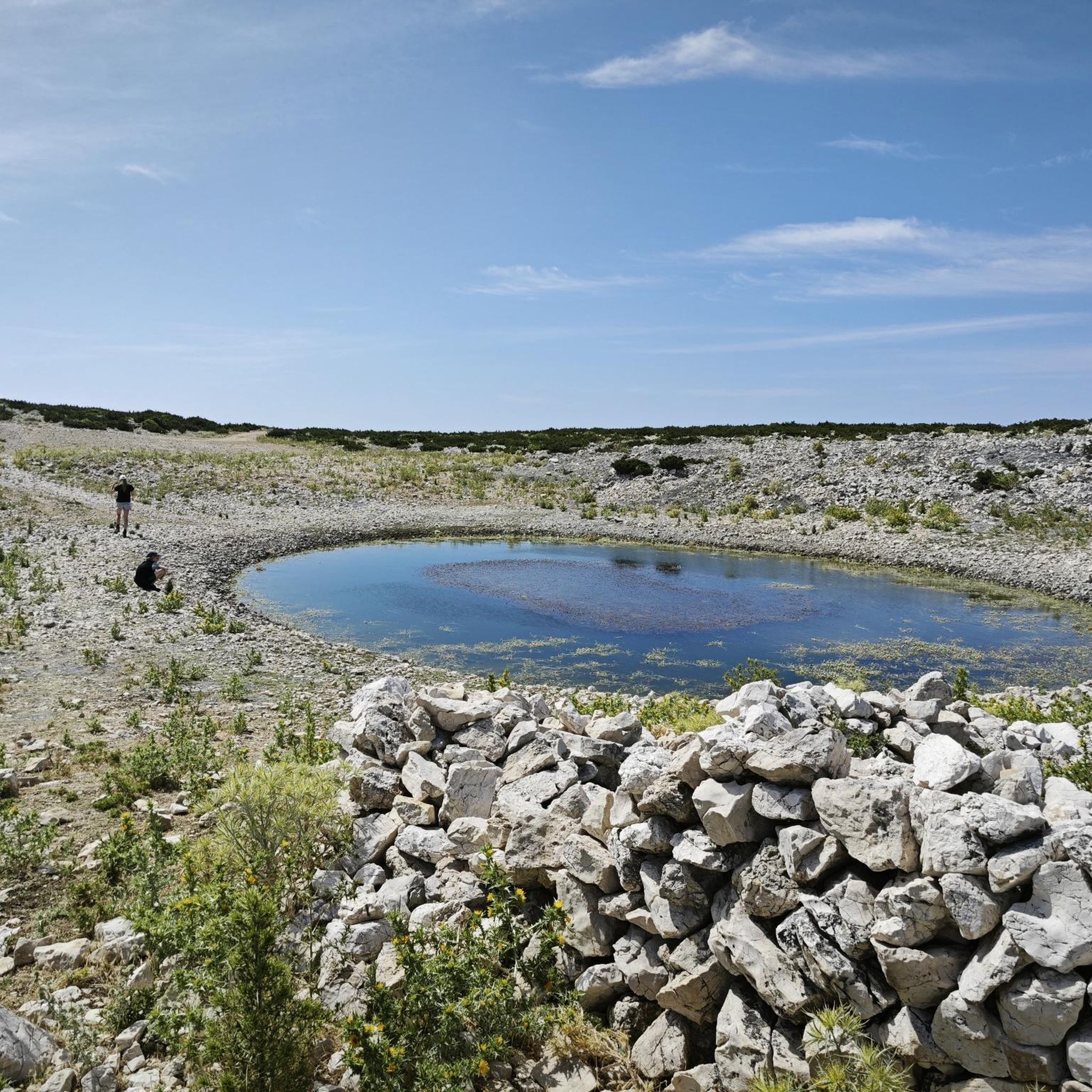
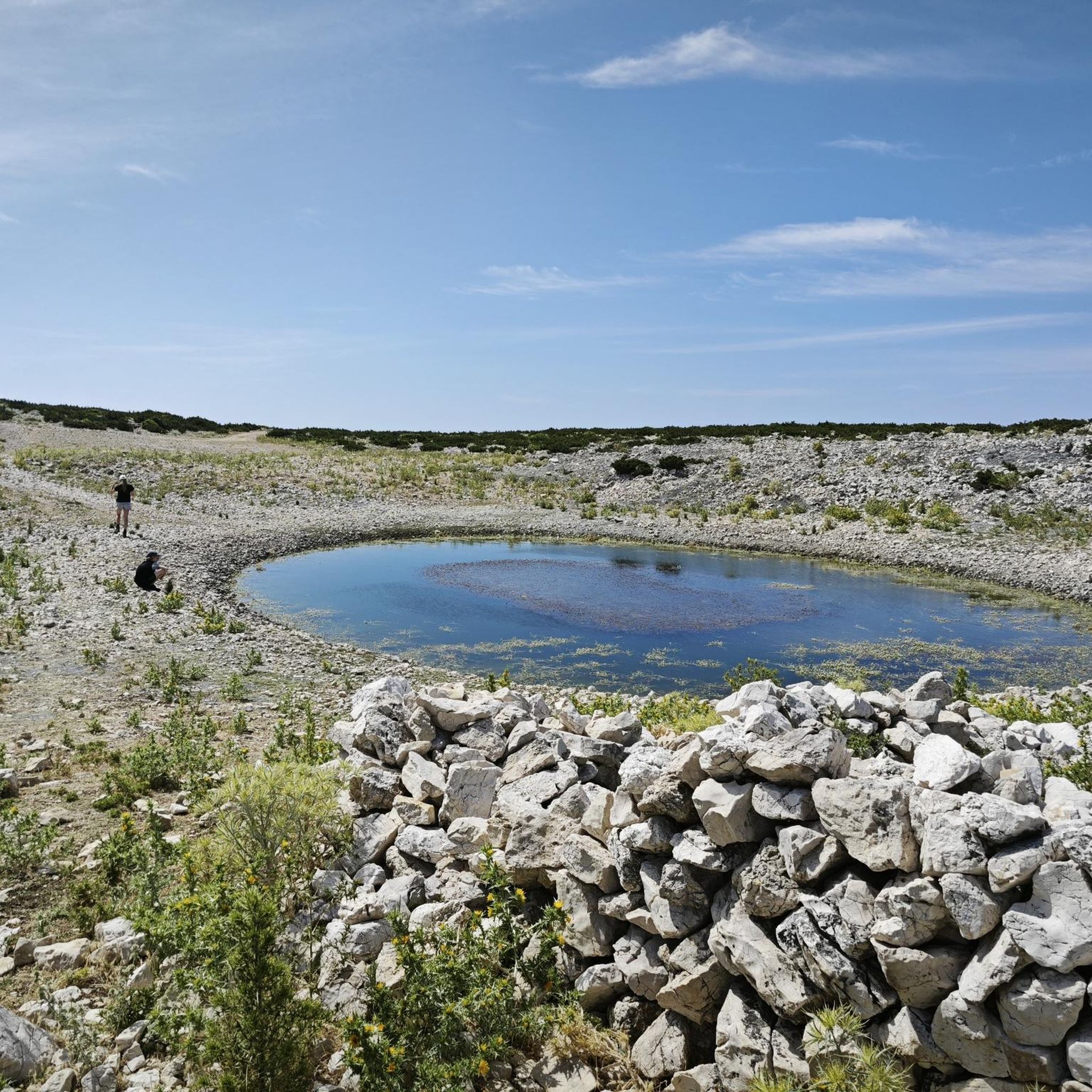
Other adventures around Pag

Tips from the Community


It was great! Everyone had fun! Great for taking photos
0
0

Sveti Vid is the highest peak on the island of Pag and is located directly above Pag Bay. On the summit are a geodesic column and the remains of the ancient St. Vitus Chapel, after which the peak was named. Pag is considered the barrenest island in the Adriatic, as 86% of its surface area is devoid of vegetation. The spacious island rock gardens are crisscrossed by a network of picturesque dry-stone walls, once important for livestock farming and as soil protection against the Bura wind. The view from the summit opens up in all directions, but is most strikingly drawn to the Pag Salt Pan, Velebit, Metajna, and the numerous islands. The hike to this peak is only recommended when it's not too hot, as most of the way there is on an unprotected stone path.
0
0


One of the peaks on Dabarski kukov
0
0
The hostel is the starting point for hiking on many surrounding peaks
0
0

Once you reach the top - great view
1
0

The route is passable on gravel, only a short section just after Metajna is a narrow walking path.
0
0
Frequently Asked Questions
What are the typical difficulty levels for mountaineering routes on Pag island?
Pag island offers a range of mountaineering experiences. You'll find both moderate and difficult routes. For instance, the Beritnica Beach – Metajna Bay loop from Ustashe Concentration Camp is a moderate trail exploring unique coastal karst. If you're seeking a more challenging ascent with significant elevation gain, the Stapina – Kosa od Sinokosa loop from Tribanj is classified as difficult.
What unique landscapes and natural features can I expect to see on Pag's mountaineering routes?
Pag's mountaineering routes traverse a truly unique landscape. Much of the island, particularly the eastern coast, is characterized by a 'lunar' karst topography with barren, rocky terrain and dramatic limestone formations. You can also explore the ancient olive groves in the north, offering a contrasting, gentler environment. The island's highest point, Sveti Vid (349 m), provides panoramic views across this diverse scenery.
Are there any circular mountaineering routes available on Pag?
Yes, several mountaineering routes on Pag are designed as loops, allowing you to start and finish at the same point. Examples include the Beritnica Beach – Metajna Bay loop from Ustashe Concentration Camp, the challenging Ljubičko Brdo loop from Konjsko, and the Sveti Vid Peak (349 m) loop from Šimuni.
What is the best time of year for mountaineering on Pag island?
The best time for mountaineering on Pag island is typically during the spring (April-June) and autumn (September-October) months. During these periods, the weather is generally milder, and the intense summer heat is avoided, making for more comfortable and enjoyable ascents. The 'bura' wind can be strong, especially in winter, so checking forecasts is always advisable.
Are there any specific attractions or landmarks along the mountaineering routes on Pag?
Absolutely. Many routes offer access to notable landmarks and natural features. You can reach the island's highest point, Sveti Vid (349 m), which offers incredible vistas. The unique rock formations at Beriknica Beach are also a highlight, sculpted by the bura wind. Additionally, you might encounter historical sites like the Old Town of Pag or interesting natural monuments like Sv. Marko Spring.
How long do mountaineering routes on Pag typically take to complete?
The duration of mountaineering routes on Pag varies depending on their length and difficulty. Shorter, moderate loops like the Sveti Vid Peak (349 m) loop from Šimuni can be completed in about 2 hours. Longer and more challenging routes, such as the Stapina – Kosa od Sinokosa loop from Tribanj, may take upwards of 7-8 hours.
What should I bring for mountaineering on Pag island?
Given Pag's exposed and rocky terrain, it's crucial to be well-prepared. Essential items include sturdy hiking boots, plenty of water (especially during warmer months, as water sources can be scarce), sun protection (hat, sunscreen), and appropriate layers of clothing. For routes involving via ferrata sections, like parts of the 'Life on Mars' trail, specific climbing equipment is necessary.
Are there any less crowded mountaineering trails on Pag?
While some popular routes like the 'Life on Mars' trail can attract more visitors, many of Pag's mountaineering paths offer a sense of solitude, especially outside peak season. Exploring trails through the Lun Olive Groves provides a serene experience, or consider routes in the less frequented southern parts of the island for a quieter adventure.
What do other mountaineers enjoy most about the routes on Pag?
The mountaineering routes around Pag are highly rated by the komoot community, with an average score of 5.0 stars. Reviewers often praise the unique 'lunar' landscape, the dramatic coastal views, and the sense of raw, untouched nature. The challenging ascents and rewarding panoramic vistas from peaks like Sveti Vid are also frequently highlighted.
Are there opportunities for rock climbing or via ferrata on Pag?
Yes, Pag offers opportunities for both rock climbing and via ferrata. Rock climbing is possible on the steep parts of Sveti Vid peak and on rocks above Ručica beach, particularly at Stogaj near Metajna. There's also a notable via ferrata connecting Slana beach and Cape Sušac, which is rated D/E in difficulty and requires specific climbing equipment.
Can I find mountaineering routes that offer good views and have cafes or facilities nearby?
While many mountaineering routes on Pag are in rugged, natural settings, some are closer to towns or offer views of populated areas where facilities are accessible. For example, routes around Sveti Vid offer panoramic views and are relatively close to settlements like Šimuni. After completing a route, you can often find cafes and restaurants in nearby towns such as Pag Town or Novalja to relax and refuel.
What kind of wildlife might I spot while mountaineering on Pag?
Pag's diverse habitats, from its rocky karst to wetlands, support various wildlife. While mountaineering, you might spot different bird species, especially around the karst lakes of Velo Blato and Malo Blato, which are ornithological reserves. Lizards and various insects are common in the rocky areas. Keep an eye out for wild sheep, which are characteristic of the island's landscape.
Most popular attractions around Pag

Get inspired with the komoot mobile app


Explore more
Browse the best Mountain Hikes & Routes in other regions.
