Attractions and Places To See around powiat wysokomazowiecki - Top 20
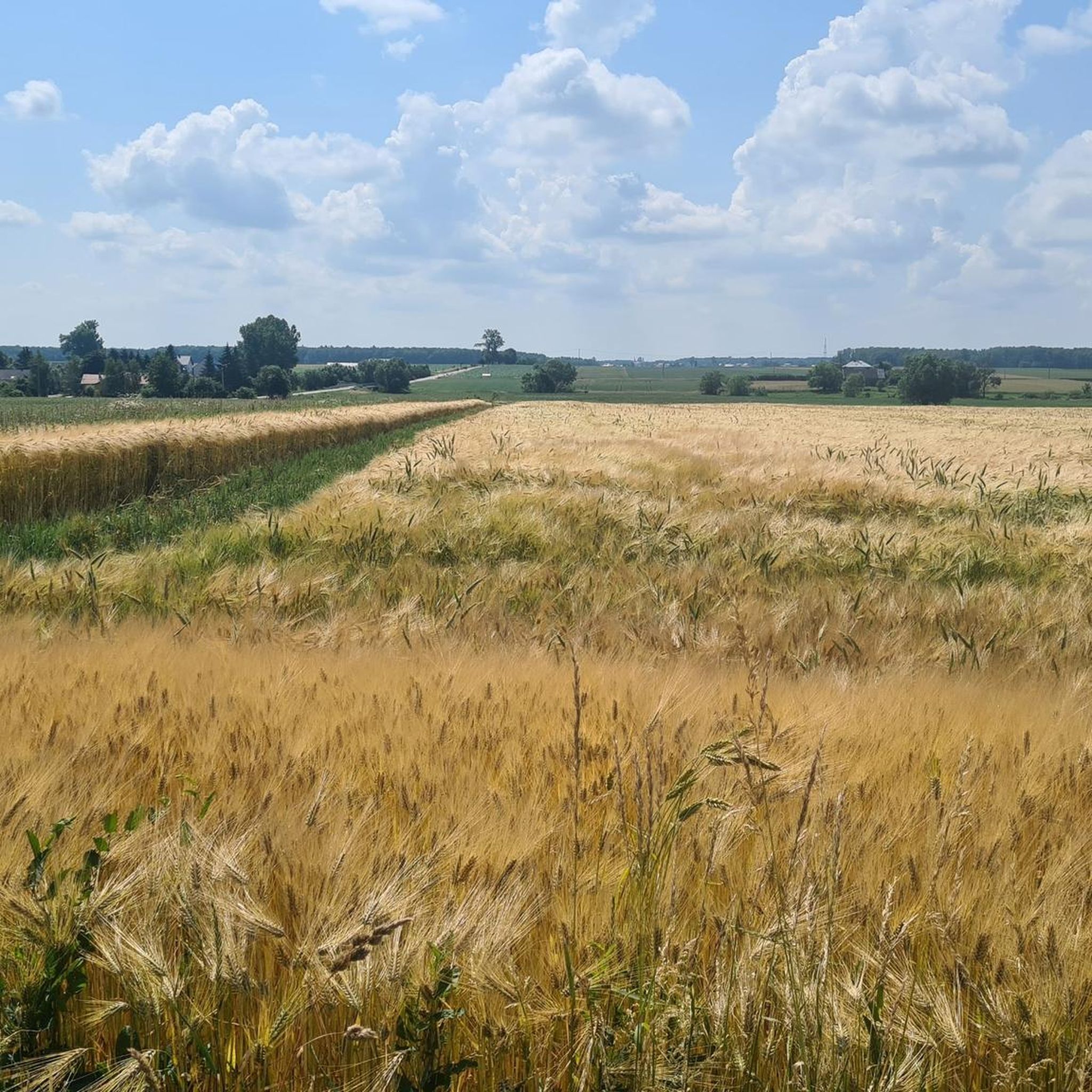
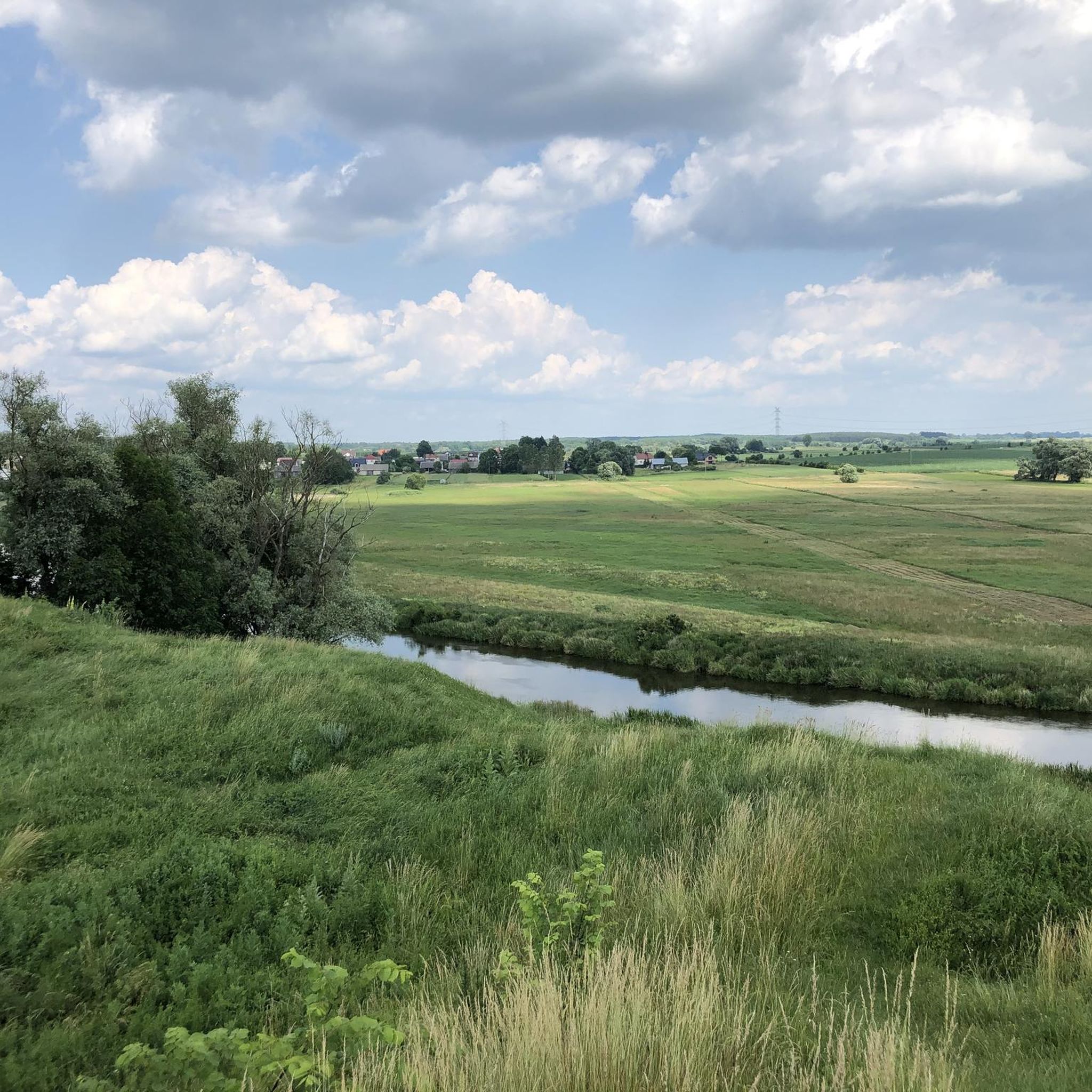
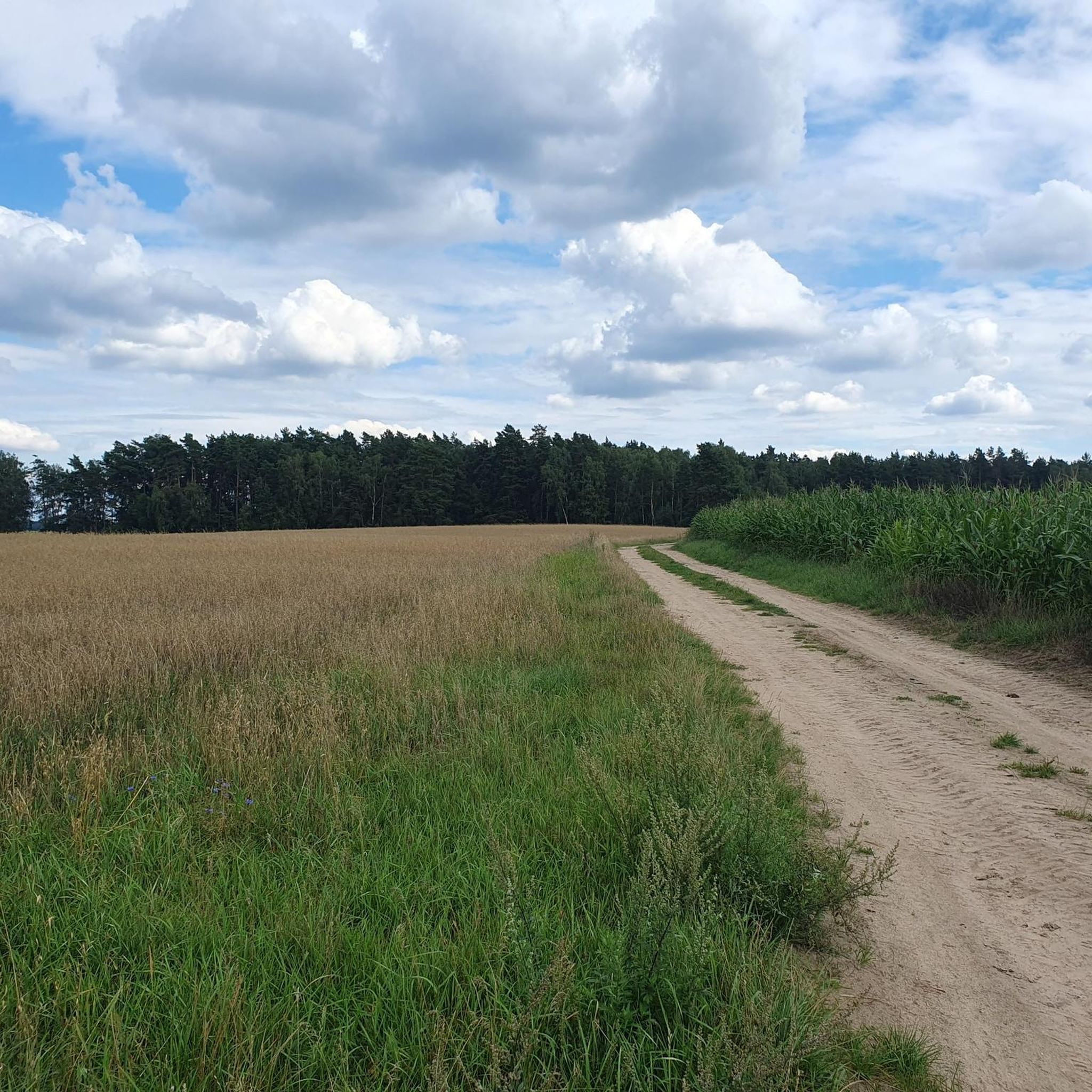
Best attractions and places to see around powiat wysokomazowiecki include a variety of historical landmarks, cultural sites, and natural features. Located on the Wysokomazowiecka Upland, the region is characterized by the watershed of the Narew, Nurzec, and Brok rivers. Visitors can explore a rich heritage and picturesque landscapes, with a high percentage of agricultural land. The area offers diverse attractions for those interested in history and local culture.
Best attractions and places to see around powiat wysokomazowiecki
- The most popular…
Last updated: July 1, 2026
Museum of Agriculture in Ciechanowiec
Highlight • Historical Site
Translated by Google •
Tip by

Roszkowski Manor
Highlight • Historical Site
On November 3, 1845, Zygmunt Gloger was born there - historian, sightseeing, archaeologist, ethnographer, and folklorist. …
Translated by Google •
Tip by

Sign up now to discover places like this
Get recommendations on the best single tracks, peaks, & plenty of other exciting outdoor places.
Sign up for free
Historic Bell Tower of St. Anne's Church in Dąbrówka Kościelna
Highlight • Monument
Translated by Google •
Tip by

St. Bartholomew's Church, Kulesze Kościelne
Highlight • Religious Site
Translated by Google •
Tip by
Church of the Nativity of the Blessed Virgin Mary and Historic Bell Tower
Highlight • Religious Site
Translated by Google •
Tip by

White Eagle Monument in Dąbrowa Kościelna
Highlight • Monument
A lot of benches near the monument. Unfortunately, there is no roof. A bicycle path leads from Szepietowo.
Translated by Google •
Tip by
Civilian Cemetery and Memorial Chapel of World War II Victims, Krasowo-Częstki
Highlight • Historical Site
Translated by Google •
Tip by
Holy Cross Cemetery Church in Sokoły
Highlight • Religious Site
Originally, the building was located in Tykocin and was built in 1778 as a Uniate Orthodox church. Saint Nicholas. Until 1805, it …
Translated by Google •
Tip by
Forest Shelter Near Brok
Highlight • Rest Area
Translated by Google •
Tip by
Commemorative Plaque for Civilian Victims of the German Occupation (1945–1946)
Highlight • Monument
Translated by Google •
Tip by
Sign up for free to discover even more attractions around powiat wysokomazowiecki.
Sign up for free
Already have an account?
Start today with a free account
Your next adventure awaits.
Login or Signup
Tips from the Community

Contrary to what Google says, you can enter the museum grounds with a bicycle. I emphasize: enter, not ride in.
0
0

Entrance to the grounds is after purchasing tickets. The ticket office is opposite the gate. Parking, restrooms, and a souvenir shop are located nearby.
0
0

"On July 11, 1943, near the village of Krasowo-Częstki, an armed clash took place between a partisan unit of the Home Army and the occupying forces. During the fight, the partisans killed 32 Germans and wounded many more. In retaliation, on July 17, 1943, the Nazis pacified the village of Krasowo-Częstki. SS and Wehrmacht gendarmerie units shot 69 men, 92 women, and 97 children. In 1946, a brick chapel was built next to the barn where the mass murder took place, thanks to the efforts of Father Józef Kaczyński and the surviving residents of the village. In 1985, on the 40th anniversary of the victory over fascism, an urn with soil taken from 24 villages of the Łomża region pacified by the Nazis was laid in the cemetery." Aneta Kułak, Regional Branch of the National Heritage Institute in Białystok, 08/10/2014 (https://zabytek.pl/pl/obiekty/krasowo-czestki-cmentarz-ludnosci-cywilnej-z-ii-wojny-swiatowej)
0
0

The belfry stands by the parish church, which was built in 1875 according to the design of architect Leander Marconi, with corrections made by architect Stanisław Kucharzewski, the then district builder in Wysokie Mazowieckie. The parish of St. Anne was established in 1523 from the foundation of the Szepietowski and Wojna families. In the history of the parish there were several wooden churches, the last of which was built in 1755 and served the faithful until the construction of the current brick church. This church of St. Anne, built in 1875 according to the design of architect Leander Marconi, was blessed in 1935 by the Bishop of Łomża, Stanisław Łukomski. https://diecezja.lomza.pl/parafie-diecezji-lomzynskiej/ad/parafie,1/dabrowka-koscielna-parafia-pw-sw-anny,27
3
0

Catholic Church in Kulesze Kościelne
0
1
The building is currently undergoing renovation. Therefore, I was not able to take any decent photos so as not to spoil the view with the scaffolding.
0
0
The history of this baroque temple is interesting. Originally, the building was located in Tykocin and was built in 1778 as a Uniate Orthodox church. Saint Nicholas. Until 1805, it belonged to the Basilians of Supraśl, when they lost their estates in Tykocin. In the 1820s, it passed into the hands of the Roman Catholic parish in Tykocin. The reason for the transformation of the temple was the lack of Greek Catholic parishioners. Since 1833, after the parish of the Assumption of the Blessed Virgin Mary in Sokół purchased it, it has been located in its current location in the parish cemetery. The building is entered into the register of monuments. Just like the cemetery and the bell tower at the main gate.
0
0

You found a lot of interesting worlds. Such shelters for rest on the route are great. Or even a small picnic if the place is interesting. Regards.
0
0
Frequently Asked Questions
What historical sites can I explore in Powiat Wysokomazowiecki?
The region is rich in history. You can visit the Roszkowski Manor, the birthplace of historian Zygmunt Gloger, or the Museum of Agriculture in Ciechanowiec, which offers a deep dive into local heritage. Other significant sites include the Civilian Cemetery and Memorial Chapel of World War II Victims in Krasowo-Częstki, and the historic Jewish Cemetery in Zambrów.
Are there any notable religious buildings to visit in the area?
Yes, Powiat Wysokomazowiecki features several historic religious structures. Highlights include the Neo-Gothic St. Bartholomew's Church in Kulesze Kościelne, the Church of the Nativity of the Blessed Virgin Mary and Historic Bell Tower in Cibory-Kołaczki (originally from 1742), and the Holy Cross Cemetery Church in Sokoły, a baroque temple with a fascinating history of relocation.
What natural features characterize Powiat Wysokomazowiecki?
The region is situated on the Wysokomazowiecka Upland and is defined by the watershed of three rivers: the Narew, Nurzec, and Brok. While largely agricultural with fewer forests, the area offers picturesque landscapes shaped by these waterways and fertile soils.
What outdoor activities can I do near these attractions?
You can enjoy various outdoor activities in the vicinity. For cycling enthusiasts, there are gravel biking routes, including a moderate 53 km loop from Lutostań. Hikers can explore hiking trails, such as the easy 3 km Waniewo-Sliwno footbridge in Narew National Park. There are also running trails, with options like a moderate 8.5 km loop from Zambrów.
Are there family-friendly attractions in Powiat Wysokomazowiecki?
Absolutely! The Museum of Agriculture in Ciechanowiec is highly recommended for families, featuring an open-air museum, botanical garden, and a water mill. Additionally, the Fountain by the Reservoir in Gmina Wysokie Mazowieckie offers a recreational spot with benches, a small city beach, and a multimedia fountain, perfect for a family outing.
Where can I find a place to rest or have a picnic in nature?
The Forest Shelter Near Brok provides a convenient facility for resting amidst nature, suitable for families and those looking for a quiet break during their outdoor adventures.
What is the significance of the Roszkowski Manor?
The Roszkowski Manor, built in 1857, is historically significant as the birthplace of Zygmunt Gloger, a renowned Polish historian, ethnographer, and folklorist. Although privately owned and rebuilt after WWII, it retains its historical importance, surrounded by a complex of manor ponds.
Can I learn about local traditions and rural life?
The Museum of Agriculture in Ciechanowiec is an excellent place to learn about local traditions and rural life. Its open-air museum (skansen) showcases historical buildings and exhibits related to agricultural practices and daily life in the region.
Are there any memorials or sites related to World War II?
Yes, the Civilian Cemetery and Memorial Chapel of World War II Victims in Krasowo-Częstki serves as a poignant memorial. A brick chapel was erected in 1946 near the site of a mass murder that occurred in 1943, commemorating the victims of Nazi pacification.
What is the White Eagle Monument in Dąbrowa Kościelna?
The White Eagle Monument in Dąbrowa Kościelna is a man-made monument with historical significance, representing a symbol of Polish national identity.
What is the best way to experience the region's rivers?
The region is characterized by the Narew, Nurzec, and Brok rivers. While specific river tours are not detailed, exploring the nearby hiking trails or cycling routes often provides scenic views and access points to these waterways, allowing you to appreciate their natural beauty.
What do visitors enjoy most about the Museum of Agriculture in Ciechanowiec?
Visitors consistently describe the Museum of Agriculture in Ciechanowiec as a very interesting museum. They particularly appreciate the open-air museum, the extensive carriage collection, the botanical garden, and the charming water mill within the park. Many express a desire to return, highlighting its engaging and comprehensive offerings.
Most popular routes around powiat wysokomazowiecki

Get inspired with the komoot mobile app


Didn’t find what you were looking for?
Are you keen on exploring more awesome places nearby? Browse our guides:
Explore more
Still not found the Highlight you’re looking for? See guides of the top attractions in other regions:
