Attractions and Places To See around Człuchów - Top 20
Best attractions and places to see around Człuchów include historical landmarks and natural features. The town is situated in a post-glacial landscape, characterized by lakes and forested moraine hills. Człuchów offers a blend of historical significance, with its medieval layout and Teutonic past, and natural beauty, providing opportunities for outdoor activities. The region's diverse topography includes several lakes and green spaces.
Best attractions and places to see around Człuchów
- The most popular attractions is Człuchów Castle, a castle that was once the second-largest Teutonic fortress in Poland. Today, its 46-meter octagonal tower remains a prominent feature, offering panoramic views of the area.
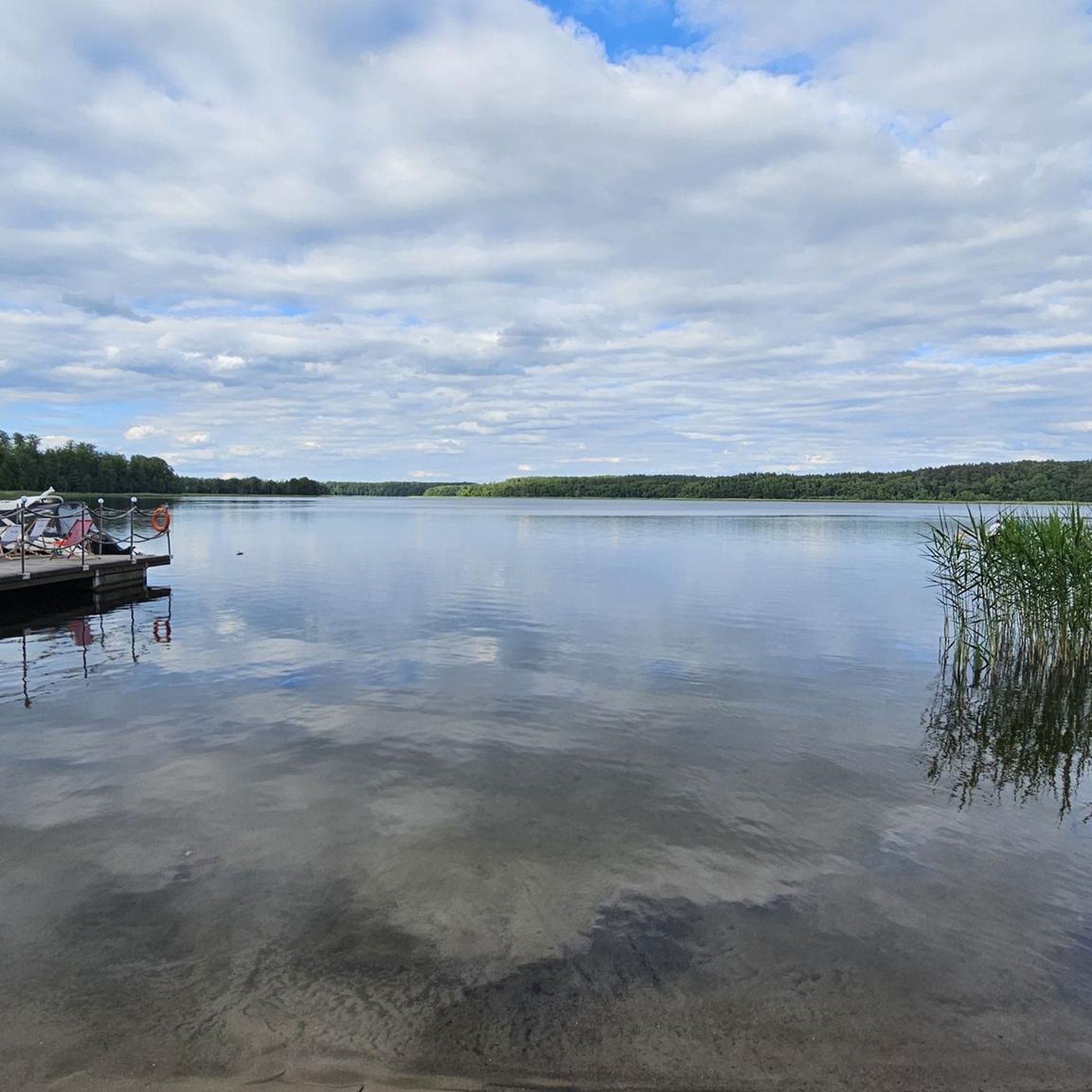
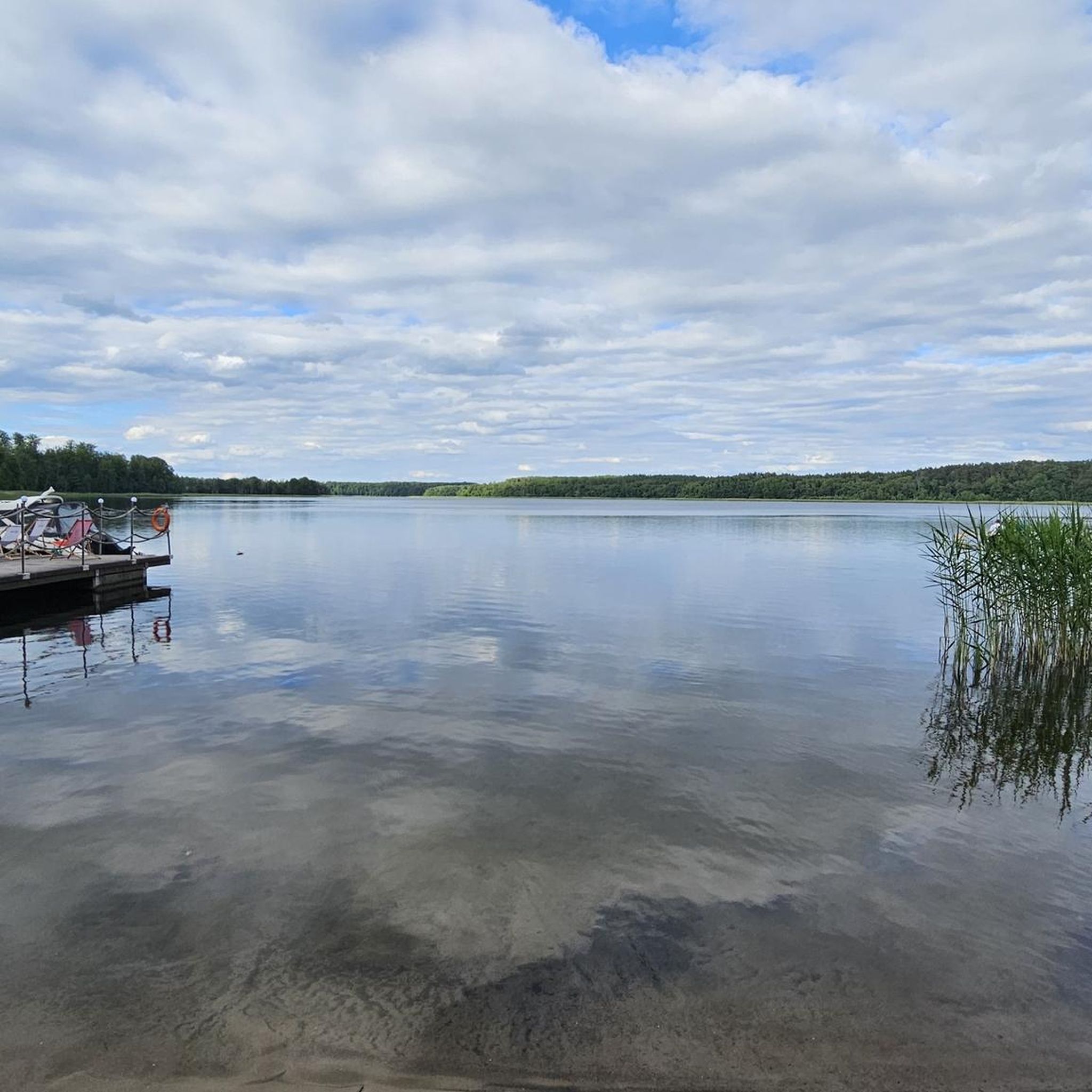
- Another must-see spot is Miejskie Lake, a ribbon lake within the administrative boundaries of Człuchów. This lake is part of an interconnected system of four lakes surrounding the city, providing a setting for various water-based activities.
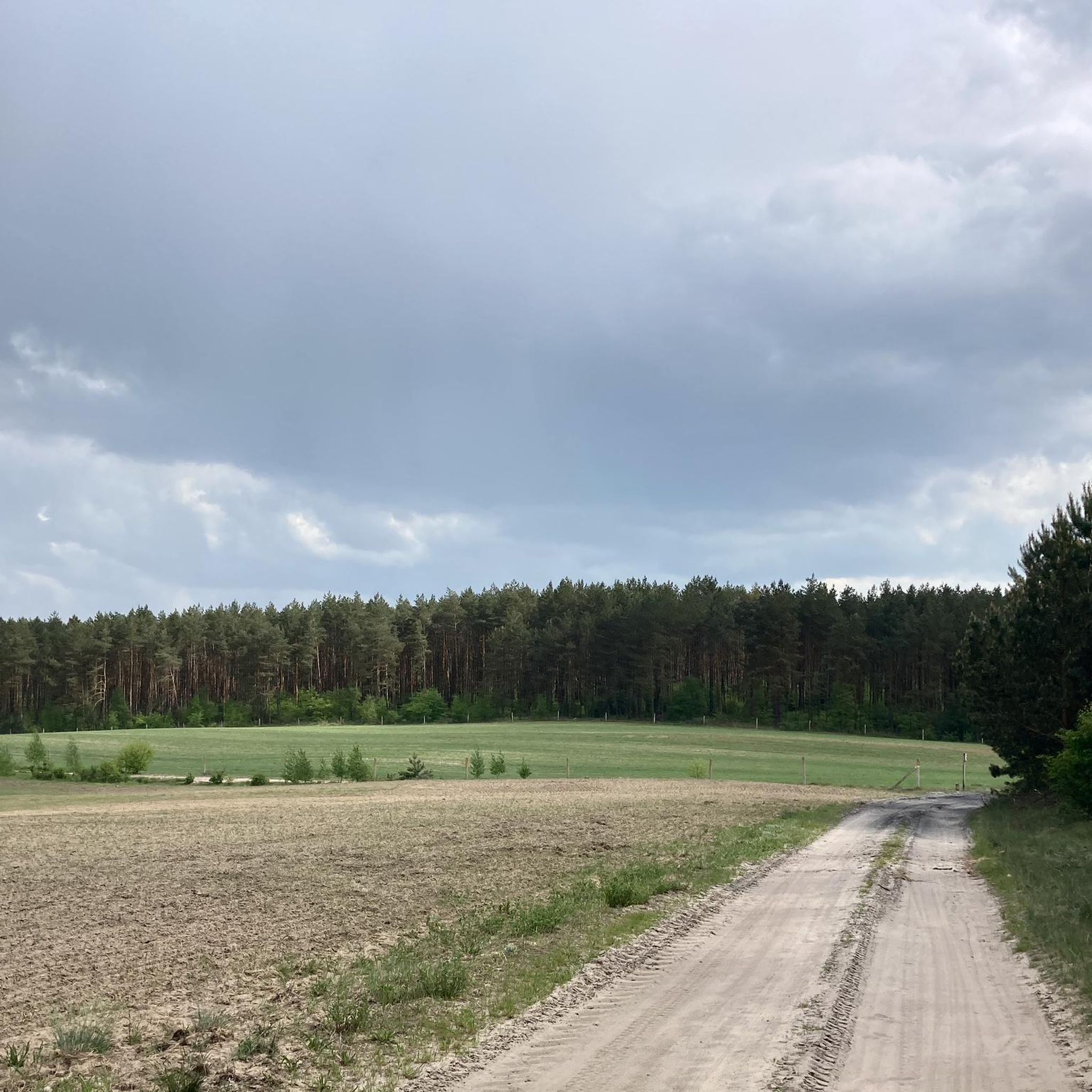
- Visitors also love Debrzynka Valley, a gorge known for its beautiful and uneven terrain. This natural area offers opportunities for exploration and photography within a forested environment.
- Człuchów is known for its historical sites, natural landscapes, and recreational trails. Visitors can explore ancient castles, picturesque lakes, and scenic valleys.
- The attractions around Człuchów are appreciated by the komoot community, with 26 highlights and 42 photos shared by visitors.
Last updated: July 1, 2026
Człuchów Castle
Highlight • Castle
Translated by Google •
Tip by

Człuchów Regional Museum and Castle Ruins
Highlight • Castle
Only the tower has survived since 1811.
More information: muzeumczluchow.pl/de and de.wikipedia.org/wiki/Burg_Schlochau
Translated by Google •
Tip by

Sign up now to discover places like this
Get recommendations on the best single tracks, peaks, & plenty of other exciting outdoor places.
Sign up for free
Człuchów Town Hall
Highlight • Monument
Patron of the city
On the occasion of the 800th anniversary of the parish of St. James, by the resolution of the City Council of February 25, 2009, St. James the Greater Apostle.
On October 31, 2009, the bishop of Pelplin, Jan Bernard Szlaga, solemnly consecrated the figure of St. Jacob. The sculpture, which was made by an artist from Człuchów - Janusz Zigmanski, was placed in the recess of the facade of the town hall building.
In December 2009, the City Hall received a copy of the decision of the Congregation for Divine Worship and the Discipline of the Sacraments in the Vatican, officially recognizing St. James, patron of the city.
St. James - apostle, martyr of the Church. In the iconography, he is depicted as an old man with a strong physique, in a long tunic and coat, with a soft wide-brimmed hat. His attributes are a waterskin, a pilgrim's staff, a book, a sword, a shell, a bag, and a scroll. He is the patron saint of Spain and Portugal, the fight against Islam, knight orders, and the protector of pilgrims. He patronizes fishermen who pray to him for abundant catches and happy winds. He is also the patron of pharmacists, druggists, pilgrims, workers and beggars.
Feast of St. James is celebrated on July 25. In Człuchów, on this occasion, the "Lavender Fair of St. Jacob" is organized on the market square.
Translated by Google •
Tip by

Promenade Along Lake Urzędowe
Highlight • Trail
Translated by Google •
Tip by
St. James the Apostle Roman Catholic Church
Highlight • Religious Site
Translated by Google •
Tip by
Miejskie Lake
Highlight • Lake
Along the eastern shore of the lake runs the route of the currently suspended Człuchów-Polnica railway line. Near the northern shore of the lake is the "Mokrada nad Jeziorem Łazienkowskim" conservation area.
Translated by Google •
Tip by

Translated by Google •
Tip by
Debrzynka Valley
Highlight • Gorge
Translated by Google •
Tip by

Lasek Luizy Park
Highlight • Forest
The beginnings of the park date back to 1800, when the first squares were created on the Kujawy peninsula. In 1807, during a trip to Tylża, the Prussian Queen Luiza stopped near Człuchów, and was delighted with the views and nature she found there.
Translated by Google •
Tip by
Luiza Park
Highlight • Forest
Translated by Google •
Tip by
Sign up for free to discover even more attractions around Człuchów.
Sign up for free
Already have an account?
Start today with a free account
Your next adventure awaits.
Login or Signup
Tips from the Community

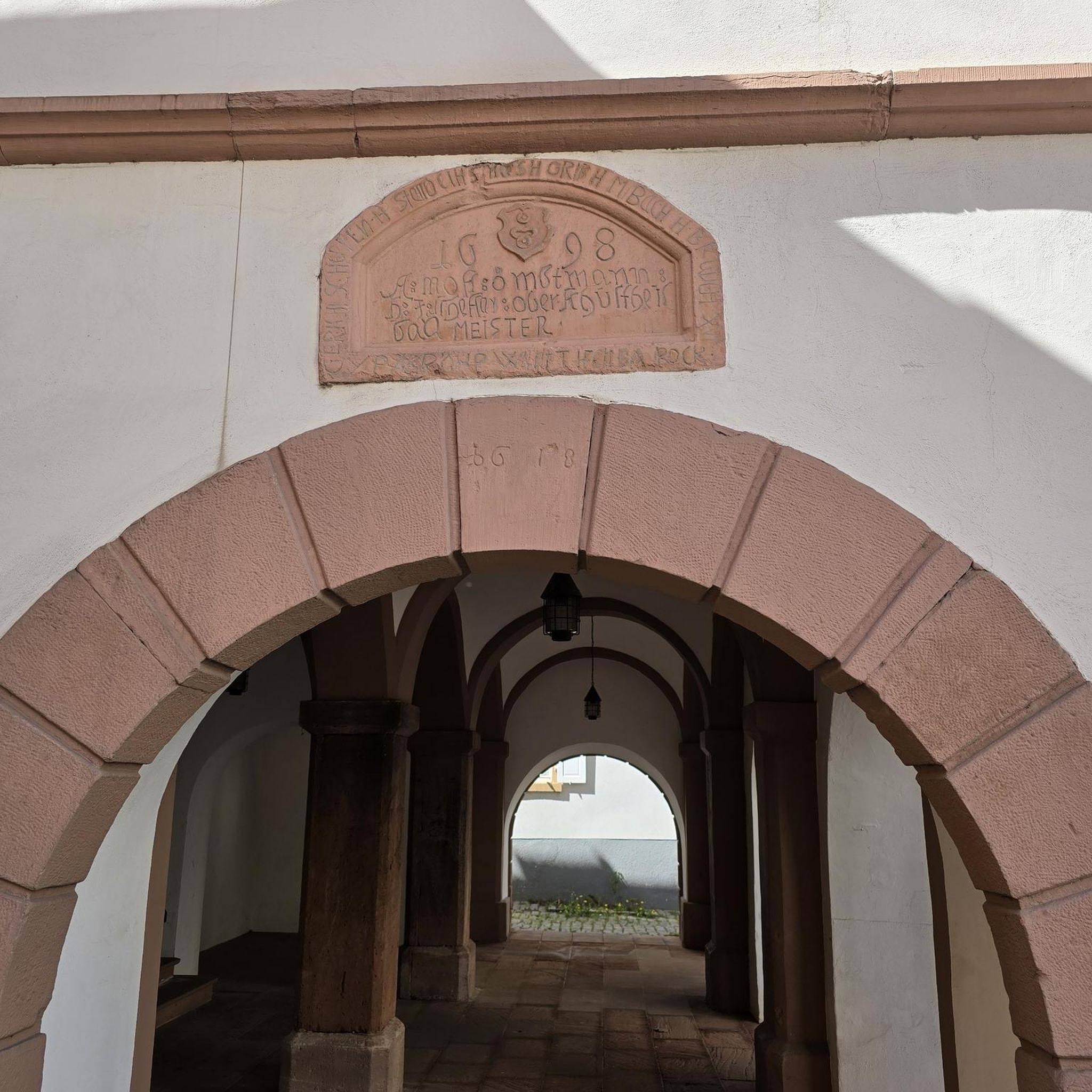
The town church of Czluchow (German: Schlochau) was originally built as a Protestant church and had to be handed over to the Catholics by the Polish state in 1609 due to the Counter-Reformation. See also: https://de.wikipedia.org/wiki/Cz%C5%82uch%C3%B3w
0
0
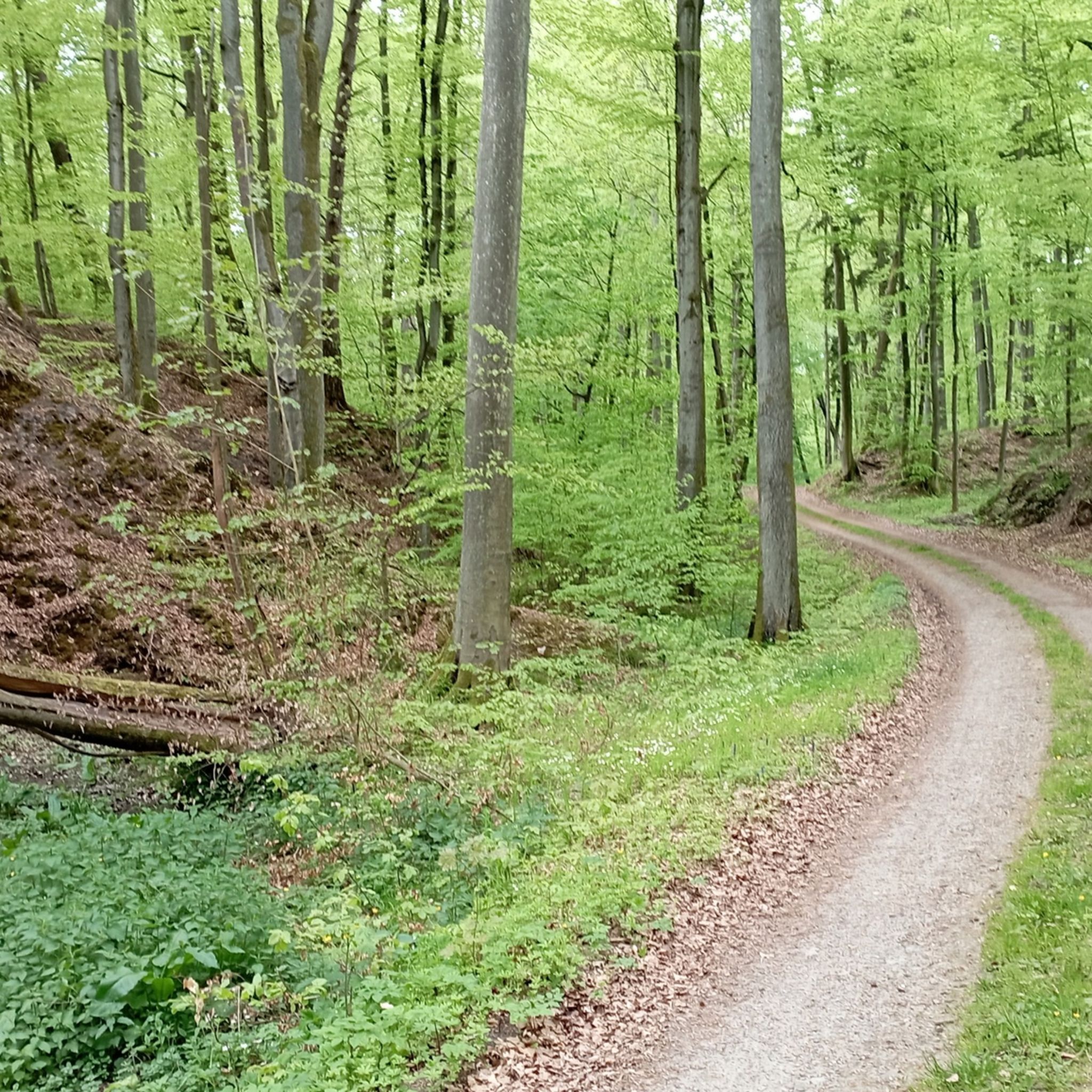
The park is called Lusienwald in German.
0
0

A ribbon lake in Poland, located in the Pomeranian Voivodeship, in Człuchów County, within the administrative boundaries of Człuchów, in the North-Krajen Lakeland. Along the eastern shore of the lake runs the route of the currently suspended Człuchów-Polnica railway line. Near the northern shore of the lake is the "Mokrada nad Jeziorem Łazienkowskim" conservation area.
0
1

At the beginning of the Thirteen Years' War, at the end of February 1454, the Poles took over the castle, and Człuchów became a royal town and the seat of the starosty in 1466. From then on, the mighty fortress stood guard over the north-western border of Poland, which ran 20 km west of Człuchów, for over 300 years. In the final period of the First Polish Republic, the fortress lost its military significance, and the castle buildings were in a state of decline. After a fire in 1793, the residents received permission from King Frederick William II to demolish the castle, and the obtained bricks were used to rebuild the burnt-out houses. The former glory is evidenced today by the mighty tower of the High Castle (46 m), from which you can admire the panorama of Człuchów and the surrounding area. In the years 1826-1828, an Evangelical church was built on the foundations of the castle chapel, and the tower was converted into a belfry. In 1844, the tower's crown was changed to a high battlement. For the bell ringer and tourists, an entrance was made at the bottom of the tower and wooden stairs were made. https://muzeumczluchow.pl/pl/o-muzeum/historia-zamku
3
0
The most important part of the stronghold was the four-winged High Castle, built on a square plan with a side of 47.5 m. Each of the buildings consisted of at least three storeys - a basement, a low ground floor and a high floor above it. The wings were crowned by an attic storey. The whole was dominated by a massive octagonal tower located in the north-west corner of the High Castle. The entrance to it was located at the height of the attics of the castle wings. In the north wing of the castle there was a chapel, in the east wing there was a chapter house - a hall for meetings and councils of the monks, in the south dormitory - a common bedroom for the brothers, and in the west a refectory - a room for eating meals. In the basements and on the upper storeys there were warehouses, armouries, a commander's mill, and in Polish times a brewery. Inside the buildings there was a rectangular courtyard surrounded by cloisters. https://muzeumczluchow.pl/pl/o-muzeum/historia-zamku
3
0
The castle in Człuchów was one of the largest defensive structures built by the Teutonic Knights. It covered an area of 3 hectares, and was second only in size to the seat of the capital of the Teutonic state – the castle of the Grand Master in Malbork. The castle in Człuchów consisted of three outer castles and the High Castle, each of which, if necessary, could constitute an independent defensive perimeter. Communication between parts of the castle was possible via drawbridges built over moats filled with water. Only the moat around the Third Outer Castle was dry. https://muzeumczluchow.pl/pl/o-muzeum/historia-zamku
3
0

Opening Hours Information October 1st – April 30th Monday to Friday: 8:00 a.m. – 4:00 p.m. May 1st – September 30th Tuesday to Sunday: 10:00 a.m. – 6:00 p.m.
3
0
During World War II, the collections of the Człuchów Heimatmuseum were destroyed and dispersed. In 1963, a group of enthusiasts of the history of the region founded the Człuchów Land Lovers' Society, one of the main goals of which was to organize a museum chamber and then to establish a museum. The monuments collected so far by individual collectors became the basis for organizing and opening a museum chamber in June 1964 in the hall in the choir of the former Evangelical church built on the foundations of the castle chapel. As early as 1967, the exhibits in the presented exhibition were changed in view of the 500th anniversary of the Second Peace of Toruń. However, in 1971, this exhibition ceased to exist. continued: https://muzeumczluchow.pl/pl/o-muzeum/historia-muzeum
3
0
Frequently Asked Questions
What historical landmarks can I explore in Człuchów?
Człuchów is rich in history. You can visit the impressive Człuchów Castle, once the second-largest Teutonic fortress in Poland, where its 46-meter octagonal tower still stands. The castle grounds also house the Człuchów Regional Museum. Don't miss the historical Człuchów Gate, also known as the Stone Gate, which was one of the city's original 14th-century entrances. The Baroque Church of St. James the Apostle is another significant site with beautiful stained-glass windows.
Are there any natural attractions or green spaces in Człuchów?
Yes, Człuchów is surrounded by picturesque natural features. The city is nestled among four interconnected lakes: Rychnowskie, Urzędowe, Miejskie Duże, and Miejskie Małe, offering opportunities for water activities. You can enjoy the Promenade Along Lake Urzędowe or explore the scenic Debrzynka Valley, known for its uneven terrain and forested environment. The town also features several parks, including the Municipal Park and Lasek Luizy Park.
What kind of outdoor activities can I do near Człuchów?
The region around Człuchów is ideal for various outdoor activities. The surrounding lakes are popular for sailing, fishing, kayaking, and regattas. The forested areas are great for mushroom picking, hiking, and cycling. You can find numerous routes for cycling and hiking, including easy trails suitable for a relaxed outing.
Are there family-friendly attractions in Człuchów?
Absolutely! Many attractions in Człuchów are suitable for families. The Człuchów Castle and its museum offer an educational experience. The city's parks, such as the Municipal Park and Lasek Luizy Park, provide green spaces with playgrounds. The Promenade Along Lake Urzędowe is perfect for a leisurely stroll or bike ride with children, and the lakes themselves offer opportunities for water-based fun.
Where can I go for a walk or hike in Człuchów?
Człuchów offers several pleasant walking and hiking opportunities. You can take a stroll along the Promenade Along Lake Urzędowe or explore the trails within the Debrzynka Valley. For more structured routes, consider the hiking trails around Człuchów, which include options like the 'Boardwalk Over the Marshes' loop, suitable for easy walks.
What is the Człuchów Regional Museum about?
The Człuchów Regional Museum is located within the historic castle complex. It offers permanent exhibitions covering archaeology, ethnography, history, and art of the region, providing insights into Człuchów's past and cultural heritage. The museum also hosts temporary displays.
Can I go cycling in and around Człuchów?
Yes, Człuchów and its surroundings are great for cycling. The region's post-glacial landscape with forests and lakes provides scenic routes. You can find various cycling guides, including options for gravel biking, with routes like the 'Bartuś Oak loop' or the 'Końskie Lake – Brda River loop'.
What is the significance of the St. James the Apostle Church?
The Church of St. James the Apostle is a significant cultural and religious site in Człuchów. Built between 1644 and 1647, it features Baroque architecture and beautiful stained-glass windows. St. James the Greater Apostle is the patron of the city, and an annual 'Lavender Fair of St. Jacob' is held in the market square on his feast day, July 25th.
Are there any viewpoints to enjoy panoramic scenery in Człuchów?
For panoramic views, you can ascend the well-preserved 46-meter octagonal tower of the Człuchów Castle, which offers expansive vistas of the town and surrounding area. Additionally, the Debrzynka Valley and Lasek Luizy Park also offer scenic spots and viewpoints within their natural settings.
What is the Człuchów Market Square like?
The Człuchów Market Square retains its medieval, checkerboard urban layout established in 1348. It offers a charming setting with scenic views of the castle tower and the Church of St. James the Apostle. The Człuchów Town Hall, featuring a sculpture of St. James, is also located here.
What are the lakes around Człuchów used for?
The four interconnected lakes surrounding Człuchów – Rychnowskie, Urzędowe, Miejskie Duże, and Miejskie Małe – are central to the region's recreational activities. They are popular for sailing, fishing, kayaking, and regattas. The Miejskie Lake, in particular, is a prominent ribbon lake within the town's administrative boundaries, offering a beautiful setting for water-based enjoyment.
Most popular routes around Człuchów
Most popular attractions around Człuchów

Get inspired with the komoot mobile app


Didn’t find what you were looking for?
Are you keen on exploring more awesome places nearby? Browse our guides:
Explore more
Still not found the Highlight you’re looking for? See guides of the top attractions in other regions:
