Attractions and Places To See around Nisko - Top 15
Attractions and places to see around Nisko offer a diverse range of historical, cultural, and natural points of interest in Poland. The region is characterized by its significant rivers, the San and Tanew, which converge to create scenic viewpoints. Visitors can explore historical churches, war memorials, and cultural centers that provide insight into local heritage. Nisko and its surroundings present opportunities to engage with both the natural landscape and the area's rich history.
Best attractions and places to see around Nisko
- The most popular attractions is Bridge Over the Tanew River (Tessiner Strasse), a bridge that spans the Tanew River in Ulanów. This bridge crosses a right-side tributary of the San, which is 114.25 km long.
- Another must-see spot is Exaltation of the Holy Cross Church, Huta Krzeszowska, a religious building. This beautiful wooden church dates from the 18th century, built in 1766, and features a preserved original roof truss.
- Visitors also love Viewpoint at the Confluence of the San and Tanew Rivers, a viewpoint located at the picturesque headland where the San and Tanew rivers meet. It offers extensive views, especially at sunset, and includes facilities like a shelter and benches.
- Nisko is known for its historical churches, scenic river viewpoints, and cultural sites. The region offers a variety of attractions to see and explore, from wooden churches to museums and war memorials.
- The attractions around Nisko are appreciated by the komoot community, with 9 upvotes and 8 photos shared by visitors.
Last updated: August 25, 2026
Exaltation of the Holy Cross Church, Huta Krzeszowska
Highlight • Religious Site
diecezja.zamojskolubaczowska.pl/parafie/parafia-podwyzoszenia-krzyza-swietego-huta-krzeszowska
Translated by Google •
Tip by

Church of St. John the Baptist and St. Barbara in Ulanów
Highlight • Religious Site
Translated by Google •
Tip by

Sign up now to discover places like this
Get recommendations on the best single tracks, peaks, & plenty of other exciting outdoor places.
Sign up for free
Bridge Over the Tanew River (Tessiner Strasse)
Highlight • Bridge
Tanew – a right-side tributary of the San, 114.25 km long
Translated by Google •
Tip by

Church of Our Lady of the Snows in Zarzecze
Highlight • Religious Site
jakzwiedze.pl/awodcja/drewniany-kosciol-w-zarzeczu
Translated by Google •
Tip by
Viewpoint at the Confluence of the San and Tanew Rivers
Highlight • Viewpoint
Translated by Google •
Tip by

Green Velo Bench Ulanów
Highlight • Rest Area
Translated by Google •
Tip by

Rafting Museum in Ulanów
Highlight • Historical Site
The director opened the museum especially for us on the day of rest. His wife is the director of the basket museum and organized it for us.
Translated by Google •
Tip by

Sanctuary of St. Wojciech
Highlight • Other
History of the parish
Beginnings
Bieliny owes its existence to the important river artery, the San, which it has been since time immemorial. The nucleus of the settlement was a harbor at the confluence of two rivers – the San and its tributary the Tanew. This harbor was called "Targowisko", which over time grew into a station for river ships. Długosz, in his work "Liber Beneficjorum", called the place "Targowisko" – "Szan przewosz", which means a ferry on the San. Both "Targowisko" and "Szan przewosz" referred to the area of present-day Bieliny. Over time, the construction of river ships developed, which enabled trade, and rafting emerged as an additional occupation for the inhabitants of the settlement.
Neither the name "Targowisko" nor "Szan przewosz" lasted. The word Bieliny has its etymology from concepts related to the adjectives: "white", "whiteness", "bright". There are a number of more or less probable versions on this subject. One of them, passed down from generation to generation, links the name to the bright, sandy soils of the area – another – to the name of a ground-hugging perennial (tussilaga – farfara), commonly called coltsfoot.
Archaeological research on excavations from the village area has revealed numerous urn graves, testifying to the early settlement of the former primeval forest settlement. Nevertheless, its beginnings are not precisely known. Some hypothetical notes concerning the past of Bieliny are contained in the chronicle of the Bieliny church. And although they have not been confirmed by documents, they can be considered reliable. They concern the consonance of the chieftain Leba's surname with the name of the Bieliny lake – Lebiedienka. Furthermore, the chronicle states that the original settler of Bieliny came from a homeland called Lebedies.
The settlement developed on the basis of the river port trade. Over time, from a riverside settlement, Bieliny transformed into an administrative unit. Who and when founded this village and under what law – is unknown.
Showing Translation
Tip by

Church of St. John the Baptist and St. Barbara in Ulanów
Highlight • Religious Site
Masses:
– on Sundays and holidays: 6:30 (Advent), 7:30, 9:00, 11:00, 18:00
– on weekdays: 6:30 (Advent), 7:00, 18:00, in winter 17:00
– on state holidays: 7:00, 10:00, 18:00.
Indulgences: Nativity of St. John the Baptist (June 24), Our Lady of the Rosary (1st Sunday in October), St. Barbara (December 4).
Showing Translation
Tip by
Mniszchów Manor
Highlight • Other
Showing Translation
Tip by
Sign up for free to discover even more attractions around Nisko.
Sign up for free
Already have an account?
Start today with a free account
Your next adventure awaits.
Login or Signup

Tips from the Community

The beginnings of the town of Ulanów are associated with the nearby village of Bieliny. Stanisław Ulina Uliński, cup-bearer of Przemyśl and owner of Bieliny, obtained town rights for Ulanów from King Sigismund III Vasa in 1616. The town developed dynamically from the 17th to the 19th century, particularly thanks to extensive shipbuilding crafts and a strong rafting center. Initially, the faithful from Ulanów attended the church in Bieliny. The first church was built in the town in 1643 and was a branch of the Bieliny parish. Ulanów became an independent parish in 1895. Its current form was achieved in 1928 when the village of Wólka Tanewska was incorporated into it. The parish church of St. John the Baptist and St. Barbara was erected in 1643. The founder of the sanctuary was Jan Hilary Uliński, standard-bearer of the Land of Halicz, son of the founder of Ulanów. The church was consecrated by Bishop A. Pruski in 1739. The sacred building was enlarged in 1750-1751. It was also renovated several times, including in 1868 and in 1976-1979 under the direction of Rev. Józef Lizak (the sacristy was rebuilt, the roof covering and the cladding on the external walls were replaced, and the altars and polychromes were restored). The temple is built of larch wood and has three naves. The presbytery is smaller than the nave, closed on three sides, with a sacristy and a treasury adjacent to the sides. Narthexes are located at the front and on the side of the nave. The roof is covered with sheet metal and has an octagonal turret for the 'signatura' bell. The interior is divided by two rows of columns. The ceilings are flat with a fascia. A late Baroque crucifix from the first half of the 18th century is placed on the chancel arch. The polychromy is late Baroque, figurative, with Rococo ornaments from the 18th century, restored and supplemented in 1868. The furnishings are late Baroque: the main altar from 1760 and three side altars from 1736-1747, a pulpit from the second half of the 18th century, numerous paintings and sculptures from the 18th-19th centuries. The temple has a crypt in the nave. The church is surrounded by a wall with a built-in brick arcade belfry from 1899 and two gates. Masses: – on Sundays and holidays: 6:30 (Advent), 7:30, 9:00, 11:00, 18:00 – on weekdays: 6:30 (Advent), 7:00, 18:00, in winter 17:00 – on state holidays: 7:00, 10:00, 18:00. Indulgences: Nativity of St. John the Baptist (June 24), Our Lady of the Rosary (1st Sunday in October), St. Barbara (December 4).
1
0
St. Wojciech Parish in Bieliny – a Roman Catholic parish belonging to the Ulanów deanery of the Sandomierz diocese. It was established in 1241. It is run by diocesan priests. The parish church of St. Wojciech was built between 1763–1770. History of the parish Beginnings Bieliny owes its existence to the important river artery, the San, which it has been since time immemorial. The nucleus of the settlement was a harbor at the confluence of two rivers – the San and its tributary the Tanew. This harbor was called "Targowisko", which over time grew into a station for river ships. Długosz, in his work "Liber Beneficjorum", called the place "Targowisko" – "Szan przewosz", which means a ferry on the San. Both "Targowisko" and "Szan przewosz" referred to the area of present-day Bieliny. Over time, the construction of river ships developed, which enabled trade, and rafting emerged as an additional occupation for the inhabitants of the settlement. Neither the name "Targowisko" nor "Szan przewosz" lasted. The word Bieliny has its etymology from concepts related to the adjectives: "white", "whiteness", "bright". There are a number of more or less probable versions on this subject. One of them, passed down from generation to generation, links the name to the bright, sandy soils of the area – another – to the name of a ground-hugging perennial (tussilaga – farfara), commonly called coltsfoot. Archaeological research on excavations from the village area has revealed numerous urn graves, testifying to the early settlement of the former primeval forest settlement. Nevertheless, its beginnings are not precisely known. Some hypothetical notes concerning the past of Bieliny are contained in the chronicle of the Bieliny church. And although they have not been confirmed by documents, they can be considered reliable. They concern the consonance of the chieftain Leba's surname with the name of the Bieliny lake – Lebiedienka. Furthermore, the chronicle states that the original settler of Bieliny came from a homeland called Lebedies. The settlement developed on the basis of the river port trade. Over time, from a riverside settlement, Bieliny transformed into an administrative unit. Who and when founded this village and under what law – is unknown.
1
0
The history of the Mniszchów Manor in Bieliny (Subcarpathian Voivodeship) is a story of a 17th-century noble residence that, after years of neglect, has regained its former glory. Built probably by Stanisław Uliński, the manor passed into the hands of the Mniszchów family, and after a thorough revitalization completed in 2023, it functions as a Manor and Park Complex. Key information about the history of the Manor in Bieliny: Origin: The object dates back to the 17th century. Initially, these lands belonged to Stanisław Uliński, cup-bearer of Przemyśl. Owners: The manor became the property of the Mniszchów family, and later passed into the possession of the Czartoryski family. In the first half of the 19th century, Władysław Czartoryski carried out its reconstruction. Development: During the princely times, outbuildings, farmhands' quarters, stables, and the manager's house were built next to the manor. Renovation (21st century): After a period of destruction, thanks to funding from Norwegian funds, a comprehensive reconstruction was carried out. Currently: Since May 2023, the facility has been open to visitors, showcasing interiors styled in the 17th century and a permanent exhibition on courtly culture. It is worth distinguishing the Mniszchów Manor in Bieliny (in the Subcarpathian region) from the Mniszchów Palace in Warsaw at Senatorska Street, which was a baroque residence.
1
0

wooden larch church, built in 1643
0
0

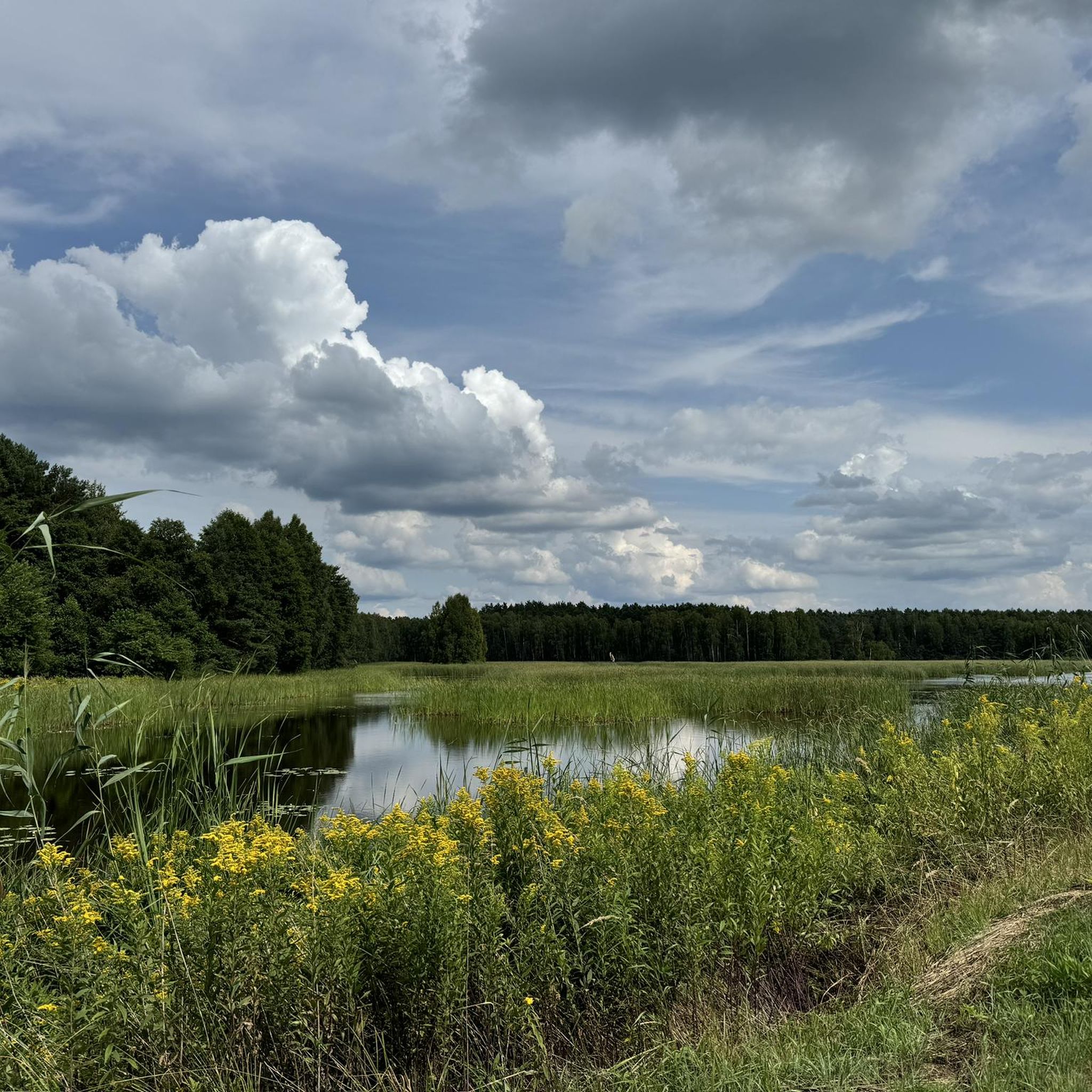
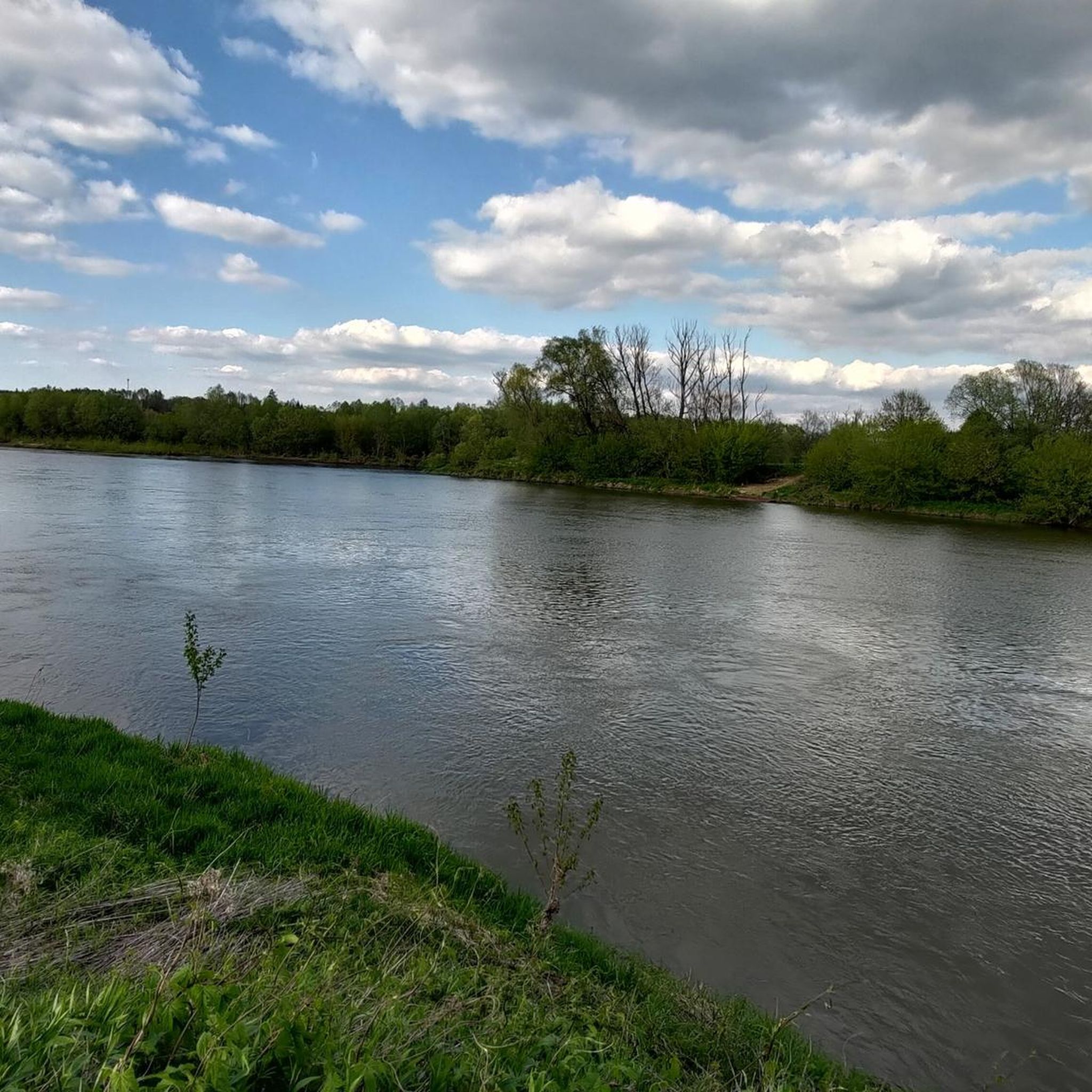
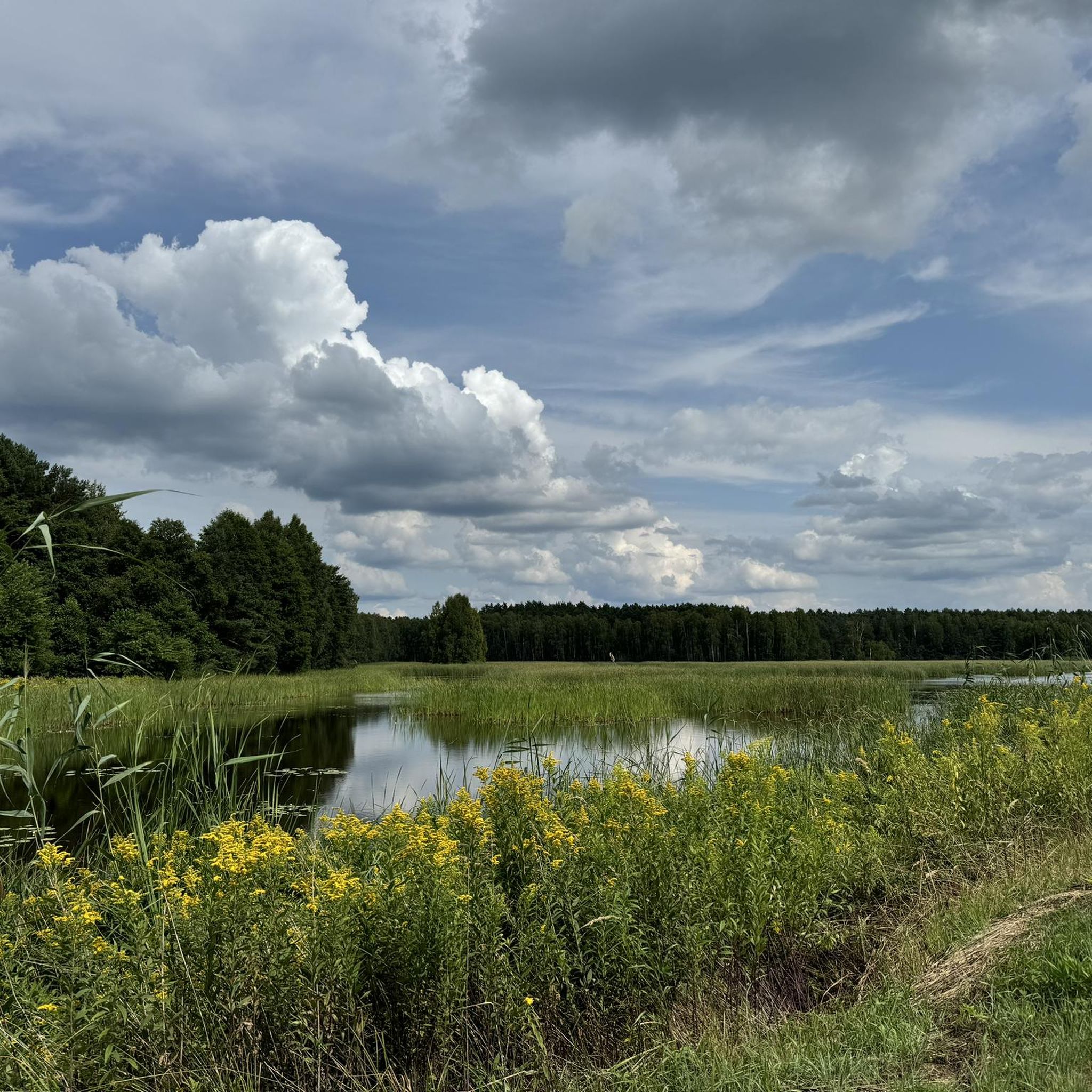
The Cypel viewpoint in Ulanów is an attractive place located at the confluence of the San and Tanew rivers, which create a picturesque headland here. It is a great stop for cyclists traveling through the Sandomierz Forest and the San valley. From here, you can admire extensive views of the rivers and the surrounding areas, especially beautiful at sunset. The proximity of the water and greenery make it a good place for a short break or a picnic, especially since there is a shelter, benches and a place for a bonfire.
2
0

Parish church, dedicated to the Exaltation of the Holy Cross, built in 1766 from the foundation of Teresa Zamoyska, née Michowska, voivode of Lublin. Restored and enlarged in 1882 (extended), the current polychrome from that time. In 1949, the roof covering was changed from shingles to sheet metal. Oriented. Wooden, log construction, boarded, on a stone foundation with a shingled apron. Rectangular, four-bay nave, with a single-bay chancel closed on three sides, with a sacristy and a treasury on the north and south sides. By the nave on the west side, a spacious women's gallery with a porch, probably from 1882, a second porch on the south. Inside, apparent barrel vaults supported by three pairs of columns, between which arcade openings. Profiled chancel beam with a Baroque crucifix from the 18th century. Choir supported on two pillars, with a parapet projecting diagonally on the sides. Original roof truss preserved. Gable roofs with three ridges with a turret for a bell above the nave, once covered with shingles, currently covered with sheet metal; above the sacristy and the treasury, lecterns, slightly raised.
0
0

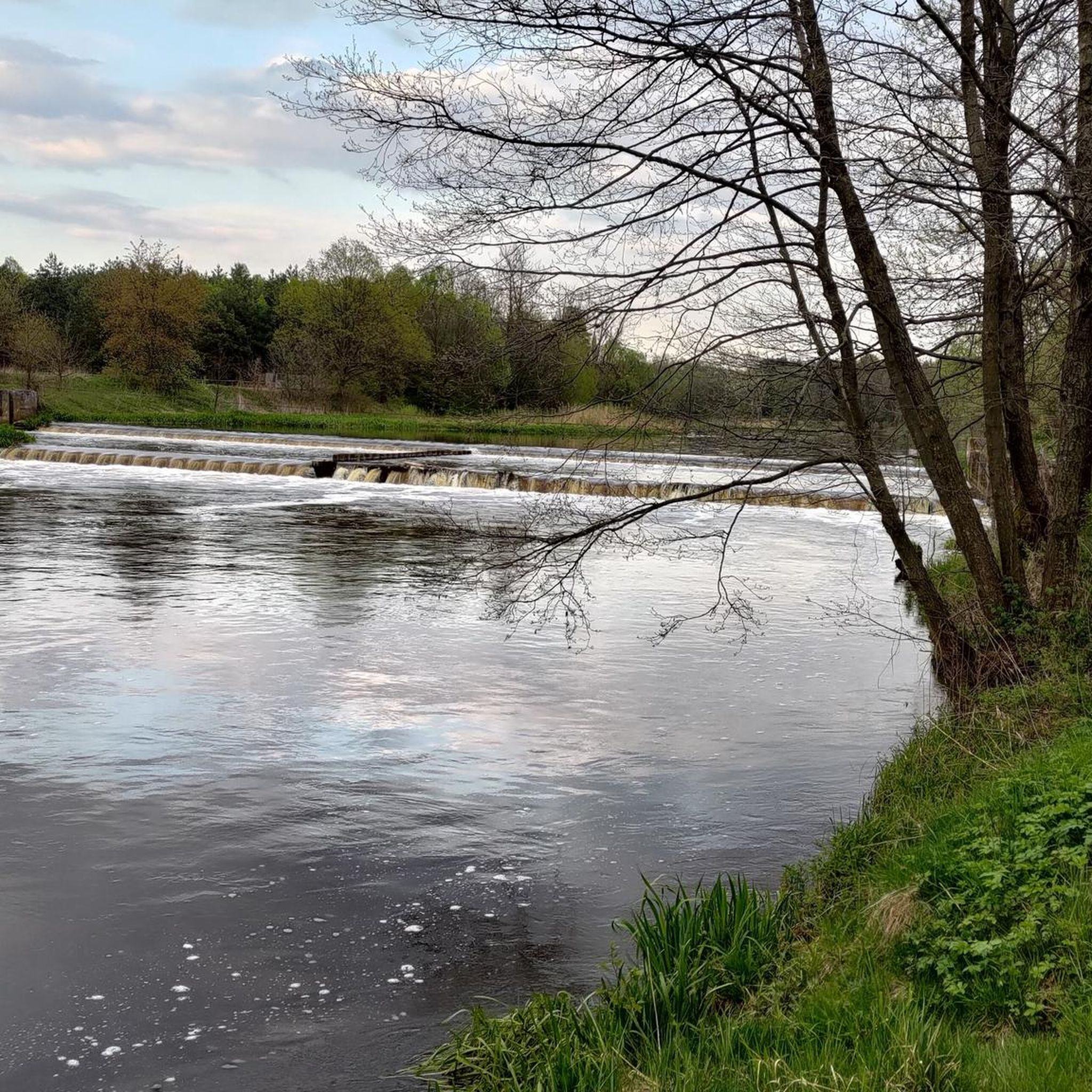
Bridge in the town of Ulanów over the Tanew River.
0
0
The Green Velo Ulanów bench is located right next to the historic Church of St. John the Baptist and St. Barbara in Ulanów
0
0
Frequently Asked Questions
What natural attractions can I explore around Nisko?
The Nisko region offers several natural points of interest. A prominent spot is the Viewpoint at the Confluence of the San and Tanew Rivers in Ulanów, where you can witness the picturesque meeting of these two rivers. The area also features the Maria & Olivier Resseguier's Nisko Town Park for relaxation and the Zalew na Podwolinie, a natural scenic area.
Are there historical churches to visit in the Nisko region?
Yes, Nisko and its surroundings are rich in historical churches. You can visit the beautiful 18th-century wooden Exaltation of the Holy Cross Church in Huta Krzeszowska, built in 1766. Another significant site is the Church of St. John the Baptist and St. Barbara in Ulanów, a wooden church dating back to 1643 with a richly polychromed interior. The Church of Our Lady of the Snows in Zarzecze is another beautiful wooden church from the 18th century.
What cultural experiences does Nisko offer?
For cultural insights, the Rafting Museum in Ulanów provides a unique look into the history of rafting. Additionally, the Centrum Wikliniarstwa (Wickerwork Center) showcases traditional crafts, and Nisko has cultural venues like Sokół Nisko and Sokół. Niżańskie Centrum Kultury.
Are there any war memorials or historical sites related to conflicts?
Yes, Nisko County is home to several historical war memorials. You can find the Cmentarz wojenny żołnierzy austro-węgierskich 1914-1915 (Austro-Hungarian Soldiers' War Cemetery 1914-1915). There is also the Collective Grave of Home Army Soldiers in Krzeszów, located in the parish cemetery, commemorating partisans who fought during World War II.
What activities are available for families with children?
Many attractions around Nisko are family-friendly. The Viewpoint at the Confluence of the San and Tanew Rivers offers a scenic spot for picnics and enjoying nature. Historical churches like the Exaltation of the Holy Cross Church in Huta Krzeszowska and the Church of St. John the Baptist and St. Barbara in Ulanów can be interesting for older children. The Rafting Museum in Ulanów also provides an engaging educational experience.
Can I find cycling routes near Nisko's attractions?
Absolutely! The Nisko area is great for cycling. You can find various routes, including the 'Podwolina Reservoir – Patriot Monument loop from Nisko' (35.2 km, moderate) or the 'Statue of the Steel Warrior – Patriot Monument loop from Nisko' (19.7 km, easy). For more options, explore the Cycling around Nisko guide.
Are there options for mountain biking in the Nisko area?
Yes, mountain biking enthusiasts will find trails around Nisko. Routes like the 'Imielty Ług Nature Reserve – Imielty Ług Observation Tower loop from Pysznica' (54.7 km, moderate) offer a good challenge. For a comprehensive list of trails, check out the MTB Trails around Nisko guide.
What are the best places to enjoy scenic views?
The most recommended spot for scenic views is the Viewpoint at the Confluence of the San and Tanew Rivers in Ulanów. It offers expansive views of where the two rivers meet, especially beautiful at sunset. The viewpoint is equipped with a shelter, benches, and a bonfire area, making it ideal for a relaxing break.
Are there any attractions that are wheelchair accessible?
Some attractions in the Nisko area offer wheelchair accessibility. The Bridge Over the Tanew River (Tessiner Strasse) is accessible, as is the Green Velo Bench Ulanów. The Collective Grave of Home Army Soldiers in Krzeszów is also noted as wheelchair accessible.
When is the best time of year to visit Nisko for outdoor activities?
The best time to visit Nisko for outdoor activities is generally during the warmer months, from late spring to early autumn (May to September). During this period, the weather is most favorable for cycling, exploring natural viewpoints, and enjoying the river areas. Summer offers longer daylight hours and pleasant temperatures for all outdoor pursuits.
Where can I find a bridge over the Tanew River?
You can find a notable bridge over the Tanew River in Ulanów. The Bridge Over the Tanew River (Tessiner Strasse) spans this right-side tributary of the San River, which is 114.25 km long.
Are there any rest areas along the rivers?
Yes, there are designated rest areas. You can find a Riverside rest area on the Tanew in the Lower Tanew Valley, which is a good spot to take a break and enjoy the river scenery.
Most popular routes around Nisko

Get inspired with the komoot mobile app


Didn’t find what you were looking for?
Are you keen on exploring more awesome places nearby? Browse our guides:
Explore more
Still not found the Highlight you’re looking for? See guides of the top attractions in other regions:
