The best walks and hikes around Lidzbark
4.4
(23)
279
hikers
38
hikes
Hiking around Lidzbark offers diverse natural landscapes within Poland's Warmia-Masuria region. The area features varied topography, including the Orneta Plain, Górowska Hills, and parts of the Olsztyn Lake District. Prominent natural features include the Symsarna Valley with its escarpments and the meandering Symsarna River, alongside the Łyna River which flows through the town. The Górzno-Lidzbark Landscape Park also provides protected areas for immersive nature experiences.
Best hiking trails in Lidzbark
- The most popular hiking route is Wall of Murals –…
Last updated: June 25, 2026
4.0
(2)
28
hikers
5.75km
01:30
40m
40m
Easy hike. Great for any fitness level. Easily-accessible paths. Suitable for all skill levels.
14
hikers
21.4km
05:32
120m
120m
Hard hike. Very good fitness required. Easily-accessible paths. Suitable for all skill levels.

Sign up for free
4
hikers
Easy hike. Great for any fitness level. Easily-accessible paths. Suitable for all skill levels.
10
hikers
Moderate hike. Good fitness required. Easily-accessible paths. Suitable for all skill levels.
7
hikers
2.95km
00:46
20m
10m
Easy hike. Great for any fitness level. Easily-accessible paths. Suitable for all skill levels.
3.0
(2)
6
hikers
9.26km
02:23
50m
50m
Moderate hike. Good fitness required. Easily-accessible paths. Suitable for all skill levels.
5
hikers
Easy hike. Great for any fitness level. Easily-accessible paths. Suitable for all skill levels.
5
hikers
8.93km
02:20
60m
60m
Moderate hike. Good fitness required. Easily-accessible paths. Suitable for all skill levels.
3
hikers
3.79km
01:01
50m
50m
Easy hike. Great for any fitness level. Easily-accessible paths. Suitable for all skill levels.
3
hikers
Easy hike. Great for any fitness level. Easily-accessible paths. Suitable for all skill levels.
Get access to more routes and recommendations from other explorers.
Sign up for free
Already have an account?
Our route recommendations are based on thousands of hikes, rides, and runs completed by other people on komoot.
Start today with a free account
Your next adventure awaits.
Login or Signup
Popular around Lidzbark
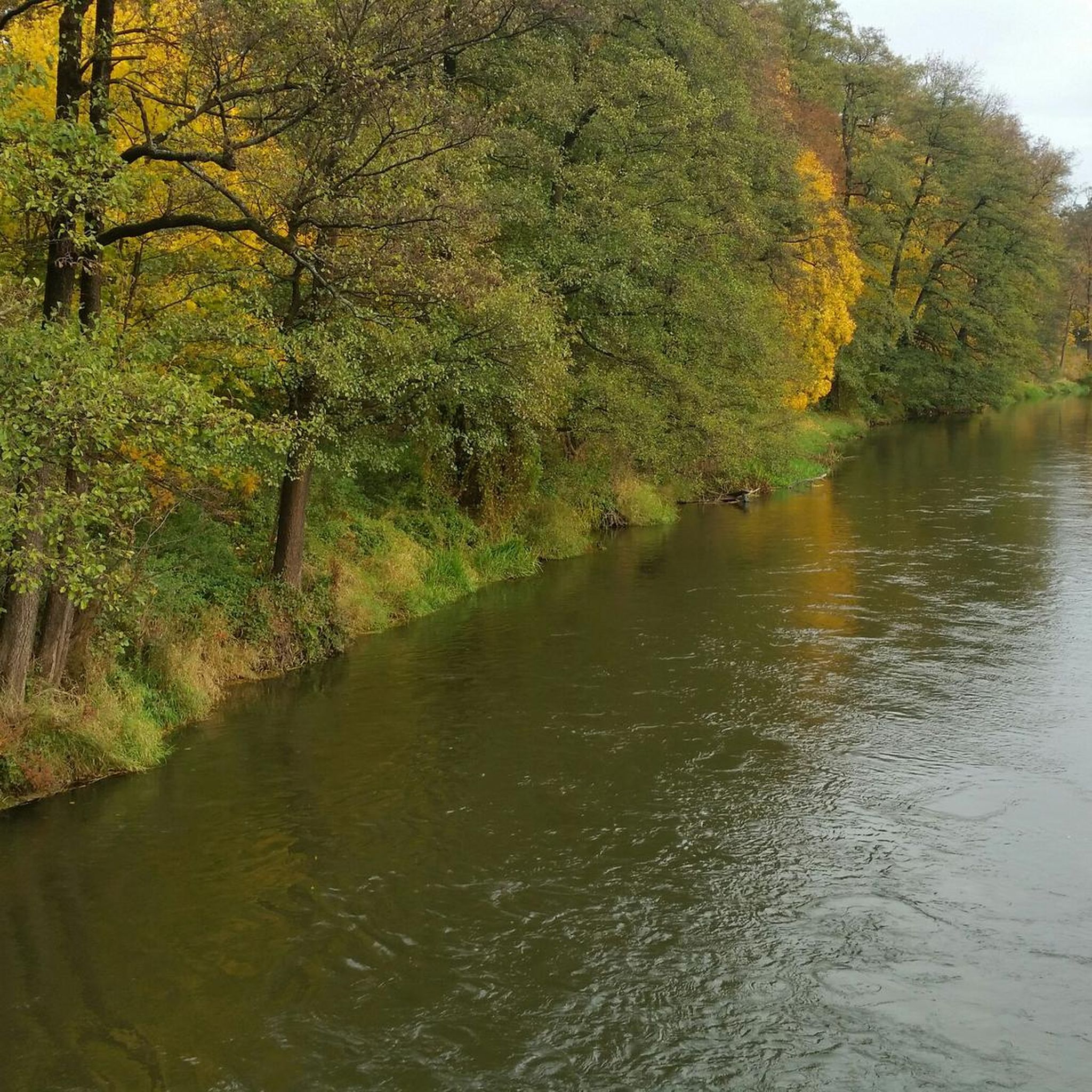
Hiking around Lidzbark Warmiński
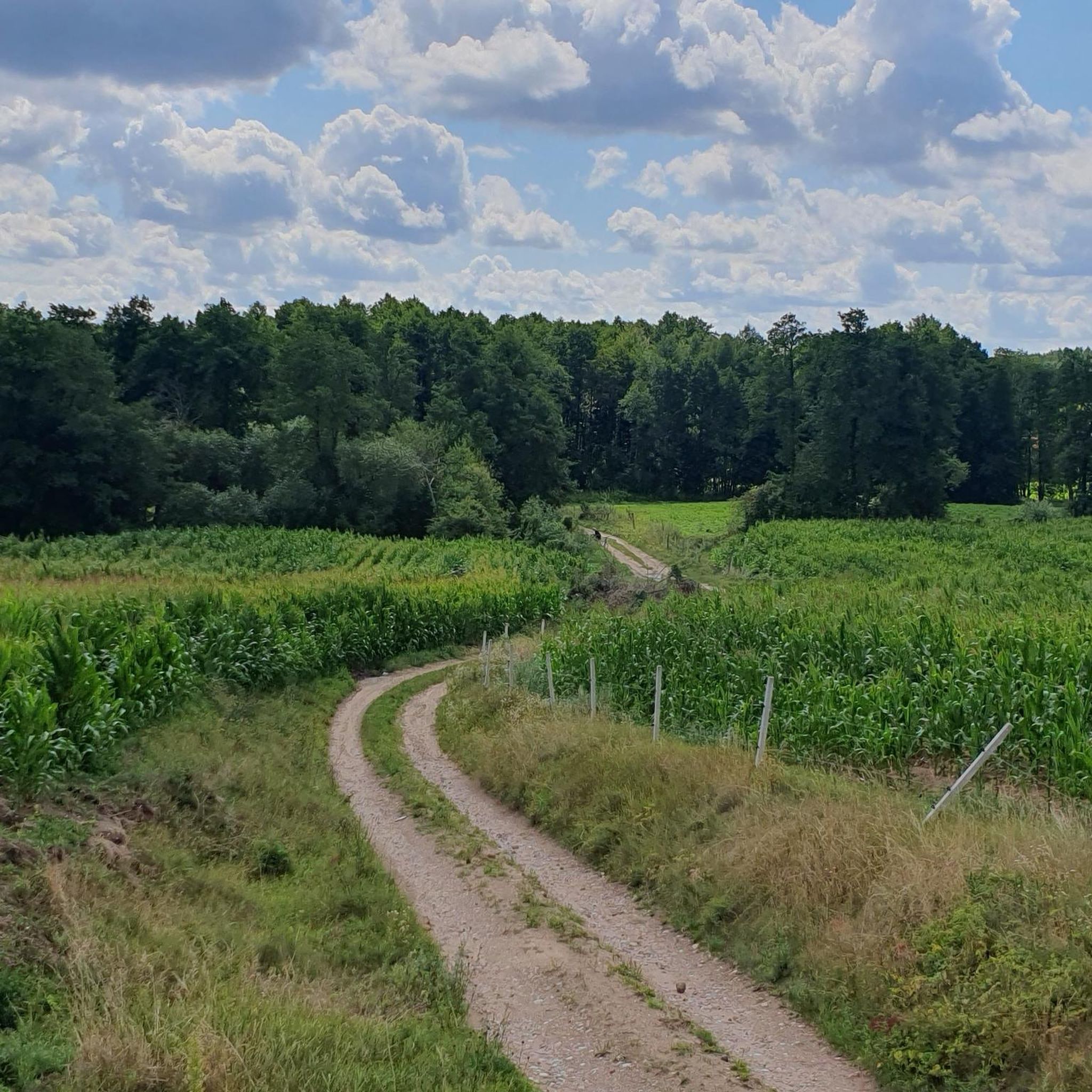
Hiking around gmina Lidzbark Warmiński
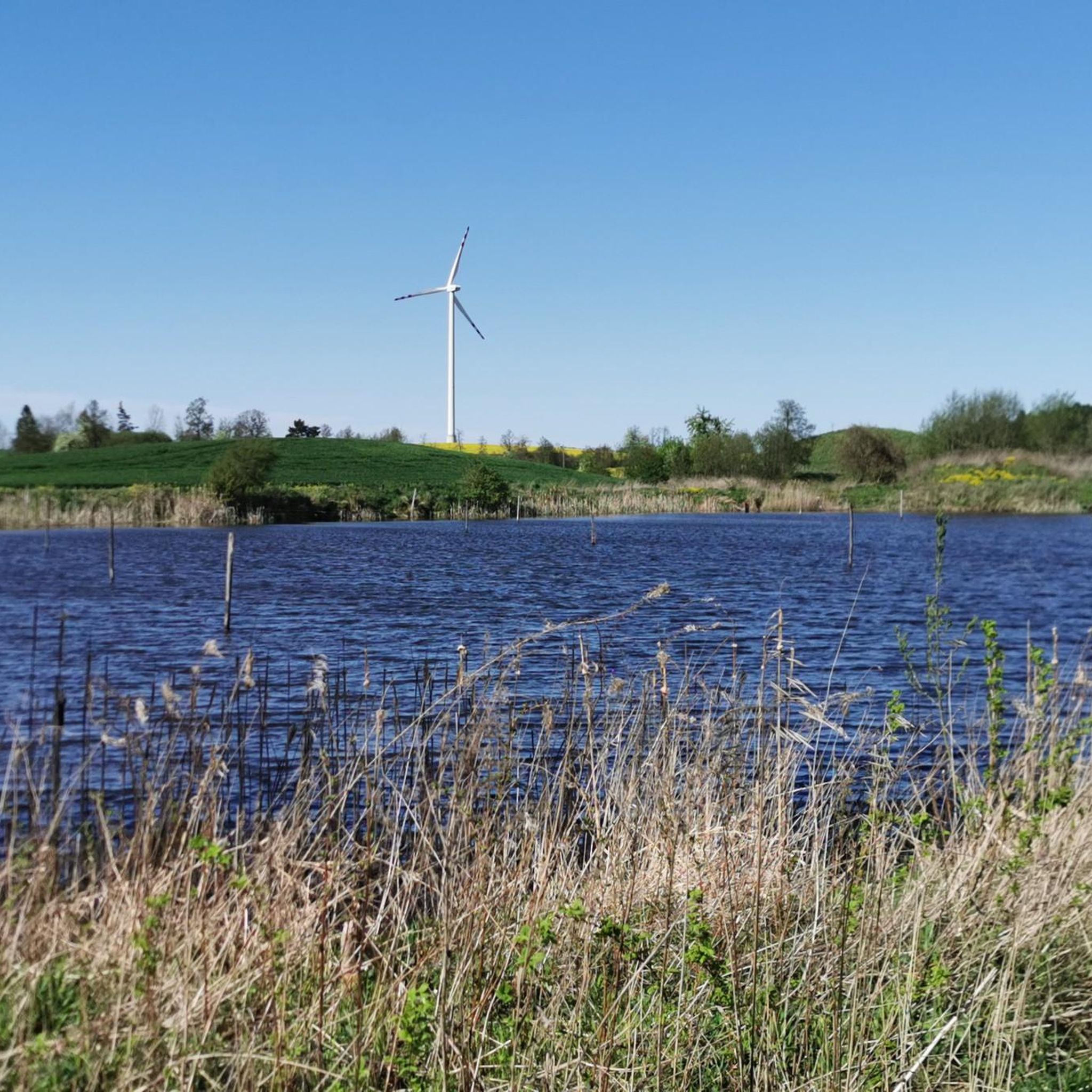
Hiking around Kiwity
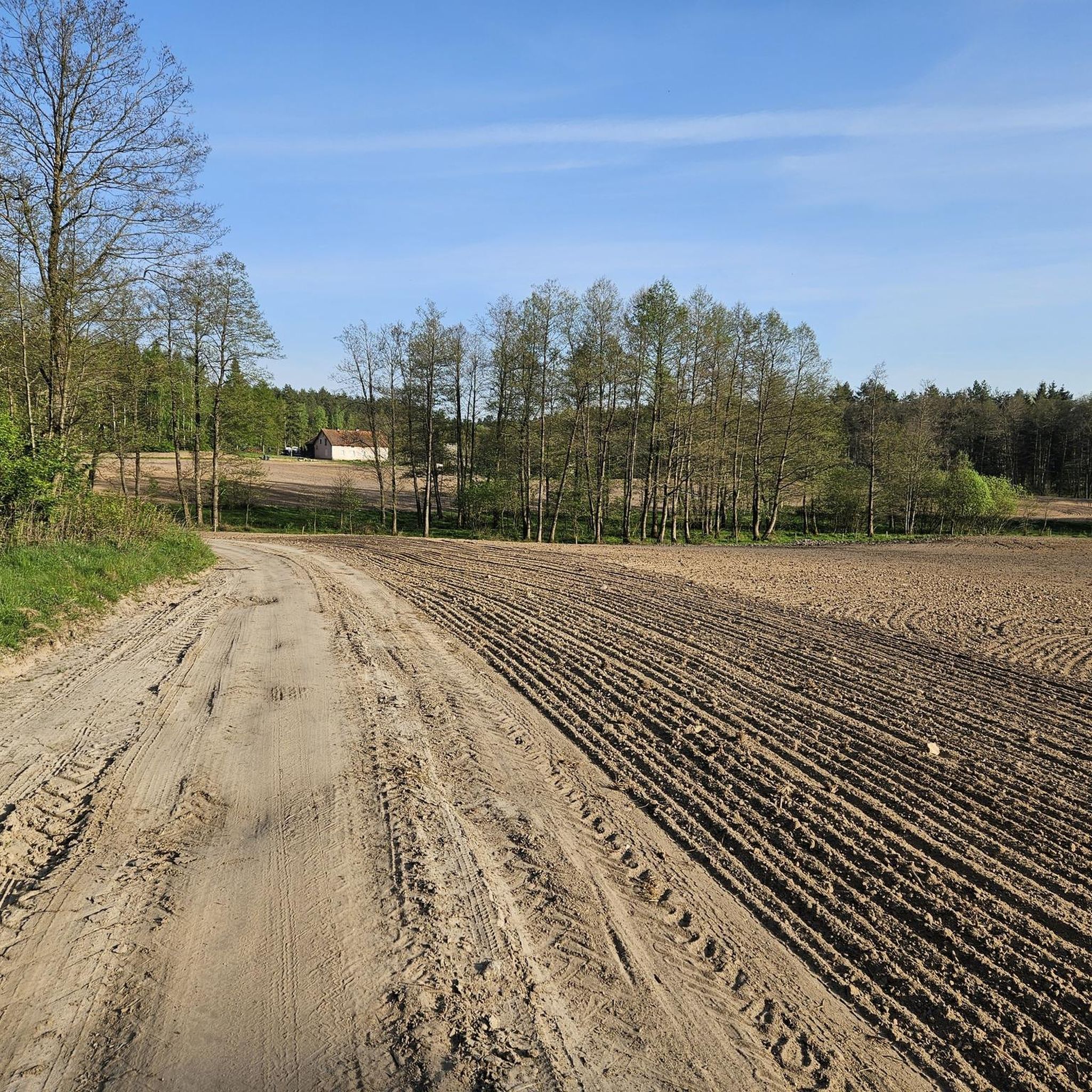
Hiking around Lubomino

Hiking around gmina gmina gmina Orneta
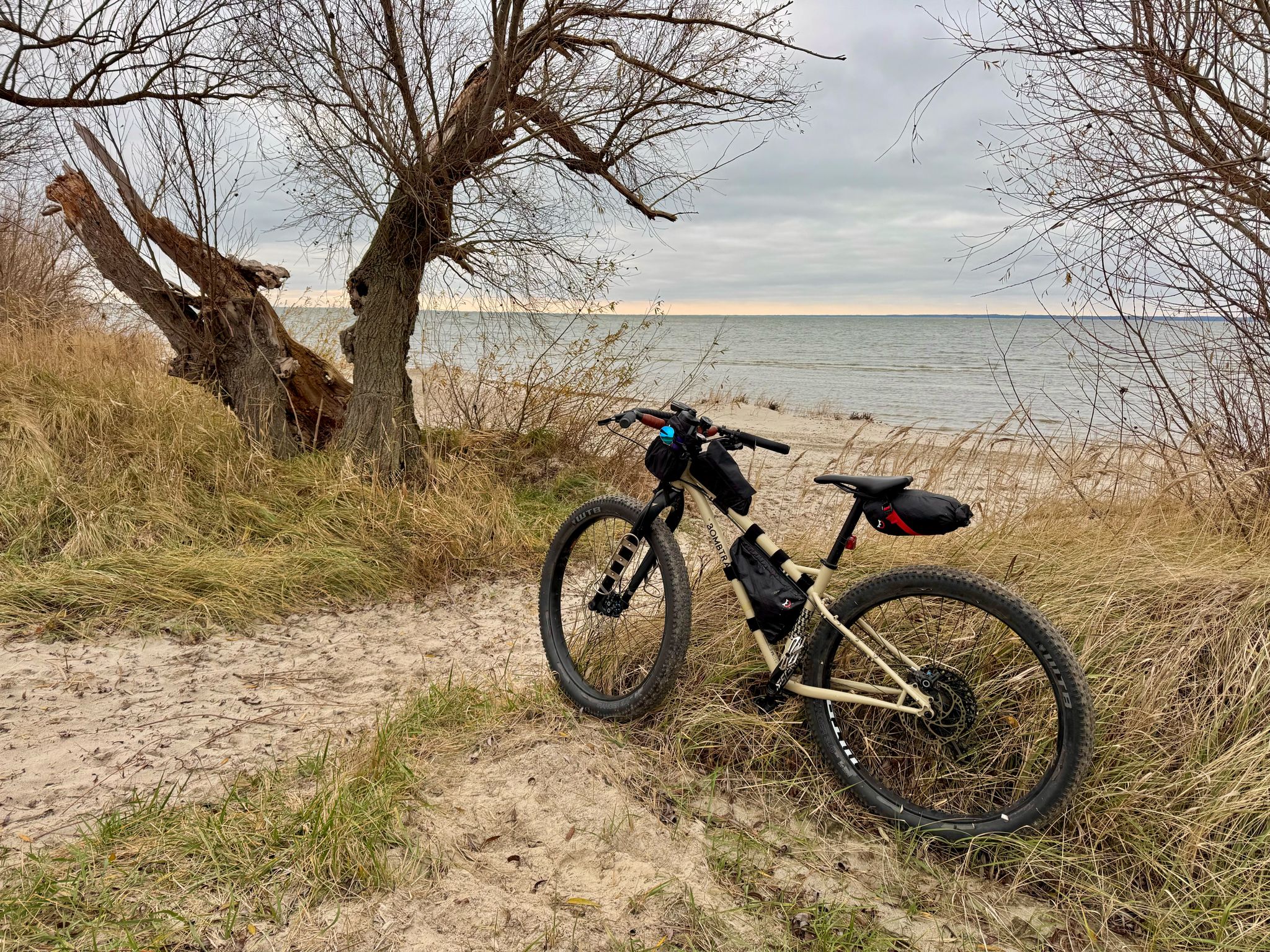
Green Velo – an adventure through wintery Poland
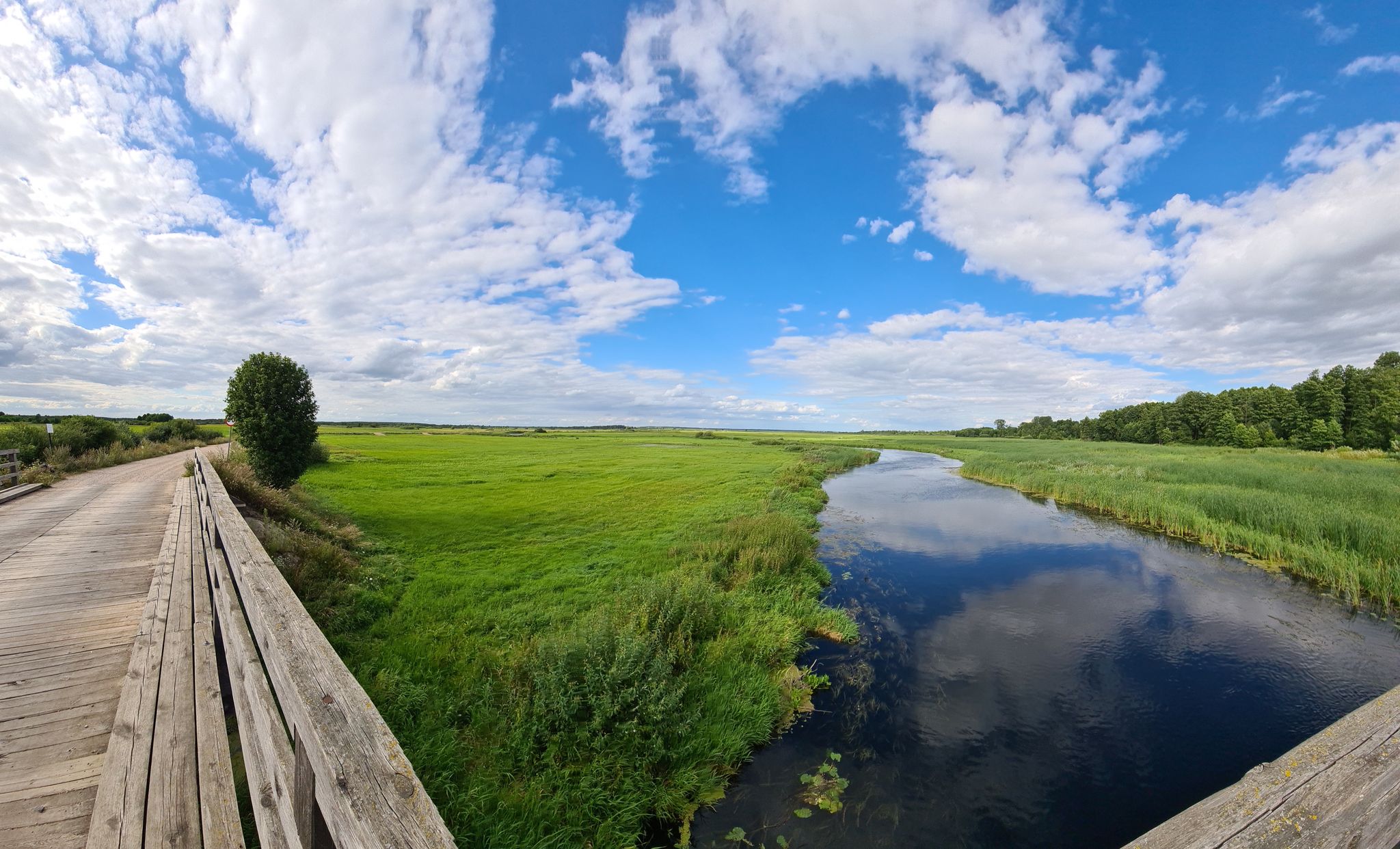
To the east, Eden – Green Velo Szlak (second part)
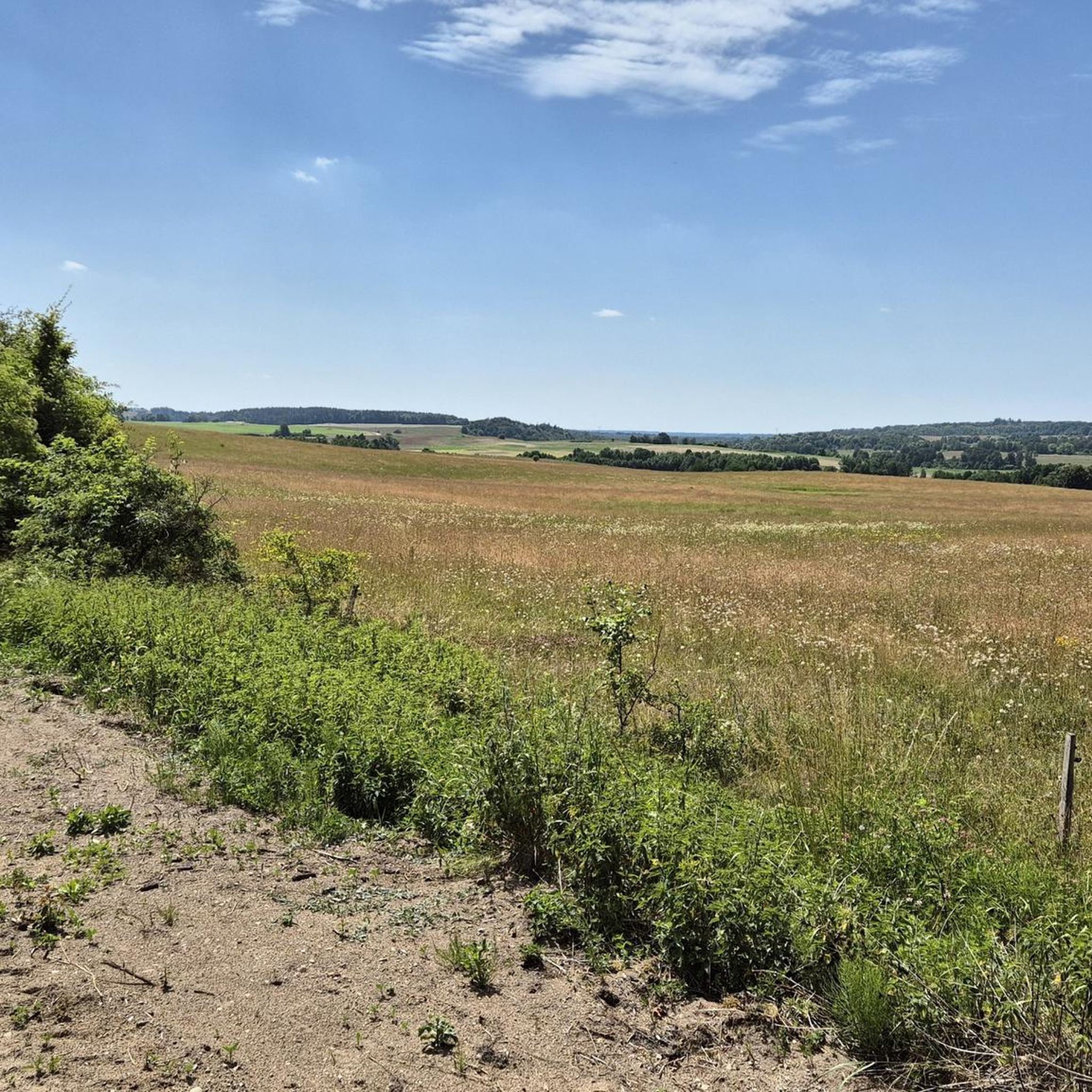
Cycling around Lidzbark
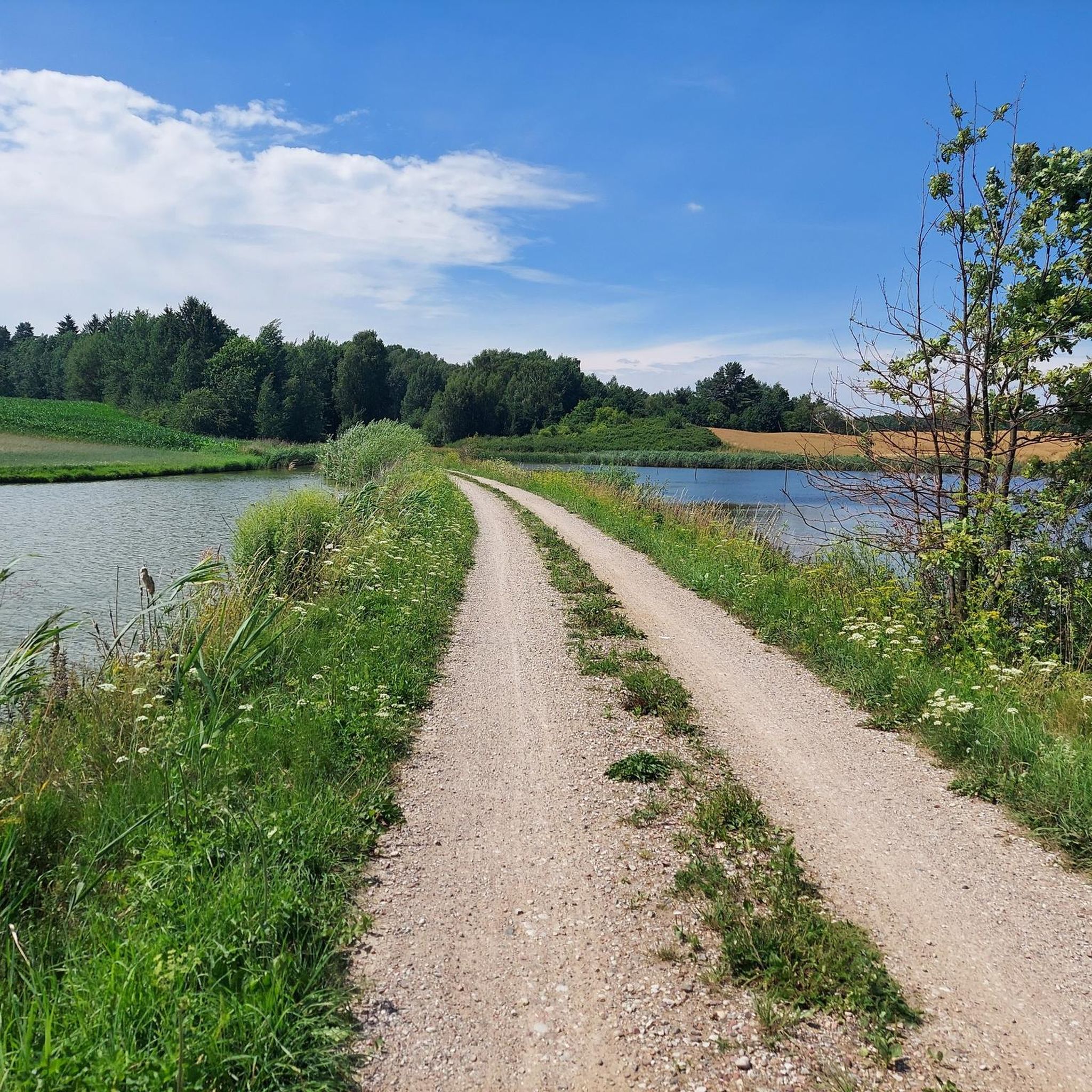
Road Cycling Routes around Lidzbark

Gravel biking around Lidzbark


Tips from the Community

Information about his life and work here on site
0
0

The High Gate in Lidzbark Warmiński is a Gothic defensive structure built in the second half of the 15th century (ca. 1466–1478) as part of the medieval city walls and was one of three gates leading into the city. Only this gate, now also known as the Foregate, remains today. It is a four-story brick structure with two semicircular towers and a pointed archway, constituting one of the most valuable Gothic monuments in Warmia and Mazury. In the 17th–19th centuries, the structure was adapted for artillery fire, and after being rebuilt in the mid-19th century, it served, among other purposes, as a courthouse. The gate walls still contain remnants of the 1520 bombardment, in the form of embedded cannonballs. Today, the High Gate is an important symbol of the city and a tourist attraction.
2
0
The Collegiate Church of Saints Peter and Paul in Lidzbark Warmiński was built in the 14th century as a Gothic three-nave church. The church tower reaches approximately 66 meters and dominates the city skyline. The church was rebuilt several times – after the fire in 1698 and in the 18th and 19th centuries, combining the Gothic structure with Baroque and neo-Gothic elements. Currently, the collegiate church serves as the chapter's seat and boasts valuable historic furnishings, including Gothic vaults and works of sacred art.
2
0
The bust of Ignacy Krasicki in Lidzbark Warmiński commemorates the Bishop of Warmia, a poet and journalist of the Enlightenment. Located in the former Krasicki Gardens, it alludes to his long residence in the city. The pedestal bears his name, the dates of his life (1735–1801), and the title "Prince of Polish Poets," highlighting Krasicki's importance to Warmia culture and 18th-century Polish literature.
2
0
The history of the Lidzbark Warmiński Commune Office dates back to the post-war period, when local administration was rebuilt and organized within the rural commune after 1945. The office assumed the responsibilities of local government, including managing municipal property, maintaining resident records, and managing social affairs. Over the years, the institution has developed, adapting its structure to the growing needs of residents and modern administrative standards, including the digitization of services and cooperation with central offices. Today, the Commune Office plays a key role in local government, providing administrative and social support for the entire commune.
2
0
The statue of St. Catherine of Alexandria is a sandstone sculpture from 1756, located in the courtyard of the castle of the Warmia Bishops' Castle in Lidzbark Warmiński. It depicts St. Catherine – a virgin and martyr – standing in richly flowing robes, sword in hand; it is one of the principal examples of Rococo religious sculpture in Warmia. The statue is placed on a decorative volute pedestal bearing the bishop's coat of arms, and the plinth bears a Latin foundation inscription indicating that the founder was Bishop Adam Stanisław Grabowski. For many years, the work was attributed to various artists, but recent research links its creation to the workshop of Jan Jerzy Plersch. During World War II, the statue lost its head; in the postwar period, the missing part was reconstructed based on ancient iconographic materials.
2
0
Hotel Krasicki is located in the historic castle complex of the Warmian Bishops' Castle in Lidzbark Warmiński. The building evokes the historic urban and episcopal buildings of the 17th and 18th centuries, and its name commemorates Ignacy Krasicki, the distinguished poet and bishop of Warmia. The hotel opened in 2011, adapting its historic interiors to modern hotel standards while retaining the character of the historic building. The hotel combines the heritage of Warmia with modern tourist and cultural functions, becoming one of the most recognizable landmarks in Lidzbark Warmiński.
2
0
The Orangery of Culture in Lidzbark Warmiński is the historic garden pavilion of the Warmia bishops, also known as the Ignacy Krasicki Orangery. Built in the first half of the 18th century, its final form was given to it by Bishop Ignacy Krasicki in 1790. The building was part of the representative episcopal gardens, famous for their promenades, sculptures, and water features. In front of the orangery's façade is an ornamental fountain, echoing the tradition of decorative accents in historic episcopal gardens. The entire complex served recreational and representative functions, and in the 20th century, the building housed, among other things, a library. Following its revitalization completed in 2015, the orangery was transformed into a cultural center, hosting exhibitions, concerts, workshops, and literary events. Today, it is a key element of the city's cultural life, combining the historic character of the monument with social and educational functions.
2
0
Frequently Asked Questions
What kind of terrain can I expect on hikes around Lidzbark Warmiński?
The region around Lidzbark Warmiński offers diverse terrain, from the flat Orneta Plain to the rolling Górowska Hills and parts of the Olsztyn Lake District. You'll find paths along river valleys, such as the Symsarna and Łyna, as well as routes through more undulating landscapes. Most trails are easy to moderate, with only a few more challenging options.
Are there any family-friendly hiking options in Lidzbark Warmiński?
Yes, Lidzbark Warmiński has several easy trails suitable for families. Many routes follow the picturesque Łyna River, offering gentle strolls. For example, the Hiking loop from Lidzbark Warmiński is an easy 4.4 km path that takes just over an hour to complete, perfect for a family outing.
Can I bring my dog on the hiking trails in Lidzbark Warmiński?
Generally, dogs are welcome on most hiking trails around Lidzbark Warmiński, especially on public paths and in natural areas. However, it's always advisable to keep them on a leash, particularly in protected areas or near wildlife. Always check local regulations for specific trails or nature reserves.
What natural features or viewpoints can I discover while hiking here?
Lidzbark Warmiński is rich in natural beauty. You can explore the Symsarna Valley with its distinctive escarpments and meandering river, or follow the scenic Łyna River. The Górzno-Lidzbark Landscape Park, a protected area with six nature reserves, offers immersive nature experiences. While hiking, you might also encounter historical landmarks like the High Gate (Wysoka Brama) in Lidzbark Warmiński.
Are there any circular hiking routes available?
Yes, many of the hiking routes around Lidzbark Warmiński are circular, allowing you to start and end in the same location. An example is the Nicolaus Copernicus Monument – Boulevard on the Łyna loop from Lidzbark Warmiński, a moderate 7.9 km trail that offers riverside scenery and historical sights.
What historical sites or landmarks can I see near the trails?
Lidzbark Warmiński is steeped in history. Along your hikes, you can encounter the Gothic High Gate, which still bears cannonballs from the 1520 bombardment. The town also features historical murals, as seen on the Nicolaus Copernicus Mural – Fountain and Bishops' Gardens loop. Further afield, you can visit the Basilica of Our Lady of Peace in Stoczek Klasztorny.
How many hiking routes are there in Lidzbark Warmiński?
There are over 25 hiking routes available around Lidzbark Warmiński, catering to various preferences and fitness levels. These include easy riverside strolls, moderate loops through the countryside, and a few more challenging, longer trails.
What do other hikers say about the trails in Lidzbark Warmiński?
The hiking trails in Lidzbark Warmiński are highly rated by the komoot community, with an average score of 4.5 stars from more than 10 reviews. Hikers often praise the diverse natural landscapes, the well-maintained paths, and the combination of scenic beauty with historical attractions.
Are there any longer, more challenging hikes for experienced hikers?
Yes, for those seeking a longer and more challenging experience, the Wayside Cross loop from Lidzbark Warmiński is a difficult 21.4 km trail. It offers a more extensive exploration of the region's varied topography and takes approximately 5 hours and 30 minutes to complete.
Is there public transport available to reach the trailheads?
Lidzbark Warmiński is a well-connected town, and many trailheads are accessible directly from the town center, making them reachable on foot. For routes further afield, local bus services might be available, but it's recommended to check specific schedules and routes in advance.
What is the best time of year to go hiking in Lidzbark Warmiński?
The best time for hiking in Lidzbark Warmiński is typically from spring to autumn (April to October). During these months, the weather is generally pleasant, and the natural landscapes are at their most vibrant. Spring brings blooming flora, while autumn offers beautiful fall colors. Winter hiking is possible, but trails may be covered in snow or ice.
Are there any trails that combine natural scenery with town exploration?
Absolutely. Many routes in Lidzbark Warmiński seamlessly blend natural beauty with urban exploration. For instance, the Hotel Krasicki – Nicolaus Copernicus Mural loop from Lidzbark Warmiński is an easy 5.9 km trail that takes you through riverside paths and past historical murals and town landmarks.
Most popular routes around Lidzbark
Most popular attractions around Lidzbark

Get inspired with the komoot mobile app


Didn’t find what you were looking for?
Check out more Hikes throughout Lidzbark below and find the perfect route in your destination.
Explore more
Browse the best Hikes in other regions.
