Attractions and Places To See around Aleksandrów Kujawski - Top 20
Best attractions and places to see around Aleksandrów Kujawski include historical landmarks, cultural sites, and natural features. The town, historically a Russian-Prussian border station, features architecture from the turn of the 19th and 20th centuries, including wooden houses with Russian influences. Natural landscapes such as the Tążyna River Valley and parts of Puszcza Bydgoska offer green spaces and forests. The region provides a variety of points of interest for visitors.
Best attractions and places to see around Aleksandrów Kujawski
- The…
Last updated: July 1, 2026
Złotoria–Osiek nad Wisłą Bike Path
Highlight (Segment) • Cycleway
Translated by Google •
Tip by

Otłoczyn Station – Former Customs Settlement
Highlight • Historical Site
Translated by Google •
Tip by

Sign up now to discover places like this
Get recommendations on the best single tracks, peaks, & plenty of other exciting outdoor places.
Sign up for free
Orthodox Church of St. Michael the Archangel
Highlight • Religious Site
Showing Translation
Tip by

Ciechocinek Graduation Towers
Highlight • Monument
Translated by Google •
Tip by

Ciechocinek Graduation Towers
Highlight • Monument
Tip by
Sign up for free to discover even more attractions around Aleksandrów Kujawski.
Sign up for free
Already have an account?
Start today with a free account
Your next adventure awaits.
Login or Signup

Tips from the Community

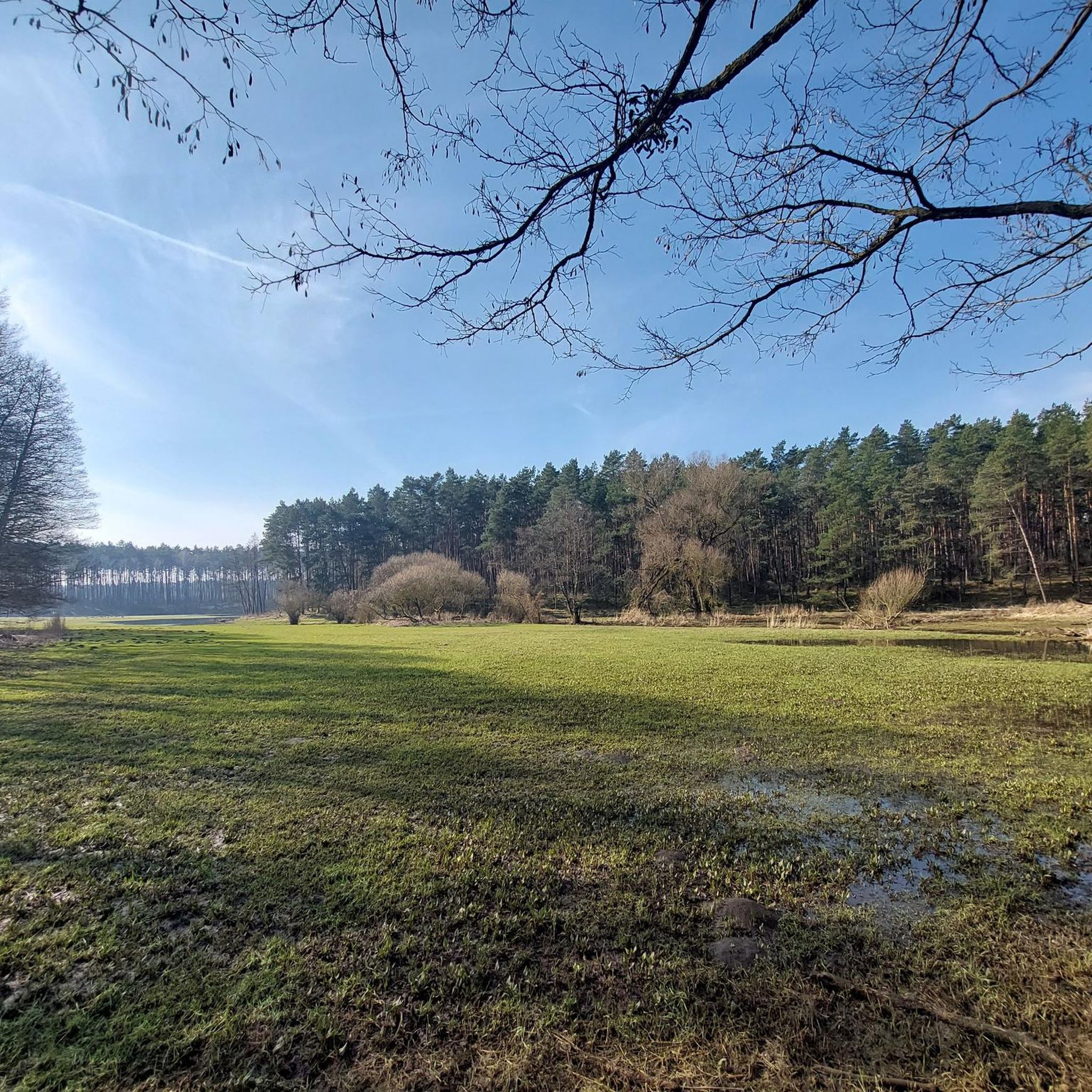
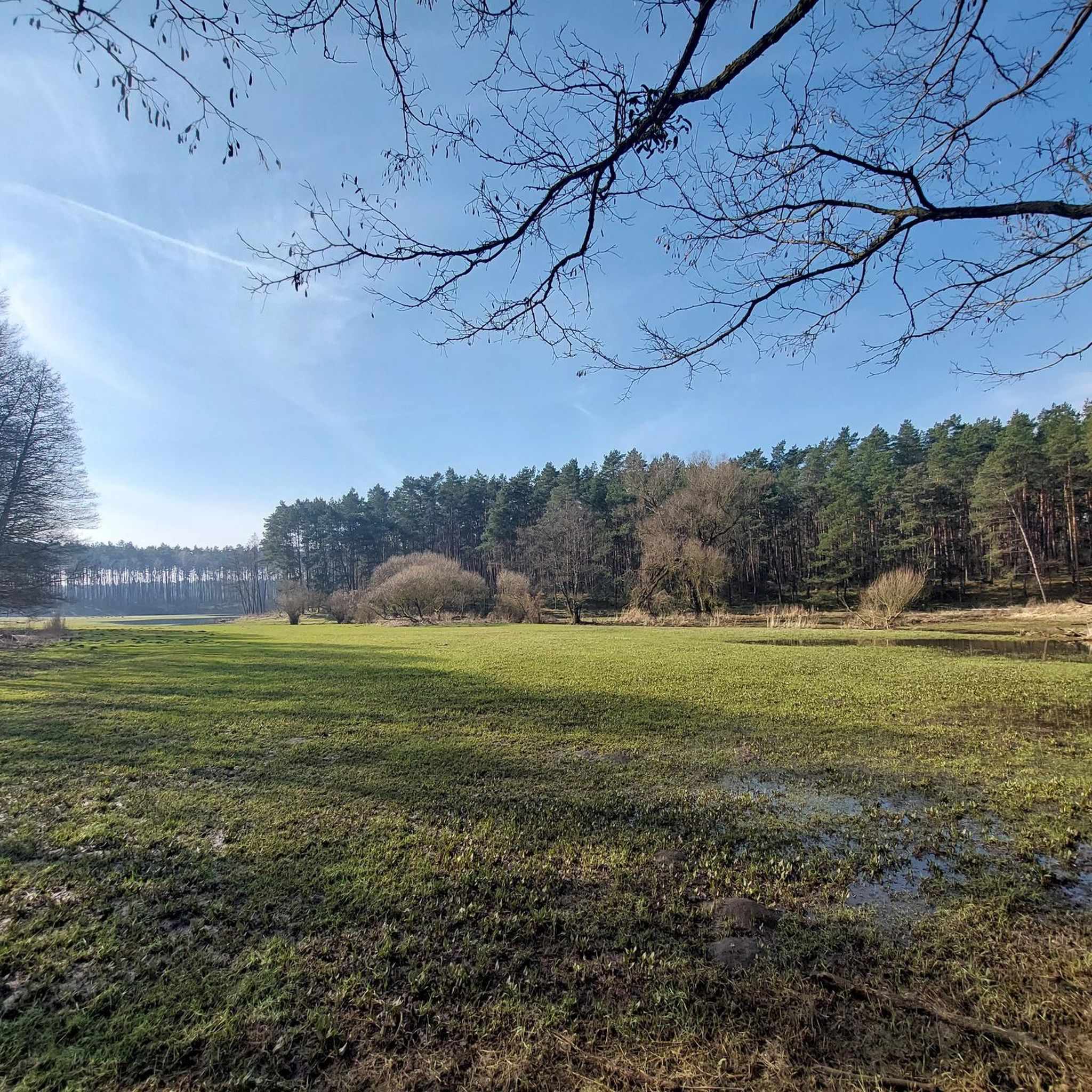
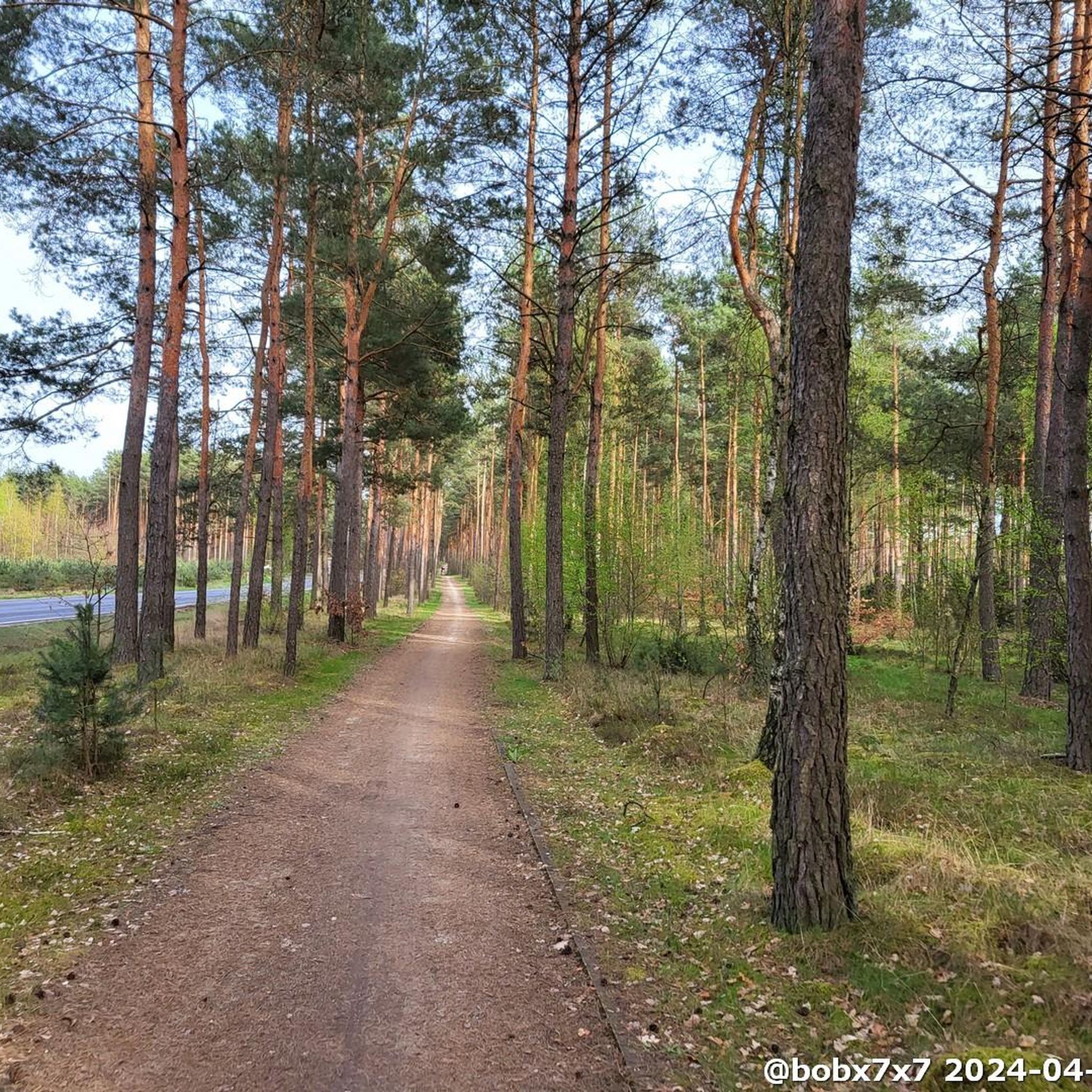
The road is unusual - alternating asphalt in villages and gravel outside them. The asphalt is so-so - a pedestrian-cycle path in the villages. But the gravel is excellent (as of summer 2026). Several kilometers of road resembling a park alley. You can push it, and it will be easily (and with pleasure) ridden on a road bike. At times, this cycle path is even better than the road for cars it runs next to :)
0
0

The historic field church in Ciechocinek, dedicated to St. Michael the Archangel, is located on the grounds of the Military Health Resort Hospital, but has a separate entrance from the street and is usually open for visits. The temple was built in 1894 by Caucasian highlanders in the Trans-Ural style, it is the only example of such construction in Europe. The building served as a church until the 1920s. After regaining independence, the church was closed, and a casino with a common room was opened in the building, then it was converted into a school, and finally a warehouse. Restored and returned to its function as an Orthodox church in 1996.
1
0

A very cleverly designed bike path. Close to a busy road and most of the route runs through the forest. From Grabowiec (if you're going in the direction of Toruń) there's a predominance of gravel, paved surfaces, which makes the ride pleasant and easy for most types of tires.
0
0
Perhaps in some time it will be a monument on the UNESCO World Heritage List. Ciechocinek, together with the local government of the Kuyavian-Pomeranian Voivodeship, has begun efforts to have it entered
1
0

The graduation towers in Ciechocinek - a unique and largest wooden structure in Europe for evaporating water from brine, were designed by Jakub Graff - professor at the Mining Academy in Kielce. Three such buildings were built here - arranged in the shape of a horseshoe. The construction of graduation towers I and II lasted from 1824 to 1828, the third one was built in 1859.
1
0

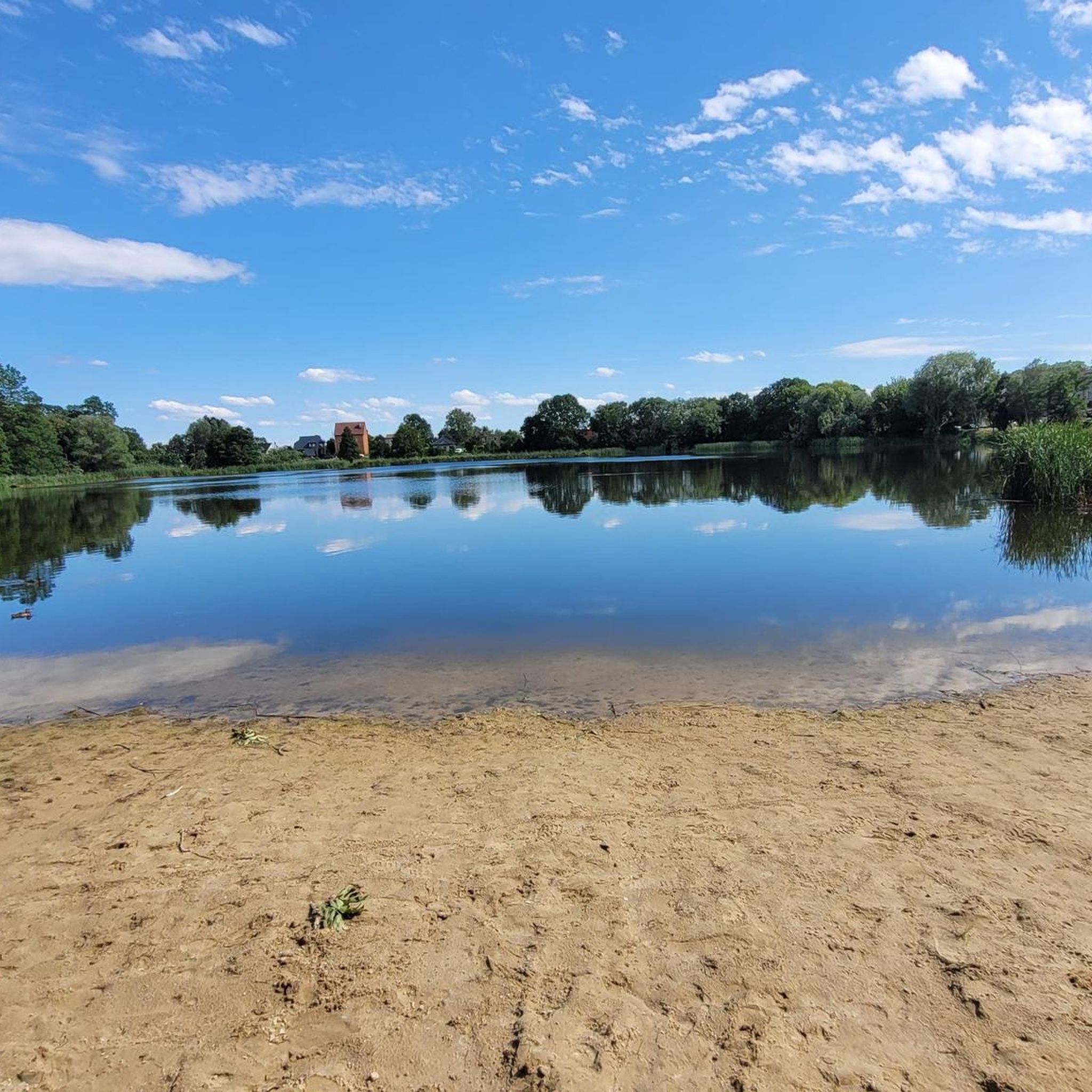
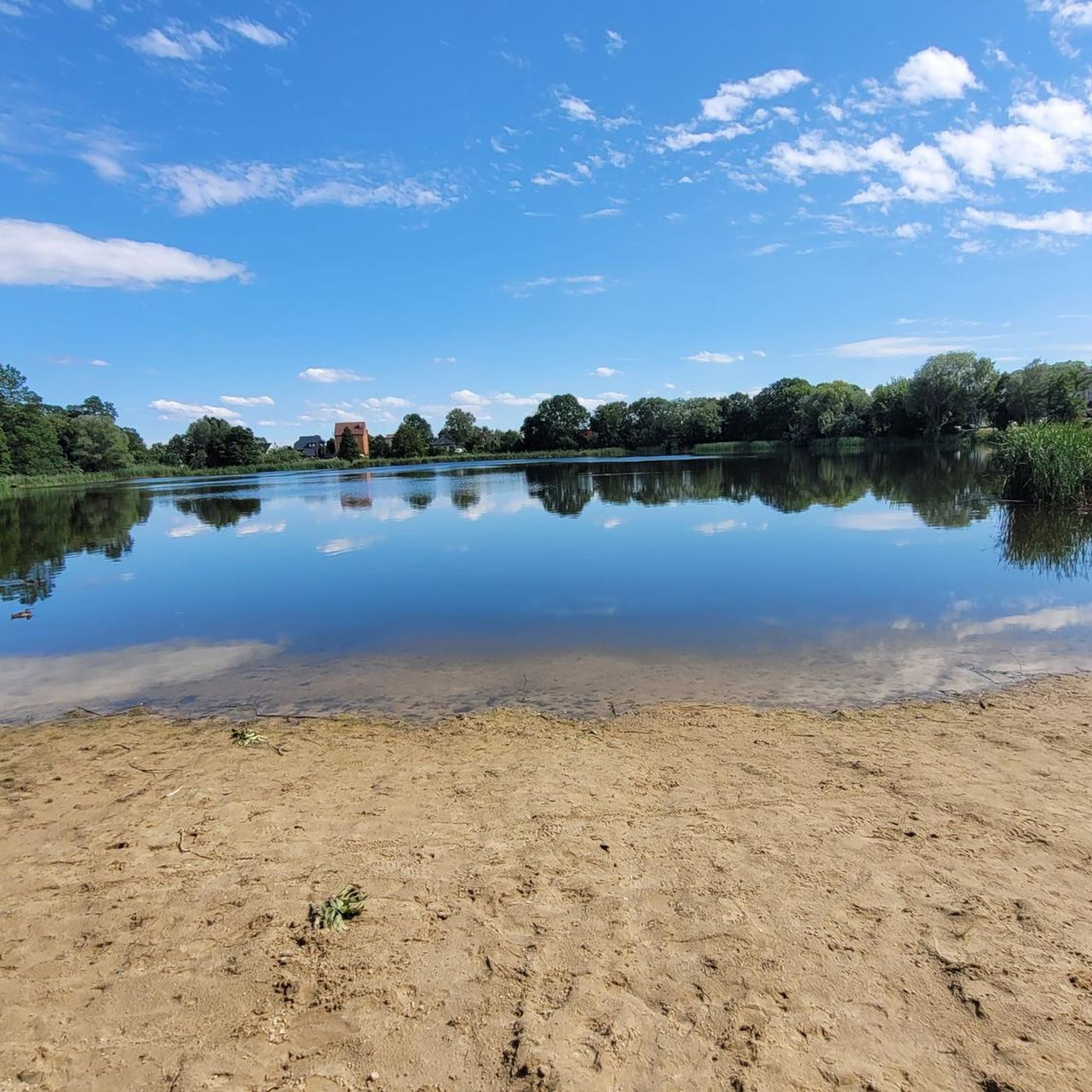
A great place to rest and take a walk
0
0

The settlement was established in 1862 as a hamlet of the nearby village of Otłoczyn, in connection with the launch of the "Warsaw-Bydgoszcz Iron Road". It was an important maneuvering station, a place for stopping and reloading echelons, the last on the Prussian side, before the nearby Prussian-Russian border marked by the Tążyna River. The buildings from the turn of the 19th and 20th centuries, currently adapted for residential purposes, once served as a station and rail dispatch (the largest), customs house and post office. The solidity of the Prussian buildings, now over 150 years old, is striking. On the Russian side of the former border - emptiness. How much does that say about the intentions and skills of both nations. If these buildings were renovated, it would be a beautiful mini-village located in the forest.
3
0

Frequently Asked Questions
What historical landmarks can I explore in Aleksandrów Kujawski?
Aleksandrów Kujawski boasts a rich history, particularly as a former Russian-Prussian border station. You can visit the impressive Railway Station Complex, built between 1860 and 1862, which once served as a border station, customs house, and telegraph office. Another significant site is the Otłoczyn Station – Former Customs Settlement, established in 1862, with well-preserved buildings from the turn of the 19th and 20th centuries. The Neo-Gothic Parish Church of the Transfiguration of the Lord, originally a chapel for railway workers, also holds historical and artistic value with its 17th-century Italian painting.
Are there any significant cultural sites in the area?
Yes, the town's unique history has left several cultural marks. The Ukrainian Military Cemetery on Narutowicza Street, dating back to 1921, includes a kurgan topped with a Zaporozhian cross. Due to its past under Russian rule, an Orthodox Cemetery also exists in the city, with some surviving tombstones. Additionally, the town's architecture from the turn of the 19th and 20th centuries, including wooden houses with Russian influences, offers a glimpse into its unique cultural heritage.
Where can I enjoy nature walks or observe wildlife?
Aleksandrów Kujawski offers several natural areas for walks and wildlife observation. The Tążyna River Valley features alder, willow, and poplar forests, providing attractive scenery close to its natural state. Parts of the larger Puszcza Bydgoska complex, with mixed and pine forests, are located in the northern and northeastern parts of the city. The town also has significant green spaces, including municipal parks and the Dolina Szwajcarska (Swiss Valley), which is a valuable habitat for various wildlife such as deer, roe deer, wild boars, and waterfowl.
Are there opportunities for cycling around Aleksandrów Kujawski?
Yes, the region offers various cycling opportunities. A notable option is the Złotoria–Osiek nad Wisłą Bike Path, which runs through the forest with a mix of gravel and paved surfaces suitable for different tire types. For more routes, you can explore the Cycling around Aleksandrów Kujawski guide, which includes easy to moderate loops like the Ciechocinek Graduation Towers loop from Aleksandrów Kujawski.
What kind of hiking trails are available near these attractions?
You can find several hiking trails, particularly around the nearby Ciechocinek area. Options range from easy loops like the Ciechocinek Spa Park – Ciechocinek Graduation Towers loop to more moderate routes such as the Saline Park – Abandoned Palace in Poland loop. For a comprehensive list of trails, refer to the Hiking around Aleksandrów Kujawski guide.
Are there family-friendly attractions or activities in Aleksandrów Kujawski?
Many attractions in the area are suitable for families. The Ciechocinek Graduation Towers, a unique wooden structure for evaporating brine, is a fascinating visit for all ages. The Trojanowski Palace, set within a picturesque park with eleven oak trees recognized as natural monuments, offers a pleasant spot for family walks away from the city center. Additionally, the Złotoria–Osiek nad Wisłą Bike Path is designed to be enjoyable for families.
When is the best time of year to visit Aleksandrów Kujawski for outdoor activities?
The best time to visit Aleksandrów Kujawski for outdoor activities is generally during the warmer months, from spring through early autumn (May to September). During this period, the weather is most favorable for hiking, cycling, and enjoying the natural landscapes like the Tążyna River Valley and city parks. The nearby lakes also offer recreational opportunities when the weather is pleasant.
Are there any natural protected areas nearby?
Yes, Aleksandrów Kujawski is situated within the "Nizina Ciechocińska" Protected Landscape Area. This designation highlights the attractive location and natural values of the region, including its proximity to the Vistula river valley and the unique microclimate of Ciechocinek, known for its mineral waters. This area ensures the preservation of the local natural environment.
What is the significance of the Ciechocinek Graduation Towers?
The Ciechocinek Graduation Towers are a unique and the largest wooden structure in Europe designed for evaporating water from brine. Built in the 19th century, these horseshoe-shaped towers increase the concentration of mineral salts in saline solution, creating a microclimate rich in iodine, bromine, and other elements. Many visitors come for health reasons, and there are ongoing efforts to have them recognized as a UNESCO World Heritage site.
Can I find challenging bike routes in the Aleksandrów Kujawski area?
While many routes are easy to moderate, you can find more challenging options, especially for gravel biking. The Gravel biking around Aleksandrów Kujawski guide lists routes like the Wooden Shelter – Shelter by the Bike Path loop from Dzikowo or the Grabowiec–Osiek Bicycle Path – Vistula River Oxbows loop from Otłoczyn, which are rated as difficult and offer a greater challenge.
What do visitors enjoy most about the attractions around Aleksandrów Kujawski?
Visitors particularly appreciate the blend of historical significance and natural beauty. The solidity and historical context of sites like the Otłoczyn Station – Former Customs Settlement are often noted. The clever design of the Złotoria–Osiek nad Wisłą Bike Path, running through forests, makes for pleasant rides. The unique health benefits and impressive scale of the Ciechocinek Graduation Towers also receive high praise from the komoot community.
Most popular routes around Aleksandrów Kujawski

Get inspired with the komoot mobile app


Explore more
Still not found the Highlight you’re looking for? See guides of the top attractions in other regions:
