The best cycling routes around Kcynia
4.8
(162)
641
riders
60
rides
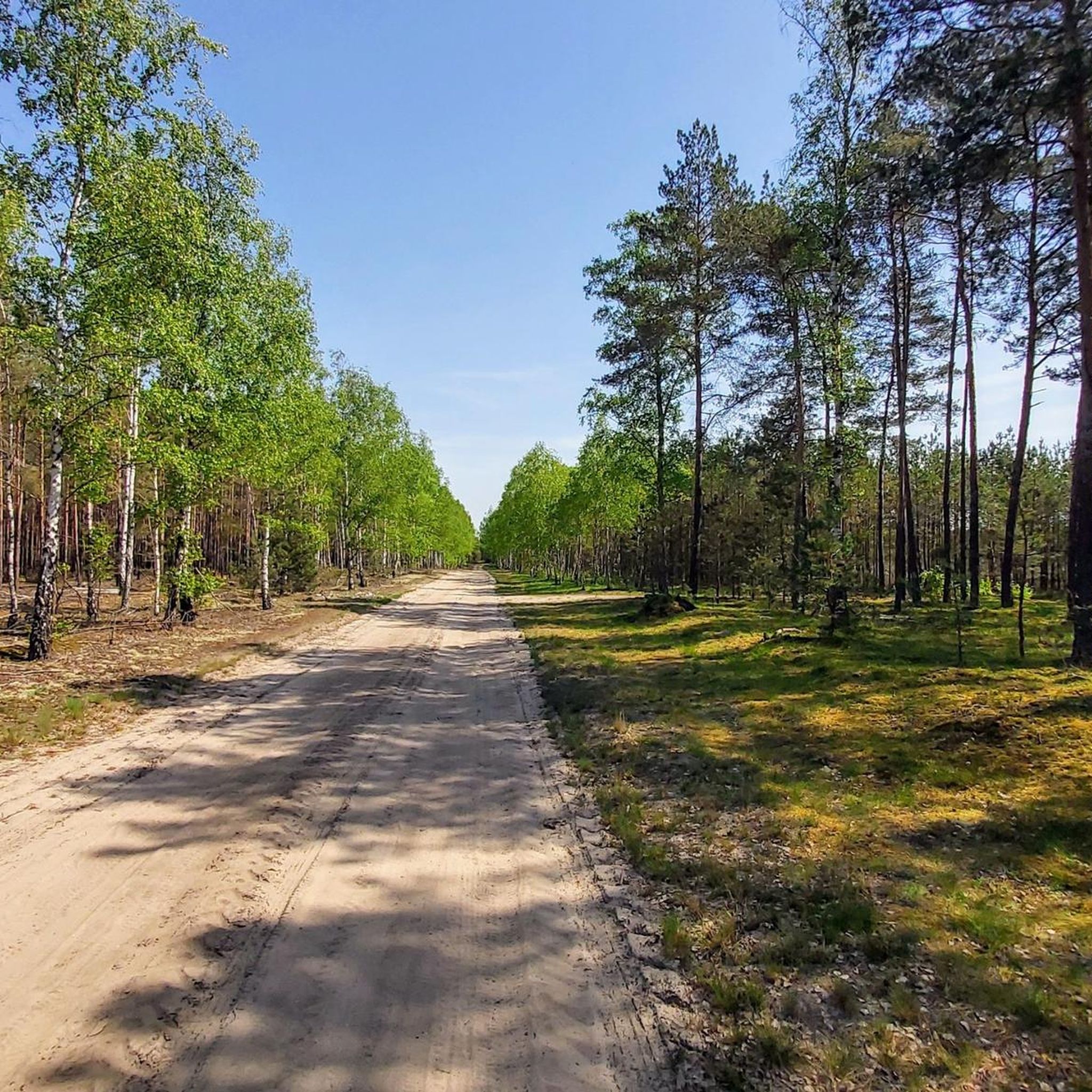
Touring cycling around Kcynia offers routes through a distinctive post-glacial landscape in north-central Poland. The region is characterized by varied terrain, including moraine hills, nearly 100 lakes, and extensive forests. This topography provides a mix of gentle and more challenging paths for cyclists. The area also features natural monuments and historical sites that can be integrated into cycling routes.
Best touring cycling routes around Kcynia
- The most popular touring cycling route is Bydgoszcz Canal – Występ Lock – Bydgoszcz Canal…
Last updated: July 10, 2026
4.8
(11)
32
riders
39.0km
02:19
120m
120m
Hard bike ride. Good fitness required. You may need to push your bike for some segments of this route.
5.0
(2)
9
riders
17.4km
01:00
30m
30m
Easy bike ride. Great for any fitness level. Mostly paved surfaces. Suitable for all skill levels.

Sign up for free
5.0
(1)
4
riders
21.7km
01:16
60m
60m
Easy bike ride. Great for any fitness level. Mostly paved surfaces. Suitable for all skill levels.
5.0
(1)
4
riders
47.7km
02:55
180m
180m
Moderate bike ride. Good fitness required. Mostly paved surfaces. Suitable for all skill levels.
4
riders
7.19km
00:26
30m
30m
Easy bike ride. Great for any fitness level. Mostly paved surfaces. Suitable for all skill levels.
Get access to more routes and recommendations from other explorers.
Sign up for free
Already have an account?
Our route recommendations are based on thousands of hikes, rides, and runs completed by other people on komoot.
Start today with a free account
Your next adventure awaits.
Login or Signup
Tips from the Community

Right by the station. you can shop there, although there are better shops further away
0
0

Charming short segment of cycling patway away from motor traffic. There are many stops on the way with benches and roof. Pathway is away from major cities, it's cycling hidden gem.
0
0

A section of the bike path separated from the road
0
0
The museum is located in the granary at ul. Pocztowa 14, a former grain warehouse, which was a typical building in the 19th century Nakło, at that time a regional center for transshipment and storage of grain. There are 6 similar buildings preserved in the city to this day (including 2 reconstructed). Our granary was built using the frame technique (popular "Prussian wall") at the turn of the 19th and 20th centuries. The first owner known from written sources (land register from 1905) was Salomon Kätz, a rentier from outside Nakło, permanently residing in Charlotten. In 1912, the granary was purchased by Joseph Siegbert, a merchant from Nakło. Since 1919, the building became the property of the State Treasury without changing its function. In the 1940s, it was managed by the Municipal Cooperative. When 20 years later, in the early 1960s, the idea of creating a museum in Nakło emerged, it was decided to adapt the granary at 14 Pocztowa Street for this purpose. In the 1970s, adaptation designs were drawn up. Construction work began in 1985. Due to its poor technical condition, the building was demolished to its foundations and reconstructed. The ceremonial opening of the new seat of the Museum took place on May 3, 1990. The building has retained its original external appearance. The interiors, on the other hand, have been adapted to new needs. The ground floor houses offices, a library, and a workshop room. The first floor is intended for temporary exhibitions. The second floor houses a permanent exhibition, telling the history of the city and the region. A lapidarium has been set up in the garden adjacent to the building. Museum website: https://muzeum.naklo.pl/
0
0

Buildings and remains of the infrastructure of the former railway station in Wapno on the inactive section of line no. 281 Oleśnica-Chojnice (Gniezno-Nakło nad Notecią section). A lot of traffic was associated with salt mining in the local mine, which had its own siding. At the peak of the mining season, 60 wagons of salt were dispatched from here daily. There was a signal box, and two platforms were designated for passenger traffic. During the mining disaster in 1977, the line from Damasławek to Kcynia suffered significant damage, and train traffic was temporarily suspended (replacement buses were running at that time). (Wikipedia)
0
0

probably some club where the terrace above the entrance is supported by figures stylized as Inca culture 🤪
0
0
The mine ceased its mining operations on 5 August 1977 as a result of one of the greatest disasters in the history of Polish mining. A sudden increase in groundwater flooded the third level, which was breached by failing to maintain the appropriate thickness of the protective salt shelf. The direct cause of the disaster was the creation of hydraulic connections between the workings and the aquifers outside the diapir. Numerous landslides appeared in the mine's surroundings. In order to save the town, a 6-kilometre pipeline from Lake Czeszewskie was laid at record speed and water was pumped into the shaft. Despite this, on 28 October 1977 a large sinkhole covered the centre of Wapno, the northern part of the railway station and a section of line no. 281 Gniezno-Nakło nad Notecią. 40 houses were destroyed (including apartment blocks). Around 1.4 thousand residents were evacuated, some of whom lost their homes and left the town forever. (Wikipedia)
1
0

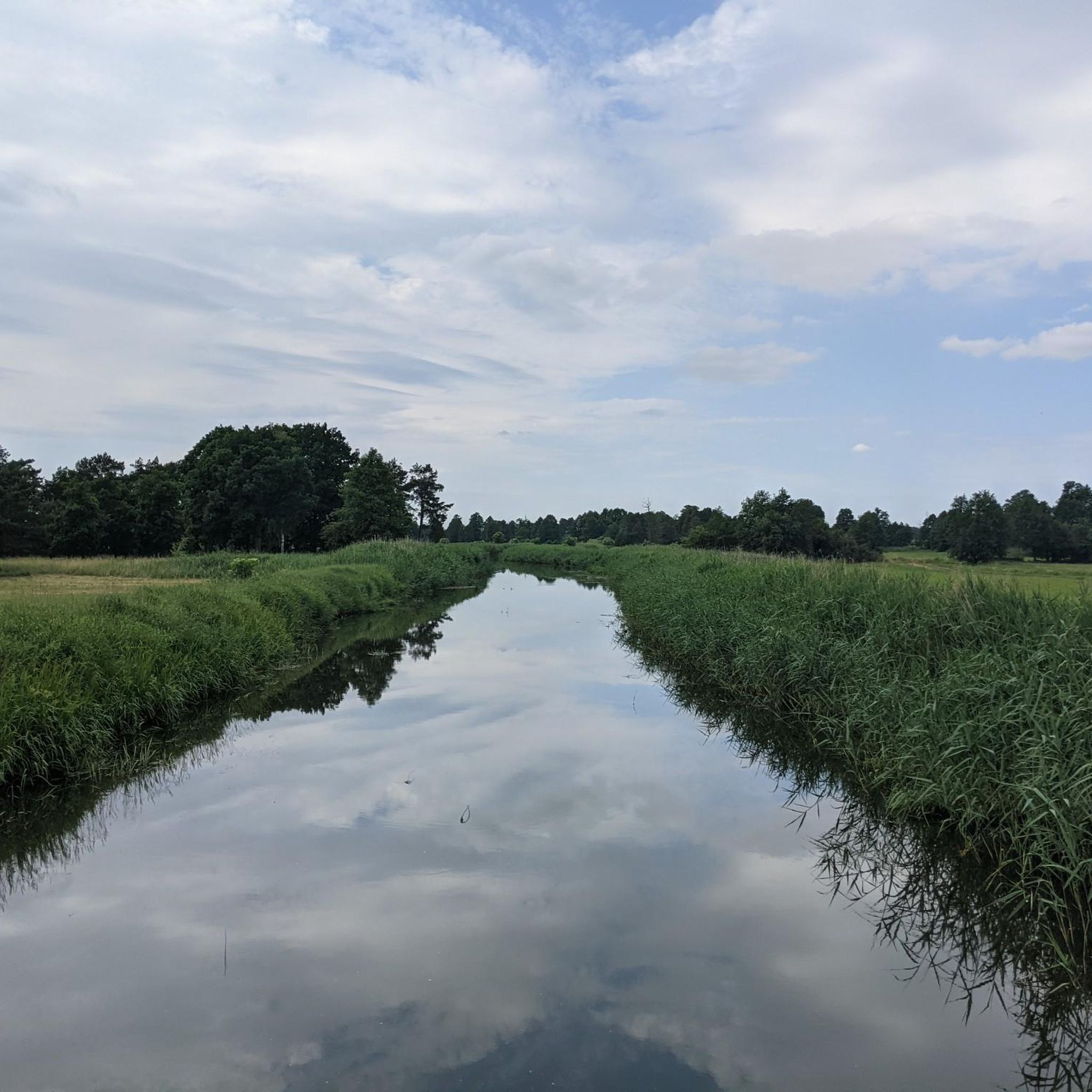
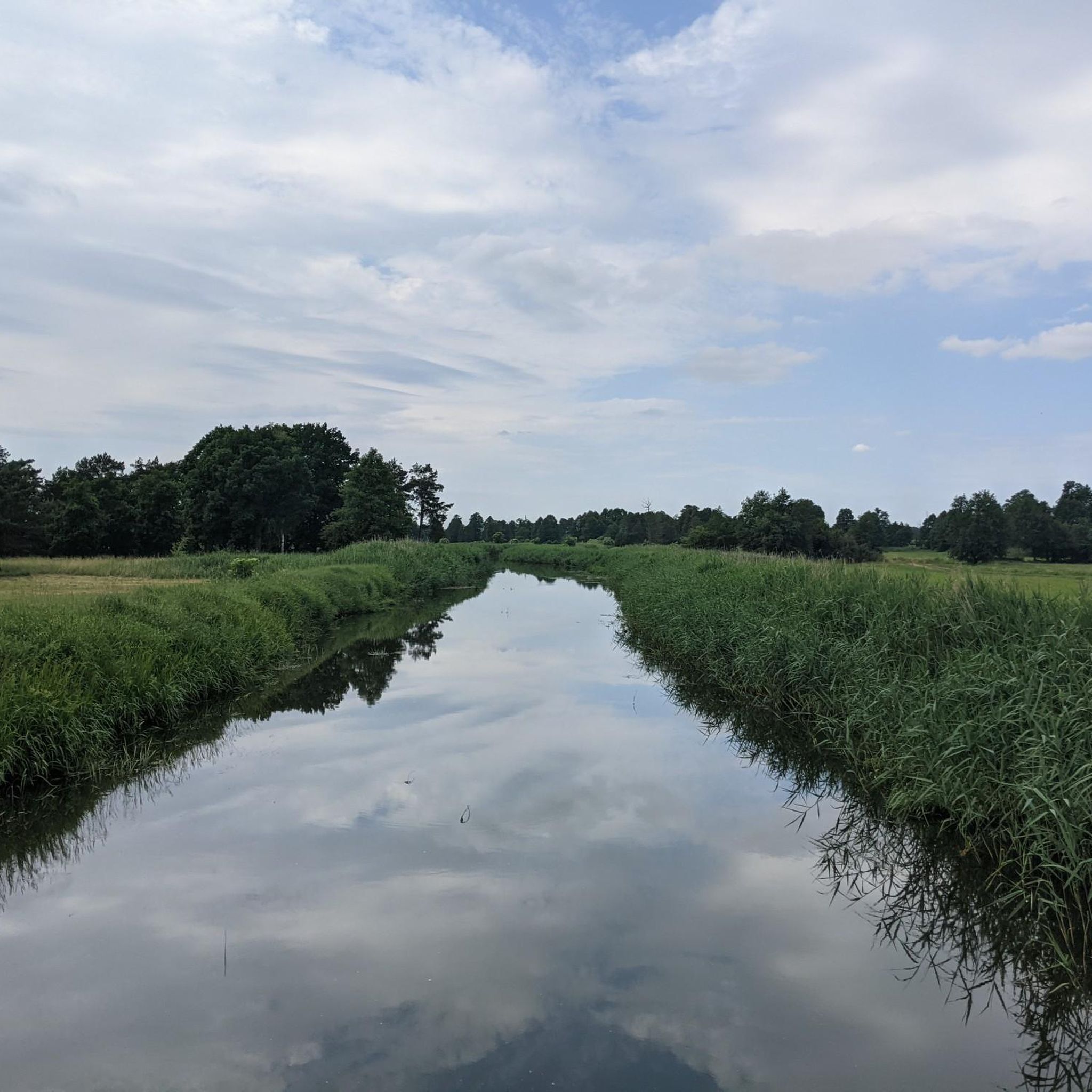
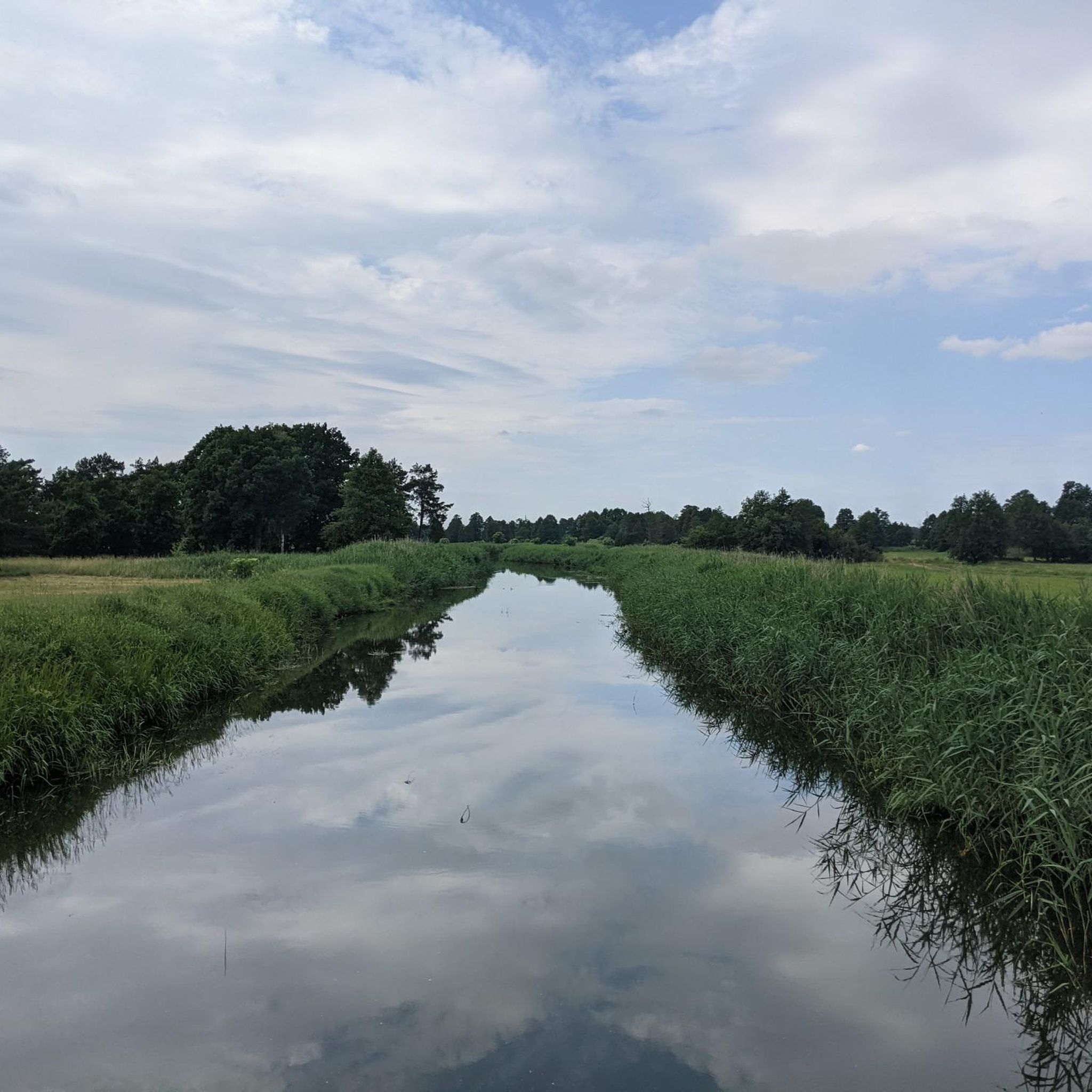
A nice place to take a break. There are benches, a shelter, a trash can. You can rest and look at the Noteć
0
0
Frequently Asked Questions
How many touring cycling routes are available around Kcynia?
There are over 50 touring cycling routes available around Kcynia. These routes cater to various skill levels, with a good mix of easy, moderate, and difficult options.
What are the difficulty levels of touring cycling routes in Kcynia?
The touring cycling routes in Kcynia offer a range of difficulties. You'll find approximately 33 easy routes, 9 moderate routes, and 9 more challenging routes, ensuring options for all experience levels.
What natural attractions can I explore on a touring bike around Kcynia?
The region around Kcynia is known for its picturesque post-glacial landscape, featuring nearly 100 lakes and extensive forests. You can discover natural monuments like the monumental oaks featuring Brzózki Wooden Sculptures at the Monumental Oaks, which make for interesting stops along your ride.
Are there any historical sites or cultural landmarks to visit while cycling near Kcynia?
Yes, touring cyclists can incorporate several historical and cultural stops. You might visit the Chobielin Manor, explore the interesting engineering of the Bydgoszcz Canal – Występ Lock, or see the unique Murals of Brzózki. The town of Kcynia itself also boasts historical landmarks like the Carmelite monastery and the Gothic Saint Michael Archangel church.
What do other touring cyclists say about the routes in Kcynia?
The touring cycling routes around Kcynia are highly rated by the komoot community, with an average score of 4.8 out of 5 stars from over 140 reviews. Cyclists often praise the varied terrain, the scenic post-glacial landscapes, and the integration of natural and historical points of interest.
Are there circular touring cycling routes around Kcynia?
Yes, many of the touring cycling routes around Kcynia are designed as loops, allowing you to start and end at the same point. An example is the challenging Natura 2000 Noteć Valley – Bridge Over the Noteć River loop from Anieliny, which offers a full circular experience.
What is the average distance of touring bike routes near Kcynia?
The touring cycling routes around Kcynia vary in length. For instance, the Bydgoszcz Canal – Występ Lock – View of the Bydgoszcz Canal loop from Nakło nad Notecią is about 32.7 km (20.3 miles), while the Chobielin Water Mill – Chobielin Manor loop from Paterek is around 20.2 km (12.6 miles). You'll find a good range of distances to suit your preference.
Are there family-friendly touring cycling routes in the Kcynia area?
Yes, many of the routes around Kcynia are suitable for families, particularly the easier ones that follow flatter terrain. The region's developing cycling infrastructure often connects popular tourist spots with green areas, making for pleasant and safe family outings. Look for routes marked as 'easy' for the most family-friendly options.
What is the best time of year for touring cycling in Kcynia?
The best time for touring cycling in Kcynia is generally from spring through early autumn (May to September). During these months, the weather is typically mild, and the natural landscapes, including the numerous lakes and forests, are at their most vibrant. The varied terrain, including moraine hills, can be enjoyed without the challenges of winter conditions.
Are there any specific facilities for cyclists along the routes?
While specific facilities vary by route, the region is developing its cycling infrastructure. Some routes may feature designated rest stops, such as the Bicycle Rest Stop, providing convenient places to pause and refresh during your ride.
Can I find routes that offer scenic viewpoints around Kcynia?
Absolutely. Kcynia is situated atop a moraine hill, rising 136 meters above sea level, which provides varied terrain and opportunities for scenic views. Routes that traverse these higher elevations or follow the shores of the region's nearly 100 lakes will offer picturesque vistas of the post-glacial landscape.
Most popular attractions around Kcynia

Get inspired with the komoot mobile app


Explore more
Browse the best Cycling routes in other regions.
