Attractions and Places To See around gmina Chełmża - Top 20
Attractions and places to see around gmina Chełmża, located in Poland's Kuyavian-Pomeranian Voivodeship, offer a diverse range of experiences. The region features historical landmarks, natural beauty, and cultural sites. Visitors can explore ancient architecture, enjoy recreational activities on Lake Chełmżyńskie, and delve into the area's rich heritage. This area provides opportunities for both historical exploration and outdoor recreation.
Best attractions and places to see around gmina Chełmża
- The most popular attractions is Teutonic Castle in Bierzgłowski Castle, a castle built between 1232 and 1270 by the Teutonic Order. It is defended by steep slopes, walls, and moats, and once served as an excellent observation point.
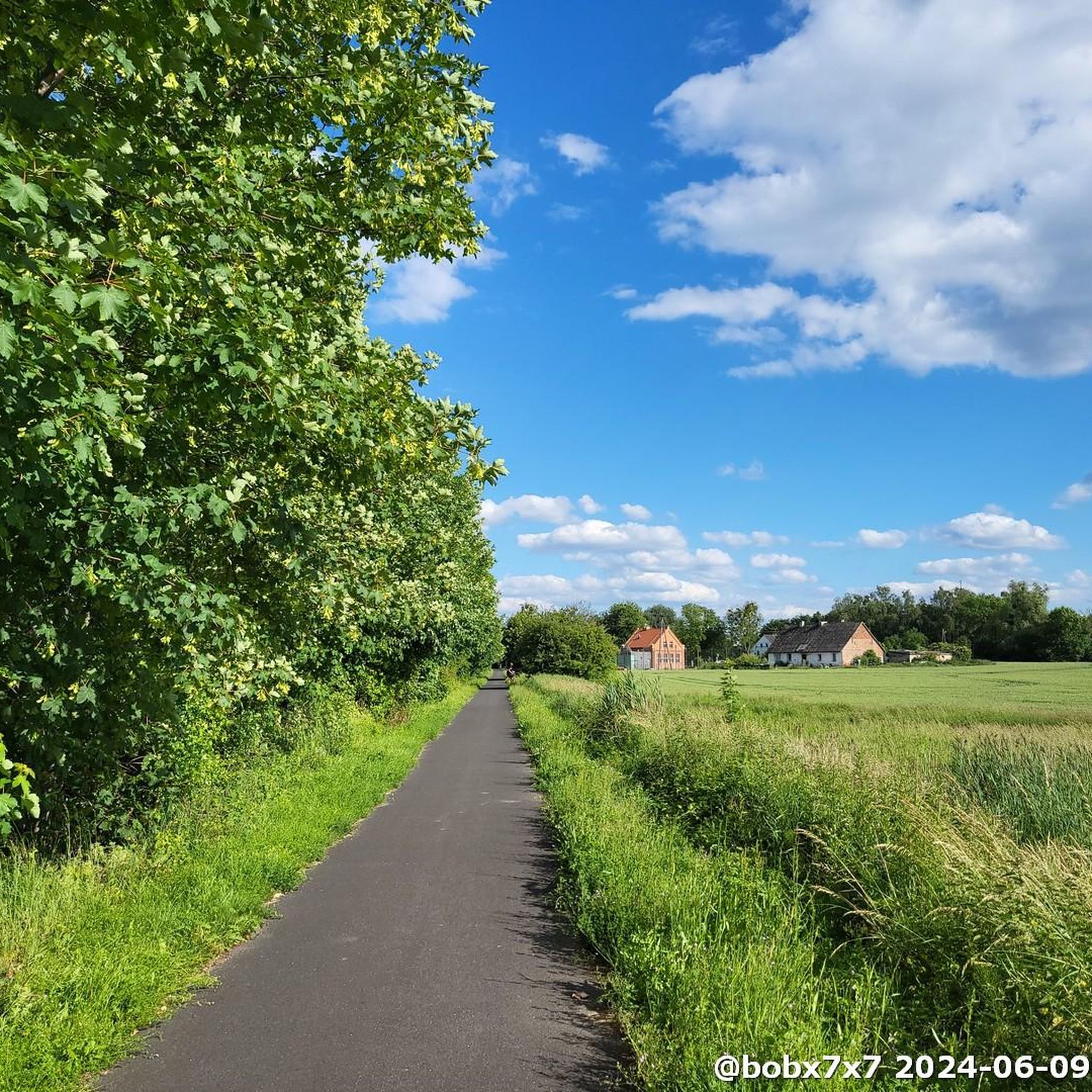
- Another must-see spot is Toruń–Unisław Bike Path, a cycle way that runs along a former railway route. This path offers a pleasant riding experience away from main roads throughout the year.
- Visitors also love Romantyczny Palace in Turzno, a historical site featuring a 19th-century manor house and an English-style landscape park with two ponds. Fryderyk Chopin notably stopped here in July 1827.
- gmina Chełmża is known for its historical sites, natural features, and cultural points of interest. The region offers a variety of castles, palaces, churches, and recreational areas to explore.
- The attractions around gmina Chełmża are appreciated by the komoot community, with more than 160 upvotes and over 110 photos shared.
Last updated: August 25, 2026
Teutonic Castle in Bierzgłowski Castle
Highlight • Castle
The castle's location allowed for a direct view of the fortress in Toruń, and the castle itself provided an excellent observation point.
On the northwest side stood a building with a basement housing a chapel, refectory, and chapter house, connected to the southwest wing by cloisters.
The courtyard is enclosed by a wall with an entrance gate. The outbuildings included stables, barns, workshops, and a granary. In 1404, the castle housed as many as 189 horses: the knights' war horses, the cadets' horses, draft horses, post horses, mares, and foals. From 1386 to 1415, the castle was the seat of the Biergłowice commanders. During the Thirteen Years' War, in February 1454, the castle was occupied by the Prussian Confederation and became the administrative seat of the Teutonic Order's procurator. From 1474 to 1840, it was owned by the Toruń authorities. After a fire in 1522, the castle fell into ruin. Since 1840, when it passed into private hands, the southwest wing and gate tower were rebuilt. On November 3, 1908, another devastating fire broke out in the rebuilt buildings, destroying the roofing. In 1911, reconstruction was carried out according to a design by Conrad Steinbrecht. The history of the Teutonic Order (Full name: Order of the Hospital of the Blessed Virgin Mary of the German House in Jerusalem), as is almost always the case with "holy" organizations, is a centuries-long history of constant violence. Only the Reformation stopped this mercantile activity. However, it is worth mentioning the efforts to establish a university, a school for girls (very rare at that time) and a set of geometric and theological laws and treatises.
The castle was built in the years 1232-1270 (very quickly) by the Teutonic Order of the Hospital of the Blessed Virgin Mary from the German House in Jerusalem. Steep slopes defend him from the west and south, walls and moat from the north and east.
The location of the castle allowed eye contact with the fortress in Toruń, and the castle itself was an excellent observation point.
From the north-west there was a basement building housing a chapel, refectory, chapter house connected by a cloister with the south-west wing.
The courtyard closes the wall with an entrance gate. In the economic ward there were stables, barns, workshops and a granary. In 1404, there were as many as 189 horses in the castle: war steeds, knights, knechts, draft horses, post horses, mares and foals.
In the years 1386 - 1415 this castle was the seat of the Bierzłów commanders. During the Thirteen Years' War in February 1454, the castle was taken by the army of the Prussian Union and became the administrative seat of the Teutonic prosecutor. In the years 1474-1840 it was owned by the authorities of Toruń. After a fire that took place in 1522, the castle fell into ruins. From 1840, when it passed into private hands, the south-west wing and the gate tower were rebuilt. On November 3, 1908 another severe fire broke out in the rebuilt buildings, which destroyed the roofing. In 1911 a reconstruction was carried out according to the design of Conrad Steinbrecht. The history of the Teutonic Order (Full name: The Order of the Hospital of the Blessed Virgin Mary of the German House in Jerusalem), as it is almost always the case with "holy" organizations, is a centuries-old series of constant violence. Only the Reformation stopped mercantile activity this holiday. However, one should mention the efforts to create a university, a girls' school (very rare at that time) or a collection of geometrical and theological laws and treaties.
Translated by Google •
Tip by

Toruń–Unisław Bike Path
Highlight • Cycleway
Translated by Google •
Tip by

Sign up now to discover places like this
Get recommendations on the best single tracks, peaks, & plenty of other exciting outdoor places.
Sign up for free
Romantyczny Palace in Turzno
Highlight • Historical Site
In July 1827, on his way to Gdańsk, Fryderyk Chopin stopped here for a few days.
When I am nearby during my cycling trips, I can't resist the temptation not to look here again.
Translated by Google •
Tip by

Chapel of St. Barbara in Osada Leśna Barbarka
Highlight • Religious Site
Translated by Google •
Tip by
Fort IV Stanisława Żółkiewskiego (Toruń Fortress)
Highlight • Historical Site
Translated by Google •
Tip by

Sign up for free to discover even more attractions around gmina Chełmża.
Sign up for free
Already have an account?
Start today with a free account
Your next adventure awaits.
Login or Signup

Tips from the Community

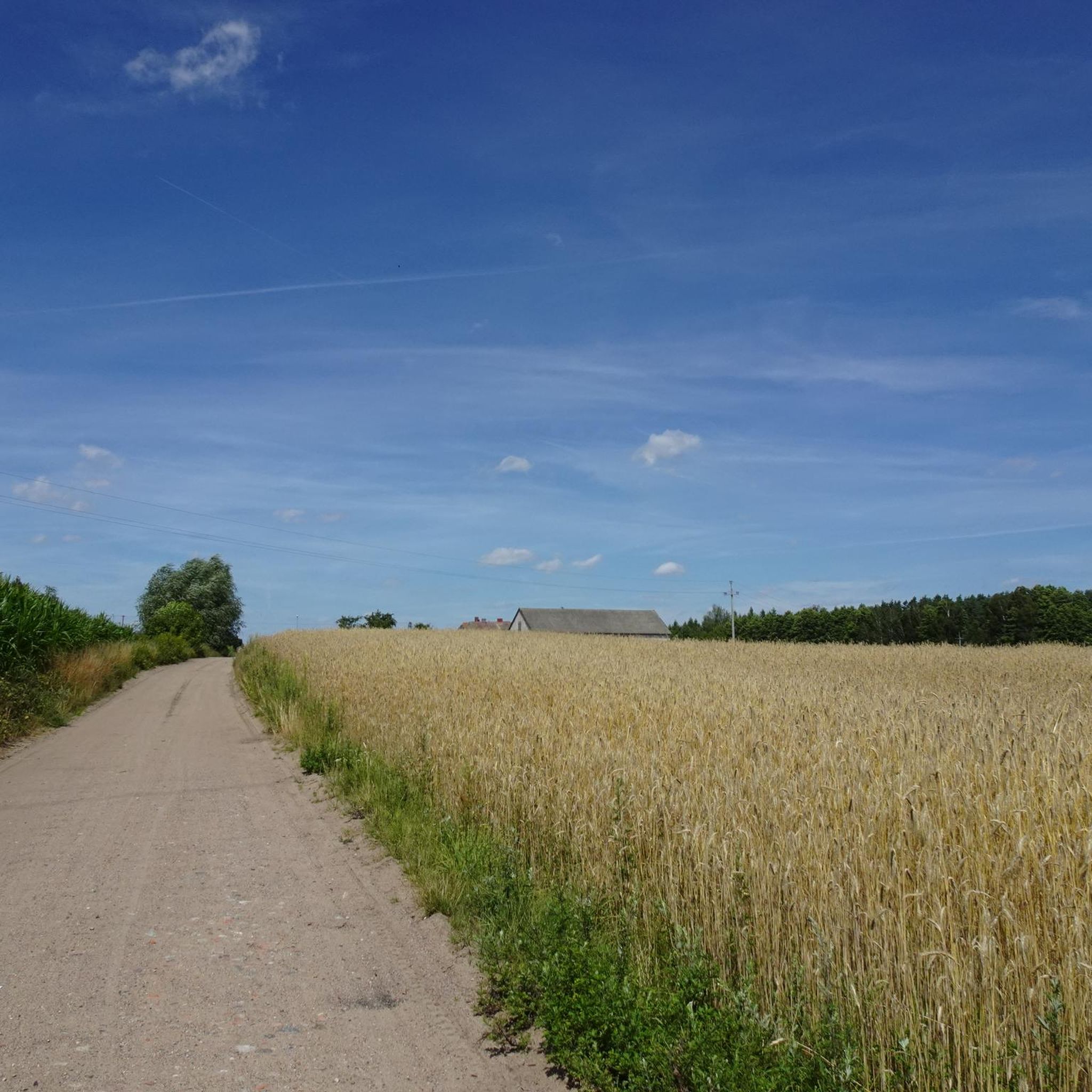
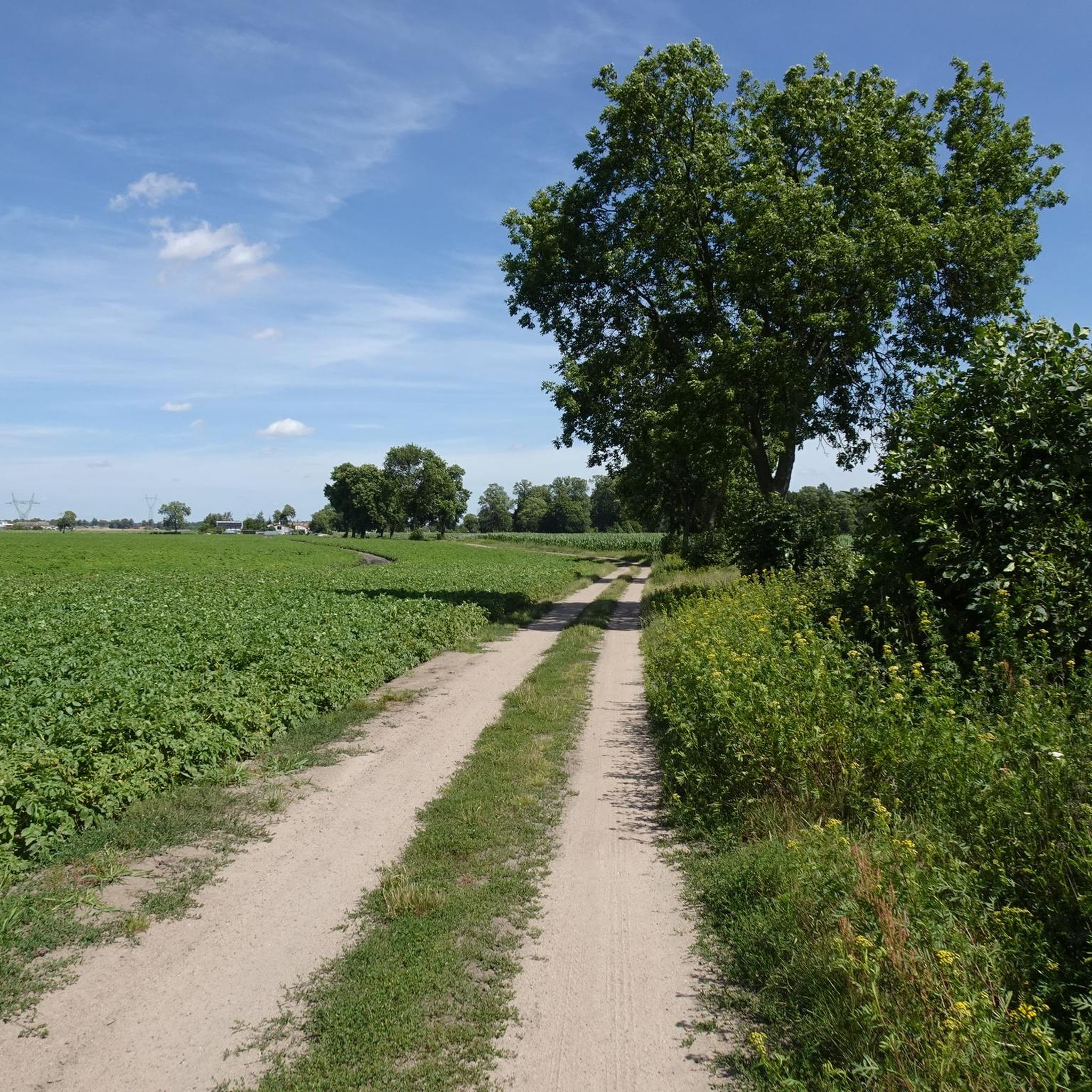
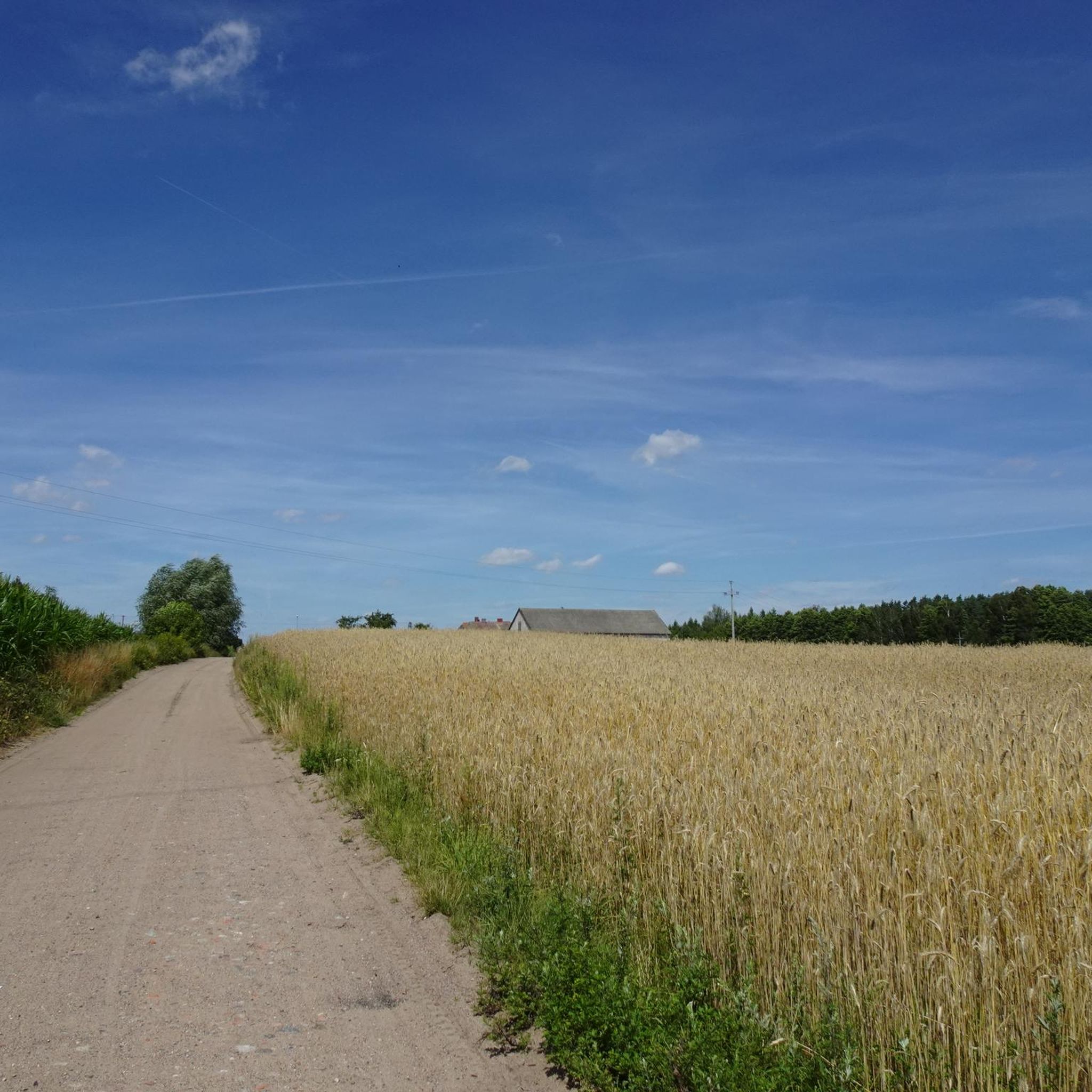
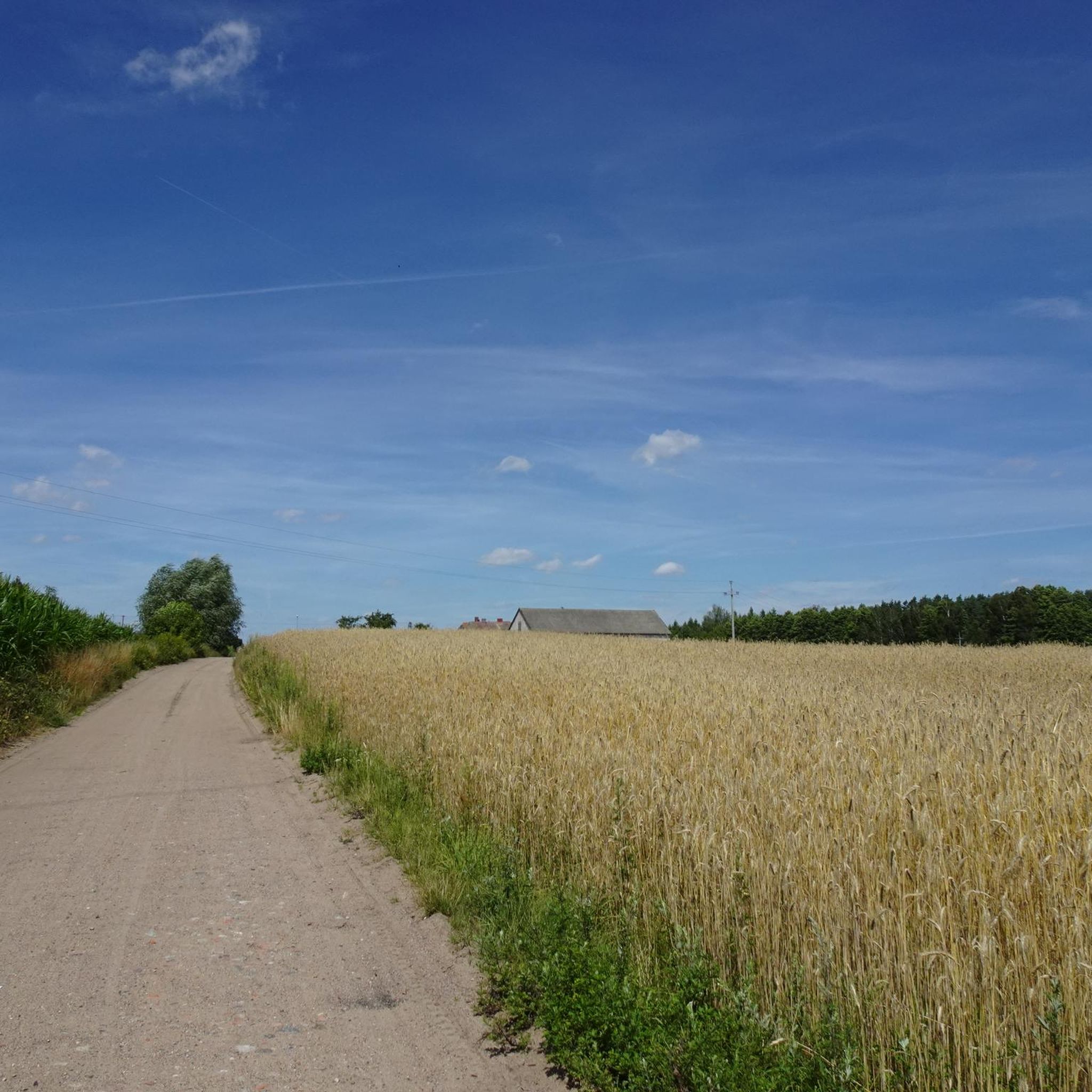
As usual with cycle paths on the railway line - a revelation
0
0

The castle has an open chapel on the first floor.
0
0

Nice park, hotel, pond, restaurant
0
0
An interesting little chapel to watch
0
0

see TORUŃ FORTRESS https://www.komoot.com/pl-pl/tour/1947728855
0
0
FORT IV Stanisław Żółkiewski (Graf Ludwig Yorck von Wartenburg). An artillery fort built in the years 1878-1884 of brick, on a pentagonal plan, as the main artillery fort of the Biehlers' type, protected the Toruń Mokre and Toruń Północ railway stations. It could survive a six-month siege. It was intended for a crew of two infantry companies and the service of artillery positions (totalling about 800 people), accommodated in 31 residential rooms. The armament of the facility consisted of 14 medium-caliber guns and, at various times, from 15 to 22 heavy-caliber guns located in two wing batteries together with shelters for their crews. A casemate and 9 infantry shelters have been preserved on the fort's premises. In the 1890s and in the years 1911–1914 it underwent modernization: some windows were bricked up, the rest were equipped with armoured shutters, ammunition elevators were eliminated due to the artillery being moved to coupled batteries, mechanical ventilation was introduced. The whole was surrounded by barbed wire. Part of the barracks and the postern were reinforced, which made the vital parts of the fort resistant to shells from 220 mm cannons.
1
0

A "legendary" bike path in the Toruń area. A very good example of land development after a disused railway line. Very popular, used by many cyclists, pedestrians, rollerbladers, etc. The administrator could take care of it a little more often - there are places where roots are breaking through the asphalt, bushes are often not trimmed.
0
0

The entire section of the road is suitable for road bikes. The surface may be covered with sludge from the fruit trees growing along the path. When wet, there are lots of snails, not all of them can be avoided :(
0
0
Frequently Asked Questions
What historical sites can I explore around gmina Chełmża?
The region is rich in history. You can visit the impressive Teutonic Castle in Bierzgłowski Castle, built between 1232 and 1270, which served as an important observation point. Other notable historical landmarks include the magnificent Holy Trinity Co-Cathedral, dating back to 1251, and the Gothic St. Nicholas Church from the late 13th century. Don't miss the 19th-century Romantyczny Palace in Turzno, known for its English-style park and a visit from Fryderyk Chopin.
Are there any natural attractions or recreational areas in gmina Chełmża?
Yes, gmina Chełmża offers beautiful natural spots. Lake Chełmżyńskie is a central feature, perfect for water sports and relaxation, with recreational centers like Ustronie Beach and Zalesie Recreation Center. You can also explore the picturesque gorge with the Stone Bridge over the Struga Papowska Mała in Leszcz, or the Piwnicki Forest Nature Reserve, which protects an ancient oak-hornbeam forest.
What cycling opportunities are available in the area?
Cycling enthusiasts will enjoy the Toruń–Unisław Bike Path, which follows a former railway route, offering a pleasant ride away from main roads throughout the year. For more routes, you can explore various Road Cycling Routes and Gravel Biking trails around gmina Chełmża.
Are there family-friendly activities or attractions in gmina Chełmża?
Absolutely! Lake Chełmżyńskie offers family-friendly recreational centers like Ustronie Beach and Zalesie, with playgrounds and safe swimming areas. The Historical-Natural Path in Grodno is a 2 km route accessible by foot or bike, featuring 11 stops focused on nature, forest, history, and fishing, making it ideal for families. Additionally, the Chapel of St. Barbara in Osada Leśna Barbarka has a playground nearby.
Where can I learn about the local culture and heritage?
To delve into the local culture, visit the Miejska Izba Muzealna (Municipal Museum Chamber) within the Poviat and Municipal Public Library, which houses a permanent exhibition on the history of Chełmża. You can also experience the city's vibrant cultural life through Poland's Oldest Choir "Święta Cecylia," founded in 1869.
Are there any notable churches or religious sites?
Yes, the region is home to several significant religious sites. The Holy Trinity Co-Cathedral is a magnificent Gothic structure from 1251. You can also find the Gothic St. Nicholas Church, the St. Catherine of Alexandria Church in Nawra, which houses the grace-famous painting of Our Lady of Nawrzyńska, and the Chapel of St. Barbara in Osada Leśna Barbarka, an ancient pilgrimage site.
What kind of walking or running trails are available?
Gmina Chełmża offers various trails for walking and running. The Historical-Natural Path in Grodno is a pleasant 2 km route suitable for both. For dedicated runners, there are several Running Trails, including easy loops around Chełmża and more challenging routes like the Chełmża City Beach – Promenade on Lake Chełmżyńskie loop.
Are there any military history sites in the area?
Yes, you can explore military history at Fort IV Stanisława Żółkiewskiego (Toruń Fortress). This artillery fort, built between 1878 and 1884, was designed to withstand a six-month siege and protected key railway stations. It features casemates and infantry shelters, offering a glimpse into 19th-century military architecture.
What are some lesser-known historical gems in the region?
Beyond the main attractions, you can discover the historic Brąchnówko Palace and Park, featuring a restored 19th-century eclectic palace and an English-style park with trees holding natural monument status. The region also has ruins of other Teutonic castles in villages like Lipienek and Papowo Biskupie, and numerous historic Gothic churches in surrounding villages such as Grzywna and Nawra.
Can I find any unique architectural structures?
Certainly. In addition to the Gothic churches and castles, you can observe the Neo-Gothic Town Hall in Chełmża's market square and the Historic Water Tower, considered an early municipal water supply structure. These offer interesting examples of different architectural styles throughout the region's history.
What do visitors enjoy most about the attractions around gmina Chełmża?
Visitors frequently appreciate the diverse range of experiences, from exploring ancient castles like the Teutonic Castle in Bierzgłowski Castle to enjoying the peaceful Toruń–Unisław Bike Path. The blend of historical sites, natural beauty, and opportunities for outdoor recreation, often away from main roads, is highly valued by the komoot community.
Most popular routes around gmina Chełmża
Most popular attractions around gmina Chełmża

Get inspired with the komoot mobile app


Explore more
Still not found the Highlight you’re looking for? See guides of the top attractions in other regions:
